Top News

Industry Briefing

A single destination for timely, editor-curated robotics news from around the world.

How defense teams can scale AI without increasing data risk

How defense teams can scale AI without increasing data risk

Artificial Intelligence (AI) is significantly enhancing the mission data footprint within defense environments, prompting a growing demand for scalable and layered protection of data-at-rest (DAR). This development is crucial as defense sectors increasingly rely on vast amounts of sensitive information to support their operations. The expansion of AI capabilities is occurring in response to the evolving complexities of modern warfare and cybersecurity threats, necessitating robust data protection strategies. As military and defense organizations seek to secure their information assets, the implementation of advanced DAR solutions will play a vital role in safeguarding critical data against potential breaches and ensuring operational integrity.

Networks & Digital Warfare Sponsored Post artificial intelligence AI Cigent Cigent custom cyber security
Microsoft CEO Satya Nadella Warns Companies About AI Data Risks and Ownership

Microsoft CEO Satya Nadella Warns Companies About AI Data Risks and Ownership

In a recent blog post, Microsoft CEO Satya Nadella raised concerns about the risks associated with using AI models from proprietary labs like OpenAI and Anthropic. He highlighted that companies are not only paying for AI usage but are also inadvertently sharing sensitive business information, which could be exploited by these labs as they learn from user interactions. Nadella emphasized that enterprises are effectively teaching AI models about their unique business nuances, which could lead to competitors gaining access to invaluable institutional knowledge. He criticized the current model where AI companies can freely train on public data while imposing restrictions on how enterprises can learn from their models. To address these concerns, Nadella suggested that companies should retain ownership of their data and develop proprietary learning environments on cloud platforms. He advocated for the creation of orchestration layers that allow businesses to switch between different AI models, thus avoiding dependency on a single provider. No further timeline was disclosed at the time of publication.

AI Enterprise Microsoft open source ai Satya Nadella
SpaceX's Starmind Plans 1 Million AI Satellites Amid Collision Risks

SpaceX's Starmind Plans 1 Million AI Satellites Amid Collision Risks

SpaceX has announced its ambitious Starmind project, which aims to deploy 1 million AI satellites in orbits between 500 and 2,000 km. This initiative, confirmed by Elon Musk on June 23, 2026, follows a merger with xAI, valuing the combined entity at $1.25 trillion. The satellites will function as orbital data centers, processing AI workloads powered by solar arrays and linked by optical lasers. The significance of Starmind lies in its potential to add 100 gigawatts of AI compute capacity annually, contingent on the successful operation of the Starship launch system. However, the project raises concerns regarding space debris, as the current orbital environment is already congested, with a 20% increase in collision risk reported since 2024. The European Space Agency has highlighted that the density of debris in low Earth orbit is now comparable to that of active satellites, complicating the operational landscape for new entrants like Starmind. Looking ahead, the first operational orbital AI deployments are targeted for 2028, with test launches expected in early 2027. However, the project faces scrutiny regarding its impact on space debris, as even a 1% failure rate could significantly increase the number of uncontrollable objects in orbit, exacerbating existing risks. No further timeline was disclosed at the time of publication.

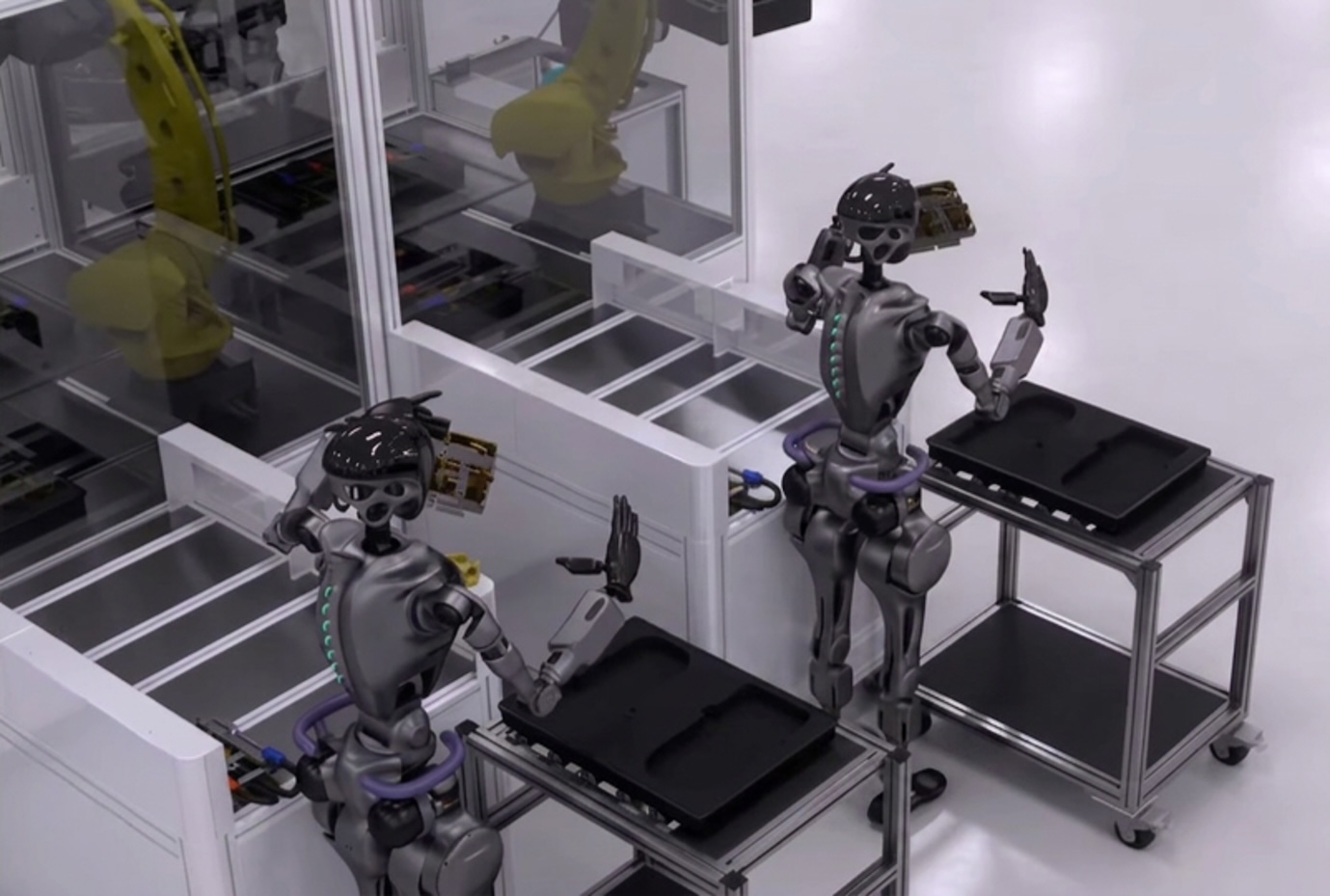
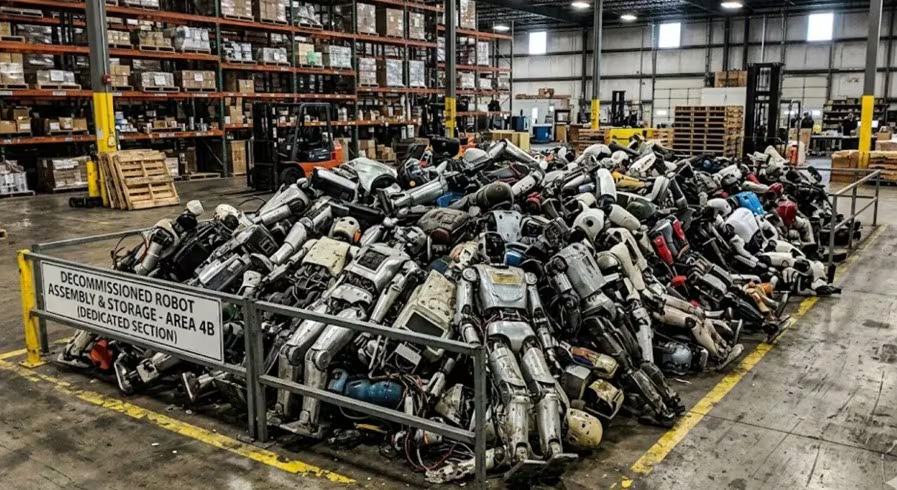
The Eve of the Humanoid Robot Scrapping Wave: Over Ten Thousand Parts, Data Leaks, and Risks of Thermal Runaway Await Resolution

The Eve of the Humanoid Robot Scrapping Wave: Over Ten Thousand Parts, Data Leaks, and Risks of Thermal Runaway Await Resolution

As the deadline for the scrapping of humanoid robots approaches, industry experts are raising alarms over the potential risks associated with the disposal of over ten thousand robot parts. This wave of scrapping, set to occur in the coming weeks, has been prompted by concerns over data leaks and the dangers of thermal runaway, a phenomenon where overheating can lead to catastrophic failures. The situation has unfolded primarily in tech hubs where these robots were developed and deployed, highlighting the urgent need for effective disposal protocols. Experts warn that without proper management, the discarded components could pose significant environmental and safety hazards. In response to these concerns, companies are urged to implement stringent measures to secure sensitive data and safely dismantle the robots to mitigate risks. The industry is now under pressure to establish comprehensive guidelines for the responsible disposal of robotic technology, ensuring that both data integrity and public safety are prioritized as this unprecedented scrapping wave looms.

Robotics Automation AI
SpaceX Launches Starmind Project for 1 Million AI Satellites by 2028

SpaceX Launches Starmind Project for 1 Million AI Satellites by 2028

SpaceX has officially named its orbital AI infrastructure project 'Starmind,' which aims to deploy a constellation of up to 1 million satellites. This initiative, confirmed by Elon Musk on June 22, 2026, will enable AI inference directly in space, utilizing solar energy rather than terrestrial power sources. The first satellite, designated AI1, was unveiled on June 8, 2026, and is designed to operate in sun-synchronous orbits. The significance of Starmind lies in its potential to overcome the limitations faced by ground-based data centers, such as land, power, and water constraints. By running AI computations in orbit, Starmind can provide a more efficient solution to the growing demand for AI computing power. The project leverages the existing Starlink infrastructure for data transmission, distinguishing its function from Starlink's internet relay capabilities. Looking ahead, SpaceX plans to begin hardware deployment with the AI1 satellite, while full-scale production and deployment of the satellite constellation are targeted for 2028. As of now, no Starmind satellites have been launched, and further engineering challenges remain to be addressed, particularly regarding the scalability of the satellite design.

SpaceX IPO Provides Indirect Investment Opportunity in Starmind Project

SpaceX IPO Provides Indirect Investment Opportunity in Starmind Project

Starmind does not have a standalone stock or ticker; investors can gain exposure through SpaceX (ticker: SPCX), which began trading on Nasdaq after its IPO on June 12, 2026. Starmind is integrated within SpaceX, contributing to the company's AI and space initiatives, and its performance directly influences SPCX shares. The significance of Starmind lies in its role as a division of SpaceX, which encompasses other projects like Starlink and Starship. As of early July 2026, SPCX shares are trading between $149 and $150, significantly lower than their 52-week high of $225.64. The project’s milestones, such as AI1 prototype updates, can impact SpaceX's stock performance, making it essential for investors to monitor these developments closely. Looking ahead, the early 2027 launch of AI1 prototype satellites is a critical milestone that could provide verifiable data affecting Starmind's valuation and, consequently, SPCX stock. No further timeline was disclosed at the time of publication, but the upcoming events will be pivotal for investors tracking the relationship between Starmind and SpaceX's stock performance.

SpaceX's Starmind Faces Feasibility Challenges for 1 Million Satellite Deployment

SpaceX's Starmind Faces Feasibility Challenges for 1 Million Satellite Deployment

On January 30, 2026, SpaceX submitted a request to the FCC to launch up to 1 million satellites as part of its Starmind orbital compute constellation. This ambitious plan is unprecedented, as the total number of satellites ever launched globally is in the low tens of thousands. The proposal seeks a waiver from standard deployment milestones, citing reliance on the Starship's full reusability for success. The significance of this request lies in the technical and logistical challenges it presents. Experts warn that low Earth orbit may not support the proposed number of active satellites without risking a debris cascade. SpaceX's own IPO prospectus acknowledges unresolved dependencies related to Starship's launch cadence and reusability, which are critical for the orbital AI compute strategy. Looking ahead, the timeline for achieving the necessary launch cadence and manufacturing capacity remains uncertain. SpaceX's Gigasat facility in Texas aims for volume production by late 2027, but this would require unprecedented output levels. No further timeline was disclosed at the time of publication, leaving the feasibility of the Starmind project in question.

The Role of Risk Calculations in Building More Reliable Automated Trading Systems

The Role of Risk Calculations in Building More Reliable Automated Trading Systems

The Bank for International Settlements has raised concerns about the reliability of fast trading systems, highlighting the growing prevalence of automated and algorithmic trading in financial markets. This shift has underscored the necessity for robust risk controls to manage the complexities associated with these trading strategies. As financial institutions increasingly rely on automated systems, the importance of thorough evaluation and development of these strategies becomes paramount. The bank emphasizes that the key to success in this environment lies in leveraging accurate data and effective risk management practices.

Business Investments algorithmic trading Automated trading systems CFD calculator Drawdown analysis
Shadow IT: Risks, Realities, and How to Manage it

Shadow IT: Risks, Realities, and How to Manage it

In a growing trend, many employees are increasingly utilizing shadow IT—tools and services that bypass official approval from their organization's IT departments. This practice includes actions such as storing company files in personal cloud accounts or employing external password managers for convenience. While these alternatives may offer ease of use, they pose significant risks to data security and compliance, as they are not vetted by the organization's security protocols. As businesses grapple with the implications of this unauthorized technology usage, experts emphasize the need for clear policies and employee training to mitigate potential vulnerabilities. The rise of shadow IT highlights the ongoing challenge organizations face in balancing employee autonomy with the necessity of maintaining robust cybersecurity measures.

Computing Technology access control automation news browser security cloud security
"Fable 5 halted after three days: Satya Nadella discusses AI dependency risks amid US government intervention."

"Fable 5 halted after three days: Satya Nadella discusses AI dependency risks amid US government intervention."

Anthropic's latest AI model, Claude Fable 5, faced an abrupt halt in user access just three days after its release due to an emergency directive from the U.S. government. This swift action raises concerns regarding autonomous cyber attacks, prompting scrutiny of the model's capabilities and implications. Additionally, Microsoft has restricted the use of Claude Fable 5 internally, citing issues related to its Zero Data Retention (ZDR) policy. The timeline of events surrounding these developments highlights the growing apprehension over AI technologies and their potential risks in cybersecurity.

The Data Driving Asset Reliability | Boston Dynamics

The Data Driving Asset Reliability | Boston Dynamics

Recent advancements in automation and real-time data collection are significantly transforming asset reliability across various industries. This shift, which has gained momentum in recent months, is particularly evident in sectors where operational efficiency is crucial. By leveraging these technologies, companies are effectively reducing instances of unplanned downtime, which can lead to costly interruptions in production. The integration of automated systems allows for continuous monitoring of equipment and processes, enabling organizations to identify potential issues before they escalate into major problems. This proactive approach not only enhances the reliability of assets but also streamlines operations, ultimately leading to improved productivity and cost savings. As industries increasingly adopt these innovative solutions, the focus on data-driven decision-making is becoming paramount. By harnessing real-time insights, businesses can make informed choices that optimize performance and minimize risks associated with equipment failure. This trend underscores the importance of embracing technological advancements to stay competitive in a rapidly evolving marketplace. Overall, the ongoing transformation driven by automation and data analytics is reshaping how companies manage their assets, ensuring a more resilient and efficient operational framework.

How Kodiak uses AI and probabilistic risk assessment to measure autonomous trucking safety

How Kodiak uses AI and probabilistic risk assessment to measure autonomous trucking safety

Recent advancements in artificial intelligence are significantly accelerating the development of autonomous driving technology, allowing engineers to innovate at an unprecedented pace. However, the critical challenge remains ensuring that these advancements are paired with robust safety measures. Industry experts emphasize that achieving depth and rigor in safety protocols does not necessarily depend on having the largest budgets or the most extensive vehicle fleets. Instead, the focus is shifting towards extracting precise insights from data to enhance safety standards. As the industry moves forward, the integration of rigorous safety assessments with cutting-edge technology will be essential for the successful deployment of autonomous vehicles on public roads.

Autonomous Vehicles Computing Features Software ai safety automation news
Eating fried potatoes three times a week increases diabetes risk by 20%, study finds.

Eating fried potatoes three times a week increases diabetes risk by 20%, study finds.

Researchers from Harvard University and the University of Cambridge have conducted a study examining the impact of potato consumption and cooking methods on the risk of developing type 2 diabetes. The findings will be published in the British Medical Journal (The BMJ) in September 2025. This research draws on data from three cohort studies conducted in the United States, alongside a meta-analysis of prospective cohorts, to assess how different levels of potato intake may influence diabetes risk. The motivation behind this study stems from the increasing prevalence of type 2 diabetes and the need to understand dietary factors that could mitigate this health issue. By analyzing various preparation methods and consumption patterns, the researchers aim to provide insights that could inform dietary guidelines and public health recommendations.

AgroDrone Europe Deploys Industrial-Scale Robotic Shading to Mitigate Structural Risks and Maximize Greenhouse ROI across Germany and Poland

AgroDrone Europe Deploys Industrial-Scale Robotic Shading to Mitigate Structural Risks and Maximize Greenhouse ROI across Germany and Poland

A company has introduced centimeter-level Real-Time Kinematic (RTK) positioning technology to transform the maintenance processes for high-output growers in the agricultural corridor of Germany and Poland. This innovative approach aims to eliminate the risks associated with manual maintenance, replacing it with a predictable and data-driven operational expense. By leveraging advanced positioning systems, the company seeks to enhance efficiency and reliability in agricultural operations, addressing the growing need for precision in farming practices. This development is part of a broader trend towards automation and data utilization in agriculture, reflecting the industry's shift towards more sustainable and cost-effective methods.

AI identifies early risk patterns for skin cancer

AI identifies early risk patterns for skin cancer

A comprehensive study conducted in Sweden has demonstrated that artificial intelligence can effectively identify individuals at an elevated risk of melanoma by analyzing routine health data. The research revealed that advanced AI models significantly surpassed traditional methods in accuracy, successfully pinpointing high-risk groups. Notably, some individuals identified by the AI system were found to have as much as a 33% likelihood of developing melanoma within a five-year period. This innovative approach holds the potential to revolutionize melanoma screening by enabling more precise and targeted interventions for at-risk populations.

Machine Learning Models Predict Stroke Risk in Atrial Fibrillation

Machine Learning Models Predict Stroke Risk in Atrial Fibrillation

Recent advancements in machine learning have led to the development of innovative models that utilize routine clinical data to enhance stroke risk prediction in patients with atrial fibrillation. This breakthrough, which emerged from ongoing research in the field, aims to provide more personalized patient care by accurately assessing individual risk factors. The models, trained on extensive datasets, demonstrate a significant improvement in predicting stroke risk compared to traditional methods. As healthcare professionals increasingly adopt these technologies, the potential for tailored treatment plans and better patient outcomes is becoming more evident. This development marks a pivotal step in integrating artificial intelligence into clinical practice, ultimately striving to improve the quality of care for those affected by atrial fibrillation.

Will Digital Optimus Replace Your Job? Full Profession Risk List (2026)

Will Digital Optimus Replace Your Job? Full Profession Risk List (2026)

Digital Optimus, a new initiative, aims to address the challenges posed by procedural, screen-based white-collar work. Recently, a comprehensive risk assessment was conducted, evaluating 23 different professional roles, with research data sourced from Anthropic and the Washington Post. This assessment highlights the limitations of automation, detailing specific tasks that cannot be replaced by technology. In response to the evolving landscape of work, Digital Optimus has developed a four-step adaptation framework designed to help organizations and employees navigate the integration of digital tools into their workflows. This framework is intended to facilitate a smoother transition and ensure that workers are equipped to adapt to the changing demands of their roles. As the initiative gains traction, it aims to provide valuable insights and strategies for businesses looking to leverage technology while maintaining a skilled workforce. The findings and recommendations from this research will be crucial for understanding the future of work in an increasingly automated environment.

Unitree Robots Under Scrutiny for Security Flaws and Unsolicited Data Transmission

Unitree Robots Under Scrutiny for Security Flaws and Unsolicited Data Transmission

Security researchers and robot owners have raised concerns about serious vulnerabilities found in Unitree robots, which include risks of remote code execution and unauthorized data sharing. This revelation has ignited a debate regarding the company's security protocols and its commitment to transparency. The issues were uncovered recently, prompting discussions within the tech community about the implications for user safety and data privacy. As the conversation unfolds, stakeholders are calling for improved security measures and clearer communication from Unitree to address these critical flaws and restore confidence in their products.

Unitree Robotics humanoid-robots cybersecurity robotics
NVIDIA Open Sources Embodied Intelligence Toolchain to Enhance Robotics Development

NVIDIA Open Sources Embodied Intelligence Toolchain to Enhance Robotics Development

On July 6, NVIDIA integrated three key components into Hugging Face's open-source robotics library, LeRobot: the GR00T N1.7 model, Isaac Teleop framework, and the upcoming Cosmos 3. This collaboration connects NVIDIA's 3 million robot developers with Hugging Face's 16 million AI builders, facilitating access to pre-trained models and data. This initiative is significant as it shifts NVIDIA's focus from merely creating models to building an ecosystem that addresses data bottlenecks in embodied intelligence development. The Isaac Teleop framework standardizes data collection, allowing for easier sharing and reuse within the community, which is crucial for advancing robotics. Looking ahead, the integration of GR00T N1.7 and Isaac Teleop into the LeRobot workflow marks a pivotal moment for robotics developers. No further timeline was disclosed at the time of publication.

Robotics Open Source AI Development Data Collection Machine Learning
DJI Drones Enhance Safety by Mapping Everest's Khumbu Icefall in 2026

DJI Drones Enhance Safety by Mapping Everest's Khumbu Icefall in 2026

DJI's recent case study highlights the use of its Matrice 4E drone and DJI Terra software by Airlift Technology to map the Khumbu Icefall during the 2026 Everest climbing season. This innovative approach provided Sherpas with a detailed 3D map of the hazardous terrain, significantly improving safety for climbers. The Khumbu Icefall is a critical and perilous section of the Everest climbing route, known for its deep crevasses and unstable ice formations. Traditionally, Sherpas would navigate this dangerous area on foot to establish safe paths. However, the drone's ability to survey the icefall in just three and a half hours allowed for a more efficient and safer mapping process. Looking ahead, the repeated drone surveys not only enhance climber safety but also offer valuable data for scientists studying glacier dynamics. This deployment marks a significant advancement in high-altitude expedition planning, with potential implications for future climbing seasons and environmental research.

News
AI Models Overthink Problems—and It’s a Security Risk

AI Models Overthink Problems—and It’s a Security Risk

Large language models (LLMs) that can think through problems step-by-step have significantly increased the scope of tasks that AI can tackle. But new research suggests these reasoning capabilities also introduce a critical vulnerability that could allow attackers to slow these systems to a crawl.While earlier generations of LLMs would immediately produce a response to a user’s request, today’s most advanced models generate an internal monologue where they break down the problem into steps and reason about the best way to tackle it before providing an answer. This has allowed AI to tackle increasingly complex problems, particularly in areas like coding and math.However, previous research has shown that these models are susceptible to sometimes producing excessively long streams of reasoning that do little to boost performance, a phenomenon known as “overthinking.” In research presented this week at the International Conference on Machine Learning 2026 in Seoul, researchers from Zhejiang University and e-commerce giant Alibaba in China demonstrate that they can deliberately induce overthinking by subjecting models to logically inconsistent prompts. The result is a form of denial-of-service attack on commercial AI models.Evolutionary Prompt Attack on LLMsThe team has developed an evolutionary algorithm that corrupts the logical structure of prompts, causing models to spiral into overthinking as they attempt to reason through fundamentally unsolvable problems. Generating longer responses costs more and increases the load on a model provider’s servers, so if done at scale, the researchers say, this could significantly degrade the experience of legitimate users. The attack was effective against reasoning models from leading AI companies including DeepSeek-R1, Alibaba’s Qwen3-Thinking, OpenAI’s GPT-o3, and Google’s Gemini 2.5 Flash and resulted in outputs up to 26 times as long as standard responses on a standard math benchmark.“Across multiple datasets and reasoning models, our method substantially amplifies the output length,” Wei Cao, a masters student at Zhejiang University, wrote in an email to IEEE Spectrum. “Our results suggest that overthinking is not an isolated phenomenon specific to individual models, but rather a shared vulnerability among modern reasoning models.”The team’s approach builds on previous research from another group of researchers that showed reasoning models tend to overthink when faced with a question in which a key premise has been removed—such as asking how far someone who walks ten miles a day covers in total without specifying how many days they walked for. Rather than identifying that the problem is unsolvable, models often engage in extended but ultimately fruitless reasoning loops in an attempt to answer the question.Taking the idea a step further, the authors took 940 problems from three math benchmark datasets and used an LLM to break down their logical structure into a set of premises and a final question. The genetic algorithm then jumbled these up using a variety of “mutations,” including swapping premises between problems, adding extra premises to problems, deleting existing premises from problems, and swapping the final questions between two sets of premises.After each round of mutations, the problems are scored on how many words they cause a target model to output and also whether they increase the frequency of specific linguistic markers of overthinking—words like “but,” “wait,” “maybe,” or “alternatively.” The problems that scored highest on both measures are retained and the remaining ones are jumbled up again, and this process is repeated for five generations. Crucially, the approach doesn’t require access to the internals of a model and can generate malicious prompts by simply querying the target, which makes it possible to attack closed-source commercial services, says Cao.Overthinking Vulnerability in AI ModelsThe researchers found that the approach consistently led to outputs several times longer than those generated by the unmodified questions for the reasoning models they tested it on. The biggest jump came from DeepSeek-R1 on the MATH dataset, which is made up of problems from high school math competitions, where the maximum output was 26.1 times as long as the longest response the model provided to unaltered questions. While the main thrust of the research was focused on math problems, the authors also tested it on coding, scientific reasoning, and dialogue challenges, and observed significant jumps in output length in all three.One challenge for the approach is that developing the malicious prompts requires repeated queries to expensive reasoning models, which Cao admitted could limit its cost-effectiveness. However, the researchers also demonstrated that when they used a smaller, cheaper model to generate the malicious prompts they were still able to induce the target models to produce outputs several times longer than normal. This ability to transfer malicious prompts between models significantly increases the attack’s feasibility, Cao wrote.However, he pointed out that the goal of the research is not to develop a practical DoS attack on reasoning models. Factors like the providers’ pricing model, rate limiting policies, context window size, and existing defenses could all impact how effective the approach is. The intention is instead to highlight these models’ vulnerability to logically inconsistent prompts so that providers can attempt to mitigate the problem.“Our objective is not to demonstrate that large-scale attacks can be launched at negligible cost, but rather to establish that this attack surface exists,” he wrote. “Our results indicate that the vulnerability represents a realistic security concern.”

Llms Artificial-intelligence Denial-of-service Cybersecurity
Autel fights FCC drone ban, denies China data access claims

Autel fights FCC drone ban, denies China data access claims

Autel Robotics has expressed concerns regarding the Federal Communications Commission's (FCC) regulatory approach, arguing that the agency is unjustly categorizing its drones alongside those of competitor DJI. The company contends that there has been no evidence presented by regulators to suggest that Autel's products pose any security risks. This statement highlights ongoing tensions within the drone industry, particularly as regulatory scrutiny intensifies in response to national security concerns. Autel's claims come amid a broader discussion about the implications of drone technology and the need for fair treatment among manufacturers.

News
SpaceX's $1.75 Trillion Valuation Driven by Starmind's Future Potential

SpaceX's $1.75 Trillion Valuation Driven by Starmind's Future Potential

Starmind is a pivotal element in SpaceX's estimated $1.75 trillion IPO valuation, despite currently generating no confirmed revenue. The stock price reflects optimistic projections regarding AI infrastructure growth, which Starmind has yet to substantiate. As of early July 2026, SpaceX's stock has decreased from its 52-week high of $225.64 to around $150, indicating market skepticism about future execution. The significance of Starmind lies in its potential to transform SpaceX's revenue model beyond traditional launch services. Goldman Sachs has shifted its focus from Starlink subscriber growth to the prospects of AI revenue, including orbital computing, as a cornerstone of SpaceX's long-term valuation. This marks a substantial change in how analysts view the company's growth trajectory, necessitating rates exceeding its historical 33% growth. Looking ahead, the credibility of Starmind as a growth narrative will be crucial for maintaining investor confidence. Analysts have noted a considerable divergence in price targets, reflecting uncertainty about the value of the Starmind and xAI initiatives. No further timeline was disclosed at the time of publication regarding specific milestones for these projects.

Opinion: The AI infrastructure risk robotics leaders can’t afford to ignore

Opinion: The AI infrastructure risk robotics leaders can’t afford to ignore

The robotics industry is experiencing a significant transformation, marked by advancements in autonomous mobile robots that are now navigating warehouses with enhanced precision and intelligence. As of October 2023, industrial robots are evolving to become smarter and more adaptable, while AI-powered vision systems are revolutionizing sectors such as manufacturing, logistics, and defense. This surge in technological capabilities is driven by the increasing demand for efficiency and automation across various industries, highlighting the critical role of innovation in shaping the future of robotics.

Aircraft Artificial Intelligence Engineering Features AI deployment AI infrastructure
Anthropic blocks international users as US labels top models a national security risk

Anthropic blocks international users as US labels top models a national security risk

Anthropic, a leading artificial intelligence company, has announced the suspension of access to its most advanced AI model due to unforeseen technical issues. The decision, made on October 10, 2023, comes as the company aims to address concerns regarding the model's performance and reliability. This move reflects Anthropic's commitment to ensuring the safety and effectiveness of its technology before it is made widely available. The suspension affects users and developers who rely on the AI for various applications, highlighting the challenges faced by AI companies in balancing innovation with responsible deployment. Anthropic is currently working on resolving the issues and has not provided a timeline for when access will be restored.

AI and Robotics
Microsoft Addresses Security Flaw in Age of Empires II with Latest Patch

Microsoft Addresses Security Flaw in Age of Empires II with Latest Patch

On Tuesday, Microsoft released a significant security patch addressing a record number of vulnerabilities across its products, including the remastered Age of Empires II. This patch fixed a critical flaw that could have allowed hackers to take control of a victim's computer through a malicious game invite, as reported by security researchers. The importance of this patch lies in its potential to protect gamers from cyber threats. The vulnerability, identified as CVE-2026-50663, could have enabled attackers to execute remote code on victims' machines, posing serious risks such as unauthorized access and data theft. Cybersecurity firm Rapid7 highlighted that while there is no evidence of this bug being exploited in the wild, the gaming community remains a prime target for malware distribution. Looking ahead, it will be crucial to monitor how Microsoft continues to leverage AI in identifying and addressing security vulnerabilities across its platforms. No further timeline was disclosed at the time of publication.

Security Age of Empires Age of Empires II cybersecurity In Brief Microsoft
Cellebrite Enhances Drone Investigation Platform with SkySafe Partnership

Cellebrite Enhances Drone Investigation Platform with SkySafe Partnership

Cellebrite has expanded its partnership with SkySafe to enhance its drone investigation platform by integrating real-time drone detection and airspace intelligence. This collaboration aims to streamline the process of connecting aerial incidents with digital evidence stored on drones, facilitating a more comprehensive investigation. This development is significant as unauthorized drone activity poses increasing risks around critical infrastructures such as airports and correctional facilities. By combining SkySafe's technology with Cellebrite's forensic capabilities, investigators can monitor drone activity in real-time and analyze evidence more effectively, potentially improving the speed and accuracy of investigations. Looking ahead, Cellebrite's integration of live airspace intelligence with forensic data positions it as a key player in the drone investigation market. As drone usage continues to rise, the ability to quickly correlate aerial events with digital evidence will be crucial for law enforcement agencies in addressing drone-related incidents efficiently. No further timeline was disclosed at the time of publication.

News
Strong SoC Platforms Demand Assert Ambarella, Inc. (AMBA) as a Top Robotics Stock to Buy According to Short Sellers

Strong SoC Platforms Demand Assert Ambarella, Inc. (AMBA) as a Top Robotics Stock to Buy According to Short Sellers

Ambarella, Inc. (NASDAQ:AMBA) has been identified as a leading robotics stock, particularly due to the rising demand for its System-on-Chip (SoC) platforms, which are increasingly utilized in artificial intelligence applications at the network edge. On May 29, Rosenblatt Securities reaffirmed a Buy rating for Ambarella, setting a price target of $120, while Northland Securities echoed this sentiment on June 17 with an Outperform rating and a $101 target. The company's recent 10-year partnership with Hanwha Group is expected to significantly enhance its market position, allowing for the co-development of AI SoC technology across various industries, with potential revenues estimated at $800 million. Ambarella specializes in low-power semiconductors and software designed for edge AI and computer vision, enabling devices to process high-resolution video and sensor data in real-time without cloud reliance. As the technology advances, with upcoming 2nm AI SoC chips promising energy efficiency and high performance, Ambarella is well-positioned to capitalize on the growing robotics and telematics sectors. Despite some investment risks, analysts believe that Ambarella's innovative solutions in AI could yield substantial returns for investors in the near future.

ON Semiconductor: Mispriced 800V-1200V AI Power And Physical AI Shift

ON Semiconductor: Mispriced 800V-1200V AI Power And Physical AI Shift

ON Semiconductor has received a "Buy" rating, indicating a favorable outlook for investors as the company is expected to experience significant growth by 2027-2028. This positive assessment follows ON's strategic acquisition of Synaptics for $7 billion and the development of its proprietary Treo platform, which is projected to expand its total addressable market to $243 billion by 2030. Key factors driving this growth include a tenfold increase in content for 800V AI data center racks and a targeted margin expansion to 53%. Additionally, the company aims to reduce its reliance on the global auto market by capitalizing on exports of electric vehicles from China. However, analysts caution that risks remain, particularly concerning the integration of Synaptics, potential delays in retrofitting data centers, fluctuations in the average selling price of silicon carbide in China, and the company's balance sheet leverage. For those looking to invest in ON Semiconductor, the FTXL ETF is suggested as a diversified option to gain exposure to the company's performance.

SYNA FTXL ON Esxeleryn Analytics
Novacavi Supports the Polaris Project Developed by ETH Zurich

Novacavi Supports the Polaris Project Developed by ETH Zurich

Novacavi is collaborating with ETH Zurich on the POLARIS project, which aims to develop an advanced autonomous underwater vehicle for climate monitoring and security research. Announced on January 7, 2026, the project focuses on non-invasive measurement of ice thickness beneath lake surfaces, allowing for the collection of high-resolution data without disturbing the ice. This innovative approach minimizes risks for personnel in extreme conditions. Novacavi's contribution includes the creation of a neutrally buoyant cable that enhances the vehicle's reliability, maneuverability, and overall mission safety. Francesca Faverio, Novacavi's Business Development Manager, expressed pride in supporting this initiative, highlighting its importance for environmental understanding and safety in challenging operational contexts. The project is based in Zurich, Switzerland.

novacavi polaris project eth zurich
The End of EU De Minimis Signals a New Era of Commerce Intelligence

The End of EU De Minimis Signals a New Era of Commerce Intelligence

In light of recent regulatory changes, businesses are grappling with their impact on consumer behavior, conversion rates, profitability, and potential for market expansion. As companies navigate these evolving regulations, understanding the nuances of shopper responses becomes crucial for maintaining competitiveness. This challenge is particularly pressing for organizations operating across multiple markets, where variations in regulations can lead to differing outcomes in customer engagement and sales performance. With data analysis trained up to October 2023, firms are urged to adapt their strategies to effectively respond to these shifts and capitalize on new opportunities while mitigating risks associated with compliance.

Nvidia (NVDA) Remains a Key Humanoid Robotics Play, Bernstein Says

Nvidia (NVDA) Remains a Key Humanoid Robotics Play, Bernstein Says

On June 29, 2026, Bernstein reaffirmed its "Outperform" rating for Nvidia Corporation (NASDAQ: NVDA), emphasizing the company's pivotal role in the humanoid robotics sector. The investment firm noted that Nvidia, alongside Qualcomm, is leading the development of advanced processors that serve as the central processing units for robotics. These processors enable robots to efficiently process sensor data, reason, plan, and execute actions. While Bernstein recognizes Nvidia's potential as an investment, it suggests that other AI stocks may present greater upside with less risk. The analysis comes amid a broader discussion on the evolving landscape of AI-driven solutions, with Nvidia's offerings spanning data centers, self-driving vehicles, and cloud services.

Hotter Than a Hot Tub: The 45°C Breakthrough to Cool AI’s Biggest Machines

Hotter Than a Hot Tub: The 45°C Breakthrough to Cool AI’s Biggest Machines

NVIDIA has unveiled its latest AI servers, which feature a groundbreaking cooling system capable of operating at temperatures as high as 45 degrees Celsius (113 degrees Fahrenheit). This innovation allows the servers to maintain optimal performance while utilizing a cooling liquid that exceeds the typical hot tub temperature of 38 to 40 degrees Celsius. The development is significant as it enhances the efficiency of AI processing, enabling more powerful computations without the risk of overheating. This advancement comes at a time when the demand for high-performance computing continues to surge, particularly in sectors reliant on artificial intelligence. By pushing the boundaries of cooling technology, NVIDIA aims to address the growing challenges of heat management in data centers, ultimately supporting the increasing computational needs of modern applications.

NASA Satellites Track Harmful Algae With AI

NASA Satellites Track Harmful Algae With AI

NASA has developed an artificial intelligence tool that utilizes satellite data to detect harmful algal blooms, a significant environmental concern for coastal communities. This innovative technology aims to enhance response times and improve protective measures for both local economies and ecosystems. By analyzing satellite imagery, the AI can quickly identify the presence of these blooms, which can pose health risks to marine life and humans alike. The initiative is part of NASA's broader commitment to leveraging advanced technology for environmental monitoring and public safety. As coastal areas increasingly face the challenges posed by climate change and pollution, this tool represents a proactive approach to safeguarding vulnerable regions.

South Africa Has AI Leverage. Its Draft Policy Leaves It Unused

South Africa Has AI Leverage. Its Draft Policy Leaves It Unused

South Africa is positioned uniquely in the global landscape of artificial intelligence (AI) governance due to its substantial reserves of platinum-group metals, which are essential for semiconductor manufacturing. This strategic advantage, coupled with the country’s status as the largest data center market in Africa, places it at the center of a geopolitical contest between Chinese and American tech companies vying for influence over AI infrastructure on the continent. The urgency for South Africa to establish a robust AI policy has intensified following the withdrawal of a draft policy that failed to address critical governance issues. Minister of Communications and Digital Technologies Solly Malatsi's decision to withdraw the draft came after concerns were raised about inaccuracies within the document. In response, a new independent panel has been formed to revise the policy, led by experts from various institutions, although no timeline for completion has been established. As major investments from companies like Microsoft and Huawei are underway, South Africa faces a pivotal choice: to negotiate terms that ensure data sovereignty and technology transfer or to accept standard commercial terms that could lead to dependency on foreign infrastructure. The outcome of these negotiations will not only impact South Africa but could also set a precedent for AI governance across the African continent. Without a clear policy framework, the country risks losing its leverage in a rapidly evolving technological landscape.

Ai Artificial-intelligence Microsoft South-africa Huawei Ai-policy
Neutralizing the Gigascale Problem: How to Solve the Physical Power Paradox of Extreme AI Training Loads

Neutralizing the Gigascale Problem: How to Solve the Physical Power Paradox of Extreme AI Training Loads

As the demand for AI workloads escalates, the data center industry is confronting significant challenges related to power stability. At Data Center World 2026 in Washington, D.C., Ampace and Eaton highlighted these issues during their session titled "Powering Giga-scale AI." They discussed how modern AI computing clusters, which rely on extensive GPU setups, create abrupt and high-frequency power fluctuations that can destabilize local grids. Traditional backup systems, such as diesel generators, struggle to respond to these rapid changes, leading to costly infrastructure oversizing. To address this "power paradox," Ampace is introducing its semi-solid-state battery technology, which acts as a high-speed stabilizer for power spikes, thereby enhancing the reliability of AI infrastructure. This innovation is designed to work in tandem with Eaton's advanced UPS systems, which prioritize rapid load responsiveness. By transforming energy storage from a passive backup into an active component, the collaboration aims to ensure continuous AI operations while minimizing the risk of grid stress. Ampace's approach not only enhances safety by reducing the risk of thermal runaway but also optimizes the total cost of ownership for AI data centers by allowing operators to right-size their infrastructure. As AI technology continues to evolve, Ampace is committed to developing solutions that align with future grid requirements and ensure the resilience of AI systems.

Batteries Power-electronics Data-centers Energy-storage Ai-infrastructure
Tesla (TSLA): Top 10 Battery Technology Stock To Buy

Tesla (TSLA): Top 10 Battery Technology Stock To Buy

A recent incident involving a major technology firm has raised concerns about data security and privacy. On October 15, 2023, a cybersecurity breach was reported by TechCorp, a leading player in the software industry, affecting millions of users worldwide. The breach, which occurred due to a vulnerability in their system, has prompted an urgent response from the company to mitigate potential risks. In the wake of the incident, TechCorp has initiated a comprehensive investigation to determine the extent of the breach and to safeguard user data. The company is working closely with cybersecurity experts and law enforcement agencies to address the situation and prevent future occurrences. This breach has sparked a broader discussion about the importance of robust cybersecurity measures in the tech industry, as consumers increasingly rely on digital services. TechCorp's leadership has emphasized their commitment to transparency and accountability, assuring users that they are taking all necessary steps to rectify the situation and enhance their security protocols moving forward. As the investigation unfolds, users are advised to monitor their accounts for any suspicious activity and to change their passwords as a precautionary measure. The incident serves as a reminder of the ongoing challenges faced by companies in protecting sensitive information in an increasingly digital world.

CMU Researchers Develop AI System to Help Prevent Airport Collisions

CMU Researchers Develop AI System to Help Prevent Airport Collisions

Researchers at Carnegie Mellon University have developed an innovative AI system called World2Rules, aimed at enhancing aircraft safety by analyzing patterns of risky behavior in real airport operations and incident data. This system, which operates alongside existing prediction technologies, simplifies its warnings to ensure they are easily understood by airport personnel. The initiative responds to the critical need for improved safety measures in managing airport traffic, where even minor errors can result in serious incidents. By leveraging advanced data analysis, World2Rules seeks to significantly reduce the risk of collisions at airports, contributing to safer skies for both passengers and crew.

Research
FCC commissioner defends blacklisting foreign drones over security fears

FCC commissioner defends blacklisting foreign drones over security fears

FCC Commissioner Olivia Trusty has publicly defended the agency's recent decision to expand its "Covered List," which identifies equipment deemed unsecure, to include foreign-manufactured drones and essential drone components. This move comes as new foreign-made drones, particularly from brands like DJI, face significant barriers to entering the U.S. market. The announcement highlights ongoing concerns about national security and the potential risks associated with foreign technology. Trusty's remarks emphasize the importance of safeguarding U.S. infrastructure and data integrity amid rising tensions surrounding technology imports. The decision reflects a broader trend of increasing scrutiny on foreign tech products, as regulators seek to ensure the safety and security of American consumers and businesses.

News
 Drones Gain Altitude in Manufacturing Facilities (and Challenges Emerge)

Drones Gain Altitude in Manufacturing Facilities (and Challenges Emerge)

As technology continues to advance, the landscape of cybersecurity is becoming increasingly complex, prompting a surge in concerns over data protection. Experts emphasize that the rapid evolution of digital tools and platforms is leading to heightened vulnerabilities, making it essential for organizations to adopt more sophisticated data integration strategies. This shift is particularly critical as businesses strive to safeguard sensitive information against a backdrop of rising cyber threats. The urgency for improved cybersecurity measures has never been more pronounced, with stakeholders across various sectors recognizing the need to enhance their defenses. As a result, companies are investing in advanced technologies and training to bolster their cybersecurity frameworks, ensuring they can effectively respond to emerging risks and protect their data assets.

Technology and IIoT / Emerging Technologies
Tesla, Inc. Q1 2026 Earnings Call Summary

Tesla, Inc. Q1 2026 Earnings Call Summary

A recent incident involving a major technology company has raised concerns about data security and privacy. On October 15, 2023, in San Francisco, California, a cybersecurity breach was reported by TechCorp, a leading firm in the industry. The breach exposed sensitive user information, affecting thousands of customers and prompting immediate action from the company's management. TechCorp's decision to disclose the breach was driven by the need to maintain transparency with its users and to comply with regulatory requirements. The company is currently investigating the extent of the breach and working closely with cybersecurity experts to mitigate any further risks. In addition, TechCorp has initiated a comprehensive review of its security protocols to prevent future incidents. The incident has sparked discussions among industry experts about the importance of robust cybersecurity measures in protecting user data. As the investigation continues, TechCorp is urging affected customers to monitor their accounts closely and take necessary precautions to safeguard their information.

Managing traffic in space

Managing traffic in space

Associate Professor Richard Linares is addressing the growing challenge of satellite navigation in congested orbits. As the number of satellites in space continues to rise, the risk of collisions increases, making safe navigation crucial for space operations. Linares, an expert in aerospace engineering, is developing innovative strategies and technologies to enhance the safety and efficiency of satellite movements. His work is particularly timely, given the rapid expansion of satellite constellations and the increasing interest in space exploration and commercial ventures. By leveraging advanced algorithms and data analysis, Linares aims to create systems that can predict potential collisions and facilitate safer maneuvering of satellites in crowded orbital paths. This initiative not only aims to protect existing satellites but also to ensure the sustainability of space activities for future generations.

Profile Faculty Satellites Pollution Aeronautical and astronautical engineering automation
Truckloads of food are being wasted because computers won’t approve them

Truckloads of food are being wasted because computers won’t approve them

Modern food systems, while appearing stable, are becoming increasingly reliant on digital infrastructures that pose significant risks. As of October 2023, the functionality of these systems is critical, as food items must be identified by databases and automated platforms for transportation, sale, and distribution. This reliance means that any disruption in these digital systems can render food unusable, despite its physical availability. The growing dependence on technology highlights the vulnerabilities within the food supply chain, raising concerns about food security and the potential consequences of system failures.

Robot Talk Episode 149 – Robot safety and security, with Krystal Mattich

Robot Talk Episode 149 – Robot safety and security, with Krystal Mattich

Claire recently engaged in a conversation with Krystal Mattich, the Senior Director of Security, Privacy, and Risk at Brain Corp, a leading company in the field of autonomous robotics. The discussion focused on the importance of ensuring that autonomous robots can be trusted in public spaces. Mattich, who oversees global data governance, system security, and privacy compliance at Brain Corp, emphasized the need for a robust privacy-first infrastructure to support the safe integration of these technologies into everyday environments. The dialogue highlighted the growing reliance on commercial robotics and the critical role that security and privacy play in fostering public confidence in autonomous systems.

Import AI 447: The AGI economy; testing AIs with generated games; and agent ecologies

Import AI 447: The AGI economy; testing AIs with generated games; and agent ecologies

A recent exploration into the concept of superintelligence arcologies has sparked interest among futurists and urban planners. This innovative idea envisions self-sustaining, high-density urban environments that integrate advanced artificial intelligence to enhance living conditions and resource management. The discussion gained momentum in October 2023, as experts gathered at a technology conference to examine the potential benefits and challenges of such developments. Proponents argue that superintelligence arcologies could address pressing global issues, including climate change, urban overcrowding, and resource scarcity. By leveraging AI, these structures could optimize energy use, waste management, and transportation systems, creating a more sustainable urban ecosystem. The integration of smart technology would allow for real-time data analysis, enabling residents to make informed decisions about their environment. Critics, however, caution against the risks associated with relying heavily on AI for urban living. Concerns about privacy, security, and the potential for systemic failures in such complex systems were highlighted during the discussions. The feasibility of constructing these arcologies also raises questions about economic viability and societal acceptance. As the conversation continues, researchers and developers are exploring various models and designs for superintelligence arcologies, aiming to create prototypes that could be tested in real-world scenarios. The outcome of these efforts could significantly shape the future of urban living, potentially transforming cities into interconnected, intelligent habitats that prioritize sustainability and quality of life.

Study: Most Consumers Influenced by Viral Trends

Study: Most Consumers Influenced by Viral Trends

A recent study reveals that a significant majority of consumers are swayed by viral trends, leading to sudden spikes in demand that place considerable strain on retail fulfillment and supply chains. This research highlights the growing impact of social media and online platforms in shaping consumer behavior, particularly in the wake of the pandemic. As trends rapidly gain traction, retailers are finding it increasingly challenging to keep up with the fluctuating demands of consumers, which can result in stock shortages and delayed deliveries. The findings underscore the necessity for businesses to adapt their supply chain strategies to better respond to these unpredictable shifts in consumer interest. By leveraging data analytics and enhancing inventory management, retailers can mitigate the risks associated with viral trends and ensure more efficient fulfillment processes. This study serves as a crucial reminder of the evolving landscape of consumerism, where the influence of digital trends can significantly alter purchasing patterns almost overnight.

IT Security und Logistik: Neue Herausforderungen und Risiken

IT Security und Logistik: Neue Herausforderungen und Risiken

The digitization of warehouse processes and logistics is introducing new security risks, prompting businesses to adopt a Zero-Trust approach to enhance their resilience. This strategy is gaining traction as companies seek to protect their operations from potential cyber threats that arise with increased automation and digital integration. By implementing a Zero-Trust framework, organizations aim to ensure that every access request is thoroughly verified, regardless of the source, thereby bolstering their defenses against unauthorized access and data breaches. As the logistics sector continues to evolve, the emphasis on security measures becomes paramount to safeguard sensitive information and maintain operational integrity.

Siléane and HBK Innovate Tactile Intelligence for High-Speed Cosmetics Packaging

Siléane and HBK Innovate Tactile Intelligence for High-Speed Cosmetics Packaging

Siléane, a France-based advanced robotics specialist, has partnered with Hottinger Brüel & Kjær (HBK) to create an innovative automated gripping solution for a global cosmetics manufacturer. This solution incorporates smart sensing directly into the end-of-arm tooling, allowing for real-time grip quality validation in fast-paced, regulated packaging environments. The significance of this development lies in its ability to address the challenges faced by traditional robotic systems in handling lightweight and flexible components, such as deformable thermoformed trays. By embedding force measurement at the point of interaction, Siléane's approach enhances reliability and precision, reducing the risk of product loss and tray deformation during high-speed operations. Looking ahead, the integration of HBK's PW22i smart load cells into the robotic gripper marks a pivotal advancement in automation technology. This setup not only captures real-time force data but also allows for immediate responses to deviations, ensuring consistent performance. No further timeline was disclosed at the time of publication.

Engineering Features Manufacturing automation cosmetics manufacturing end-of-arm tooling
University of Hong Kong Develops AI Tool to Predict Heart Disease 15 Years Early

University of Hong Kong Develops AI Tool to Predict Heart Disease 15 Years Early

Researchers at the LKS Faculty of Medicine of the University of Hong Kong have created an AI tool called CardiOmicScore, which predicts serious cardiovascular diseases up to 15 years before symptoms appear. This innovative system utilizes data from a single blood test to assess the risk of six major cardiovascular diseases, including coronary artery disease and stroke. The significance of this development lies in its potential to identify individuals at high risk of cardiovascular diseases earlier than traditional methods. Current assessments often rely on standard clinical measurements, which may overlook early biological changes. CardiOmicScore aims to provide a more accurate and timely evaluation of cardiovascular health, addressing a critical gap in preventive care. Looking ahead, the research team emphasizes the importance of further validation and potential clinical applications of CardiOmicScore. As cardiovascular diseases remain the leading cause of death globally, advancements in predictive tools like this could significantly enhance early intervention strategies. No further timeline was disclosed at the time of publication.

Hummingbird F100 Revolutionizes Wind Turbine Blade Inspection with Wireless Technology

Hummingbird F100 Revolutionizes Wind Turbine Blade Inspection with Wireless Technology

The Hummingbird F100, launched by Schrodinger Industrial Group, marks a significant advancement in wind turbine blade inspection. This device operates wirelessly, enabling stable connections over distances of up to 150 meters, and is designed to navigate complex internal structures of turbine blades, which are typically challenging to inspect due to their confined spaces. The global market for wind turbine blade inspection services is projected to grow from $7.74 billion in 2025 to $8.48 billion in 2026, with a compound annual growth rate of 9.6%. The Hummingbird F100 addresses the industry's need for more efficient inspection methods by automating data collection and analysis, shifting from reactive maintenance to proactive asset management. Looking ahead, the integration of AI with inspection robotics will enhance defect detection and reporting capabilities. The transition from wired to wireless operations will not only streamline deployment but also expand operational ranges and reduce on-site risks. The Hummingbird F100's modular design allows for rapid adaptation to various inspection scenarios, positioning it as a key player in the evolving wind energy sector.

Wind Turbine Inspection Robotics AI Technology Data Management Wireless Solutions
RobotToday Initiative

Robotics needs a service framework.

RSF defines a common language for robot service capability, lifecycle operations, certification pathways, and service-provider networks.