Top News

Industry Briefing

A single destination for timely, editor-curated robotics news from around the world.
Current AI Partners with Bhashini to Develop Offline AI Device for 22 Indian Languages

Current AI Partners with Bhashini to Develop Offline AI Device for 22 Indian Languages

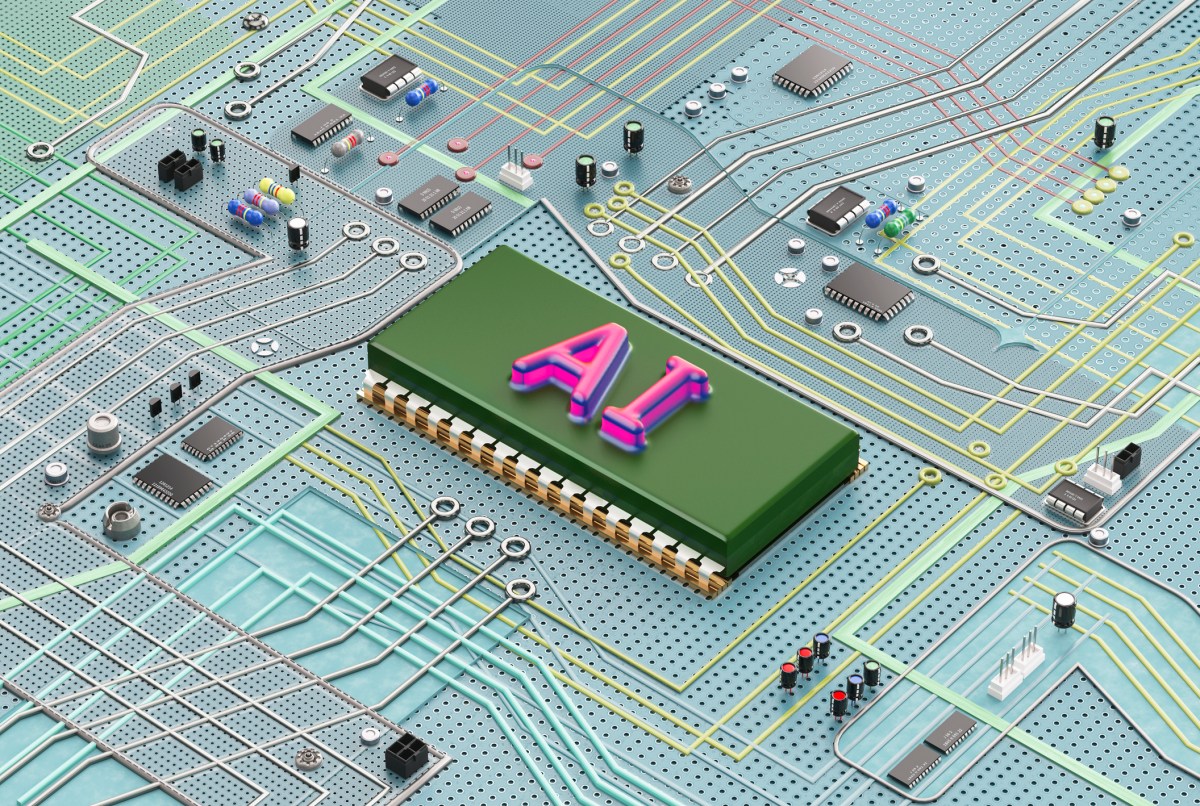
Current AI, a nonprofit organization, is addressing language barriers in AI by developing an offline device called Suno Sutra, which operates in 22 Indian languages. This initiative, launched in collaboration with Bhashini at the India AI Summit, aims to make AI accessible to non-English speakers in India. The significance of this project lies in its potential to democratize AI technology, ensuring that diverse languages and cultures are represented. Current AI's CEO, Ayah Bdeir, emphasizes the need for a public alternative to proprietary AI systems, which often overlook non-English languages and communities. Looking ahead, Current AI has allocated $3.2 million in grants to various projects aimed at building AI datasets and tools that respect community control over data. No further timeline was disclosed at the time of publication.

AI nonprofit large language models current ai
Exploring Automation Intelligence: Opportunities and Challenges in AI for Manufacturing

Exploring Automation Intelligence: Opportunities and Challenges in AI for Manufacturing

The manufacturing sector is experiencing a surge in artificial intelligence (AI) applications, driven by recent advancements in speech, language, and content generation technologies. Engineers and technology leaders are keenly observing these developments to enhance quality, minimize rework, and increase throughput. However, many organizations face challenges in translating AI demonstrations into tangible business value, revealing the complexities of deploying AI in production environments. Despite significant investments in AI and machine learning (ML), the manufacturing industry is encountering hurdles similar to those faced during the initial wave of data science and ML in the context of Industry 4.0. Many early projects failed to deliver operational value due to the misalignment of algorithms designed for consumer behavior with the deterministic needs of industrial settings. As manufacturers increasingly seek actionable insights from their data, the need for a deeper understanding of AI technology and its application in industrial contexts becomes critical. Looking ahead, the emergence of automation intelligence, which integrates lessons from past experiences with current AI tools, offers a promising framework for addressing complex industrial challenges. As AI technologies like generative AI and foundation models continue to evolve, their successful implementation will depend on ensuring real-time grounding, safety, and regulatory compliance in manufacturing processes. No further timeline was disclosed at the time of publication.

Factory / Workforce
Zhang Yaqin: AI is not a bubble, but AI companies are.

Zhang Yaqin: AI is not a bubble, but AI companies are.

In June, during an interview at the Tsinghua Wuxi Research Institute's Intelligent Industry Innovation Center, Academician Zhang Yaqin discussed the current state of AI investment and entrepreneurship, suggesting a more cautious approach to the rapidly growing sector. Zhang, who founded the Tsinghua University Intelligent Industry Research Institute (AIR) five years ago, noted that while AIR has successfully incubated ten companies with a combined valuation of 150 billion yuan, its primary focus remains on research rather than commercialization. Zhang, a prominent figure in AI and a fellow of the IEEE, likened the current AI investment climate to the internet boom of 1998-1999, emphasizing the importance of sustainable growth and cautioning against the potential for market bubbles. He highlighted the need for new AI algorithms to enhance efficiency and pointed out that while the AI sector holds significant long-term potential, many early-stage companies may face challenges in proving their viability. Every June, AIR hosts the "Taihu Dialogue" in Wuxi, fostering discussions on AI advancements. Zhang expressed concerns about the risks associated with high valuations and the necessity for a focused approach in startups. He emphasized that while funding is crucial, it should not overshadow the importance of developing robust products and technologies. Looking ahead, Zhang identified "physical AI" as a key area for development by 2026 and outlined the challenges of creating robots capable of performing complex tasks in real-world environments. He underscored the importance of collaboration between academia and industry to cultivate talent and drive innovation in AI, while also addressing the ethical and safety risks associated with advanced AI systems.

Roundtable Forum: The Real Landscape of AI Venture Capital Beyond Consensus

Roundtable Forum: The Real Landscape of AI Venture Capital Beyond Consensus

In a recent roundtable discussion on the evolving landscape of artificial intelligence (AI) investment, industry leaders emphasized the importance of acting ahead of consensus to seize opportunities. The forum featured prominent figures such as Zhu Tianyu, managing partner at BlueRun Ventures, and Qin Shentao, founder and CEO of OriginFlow, who shared insights on their early investment strategies. Zhu, who joined BlueRun in 2009, highlighted his early investments in successful companies like Li Auto and Genspark, noting that he made quick decisions based on a structured understanding of global challenges rather than just project details. He expressed confidence in OriginFlow’s potential, which focuses on non-invasive neural interfaces for embodied intelligent robots, aligning with key trends in artificial general intelligence (AGI), robotics, and 3D interaction. Qin, a Tsinghua University PhD, explained that OriginFlow aims to revolutionize how intelligent systems interact with the physical world, addressing a significant gap in data collection and processing. Within just five months of operation, the company secured over 500 million RMB in funding, demonstrating strong market interest. Both leaders acknowledged the challenges of navigating the current AI investment climate, characterized by rapid funding influxes and potential market bubbles. They stressed the need for investors to discern genuine innovation from fleeting trends, emphasizing that true value lies in solving fundamental problems rather than chasing hype. As the discussion concluded, they reiterated their commitment to fostering groundbreaking advancements in AI and embodied intelligence.

Do We Really Need Smarter AI to Cure Cancer?

Do We Really Need Smarter AI to Cure Cancer?

Major tech companies like Meta and OpenAI are heavily investing in the development of artificial general intelligence (AGI) and artificial superintelligence (ASI), with estimates suggesting over a trillion dollars has already been allocated to artificial intelligence (AI) initiatives. Despite the excitement surrounding these advancements, Emilia Javorsky, director of the Futures program at the Future of Life Institute, cautions against over-reliance on future AI capabilities to solve complex health issues like cancer. In her March essay, "AI vs Cancer," Javorsky critiques the notion that AGI or ASI could cure cancer, emphasizing that cancer is not a singular disease but a collection of highly individualized conditions requiring tailored treatments. Javorsky argues that while current AI applications are making strides in areas such as drug discovery and clinical trials, the focus should shift towards collecting comprehensive health data and improving existing medical tools rather than solely investing in advanced AI technologies. She advocates for a balanced approach that prioritizes effective resource allocation in cancer research and treatment. Javorsky's insights highlight the importance of leveraging existing AI capabilities to enhance patient care and accelerate medical innovation, while also addressing systemic challenges within the healthcare system. Her perspective offers a hopeful outlook on the potential for AI to contribute meaningfully to cancer management and treatment.

Medical-ai Cancer Oncology Agi Superintelligence Cancer-treatments
Import AI 441: My agents are working. Are yours?

Import AI 441: My agents are working. Are yours?

In a recent development concerning artificial intelligence, researchers have unveiled a method to compromise AI systems through a technique dubbed the "poison fountain." This innovative approach involves introducing misleading data into the training sets of AI models, ultimately leading to corrupted outputs. The findings were presented at an international conference on AI security held in San Francisco last week, where experts gathered to discuss the vulnerabilities of current AI technologies. The motivation behind this research stems from growing concerns about the integrity and reliability of AI systems, particularly as they become increasingly integrated into critical sectors such as healthcare, finance, and national security. By demonstrating how easily these systems can be manipulated, the researchers aim to raise awareness and prompt the development of more robust safeguards against such attacks. The process involves systematically feeding tainted data into the training algorithms, which can significantly alter the AI's decision-making capabilities. This revelation underscores the urgent need for improved security measures and ethical standards in AI development to protect against potential misuse. As AI continues to evolve, ensuring its resilience against such vulnerabilities will be paramount for its safe and effective deployment in society.

Import AI 446: Nuclear LLMs; China's big AI benchmark; measurement and AI policy

Import AI 446: Nuclear LLMs; China's big AI benchmark; measurement and AI policy

As artificial intelligence continues to evolve, questions arise about the potential for AIs to experience emotions such as jealousy. Researchers in the field of AI and cognitive science are exploring the implications of advanced machine learning systems, particularly those trained on vast datasets, to understand whether these systems could develop complex emotional responses similar to humans. This inquiry has gained traction in recent months, with discussions intensifying around the ethical and philosophical ramifications of AI emotions. The investigation into AI jealousy is particularly relevant as developers strive to create more sophisticated and autonomous systems. Experts argue that while current AI lacks the capacity for genuine emotions, the rapid advancements in technology could lead to scenarios where AIs exhibit behaviors that mimic jealousy, particularly in competitive environments or when they perceive threats to their operational efficiency. This exploration is taking place in various research institutions and tech companies worldwide, with findings expected to influence future AI design and implementation. The motivation behind this research stems from a desire to ensure that as AI systems become more integrated into daily life, they do not inadvertently develop harmful behaviors or biases. By understanding the potential for emotional responses in AIs, researchers aim to create guidelines that promote ethical AI development and usage. As the conversation around AI emotions evolves, it raises critical questions about the nature of intelligence and the ethical considerations of creating machines that could potentially experience feelings akin to jealousy.

Scott Galloway Says Tesla, Nvidia, Broadcom Could Get Caught In The Crossfire Of The Space X IPO

Scott Galloway Says Tesla, Nvidia, Broadcom Could Get Caught In The Crossfire Of The Space X IPO

Scott Galloway, a professor at NYU and co-host of the Prof G Markets podcast, has raised concerns about the potential impact of upcoming AI initial public offerings (IPOs) on established companies like Tesla and Nvidia. He predicts that the anticipated IPOs, including SpaceX’s listing at $135 per share, could lead to significant declines in the stock prices of these tech giants within the next 12 to 24 months. Galloway likens the current AI boom to historical technology bubbles, suggesting that the influx of new IPOs could trigger a market correction similar to those seen during the railroad and dot-com eras. The upcoming IPO wave is expected to require around $400 billion in new equity, with SpaceX alone valued at $1.77 trillion. This massive capital influx may force investors to sell shares of existing companies, such as Tesla and Nvidia, to fund their investments in the new offerings. Co-host Ed Elson highlighted that this rotation could affect the stock prices of established firms, while Allianz Global Investors strategist Stefan Rondorf argued that the reallocation of funds might not lead to significant disruptions. Market predictions indicate that SpaceX is favored to become the largest IPO of 2026, with a strong chance of exceeding its initial valuation. As the IPO landscape evolves, the performance of these new listings will be closely watched, particularly for their implications on the broader market and established tech companies.

Exploring ELIZA: The First Chatbot's Advanced Capabilities and Historical Impact

Exploring ELIZA: The First Chatbot's Advanced Capabilities and Historical Impact

ELIZA, recognized as the first AI chatbot, was created by Joseph Weizenbaum in the mid-1960s. This program, which simulated a psychotherapist, surprised users with its engaging interactions, leading to discussions about automated therapy and the concept of machine sentience, known as the 'ELIZA effect.' Recently, the original source code was discovered, revealing ELIZA's ability to adopt multiple personas beyond its well-known therapist role. The significance of ELIZA extends beyond its historical context; it transformed perceptions of human-computer interaction and laid the groundwork for modern conversational AI. The newly analyzed source code demonstrates that ELIZA was a sophisticated platform capable of complex interactions, challenging previous assumptions about its capabilities. This discovery highlights the gap between theoretical models and practical implementations in AI development, emphasizing the importance of understanding early innovations in the field. Looking ahead, the insights gained from ELIZA's architecture and programming techniques can inform current AI advancements. As researchers continue to explore the implications of Weizenbaum's work, the historical context of ELIZA will remain relevant in discussions about language, therapy, and human-computer interaction. No further timeline was disclosed at the time of publication.

Chatbots Ai History Eliza Joseph-weizenbaum
U.S. Army Partners with Auriga Space to Develop Electromagnetic Counter-Drone Technology

U.S. Army Partners with Auriga Space to Develop Electromagnetic Counter-Drone Technology

The U.S. Army has entered a three-year partnership with Auriga Space to develop electromagnetic (EM) counter-drone technology. This collaboration aims to create a high-speed defense system against enemy Unmanned Aerial Systems (UAS) using Auriga's innovative propulsion methods, which rely on electricity and magnetic levitation rather than traditional chemical propellants. This partnership is crucial as military forces face the economic challenge of countering inexpensive drones with costly missiles. Current air defense systems struggle to balance effectiveness and affordability, making the development of sustainable counter-drone solutions a top priority. Auriga's EM technology promises to provide a cost-effective alternative, enabling rapid and repeatable launches from a compact system. Looking ahead, both organizations will share expertise and data to refine the EM-based counter-drone technology for field deployment. The focus will be on overcoming the limitations of existing counter-drone methods, with the potential for a significant shift in military air defense strategies. No further timeline was disclosed at the time of publication.

Military
Scientists are seriously asking if bees and ChatGPT are conscious

Scientists are seriously asking if bees and ChatGPT are conscious

Recent studies indicate that consciousness cannot be assessed solely based on behavior, challenging previous assumptions about both artificial intelligence and animal cognition. Researchers from various institutions are shifting their focus towards understanding the internal mechanisms that govern the functioning of brains and computers. Their findings suggest that while current AI systems, such as chatbots engaged in philosophical discussions, do not possess consciousness, there remains a possibility that certain insects, like bees, could be conscious. The research opens the door to future explorations of machine consciousness, raising important questions about the nature of awareness in both biological and artificial entities.

Video Friday: Heavy Robotic Machinery Operates Itself

Video Friday: Heavy Robotic Machinery Operates Itself

IEEE Spectrum robotics has released its latest edition of "Video Friday," showcasing a variety of innovative robotics videos and announcing upcoming robotics events. Notable conferences include ICRA 2026 in Vienna from June 1-5, and the Summer School on Multi-Robot Systems in Prague from July 29 to August 4, 2026. Among the featured content is a groundbreaking autonomous material-handling solution developed by ETH Zurich, capable of operating a 40-ton material handler, traditionally a labor-intensive task. Other highlights include the introduction of the world's first production-ready manned mecha by Unitree, and the launch of NIX, an embodied AI exploring dance and movement, which will be made available for free to select partners. NTNU has unveiled the Unified Autonomy Stack, a robust system designed for aerial and ground robots, enhancing their autonomy through advanced perception and navigation capabilities. This system has been validated in challenging environments, showcasing its effectiveness in exploration and object discovery. Robotics expert Rodney Brooks, cofounder of Robust AI, shared insights on the challenges of innovation in robotics and the implications of the current AI surge during a Q&A session ahead of his panel at the Forbes America Innovates event in San Francisco. As the field continues to evolve, the integration of data collection methods remains a significant challenge, with the Koala platform exemplifying innovative approaches to enhance robotic manipulation tasks.

Home-robots Humanoid-robots Video-friday Material-handling-technology Robot-videos Robot-grippers
SpaceX's Starmind Targets AI Labs with $6.3 Billion Compute Contracts

SpaceX's Starmind Targets AI Labs with $6.3 Billion Compute Contracts

SpaceX's Starmind is designed to provide wholesale AI compute services to businesses, particularly AI labs and cloud customers, rather than individual consumers. The service operates similarly to AWS, where users benefit from applications running on Starmind without direct subscriptions. The compute capacity of a single AI1 satellite is comparable to one NVIDIA GB300 rack, emphasizing its enterprise-grade capabilities. The significance of Starmind lies in its positioning as a potential fourth hyperscaler, joining the ranks of AWS, Microsoft Azure, and Google Cloud. The Reflection AI contract, valued at $150 million per month, exemplifies the enterprise-focused model, with total payments potentially reaching $6.3 billion through 2029. This contract highlights the growing demand for AI compute resources, particularly from AI-native startups and labs. Looking ahead, the focus will remain on securing additional enterprise contracts as Starmind expands its offerings. No consumer-facing products or subscriptions have been announced, and the current strategy is to cater to businesses with substantial AI workloads. No further timeline was disclosed at the time of publication.

Tesla's Optimus Robots to Support Starmind Satellite Production, Not Maintenance

Tesla's Optimus Robots to Support Starmind Satellite Production, Not Maintenance

Tesla's Optimus robots will not be used to repair Starmind satellites in orbit, as confirmed by recent statements from Elon Musk. Instead, these robots are intended to assist in the construction and operation of the Terafab chip manufacturing facility in Texas. The AI1 satellites, designed to disintegrate upon reentry, highlight the company's swap-and-replace strategy rather than traditional maintenance practices. This approach is significant as it reflects a broader trend in satellite management, where mass-produced satellites are replaced rather than repaired. The economics of servicing missions are prohibitive, with the cost of launching a replacement satellite being significantly lower than conducting a repair mission. This model aligns with SpaceX's operational history, where rapid replacement of satellites is more efficient than attempting to maintain them in orbit. Looking ahead, the focus will remain on the production capabilities of the Gigasat factory, which is expected to support the continuous replacement of satellites. No further timeline was disclosed at the time of publication, but the demand for rapid satellite turnover suggests a robust future for Optimus robots in terrestrial manufacturing rather than in-space servicing.

Air Force One Developments, Drone Wingman Competition, and GCAP's Future Insights

Air Force One Developments, Drone Wingman Competition, and GCAP's Future Insights

The White House is updating plans for the president's Qatari-donated Air Force One, as discussed by Breaking Defense's Aaron Mehta and Valerie Insinna. This evolution highlights the importance of modernizing presidential transport in response to current geopolitical dynamics. Additionally, there is an increasing trans-Atlantic competition to develop drone wingmen that can assist human pilots, which signifies a shift in military strategy towards integrating unmanned systems into traditional air operations. Looking ahead, Ottawa is expected to join the Global Combat Air Programme (GCAP) as an observer, marking a significant step in international defense collaboration. No further timeline was disclosed at the time of publication.
Air Warfare Global Air Force Air Force One Business & Industry CCA
Dynamic Pricing Could Enhance Profitability for Air Taxis, Researchers Suggest

Dynamic Pricing Could Enhance Profitability for Air Taxis, Researchers Suggest

Research presented at the Korea Drone and UAM Expo indicates that dynamic pricing could make airport air taxis economically viable. The study, led by Mark Hansen from the University of California, Berkeley, highlights that airport transportation may be a strong commercial opportunity for electric vertical takeoff and landing (eVTOL) aircraft, particularly for routes to Los Angeles International Airport (LAX). The findings suggest that air travel can significantly reduce delays caused by road congestion, appealing to travelers who prioritize time savings. The researchers modeled a network of eight regional vertiports within 30 miles of LAX, estimating passenger demand based on current taxi and rideshare usage. They concluded that while ground travel times vary, UAM flight times remain consistent, offering substantial time savings during peak traffic. A key recommendation from the research is the implementation of variable pricing, akin to surge pricing in rideshare services. This approach could maximize revenue by aligning prices with the time savings perceived by travelers. The study points to Anaheim, California, as a potential market where dynamic pricing could support profitable operations that a fixed pricing model might not sustain.

Advanced Air Mobility Air Taxi Drone News Drone News Feeds Drones in the News News
Smart Wheelchair Captivates Attention at Stanford AI Summit Over Humanoid Robots

Smart Wheelchair Captivates Attention at Stanford AI Summit Over Humanoid Robots

At the Humanity & AGI Summit held at Stanford University, a smart wheelchair presented by Fu Sheng, Chairman of Cheetah Mobile, garnered significant attention, overshadowing humanoid robots. Attendees were drawn to the wheelchair's autonomous obstacle avoidance and user-friendly features, prompting many to experience it firsthand. The interest in the smart wheelchair highlights a critical shift in the robotics landscape, as Fu Sheng noted that humanoid robots are unlikely to achieve commercial scalability in the next five to ten years. He emphasized that the current limitations in software and hardware development hinder the practical application of humanoid robots, with most sales directed towards research institutions rather than commercial markets. Looking ahead, the focus on practical solutions like the smart wheelchair suggests a growing recognition that functionality is more important than form in robotics. As the industry continues to evolve, the demand for effective, user-centric products will likely shape future innovations, steering attention away from humanoid designs towards more practical applications.

Smart Wheelchairs Humanoid Robots AI Technology Robotics Assistive Devices
Reviewing Intelligent Operation and Maintenance Robots for Urban Water Supply Networks

Reviewing Intelligent Operation and Maintenance Robots for Urban Water Supply Networks

The Journal of Field Robotics published a review focusing on intelligent operation and maintenance robots designed for urban water supply networks. This review highlights the current advancements in robotic technologies that enhance the efficiency and reliability of water supply systems. The significance of this review lies in its potential to improve urban infrastructure management. By integrating intelligent robotic solutions, cities can address challenges such as aging infrastructure, maintenance costs, and service interruptions, ultimately leading to more sustainable water supply systems. Looking ahead, stakeholders should monitor the ongoing development of these robotic technologies and their implementation in urban settings. No further timeline was disclosed at the time of publication.

SURVEY ARTICLE
Bristol Myers Squibb Launches Advanced AI Factory with NVIDIA Vera Rubin Technology

Bristol Myers Squibb Launches Advanced AI Factory with NVIDIA Vera Rubin Technology

Bristol Myers Squibb (BMS) has announced the deployment of its second NVIDIA DGX SuperPOD, featuring eight DGX Vera Rubin NVL72 systems. This new AI cluster is touted as the most powerful and energy-efficient in the life sciences sector, significantly enhancing researchers' access to AI capabilities. BMS aims to democratize AI access among its scientists, allowing for faster drug discovery processes without the constraints of resource limitations. The introduction of this advanced AI infrastructure is crucial for BMS as it seeks to translate AI capabilities into measurable impacts in drug discovery. The new system will facilitate a unified AI platform, including the NVIDIA BioNeMo Agent Toolkit, which will streamline predictions and model training across the drug discovery pipeline. BMS has already seen substantial benefits from its existing DGX SuperPOD, including significant time savings in target identification and the expansion of its library of CELMoD compounds. Looking ahead, BMS is focused on leveraging AI to optimize lead discovery and enhance the efficiency of laboratory experiments. The new system is expected to alleviate current computational bottlenecks and support large-scale predictions. As BMS continues to innovate in the AI space, it emphasizes the importance of making advanced technology accessible to scientists to drive impactful research outcomes. No further timeline was disclosed at the time of publication.

University of Hong Kong Develops AI Tool to Predict Heart Disease 15 Years Early

University of Hong Kong Develops AI Tool to Predict Heart Disease 15 Years Early

Researchers at the LKS Faculty of Medicine of the University of Hong Kong have created an AI tool called CardiOmicScore, which predicts serious cardiovascular diseases up to 15 years before symptoms appear. This innovative system utilizes data from a single blood test to assess the risk of six major cardiovascular diseases, including coronary artery disease and stroke. The significance of this development lies in its potential to identify individuals at high risk of cardiovascular diseases earlier than traditional methods. Current assessments often rely on standard clinical measurements, which may overlook early biological changes. CardiOmicScore aims to provide a more accurate and timely evaluation of cardiovascular health, addressing a critical gap in preventive care. Looking ahead, the research team emphasizes the importance of further validation and potential clinical applications of CardiOmicScore. As cardiovascular diseases remain the leading cause of death globally, advancements in predictive tools like this could significantly enhance early intervention strategies. No further timeline was disclosed at the time of publication.

Ukraine Aims to Double Drone Production to 20 Million Annually with EU Support

Ukraine Aims to Double Drone Production to 20 Million Annually with EU Support

Ukrainian President Volodymyr Zelenskyy announced that Ukraine is currently producing 10 million drones each year. With the assistance of partners, the country aims to increase its drone production capacity to 20 million annually. This initiative is significant as it highlights Ukraine's commitment to enhancing its unmanned systems capabilities amid ongoing challenges. The collaboration with partners, particularly the EU, is expected to accelerate the production process and improve the technological advancements in drone manufacturing. Looking ahead, stakeholders will be keen to monitor the progress of this production increase and the potential impact on Ukraine's defense capabilities. No further timeline was disclosed at the time of publication.

Air Warfare Air Force Drones EU Europe Fincantieri
Microsoft and 3M Collaborate on AI and Data Center Research and Development

Microsoft and 3M Collaborate on AI and Data Center Research and Development

Microsoft and 3M have announced a partnership aimed at accelerating AI adoption and enhancing the physical networks necessary for cloud growth and AI workloads. This collaboration will focus on research and development related to Microsoft’s data center and device marketplace, leveraging 3M's expertise in electronic components and materials science. The significance of this partnership lies in Microsoft's ambitious plans to invest approximately $80 billion in AI-enabled data centers by January 2025, which will support the training of large language models and the deployment of machine intelligence. Currently, Microsoft operates over 400 data centers globally, with the first of two new facilities in Mount Pleasant, Wisconsin, now fully operational. Looking ahead, both companies are part of the Expanded Beam Optics Multi-Source Agreement Group, which aims to advance open specifications for EBO connectivity products in the AI market. 3M is also expanding its manufacturing capacity for high-speed interconnects, responding to increased demand from hyperscalers and ensuring a reliable supply chain for AI data centers. No further timeline was disclosed at the time of publication.

MIT and York University Study Visual Learning in the Brain Using Neural Networks

MIT and York University Study Visual Learning in the Brain Using Neural Networks

Researchers at MIT’s McGovern Institute for Brain Research and York University in Toronto have investigated how visual learning occurs in the brain. By analyzing neural activity and utilizing computational modeling, they compared the learning processes of animals and an artificial neural network designed to mimic brain architecture. Their findings, published on July 8 in Nature Communications, reveal that changes in visual processing are crucial for learning to discriminate new objects. This research is significant as it enhances our understanding of the brain's adaptability and the mechanisms behind visual learning. The study suggests that while the overall activity patterns in the inferior temporal cortex remain stable, subtle changes occur in response to learned object recognition. These insights could inform educational strategies and improve learning outcomes across various contexts. Looking ahead, the researchers aim to further explore how these modest changes in neural activity contribute to learning. They believe that artificial neural networks can provide valuable insights into biological learning processes, potentially leading to new experimental approaches and predictions that extend beyond current understanding. No further timeline was disclosed at the time of publication.

Research Neuroscience Learning Brain and cognitive sciences Computer modeling Vision
Microsoft CEO Satya Nadella Warns Companies About AI Data Risks and Ownership

Microsoft CEO Satya Nadella Warns Companies About AI Data Risks and Ownership

In a recent blog post, Microsoft CEO Satya Nadella raised concerns about the risks associated with using AI models from proprietary labs like OpenAI and Anthropic. He highlighted that companies are not only paying for AI usage but are also inadvertently sharing sensitive business information, which could be exploited by these labs as they learn from user interactions. Nadella emphasized that enterprises are effectively teaching AI models about their unique business nuances, which could lead to competitors gaining access to invaluable institutional knowledge. He criticized the current model where AI companies can freely train on public data while imposing restrictions on how enterprises can learn from their models. To address these concerns, Nadella suggested that companies should retain ownership of their data and develop proprietary learning environments on cloud platforms. He advocated for the creation of orchestration layers that allow businesses to switch between different AI models, thus avoiding dependency on a single provider. No further timeline was disclosed at the time of publication.

AI Enterprise Microsoft open source ai Satya Nadella
XSTO Mobility Launches $28,000 X12 Stair-Climbing Robot with AI and LiDAR Technology

XSTO Mobility Launches $28,000 X12 Stair-Climbing Robot with AI and LiDAR Technology

XSTO Mobility has unveiled the X12 all-terrain mobility robot, priced at $27,999, designed to assist wheelchair users in overcoming stairs and other obstacles. Weighing approximately 115 kg and capable of carrying up to 136 kg, the X12 features a hybrid wheel-track chassis that allows it to navigate stairs autonomously, with a climbing speed of 25 steps per minute and descending speed of 30 steps per minute. The robot utilizes LiDAR and AI algorithms for real-time terrain perception, enabling it to adjust its driving mode and power output dynamically. The introduction of the X12 is significant as it addresses mobility challenges faced by individuals with disabilities, particularly in environments lacking accessibility features. With the ability to climb slopes of up to 40 degrees and traverse gaps of 300 mm, the X12 offers a solution that goes beyond traditional mobility aids. XSTO Mobility, based in Zhongshan, Guangdong, has been developing embodied mobile robots for over a decade, and the X12 represents a substantial advancement in this field, emphasizing user independence and safety. Looking ahead, XSTO Mobility has reported that orders for the X12 are already booked until April 2026, indicating strong market demand. The robot is currently available in over 70 countries, and its innovative design has garnered multiple awards. No further timeline was disclosed at the time of publication regarding additional product releases or enhancements.

Mobility Robots Assistive Technology AI Healthcare Innovation
Starmind's Orbital Compute vs. Terrestrial Data Centers: Analyzing Resource Advantages

Starmind's Orbital Compute vs. Terrestrial Data Centers: Analyzing Resource Advantages

Starmind's orbital compute technology presents a significant advantage over traditional ground-based data centers by eliminating constraints related to land, water, and grid permitting. While terrestrial data centers are currently cheaper and faster to construct, with U.S. data center spending reaching $85.3 billion in 2026, Starmind's approach focuses on addressing the growing resource limitations faced by hyperscale facilities. The significance of Starmind's technology lies in its ability to sidestep the increasing challenges of land and water usage. For instance, a 100 MW data center can consume approximately 530,000 gallons of water daily for cooling, while Starmind's AI1 utilizes deployable liquid radiators that require no water. This structural advantage could resonate with investors as the demand for AI computing continues to escalate, potentially leading to annual water withdrawals of up to 1.7 trillion gallons by 2027. Looking ahead, Starmind's next milestones include the launch of AI1 prototypes scheduled for early 2027. However, the technology's claims regarding cooling efficiency and operational reliability remain unverified until real flight data is available. As the industry evolves, the competition between orbital and terrestrial solutions will become increasingly relevant, particularly in the context of resource management and sustainability.

SpaceX's Starmind Plans 1 Million AI Satellites Amid Collision Risks

SpaceX's Starmind Plans 1 Million AI Satellites Amid Collision Risks

SpaceX has announced its ambitious Starmind project, which aims to deploy 1 million AI satellites in orbits between 500 and 2,000 km. This initiative, confirmed by Elon Musk on June 23, 2026, follows a merger with xAI, valuing the combined entity at $1.25 trillion. The satellites will function as orbital data centers, processing AI workloads powered by solar arrays and linked by optical lasers. The significance of Starmind lies in its potential to add 100 gigawatts of AI compute capacity annually, contingent on the successful operation of the Starship launch system. However, the project raises concerns regarding space debris, as the current orbital environment is already congested, with a 20% increase in collision risk reported since 2024. The European Space Agency has highlighted that the density of debris in low Earth orbit is now comparable to that of active satellites, complicating the operational landscape for new entrants like Starmind. Looking ahead, the first operational orbital AI deployments are targeted for 2028, with test launches expected in early 2027. However, the project faces scrutiny regarding its impact on space debris, as even a 1% failure rate could significantly increase the number of uncontrollable objects in orbit, exacerbating existing risks. No further timeline was disclosed at the time of publication.

Alibaba bans Claude Code internally; FF's LA office empty, company denies; Microsoft invests $2.5 billion to form new AI company.

Alibaba bans Claude Code internally; FF's LA office empty, company denies; Microsoft invests $2.5 billion to form new AI company.

In a significant policy shift, China's Ministry of Finance, State Taxation Administration, and Ministry of Industry and Information Technology announced the adjustment of tax incentives for energy-efficient and new energy vehicles. Effective January 1, 2027, the government will eliminate the half-tax reduction for energy-efficient vehicles and discontinue the tax exemption for pure electric commercial vehicles, plug-in hybrid vehicles, and fuel cell commercial vehicles. This decision aims to align tax policies with the evolving automotive market and promote sustainable practices. The announcement follows a comprehensive evaluation of the current tax framework and its impact on the industry.

BilibiliWorld 2026 is China's first overseas ticketed ACG event; 17 measures to promote AI in consumer development; Kuaizhou-11 rocket successfully

BilibiliWorld 2026 is China's first overseas ticketed ACG event; 17 measures to promote AI in consumer development; Kuaizhou-11 rocket successfully

Didi Autonomous Driving showcased its advancements in self-driving technology at the MOVE 2026 conference held in London on June 17-18. The company highlighted its achievement of L4-level core technology and the delivery of its new Robotaxi model, R2, developed in collaboration with GAC Aion, which is currently undergoing road tests in cities like Guangzhou and Beijing. Since launching all-weather passenger testing in select areas last year, Didi has maintained a safe and stable operational performance. On June 18, Cainiao's Vice President Bi Jianghua announced plans to deploy four large-scale climbing robot warehouses globally within the next four months, following successful trials during the 618 shopping festival. This initiative aims to enhance the efficiency of e-commerce supply chains. DingTalk's new CEO, Chen Yusen, communicated organizational changes in a company-wide letter, establishing a core platform business department and integrating various teams to streamline operations. The State Administration for Market Regulation is overseeing an antitrust compliance rectification for Huolala, mandating the cessation of practices that unreasonably lower freight prices and enforcing fair pricing algorithms. The company is expected to refund 1.2 billion yuan to drivers and reduce its commission rates. Additionally, Cao Cao Mobility announced its RoboX strategy at the International Automotive and Supply Chain Expo in Hong Kong on June 18, planning to deploy 100,000 Robovans by 2030 to enhance logistics networks. BilibiliWorld 2026 will be the first comprehensive ACG exhibition in China to offer overseas ticket sales, with tickets available globally starting June 20, for the event scheduled from July 10-12 in Shanghai. KKR has committed $1.4 billion to expand Altavair's commercial aircraft leasing portfolio, while Manifold AI has secured nearly 1 billion yuan in Pre-A funding. In economic news, Goldman Sachs suggests the Federal Reserve may need to implement consecutive rate hikes in September if inflation remains high. Meanwhile, Hong Kong plans to launch five-year government bond futures on August 3, 2026. The Ministry of Commerce has introduced 17 measures to promote the integration of artificial intelligence into consumer markets.

AMD Introduces Helios, Its First AI Rack System, Securing Microsoft as a Key Customer

AMD Introduces Helios, Its First AI Rack System, Securing Microsoft as a Key Customer

AMD has launched Helios, its inaugural rack-scale system for artificial intelligence, with Microsoft announcing its deployment in Azure data centers. This move positions AMD as a competitor to Nvidia's established AI systems, including Grace Blackwell and Vera Rubin, as it aims to capture a larger share of the AI computing market. The significance of Helios lies in its potential to disrupt Nvidia's dominance in the data center GPU market, where it currently holds over 95%. With Microsoft, Meta, OpenAI, and Oracle among its early adopters, AMD is poised to enhance its market presence, which currently stands at approximately 4.5%. The system is designed to support advanced AI applications and improve overall performance and cost efficiency. Looking ahead, AMD plans to begin shipping Helios later this year, with customizable configurations available for various applications. As major companies increasingly turn to AMD for AI acceleration, the success of Helios could significantly impact AMD's market share and revenue potential in the competitive landscape of AI technologies. No further timeline was disclosed at the time of publication.

AI-Powered Robot Chef Theo Transforms Japanese Cake Baking Industry

AI-Powered Robot Chef Theo Transforms Japanese Cake Baking Industry

The Japanese confectionery manufacturer Juchheim has introduced an AI cooking robot named Theo, which is revolutionizing the traditional method of making Japanese ring cakes. By utilizing cameras and image sensors, Theo learns the baking techniques from skilled artisans, mastering new skills in just days and autonomously determining optimal cooking conditions. This innovation is particularly significant as Japan faces a severe labor shortage in the food service industry, with a job-to-applicant ratio of 2.31 reported in February 2023. Juchheim's president, Hideo Kawamoto, stated that Theo will greatly assist the industry in overcoming the challenges posed by a dwindling workforce. The integration of deep learning technology is redefining the transmission of artisanal skills that were once considered difficult to articulate. Following its exhibition at the 2025 Osaka Kansai Expo, Theo is currently being utilized by approximately 20 companies nationwide, with plans to expand to 100 by the end of the fiscal year. As AI rapidly learns and replicates techniques that took artisans decades to master, this development represents a crucial experiment in preserving craftsmanship in an aging society.

AI Cooking Robots Culinary Technology Food Industry Automation Labor Shortage Solutions
Honor Announces Global Launch of First Robot Phone at WAIC 2026 for August Release

Honor Announces Global Launch of First Robot Phone at WAIC 2026 for August Release

At the 2026 World Artificial Intelligence Conference (WAIC), Honor CEO Li Jian announced the global launch of the company's first Robot Phone, set for August. Pre-orders are currently available across all sales channels, showcasing the company's commitment to innovation in mobile technology. The Robot Phone is powered by Qualcomm's Snapdragon 8 Elite Gen 5 platform and features a 1.5K flat display with ultra-narrow bezels. Its standout feature is a four-degree-of-freedom (4DoF) titanium-alloy robotic gimbal, which allows for 360-degree subject tracking and AI-enhanced cinematic camera movements, making it a significant advancement in smartphone capabilities. The device includes a flagship triple-camera system with a 200MP main camera, a telephoto camera, and a 50MP ultra-wide camera. Honor's collaboration with ARRI aims to provide professional-grade video recording and color grading, enhancing the Robot Phone's appeal for content creators. No further timeline was disclosed at the time of publication.

News Feed
AGIBOT Introduces Four Innovative Products at WAIC 2026, Highlighting Embodied AI Applications

AGIBOT Introduces Four Innovative Products at WAIC 2026, Highlighting Embodied AI Applications

AGIBOT has launched four new products at the World Artificial Intelligence Conference 2026 in Shanghai, showcasing advancements in embodied AI. The new offerings include the AGIBOT A3 Ultra, X2 Edu, G2 Max, and OmniHand 3 Ultra-M, which enhance AGIBOT's range of humanoid platforms, industrial task robots, and dexterous manipulation systems. This product unveiling is significant as it demonstrates AGIBOT's commitment to transforming robotic capabilities into practical, repeatable workflows in real-world settings. With over 30 AGIBOT robots currently operational at WAIC venues, the company is making strides in integrating advanced robotics into various applications. Looking ahead, industry observers will be keen to see how these new products perform in live demonstrations and their potential impact on industrial deployments. No further timeline was disclosed at the time of publication.

China's Embodied AI Models Gear Up for Competition Ahead of WAIC 2026

China's Embodied AI Models Gear Up for Competition Ahead of WAIC 2026

China's leading tech companies are intensifying their efforts in embodied AI as they prepare for the WAIC 2026 event in Shanghai, scheduled for July 17. This year's competition is marked by the launch of several advanced models, including Xiaomi's X0, a multimodal generative model with 38 billion parameters designed to enhance robotic training data generation. The significance of this competition lies in the critical need for physical interaction data, which is currently lacking by over 99%. Xiaomi's generative model aims to address this gap by autonomously generating and augmenting training data without the need for new data collection, thereby improving efficiency by 83 times. The event will showcase over 200 companies, highlighting the growing importance of embodied intelligence in the tech landscape. As the industry evolves, companies like Tencent Cloud and RoboScience are also making strides with cloud-based embodied AI services. The competition at WAIC 2026 will be pivotal, as companies vie for dominance in the emerging ecosystem of embodied intelligence, with advancements in visual understanding and cognitive reasoning being key areas of focus.

Embodied AI Robotics Data Synthesis Open Source Cognitive Computing
KAIST's HOUND Robot Reaches 6m/s Speed Using 2D Data for Advanced Parkour Skills

KAIST's HOUND Robot Reaches 6m/s Speed Using 2D Data for Advanced Parkour Skills

KAIST and Korea University researchers have developed the KAIST HOUND robot, achieving a peak speed of 6m/s while autonomously navigating complex terrains. This advancement showcases the robot's ability to seamlessly switch gaits, such as trotting and bounding, based on environmental conditions without external support. The significance of this achievement lies in the innovative APT-RL framework, which utilizes a simplified 2D dynamics model to generate extensive motion data. This approach allows the robot to learn and adapt its movements in real-world 3D environments, overcoming traditional limitations of motion capture and reinforcement learning strategies. Looking ahead, the research team has demonstrated the robot's capability to handle various scenarios, including jumping and maintaining balance under challenging conditions. Future developments may focus on enhancing the perception system to support high-speed operations, as the current sensing technology has limitations in effective range.

Quadrupedal Robots Robotics Research Reinforcement Learning AI Autonomous Systems
ModelBest Achieves $2.8B Valuation Following MiniCPM Success with Galaxy AI

ModelBest Achieves $2.8B Valuation Following MiniCPM Success with Galaxy AI

ModelBest has raised 5 billion RMB in the first half of 2026, establishing itself as a leading edge AI unicorn. The company's MiniCPM models are currently powering Samsung Galaxy AI and various automotive applications. This significant funding round highlights the growing importance of edge AI technologies in the market, particularly as companies seek to enhance their AI capabilities in consumer electronics and automotive sectors. ModelBest's success with MiniCPM models demonstrates the potential for edge AI solutions to drive innovation and efficiency. Looking ahead, stakeholders should monitor ModelBest's continued advancements in edge AI and the impact of its MiniCPM models on future deployments. No further timeline was disclosed at the time of publication.

Startups
Ibaraki Prefecture Launches Consortium for Physical AI Industry with IBARAKI PHYSICAL AI SUMMIT 2026

Ibaraki Prefecture Launches Consortium for Physical AI Industry with IBARAKI PHYSICAL AI SUMMIT 2026

Ibaraki Prefecture has established the 'Ibaraki Physical AI Industry Creation Consortium' to promote business development and utilization of physical AI by local companies. The kickoff event, 'IBARAKI PHYSICAL AI SUMMIT 2026', is scheduled for July 28, 2026, at the Mito Plaza Hotel in Mito City, Ibaraki Prefecture. This initiative is significant as physical AI, which integrates AI into physical devices like robots and autonomous vehicles, is expected to see substantial market growth globally. The consortium aims to create an environment that facilitates local companies in adopting physical AI technologies, aligning with current industry trends. The kickoff event will feature participation from related companies such as Hitachi and Unitree Robotics, along with robot demonstrations. A seminar discussing the evolution of RoboCup in the context of humanoid robots and physical AI will also take place, highlighting the challenges and advancements in the field as it prepares for the RoboCup 2026 World Championship in South Korea.

Current Disturbances Impacting Online Localization for Autonomous Underwater Vehicles

Current Disturbances Impacting Online Localization for Autonomous Underwater Vehicles

The Journal of Field Robotics has published an early view article discussing the challenges of online localization for autonomous underwater vehicles (AUVs) in the presence of current disturbances. This research highlights the difficulties faced by AUVs when global references are not available, which is crucial for their navigation and operational efficiency. Understanding how current disturbances affect AUV localization is significant as it directly impacts the effectiveness of underwater missions. Accurate localization is essential for various applications, including environmental monitoring, underwater exploration, and military operations. The findings from this study could lead to improved algorithms and technologies that enhance the reliability of AUVs in challenging underwater environments. Future research should focus on developing advanced localization techniques that can mitigate the effects of current disturbances on AUVs. As underwater exploration continues to grow, the demand for reliable AUV navigation systems will increase. No further timeline was disclosed at the time of publication.

RESEARCH ARTICLE
The Escalating AI Arms Race in Software Engineering Technical Interviews

The Escalating AI Arms Race in Software Engineering Technical Interviews

The landscape of software engineering job interviews is rapidly evolving due to the increasing use of AI by both candidates and employers. Applicants are employing AI assistants to enhance their performance during remote technical interviews, while companies are countering with AI tools designed to detect such assistance. This dynamic creates a competitive environment where the human element of hiring remains crucial despite the technological advancements. The rise of AI in hiring processes is largely driven by the current job market, which is characterized by a surplus of applicants and ongoing tech layoffs. Experts like AI hiring strategist Tatiana Teppoeva highlight that candidates often resort to AI tools as a response to automated hiring practices that may not favor them. This situation leads to a cycle where both parties leverage AI, potentially shifting the focus from genuine capability to algorithm optimization. As AI tools become more prevalent, concerns regarding their effectiveness and fairness have emerged. While some companies are embracing AI in interviews, others warn of the risks associated with bias and privacy. The need for human oversight in the hiring process is emphasized, as relying solely on AI could result in the exclusion of qualified candidates. No further timeline was disclosed at the time of publication.

Hiring-trends Interviews Ai-bias Software-engineering
Waze Introduces AI-Driven Features and Customization Enhancements for Users

Waze Introduces AI-Driven Features and Customization Enhancements for Users

Waze, the navigation app owned by Google, is launching new AI-powered features and customization options. These updates include conversational reporting of road changes and personalized navigation, utilizing Google’s Gemini AI assistant to enhance user experience and compete with services like Apple Maps. The introduction of personalized navigation allows Waze to suggest routes based on a user's trip history and traffic patterns, catering to individual preferences such as highway driving. Users can opt for alternate routes or disable personalization if desired. This feature is currently being rolled out globally on both Android and iOS platforms. Additionally, Waze is launching a Motorcycle mode that leverages AI to provide two-wheeler-specific routes and hazard alerts, with availability in several countries including Argentina and Brazil. The ability to report road updates conversationally is also being implemented, enhancing user interaction with the app. No further timeline was disclosed at the time of publication.

AI Apps Google Maps navigation waze
University of Illinois Researchers Challenge Traditional Views on Brain Decision Making

University of Illinois Researchers Challenge Traditional Views on Brain Decision Making

Researchers at the University of Illinois Urbana Champaign have revealed new insights into brain decision-making processes, suggesting that these processes begin earlier than previously thought. This research, led by Professor Yurii Vlasov, indicates that early sensory brain regions play a crucial role in decision-making, contradicting the long-held belief that decisions are made only after information passes through a strict hierarchy of brain regions. The implications of this study are significant for both neuroscience and artificial intelligence. By understanding that decision-making involves interconnected feedback loops rather than a linear progression, researchers can design AI systems that mimic this biological architecture. This could lead to the development of AI that is not only more capable but also more energy-efficient, addressing current limitations in AI technology. Moving forward, the research team aims to further explore how biological intelligence, refined through evolution, can inform AI development. No further timeline was disclosed at the time of publication.

SpaceX's $1.75 Trillion Valuation Driven by Starmind's Future Potential

SpaceX's $1.75 Trillion Valuation Driven by Starmind's Future Potential

Starmind is a pivotal element in SpaceX's estimated $1.75 trillion IPO valuation, despite currently generating no confirmed revenue. The stock price reflects optimistic projections regarding AI infrastructure growth, which Starmind has yet to substantiate. As of early July 2026, SpaceX's stock has decreased from its 52-week high of $225.64 to around $150, indicating market skepticism about future execution. The significance of Starmind lies in its potential to transform SpaceX's revenue model beyond traditional launch services. Goldman Sachs has shifted its focus from Starlink subscriber growth to the prospects of AI revenue, including orbital computing, as a cornerstone of SpaceX's long-term valuation. This marks a substantial change in how analysts view the company's growth trajectory, necessitating rates exceeding its historical 33% growth. Looking ahead, the credibility of Starmind as a growth narrative will be crucial for maintaining investor confidence. Analysts have noted a considerable divergence in price targets, reflecting uncertainty about the value of the Starmind and xAI initiatives. No further timeline was disclosed at the time of publication regarding specific milestones for these projects.

Unitree's Future Humanoid Strategy: Accelerating Growth through Mass Production and Open Source from Physical Ability to Embodied AI

Unitree's Future Humanoid Strategy: Accelerating Growth through Mass Production and Open Source from Physical Ability to Embodied AI

Unitree, a leading Chinese robotics manufacturer, recently participated in the Humanoids Summit held in Takanawa, Tokyo. The company is currently focusing its growth strategy on humanoid robots and embodied AI. During the summit, representatives from Unitree delivered a presentation outlining their vision and advancements in these cutting-edge technologies, highlighting their commitment to innovation in the robotics field.

28% of Japanese express concerns about the safety of physical AI, compared to 11% globally.

28% of Japanese express concerns about the safety of physical AI, compared to 11% globally.

BlackBerry Limited's QNX division has released a comprehensive report titled "Inside the Robot: An Investigation into Robot Architecture," which surveyed 1,000 robotics engineers. This initiative aims to provide insights into the current state of robotic architecture, reflecting the growing importance of robotics in various industries. The report highlights trends, challenges, and advancements in the field, underscoring QNX's commitment to enhancing the development and integration of robotic technologies. By gathering input from a diverse group of engineers, the study seeks to inform stakeholders about the evolving landscape of robotics and its implications for future innovations.

Humanoid Robotics Momentum: London and Shanghai Host Major Industry Summits Concurrently

Humanoid Robotics Momentum: London and Shanghai Host Major Industry Summits Concurrently

On May 29-30, 2025, two significant robotics events are set to occur concurrently in London and Shanghai, marking a pivotal moment in the humanoid robotics sector. The Humanoids Summit in London will convene industry leaders to discuss mass production and investment strategies, aiming to drive economic growth and innovation in robotics. Meanwhile, the Embodied Intelligence Developer Conference in Shanghai will emphasize the importance of policy support, talent development, and practical applications, reflecting China's commitment to advancing humanoid robotics. This dual event highlights a global push towards accelerating advancements in humanoid technology, showcasing the diverse approaches taken by different regions to foster growth in this rapidly evolving field.

Unitree Robotics Neura Robotics kepler-robotics pollen-robotics AGIBOT hugging-face
SpaceX's Starmind Faces Feasibility Challenges for 1 Million Satellite Deployment

SpaceX's Starmind Faces Feasibility Challenges for 1 Million Satellite Deployment

On January 30, 2026, SpaceX submitted a request to the FCC to launch up to 1 million satellites as part of its Starmind orbital compute constellation. This ambitious plan is unprecedented, as the total number of satellites ever launched globally is in the low tens of thousands. The proposal seeks a waiver from standard deployment milestones, citing reliance on the Starship's full reusability for success. The significance of this request lies in the technical and logistical challenges it presents. Experts warn that low Earth orbit may not support the proposed number of active satellites without risking a debris cascade. SpaceX's own IPO prospectus acknowledges unresolved dependencies related to Starship's launch cadence and reusability, which are critical for the orbital AI compute strategy. Looking ahead, the timeline for achieving the necessary launch cadence and manufacturing capacity remains uncertain. SpaceX's Gigasat facility in Texas aims for volume production by late 2027, but this would require unprecedented output levels. No further timeline was disclosed at the time of publication, leaving the feasibility of the Starmind project in question.

SpaceX IPO Provides Indirect Investment Opportunity in Starmind Project

SpaceX IPO Provides Indirect Investment Opportunity in Starmind Project

Starmind does not have a standalone stock or ticker; investors can gain exposure through SpaceX (ticker: SPCX), which began trading on Nasdaq after its IPO on June 12, 2026. Starmind is integrated within SpaceX, contributing to the company's AI and space initiatives, and its performance directly influences SPCX shares. The significance of Starmind lies in its role as a division of SpaceX, which encompasses other projects like Starlink and Starship. As of early July 2026, SPCX shares are trading between $149 and $150, significantly lower than their 52-week high of $225.64. The project’s milestones, such as AI1 prototype updates, can impact SpaceX's stock performance, making it essential for investors to monitor these developments closely. Looking ahead, the early 2027 launch of AI1 prototype satellites is a critical milestone that could provide verifiable data affecting Starmind's valuation and, consequently, SPCX stock. No further timeline was disclosed at the time of publication, but the upcoming events will be pivotal for investors tracking the relationship between Starmind and SpaceX's stock performance.

Machines with the ability to 'feel' currently in development as we enter next frontier of AI

Machines with the ability to 'feel' currently in development as we enter next frontier of AI

In a groundbreaking exploration of artificial intelligence, Professor Rocky Scopelliti unveils his latest book, "Perceptive Machines," which discusses the potential for machines to develop sensory capabilities akin to those of humans and other biological beings. Set against the backdrop of rapid advancements in AI technology, Scopelliti argues that we are on the brink of a future where machines can not only process and analyze information but also sense and interpret their environments through sight, sound, touch, smell, and taste. This evolution in AI could redefine the interaction between humans and machines, raising profound questions about the nature of consciousness and emotional intelligence in artificial entities. With developments in AI accelerating, Scopelliti's insights prompt a re-examination of the ethical implications and societal impacts of machines that can "feel."

Robotics

Airport Drone Closures Raise a Bigger Question: What Do Authorities Actually Know?

Airport Drone Closures Raise a Bigger Question: What Do Authorities Actually Know?

Recent disruptions at airports due to drone activity have underscored significant challenges in airspace security, particularly regarding the identification and intent of such objects. In May, Munich Airport experienced a temporary halt in operations after pilots reported a potential drone sighting, prompting renewed scrutiny of existing security measures. These incidents across Europe have raised alarms about the effectiveness of current protocols in detecting and managing unauthorized drones, as authorities struggle not only to locate the drones but also to ascertain their operators and intentions. The ongoing situation highlights the urgent need for improved strategies to ensure the safety and security of air travel in increasingly crowded airspace.

DL Exclusive Drone News Drone News Feeds drone security News airport drone sightings
Take-back Portal for Circular Retail Operations

Take-back Portal for Circular Retail Operations

ReBound Returns, a specialist in omnichannel returns management, has introduced 'The Circularity Portal', a digital platform designed for consumers to easily return unwanted products through various circular pathways such as take-back, resale, donation, and recycling programs. Launched recently, the platform is accessible to all organizations, including those not currently partnered with ReBound. This initiative aligns with ReBound's broader goal of enhancing circularity within retail supply chains, promoting sustainable practices and reducing waste in the industry.

eFulfilment Last Mile and Lockers Packaging and Ecommerce TMS and Telematics Omnichannel returns ReBound Returns
RobotToday Initiative

Robotics needs a service framework.

RSF defines a common language for robot service capability, lifecycle operations, certification pathways, and service-provider networks.