

Industry Briefing
A single destination for timely, editor-curated robotics news from around the world.
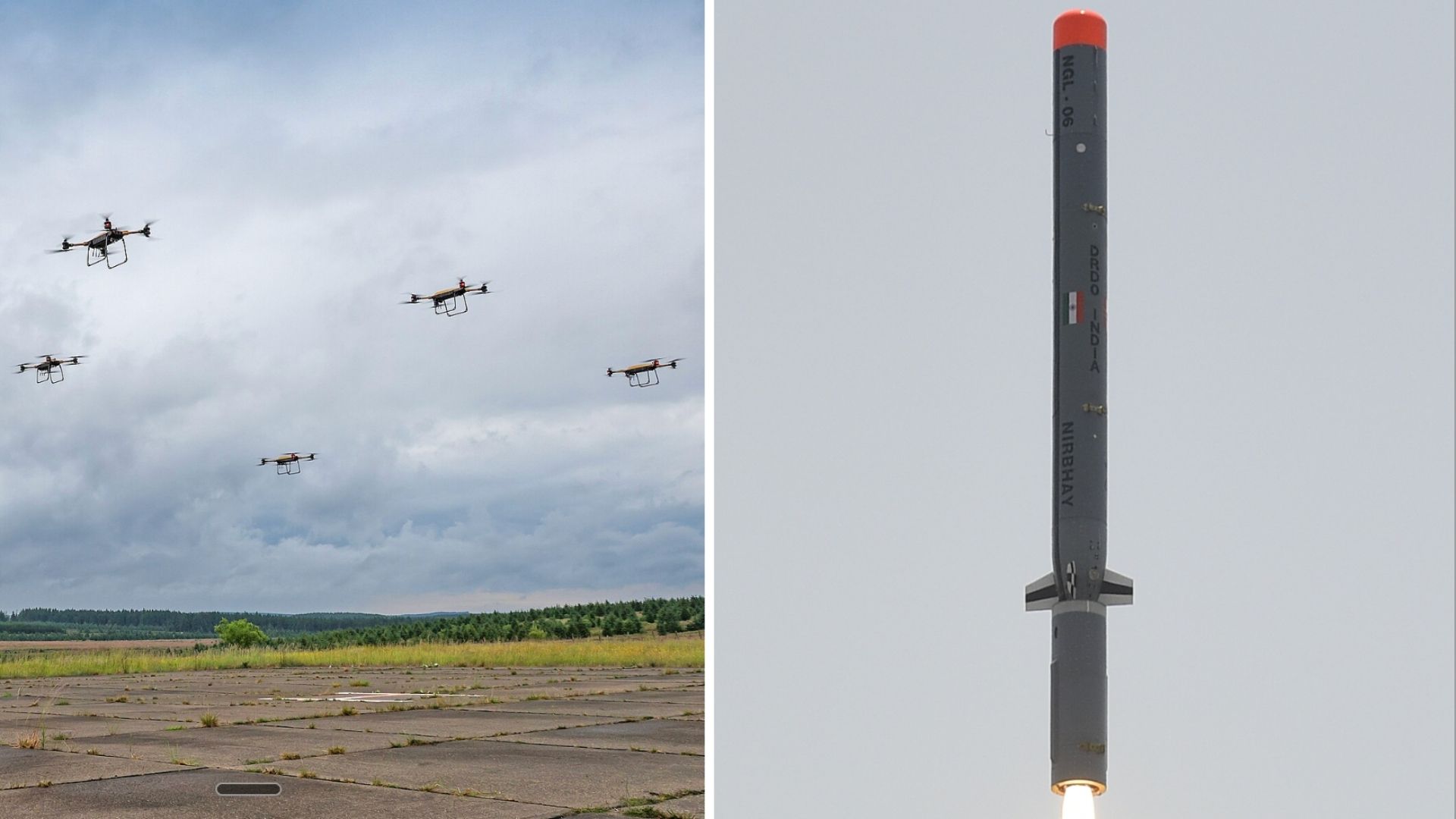
Comparative Analysis of Drone Swarms and Cruise Missiles: Range, Cost, and Power
Drone swarms and cruise missiles serve to challenge modern air-defense systems, albeit through distinct methodologies. Cruise missiles, such as the US Navy's Tomahawk, excel in long-range precision strikes, capable of traveling approximately 900 nautical miles (1,600 kilometers) and delivering powerful warheads. In contrast, drone swarms leverage quantity and coordination, saturating defenses despite their generally shorter ranges and smaller payloads. The significance of this comparison lies in the evolving landscape of military technology, where the choice between cruise missiles and drone swarms can influence operational strategies. While cruise missiles possess greater destructive power with warheads around 1,000 pounds, drone swarms can overwhelm targets through sheer numbers, allowing multiple simultaneous strikes. This capability makes drone swarms an appealing option for modern warfare, where cost-effectiveness and adaptability are crucial. Looking ahead, the development of both technologies will be critical in shaping future military engagements. As advancements continue, the balance between the sophistication of cruise missiles and the tactical advantages of drone swarms will likely dictate their respective roles in combat scenarios. No further timeline was disclosed at the time of publication.
Military
Eurosatory 2026: Land Cruise Missile upgrade aims to reduce Europe's reliance on TLAM.
MBDA has introduced the Land Cruise Missile Mk II along with a new launcher unit, marking a significant advancement in military technology. This unveiling took place recently, with plans for the missile system to be operational by the end of the decade. The development aims to enhance the capabilities of armed forces, providing them with a more sophisticated and effective strike option. The missile and its launcher are designed to meet the evolving demands of modern warfare, reflecting MBDA's commitment to innovation in defense solutions.
News
GE Aerospace Achieves Ignition Milestone for GEK800 Turbofan Engine in Cruise Missile Program
GE Aerospace has successfully ignited the GEK800 turbofan engine, marking a significant milestone in the development of a propulsion system for long-range cruise missiles. This ignition event took place at Kratos’ X-58 test facility and initiates a new testing campaign aimed at demonstrating the engine's performance and durability. The GEK800, jointly developed by GE Aerospace and Kratos Defense & Security Solutions, is designed to meet the requirements for advanced cruise missile systems. The companies emphasize that the engine combines high performance with cost-effective manufacturing approaches, which is crucial for procurement programs focused on lower acquisition and lifecycle costs. Looking ahead, the ignition milestone signifies the beginning of extensive ground testing as the companies work towards production and integration with cruise missile systems. No further timeline was disclosed at the time of publication.
Military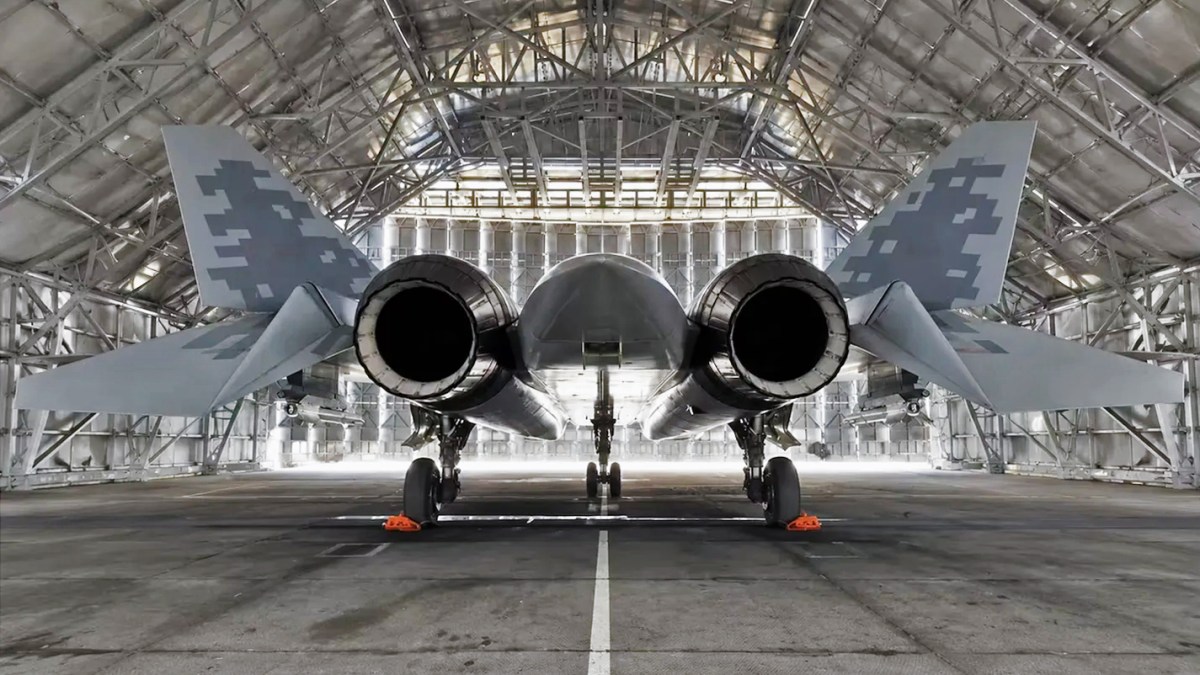
New Su-57 Weapons Configuration Points To Drone And Cruise Missile Defense Mission
Russia's advanced Su-57 fighter jet is reportedly being repurposed to bolster defenses against Ukraine's expanding long-range strike capabilities. This strategic shift highlights the ongoing military tensions between the two nations, particularly as Ukraine enhances its arsenal with drones and cruise missiles. The modification of the Su-57's weapons configuration suggests a focused effort by Russia to counter these emerging threats. As the conflict continues to evolve, the adaptation of such high-tech military assets underscores the urgency for Russia to maintain its defensive posture in the face of Ukraine's advancements.
Air Air Force Munitions Air Forces Air-To-Air Fighters Russian Air Force
Rheinmetall, Destinus plan new cruise missile with 2,000km range
At Eurosatory 2026 in Paris, Rheinmetall Destinus Strike Systems unveiled plans for a new cruise missile designed to hit strategic targets from distances exceeding 2,000 kilometers. This advanced weapon system is a key component of the company's future roadmap, reflecting its commitment to enhancing military capabilities. The announcement underscores the growing emphasis on long-range strike capabilities in modern warfare, as nations seek to bolster their defense strategies amid evolving global threats. The missile's development aims to provide military forces with a significant advantage in precision and reach, aligning with current trends in defense technology.
NewsRobotics needs a service framework.
RSF defines a common language for robot service capability, lifecycle operations, certification pathways, and service-provider networks.
Join the RobotToday community on LinkedIn
Daily robotics news, in-depth analysis, conference highlights, and discussions with professionals worldwide.







