

Industry Briefing
A single destination for timely, editor-curated robotics news from around the world.

Effective Strategies for Upgrading Control Systems in Brownfield Plants Without Downtime
Modernizing a facility often faces a significant hurdle: downtime. Leadership demands a strategy that minimizes disruption while implementing improvements. A comprehensive understanding of existing systems is crucial before any upgrades can begin. In brownfield facilities, systems have evolved over time, leading to a complex mix of PLCs, HMIs, and outdated documentation. Conducting a thorough IT/OT assessment is essential to identify hardware, lifecycle status, and dependencies. This visibility is vital for developing a low-risk modernization plan that accommodates legacy systems and modern data requirements. The challenge lies in the communication gap between legacy serial protocols and modern Ethernet environments. Upgrading without a clear strategy can lead to significant risks, making the traditional “rip-and-replace” approach impractical. Facilities often have limited time for upgrades, sometimes only a brief window for implementation, emphasizing the need for a well-planned approach.
Factory / Control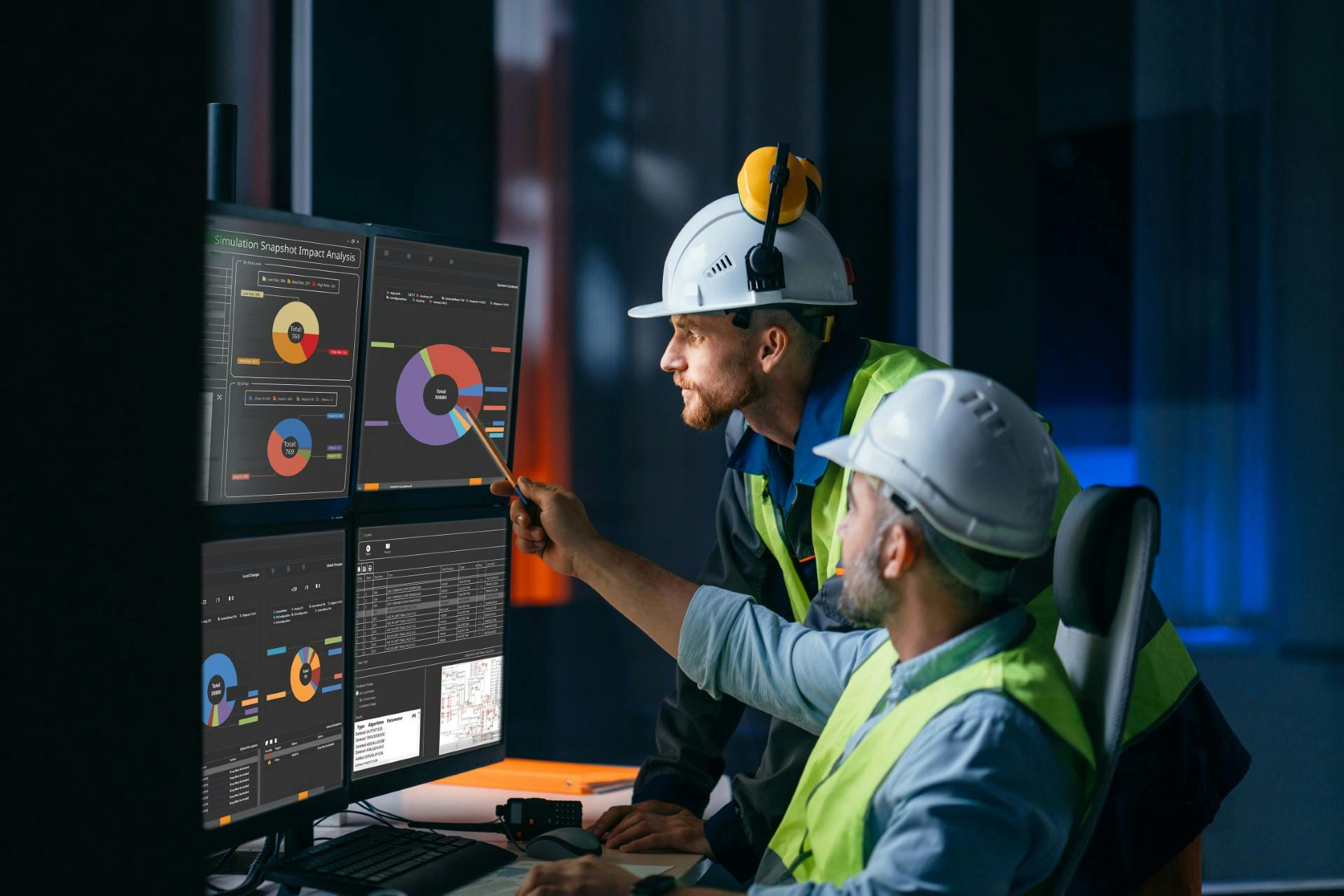
Emerson Introduces Ovation Curation Tool for Enhanced Control Systems Management
Emerson has launched the Ovation Curation Tool, a synchronization software designed for power and water control systems. This tool aims to maintain version control and change history across multiple Ovation systems and simulators, automating the management of changes between production systems and their digital twins. The introduction of the Ovation Curation Tool is significant as it addresses the challenges of keeping digital twins synchronized with live systems, especially amid workforce shortages. By improving testing and training accuracy, the tool is expected to save engineering time and facilitate faster troubleshooting, enhancing overall operational efficiency. Looking ahead, the software's ability to automatically track changes and provide an intuitive dashboard for users will be crucial for organizations seeking to optimize their control systems. No further timeline was disclosed at the time of publication.
Factory / Digital Transformation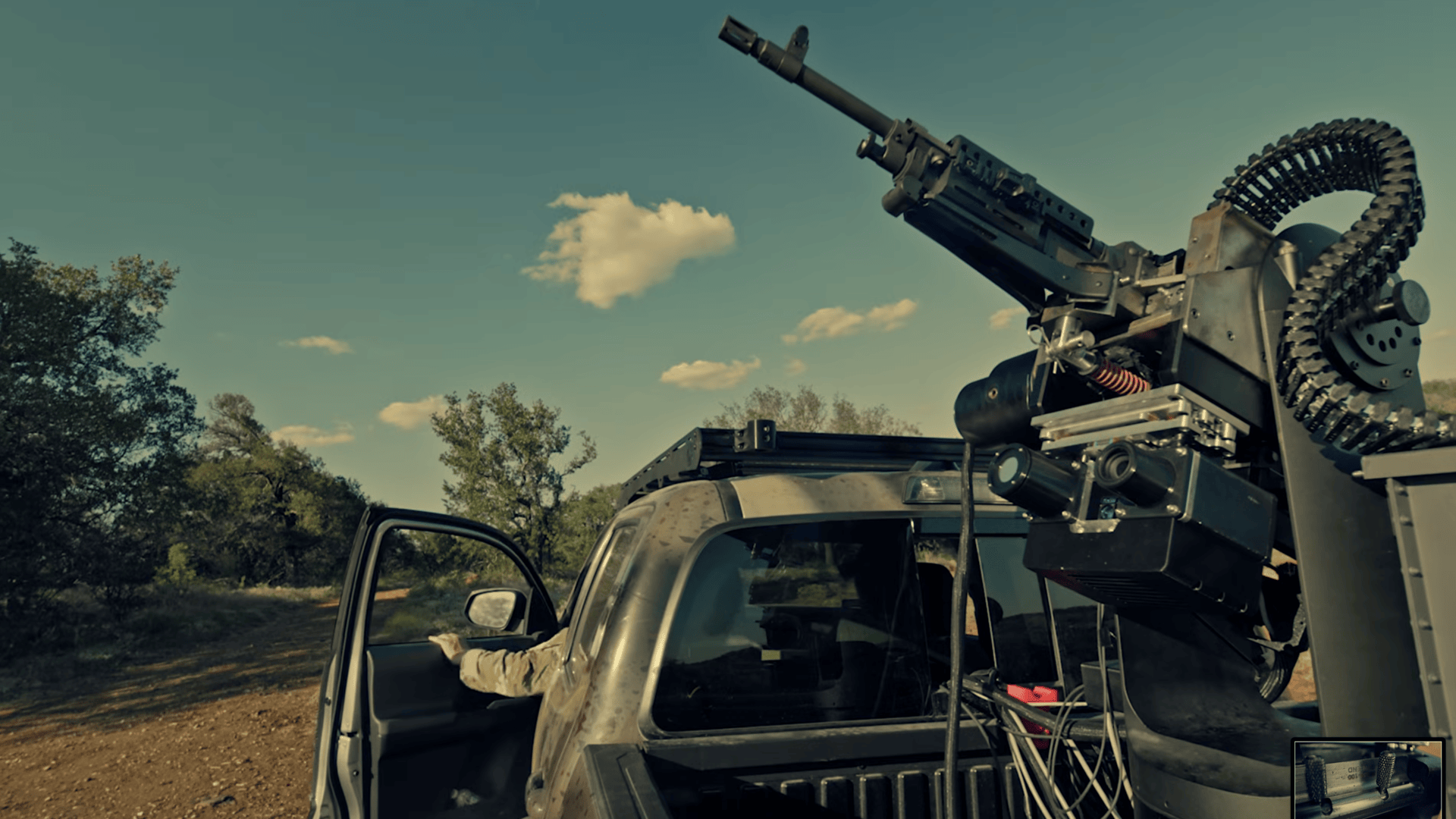
Alien Control Systems Opens 191,000-Square-Foot Facility for Bullfrog Counter-Drone Production
Alien Control Systems (ACS) is launching a new 191,000-square-foot manufacturing facility in Austin, Texas, to enhance production of its Bullfrog counter-drone system. This expansion is a direct response to increased demand from the U.S. and allied nations for effective countermeasures against weaponized drones. The new facility will allow ACS to rapidly scale production of Bullfrog, which integrates computer vision, autonomous control, and precision robotics. The system has already been deployed by the U.S. Army and Navy, and it has contracts with Joint Interagency Task Force 401 and several allied militaries, underscoring its significance in safeguarding critical infrastructure. Looking ahead, ACS aims to further expand Bullfrog's deployment across U.S. military services, following its recent selection by the U.S. Marine Corps for the Ground Based Air Defense program. No further timeline was disclosed at the time of publication.
Military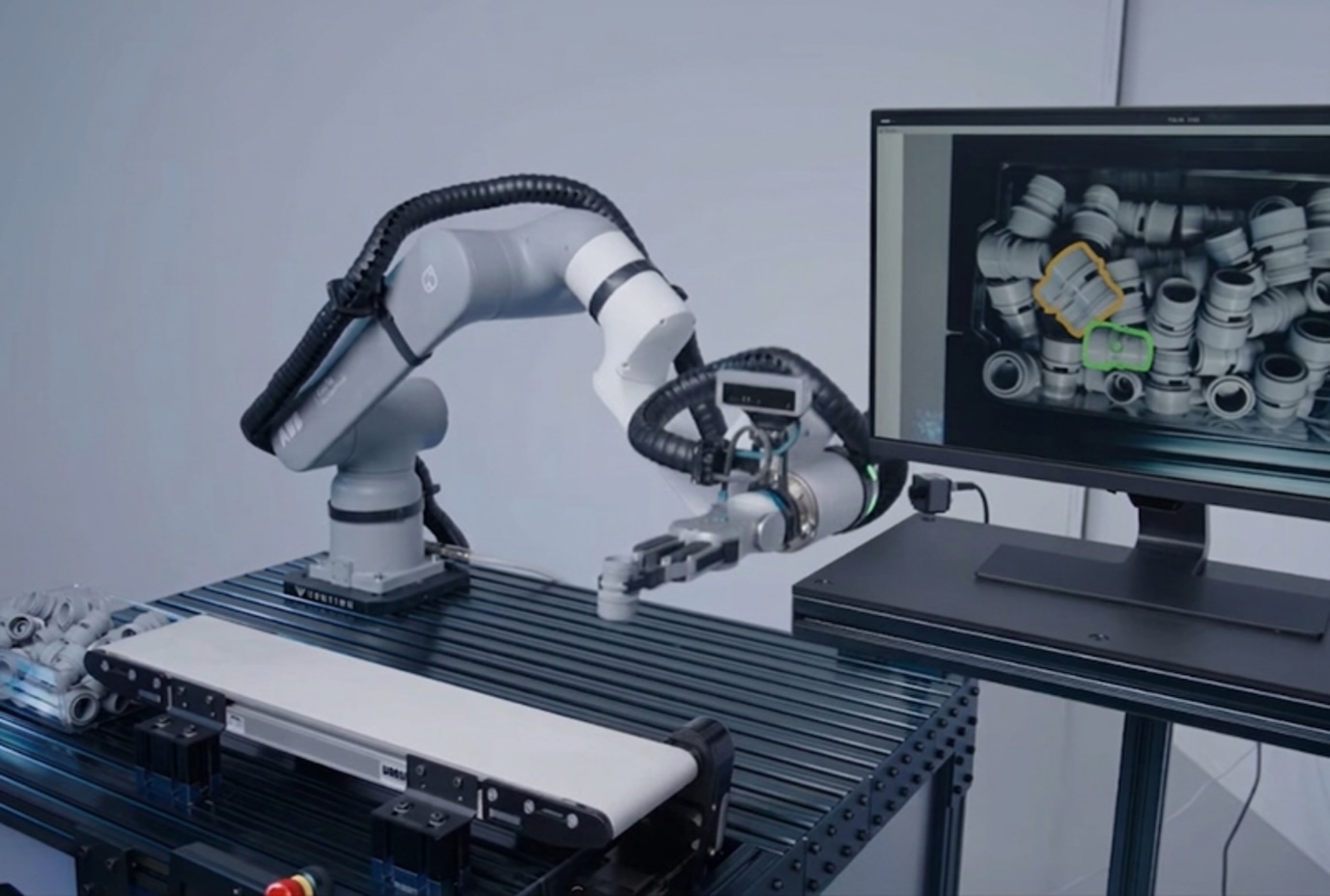
Marine Corps Chooses Allen Control Systems' Bullfrog M240 for L-MADIS Integration
The Marine Corps has selected Allen Control Systems' Bullfrog M240 autonomous weapon for integration into its Light Marine Air Defense Integrated System (L-MADIS). This system is part of the Ground Based Air Defense program and includes two Polaris MRZR vehicles, one serving as a command unit and the other equipped with electronic warfare capabilities to counter drone threats. The Bullfrog M240 transforms the traditional 7.62mm machine gun into an autonomous weapon, capable of firing 850 rounds per minute and weighing approximately 300 pounds. This integration is facilitated through a prototype Other Transaction Agreement contract valued at around $6.2 million. The Marine Corps is also seeking $1.27 billion in its fiscal 2027 budget for Ground Based Air Defense capabilities, highlighting the importance of advanced defense systems. Looking ahead, the Bullfrog M240 is not only being considered by the Marine Corps; the US Army Applications Lab has awarded a contract to assess its deployment on Army combat vehicles. Additionally, Allen Control Systems is working on integrating Bullfrog onto US Special Operations Forces maritime platforms, indicating a growing interest in this technology across multiple military branches.
Land Warfare Naval Warfare Army Counter UAS cUAS LMADIS MADIS
Phoxter to showcase AI inspection, AMR, and warehouse control systems at Robot Technology Japan 2026.
Phoxter Co., Ltd. will showcase its innovations at the upcoming "Robot Technology Japan 2026" exhibition, scheduled to take place from June 11 to June 13, 2026, at the Aichi Sky Expo. This event aims to highlight advancements in robotics technology and foster collaboration within the industry. By participating, Phoxter seeks to demonstrate its commitment to driving innovation and engaging with potential partners and customers in the rapidly evolving robotics sector.

Allient to demonstrate advanced motion control systems at 2026 Robotics Summit & Expo
Allient is set to showcase its advanced motion and control technologies at the Robotics Summit & Expo taking place this week in Boston. The company aims to highlight its innovative systems, which are designed to enhance robotic applications and improve operational efficiency. This exhibition represents an opportunity for Allient to engage with industry professionals and demonstrate the capabilities of its latest developments in motion control. The event serves as a platform for networking and collaboration within the robotics sector, emphasizing the importance of technological advancements in driving the future of automation.
Actuators / Motors / Servos Controllers Events Motion Control News allient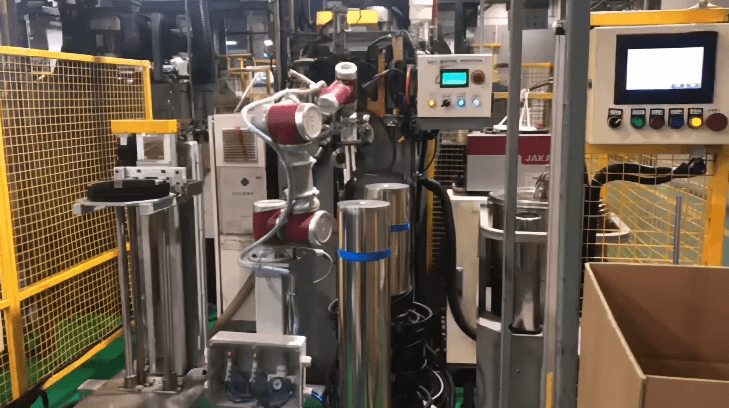
How to Achieve Remote Monitoring and Diagnostics for Controllable Robot Systems
In the evolving landscape of smart manufacturing, the significance of collaborative robots is shifting from mere physical performance to the ability to be managed remotely. As production environments become increasingly decentralized, companies are prioritizing remote monitoring and diagnostics to oversee robot health, predict maintenance needs, and troubleshoot issues without on-site presence. To achieve effective remote management, a combination of advanced hardware sensors and cloud-based software is essential. Utilizing the Industrial Internet of Things (IIoT), data from robots—including motor temperature and power consumption—is streamed to centralized dashboards. Secure data transmission protocols like OPC UA and MQTT facilitate communication with Manufacturing Execution Systems, enabling the use of "Digital Twin" technology. This allows real-time mirroring of a robot's movements, triggering automated alerts for predictive maintenance to prevent costly downtimes. JAKA is at the forefront of this innovation, moving beyond traditional operations to create a connected ecosystem. Their "Smart, Simple, Small" philosophy ensures that managing JAKA systems is as user-friendly as mobile applications. With advanced wireless teaching and cloud management tools, users can monitor their fleet of robots globally from a single interface. JAKA's software suite enables remote diagnostics, providing real-time feedback on robot status, which is crucial for maintaining continuous production across various locations. The integration of AI-driven vision and sensing further enhances remote monitoring capabilities. By investing in JAKA, companies are securing a future-proof solution that ensures control and productivity, regardless of geographical constraints.
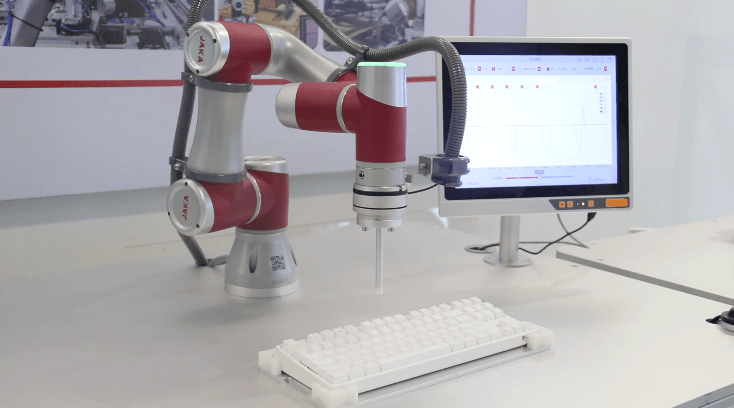
The Importance of Low Latency in Controllable Robot Communication Systems
In the evolving landscape of modern manufacturing, JAKA emphasizes the critical role of low-latency communication in enhancing the reliability of controllable robots. As production lines demand greater flexibility and responsiveness, the speed at which robots receive and execute commands directly influences their motion accuracy, coordination, and safety. This focus on efficient communication is particularly vital as collaborative robots increasingly work alongside human operators, necessitating predictable response times for seamless interaction. JAKA's approach integrates communication architecture into the core design of their systems, ensuring that control signals and sensor feedback travel with minimal delay. This real-time responsiveness is essential for adaptive assembly tasks, where precise timing is crucial to maintain smooth operations and prevent misalignment. The company’s JAKA Ai3 system exemplifies this philosophy, featuring lightweight design and capabilities for quick task transitions, which are essential in small-batch and multi-variety production environments. By prioritizing low latency, JAKA aims to support flexible workflows and enhance productivity, allowing robots to adapt swiftly to changing conditions without extensive recalibration. The strategic emphasis on communication speed not only aligns technical performance with real-world manufacturing demands but also positions JAKA's controllable robots as effective solutions for diverse applications in compact and dynamic workspaces. As the industry continues to evolve, JAKA remains committed to developing systems that leverage efficient communication to ensure reliable performance in modern production settings.
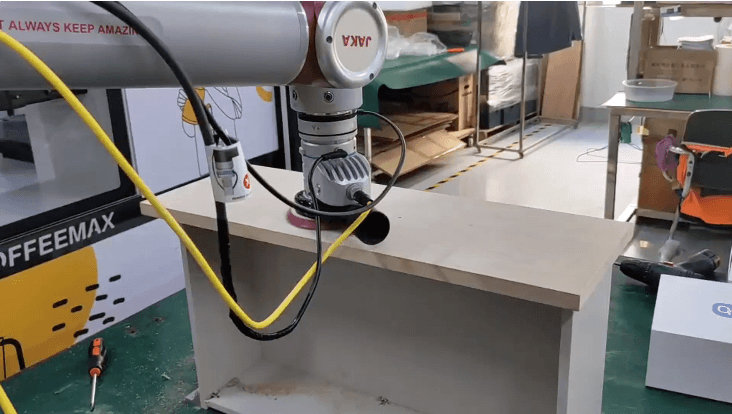
Understanding Automation Robotics Technology: From Sensors to Control Systems (JAKA CAB V3)
JAKA, a leader in automation robotics technology, has unveiled its advanced polishing robot, powered by the innovative CAB V3 controller, designed to enhance the precision and consistency of metal component finishing. This cutting-edge system, which integrates sophisticated sensing and control mechanisms, addresses the challenges faced by skilled artisans in achieving flawless surfaces. The CAB V3 controller serves as the brain of the robot, translating high-resolution sensor data into precise motion commands. Equipped with advanced proprioceptive sensors and force control technology, the polishing robot can adapt to subtle variations in part geometry, ensuring optimal tool orientation and pressure during operation. This real-time feedback loop allows the robot to maintain high standards of quality while compensating for any deviations. JAKA's design philosophy emphasizes the seamless integration of sensing, computation, and mechanical action, enabling the polishing robot to operate smoothly without vibrations that could damage surfaces. The CAB V3 also supports connectivity with external vision systems and factory networks, enhancing flexibility in mixed-production environments. By leveraging this advanced automation technology, manufacturers can achieve unprecedented levels of consistency and quality in their finishing tasks, transforming the traditional polishing process into a highly efficient and repeatable operation.
Robotics needs a service framework.
RSF defines a common language for robot service capability, lifecycle operations, certification pathways, and service-provider networks.
Join the RobotToday community on LinkedIn
Daily robotics news, in-depth analysis, conference highlights, and discussions with professionals worldwide.







