Industry Briefing
A single destination for timely, editor-curated robotics news from around the world.
Unitree and UBTECH: Two Divergent Commercial Experiments for China Humanoid Robots in 2026
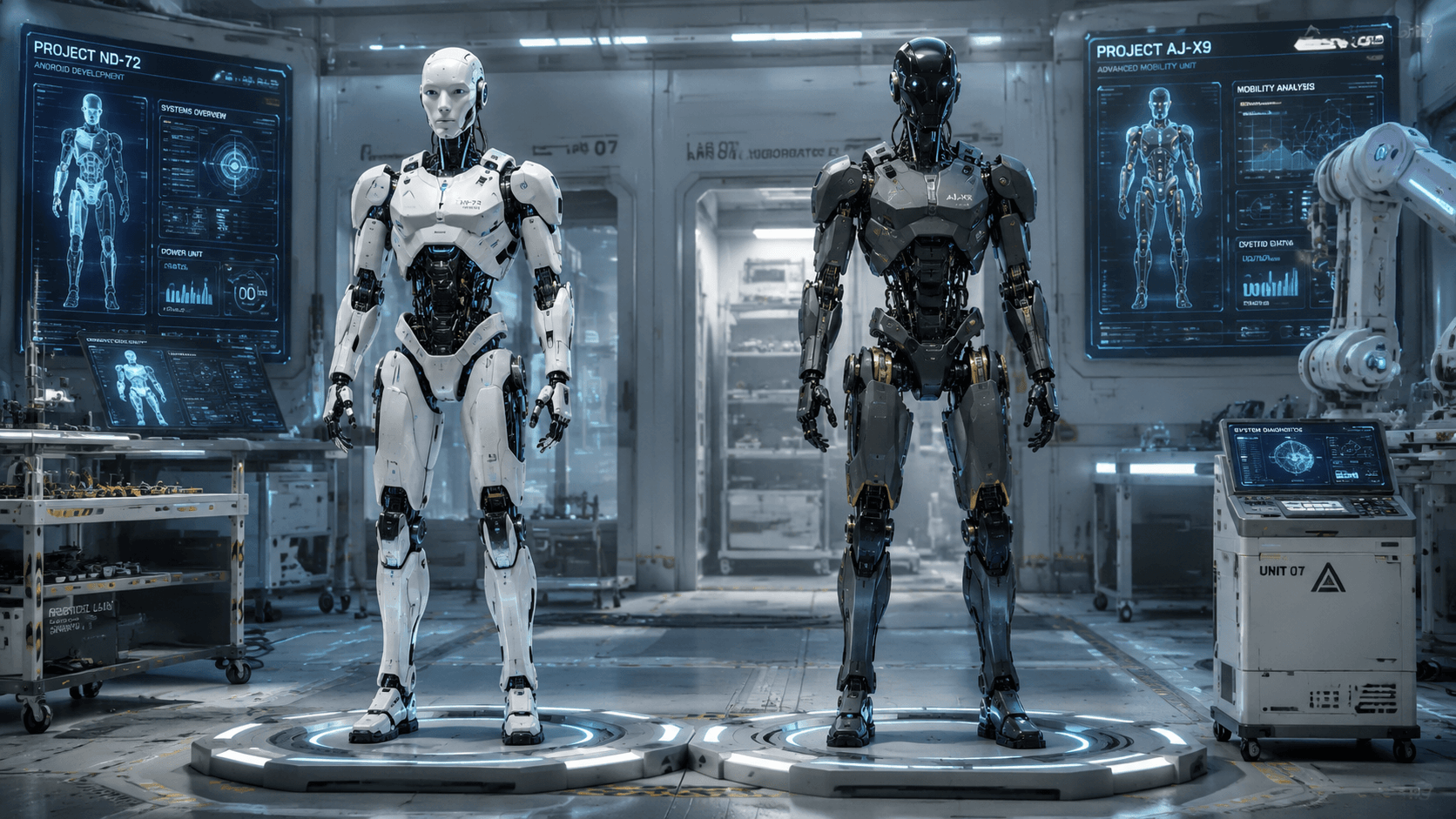
Unitree and UBTECH are at the forefront of the evolving robotics industry, each championing distinct approaches to the commercialization of embodied artificial intelligence. Unitree focuses on developing affordable industrial-scale humanoid robots, aiming to make advanced robotics accessible for various applications in sectors such as manufacturing and logistics. In contrast, UBTECH is dedicated to creating ultra-realistic luxury consumer robots, targeting high-end markets and emphasizing sophisticated design and functionality. As the competition between these two companies intensifies, they represent divergent visions for the future of robotics. Unitree's strategy, which emphasizes cost-effectiveness and scalability, seeks to democratize access to humanoid robots, potentially transforming industries that rely on automation. Meanwhile, UBTECH's approach highlights the growing consumer interest in advanced robotics as personal companions or entertainment devices, catering to affluent customers who value aesthetics and cutting-edge technology. The robotics landscape is rapidly evolving, and the differing philosophies of Unitree and UBTECH illustrate the diverse opportunities and challenges within the sector. As both companies continue to innovate, their developments will likely shape the trajectory of humanoid robotics in the coming years, influencing how these technologies are integrated into everyday life and various industries.
Robotics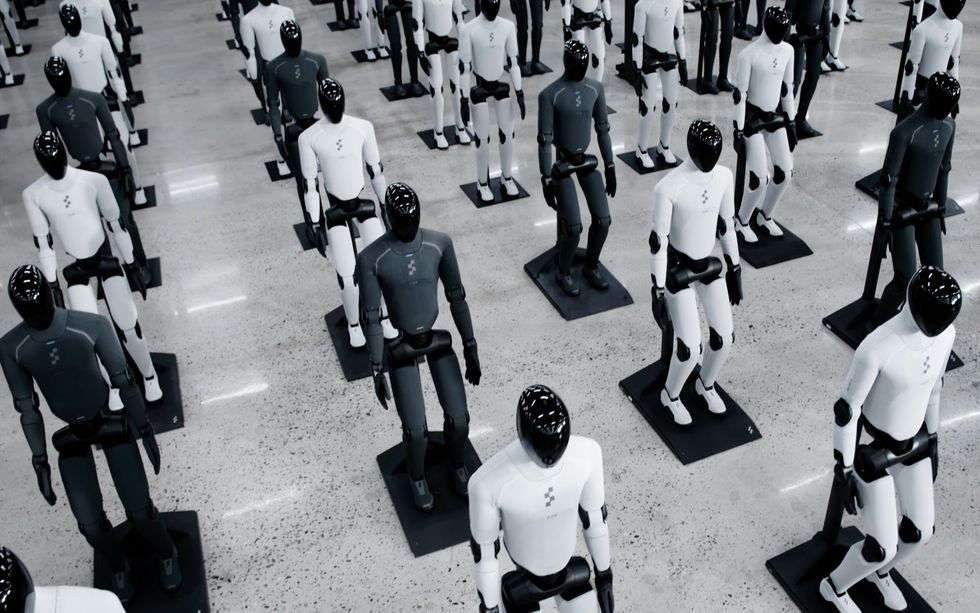
Video Friday: Figure, 1X Ramp Up Humanoid Robot Production
IEEE Spectrum robotics has released its weekly roundup of notable robotics videos and upcoming events, including major conferences like ICRA 2026 in Vienna and RSS 2026 in Sydney. A significant development in humanoid robotics has occurred with the opening of the NEO Factory in Hayward, California, which is now producing robots at a rate of 55 per week. This facility, which spans 58,000 square feet and employs over 200 staff, allows for complete in-house manufacturing, enhancing safety and efficiency. The first consumer robots are expected to ship in 2026, marking a pivotal step toward the realization of general-purpose home robots. In other news, NASA continues its exploration of Mars with two rovers, Perseverance and Curiosity, studying different geological eras of the planet. Meanwhile, the Chinese-made Unitree G1 humanoid robots are gaining traction in the U.S. tech landscape, being utilized by companies like OpenAI and Nvidia, raising questions about their implications for security and privacy. Additionally, advancements in robotics are showcased through various projects, including a surgical robot designed to streamline Neuralink implant procedures and a tactile-enabled humanoid manipulation system that enhances dexterity and stability in real-world tasks. As robotics technology evolves, experts are also exploring how autonomous systems make decisions in unpredictable environments, emphasizing the importance of AI in coordinating complex operations.
Humanoid-robots Video-friday Robot-videos Robot-manipulation Industrial-robots Robot-hands
JD.com and Unitree to open first offline store in Beijing, offering hands-on robot experience and on-site orders
JD.com and Unitree Robotics are set to launch their inaugural offline experience store in Beijing tomorrow. This new retail space marks a significant transition for consumer robotics, moving from predominantly online presentations to a tangible, in-person shopping experience. The initiative aims to enhance customer engagement by allowing potential buyers to see, interact with, and purchase robotic products directly at the store. By providing hands-on experiences, the companies hope to accelerate the adoption of consumer robots and reduce barriers to use, making technology more accessible to the public.
Heavy Hitters Content and entertainment Highlight News Robotics
Lumisition Robotics Secures $7 Million in Angel Funding for All-Terrain Quadruped Robot Development
Lumisition Robotics, founded in February 2026 by a team of experts including a former DJI engineer, has raised approximately 50 million yuan (around $7 million) in angel funding led by Zhengxuan Capital. The funds will primarily support product development, algorithm iterations, and preparations for mass production of their consumer-grade quadruped robots aimed at outdoor applications. The company targets homeowners in Europe and North America, outdoor enthusiasts, and the elderly, focusing on practical applications such as transporting goods over challenging terrains. Unlike many consumer robots that emphasize companionship, Lumisition aims to enhance physical labor capabilities, addressing needs like last-mile transportation in large residential areas. Their product line will include various models suited for urban, light urban, and outdoor environments. Lumisition Robotics plans to conduct outdoor testing in October 2027 and officially launch their product at CES 2027, with mass production expected to begin between April and May 2027. The company is also focused on reducing hardware costs through innovative design and optimization strategies, ensuring competitive pricing while maintaining performance.

Podcast: Colin Angle discusses building companion robots with Familiar Machines & Magic
Colin Angle, co-founder of iRobot, recently shared insights into his new venture, Familiar Machines, which focuses on developing next-generation social robots. In a podcast discussion, Angle elaborated on the innovative designs and functionalities of companion robots that aim to enhance human interaction and companionship. The conversation highlights the growing interest in robotics and the potential for these machines to play significant roles in everyday life. Angle's transition from iRobot to Familiar Machines underscores his commitment to advancing technology that fosters social connections.
Artificial Intelligence News Opinion Podcast Robots / Platforms Software
Rise of the robots: China releases plan aimed at increasing consumers’ AI options
Chinese authorities are set to enhance the integration of artificial intelligence (AI) into consumer markets, as outlined in a recent plan by the Ministry of Commerce alongside seven other ministries. This initiative, which includes 17 new measures, aims to stimulate consumption growth by incorporating AI into various sectors, including consumer goods, services, and retail. The strategy focuses on the development of smart products, the deployment of robots, and the establishment of supportive infrastructure and standards. By promoting the concept of "AI Plus Consumption," the government seeks to create innovative drivers for economic growth and improve the overall consumer experience.
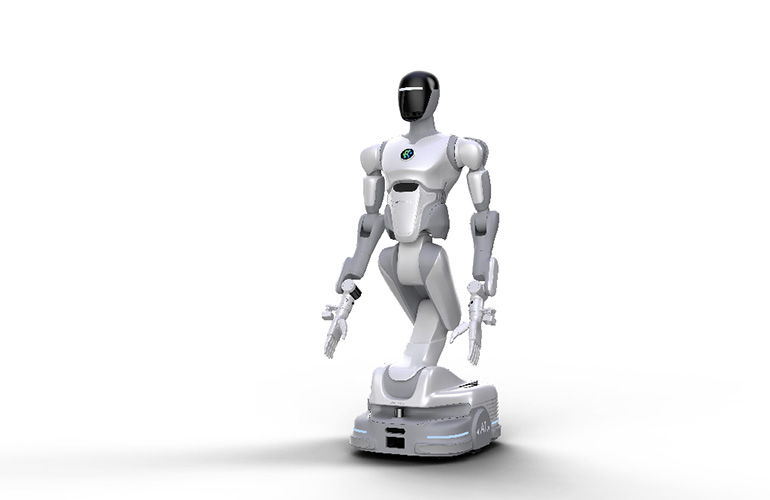
AI² Robotics Secures $735 Million Funding for Wheeled Humanoid Robots Development
AI² Robotics has successfully raised approximately $735 million in a recent funding round, elevating its valuation to around $2.8 billion. The Shenzhen-based company specializes in wheeled humanoid robots, which feature a humanoid torso and five-fingered hands, offering a unique alternative to traditional bipedal systems. This funding round attracted a diverse group of investors, including government-backed entities and major corporations, highlighting the growing importance of physical AI technology in China. The strategic choice to develop wheeled robots instead of bipedal models allows AI² Robotics to focus on mechanical simplicity and durability, making their robots more cost-effective and easier to deploy in public spaces. With over 34 degrees of freedom and a custom lifting mechanism, the robots are designed for various industrial applications, including logistics, manufacturing, and retail. The company’s proprietary Alpha Brain software enhances the robots' capabilities in real-time spatial reasoning and task planning, positioning them as practical solutions in structured environments. Looking ahead, AI² Robotics aims to further penetrate industrial markets while steering clear of the consumer robotics hype. The company is actively deploying its AlphaBot 2 in practical settings, emphasizing its utility in sectors such as biotech and public service. No further timeline was disclosed at the time of publication regarding future funding or product releases.
Artificial Intelligence / Cognition China Financial Humanoids Investments News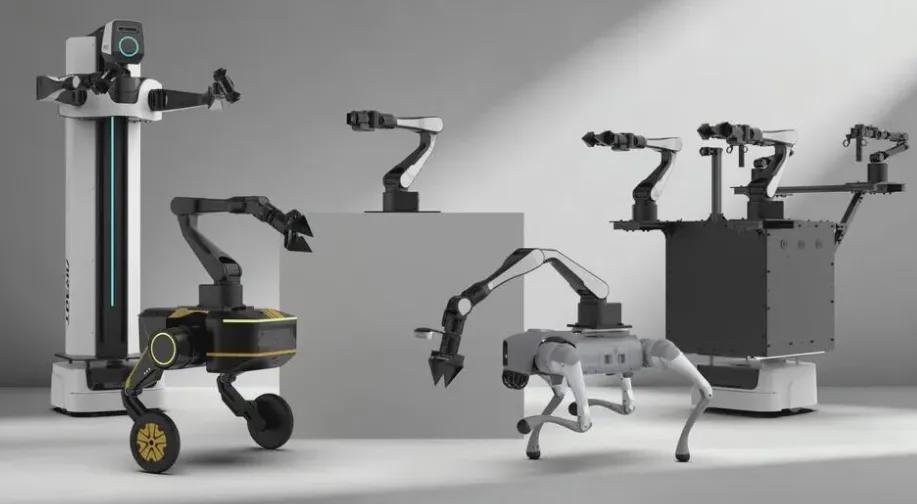
"Breaking the Record for Single Investment in Angel Round Financing! DJI Veteran Tackles Consumer-Level Embodied Robots"
A former DJI executive has set a new record for single investment in angel round financing by securing significant funding for a startup focused on consumer-level embodied robots. This groundbreaking investment, announced recently, aims to revolutionize the robotics market by making advanced robotic technology accessible to everyday consumers. The funding will be utilized to accelerate product development and enhance marketing strategies, positioning the company to compete in a rapidly evolving industry. As the demand for innovative consumer technology continues to rise, this investment reflects a growing interest in robotics that can integrate seamlessly into daily life. The initiative is expected to attract further attention and investment as it progresses, potentially reshaping the landscape of consumer robotics.
Robotics Automation AI
China's UBTech launches lifelike humanoid robots for consumers
UBTech Robotics, a Chinese manufacturer, unveiled its new series of lifelike humanoid robots on July 1, 2026, in Shenzhen. The launch features two entry-level models designed to resemble humans more closely than the company's previous industrial robots. This strategic move aims to tap into the growing consumer demand for companionship and counseling services. By expanding its offerings to more consumer-oriented applications, UBTech is positioning itself to meet the evolving needs of the market, where realistic humanoid robots are increasingly sought after for personal use.
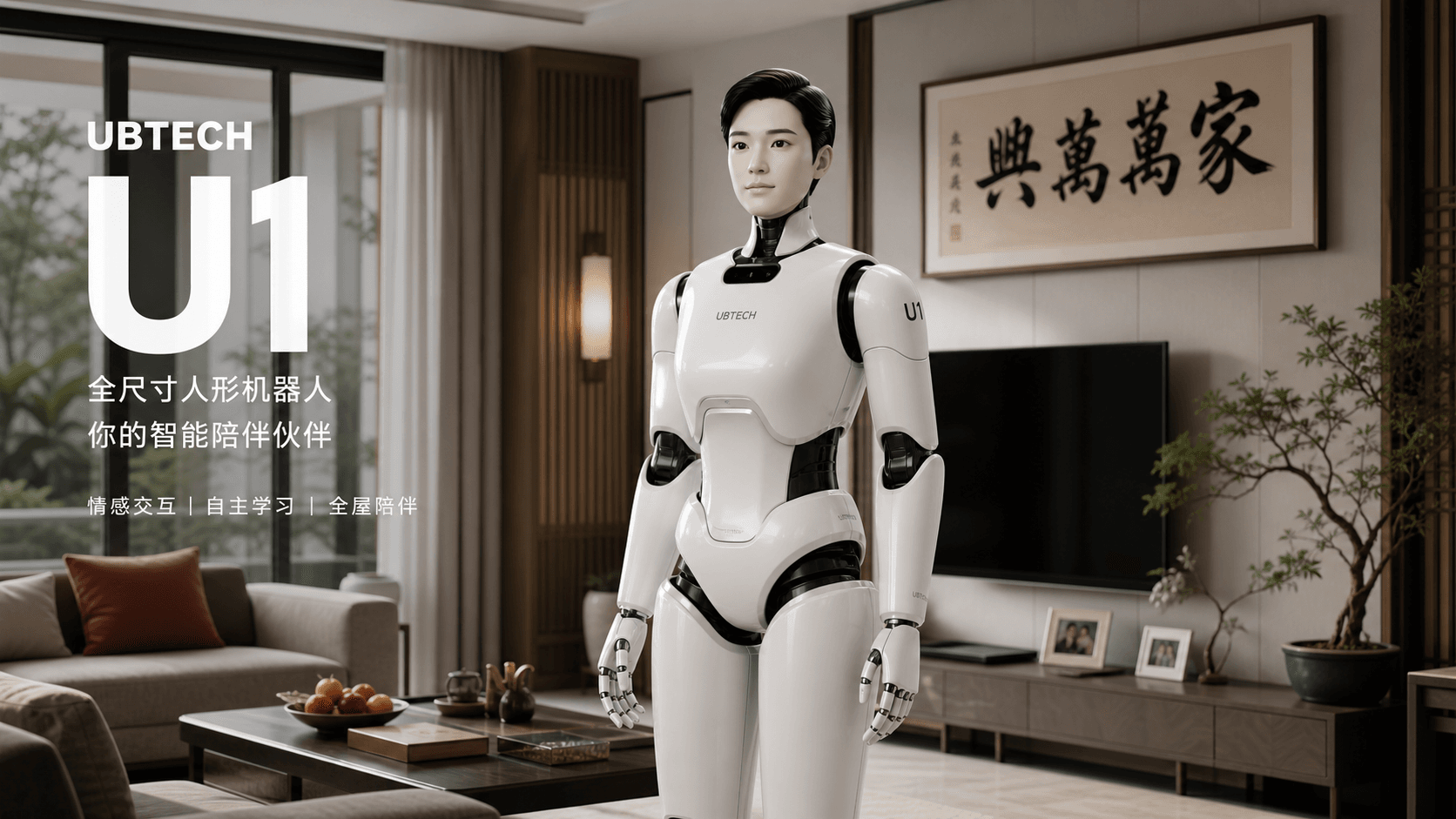
UBTECH Sells 5,000 Companion Robots in Two Weeks, Eyes Consumer Market Breakthrough
UBTECH's U1 full-size humanoid companion robot has garnered significant interest, achieving over 5,000 pre-orders within just three weeks of its launch. This surge in demand highlights a burgeoning consumer appetite for emotional AI technology in China. The U1 robot, designed to interact with users on a personal level, reflects a growing trend towards integrating advanced robotics into daily life. As the market for emotional AI continues to expand, UBTECH's early success with the U1 indicates a promising future for humanoid robots in the region.
HumanoidRobotics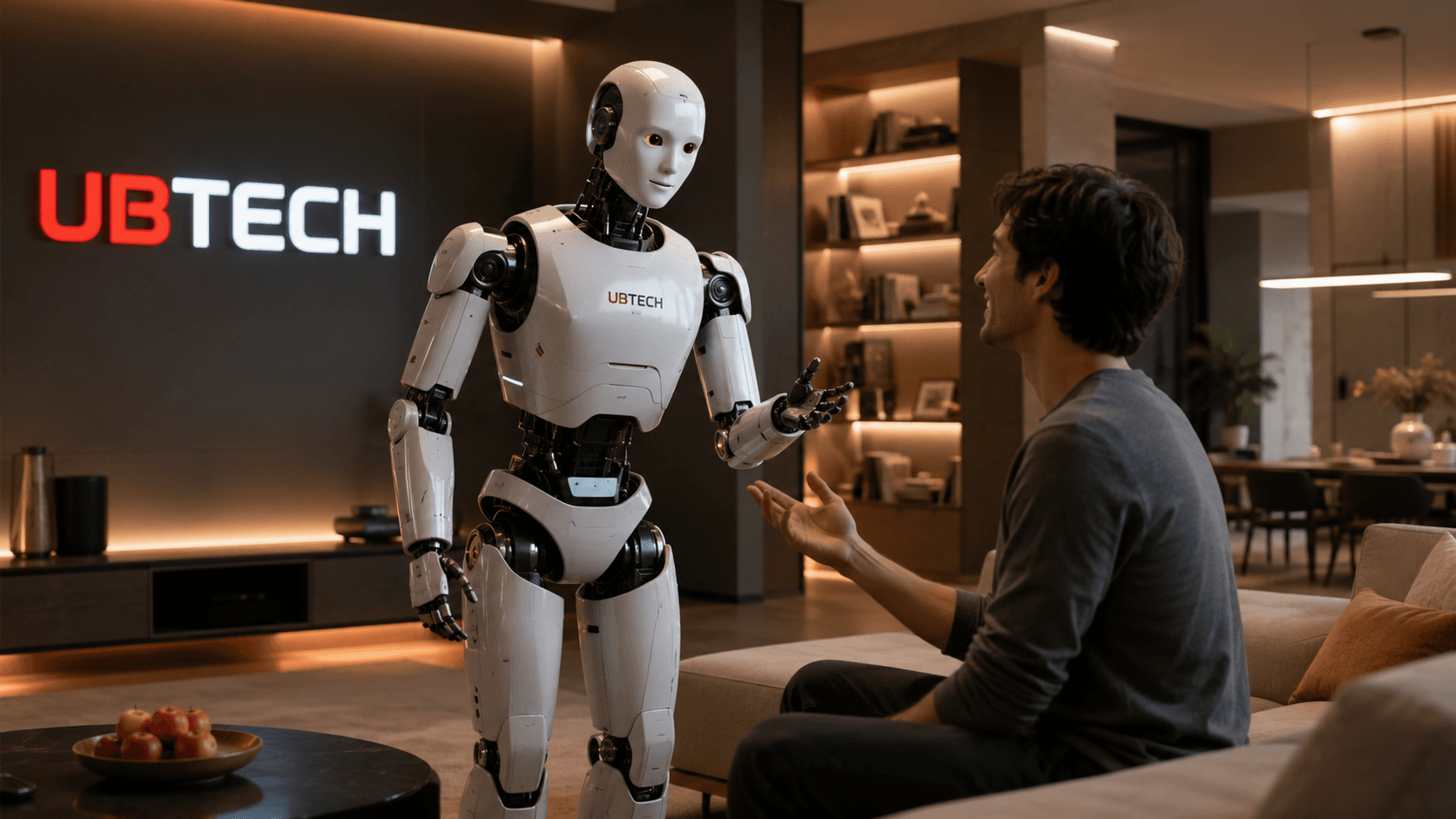
UBTECH U1 Series Presales Near 5,000 Units in 17 Days: A Milestone for Consumer Humanoid Robots
UBTECH has reached a significant milestone in consumer-grade robotics by securing nearly 5,000 pre-orders for its U1 companion humanoid robot within just 17 days of its launch. This impressive demand highlights the growing interest in humanoid technology among consumers. The U1, designed to assist with various tasks and enhance daily life, is being positioned as a versatile companion for households. The surge in pre-orders reflects not only the innovative features of the robot but also the increasing acceptance of humanoid robots in everyday settings. As the company continues to develop and market its products, this early success may pave the way for further advancements in the field of robotics.
News Robotics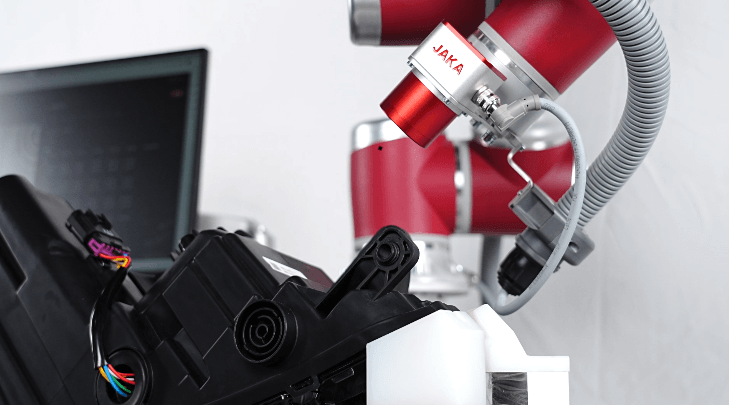
Assembly Robots for Consumer Electronics: Challenges and Solutions
The consumer electronics industry is increasingly adopting specialized assembly robots to address the challenges posed by rapid product life cycles and the need for precision in manufacturing. As smartphones, wearables, and home gadgets evolve, traditional manual assembly methods struggle to keep up with the demand for high-quality production. This shift is driven by the need for accuracy in handling densely packed components, which require sub-millimeter precision and are sensitive to electrostatic discharge. To adapt to frequent design changes and seasonal updates, manufacturers are turning to flexible automation solutions. These advanced robots can be quickly reprogrammed and equipped with modular end-effectors, enabling them to perform various tasks across different product lines. The integration of 2D and 3D vision systems enhances quality control, allowing robots to make real-time adjustments to ensure precise assembly. JAKA, a leader in robotics technology, has developed the JAKA A12L, designed specifically for the electronics sector. This robot offers a long reach and high payload capacity, making it suitable for large-format assembly. With an impressive repeatability of ±0.03mm, JAKA's solutions meet the stringent requirements of consumer electronics manufacturing. The company emphasizes ease of integration and safety, providing an open software ecosystem for seamless communication with vision sensors and factory systems, along with user-friendly wireless control through the JAKA App. This innovation positions manufacturers to turn production challenges into competitive advantages.
Epson Robots Invests in Blank Beauty to Bring Automation and Retailtainment to the Consumer Space
Epson Robots, recognized as the leading SCARA robot manufacturer globally, announced on May 7, 2025, its innovative approach to automation, which aims to extend manufacturing capabilities beyond traditional factory settings and into the hands of consumers. This strategic shift is designed to empower individuals and small businesses by making advanced robotic technology more accessible. By integrating user-friendly automation solutions into everyday tasks, Epson Robots seeks to enhance productivity and efficiency in various sectors. The initiative reflects a growing trend toward personalized manufacturing, allowing consumers to leverage robotics for their specific needs.
SCARA Retail Automation Consumer Packaged Goods Industrial Robots Customization Technology
iRobot Co-Founder Colin Angle’s New Startup, Familiar Machines & Magic, Emerges From Stealth to Make Consumer Social Interaction Robots
Colin Angle, co-founder of iRobot, has launched a new companion robotics startup named Familiar Machines & Magic, unveiling its first product, a four-legged robot designed for human interaction. The announcement took place on Monday during the Wall Street Journal’s Future of Everything conference. The company aims to create what it refers to as “Familiars,” which are physical AI companions intended to enhance human experiences. This initiative reflects a growing interest in robotics that fosters emotional connections and companionship, addressing the increasing demand for interactive technology in daily life.
AI AI Funding & Investment Robotics Ai Companion Robot Colin Angle Familiar Machines & Magic
Japan Pioneered Humanoid Robots—Can It Now Catch China?
“In the future, the relationship between humans and robots will deepen, and the distinction between them will probably disappear.” This prediction, from one of the attendees at the recent Humanoids Summit in Tokyo, might have been unremarkable had it not come directly from an android that was first introduced to the world 20 years ago. Geminoid HI-6 is the sixth-generation of a robot originally designed in 2006. The mechanical twin of Osaka University professor Hiroshi Ishiguro, Geminoid HI-6 is now equipped with a large language model trained on Ishiguro’s own writings and interviews. It has advanced conversational skills and can even have a chat with its creator, an eerie spectacle. But at the Humanoids Summit, Geminoid was one of the few humanoid robots from Japan, the country that pioneered the form factor.While the event in Tokyo only had about 40 robots on display, Chinese systems outnumbered Japanese by roughly three to one. Some Japanese robotics firms were even using Chinese robots in their own technology demonstrations, something that would have been unthinkable in the recent past—one Japanese engineer described the situation as “sad.” The conference was a stark reminder of how Japan has ceded its early lead in humanoid robot development to overseas competitors, and the challenge it now faces to secure a place in an ecosystem increasingly dominated by general-purpose robots powered by AI. Twenty-five years ago, Japan was turning out groundbreaking humanoids that were showstopping in their abilities, but they were not commercialized as practical machines in any meaningful way. Heavily influenced by science fiction and lacking practical applications, they were mostly expensive technology demonstrations that were eventually mothballed. What Japan retains, however, is robotics design and know-how, which it must leverage to be a key player in the rapidly evolving humanoid ecosystem. Learning to Walk—Then Standing StillTo anyone who has seen recent videos of Chinese humanoids doing kung-fu and synchronized acrobatics, as well as half-marathon races, China’s remarkable progress in the field is nothing new. At the Humanoids Summit, Toyota showed a video of its latest basketball-playing robot, and Honda exhibited its latest robot hand, but the full-scale humanoids on the floor were mostly Chinese–the kid-size K1 machines from Booster Robotics of Beijing were dancing to Michael Jackson tunes. The full-scale G1 humanoid from Unitree Robotics of Hangzhou was also doing demos. “You cannot sell these bipedal systems in Japan for safety and compliance reasons,” says Shuichi Nagao, a frequent visitor to China as CTO of Omakase Robotics, a division of Zeals, a Japanese humanoid robot developer. Omakase was exhibiting a G1 modified with an external PC controller, a dextrous hand, a suction-cup manipulator and a sensor “hat” with an extra speaker, mic and camera. “In China, the government is pushing humanoid development. They didn’t have an industry 20 years ago. The people pushing it are young, in their 20s and 30s. It’s a really different mentality out there,” says Nagao. “Big players in Japan are still looking for use cases for humanoids. In China, they’re already doing mass production and reducing the cost, so other countries can’t compete with them anymore.”Another Japanese company showing off G1 bots was summit sponsor GMO AI & Robotics, a subsidiary of Japanese internet company GMO. It’s using the robots in partnership with Japan Airlines to load and unload cargo containers at Tokyo’s Haneda airport. The cargo project is a trial—like many other humanoid experiments—but the fact that Chinese machines have penetrated so far into Japan’s ecosystem upends a long history. In 1973, scientists at Waseda University in Tokyo built WABOT-1, considered the first full-scale humanoid robot and capable of slow bipedal locomotion, grasping objects and simple communication. It inspired Honda’s groundbreaking Asimo humanoid, but it was never commercialized. Asimo was eventually retired in 2022, the year ChatGPT was released. Two years later, Unitree’s G1 went on sale for US $16,000. China’s High Torque Technology Co. showed off its Mini Pi biped, customized with an anime-inspired head, at Humanoids Summit in Tokyo. The regular version is priced at $3,500. Tim HornyakSupply and DemandJapan’s development of humanoids happened before practical applications or widespread demand were in place, but bad timing is only part of the story—Japan also has a history of developing technologies that might appeal to domestic consumers but not necessarily those overseas. For example, decades after they first appeared, its highly engineered, multifunction toilets have only recently found a following abroad. Japan’s humanoid prowess was partly built on the back of its legendary industrial automation, yet even that stronghold has eroded. Ani Kelkar, a partner from McKinsey & Company in Boston who produces analytical reports about the robotics industry, told the summit audience that while Japan occupied the top spot in the world in manufacturing robot density (the number of multipurpose industrial robots in operation per 10,000 employees) from at least 1994 to 2009, it then slipped to second in 2014, third in 2019 and fifth in 2024. In that year, South Korea was at the top of the leaderboard with a robot density of 1,220 compared to Japan’s 446. The International Federation of Robotics estimates China now has the most operational industrial robots in the world, with around 2 million total units, approximately 4.5 times more than Japan. “The annual installation numbers are impressive too: 54 percent of all robots installed worldwide in 2024 were deployed in China,” the IFR said in a release in April 2026. “I think the loss of Japanese leadership is more to do with the rise of China as a manufacturing powerhouse including for sectors that Japan had high export levels,” Kelkar said in an email interview. “The recovery has not yet happened as Japan ‘missed’ the rapid acceleration in AI for robotics and is now playing catchup.”How Japan Can Adapt Kelkar believes Japan has a US $100 billion opportunity in general-purpose robotics, which are machines that can perform a wide variety of tasks, and it cannot rely on the slower-growing industrial robot market, which is centered on factory machines that do one simple and predictable task like welding car parts. He points to a McKinsey white paper suggesting that while Japan has much of the hardware and technology experience needed to support general purpose robot development, it must change its strategy to capture more share in AI, software, data collection and robotics platforms.Tetsuya Ogata is a professor of engineering and director of the Institute for AI and Robotics at Waseda University, the birthplace of humanoids in Japan. He briefed the summit on how a nonprofit he chairs, the AI Robot Association (AIRoA), is working with Toyota and other members to develop foundational technologies for collaborative use. For instance, AIRoA has collected some 80,000 hours of data on remote operation of mobile manipulators, and Ogata believes it’s the largest dataset of its kind. Using the data, it built and verified Vision-Language-Action (VLA) models, and it has also started data collection for dual-arm mobile manipulation. In an interview, Ogata acknowledged Japan’s struggle to find its place in the changing landscape. “The world of AI is inherently a game of scale,” says Ogata. “Therefore, Japan’s absolute prerequisite is to secure a competitive baseline of scale—in data, computing resources, and talent. Beyond that, what I consider most critical is a mindset shift: rather than trying to hoard scale within a single nation or company, we must grow stronger by collaborating with a diverse ecosystem of domestic and international players.” Specifically, this means creating a ‘collaborative domain’ to address data—the single biggest bottleneck—through industry-wide cooperation rather than data-siloing. By collectively nurturing a pre-competitive, shared data infrastructure and foundation model, individual companies can then compete on top of it with their own applications. “By offering this open ‘data ecosystem’ to the world, we can engage global players and establish a ‘third pole’ alongside the US and China,” says Ogata. “I believe this is how Japan can reclaim its global presence.”In 1999, Japan introduced the world’s first mobile internet services platform. But being first didn’t turn Japan into a smartphone manufacturing or design center—it’s now merely a supplier of parts to other countries who are leading the smartphone industry. If Japan can avoid a repeat of that experience and successfully deregulate, diversity, and commercialize its original humanoid dreams, it stands a better chance of influencing the direction of the industry and reaping billions in value. As automobiles and electronics were pillars of Japan’s industrial strategy in the last century, Japan could make humanoid robots one of its key value generators in the 21st century, an approach that would not only deliver economic benefits but give Japan greater clout in how the industry will evolve. Just like Japanese cars, electronics, and even toilets, Japanese humanoids could stand for craftsmanship and reliability. It’s a legacy that Japan can’t afford to give up.
Japan Robotics Humanoids Humanoid-robots
74 Yuan for 3 Hours: Embodied AI Robots Begin Entering Chinese Homes for Household Chores
China has introduced a new service offering embodied AI robots for home hire, with rates starting at just 74 yuan for a three-hour period. This development has ignited discussions regarding the true value of the substantial investments made in embodied AI technologies, which amount to billions of dollars. The initiative reflects a growing trend in the integration of advanced robotics into everyday life, as consumers seek innovative solutions for various household tasks. The availability of these robots marks a significant step in the commercialization of AI, raising questions about the balance between cost and the benefits provided by such technology. As the market evolves, stakeholders are closely examining the implications of this service on both the economy and society at large.
Industry AI
Epson Robots to Showcase Scalable Retail Automation at Shoptalk Spring 2026
Epson Robots is set to unveil its latest robotic automation solutions aimed at enhancing operational efficiency for retailers during the Shoptalk Spring event in Los Alamitos, California, on March 12, 2026. The company’s innovations are designed to improve speed, consistency, and service quality in both back-of-house operations and customer-facing experiences. By integrating these advanced technologies, Epson aims to address the growing demand for automation in the retail sector, helping businesses streamline processes and elevate customer satisfaction. The showcase at Shoptalk Spring will highlight how these solutions can transform retail environments, making them more efficient and responsive to consumer needs.
Retail Automation SCARA Industrial Robots Robotic Kiosks Automation Software
HOVERAir’s UK Launch Raises a Bigger Question: Who Will Serve America’s Consumer Drone Market?
HOVERAir has officially launched its X1 Smart, a lightweight self-flying camera weighing just 99 grams, in the UK. This innovative device is designed to simplify aerial content creation for everyday users by allowing it to launch from the user's hand and automatically follow subjects to capture hands-free video, eliminating the need for traditional piloting skills. The introduction of the X1 Smart marks a significant milestone in HOVERAir's expansion into the UK retail market, raising questions about the future of consumer drone services in America.
Applications Cameras DL Exclusive Drone News Drone News Feeds Drones in the News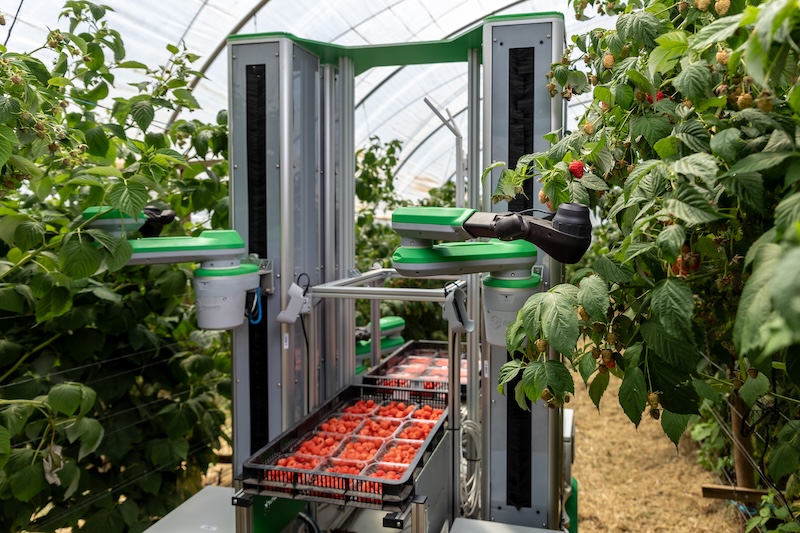
Fieldwork Robotics Receives £2.5 Million Investment for Berry Harvesting Automation
Fieldwork Robotics has secured a £2.5 million investment from SEED Innovations to enhance its selective and modular berry harvesting robots. This funding is part of a Seed+ fundraising initiative announced in April 2026, aimed at addressing labor shortages and rising costs in berry production. The investment will facilitate the transition from technology validation to commercial trials, with production robots already deployed in a two-year program in Norfolk and Stafford. The significance of this investment lies in its potential to alleviate pressing challenges faced by berry growers, including labor shortages and increased harvesting costs. By utilizing autonomous harvesting robots, Fieldwork aims to boost productivity and reduce reliance on seasonal labor, thereby minimizing food waste and stabilizing consumer prices. Jim Mellon, chairman of SEED Innovations, emphasizes the opportunity for robotics and AI to tackle real-world agricultural issues, aligning with Fieldwork's mission to enhance farm efficiency. Looking ahead, Fieldwork Robotics anticipates operating multi-robot fleets on farms by 2027, contingent on the success of ongoing trials. Additionally, the company plans to expand its operations internationally, with trials set to take place in Australia as part of its global growth strategy. No further timeline was disclosed at the time of publication.
Agriculture Financials & Investments agri robotics agricultural robotics agriculture automation
iRobot Redefines Floor Care with the Introduction of a 5-in-1 Disinfecting Hard Floor Cleaner Along with a New Generation of Roomba Robots
Reflecting iRobot's continued commitment to consumer-led innovation, the expanded portfolio introduces a breakthrough new hard floor care solution alongside the next generation of Roomba® robots,...

Over 13,000 Orders for U1 Series Robots: Who's Buying at Prices Up to 990,000 Yuan?
On June 30, UBTECH unveiled its U1 series of humanoid robots, with prices ranging from 119,800 to 990,000 yuan. The launch has generated significant interest, as the company reported receiving over 13,000 orders within weeks of the announcement. This surge in demand underscores a burgeoning market for consumer humanoid robots, particularly among target demographics that include seniors, affluent singles, and pop culture enthusiasts. The robots are designed to provide emotional companionship and integrate advanced technology into everyday life, reflecting a growing consumer desire for innovative solutions that enhance personal well-being and social interaction.
Humanoid Robots Consumer Robotics Emotional AI Robot Companions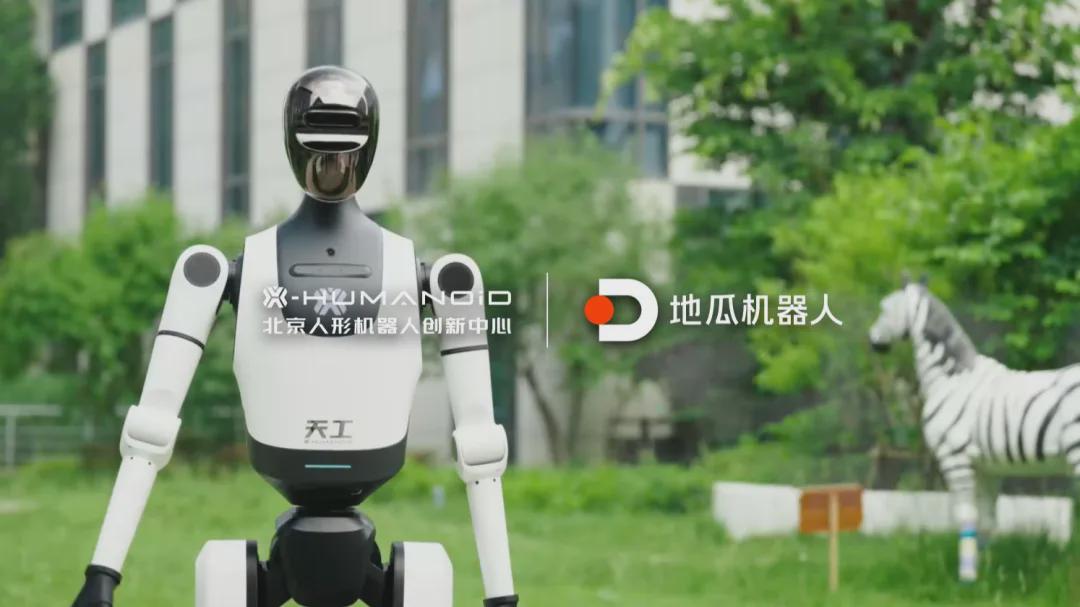
"When robots learn to write code, how will sweet potatoes rewrite the infrastructure of the industry?"
As advancements in artificial intelligence continue to evolve, the integration of robots capable of writing code is poised to transform various industries. This shift is particularly noteworthy in the agricultural sector, where innovative practices involving sweet potatoes are emerging. Researchers and industry experts are exploring how these developments could enhance agricultural infrastructure and efficiency. The exploration into this intersection of technology and agriculture is gaining momentum, with discussions taking place at conferences and workshops throughout 2023. Experts believe that by leveraging AI-driven coding capabilities, agricultural processes can be optimized, leading to increased productivity and sustainability. The motivation behind this initiative stems from the need to modernize farming practices and address challenges such as food security and resource management. By utilizing robots to automate coding tasks, farmers can focus on strategic decision-making and innovative cultivation methods. This evolution in the industry is expected to unfold through collaborative efforts among technologists, agricultural scientists, and farmers, who are working together to implement AI solutions. As these technologies become more accessible, the potential for sweet potatoes and other crops to play a pivotal role in reshaping agricultural infrastructure is becoming increasingly evident. The ongoing research and development efforts aim to create a more resilient and efficient agricultural system, ultimately benefiting both producers and consumers.
Robotics Automation AI
BABA Stock: The Physical AI Race Heats Up as Alibaba Releases New AI Models for Robots
Alibaba Group Holding Limited has intensified its efforts in the rapidly evolving artificial intelligence (AI) sector by launching the Qwen Robot Suite, a new collection of AI models designed for robotic applications. Announced on June 21, 2026, the suite aims to enhance robots' capabilities in understanding their environments, navigating complex spaces, and executing tasks based on natural language commands. Developed by Alibaba’s Tongyi Lab, these models are currently being tested with select customers of Alibaba Cloud, marking the company's strategic move into the burgeoning Physical AI market. This initiative comes as Alibaba seeks to establish itself as a significant player in the multi-trillion-dollar robotics industry amid increasing competition. Despite facing challenges in its stock performance, with shares down 44.8% from a 52-week high, Alibaba reported a 3% year-over-year revenue growth for the fiscal fourth quarter, driven by a 38% surge in Cloud Intelligence revenue. However, the company also experienced a sharp decline in profitability, with non-GAAP net income plummeting to $12 million from nearly $30 billion in the previous year. As Alibaba continues to invest heavily in AI infrastructure and cloud capabilities, the launch of the Qwen Robot Suite reflects its commitment to innovation in the face of market pressures and evolving consumer demands.
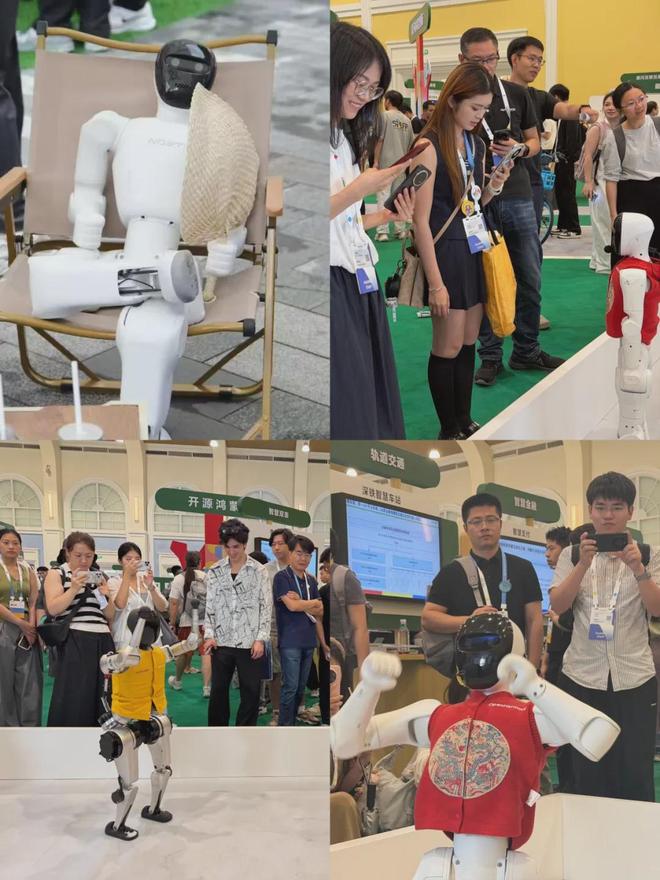
Songyan Power Unveils OpenHarmony Consumer Humanoid Robot at HDC2026
At the HDC2026 conference, Songyan Power unveiled its first consumer-grade humanoid robot, which operates on the OpenHarmony platform. This launch highlights significant advancements in technology integration and the development of a cohesive ecosystem. The company is focused on enhancing user experience by ensuring the robot can seamlessly connect with smart home devices and educational tools. Additionally, Songyan Power announced a new initiative titled '100 People, 100 Machines,' aimed at encouraging collaboration among developers within the industry. This initiative seeks to foster innovation and expand the capabilities of humanoid robots in everyday applications.
Humanoid Robots OpenHarmony AI Developer Ecosystem Smart Home Technology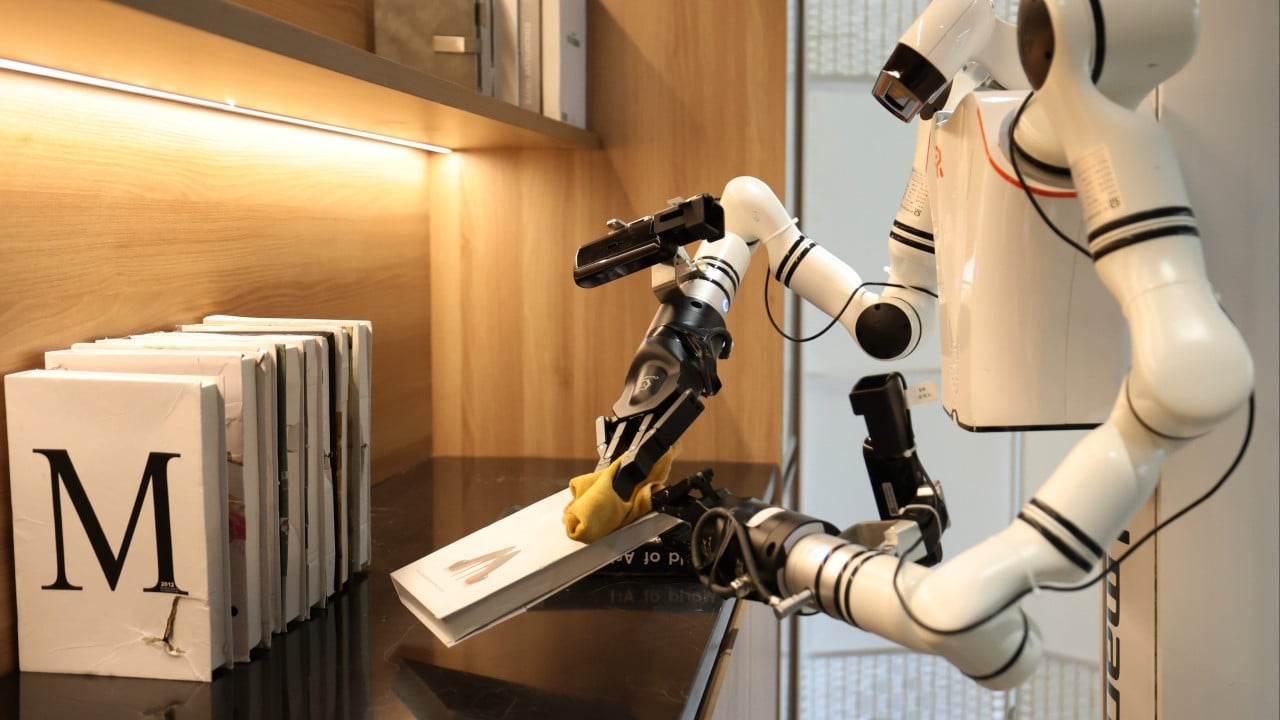
Chinese researchers claim breakthrough in training household robots with AI-generated homes
A team of researchers from Ace Robotics, a start-up supported by a Hong Kong-listed artificial intelligence firm, has announced a significant advancement in the training of robots for real-world home environments. This development addresses a persistent data bottleneck in robotics, potentially speeding up the integration of robots into everyday household settings. The researchers introduced Kairos-HomeWorld, the first unified framework designed to create coherent, accurate, and simulation-ready home environments using simple text prompts. This innovation marks a pivotal step forward in making robotic assistance more accessible and practical for consumers.

China deploys humanoid robots to sort 1,200 parcels per hour in massive postal hub
China has introduced humanoid robots into its extensive postal network, aiming to enhance efficiency and streamline operations in one of the busiest logistics systems globally. This initiative, which began recently, is part of a broader effort to integrate advanced technology into everyday services, reflecting the country's commitment to innovation and modernization. The deployment of these robots is expected to address labor shortages and improve delivery times, ultimately benefiting consumers and businesses alike. By utilizing cutting-edge robotics, China seeks to maintain its competitive edge in the rapidly evolving logistics sector.

The Benefits of High-Speed Joint Actuation in Modern Articulated Robots
In the rapidly evolving manufacturing sector, JAKA Robotics is at the forefront of intelligent automation, showcasing the transformative capabilities of articulated robots, particularly collaborative robots (cobots). These advanced machines, equipped with high-speed joint actuation, are designed to enhance production efficiency and precision. The JAKA Pro5 articulated robot exemplifies this innovation, enabling accelerated production cycles through quick and precise movements that streamline loading, unloading, and assembly processes. This is particularly beneficial in time-sensitive industries like consumer electronics and automotive assembly, where reduced cycle times can significantly boost throughput. Moreover, the high-speed joint actuation not only increases speed but also enhances precision, ensuring consistent quality control in tasks such as component placement and welding. JAKA's robots maintain high accuracy over time, minimizing errors and reducing scrap rates, which is crucial for industries with stringent quality standards. The Pro5 model's compact design and user-friendly programming interface facilitate easy integration into existing production lines, allowing manufacturers to adapt swiftly to changing demands without extensive downtime. This flexibility empowers companies to optimize resources effectively and respond to market fluctuations. As industries continue to evolve, the role of high-speed joint actuation in articulated robots is becoming increasingly vital. By adopting JAKA's technology, organizations can modernize their production processes, improve workplace safety, and enable skilled workers to focus on higher-value tasks, positioning themselves for success in a competitive landscape.
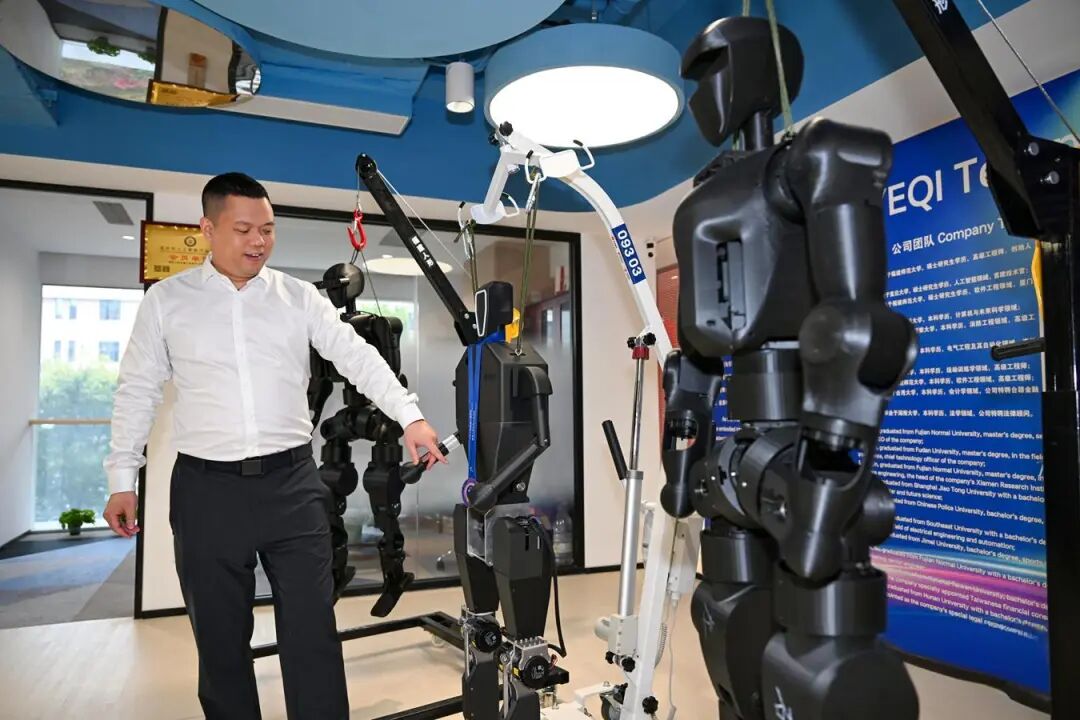
Beyond Beijing, Shanghai, and Guangzhou: Fujian Quietly Emerges as a Hub for Affordable Humanoid Robots
The Fujian Humanoid Robot Innovation Center has successfully secured Pre-A financing to advance its motion control technology and product development for humanoid robots. This funding initiative aims to make humanoid robots more accessible to consumers by targeting a price point similar to that of mid-range smartphones. This development represents a notable advancement in the robotics industry, potentially expanding the market for humanoid robots and enhancing their integration into everyday life.
Humanoid Robots Robot Technology AI Manufacturing Innovation
UBTECH Launches Consumer Humanoid Robot Brand 'UWORLD'
On May 20, UBTECH unveiled its new consumer humanoid robot brand, UWORLD, signaling a strategic pivot from its established industrial applications to the consumer market. This new brand aims to enhance family companionship and provide educational support through robots designed for natural interaction, practical functionality, and appealing aesthetics. By focusing on these key areas, UBTECH seeks to meet the growing demand for innovative technology in everyday family life.
Humanoid Robots Consumer Robotics AI Home Automation
Roomba Pioneer Colin Angle Unveils New Venture, Familiar Machines & Magic, Introducing a New Platform for Consumer Physical AI
After successfully establishing iRobot as a leading player in the multi-billion-dollar consumer robotics industry, founder Colin Angle has announced the launch of a new company focused on developing emotionally intelligent robots. This innovative venture aims to create robots that foster trust, enhance interaction, and promote long-term connections with users. Angle's decision to embark on this new project reflects his commitment to advancing the field of robotics and addressing the growing demand for machines that can engage more meaningfully with people. The initiative is set to reshape the landscape of consumer robotics by prioritizing emotional intelligence in design and functionality.
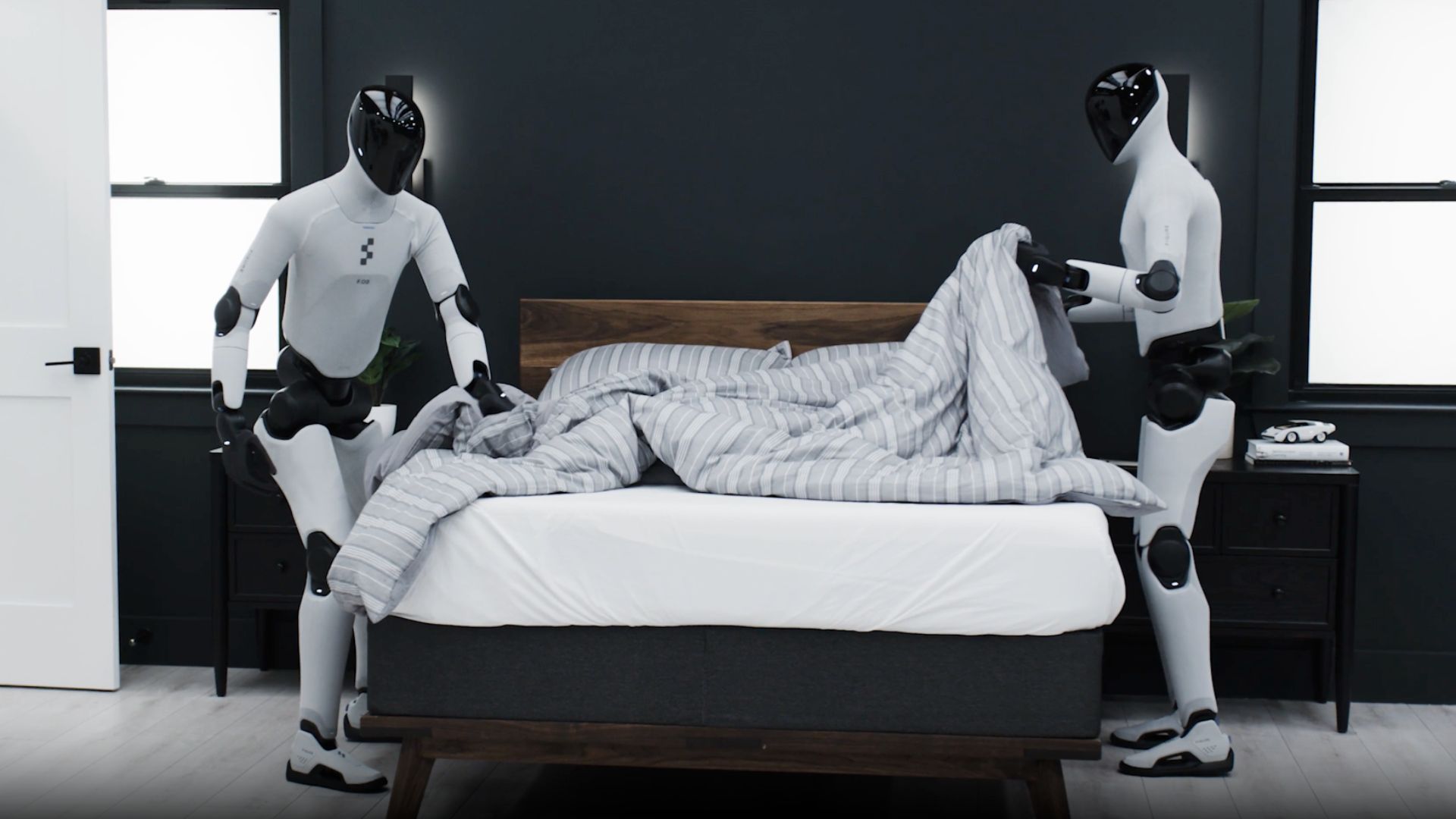
Video: Figure’s humanoid robots organize room, hang clothes, and make bed without humans
US robotics firm Figure recently demonstrated its humanoid robots executing various household tasks in a synchronized manner. This event took place during a technology showcase aimed at highlighting advancements in robotics and automation. The demonstration aimed to illustrate the potential of humanoid robots to assist with everyday chores, reflecting the company's commitment to enhancing domestic efficiency through innovative technology. By showcasing the robots' capabilities, Figure seeks to capture the interest of investors and consumers alike, emphasizing the growing role of robotics in daily life. The coordinated performance of the robots was designed to highlight their adaptability and precision in handling tasks typically performed by humans, signaling a significant step forward in the integration of robotics into home environments.
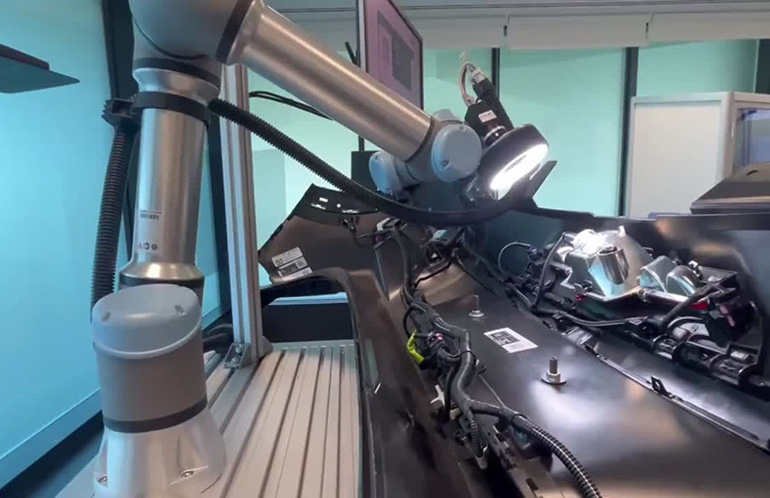
GFT Technologies AI-powered robots move from inspection to action for automakers
GFT Technologies has expanded its collaboration with Google Cloud by deploying AI-powered robots in automotive factories to enhance quality control processes. These robots are designed to identify and remove defective parts from production lines, transitioning from mere inspection to active intervention. This innovative approach aims to improve manufacturing efficiency and reduce the likelihood of faulty products reaching consumers. The initiative reflects a growing trend in the automotive industry to integrate advanced technology for better operational outcomes.
Arms / Manipulators Artificial Intelligence Artificial Intelligence / Cognition Automotive Cameras / Imaging / Vision Manufacturing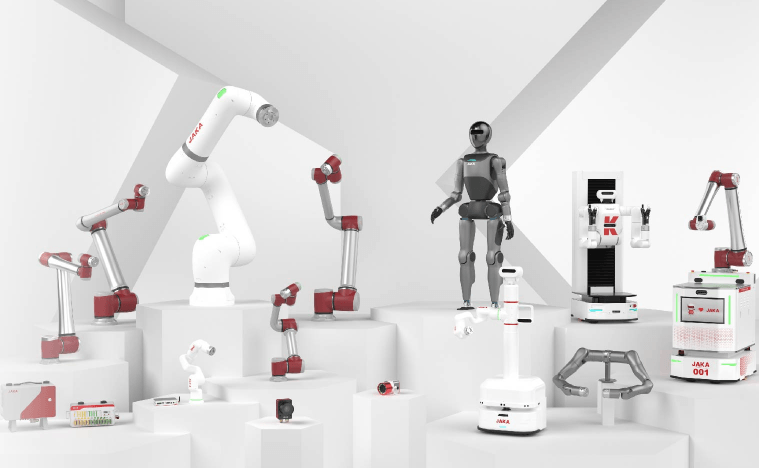
Why Are Collaborative Robots Crucial for SMEs and Industry Giants?
As global manufacturing evolves, the line between manual labor and automation is increasingly blurred. In 2026, a pivotal shift occurs as general industries—including food, consumer goods, and logistics—emerge as the leading sectors driving automation growth, previously dominated by industrial robotics in automotive plants. This transformation is largely attributed to the rise of collaborative robots (cobots), designed to work safely alongside human workers without the need for traditional safety barriers. Small and Medium Enterprises (SMEs) often struggle with the "automation paradox," needing efficiency to compete but lacking the resources for conventional robots. Cobots address this challenge with their compact design and user-friendly, no-code programming, enabling smaller businesses to automate repetitive and hazardous tasks with minimal investment. Meanwhile, larger manufacturers benefit from cobots' flexibility in high-mix, low-volume production environments, where they can efficiently handle tasks like precision dispensing and palletizing. JAKA, a leader in collaborative robotics, emphasizes the importance of robots as reliable partners rather than mere tools. Their JAKA Mini series, weighing under 10kg, is tailored for SMEs, while the JAKA Pro series is built for larger enterprises, offering durability in harsh conditions. Advanced AI and vision systems enhance the robots' ability to interact with their environment, earning the trust of industry giants like Toyota and Schneider Electric. JAKA's solutions aim to facilitate the transition from manual labor to intelligent automation, providing the necessary flexibility and value for the future of Industry 4.0.
AGIBOT and Longcheer Technology Achieve World’s First Embodied AI Deployment in Consumer Electronics Precision Manufacturing Mass
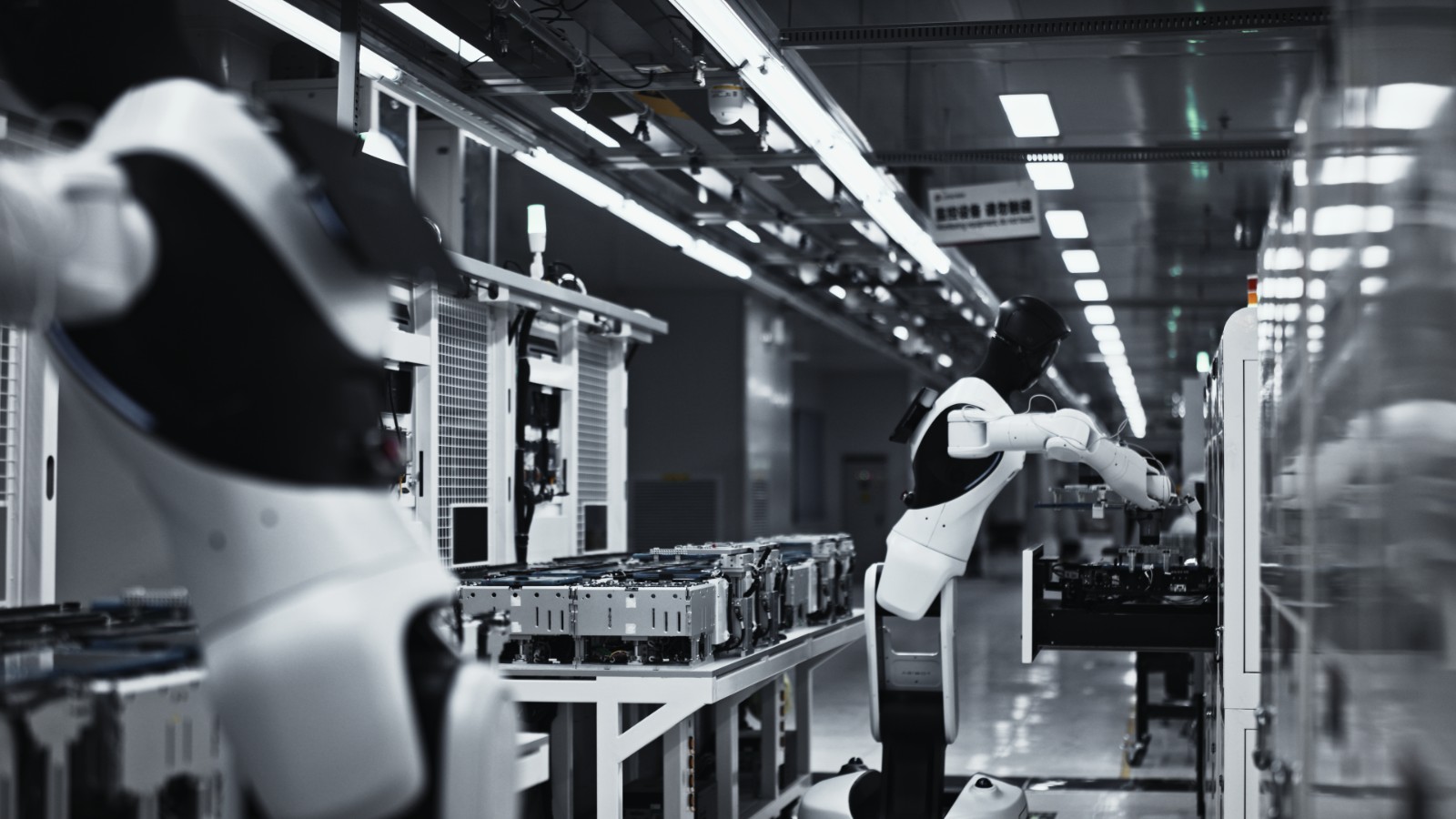
AGIBOT and Longcheer Technology have successfully deployed the world’s first embodied AI system in a consumer electronics precision manufacturing setting, integrating AGIBOT G2 robots into Longcheer’s production lines. This milestone, achieved recently, signifies a transformative advancement from experimental AI to practical and scalable solutions in the manufacturing sector. The integration aims to enhance flexibility and efficiency within production workflows, showcasing the potential of AI technology to revolutionize traditional manufacturing processes.
Embodied AI Consumer Electronics Manufacturing Robotics Automation
The Path to AI Robots in the Home is Being Shaped in the Warehouse
Recent advancements in warehouse robotics are significantly propelling the development of artificial intelligence (AI) robots for home use. As companies invest in enhancing robotic technology, they are overcoming critical challenges related to safety, perception, and autonomy that have previously hindered the integration of robots into domestic environments. This acceleration in innovation is occurring against the backdrop of increasing consumer demand for smart home solutions, prompting researchers and engineers to focus on creating robots that can effectively navigate and operate within the complexities of everyday home life. By leveraging breakthroughs in machine learning and sensor technology, developers are working to ensure that these robots can perform tasks safely and efficiently, ultimately aiming to enhance the quality of life for users. The ongoing evolution in this field suggests that AI robots may soon become a common feature in households, transforming how people interact with technology in their daily routines.
Noetix Bumi Shows Early Consumer Interest, Surpassing 500 Pre-Orders on JD.com
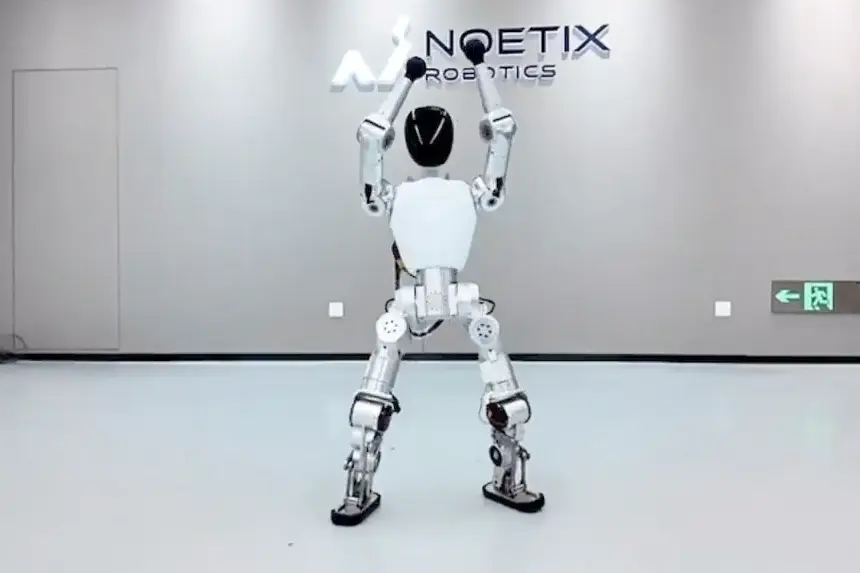
Chinese startup Noetix has garnered significant interest for its upcoming humanoid robot, priced under $1,400, with over 500 units already pre-ordered ahead of its anticipated release in 2026. This early demand suggests a promising market reception for the innovative technology, as consumers and businesses alike look to integrate advanced robotics into their operations. The company's strategic pricing and features are likely contributing factors to the strong initial bookings, indicating a growing appetite for affordable humanoid robots in various sectors.
Consumer Tech Noetix Bumi
Unitrees Strategic Focus on Industrial Robots Amid Household Safety Concerns
Unitree, a Chinese robotics company, is shifting its focus from household robots to industrial applications, citing safety concerns as a primary reason for this strategic change. The company aims to enhance the safety features of its humanoid robots, with the intention of making them suitable for domestic environments in the future. This decision reflects a growing emphasis on ensuring that robotic technology can be safely integrated into everyday life, while still addressing the demands of industrial sectors. By refining its designs and functionalities, Unitree is positioning itself to meet both current market needs and future consumer expectations.
G1 Unitree Robotics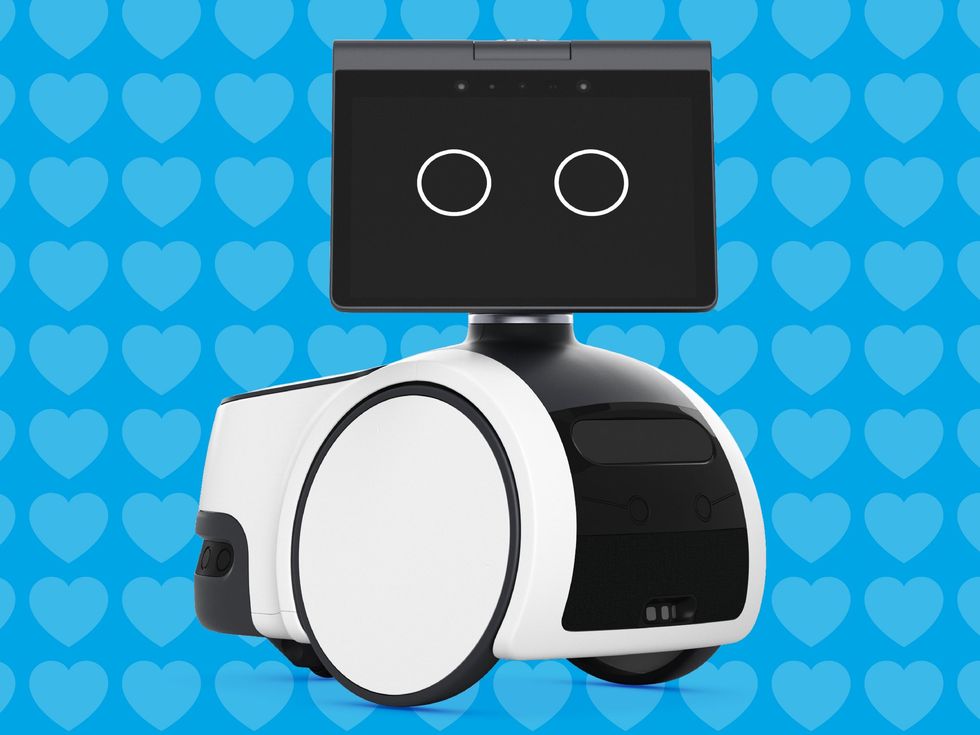
What Amazon’s Astro Taught Me About Giving Robots a Soul
In 2018, Amazon appointed a lead UX Sound Designer to develop Astro, its first consumer home robot capable of navigating and interacting within homes. The team faced a critical decision: whether to position Astro as an extension of Alexa or as a distinct character. Ultimately, user testing revealed that people preferred Astro as its own entity, leading to the decision to have Alexa serve as a supporting character while Astro communicated through sound, motion, and facial expressions. The design process involved defining Astro's character, which included determining its emotional range and how it would express uncertainty without losing user trust. The team emphasized the importance of a cohesive character, as inconsistencies could lead to a disjointed user experience. Astro's wake-up sequence, characterized by a blend of sound and motion, became a highlight during testing, with users describing it as "alive." Despite progress, the team acknowledged that character development often takes a backseat in product design, which can lead to lifeless devices. The designer urged product leaders to prioritize character definition early in the design process, integrate story and sound into character development, and design for adaptability to create more engaging and responsive products. The full narrative detailing these insights is available on Medium.
Amazon Astro Consumer-robotics Home-robots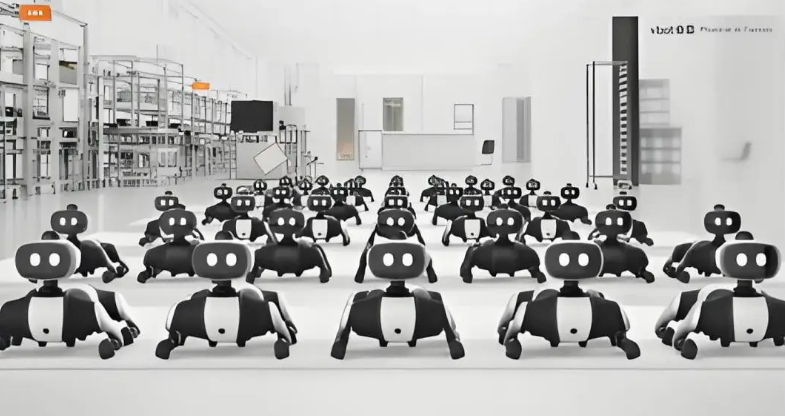
Largest Single Financing in Consumer-Level Embodied Intelligence Sector: Nearly 500 Million Yuan Investment and Its 'Non-Consensus' Logic
Vbot, an embodied intelligence company, has successfully raised nearly 500 million yuan in its Pre-A funding round, setting a record for the largest single financing in the consumer-level robotics sector. This significant investment will enable Vbot to focus on mass production and enhance user engagement with its innovative robotic products. The funding round underscores the growing interest and potential in the consumer robotics market, as Vbot aims to revolutionize the industry with its cutting-edge technology.
Embodied Intelligence Robotics Consumer Technology AI Startup Funding
Vbot Raises ~500M RMB in Pre-A, Debuts Consumer Robot Dog
Vbot, a leading player in China's consumer humanoid robotics sector, has successfully secured approximately 500 million RMB in a Pre-A funding round, marking the largest single investment in this field to date. This significant financial backing comes as the company ramps up its production efforts, having already delivered the first 500 units of its innovative Vbot Super Robot Dog. The funding is expected to accelerate Vbot's development and expansion within the rapidly growing robotics market, reflecting increasing consumer interest and investment in advanced robotic solutions.
News
Humanoid home robots are on the market – but do we really want them?
Norwegian-US tech company 1X has unveiled its latest innovation, the Neo humanoid robot, which is being marketed as the world's first consumer-ready robot designed to enhance home life. Standing at 168 centimeters and weighing 30 kilograms, the Neo is priced at $20,000 and aims to automate everyday household tasks, including laundry and cleaning. This announcement, made last year, reflects the growing trend of integrating advanced robotics into domestic settings, driven by the desire for increased convenience and efficiency in home management. The Neo robot is positioned to revolutionize how individuals manage their daily chores, potentially changing the landscape of household assistance.

71% of Consumers Say Viral Trends Drive Purchases, Putting New Pressure on Retail Fulfillment, Finds Locus Robotics
A recent consumer survey has revealed that the surge in viral demand is significantly transforming retail fulfillment strategies. Conducted in October 2023, the survey highlights the growing pressure on retailers to adapt to rapidly changing consumer preferences and shopping behaviors. As online shopping continues to gain momentum, businesses are increasingly challenged to streamline their operations and enhance delivery efficiency to meet customer expectations. The findings indicate that retailers must innovate their fulfillment processes to stay competitive in a market where speed and convenience are paramount. This shift is driven by consumers' desire for quick access to trending products, prompting retailers to rethink their logistics and inventory management practices. The survey underscores the urgent need for businesses to embrace new technologies and strategies to effectively respond to this evolving landscape.
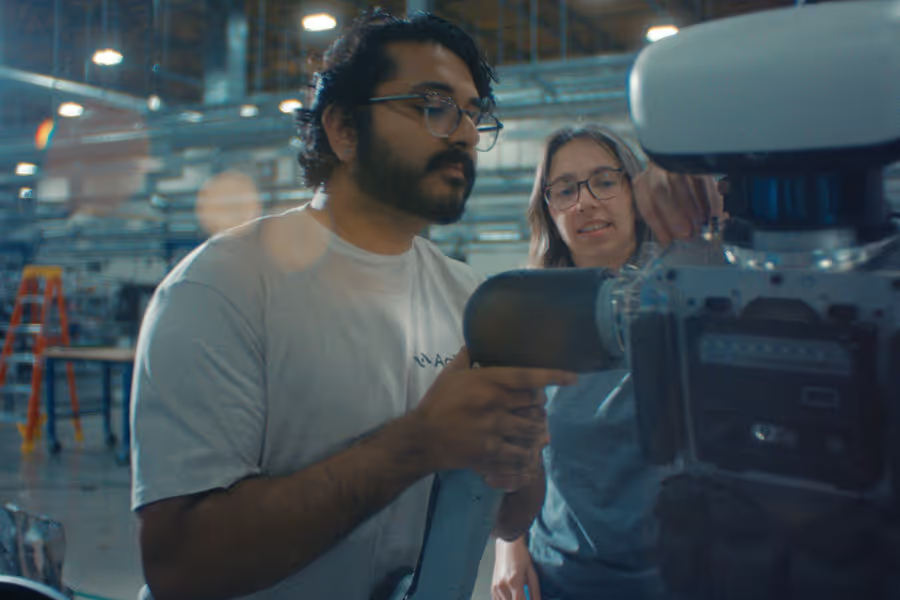
Mercado Libre and Agility Robotics Announce Commercial Agreement to Deploy Humanoid Robots
Mercado Libre, a leading e-commerce platform in Latin America, has entered into a commercial agreement with Agility Robotics to implement its humanoid robot, Digit, in fulfillment centers located in Texas. This partnership, announced on December 10, 2025, aims to enhance operational efficiency and streamline logistics processes within the company's distribution network. Following the initial deployment in Texas, there are plans for further expansion into Latin America, reflecting Mercado Libre's commitment to leveraging advanced robotics technology to improve service delivery and meet growing consumer demands. The collaboration is expected to optimize warehouse operations, reduce labor costs, and increase overall productivity as the e-commerce market continues to evolve.

New Survey Reveals What Americans Actually Want From Home Robots (And What They Fear)
A recent survey conducted by Altman Solon, involving over 1,000 consumers across the United States, highlights a growing demand for assistance with cleaning and security services. The report, released this month, indicates that consumers are increasingly favoring "soft" design aesthetics in products and services. However, it also uncovers a significant disparity between the anticipated utility of these offerings and their current pricing, suggesting that many consumers feel that the costs do not align with the benefits provided. This disconnect may influence purchasing decisions as consumers seek more value-driven options in the market.
Survey Business Market
iRobot Introduces Suite of Innovative ROOMBA® Floor Cleaning Robots
iRobot Corp., a prominent player in the consumer robotics industry, has unveiled a new range of Roomba® vacuums and innovative 2-in-1 vacuum and mop devices. This announcement was made today, showcasing the company's commitment to integrating advanced technology into household cleaning solutions. The new products are designed to enhance user convenience and efficiency, reflecting iRobot's ongoing efforts to lead in the smart home market. With these latest offerings, the company aims to meet the evolving needs of consumers seeking effective and automated cleaning solutions for their homes.
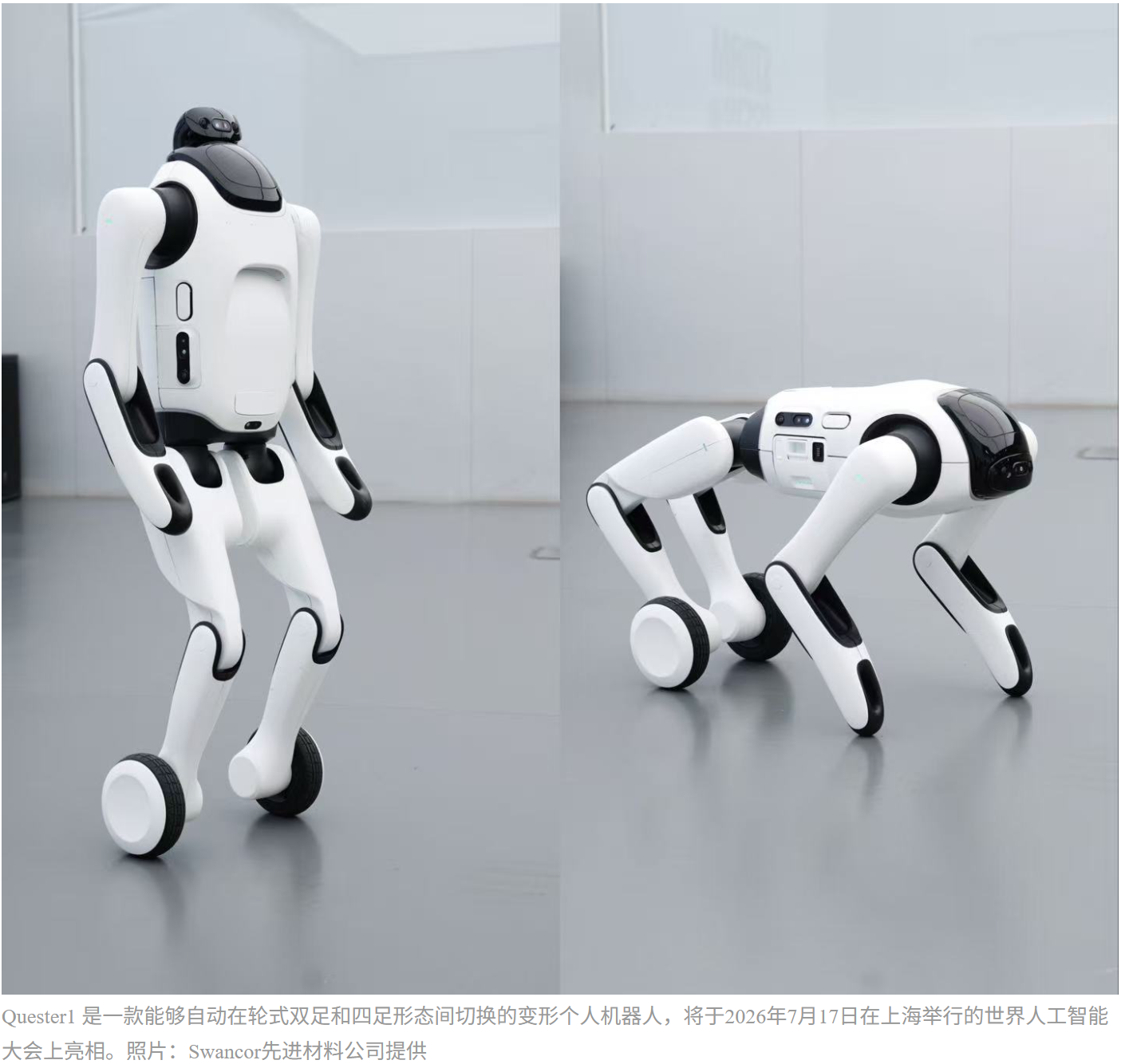
Swancor Advanced Materials to Launch World's First Shape-Shifting Personal Robot at WAIC
Swancor Advanced Materials is set to unveil the Quester1, the world's first shape-shifting personal robot, at the 2026 World Artificial Intelligence Conference (WAIC) on July 17. This innovative robot can automatically switch between bipedal and quadrupedal modes without manual disassembly, showcasing a unique 'transformable cross-modal integration architecture' that enables smooth transitions. The Quester1 is designed for various environments, with its bipedal form ideal for flat surfaces and intricate tasks, while the quadrupedal mode excels in navigating stairs and rough terrain. CEO Tian Hua emphasized that this product aims to redefine personal robotics for consumer markets, marking Swancor's first foray into the consumer robotics sector. As the Quester1 prepares for its debut, it highlights the rapid development of transformable robotics in China. The WAIC will feature over 1,100 companies and more than 300 product launches, indicating a significant shift towards embodied intelligence in robotics. No further timeline was disclosed at the time of publication.
Personal Robots Shape-Shifting Technology AI Robotics Consumer Robotics
Tesla Finally Built Enough Cars, but Wall Street Wants Robots Now
Tesla has achieved a significant milestone by delivering 480,126 vehicles in the second quarter of 2026, surpassing analysts' expectations of approximately 406,600 units. This marks a 25% increase compared to the same period last year and a 34% rise from a lackluster first quarter. The success was largely driven by the popularity of the Model 3 and Model Y, which accounted for 97% of the deliveries. Additionally, Tesla's energy sector reported the deployment of 13.5 GWh of batteries, exceeding projections as well. Despite these impressive figures, Tesla's stock fell by 8%, highlighting a disconnect between the company’s operational success and investor sentiment. This decline is attributed to ongoing concerns among buyers regarding CEO Elon Musk's political views and the recent expiration of the federal electric vehicle tax credit, which has affected consumer interest. As Tesla emerges from two years of declining sales, this quarter is seen as a pivotal comeback, yet Wall Street's focus has shifted towards the company's potential in robotics, indicating a desire for innovation beyond vehicle production.

UBTech’s lifelike humanoid robots built for companionship arriving in homes across China
UBTech Robotics, recognized as the world's first publicly traded humanoid robot manufacturer, has introduced a new consumer humanoid robot aimed at personal companionship. The U1 model, unveiled on Tuesday in Shenzhen, features lifelike silicone skin and advanced emotional artificial intelligence, reflecting a growing trend among Chinese tech companies to shift robotic applications from industrial settings to domestic environments. Available in both male and female versions, the U1 stands at 183 cm and 168 cm tall, respectively, and comes in three variants: Lite, Pro, and Ultra. This launch signifies a notable advancement in the integration of robotics into everyday life, as UBTech seeks to enhance human-robot interaction in personal spaces.

Robots Rule LG's Clarksville Plant
LG has opened the doors to its state-of-the-art washer and dryer factory in Clarksville, Tennessee, showcasing the advanced automation technology that powers its production line. This facility, which began operations recently, is part of LG's strategy to enhance manufacturing efficiency and meet the growing demand for home appliances in the U.S. market. The factory employs cutting-edge robotics and AI-driven systems to streamline the assembly process, significantly reducing production time while maintaining high-quality standards. By investing in automation, LG aims to bolster its competitive edge and respond swiftly to consumer needs. The facility not only represents a significant investment in local manufacturing but also highlights LG's commitment to innovation in the appliance sector. As the demand for smart home technology continues to rise, LG's Clarksville factory is positioned to play a crucial role in the company's efforts to deliver advanced, reliable products to American consumers. The opening of this facility underscores LG's dedication to enhancing its operational capabilities and supporting the local economy through job creation and technological advancement.
Technology and IIoT / Robotics
Flexiv to Offer Exclusive Preview of Next-Generation Robots at ICRA
A recent first-look demonstration highlighted significant advancements in whole-body touch sensitivity technology, setting the stage for a commercial launch anticipated in the third quarter of 2026. The event featured a keynote address from a leading expert in the industry, emphasizing the potential applications and implications of this innovative technology. The demonstration showcased how these breakthroughs could enhance user interaction and experience across various sectors. As the development progresses, stakeholders are eager to explore the transformative possibilities that whole-body touch sensitivity may bring to consumer products and services.
Robotics needs a service framework.
RSF defines a common language for robot service capability, lifecycle operations, certification pathways, and service-provider networks.