Top News

Industry Briefing

A single destination for timely, editor-curated robotics news from around the world.
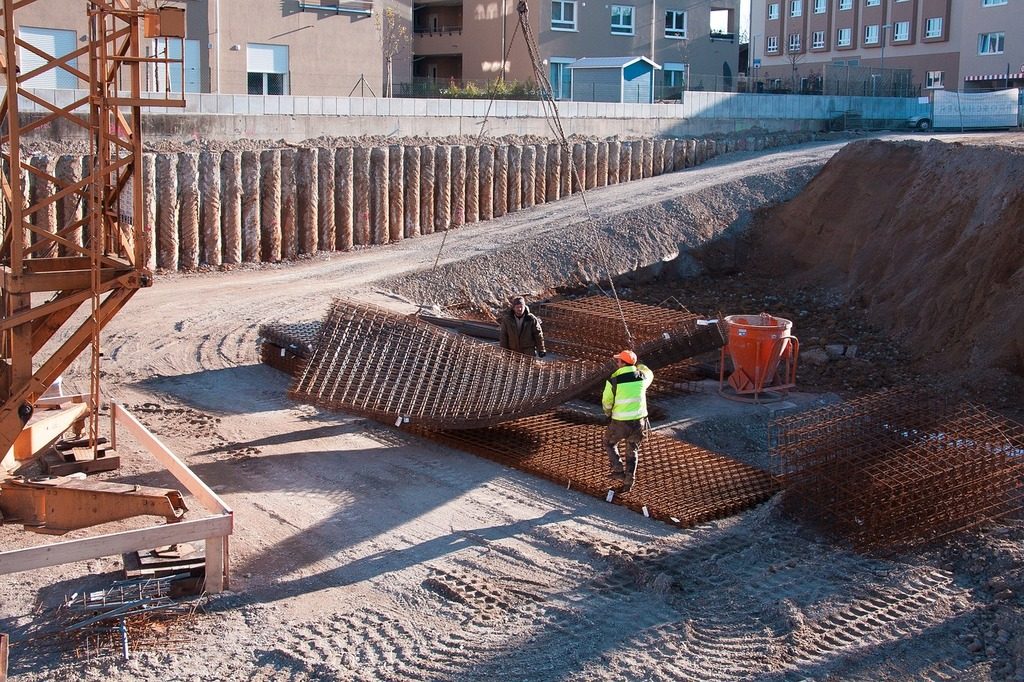
North Carolina Turnpike Authority Uses Drone LiDAR to Improve Oversight on Complete 540 Project

North Carolina Turnpike Authority Uses Drone LiDAR to Improve Oversight on Complete 540 Project

The North Carolina Turnpike Authority (NCTA) is implementing a pilot program that utilizes drone-based LiDAR technology to enhance oversight of the final phase of the Complete 540 project. This initiative aims to provide more accurate tracking of construction progress and improve safety measures on major transportation infrastructure. As construction advances, the use of aerial LiDAR will allow for a detailed assessment of the project, ultimately facilitating better scheduling and oversight. The integration of this technology marks a significant step in modernizing construction management practices in North Carolina.

Applications Construction Drone News Drone News Feeds LiDAR Mapping
Wildfire drones could soon ditch bulky satellite terminals

Wildfire drones could soon ditch bulky satellite terminals

As Europe gears up for its largest coordinated response to wildfires, the use of drones is proving crucial for detecting fires, monitoring their progression, and providing real-time updates to emergency teams. However, a significant challenge arises when these drones operate beyond cellular coverage, as traditional methods for transmitting live video require cumbersome satellite terminals. Addressing this issue, OQ Technology has developed a new satellite demonstration that aims to streamline communication for responders in remote areas. This innovation is expected to enhance the efficiency and effectiveness of wildfire management efforts across the continent.

News
Queue raises funding to build fully autonomous pharmacy

Queue raises funding to build fully autonomous pharmacy

Queue is advancing its initiative to enhance prescription access by developing fully automated pharmacies. This effort aims to serve hospitals, retail locations, and underserved communities, addressing the growing demand for efficient pharmaceutical services. Recently, the company secured funding to support the construction of these autonomous pharmacies, which are designed to streamline the dispensing process and improve patient care. By leveraging automation, Queue intends to reduce wait times and increase the availability of medications, particularly in areas where access to traditional pharmacy services is limited. The project represents a significant step towards modernizing healthcare delivery and ensuring that essential prescriptions are readily available to those in need.

Healthcare Robotics Investments News AlleyCorp pharmaceutical Queue
ANRA Technologies Surpasses 55,000 Commercial Drone Operations Per Month, Demonstrating Growing Demand for Digital Airspace Infrastructure

ANRA Technologies Surpasses 55,000 Commercial Drone Operations Per Month, Demonstrating Growing Demand for Digital Airspace Infrastructure

A leading drone platform has announced that it now facilitates over 1,800 commercial drone operations beyond visual line of sight each day. This significant milestone encompasses a variety of applications, including delivery services, critical infrastructure monitoring, utility management, and public sector missions. The increase in operational capacity reflects the growing demand for advanced drone technology in various industries, driven by the need for efficient and effective solutions. The platform's capabilities enable businesses and government agencies to leverage drones for tasks that require extended range and precision, ultimately enhancing operational efficiency and safety. The announcement comes as the drone industry continues to evolve, with advancements in technology and regulatory frameworks supporting the expansion of drone usage in everyday operations.

Dürr implementing a CO2-efficient paint shop with cross-plant system integration

Dürr implementing a CO2-efficient paint shop with cross-plant system integration

Dürr is undertaking a significant project to construct a fully integrated paint shop for Volkswagen Autoeuropa, which includes the deployment of an advanced software solution. This initiative, set to be completed by 2024, aims to enhance efficiency in vehicle production by utilizing cutting-edge application and drying technologies that focus on maximizing CO2 reduction. The project also features an innovative SCADA integration, which will unify three separate paint shops into a single cohesive system. By the end of the project, it is anticipated that the facility will support the production of 236,100 vehicles annually, reflecting a commitment to sustainability and operational excellence in the automotive industry.

Industrial robots News automotive manufacturing automotive production co2 reduction digital manufacturing
Beyond the Numbers: What 300 World Cup Drone Seizures Really Tell Us

Beyond the Numbers: What 300 World Cup Drone Seizures Really Tell Us

Since the FIFA World Cup commenced on June 11, authorities have confiscated over 300 drones near tournament venues, raising concerns about drone-related security issues. However, experts suggest that this figure may not indicate a surge in security threats but rather reflects improved enforcement and monitoring measures implemented by security agencies. The heightened vigilance has led to a more proactive approach in identifying and seizing unauthorized drone activity around the high-profile event. As the tournament progresses, officials continue to prioritize safety and security, ensuring that regulations are enforced to prevent potential disruptions.

Anti-drone technology C-UAS Drone News Drone News Feeds Drones in the News News
Mars orbiter watches Perseverance rover cross the marathon finish line | Space photo of the day for June 29, 2026

Mars orbiter watches Perseverance rover cross the marathon finish line | Space photo of the day for June 29, 2026

NASA's Perseverance rover has achieved a remarkable milestone by completing a marathon distance on Mars, showcasing its impressive speed and exploration capabilities. This achievement raises the possibility that Perseverance could become the first rover to complete an ultramarathon on the Red Planet. The rover's ongoing mission, which began in February 2021, aims to search for signs of ancient life and collect samples for potential return to Earth. As it continues to traverse the Martian landscape, scientists are closely monitoring its performance and the data it gathers, which could provide invaluable insights into the planet's history and geology.

Mars Rovers Space Exploration Missions
Tesla Reports Q2 Deliveries in a Matter of Days. Here's the Number That Matters.

Tesla Reports Q2 Deliveries in a Matter of Days. Here's the Number That Matters.

Tesla is poised to announce its second-quarter vehicle deliveries in early July, a crucial update that will provide insights into the company's recovery from a challenging 2025. The report will focus on the year-over-year growth rate in deliveries, which is essential for assessing whether demand for Tesla's vehicles is rebounding. In 2025, the company delivered 1,636,129 vehicles, an 8.6% decline from the previous year, but saw a 6.3% increase in the first quarter of 2026, delivering 358,023 vehicles. Analysts expect Tesla to report around 406,000 deliveries for the second quarter, with more optimistic forecasts reaching 420,000. Achieving these numbers would indicate a significant recovery, surpassing the 384,122 vehicles delivered in the same quarter last year. The performance will be influenced by regional markets, particularly Europe, which has shown growth, and China, where demand remains strong. However, the U.S. market has faced challenges due to a decline in registrations following the expiration of tax credits. Investors are closely monitoring this delivery figure, as it reflects the health of Tesla's automotive business, which remains the primary source of revenue despite the company's broader ambitions in self-driving technology and robotics. With Tesla shares down 16% in 2026, positive delivery news could help restore investor confidence ahead of the more comprehensive financial results expected later in July.

Middle East Tensions, Tesla Deliveries and Other Can't Miss Items this Week

Middle East Tensions, Tesla Deliveries and Other Can't Miss Items this Week

Tensions in the Middle East escalated over the weekend as Iran launched strikes against U.S. military bases in Bahrain and Kuwait, raising concerns about the stability of the fragile U.S.-Iran peace framework established through a recent memorandum of understanding. This renewed conflict threatens access to the Strait of Hormuz, crucial for global energy supplies, just as markets were beginning to stabilize following last week’s diplomatic progress. The ongoing hostilities create uncertainty in energy markets, with potential implications for oil prices and inflation. In the financial sector, Tesla is set to announce its Q2 global delivery numbers before the market opens on Thursday, with analysts forecasting a 4% year-over-year increase to 401,000 electric vehicles. This report will be critical in assessing consumer demand for EVs amid economic uncertainties and heightened competition. The timing of Tesla's announcement coincides with the release of the June jobs report, which includes average hourly earnings and initial jobless claims, providing key economic data before the July 4th holiday. As geopolitical tensions and economic indicators converge, markets face a volatile week, with investors closely monitoring developments in Iran and Tesla's performance, both of which could significantly impact market dynamics and investor sentiment heading into the second half of 2026.

A Hybrid Technique for Active SLAM Based on RPPO Model With Transfer Learning

A Hybrid Technique for Active SLAM Based on RPPO Model With Transfer Learning

The Journal of Field Robotics has released an EarlyView article highlighting recent advancements in robotic technology. Researchers from various institutions have collaborated to develop innovative algorithms that enhance the efficiency and autonomy of field robots. This significant study, published in October 2023, aims to address the growing demand for automation in agriculture and environmental monitoring. The research focuses on improving the decision-making capabilities of robots operating in complex outdoor environments. By integrating machine learning techniques, the team has demonstrated how robots can better navigate and adapt to changing conditions, ultimately increasing productivity in agricultural practices. The findings are particularly relevant as the industry seeks to optimize resource use and reduce labor costs. The study was conducted across multiple test sites, showcasing the practical applications of these advancements in real-world scenarios. The researchers emphasize that these developments are crucial for meeting the challenges posed by climate change and the need for sustainable farming practices. By enhancing the operational capabilities of field robots, the team hopes to contribute to a more efficient and resilient agricultural sector. This publication marks a significant step forward in the field of robotics, underscoring the potential for technology to transform traditional practices and improve outcomes in various sectors. As the demand for automation continues to rise, the implications of this research could be far-reaching, paving the way for future innovations in robotic applications.

RESEARCH ARTICLE
ConlangCrafter Turns AI to Imagining Languages

ConlangCrafter Turns AI to Imagining Languages

Researchers from the University of California, Berkeley, Carnegie Mellon University, and Tel Aviv University have developed an AI model named ConlangCrafter, capable of generating new languages. The findings, published on June 27 in the Proceedings of the Association of Computer Linguists, highlight ConlangCrafter's ability to create diverse and rule-abiding languages, surpassing traditional human efforts in language construction. Led by linguist Gašper Beguš, the team designed ConlangCrafter to apply various linguistic rules, including phonology and morphosyntax, while incorporating a random number generator to ensure each language is unique. The model can even simulate unconventional communication systems, such as a hypothetical language for cephalopods that utilizes colors and gestures. The researchers evaluated the generated languages for diversity and consistency, finding that ConlangCrafter produced languages that were twice as diverse and 70% more consistent than those created by general-purpose language models. This advancement could aid natural language processing researchers in understanding how language structure impacts model performance. While ConlangCrafter is currently available for free online, it has limitations in more complex linguistic areas like semantics and contextual usage. Beguš envisions future research exploring the Sapir-Whorf hypothesis, which posits that language influences thought and perception, potentially leading to simulations of societies with distinct languages.

Llms Artificial-intelligence Languages
FAA Moves from Planning to Building for Advanced Air Mobility

FAA Moves from Planning to Building for Advanced Air Mobility

The Federal Aviation Administration (FAA) has commenced construction on a new research facility aimed at advancing the integration of advanced air mobility (AAM) into the National Airspace System (NAS). This initiative, which began this week, marks a significant transition from policy development to operational readiness for next-generation vertical flight aircraft. The facility will focus on studying the safe operation of these aircraft alongside existing air traffic, reflecting the FAA's commitment to enhancing air transportation capabilities. This move is part of a broader strategy to ensure that emerging aviation technologies can be effectively and safely incorporated into the national airspace.

Air Taxi Applications Drone News Drone News Feeds eVTOL FAA
A SpaceX rocket will slam into the moon this August. Will we be able to see it?

A SpaceX rocket will slam into the moon this August. Will we be able to see it?

A spent upper stage of a SpaceX Falcon 9 rocket is expected to collide with the moon in August, raising questions among experts about the visibility of the event from Earth. The impact, resulting from the upper stage's trajectory, highlights the growing concern over space debris and its potential effects on celestial bodies. While the exact timing of the crash is anticipated for later this summer, scientists are still assessing whether observers on Earth will be able to witness the event. The situation underscores the increasing frequency of space missions and the need for monitoring the remnants of these launches as they travel through space.

The moon Astronomy Solar System
Beyond the Drone: Percepto’s New Platform Brings AI to Infrastructure Inspections

Beyond the Drone: Percepto’s New Platform Brings AI to Infrastructure Inspections

Percepto has unveiled its next-generation inspection software at the InnovateEnergy Week conference, which is currently taking place in The Woodlands, Texas. This new platform aims to enhance the capabilities of energy companies, particularly in the oil, gas, and electric utility sectors, by providing actionable data that is crucial for their operations. The launch reflects the industry's growing need for advanced technology to optimize infrastructure inspections and improve efficiency. By integrating artificial intelligence into their inspection processes, Percepto seeks to revolutionize how companies manage and analyze their energy resources, ultimately supporting their production goals.

Applications Drone News Drone News Feeds Drones in the News Energy infrastructure
Underwater robots that are always on call pave the way for pipeline and cable security

Underwater robots that are always on call pave the way for pipeline and cable security

As economic activity in ocean spaces continues to rise, there is an increasing demand for regular monitoring and inspection of underwater infrastructure, including pipelines, cables, and installations. This need is driven by the growing complexity of global security concerns, which necessitate enhanced surveillance capabilities. Autonomous underwater vehicles (AUVs) are emerging as vital tools in this effort, offering advanced monitoring solutions that can operate in challenging environments. Furthermore, there is a pressing requirement for greater understanding of the seabed and oceanic regions to support sustainable development and security measures. As stakeholders seek to address these challenges, the integration of AUV technology is expected to play a pivotal role in ensuring the safety and integrity of underwater assets.

Robotics
Structural Optimization and Robotic Concrete Construction: Key Trends from 2015–2025

Structural Optimization and Robotic Concrete Construction: Key Trends from 2015–2025

A team of researchers has pinpointed critical factors essential for transforming optimized concrete designs into dependable robotic construction processes. Their study highlights the importance of addressing fabrication constraints, integrating reinforcement, implementing effective sensing technologies, and ensuring rigorous quality control. By focusing on these elements, the researchers aim to enhance the reliability and efficiency of robotic construction workflows. This research is particularly relevant in the context of advancing construction technologies, as it seeks to bridge the gap between innovative design and practical application in the field.

Agreenculture acquires Chouette to add agronomic intelligence to autonomous machines

Agreenculture acquires Chouette to add agronomic intelligence to autonomous machines

French autonomous-machinery specialist Agreenculture has announced its acquisition of Chouette, a company known for its AI-driven agronomic analysis tailored for viticulture. This strategic move, revealed recently, aims to integrate Agreenculture’s advanced autonomy technology with Chouette’s sophisticated crop-monitoring algorithms. The collaboration is set to enhance the development of machines capable of operating independently while also interpreting field observations. This initiative reflects a growing trend in the agricultural sector to leverage artificial intelligence for improved efficiency and precision in farming practices.

Autonomous/semi-autosteering systems agricultural robots agronomists autonomous technology crop monitoring vineyard robots
Path Tracking Control for Crawler Robots With Track Slippage and Signal Time Delay Based on Pure Pursuit and Look‐Ahead Heading Error Compensation

Path Tracking Control for Crawler Robots With Track Slippage and Signal Time Delay Based on Pure Pursuit and Look‐Ahead Heading Error Compensation

A recent study published in the Journal of Field Robotics highlights advancements in autonomous robotic systems designed for agricultural applications. Conducted by a team of researchers from various institutions, the study was released in early October 2023. The research focuses on the integration of artificial intelligence and machine learning to enhance the efficiency and effectiveness of farming practices. The motivation behind this study stems from the increasing demand for sustainable agricultural solutions amid global food security challenges. By employing innovative robotic technologies, the researchers aim to address labor shortages and improve crop management. The study outlines the development of a prototype robot capable of performing tasks such as planting, monitoring, and harvesting crops with minimal human intervention. Field tests were conducted in diverse agricultural settings to evaluate the robot's performance and adaptability. The findings indicate that the robotic systems can significantly reduce operational costs and increase yield, offering a promising solution for modern farming challenges. This research not only contributes to the field of robotics but also provides valuable insights for farmers seeking to adopt new technologies for enhanced productivity.

RESEARCH ARTICLE
Linear System Identification and Control of a Low‐Cost High‐Performance Omnidirectional Marine Surface Vehicle for Swarming Applications

Linear System Identification and Control of a Low‐Cost High‐Performance Omnidirectional Marine Surface Vehicle for Swarming Applications

The Journal of Field Robotics has published an early view article highlighting advancements in robotic technology aimed at enhancing agricultural efficiency. Researchers from various institutions collaborated on this study, which was released in October 2023. The article focuses on the development of autonomous robots designed to optimize crop management and reduce labor costs in farming practices. This initiative is driven by the increasing demand for sustainable agricultural solutions amid a growing global population. The team employed cutting-edge artificial intelligence and machine learning techniques to enable robots to perform tasks such as planting, monitoring crop health, and harvesting with minimal human intervention. Field tests conducted in diverse agricultural settings demonstrated the robots' effectiveness in improving yield while minimizing resource usage. The findings suggest that integrating robotics into farming could significantly address labor shortages and enhance food production efficiency. As the agricultural sector faces mounting pressures from climate change and economic constraints, this research underscores the potential of technology to transform traditional farming methods and promote sustainability.

RESEARCH ARTICLE
This belt-worn drone detector is finally shipping

This belt-worn drone detector is finally shipping

Zing Drone Solutions has officially launched its handheld drone detection device, which aims to enhance situational awareness for law enforcement officers monitoring aerial activity. This announcement comes after the product was initially introduced earlier this year. The device distinguishes itself from existing Remote ID tools by offering unique features that provide clearer insights into drone operations. As the demand for effective drone monitoring solutions continues to rise, Zing's innovation seeks to address the challenges faced by law enforcement in managing drone-related incidents. The device is now available for shipping, marking a significant step forward in drone detection technology.

News
XianGong AI's rollercoaster: 7% drop in dark market, 38% surge on debut day.

XianGong AI's rollercoaster: 7% drop in dark market, 38% surge on debut day.

On June 24, XianGong Intelligent (06106.HK) made its debut on the Hong Kong Stock Exchange, opening at HKD 101.6 and experiencing significant volatility throughout the day. The stock surged by as much as 38.3% to reach a peak of HKD 140.50 before settling at HKD 115.70, marking a 13.88% increase. The trading session saw a total turnover of HKD 533 million, resulting in a market capitalization of HKD 12.78 billion. Despite the initial excitement, the stock's performance raised concerns about its high valuation, with a price-to-sales ratio of approximately 25 times based on last year's revenue of HKD 442 million. This valuation positions XianGong as one of the most expensive robotics IPOs in Hong Kong, especially when compared to competitors like Geek+ and Estun, which have significantly lower ratios. The trading day was marked by dramatic fluctuations, with the stock initially trading at HKD 105 in the dark market before plummeting to a low of HKD 80, reflecting a 21.3% drop. The limited availability of shares, with only 9.5% publicly issued and 4.12% locked by cornerstone investors, contributed to the sharp price movements. XianGong holds a leading 24.8% share in the global robotics controller market, but its overall revenue ranking is lower, placing seventh globally in industrial intelligent robotics. Analysts suggest that the company's reliance on controller sales may not be sustainable, as major manufacturers typically produce their own controllers, limiting XianGong's potential customer base. The company's future performance will depend on its ability to maintain market share and improve profitability, with investors closely monitoring upcoming financial reports for insights.

How Equipment Asset Management Practices Must Evolve for Industry 4.0 to Deliver on its Promise

How Equipment Asset Management Practices Must Evolve for Industry 4.0 to Deliver on its Promise

Industry 4.0 is poised to revolutionize manufacturing and supply chain management through the integration of connected sensors and intelligent systems. This technological advancement enables machines to predict failures, production lines to self-optimize based on real-time demand, and supply chains to adapt autonomously without human oversight. Despite the substantial investments and credible case studies showcasing its potential, many companies are hesitant to fully embrace these innovations. The reluctance stems from concerns over implementation challenges, workforce adaptation, and the need for a cultural shift within organizations. As the industry continues to evolve, understanding and addressing these barriers will be crucial for harnessing the full benefits of Industry 4.0.

Engineering Industry ai in manufacturing asset reliability automation news condition monitoring
NatPower and Tesla Strike 25 GWh European Battery Storage Deal

NatPower and Tesla Strike 25 GWh European Battery Storage Deal

NatPower has entered into a multi-year agreement with Tesla to supply and deploy over 25 gigawatt-hours of battery energy storage systems in European markets, with initial projects set for Italy and the United Kingdom. Announced on June 23, 2026, the partnership will see Tesla provide its Megapack technology, along with engineering, procurement, construction services, and energy trading optimization via its Autobidder platform. The projects, which will be owned and operated by NatPower, aim to streamline project development, financing, construction, and energy trading, facilitating large-scale battery deployment. The first phase includes five projects and is part of a larger initiative targeting over 100 GWh of storage capacity. NatPower anticipates that the full program could yield between $4 billion and $5 billion in construction value and generate over $15 billion in revenue over two decades. This agreement underscores the increasing significance of large-scale energy storage in Europe, driven by rising electricity demand, renewable energy integration, and the growth of data centers. As Europe seeks to enhance grid reliability and meet decarbonization goals, substantial storage additions will be necessary in the coming years. Tesla has established itself as a leading supplier of utility-scale battery systems, while NatPower continues to expand its role in energy infrastructure development. The storage assets from this agreement will provide essential grid balancing services and support electricity-intensive customers, including industrial facilities and data centers. NatPower CEO Fabrizio Zago emphasized the shift towards large-scale execution, while Tesla Energy Vice President Mike Snyder highlighted the integration of Tesla's capabilities to expedite battery deployments across Europe.

MIT’s 6 mW chip lets tiny drones see and map their surroundings in real time

MIT’s 6 mW chip lets tiny drones see and map their surroundings in real time

Researchers at the Massachusetts Institute of Technology (MIT) have unveiled a groundbreaking low-power chip designed to enhance the capabilities of small drones and robots. This innovative technology, introduced in October 2023, aims to facilitate the construction of complex structures by enabling these machines to work collaboratively and autonomously. The development is driven by the need for more efficient and sustainable solutions in various fields, including construction and disaster response. By equipping drones and robots with this advanced chip, the team has demonstrated how these devices can communicate and coordinate their actions effectively, thereby significantly improving their operational efficiency. The research highlights the potential for such technology to revolutionize the way we approach tasks that require precision and teamwork in environments that are challenging for human workers.

Innovation
Smart drones, safe skies: Student's system tests and coordinates drone fleets

Smart drones, safe skies: Student's system tests and coordinates drone fleets

Autonomous drones have the potential to revolutionize various industries by delivering packages, inspecting infrastructure, monitoring emergencies such as wildfires, and eventually transporting passengers. However, as of now, the airspace is not equipped with the necessary testing and coordination infrastructure to ensure the safe operation of drones in proximity to people, buildings, aircraft, and one another. This lack of infrastructure poses significant challenges to the widespread adoption of drone technology, hindering its ability to demonstrate safety and reliability in urban environments. As stakeholders in the aviation and technology sectors push for advancements, the need for a comprehensive framework to facilitate safe drone operations remains critical.

Robotics
Shape-shifting ‘Floaty’ drone uses updrafts for hovering with 90% less power use

Shape-shifting ‘Floaty’ drone uses updrafts for hovering with 90% less power use

A groundbreaking drone technology has emerged, designed to operate without the gravitational constraints faced by traditional multirotor drones. This innovative drone utilizes advanced engineering principles to achieve flight efficiency and stability, potentially revolutionizing aerial applications. Developed by a team of aerospace engineers, the drone aims to address limitations in current drone designs, such as battery life and maneuverability. Set to be unveiled at an upcoming aerospace technology conference in November 2023, the drone showcases a unique propulsion system that allows it to hover and navigate with unprecedented ease. The motivation behind this development stems from the increasing demand for more versatile and efficient drones in various sectors, including delivery services, surveillance, and environmental monitoring. By leveraging cutting-edge materials and design techniques, the engineers have created a prototype that promises to extend flight duration and enhance operational capabilities. As the industry anticipates its debut, experts are eager to explore the implications of this technology on future drone applications and its potential to reshape the landscape of aerial transport.

AI and Robotics
Design of Tentacle Structure and Dynamic Parameters for a Biomimetic Jellyfish Robot and Investigation on Its Propulsion Performance

Design of Tentacle Structure and Dynamic Parameters for a Biomimetic Jellyfish Robot and Investigation on Its Propulsion Performance

A recent study published in the Journal of Field Robotics highlights advancements in autonomous robotics, focusing on their applications in various fields such as agriculture, search and rescue, and environmental monitoring. Conducted by a team of researchers from leading universities, the study was released in early October 2023. The research aims to address the growing demand for efficient and reliable robotic systems that can operate in unpredictable environments. By integrating advanced machine learning algorithms and sensor technologies, the team demonstrated how these robots can navigate complex terrains and perform tasks with minimal human intervention. The findings underscore the potential for autonomous robots to enhance productivity and safety in critical operations, particularly in areas that are hazardous for human workers. The study emphasizes the importance of continued innovation in robotics to meet the challenges posed by climate change and population growth. As the field of robotics evolves, the researchers advocate for collaboration between academia and industry to accelerate the development and deployment of these technologies. The implications of this research could significantly impact various sectors, paving the way for smarter, more adaptable robotic solutions in the near future.

RESEARCH ARTICLE
Norway sends deep-sea drone 20,000 feet down to uncover hidden ocean secrets

Norway sends deep-sea drone 20,000 feet down to uncover hidden ocean secrets

Norway has initiated the inaugural expedition of its advanced robot submarine, designed to reach depths of nearly 6,000 meters. This groundbreaking mission commenced recently in the North Atlantic, showcasing the submarine's capabilities in deep-sea exploration. The project aims to enhance scientific research and environmental monitoring in the region, addressing the growing need for innovative technology in oceanography. The submarine is equipped with state-of-the-art sensors and imaging systems, allowing it to gather critical data on marine ecosystems and geological formations. This expedition marks a significant step forward in Norway's commitment to advancing underwater research and understanding the complexities of ocean environments.

Science
Eclipse Automation launches RealitySync simulation platform

Eclipse Automation launches RealitySync simulation platform

Eclipse Automation has unveiled its innovative RealitySync platform, designed to enable manufacturers to visualize and interact with their future factories before construction begins. This launch, announced recently, aims to enhance the planning and design processes for manufacturing facilities by providing a comprehensive simulation experience. By utilizing advanced technology, RealitySync allows companies to identify potential challenges and optimize workflows, ultimately streamlining the transition from concept to reality. This initiative reflects Eclipse's commitment to advancing manufacturing efficiency and innovation in the industry.

Artificial Intelligence Artificial Intelligence / Cognition Automation Design / Development Markets / Industries News
South Korea’s Hanwha joins with Emirati firm, aiming to build K9 Howitzer in the UAE

South Korea’s Hanwha joins with Emirati firm, aiming to build K9 Howitzer in the UAE

Hanwha Aerospace has announced a strategic agreement aimed at enhancing its presence in the Middle East. This initiative is part of the company's broader strategy to establish local production, maintenance, and technology partnerships in the region. By pursuing these collaborations, Hanwha aims to better serve regional customers and solidify its market position. The move reflects the company's commitment to expanding its operations and adapting to the specific needs of the Middle Eastern aerospace sector.

Global Land Warfare Army Asia Business & Industry Hanwha Aerospace
Research on the Application of SSG‐RRT Path Planning Algorithm Integrated With Dynamic Obstacle Avoidance in Wheeled Picking Robot

Research on the Application of SSG‐RRT Path Planning Algorithm Integrated With Dynamic Obstacle Avoidance in Wheeled Picking Robot

A recent study published in the Journal of Field Robotics highlights advancements in robotic technology aimed at improving agricultural efficiency. Researchers from various institutions conducted the study to explore how autonomous robots can enhance crop management and reduce labor costs. The findings, released in early October 2023, indicate that these robots can perform tasks such as planting, monitoring, and harvesting with greater precision than traditional methods. The research was conducted in diverse agricultural settings, showcasing the robots' adaptability to different crops and terrains. By integrating advanced sensors and machine learning algorithms, the robots can analyze soil conditions and plant health, allowing for timely interventions that can lead to increased yields. This initiative is driven by the growing need for sustainable farming practices in response to global food demands and labor shortages in the agricultural sector. The study emphasizes that implementing robotic solutions could not only optimize resource use but also address environmental concerns associated with conventional farming techniques. As the agricultural industry faces mounting challenges, the deployment of these innovative robotic systems represents a significant step forward in modernizing farming practices and ensuring food security for the future.

RESEARCH ARTICLE
Motion Control and Experimental Verification of a Continuum Aerial Manipulator for Power Grid Maintenance Operations

Motion Control and Experimental Verification of a Continuum Aerial Manipulator for Power Grid Maintenance Operations

A recent study published in the Journal of Field Robotics highlights advancements in robotic technology aimed at improving agricultural efficiency. Researchers from various institutions collaborated to develop a new robotic system designed to automate the process of crop monitoring and management. This innovative system was tested in fields across California during the summer of 2023, demonstrating its potential to enhance productivity and reduce labor costs for farmers. The motivation behind this research stems from the increasing demand for sustainable agricultural practices and the need to address labor shortages in the farming sector. By integrating advanced sensors and artificial intelligence, the robotic system can analyze crop health, soil conditions, and environmental factors in real-time, providing farmers with actionable insights. The study outlines the methodology used in the field trials, including the deployment of multiple robotic units equipped with cutting-edge technology. These robots were programmed to navigate autonomously, collect data, and deliver precise recommendations for crop management. The findings indicate that the implementation of such robotic systems could lead to significant improvements in yield and resource efficiency. As the agricultural industry faces mounting challenges, this research underscores the importance of innovation in fostering sustainable practices and meeting the needs of a growing population. The successful trials pave the way for further development and potential commercialization of robotic solutions in agriculture, promising a transformative impact on the sector.

RESEARCH ARTICLE
Design and Testing of a Minimal Configuration Underwater Micro‐Glider: Automating Lake and Reservoir Monitoring

Design and Testing of a Minimal Configuration Underwater Micro‐Glider: Automating Lake and Reservoir Monitoring

The Journal of Field Robotics has recently published an early view article highlighting advancements in robotic technology and its applications in various fields. This publication, which became available in October 2023, showcases innovative research conducted by a team of engineers and scientists from leading universities and research institutions. The article focuses on the development of autonomous robots designed for complex tasks in environments such as agriculture, disaster response, and exploration. The research aims to address the growing need for efficient and reliable robotic systems capable of operating in challenging conditions, driven by the increasing demand for automation in various industries. Through rigorous testing and experimentation, the authors detail the methodologies employed in creating these advanced robotic systems, emphasizing their potential to enhance productivity and safety. The findings presented in this publication are expected to contribute significantly to the ongoing discourse on the future of robotics and its integration into everyday life. As the field of robotics continues to evolve, this early view article serves as a timely reminder of the transformative impact that innovative technologies can have on society, paving the way for further research and development in the coming years.

RESEARCH ARTICLE
Chassis Pose Kinematic Model and Control for Terrestrial Mobile Robots With Active Flippers

Chassis Pose Kinematic Model and Control for Terrestrial Mobile Robots With Active Flippers

The Journal of Field Robotics has published an EarlyView article highlighting recent advancements in robotic technology. Researchers from various institutions have collaborated to explore innovative applications of robotics in fields such as agriculture, search and rescue, and environmental monitoring. This study, released in October 2023, emphasizes the growing importance of autonomous systems in enhancing efficiency and safety across these sectors. The research team conducted extensive field tests to demonstrate how robots can perform complex tasks, such as crop monitoring and disaster response, with minimal human intervention. By integrating artificial intelligence and machine learning, the robots are designed to adapt to dynamic environments, showcasing their potential to revolutionize traditional practices. The motivation behind this research stems from the increasing demand for automation in response to labor shortages and the need for more effective solutions to global challenges. The findings underscore the necessity for continued investment in robotic technology to address pressing issues such as food security and disaster management. As the field of robotics continues to evolve, this publication serves as a critical resource for professionals and researchers aiming to leverage these advancements for practical applications. The collaborative effort reflects a commitment to pushing the boundaries of what is possible in robotics, paving the way for future innovations that could significantly impact various industries.

RESEARCH ARTICLE
Humanoid Robot Climbs 6,000-Meter Peak for the First Time, Next Stop: Everest

Humanoid Robot Climbs 6,000-Meter Peak for the First Time, Next Stop: Everest

A modified Unitree G1 humanoid robot, named Pemba, successfully reached the summit of Chimborazo volcano in Ecuador, standing at 6,310 meters. This achievement highlights the capabilities of legged robots in conducting environmental monitoring in challenging terrains. The ascent took place recently, showcasing advancements in robotics technology and its potential applications in remote and difficult-to-access areas. By navigating the rugged landscape of one of the highest peaks in the Andes, Pemba's journey underscores the growing interest in utilizing robotic systems for scientific research and environmental observation.

HumanoidRobotics
Eurosatory 2026 to showcase tanks and infantry fighting vehicles.

Eurosatory 2026 to showcase tanks and infantry fighting vehicles.

The Eurosatory 2026 exhibition showcased a diverse array of armored vehicles, highlighting both innovative advancements and traditional designs within the defense sector. Held in Paris, the event attracted industry leaders, military officials, and defense enthusiasts from around the globe, eager to explore the latest technological developments. The exhibition, which took place in June 2026, served as a platform for manufacturers to demonstrate their commitment to enhancing military capabilities while also honoring established models that have proven effective in various operational contexts. This blend of new and familiar offerings reflects the industry's response to evolving security challenges and the need for modernization in defense strategies. Attendees engaged in discussions about the future of armored warfare, emphasizing the importance of adaptability in an ever-changing geopolitical landscape.

Features
Outracing a National Level Model Racing Car Champion: A Hybrid Model‐Based Data‐Driven Approach

Outracing a National Level Model Racing Car Champion: A Hybrid Model‐Based Data‐Driven Approach

A recent study published in the Journal of Field Robotics highlights advancements in autonomous robotic systems designed for agricultural applications. Conducted by a team of researchers from various universities, the study was released in early October 2023. The research focuses on the development of robots capable of performing tasks such as planting, harvesting, and monitoring crops with minimal human intervention. The motivation behind this innovation stems from the increasing demand for efficient agricultural practices to address food security challenges and labor shortages in the farming sector. By utilizing advanced sensors and artificial intelligence, these robots can navigate complex terrains and adapt to varying environmental conditions, enhancing productivity and sustainability in agriculture. The researchers conducted extensive field trials to validate the robots' effectiveness, demonstrating their ability to operate autonomously while maintaining high levels of accuracy and efficiency. The findings suggest that integrating these robotic systems into farming operations could significantly reduce labor costs and improve crop yields, paving the way for a more sustainable future in agriculture.

RESEARCH ARTICLE
A Review on Search and Rescue Robots in Complex Scenarios: Key Technologies of Simultaneous Localisation and Mapping

A Review on Search and Rescue Robots in Complex Scenarios: Key Technologies of Simultaneous Localisation and Mapping

A recent study published in the Journal of Field Robotics highlights the advancements in autonomous robotic systems designed for agricultural applications. Researchers from various institutions collaborated to explore innovative technologies that enhance efficiency and sustainability in farming practices. The findings, released in early October 2023, emphasize the growing need for automation in agriculture to address labor shortages and improve crop yields. The research team conducted extensive field tests to evaluate the performance of these robotic systems in real-world farming scenarios. By integrating artificial intelligence and machine learning, the robots demonstrated the ability to perform tasks such as planting, monitoring, and harvesting with remarkable precision. This technological progress aims to support farmers in overcoming challenges posed by climate change and increasing food demand. The study underscores the importance of developing reliable and cost-effective robotic solutions that can be easily adopted by farmers. As the agricultural sector faces mounting pressures, the implementation of these advanced technologies could significantly transform traditional farming methods, leading to more sustainable practices and enhanced productivity.

SURVEY ARTICLE
Multi-robot Demo Showcases New Plymouth Subsea Test Range

Multi-robot Demo Showcases New Plymouth Subsea Test Range

A newly established underwater trials site in the UK has successfully conducted its inaugural major test, showcasing a live demonstration of a multi-marine surface and subsea robotic platform. This event marks a significant step forward in advancing marine autonomy and enhancing ocean sensing capabilities. The trials aim to foster innovation in marine technology, addressing the growing need for sophisticated underwater exploration and monitoring solutions. By providing a dedicated environment for testing, the site is expected to facilitate the development of cutting-edge robotic systems that can operate effectively in challenging marine conditions. The successful demonstration underscores the potential for these technologies to transform the way oceanic research and operations are conducted, paving the way for future advancements in the field.

multi-robot demo showcase plymouth subsea test range sonardyne smart sound connect subsurface (sscs) project smart sound plymouth
Waymo recalls about 3,900 robotaxis after some drove into 'freeway construction zones'

Waymo recalls about 3,900 robotaxis after some drove into 'freeway construction zones'

Waymo has initiated a recall of its robotaxis following incidents where some vehicles entered closed construction zones. The decision comes in response to software issues that have raised safety concerns. The recall aims to address and rectify these underlying problems to ensure the safe operation of the autonomous vehicles. This action underscores the company's commitment to maintaining high safety standards as it continues to develop and deploy its technology in urban environments. The timeline for the recall and the specific locations affected by the software updates have not been disclosed, but Waymo is actively working to resolve the issues to prevent future occurrences.

RTK Data Coverage Explained: Why Access to Many RTK Stations Matters

RTK Data Coverage Explained: Why Access to Many RTK Stations Matters

Accurate field positioning relies not only on high-quality GNSS receivers but also on the effectiveness of the correction networks that support them. Factors such as the distance from correction stations, signal quality, system uptime, and regional availability play crucial roles in determining the stability of the final positioning results. Field teams can achieve enhanced RTK precision by utilizing RTKdata as a provider, which offers extensive access to a robust network of correction services. This integration ensures that teams can maintain strong positioning accuracy in various operational environments.

Communications Technology automation news construction technology drone mapping gnss
Waymo Recalls Robotaxis Over Driving Through Freeway Work Zones

Waymo Recalls Robotaxis Over Driving Through Freeway Work Zones

Waymo has announced a recall of thousands of its robotaxis due to a software glitch that poses a safety risk. The issue could potentially lead the autonomous vehicles to inadvertently accelerate through construction zones on freeways. This decision comes as part of the company's commitment to ensuring the safety of its fleet and the public. The recall is being implemented promptly to address the software malfunction and prevent any incidents that could arise from the vehicles' erratic behavior in these hazardous areas. Waymo is actively working on a solution to rectify the problem and will notify affected vehicle owners about the necessary updates.

MQ-9 Getting Airborne Early Warning Radar Is A Huge Deal

MQ-9 Getting Airborne Early Warning Radar Is A Huge Deal

The introduction of radar-equipped MQ-9 drones marks a significant advancement in airborne early warning capabilities, addressing an urgent need for enhanced surveillance in contemporary military operations. This development comes at a time when the demand for cost-effective and adaptable aerial monitoring solutions is critical. The MQ-9's ability to provide persistent airborne early warning is expected to improve situational awareness and response times in various operational scenarios. As military forces seek to bolster their defensive and offensive strategies, the integration of this technology is seen as a crucial step in modernizing aerial reconnaissance and ensuring readiness in an increasingly complex security environment.

Air Airborne Radar Airborne Sensors Drones News & Features Q-9
'It's quite a bit more than we expected': Satellite reveals immense scale of GPS signal tampering

'It's quite a bit more than we expected': Satellite reveals immense scale of GPS signal tampering

An experimental satellite has successfully mapped the extent of GPS jamming across Europe and the Middle East, marking a significant advancement in space-based monitoring technology. This groundbreaking achievement was reported recently, showcasing the satellite's ability to detect and analyze interference in GPS signals from a vantage point in space. The initiative aims to enhance understanding of the growing issue of GPS jamming, which poses risks to navigation and communication systems. By employing advanced sensors and data processing techniques, the satellite collected and transmitted detailed information about the locations and intensity of jamming activities. This development is crucial for improving the resilience of GPS-dependent services and ensuring the reliability of navigation systems in the affected regions.

Satellites Space Exploration
Waymo recalls nearly 4,000 robotaxis to stop them driving into highway construction zones

Waymo recalls nearly 4,000 robotaxis to stop them driving into highway construction zones

A technology company has reported that its fleet of robotaxis has encountered at least 13 incidents of driving into highway sections that were closed for construction. This troubling pattern raises concerns about the safety and reliability of the autonomous vehicles, as they navigate complex road conditions. The incidents were identified through data analysis conducted by the company, which is committed to improving its systems and ensuring the safety of its passengers and other road users. The company is now investigating the circumstances surrounding these occurrences to enhance its navigation algorithms and prevent future mishaps. The findings come amid ongoing discussions about the regulatory framework for autonomous vehicles and their integration into public roadways, highlighting the need for stringent safety measures as these technologies continue to evolve.

Transportation autonomous vehicles Recalls robotaxis Waymo
Waymo recalls robotaxis after some vehicles entered construction zone

Waymo recalls robotaxis after some vehicles entered construction zone

Waymo has initiated a recall of its robotaxis after several incidents were reported where the autonomous vehicles ignored ramp-closure signs and entered freeway construction zones. This decision comes in response to safety concerns raised by these occurrences, highlighting potential risks to both passengers and construction workers. The recall aims to address these issues and ensure the vehicles operate within designated safety parameters. Waymo is expected to implement software updates and conduct thorough inspections to prevent future incidents. The company emphasizes its commitment to safety and regulatory compliance as it navigates the challenges of deploying autonomous technology on public roads.

Graitec outlines AI roadmap focused on accountability in engineering and construction

Graitec outlines AI roadmap focused on accountability in engineering and construction

Graitec, a software provider, has announced a comprehensive three-stage artificial intelligence strategy tailored for the architecture, engineering, construction, and operations (AECO) sector. The company emphasizes that the primary challenge facing the industry is not the creation of content through AI, but rather the reliability of these AI-generated results in practical applications. To address this concern, Graitec plans to integrate AI directly into various processes, including engineering, fabrication, and construction. This initiative aims to enhance trust and efficiency within the AECO industry, ultimately improving project outcomes.

Construction News Software AECO AI software architecture and engineering
Large Portuguese building 3D printed in record 9 Days

Large Portuguese building 3D printed in record 9 Days

Havelar, a Portuguese construction company specializing in 3D printing technology, has successfully completed a public building for the municipality of Matosinhos. The project involved the construction of a 500 square meter recycling center office located at the Ecocentro de Perafita in Porto. Remarkably, the building was printed in just nine days and completed within budget, utilizing a COBOD BOD2 construction 3D printer. This innovative approach not only showcases the efficiency of 3D printing in construction but also highlights the growing trend of sustainable building practices in the region.

Construction Features 3D printed buildings additive manufacturing automated construction automation news
Heavy‐UUV Docking System for a Fixed Seabed Station Based on Differential Optical‐Guidance Beacons

Heavy‐UUV Docking System for a Fixed Seabed Station Based on Differential Optical‐Guidance Beacons

The Journal of Field Robotics has recently published an early view article highlighting advancements in robotic technology. Researchers from various institutions have collaborated to develop a new autonomous navigation system that enhances the efficiency and safety of field operations. This innovative system was tested in agricultural settings in California during the summer of 2023, where it demonstrated significant improvements in crop monitoring and resource management. The motivation behind this research stems from the growing need for precision agriculture, which aims to optimize farming practices and reduce environmental impact. By integrating advanced sensors and machine learning algorithms, the team was able to create a robotic platform capable of navigating complex terrains while collecting valuable data on soil health and crop conditions. The successful implementation of this technology could revolutionize the agricultural sector, providing farmers with tools to make informed decisions and increase productivity. The findings are expected to contribute to ongoing discussions about sustainable farming practices and the role of robotics in addressing global food security challenges.

RESEARCH ARTICLE
How FERC’s Large-Load Interconnection Actions Help Address Grid Stress, Improve Affordability

How FERC’s Large-Load Interconnection Actions Help Address Grid Stress, Improve Affordability

The Federal Energy Regulatory Commission (FERC) announced a significant decision today regarding large-load interconnections, which will notably affect the construction of AI factories and semiconductor fabrication facilities. This milestone aims to streamline the process for connecting these power-intensive operations to the grid, addressing the growing demand for energy as technology sectors expand. The decision comes at a crucial time when the U.S. is focusing on enhancing its infrastructure to support emerging industries. By simplifying the interconnection process, FERC seeks to facilitate the rapid development of these facilities, ultimately fostering innovation and economic growth in the technology sector.

RobotToday Initiative

Robotics needs a service framework.

RSF defines a common language for robot service capability, lifecycle operations, certification pathways, and service-provider networks.