Industry Briefing
A single destination for timely, editor-curated robotics news from around the world.

UBTECH Unveils New Humanoid Robots for Industrial, Commercial, and Home Use at WRC 2026
From August 19 to 23, 2026, the World Robot Conference (WRC 2026) took place in Beijing, where UBTECH showcased a range of humanoid robots designed for industrial, commercial, and home applications. Highlighted products included the industrial humanoid robot Cruzr Y1, the commercial service robot Walker C1, and the ultra-bionic humanoid robot U1, marking a significant step towards the market application of humanoid robots. This event is pivotal as 2026 is recognized as the inaugural year for the market application of humanoid robots, transitioning from conceptual exploration to practical, scalable development. UBTECH's strategy encompasses a comprehensive approach to industrial strength, commercial service, and emotional engagement in home consumption, leveraging technology and data to enhance the productivity value of humanoid robots. Looking ahead, UBTECH's commitment to advancing embodied intelligence technology is crucial for the successful deployment of humanoid robots across various sectors. No further timeline was disclosed at the time of publication.
Humanoid Robots Industrial Automation Commercial Robotics Home Robotics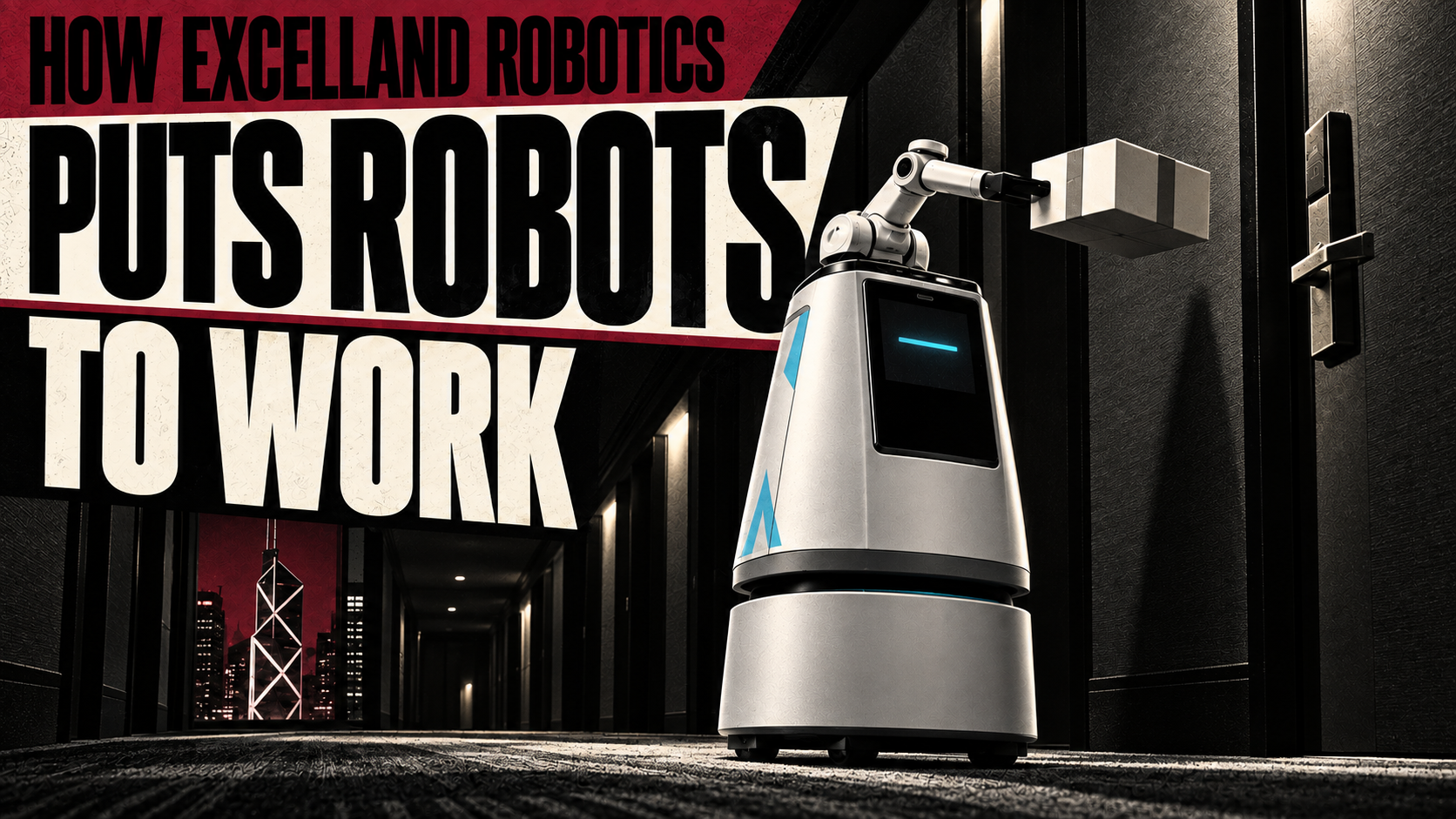
Excelland Robotics Develops Reliable Robots for Diverse Commercial Applications
Excelland Robotics, founded in Shenzhen in 2013, has been enhancing the role of robots in commercial settings for over a decade. The company has sold more than 114,600 robots to over 5,100 customers worldwide as of March 2026, focusing on specific tasks that allow for gradual technology expansion in various environments. The significance of Excelland's approach lies in its ability to address the needs of businesses facing rising labor costs and high staff turnover. By introducing robots like Yomie and Yodee, the company has enabled hotels and entertainment venues to automate repetitive tasks, allowing human staff to concentrate on more complex responsibilities. Looking ahead, Excelland Robotics is preparing for a public listing in Hong Kong as Excelland Robotics (Wuxi) Co. Ltd. No further timeline was disclosed at the time of publication. The company's ongoing commitment to developing task-specific robots will be crucial as it continues to adapt to the evolving demands of the commercial robotics market.
Heavy Hitters
KUMA Expands into Domestic Market with Focus on Commercial Lawn Mower Robots
KUMA, a leading manufacturer of lawn mower robots, has announced its entry into the domestic market, emphasizing its commitment to commercial applications. This strategic move is expected to enhance KUMA's market presence and cater to the growing demand for automated lawn care solutions. The significance of KUMA's expansion lies in its potential to reshape the landscape of commercial lawn maintenance. By focusing on the domestic market, KUMA aims to leverage its technological expertise and innovative designs to meet the needs of businesses seeking efficient and reliable lawn care options. Looking ahead, industry stakeholders should monitor KUMA's product offerings and market strategies as it navigates this new venture. The company's ability to adapt to domestic consumer preferences and its impact on the competitive landscape will be crucial in determining its success in the commercial sector. No further timeline was disclosed at the time of publication.
Robotics Automation AI
Unitree's Founder Predicts Commercial Rise of Humanoid Robots in Two Years
During the World Robot Conference in Beijing, Unitree's founder announced that humanoid robots could achieve commercial viability within two years. This shift indicates a significant transition in the industry, moving from entertainment-focused applications to practical uses in various sectors, including factory assembly lines and household tasks. The potential for humanoid robots to serve in industrial and domestic environments highlights the growing demand for automation solutions. As companies like Unitree pivot towards real-world applications, the implications for labor efficiency and productivity in manufacturing and home settings could be substantial. Looking ahead, industry stakeholders should monitor Unitree's developments and the broader market response to humanoid robots. The next two years will be critical in determining whether these robots can successfully integrate into everyday operations and how they will reshape existing workflows.
China's Humanoid Robot Makers Face Commercial Viability Challenge at World Robot Conference
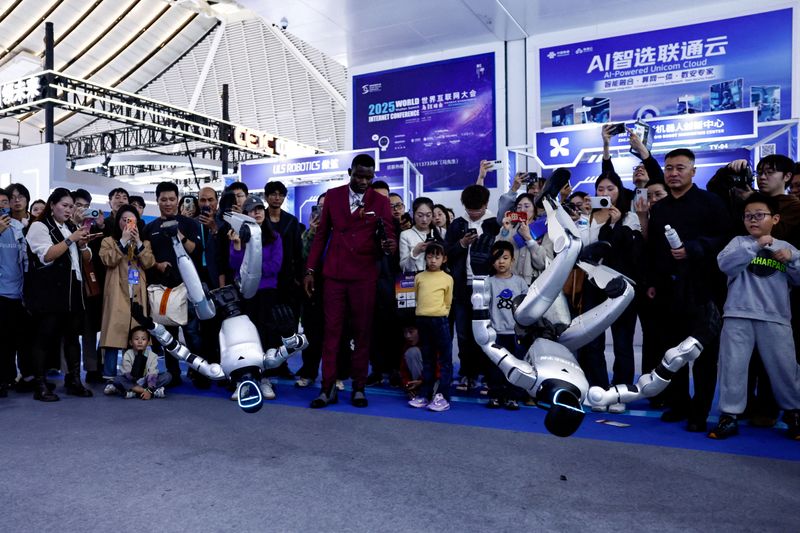
China's humanoid robot manufacturers have captivated investors with impressive demonstrations over the past two years, showcasing robots that can perform feats such as breakdancing and marathon running. However, at the World Robot Conference in Beijing, which runs from August 18 to 22, these companies must now demonstrate their ability to deliver economic value and reliability in real-world applications. The conference is expected to feature over 300 companies and more than 2,000 exhibits, including the Shanghai stock market debut of Unitree, a leading humanoid robot maker. The event highlights a shift in investor focus from flashy performances to practical productivity, as stakeholders seek robots that require minimal human oversight and can generate returns on investment. Despite some progress in niche applications like hotel food deliveries, widespread adoption of humanoid robots remains limited. Industry experts, including Lumos Robotics CEO Yu Chao, emphasize that companies must prove their technology's value in practical settings to survive in a competitive market. Analysts predict that a significant portion of this year's humanoid robots may end up collecting data rather than performing productive tasks for customers.
China's Humanoid Robot Industry Faces Challenges on Path to Commercial Success
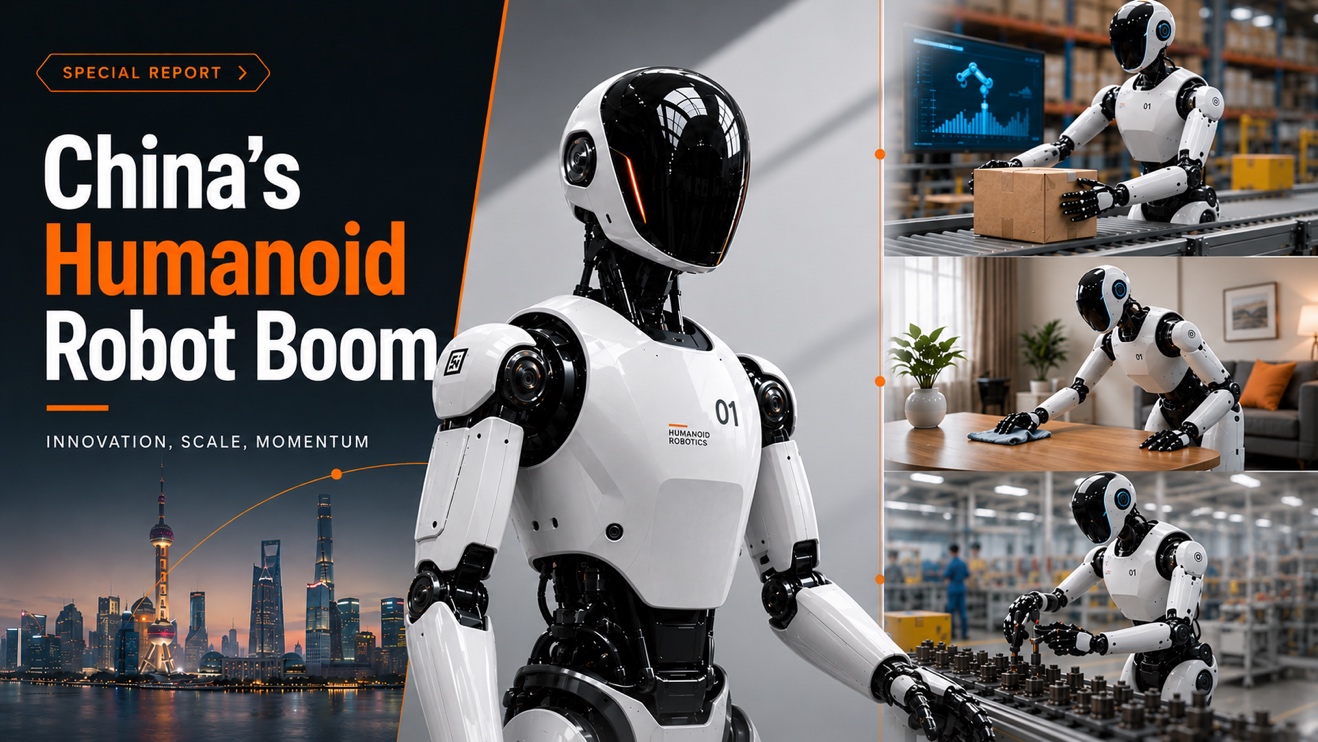
China's humanoid robot industry is transitioning from impressive demonstrations to practical applications in everyday environments. Companies are exploring roles for these robots in workplaces and services, with a significant lead over U.S. counterparts in terms of speed and scale. In the first half of 2026, five Chinese companies accounted for 86% of global humanoid shipments, highlighting their rapid growth. The industry's success hinges on three key factors: cost, capital, and a vast testing ground for commercialization. With a robust manufacturing base and significant funding, Chinese companies are well-positioned to innovate and lower prices. However, challenges remain, including the need for reliable AI systems and integrated software, as well as the ability to convert physical capabilities into sustainable demand. Looking ahead, the commercialization of humanoid robots is still in its early stages, with limited large-scale orders. Experts emphasize the importance of repeat orders and customer payback periods as indicators of success. As the industry evolves, addressing safety, security, and supply-chain vulnerabilities will be crucial for gaining acceptance in global markets.
Heavy Hitters Highlight News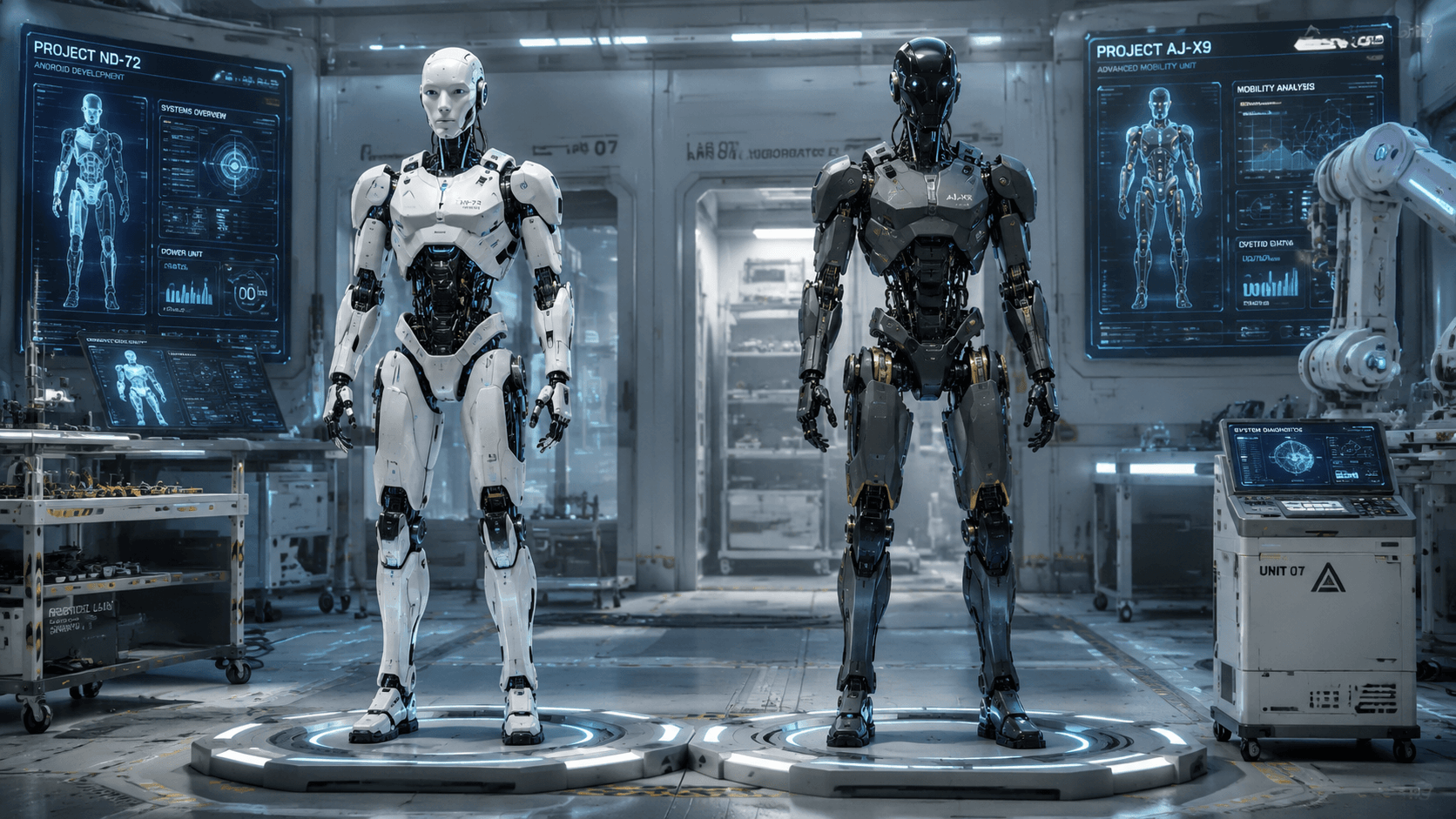
Unitree and UBTECH: Two Divergent Commercial Experiments for China Humanoid Robots in 2026
Unitree and UBTECH are at the forefront of the evolving robotics industry, each championing distinct approaches to the commercialization of embodied artificial intelligence. Unitree focuses on developing affordable industrial-scale humanoid robots, aiming to make advanced robotics accessible for various applications in sectors such as manufacturing and logistics. In contrast, UBTECH is dedicated to creating ultra-realistic luxury consumer robots, targeting high-end markets and emphasizing sophisticated design and functionality. As the competition between these two companies intensifies, they represent divergent visions for the future of robotics. Unitree's strategy, which emphasizes cost-effectiveness and scalability, seeks to democratize access to humanoid robots, potentially transforming industries that rely on automation. Meanwhile, UBTECH's approach highlights the growing consumer interest in advanced robotics as personal companions or entertainment devices, catering to affluent customers who value aesthetics and cutting-edge technology. The robotics landscape is rapidly evolving, and the differing philosophies of Unitree and UBTECH illustrate the diverse opportunities and challenges within the sector. As both companies continue to innovate, their developments will likely shape the trajectory of humanoid robotics in the coming years, influencing how these technologies are integrated into everyday life and various industries.
Robotics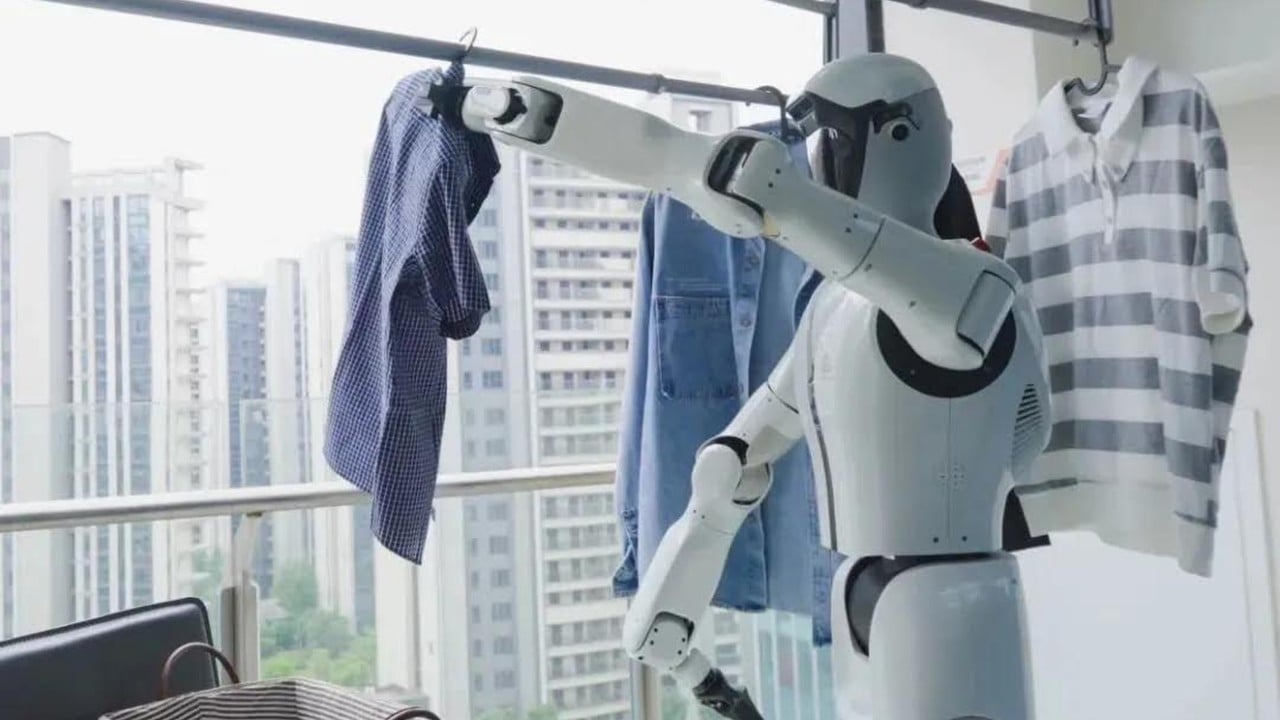
Commercial humanoid robots in China may soon do laundry, make beds, care for elders
China's robotics industry is making significant strides as GigaAI, in collaboration with the Hubei Humanoid Robot Innovation Centre and the Hubei Humanoid Robotics Industry Alliance, introduced the SeeLight S1, the country's first general-purpose household humanoid robot. This unveiling took place on Wednesday in Wuhan, the capital of Hubei province. The initiative aims to explore the potential of robots in managing domestic chores, venturing beyond traditional factory settings into the complexities of home environments. To encourage public engagement and gather feedback, GigaAI plans to provide the SeeLight S1 to families in Wuhan for free testing. This move reflects a growing interest in integrating advanced robotics into everyday life, addressing the increasing demand for automation in household tasks.
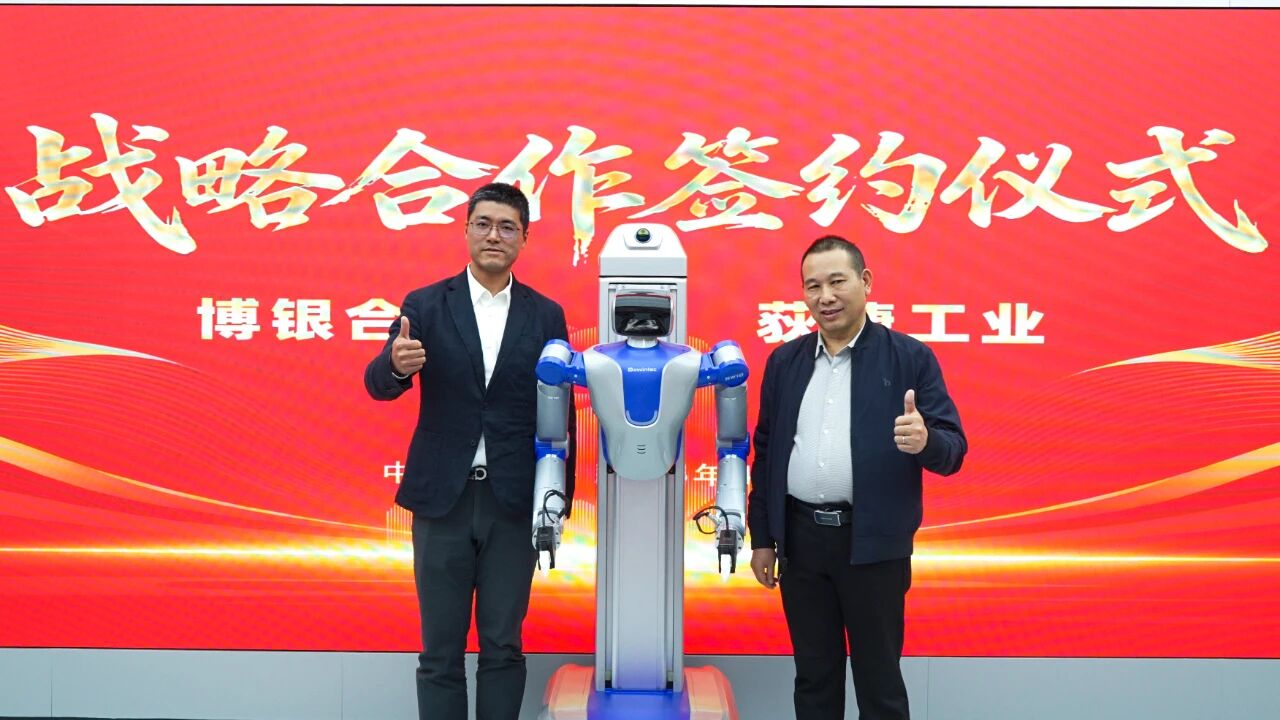
Industry First! Embodied Intelligent Robots Officially Enter the Era of Scalable Commercial Use in Logistics Sorting
On April 29, 2026, Boyin Hechuang and Dige Industrial formalized a strategic cooperation agreement in Shanghai, signaling a pivotal advancement in the integration of artificial intelligence with embodied intelligent robots within the logistics sector. This partnership is designed to tackle ongoing labor shortages and improve operational efficiency in the logistics sorting industry. By leveraging cutting-edge technology, the collaboration seeks to streamline processes and enhance productivity, responding to the growing demand for innovative solutions in logistics.
Embodied Intelligence Logistics Automation AI Robotics Smart Manufacturing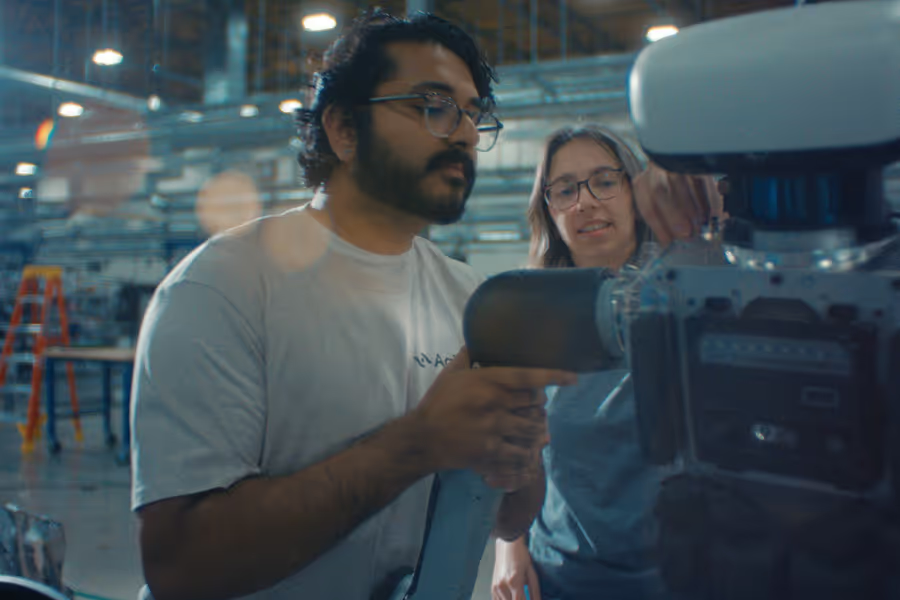
Mercado Libre and Agility Robotics Announce Commercial Agreement to Deploy Humanoid Robots
Mercado Libre, a leading e-commerce platform in Latin America, has entered into a commercial agreement with Agility Robotics to implement its humanoid robot, Digit, in fulfillment centers located in Texas. This partnership, announced on December 10, 2025, aims to enhance operational efficiency and streamline logistics processes within the company's distribution network. Following the initial deployment in Texas, there are plans for further expansion into Latin America, reflecting Mercado Libre's commitment to leveraging advanced robotics technology to improve service delivery and meet growing consumer demands. The collaboration is expected to optimize warehouse operations, reduce labor costs, and increase overall productivity as the e-commerce market continues to evolve.
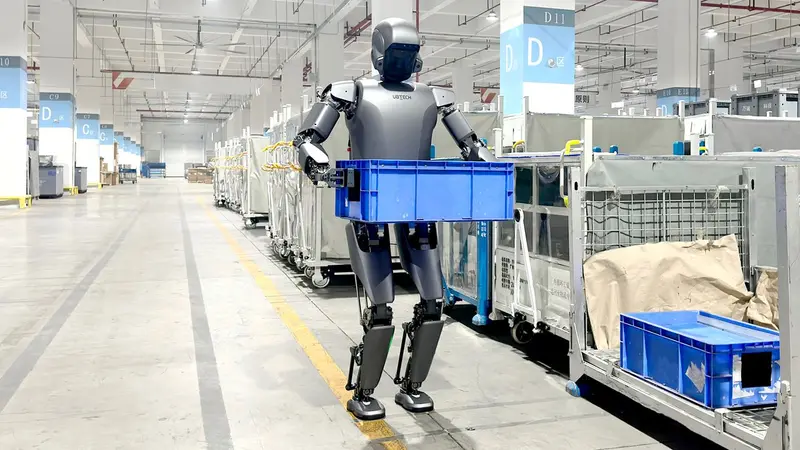
China Rolls Out First Dedicated Insurance for Humanoid Robots, Tackling a Key Commercial Hurdle
China Pacific Insurance has introduced the country's first insurance product tailored for humanoid robots, aiming to mitigate risks associated with their commercial use. This innovative offering covers various aspects, including manufacturing defects and third-party liability, reflecting the growing maturity of the robotics market in China. However, the company has yet to disclose essential details regarding underwriting processes and the scalability of the insurance product. This initiative marks a significant step in supporting the integration of humanoid robots into various sectors, as businesses seek to navigate the complexities of deploying advanced technologies.
insurance ChinaRobotics needs a service framework.
RSF defines a common language for robot service capability, lifecycle operations, certification pathways, and service-provider networks.
Join the RobotToday community on LinkedIn
Daily robotics news, in-depth analysis, conference highlights, and discussions with professionals worldwide.