

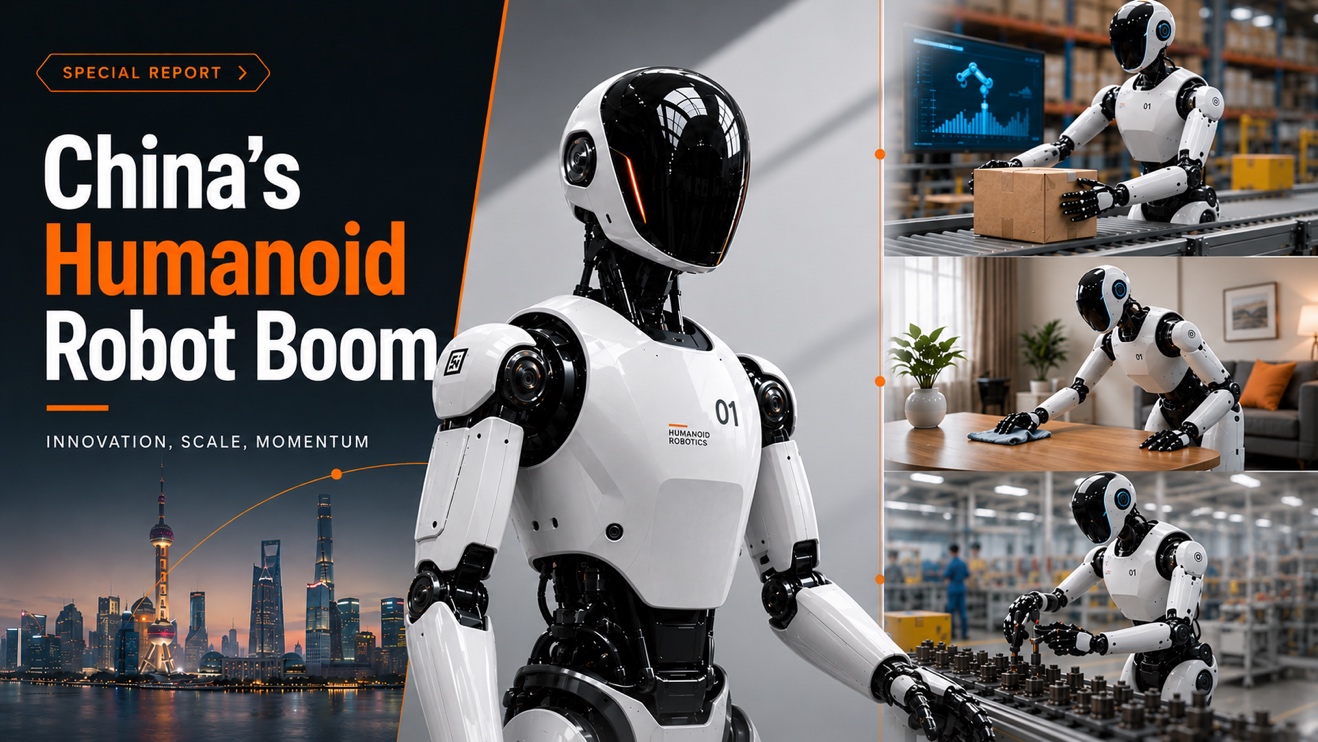
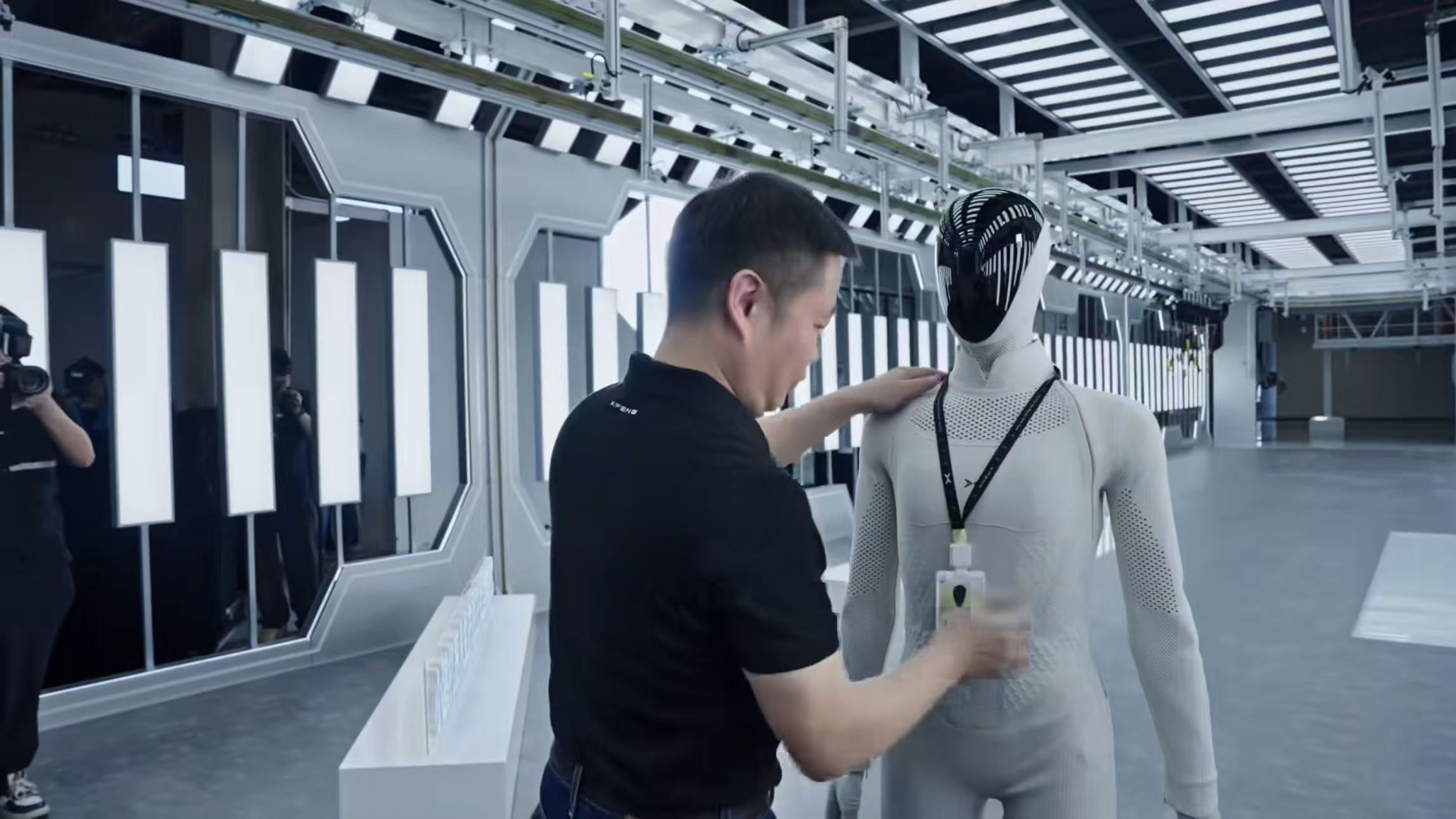
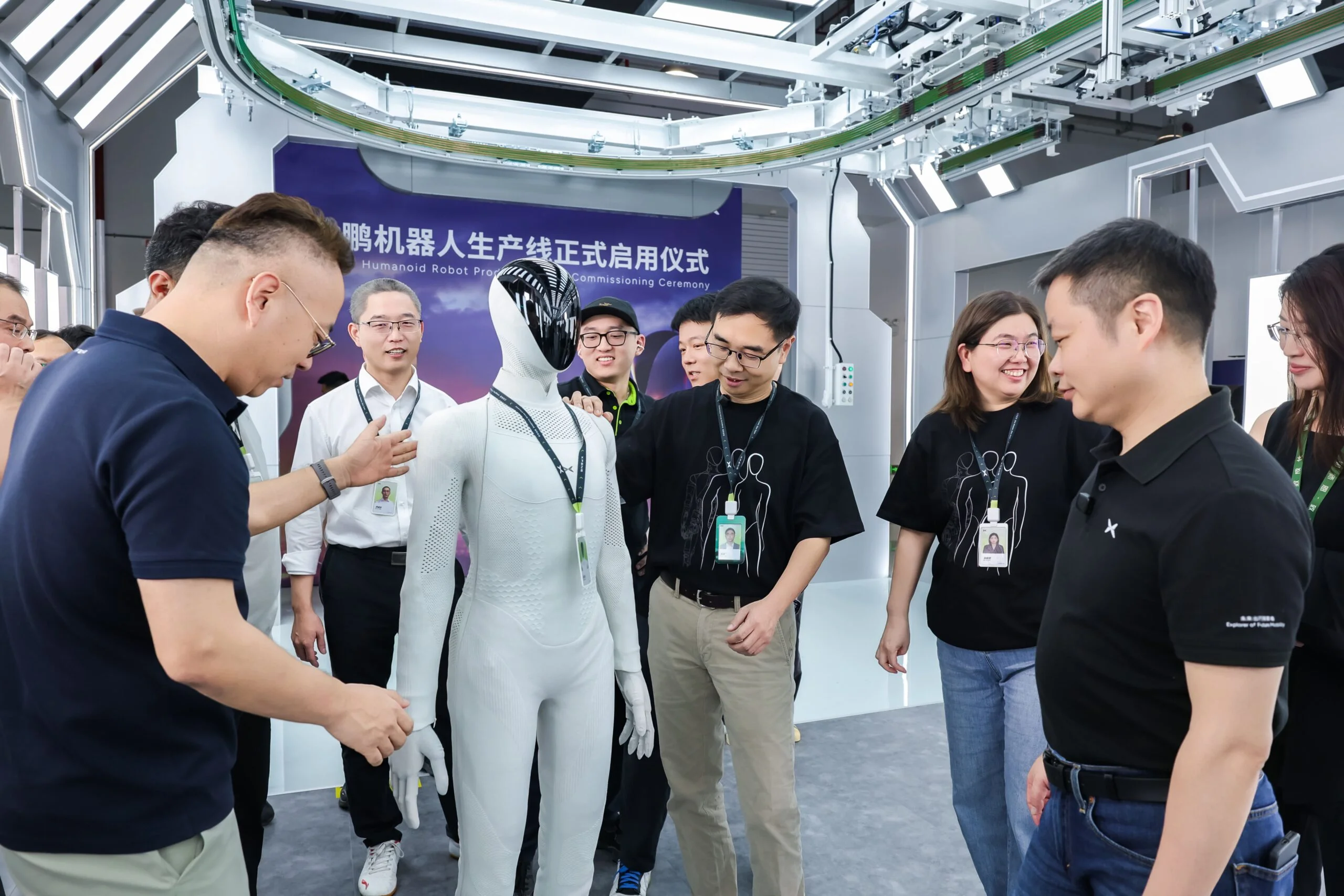
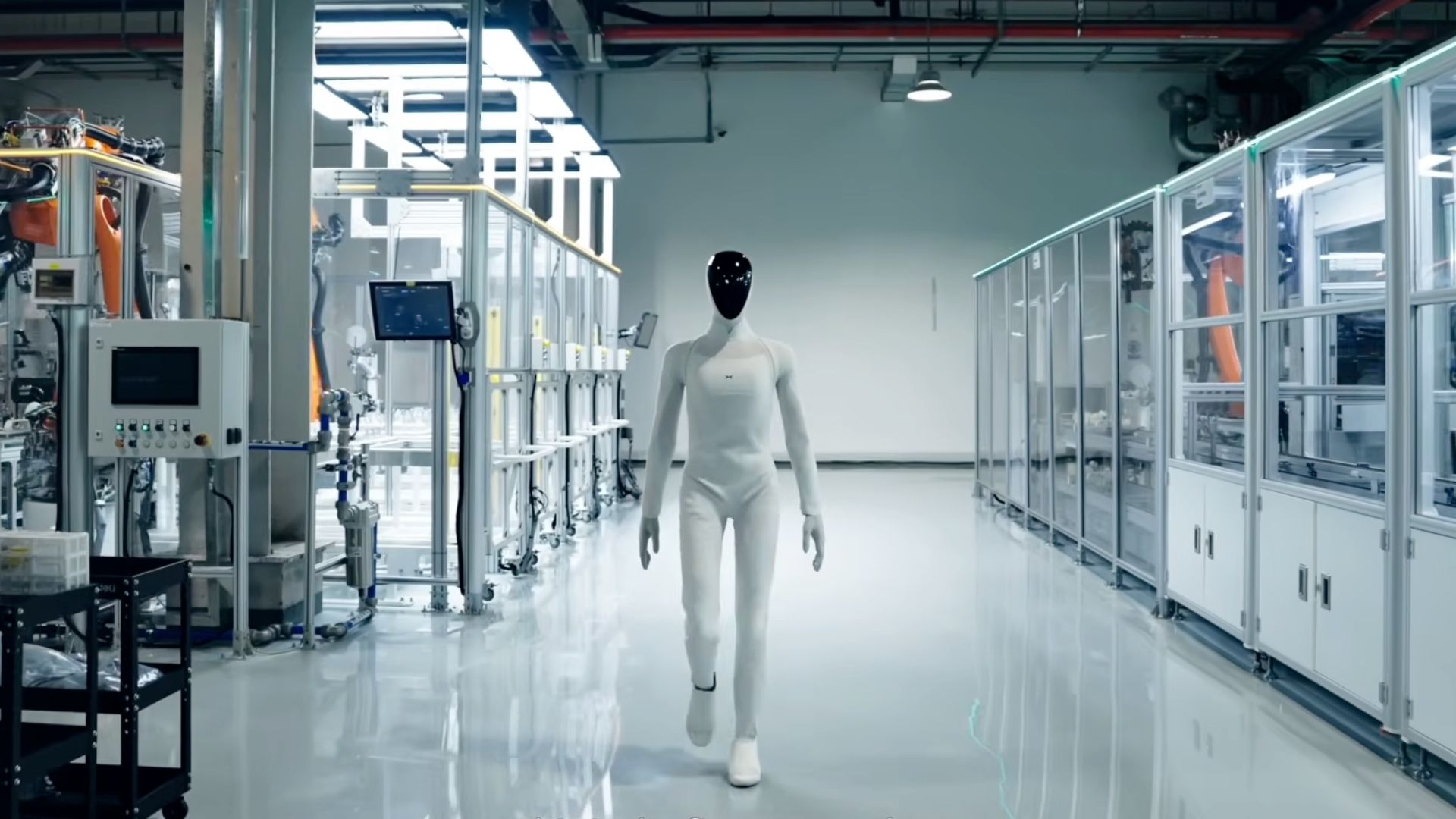
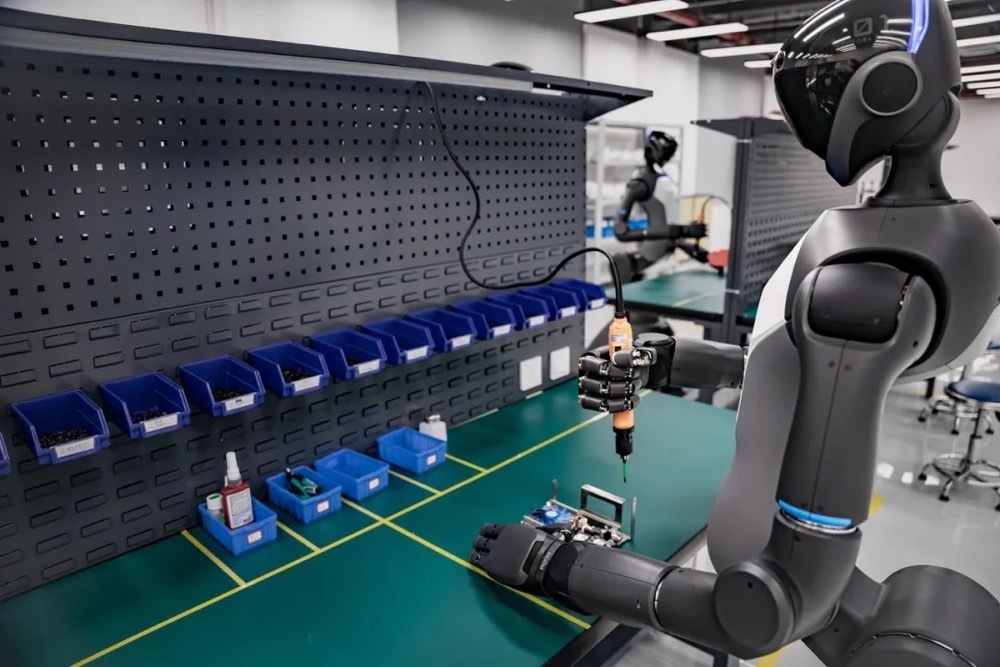
China's humanoid robot industry is transitioning from impressive demonstrations to practical applications in everyday environments. Companies are exploring roles for these robots in workplaces and services, with a significant lead over U.S. counterparts in terms of speed and scale. In the first half of 2026, five Chinese companies accounted for 86% of global humanoid shipments, highlighting their rapid growth.
The industry's success hinges on three key factors: cost, capital, and a vast testing ground for commercialization. With a robust manufacturing base and significant funding, Chinese companies are well-positioned to innovate and lower prices. However, challenges remain, including the need for reliable AI systems and integrated software, as well as the ability to convert physical capabilities into sustainable demand.
Looking ahead, the commercialization of humanoid robots is still in its early stages, with limited large-scale orders. Experts emphasize the importance of repeat orders and customer payback periods as indicators of success. As the industry evolves, addressing safety, security, and supply-chain vulnerabilities will be crucial for gaining acceptance in global markets.
Editor's Note
The humanoid robot sector is at a pivotal moment, with Chinese companies rapidly advancing in commercialization compared to their U.S. counterparts. This shift from demonstration to practical application is critical for the industry's future. As companies navigate challenges related to AI integration and reliability, the focus will be on establishing sustainable demand and addressing safety concerns to foster broader acceptance in various markets.






























Leave a comment