Top News

Industry Briefing

A single destination for timely, editor-curated robotics news from around the world.
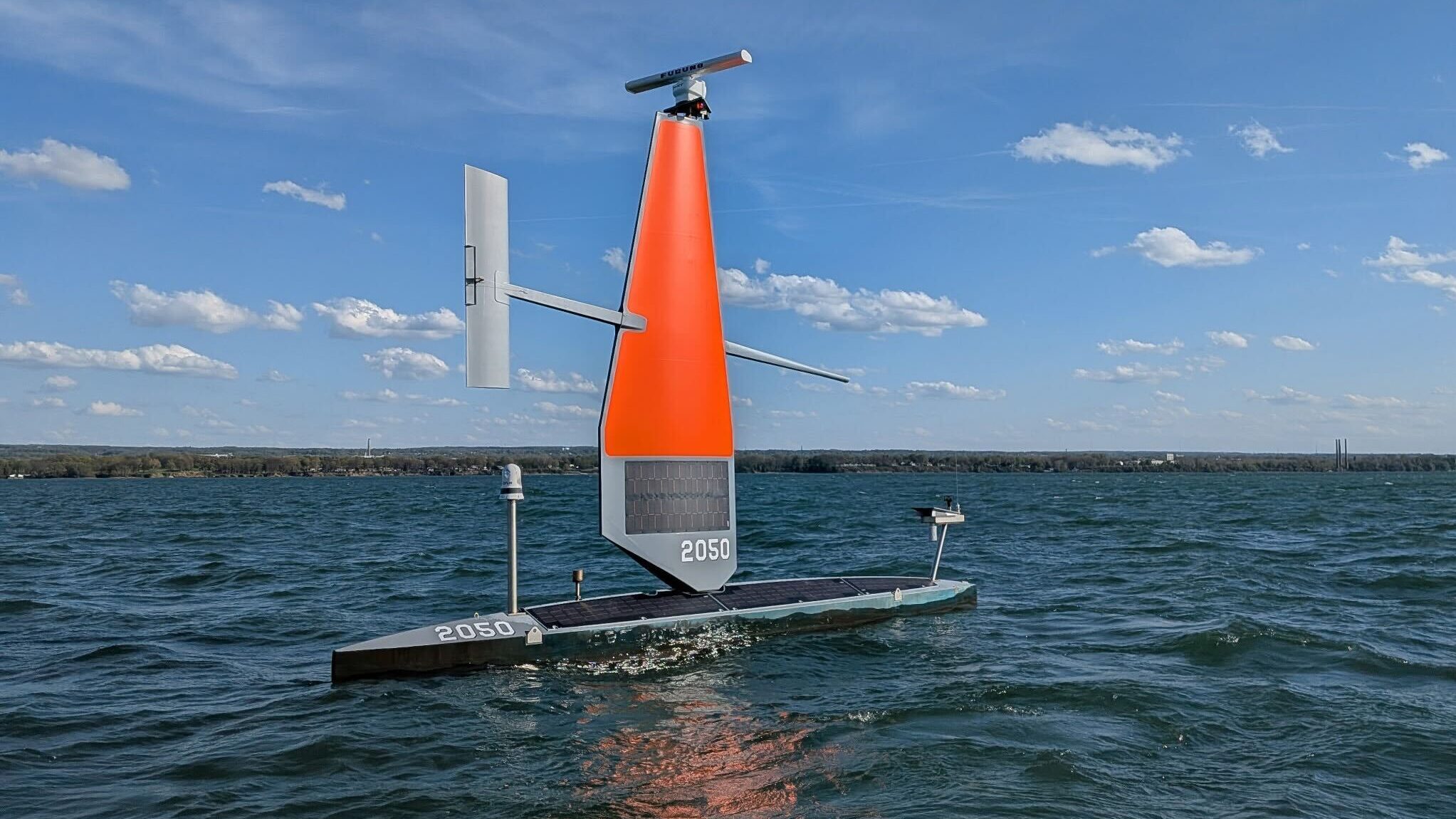
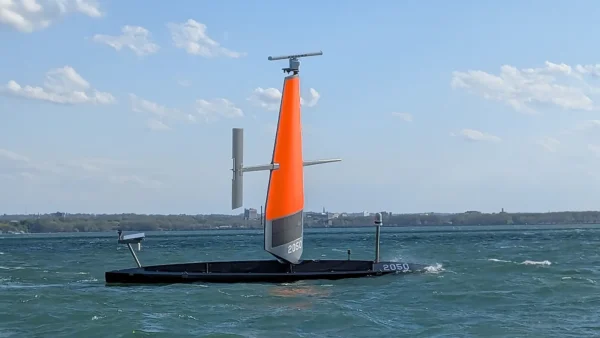
Coast Guard, Saildrone team up in northern waters to boost border security, surveillance

Coast Guard, Saildrone team up in northern waters to boost border security, surveillance

The Voyager, a state-of-the-art surveillance vessel, has been designed to carry out continuous coastal monitoring and nearshore mapping operations. This advanced ship can remain deployed at sea for approximately 100 days, enhancing its capability to gather critical data over extended periods. The implementation of the Voyager is expected to significantly improve maritime security and environmental monitoring efforts, providing valuable insights into coastal ecosystems and aiding in the management of marine resources. With its advanced technology and extended operational range, the Voyager represents a significant advancement in maritime surveillance capabilities.

Naval Warfare border security coast guard Drones Navy Saildrone
DRONELIFE Exclusive Interview: Andrew Giuliani on the Race to Secure the 2026 World Cup

DRONELIFE Exclusive Interview: Andrew Giuliani on the Race to Secure the 2026 World Cup

Andrew Giuliani has praised the significant efforts being made to develop counter-unmanned aerial systems (UAS) aimed at safeguarding high-profile events and critical infrastructure from drone-related threats. In an exclusive interview, Giuliani discussed the ongoing initiatives to enhance security measures ahead of the 2026 World Cup, emphasizing the importance of these advancements in protecting both attendees and venues. The conversation highlighted the urgency of implementing robust protocols to mitigate risks associated with drones, particularly in light of their potential misuse by careless or hostile operators. As preparations for the World Cup continue, the focus remains on ensuring a safe environment for all participants and spectators.

Anti-drone technology C-UAS defense DL Exclusive Drone News Featured – Safety and Security
Microsoft’s open source tools were hacked to steal passwords of AI developers

Microsoft’s open source tools were hacked to steal passwords of AI developers

Microsoft has taken the precautionary measure of shutting down multiple GitHub code repositories associated with its Azure and AI coding tools following a reported security breach. The decision, made in response to the hack, aims to protect sensitive information and maintain the integrity of its development platforms. The shutdown occurred recently, although the exact date has not been disclosed. This action underscores the company's commitment to cybersecurity and the importance of safeguarding its technological assets. Microsoft is currently investigating the incident to assess the extent of the breach and to implement further security measures to prevent future attacks.

Security Claude cybersecurity data breach gemini GitHub
How defense teams can scale AI without increasing data risk

How defense teams can scale AI without increasing data risk

Artificial Intelligence (AI) is significantly enhancing the mission data footprint within defense environments, prompting a growing demand for scalable and layered protection of data-at-rest (DAR). This development is crucial as defense sectors increasingly rely on vast amounts of sensitive information to support their operations. The expansion of AI capabilities is occurring in response to the evolving complexities of modern warfare and cybersecurity threats, necessitating robust data protection strategies. As military and defense organizations seek to secure their information assets, the implementation of advanced DAR solutions will play a vital role in safeguarding critical data against potential breaches and ensuring operational integrity.

Networks & Digital Warfare Sponsored Post artificial intelligence AI Cigent Cigent custom cyber security
FBI, DHS Take On the Challenge of Building Counter-UAS System

FBI, DHS Take On the Challenge of Building Counter-UAS System

Federal security officials, including the FBI and DHS, are actively working to establish new counter-drone protocols aimed at safeguarding high-profile sporting events and critical infrastructure from potential threats posed by drones. This initiative follows a year of comprehensive legislative, legal, and physical preparations to address the risks associated with careless or hostile drone operations. The efforts reflect a growing recognition of the need for enhanced security measures in an era where drone technology is increasingly accessible and potentially dangerous.

defense Drone News Drone News Feeds drone security News Security
Autonomous Drone Security Takes Flight at 150 MW Ta’anakh Solar Project

Autonomous Drone Security Takes Flight at 150 MW Ta’anakh Solar Project

High Lander, a global leader in drone fleet management and Unmanned Traffic Management (UTM) software, has partnered with Israel’s Ministry of Energy to implement autonomous aerial patrols at the 150 MW Ta’anakh solar project. This initiative, which involves collaboration with G1 Group and operator Cando Drones, aims to enhance security measures at the solar site. The agreement marks a significant step in integrating advanced drone technology for monitoring and safeguarding critical energy infrastructure. The deployment is expected to improve operational efficiency and safety at the facility, reflecting a growing trend in utilizing drones for security purposes in renewable energy sectors.

Drone News Drone News Feeds drone security News Security Alon Abelson
Massachusetts votes to pass new privacy rights bill that bans sale of precise location data

Massachusetts votes to pass new privacy rights bill that bans sale of precise location data

A new bill is set to prohibit companies and startups in the state from selling individuals' precise location data. This legislation aims to enhance privacy protections for residents by preventing the unauthorized distribution of sensitive information. The bill is anticipated to be introduced in the upcoming legislative session, reflecting growing concerns over data privacy and the potential misuse of location tracking technologies. Advocates for the measure argue that it is essential to safeguard personal information in an increasingly digital world, where location data can be exploited for various purposes, including targeted advertising and surveillance. The proposed ban is expected to undergo discussions and revisions before it is finalized and enacted into law.

Privacy Security cybersecurity location data privacy
Robodex and Tokyu Land Open Japan’s First Hydrogen Drone Port in Hiroshima

Robodex and Tokyu Land Open Japan’s First Hydrogen Drone Port in Hiroshima

Robodex and Tokyu Land Corporation have announced the opening of Japan's first permanent hydrogen drone port along the Seto Inland Sea coast. This innovative facility aims to enhance connectivity between Hiroshima's mainland and the nearby islands, including Osakikamijima. The collaboration between the two companies marks a significant step in the development of drone technology, leveraging hydrogen as a sustainable fuel source. The port is expected to facilitate efficient transportation and logistics in the region, promoting economic growth and technological advancement.

Advanced Air Mobility Delivery Drone News Drone News Feeds drone technology Japan Drone Industry
Designed to Fly Like a Falcon, RoBird Takes Aim at Crop-Damaging Birds

Designed to Fly Like a Falcon, RoBird Takes Aim at Crop-Damaging Birds

A new application for the RoBird drone, designed to mimic the flight of a falcon, is emerging as a solution for agricultural crop protection in Queensland, Australia. Originally developed to prevent bird strikes at airports, this innovative flapping-wing technology is now being tested by local growers to safeguard their crops from damage caused by birds. The shift in usage highlights the versatility of the RoBird, as it adapts to address challenges in agriculture, demonstrating its potential to enhance farming practices while reducing reliance on traditional pest control methods.

Agriculture Applications Conservation Drone News Drone News Feeds Drones in the News
US Lawmakers Introduce Legislation to Establish National Robotics Strategy, Regulate Robotics From China

US Lawmakers Introduce Legislation to Establish National Robotics Strategy, Regulate Robotics From China

Lawmakers in the U.S. House and Senate have introduced bipartisan robotics legislation aimed at creating a national robotics strategy and enhancing oversight of robots produced by China and other foreign adversaries. This initiative comes in response to rising concerns regarding the nation's competitiveness and security in an increasingly advanced technological landscape. The proposed bills reflect a growing urgency among legislators to address potential risks associated with foreign-manufactured robotics, as the U.S. seeks to bolster its position in the global robotics market. By implementing these measures, lawmakers hope to ensure that American interests are safeguarded while fostering innovation and development within the domestic robotics sector.

AI AI Funding & Investment AI Policy & Regulation Robotics bills China
DHS Secretary: U.S. Still Building Counter-Drone Defenses for World Cup

DHS Secretary: U.S. Still Building Counter-Drone Defenses for World Cup

In a recent statement, DHS Secretary Alejandro Mayorkas acknowledged that federal efforts to enhance counter-drone defenses are still lagging behind, particularly in preparation for high-profile events such as the upcoming World Cup. This admission highlights ongoing concerns regarding the potential threats posed by drones, especially in relation to critical infrastructure and large gatherings. The Department of Homeland Security is actively working to establish new protocols aimed at mitigating these risks, but Mayorkas emphasized that more progress is needed to ensure adequate protection. The urgency of these measures reflects the increasing prevalence of drone usage and the need for effective strategies to safeguard public safety during major events.

Anti-drone technology Applications C-UAS Defense DHS Drone News
Congress Introduces GUARD Act, Extending FCC Covered List Framework to Robotics

Congress Introduces GUARD Act, Extending FCC Covered List Framework to Robotics

A bipartisan coalition of U.S. lawmakers has introduced the Guarding the U.S. against Adversarial Robotics Dominance (GUARD) Act, aimed at implementing national security reviews for certain foreign-made humanoid and quadruped robots. This legislation reflects a growing concern over the implications of connected autonomous systems on national security. By extending the existing Federal Communications Commission (FCC) covered list framework to include robotics, the bill seeks to ensure that these technologies do not pose risks to U.S. safety and security. The introduction of the GUARD Act marks a significant step in the U.S. government's approach to regulating advanced robotic systems, highlighting the increasing recognition of their potential impact on national defense.

Applications Drone News Drone News Feeds drone security Dual Use News
FBI, Atlanta PD Stress Need for ‘No-Drone Zone’ Compliance

FBI, Atlanta PD Stress Need for ‘No-Drone Zone’ Compliance

Federal, state, and local officials, including the FBI and the Atlanta Police Department, are emphasizing the importance of adhering to 'No-Drone Zone' regulations to safeguard high-profile sporting events and critical infrastructure from potential threats posed by drones. This initiative comes as part of ongoing efforts to establish new counter-unmanned aerial systems (UAS) protocols across the United States. The push for compliance is particularly relevant as the nation prepares for major events where the risk of drone interference could compromise safety and security. Authorities are actively working to educate the public on these regulations and the potential dangers of unauthorized drone flights, highlighting the need for vigilance and cooperation to ensure the protection of both attendees and facilities.

Drone News Drone News Feeds News Policy Public Safety safety and security
How Industrial Vision Systems Beat Dust, Heat and Vibration to Stay Sharp on the Factory Floor

How Industrial Vision Systems Beat Dust, Heat and Vibration to Stay Sharp on the Factory Floor

Engineers and operators in the manufacturing sector are addressing environmental threats to machine vision cameras, which can compromise system accuracy and lead to operational downtime. To mitigate these risks, experts are implementing protective measures and maintenance strategies designed to enhance the durability and reliability of these critical systems. By focusing on proactive maintenance and environmental safeguards, teams can ensure that machine vision technology continues to function effectively, even in challenging conditions. This approach not only helps maintain productivity but also extends the lifespan of the equipment, ultimately supporting the efficiency of manufacturing processes.

Factory / Sensors
IRGC Attacks MSC Containership in Gulf

IRGC Attacks MSC Containership in Gulf

The Islamic Revolutionary Guards Corps (IRGC) has announced its responsibility for a recent attack, asserting that the action was a direct response to U.S. military strikes on an Iranian vessel. This escalation in hostilities highlights the ongoing tensions between Iran and the United States, particularly in the context of maritime security in the region. The IRGC's statement indicates a calculated retaliation, emphasizing the group's commitment to defending Iranian interests against perceived aggression. The incident underscores the fragile state of relations and the potential for further conflict in the area.

Transaid Kilimanjaro to Coast Cycle Challenge

Transaid Kilimanjaro to Coast Cycle Challenge

The 2026 Kilimanjaro to Coast Cycle Challenge, organized by the international development charity Transaid, invites participants to embark on a challenging journey from the foothills of Mount Kilimanjaro to the Tanzanian coast. This ambitious cycling event will cover hundreds of kilometers across varied and demanding terrain. Scheduled for 2026, the challenge aims to raise essential funds to support Transaid's critical initiatives focused on improving access to vital services in developing regions. By participating in this event, cyclists will contribute to life-saving projects while experiencing the stunning landscapes of Tanzania.

Air Cargo Cold Chain Logistics Couriers and Express CV, Trucks, Vans and Trailers Ports & Maritime Road Transport and Haulage
Motorola Solutions Makes $1.5 Billion Bet on Counter-Drone Technology

Motorola Solutions Makes $1.5 Billion Bet on Counter-Drone Technology

Motorola Solutions has announced its intention to acquire D-Fend Solutions, a counter-drone technology firm, for $1.5 billion, highlighting the increasing demand for airspace security. The definitive agreement was made public on June 1, reflecting a broader trend among governments to enhance their counter-unmanned aerial systems (UAS) capabilities. This acquisition underscores the growing recognition of the importance of counter-drone technology in safeguarding public safety, national security, and critical infrastructure. As drone usage continues to rise, the need for effective countermeasures has become paramount, prompting Motorola Solutions to invest significantly in this sector.

Anti-drone technology C-UAS Drone News Drone News Feeds drone security Drones in the News
NASA Satellites Track Harmful Algae With AI

NASA Satellites Track Harmful Algae With AI

NASA has developed an artificial intelligence tool that utilizes satellite data to detect harmful algal blooms, a significant environmental concern for coastal communities. This innovative technology aims to enhance response times and improve protective measures for both local economies and ecosystems. By analyzing satellite imagery, the AI can quickly identify the presence of these blooms, which can pose health risks to marine life and humans alike. The initiative is part of NASA's broader commitment to leveraging advanced technology for environmental monitoring and public safety. As coastal areas increasingly face the challenges posed by climate change and pollution, this tool represents a proactive approach to safeguarding vulnerable regions.

How Many Security Cameras Does Your Philadelphia Business Actually Need?

How Many Security Cameras Does Your Philadelphia Business Actually Need?

In Philadelphia, many business owners are taking a haphazard approach to security, often relying on vague vendor recommendations that can lead to costly oversights. Typically, they might call a vendor who suggests starting with a basic setup, such as four cameras, without considering the specific needs of their premises. This method can result in significant vulnerabilities, particularly highlighted when a break-in exposes areas that were inadequately monitored. Experts emphasize that effective security solutions are not universal; they must be tailored to the unique layout and requirements of each building. As crime rates fluctuate, the importance of a customized security strategy has become increasingly clear, prompting business owners to rethink their approach to safeguarding their properties.

Business Infrastructure Technology access control automation news business protection
NVIDIA Vera BlueField-4 STX Brings Agentic AI Storage Processing With In-Silicon Security

NVIDIA Vera BlueField-4 STX Brings Agentic AI Storage Processing With In-Silicon Security

NVIDIA has unveiled new security innovations under its DOCA™ framework for the NVIDIA Vera BlueField-4 STX, marking a significant advancement in secure storage solutions tailored for agentic AI factories. This announcement, made today, highlights the company's commitment to enhancing data security in increasingly automated environments. The innovations aim to provide a robust infrastructure that ensures data integrity and protection against potential cyber threats, addressing the growing need for secure-by-design systems in the rapidly evolving AI landscape. By integrating these advanced security measures, NVIDIA seeks to empower businesses to leverage AI technologies while safeguarding their critical data assets.

MQ-28 Ghost Bat Now Flying Over The Pacific From U.S. Navy Base

MQ-28 Ghost Bat Now Flying Over The Pacific From U.S. Navy Base

Boeing has announced that it is conducting tests of the Australian-developed MQ-28 Ghost Bat drone off the coast of California. These tests aim to demonstrate the drone's operational maturity and to bolster its sales potential, including possible contracts with the Pentagon. The MQ-28, which has been designed for advanced military applications, is currently being evaluated at a U.S. Navy base, highlighting its significance in the evolving landscape of defense technology. The initiative reflects Boeing's strategy to enhance the drone's market appeal and secure partnerships with key defense entities.

Air Drones Loyal Wingman MQ-28 Navies News & Features
BAE Systems wins Army’s Soft Kill APS award, with first phase valued at $20 million

BAE Systems wins Army’s Soft Kill APS award, with first phase valued at $20 million

BAE Systems has developed an advanced defense technology known as the Rapid Optical Observation and Kill (ROOK) program, designed to neutralize threats posed by missile systems and drones. This innovative system operates by jamming or confusing these aerial threats, effectively rendering them inoperable. The ROOK program represents a significant advancement in military capabilities, enhancing the protection of critical assets against increasingly sophisticated aerial attacks. As global security challenges evolve, this technology is expected to play a crucial role in safeguarding military operations and infrastructure.

Land Warfare Active Protection System / APS Army BAE Systems Counter UAS cUAS Drones
Beckhoff Products Meet Growing CRA and Machinery Regulations

Beckhoff Products Meet Growing CRA and Machinery Regulations

A technology company is enhancing its cybersecurity capabilities to comply with European Union regulations. This initiative comes as part of a broader effort to ensure that its products meet stringent data protection standards mandated by the EU. By integrating advanced security features into its technologies, the company aims to safeguard user data and maintain consumer trust in an increasingly digital landscape. The move reflects a proactive approach to addressing the growing concerns surrounding data privacy and security, particularly in light of recent high-profile data breaches. As the company prepares for potential regulatory changes, it is positioning itself to not only meet current requirements but also to adapt to future challenges in the cybersecurity realm.

Factory / Communication
Texas DPS Launches Counter-UAS Strategy for World Cup

Texas DPS Launches Counter-UAS Strategy for World Cup

The Texas Department of Public Safety (DPS) has implemented a counter-drone strategy in preparation for the upcoming World Cup. This initiative aims to safeguard high-profile sporting events and critical infrastructure from potential threats posed by drones, particularly those operated irresponsibly. The deployment of this technology reflects a growing concern over drone-related incidents and highlights the state's commitment to ensuring safety during major events. The counter-UAS protocols are part of a broader effort to enhance security measures in the U.S., particularly in light of the increasing prevalence of drone usage.

Anti-drone technology C-UAS defense Drone News Drone News Feeds drone security
Container terminal in Republic of the Congo expands fleet

Container terminal in Republic of the Congo expands fleet

A container terminal in the Republic of the Congo is set to enhance its operations with a new order of Konecranes equipment, aimed at accommodating the rising container volumes. This order, placed in the first quarter of 2026, is expected to be delivered in the second half of the same year. Situated on the west coast of the country, the terminal plays a crucial role in facilitating regional container traffic across Central Africa, reflecting the growing demand for efficient logistics solutions in the area. The expansion of the terminal's fleet underscores its commitment to supporting increased trade and improving service capabilities in the region.

Forklifts and Warehouse Vehicles Materials Handling Ports & Maritime Congo containers fleet
Report: Chinese Suppliers Embedded in U.S. Space Sector

Report: Chinese Suppliers Embedded in U.S. Space Sector

Altana has revealed a significant infiltration of Chinese and Russian suppliers within the U.S. industrial space supply chain. This finding highlights the growing concern regarding foreign influence and potential security risks in critical sectors. The analysis, conducted recently, underscores the need for heightened scrutiny and regulatory measures to safeguard American interests. By mapping the supply chain, Altana aims to inform policymakers and industry leaders about the vulnerabilities posed by these foreign entities, prompting discussions on how to mitigate risks and ensure the integrity of the supply chain.

US Army tests low-cost drone-killing interceptor that can be redirected after launch

US Army tests low-cost drone-killing interceptor that can be redirected after launch

The U.S. Army's 52nd Air Defense Artillery Brigade has initiated testing of a new interceptor designed to target and eliminate drones. This development comes as military officials seek to enhance air defense capabilities amid increasing concerns over drone threats. The tests are taking place at a designated military facility, where the brigade is evaluating the effectiveness and reliability of the interceptor system. The initiative aims to address the growing prevalence of unmanned aerial vehicles in both civilian and military contexts, highlighting the need for advanced countermeasures. The Army's efforts reflect a strategic response to evolving aerial threats, ensuring that defense systems remain robust and effective in safeguarding airspace.

Microsoft’s new responsible tech lead on how to humanize high-speed AI development

Microsoft’s new responsible tech lead on how to humanize high-speed AI development

Jenny Lay-Flurrie, the head of Microsoft's Trusted Technology Group, emphasized the importance of responsible technology during a recent discussion. She outlined the critical questions surrounding the development and maintenance of ethical tech practices, focusing on how to ensure that technology is built correctly and remains trustworthy over time. Lay-Flurrie’s insights come at a pivotal moment as the tech industry faces increasing scrutiny regarding data privacy, security, and ethical standards. Her remarks highlight the ongoing commitment of Microsoft to prioritize responsible innovation in an era where technology plays a central role in daily life. The conversation reflects broader industry trends aimed at fostering accountability and transparency in tech development, ensuring that advancements benefit society while safeguarding users' rights.

L3Harris delivers T4 and T7 ‘life-saving’ robotic systems to ADF 

L3Harris delivers T4 and T7 ‘life-saving’ robotic systems to ADF 

L3Harris Technologies has delivered its T4 and T7 multi-mission robotic systems to the Australian Defence Force (ADF) to enhance personnel protection operations. This acquisition aims to bolster the ADF's capabilities in safeguarding its troops during various missions. The deployment of these advanced robotic systems reflects the ADF's commitment to integrating cutting-edge technology into their operations, ensuring greater safety and efficiency in the field. The partnership between L3Harris and the ADF highlights the growing importance of robotics in modern military strategies, particularly in addressing the challenges of personnel safety in complex environments.

News
Scammers are abusing an internal Microsoft account to send spam links

Scammers are abusing an internal Microsoft account to send spam links

A recent discovery has revealed a significant security loophole within Microsoft’s email system, enabling spammers and scammers to exploit legitimate email addresses associated with genuine account alerts. This vulnerability raises concerns about the potential for increased phishing attacks and fraudulent communications, as malicious actors can impersonate trusted sources to deceive users. The issue was identified in October 2023, prompting urgent calls for Microsoft to enhance its security measures and protect users from such threats. Experts emphasize the need for improved authentication protocols to prevent unauthorized use of legitimate email addresses, thereby safeguarding users from falling victim to scams. As the situation develops, Microsoft is expected to respond with updates and solutions to address this critical flaw in their email system.

Security cyberattacks cybersecurity Microsoft phishing scam
The White House Ballroom Is A Deep Fortress In Disguise

The White House Ballroom Is A Deep Fortress In Disguise

A recently revealed underground facility in Washington, D.C., extends six floors below the surface and is designed to serve as a significant security measure for the nation’s capital. The structure will feature an advanced drone system on its roof, described as "the greatest drone empire you've ever seen," aimed at enhancing the protection of the area. This development highlights ongoing efforts to bolster security in response to evolving threats. The facility's capabilities and strategic importance underscore a commitment to safeguarding national interests in an increasingly complex security landscape.

News & Features Bunkers & Installations Continuity Of Government POTUS
GitHub says hackers stole data from thousands of internal repositories

GitHub says hackers stole data from thousands of internal repositories

GitHub, the prominent code hosting platform, announced it is currently investigating a potential security breach. The company emphasized that, as of now, there is no evidence to suggest that customer data has been compromised. This announcement comes amid growing concerns over cybersecurity in the tech industry, as organizations increasingly face threats from hackers. GitHub's commitment to safeguarding user information remains a priority, and the investigation aims to determine the extent of the breach and ensure the security of its services. The company has not disclosed specific details about the incident or when it occurred, but it is actively working to address the situation and reassure its users.

Security cyberattack cybersecurity data breach GitHub hackers
US firm’s NOS Security combines drones, robots, cyber defense for nuclear plant safety

US firm’s NOS Security combines drones, robots, cyber defense for nuclear plant safety

Nuclear energy infrastructure is increasingly recognized as a vital asset for nations worldwide, prompting heightened concerns regarding its security. In recent discussions among global leaders, the importance of safeguarding nuclear facilities has been underscored, particularly in light of rising geopolitical tensions and the potential for sabotage or terrorist attacks. As countries strive to enhance their energy independence and reduce carbon emissions, the reliance on nuclear power is expected to grow. This shift necessitates robust security measures to protect against both physical threats and cyberattacks. Experts emphasize the need for international cooperation and the sharing of best practices to ensure the resilience of nuclear infrastructure. Recent incidents in various regions have highlighted vulnerabilities in existing security protocols, prompting calls for immediate action. National governments are urged to invest in advanced security technologies and to conduct regular assessments of their nuclear facilities. The discussions took place during a summit held in Geneva, where representatives from over 30 countries convened to address these pressing issues. The summit aimed to foster collaboration and develop a unified approach to nuclear security, recognizing that the safety of nuclear energy is paramount for global stability and environmental sustainability. As nations navigate the complexities of energy production and security, the commitment to protecting nuclear assets will be crucial in maintaining public trust and ensuring a safe energy future.

Are 6 Axis Cobot Arms Better Than Dedicated Pick & Place Machines?

Are 6 Axis Cobot Arms Better Than Dedicated Pick & Place Machines?

In a strategic shift towards enhanced manufacturing efficiency, companies are increasingly weighing the benefits of specialized hardware against flexible automation. Traditionally, high-speed assembly lines have relied on dedicated pick and place machines, which excel in repetitive tasks but lack adaptability. However, as product lifecycles shorten and customization becomes essential, the 6-axis robotic arm has emerged as a viable alternative, offering the flexibility needed for modern high-mix production environments. Dedicated machines, such as SCARA or Delta robots, are optimized for high-speed linear movements in fixed production runs. Their rigidity poses a challenge when product designs change, often necessitating costly retooling. In contrast, 6-axis robotic arms provide a spherical work envelope and six degrees of freedom, enabling them to perform complex tasks like inspection and screwdriving without relocating parts. This adaptability ensures that as businesses evolve, their hardware remains relevant with simple software updates. Additionally, the physical footprint of automation plays a crucial role in decision-making. Traditional machines require extensive safety guarding and rigid frames, consuming valuable space. In contrast, collaborative 6-axis systems can be integrated into existing workstations without barriers, fostering a hybrid workflow where robots handle repetitive tasks and humans focus on quality control. JAKA, a leader in this field, offers the JAKA Zu series, which combines the precision of dedicated machines with the flexibility of collaborative platforms. The JAKA Zu30, capable of managing heavy-duty material transfers, exemplifies this innovation. With a user-friendly wireless ecosystem and built-in safety features, JAKA aims to provide manufacturers with the agility and scalability needed to meet evolving market demands.

Essential Safety Tips: How to Operate 6 Axis Robot Arms Safely

Essential Safety Tips: How to Operate 6 Axis Robot Arms Safely

The introduction of 6-axis robot arms into modern workplaces is transforming productivity and reshaping human-machine interactions. Unlike traditional industrial robots confined to isolated spaces, these advanced jointed arms are designed for close collaboration with human workers. This shift necessitates a focus on safety, which is essential not only for regulatory compliance but also for fostering a sustainable and confident workforce. To ensure safe operation, comprehensive risk assessments are crucial. Operators must establish "safety planes" and restricted zones within the robot's software to manage potential hazards, especially from end-effectors like sharp tools or high-temperature grippers. These virtual barriers enable the robot to function at full speed when unoccupied but switch to reduced speed or stop when a human enters the workspace. Key safety features include force-sensing technology, where internal torque sensors in the robot's joints detect resistance and halt movement within milliseconds upon contact with an object or person. Regular testing of these systems is vital for maintaining safety standards. Moreover, human awareness and training are critical. Workers are advised to avoid loose clothing and ensure that emergency stop buttons are easily accessible. Proper techniques during programming and operation further enhance safety. JAKA, a leader in robotic safety innovation, emphasizes employee protection with its JAKA Zu series, which combines high payload capacity with collaborative capabilities. Their intuitive safety configuration system, accessible via the JAKA App, allows users to easily set safety boundaries and collision sensitivity. By prioritizing safety in their designs, JAKA aims to provide powerful automation solutions while safeguarding workers' well-being.

Here’s how the Army plans to spend nearly $1 billion in procuring small counter drone tech 

Here’s how the Army plans to spend nearly $1 billion in procuring small counter drone tech 

The U.S. government has proposed a budget allocation of $994 million for small counter-unmanned aerial systems (c-UAS) in its fiscal year 2027 budget request. This funding, entirely sourced from discretionary funds, aims to enhance the nation's capabilities in addressing the growing threat posed by small drones. The decision reflects an increasing recognition of the need for advanced technologies to safeguard airspace and protect critical infrastructure. The budget request underscores the government's commitment to investing in innovative solutions to counter aerial threats effectively.

Air Warfare Land Warfare Air Force Army Counter UAS cUAS Defense Budget 2027
Quiz: Experts Weigh in on Legacy SCADA Security

Quiz: Experts Weigh in on Legacy SCADA Security

Industry experts are raising concerns about the vulnerabilities of aging SCADA (Supervisory Control and Data Acquisition) systems, which are critical for managing infrastructure in sectors such as energy, water, and transportation. As these systems age, they become increasingly susceptible to cyber threats, potentially jeopardizing public safety and operational efficiency. Recent discussions among professionals in the field highlight the urgent need for organizations to assess the security of their SCADA systems, particularly as cyberattacks become more sophisticated. Experts recommend a proactive approach, including regular updates and patches, to mitigate risks associated with outdated technology. The conversation gained momentum in October 2023, coinciding with a series of high-profile cyber incidents that targeted critical infrastructure, underscoring the importance of robust cybersecurity measures. Experts emphasize that organizations must prioritize the modernization of their SCADA systems to safeguard against potential breaches and ensure the resilience of essential services. By implementing advanced security protocols and investing in new technologies, organizations can enhance the protection of their SCADA systems and maintain operational integrity. The call to action is clear: as the digital landscape evolves, so too must the strategies to protect vital infrastructure from emerging threats.

Factory / Cybersecurity
How DHS Is Helping World Cup Host Cities Get Counter-UAS Ready Before FIFA 2026

How DHS Is Helping World Cup Host Cities Get Counter-UAS Ready Before FIFA 2026

The Department of Homeland Security (DHS) is enhancing security measures in cities hosting the FIFA World Cup 2026 by providing guidance on counter-drone technology. As part of a broader initiative to establish effective counter-unmanned aerial systems (UAS) protocols, the DHS aims to protect high-profile sporting events and critical infrastructure from potential threats posed by drones. This effort is crucial as the tournament approaches, ensuring that host cities are adequately prepared to mitigate risks associated with careless or hostile drone activity. The collaboration underscores the importance of safeguarding public safety during major international events.

Defense DHS Drone News Drone News Feeds Drones in the News News
The Step-by-Step Guide to Programming a Handling Robot for Machine Tending

The Step-by-Step Guide to Programming a Handling Robot for Machine Tending

In a significant advancement for modern manufacturing, JAKA has introduced its JAKA Zu series, a line of handling robots designed to enhance machine tending processes in smart factories. This innovation allows for the automation of loading and unloading raw materials into CNC machines and injection molders, thereby increasing operational efficiency and safeguarding human workers from hazardous environments. The JAKA Zu12, capable of handling heavy metal parts with a payload of 12kg and a reach of 1327mm, streamlines the programming process through a user-friendly graphical interface accessible via a tablet or smartphone, eliminating the need for cumbersome teach pendants. This low-code approach simplifies the traditionally complex task of programming a 6-axis robot arm, enabling operators to set up a machine tending station in minutes. The setup involves defining the robot's workspace and safety zones, teaching waypoints for efficient path planning, integrating end-of-arm tooling for precise interaction with machines, and establishing logic loops for error handling. These features ensure that the robot can operate autonomously, significantly reducing the need for constant supervision. By offering a solution that combines industrial speed with consumer-friendly simplicity, JAKA aims to support manufacturers in automating their processes confidently, whether in small machine shops or large-scale production lines. This development marks a pivotal step towards more efficient and safer manufacturing environments.

UAE Building Massive ‘Cope Cages’ To Protect Energy Facilities From Iranian Drone Attacks

UAE Building Massive ‘Cope Cages’ To Protect Energy Facilities From Iranian Drone Attacks

In response to a series of Iranian missile and drone attacks that have significantly damaged its oil and gas infrastructure, the United Arab Emirates is undertaking a major initiative to enhance the security of its energy facilities. The UAE is constructing large protective structures known as "cope cages" to safeguard these critical sites from future assaults. This proactive measure aims to bolster the resilience of the country's energy sector amid escalating tensions in the region. The decision reflects the UAE's commitment to ensuring the safety and stability of its vital resources in the face of ongoing threats.

News & Features Around The Globe Drones Iran Land Middle East
Menacing "monster wolf" robots in high demand to scare off bears

Menacing "monster wolf" robots in high demand to scare off bears

A new animatronic scarecrow named "Monster Wolf" has been introduced to help farmers protect their crops from wild animals. This innovative device features flashing red eyes and emits howls and growls designed to intimidate potential intruders. The scarecrow aims to provide an effective and humane solution to the ongoing challenge of wildlife interference in agricultural areas. By utilizing advanced technology, the Monster Wolf offers farmers a modern approach to safeguarding their fields while minimizing harm to animals. The device is set to be deployed in various farming regions starting this fall, as farmers seek reliable methods to deter wildlife without resorting to lethal measures.

Saildrone Deploys 16 Voyager USVs for Coast Guard Great Lakes Mission

Saildrone Deploys 16 Voyager USVs for Coast Guard Great Lakes Mission

Saildrone, an autonomous maritime company based in Alameda, California, has announced the deployment of 16 Voyager unmanned surface vehicles (USVs) to enhance surveillance capabilities for the US Coast Guard. This initiative, which is part of a $15.5 million contract, aims to support Coast Guard missions across the Great Lakes and the Northeast. The deployment was officially announced on May 11, 2026, marking a significant step in the integration of advanced technology into maritime operations. The use of these unmanned vehicles is intended to improve monitoring and response efforts in these vital waterways, reflecting the Coast Guard's commitment to maintaining safety and security in the region.

Drone News Drone News Feeds News ocean safety and security seadrones
NVIDIA and SAP Bring Trust to Specialized Agents

NVIDIA and SAP Bring Trust to Specialized Agents

At the SAP Sapphire event today, NVIDIA founder and CEO Jensen Huang participated in a keynote alongside SAP CEO Christian Klein via video link to announce an expanded collaboration between the two companies. This partnership aims to enhance enterprise capabilities by enabling the deployment of specialized agents that incorporate robust security and governance controls. The initiative is designed to help organizations leverage advanced technologies while ensuring compliance and safeguarding sensitive information.

A Ukrainian arms maker was surprised to see Russian soldiers surrender to its war robots

A Ukrainian arms maker was surprised to see Russian soldiers surrender to its war robots

Ukrainian soldiers are utilizing robots developed by DevDroid to safely approach Russian soldiers during surrender scenarios, enhancing their protection from potential attacks. This innovative strategy aims to minimize risks for Ukrainian forces while facilitating the surrender process. The deployment of these robots comes amid ongoing hostilities, as both sides continue to engage in conflict. By employing technology in this manner, Ukrainian troops can maintain a tactical advantage and reduce the likelihood of direct confrontations. The use of robots reflects a growing trend in modern warfare, where automation is increasingly being integrated into military operations to safeguard personnel and streamline procedures.

Military & Defense ukraine ground-robot ugv ground-robots russia
Anti-Drone “Cope Cage” Appears On Russian Patrol Boat

Anti-Drone “Cope Cage” Appears On Russian Patrol Boat

Ukrainian drone attacks on naval targets have prompted the Russian military to enhance its defensive measures, particularly in response to the evolving threat posed by these unmanned aerial vehicles. Recent developments include the introduction of an anti-drone system known as the "Cope Cage" on Russian patrol boats. This innovation comes as traditional overhead screens have proven less effective against the increasing sophistication of drone warfare. The situation highlights the ongoing conflict between Ukraine and Russia, with both sides adapting their strategies to counter the other's capabilities. As the conflict continues, the effectiveness of such defensive technologies will be crucial in safeguarding naval assets in the region.

Sea Around The Globe Drones Europe Navies News & Features
Tesla (TSLA): Top 10 Battery Technology Stock To Buy

Tesla (TSLA): Top 10 Battery Technology Stock To Buy

A recent incident involving a major technology firm has raised concerns about data security and privacy. On October 15, 2023, a cybersecurity breach was reported by TechCorp, a leading player in the software industry, affecting millions of users worldwide. The breach, which occurred due to a vulnerability in their system, has prompted an urgent response from the company to mitigate potential risks. In the wake of the incident, TechCorp has initiated a comprehensive investigation to determine the extent of the breach and to safeguard user data. The company is working closely with cybersecurity experts and law enforcement agencies to address the situation and prevent future occurrences. This breach has sparked a broader discussion about the importance of robust cybersecurity measures in the tech industry, as consumers increasingly rely on digital services. TechCorp's leadership has emphasized their commitment to transparency and accountability, assuring users that they are taking all necessary steps to rectify the situation and enhance their security protocols moving forward. As the investigation unfolds, users are advised to monitor their accounts for any suspicious activity and to change their passwords as a precautionary measure. The incident serves as a reminder of the ongoing challenges faced by companies in protecting sensitive information in an increasingly digital world.

FCC commissioner defends blacklisting foreign drones over security fears

FCC commissioner defends blacklisting foreign drones over security fears

FCC Commissioner Olivia Trusty has publicly defended the agency's recent decision to expand its "Covered List," which identifies equipment deemed unsecure, to include foreign-manufactured drones and essential drone components. This move comes as new foreign-made drones, particularly from brands like DJI, face significant barriers to entering the U.S. market. The announcement highlights ongoing concerns about national security and the potential risks associated with foreign technology. Trusty's remarks emphasize the importance of safeguarding U.S. infrastructure and data integrity amid rising tensions surrounding technology imports. The decision reflects a broader trend of increasing scrutiny on foreign tech products, as regulators seek to ensure the safety and security of American consumers and businesses.

News
 Drones Gain Altitude in Manufacturing Facilities (and Challenges Emerge)

Drones Gain Altitude in Manufacturing Facilities (and Challenges Emerge)

As technology continues to advance, the landscape of cybersecurity is becoming increasingly complex, prompting a surge in concerns over data protection. Experts emphasize that the rapid evolution of digital tools and platforms is leading to heightened vulnerabilities, making it essential for organizations to adopt more sophisticated data integration strategies. This shift is particularly critical as businesses strive to safeguard sensitive information against a backdrop of rising cyber threats. The urgency for improved cybersecurity measures has never been more pronounced, with stakeholders across various sectors recognizing the need to enhance their defenses. As a result, companies are investing in advanced technologies and training to bolster their cybersecurity frameworks, ensuring they can effectively respond to emerging risks and protect their data assets.

Technology and IIoT / Emerging Technologies
A hacker ran me over with a robot lawn mower

A hacker ran me over with a robot lawn mower

Andreas Makris, a remote operator, faced a harrowing situation as a 200-pound robot lawn mower malfunctioned while he was controlling it from nearly 6,000 miles away. The incident unfolded when the mower began to climb up his chest, posing a serious risk of injury as its blades threatened to come into contact with him. The alarming event highlights the potential dangers associated with remote-operated machinery, especially when immediate intervention is not possible. Makris's experience raises concerns about safety protocols and the reliability of technology in managing autonomous devices, underscoring the need for improved safeguards in the operation of robotic equipment.

News Report Security Tech
US Coast Guard deploys autonomous Saildrones to patrol 90,000-square-mile lakes

US Coast Guard deploys autonomous Saildrones to patrol 90,000-square-mile lakes

The U.S. Coast Guard is set to deploy autonomous surface drones across the Great Lakes starting in May. This initiative aims to enhance maritime safety and environmental monitoring in the region. The deployment comes in response to increasing concerns over navigation hazards and the need for improved surveillance of the lakes' ecosystems. By utilizing advanced drone technology, the Coast Guard intends to efficiently gather data and monitor conditions, thereby bolstering their operational capabilities. The drones will operate in various locations across the Great Lakes, providing real-time information that can aid in search and rescue missions, as well as environmental protection efforts. This strategic move reflects the Coast Guard's commitment to leveraging innovative solutions to address contemporary challenges in maritime operations.