Industry Briefing
A single destination for timely, editor-curated robotics news from around the world.

SpaceX's Starmind Targets AI Labs with $6.3 Billion Compute Contracts
SpaceX's Starmind is designed to provide wholesale AI compute services to businesses, particularly AI labs and cloud customers, rather than individual consumers. The service operates similarly to AWS, where users benefit from applications running on Starmind without direct subscriptions. The compute capacity of a single AI1 satellite is comparable to one NVIDIA GB300 rack, emphasizing its enterprise-grade capabilities. The significance of Starmind lies in its positioning as a potential fourth hyperscaler, joining the ranks of AWS, Microsoft Azure, and Google Cloud. The Reflection AI contract, valued at $150 million per month, exemplifies the enterprise-focused model, with total payments potentially reaching $6.3 billion through 2029. This contract highlights the growing demand for AI compute resources, particularly from AI-native startups and labs. Looking ahead, the focus will remain on securing additional enterprise contracts as Starmind expands its offerings. No consumer-facing products or subscriptions have been announced, and the current strategy is to cater to businesses with substantial AI workloads. No further timeline was disclosed at the time of publication.
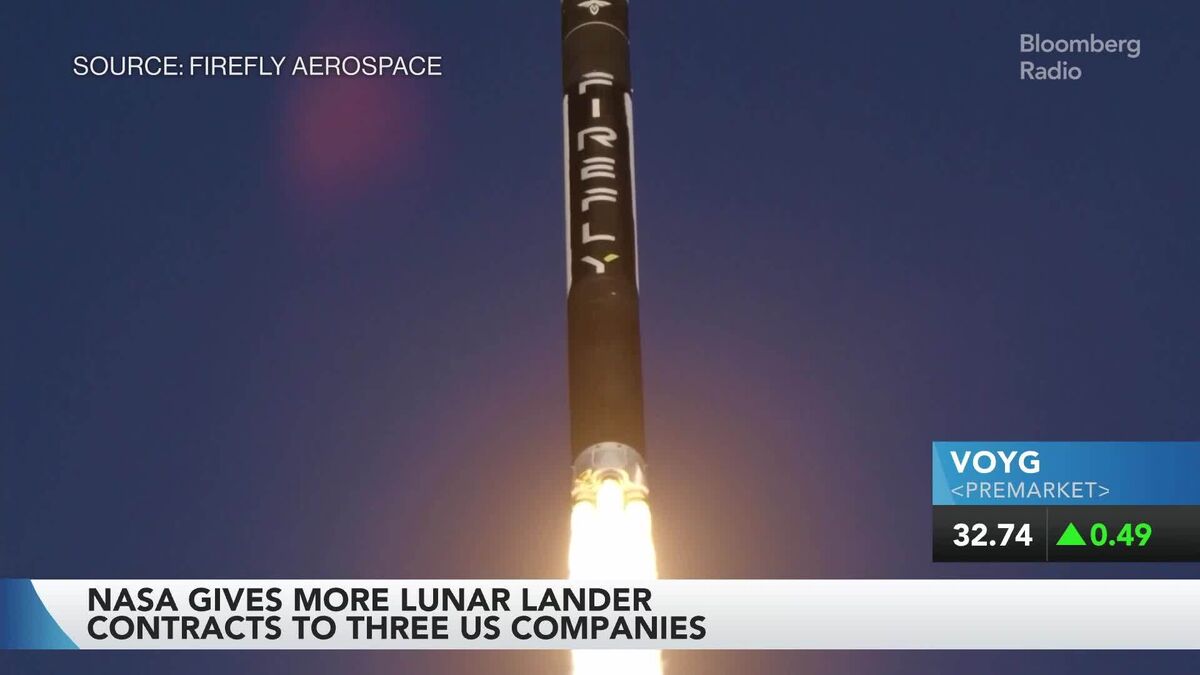
Meta Cloud Business; NASA Lunar Lander Contracts | Stock Movers
Shares of several space companies, including FireFly Aerospace, Intuitive Machines, and Voyager Technologies, experienced significant movement following NASA's announcement that it has selected these firms to send robotic landers to the moon. This initiative is part of NASA's broader goal to establish a lunar base by the end of the decade. The agency awarded contracts to Astrobotic Technology Inc., Firefly Aerospace Inc., and Intuitive Machines Inc. for this lunar mission. In the consumer goods sector, General Mills saw its stock rise after reporting fourth-quarter profits that surpassed Wall Street expectations, driven by increased pricing strategies. Meanwhile, Meta Platforms Inc. gained traction on the stock market amid reports that the company is planning to launch a cloud infrastructure business aimed at providing access to AI computing power and models. Additionally, Meta is exploring the possibility of offering access to its "raw" computing capacity, as indicated by sources familiar with the company's plans.
NYS:GIS NMS:SPCX NAS:LUNR NMS:META
Alibaba Cloud cuts LLM assessment prices for the third time since February 2024.
On December 31, Alibaba Cloud revealed significant price reductions for its large language model services, specifically reducing access to the Tongyi Qianwen visual understanding model by over 80%. This announcement marks the third round of price cuts the company has implemented in 2024, following a historic reduction on February 29, which was the largest to date, affecting more than 100 services. The company aims to enhance accessibility and affordability of its advanced AI technologies, responding to growing competition in the cloud computing sector and the increasing demand for AI solutions. By lowering costs, Alibaba Cloud seeks to attract more users and solidify its position in the rapidly evolving market.
News Feed
What’s behind Europe’s efforts to ditch US software in favor of sovereign tech
European governments are increasingly seeking to reduce their dependence on American technology providers. This shift comes amid growing concerns over data privacy, national security, and the influence of U.S. tech giants on the continent's digital landscape. As of late 2023, various European nations are exploring alternatives and investing in homegrown tech solutions to bolster their digital sovereignty. This movement is driven by a desire to enhance local innovation and ensure that sensitive data remains within European borders. By fostering partnerships with local firms and promoting the development of indigenous technologies, European leaders aim to create a more self-reliant digital ecosystem. This strategic pivot reflects a broader trend of reevaluating global tech dependencies and prioritizing regional capabilities in the face of geopolitical tensions.
Government & Policy cloud act digital sovereignty eurostack
Chinese Internet Association Launches AI Agent Data Protection Pact with Major Firms
The China Internet Association has introduced a self-regulatory agreement focused on personal information protection for AI agents during a forum in Beijing. Major companies including Baidu, Tencent, Alibaba, and Volcengine are among the initial signatories of this pact, which aims to establish standards for the collection, processing, and usage of personal data by AI agents as their services proliferate across various internet platforms. This initiative is significant as it seeks to address growing concerns regarding data privacy and security in the rapidly evolving landscape of AI technologies. By standardizing practices, the pact aims to enhance consumer trust and ensure responsible handling of personal information, which is crucial as AI agents become increasingly integrated into daily online interactions. Looking ahead, the China Internet Association also unveiled a separate self-regulatory pact for mini-program ecosystems, signed by Tencent, Ant Group, and Baidu, among others. This indicates a broader commitment to data protection across different digital services. No further timeline was disclosed at the time of publication.
News Feed
Efficient Grid‐Based Clustering and Concave Hull Extraction for Unstructured Point Clouds
A recent study published in the Journal of Field Robotics highlights advancements in robotic technology, focusing on the development of autonomous systems capable of navigating complex environments. Conducted by a team of researchers from various institutions, the study was released in May 2026 and presents innovative methodologies that enhance the performance and reliability of field robots. The research addresses the growing need for efficient robotic solutions in sectors such as agriculture, disaster response, and environmental monitoring. By employing advanced algorithms and machine learning techniques, the team successfully demonstrated how these robots can adapt to unpredictable terrains and obstacles, significantly improving their operational capabilities. The findings are expected to have a substantial impact on the future of robotics, as they offer insights into how autonomous systems can be better integrated into real-world applications. This work not only paves the way for more sophisticated robotic designs but also emphasizes the importance of interdisciplinary collaboration in advancing technology. The implications of this research could lead to enhanced safety and efficiency in various industries, ultimately transforming the way robots are utilized in everyday tasks.
RESEARCH ARTICLE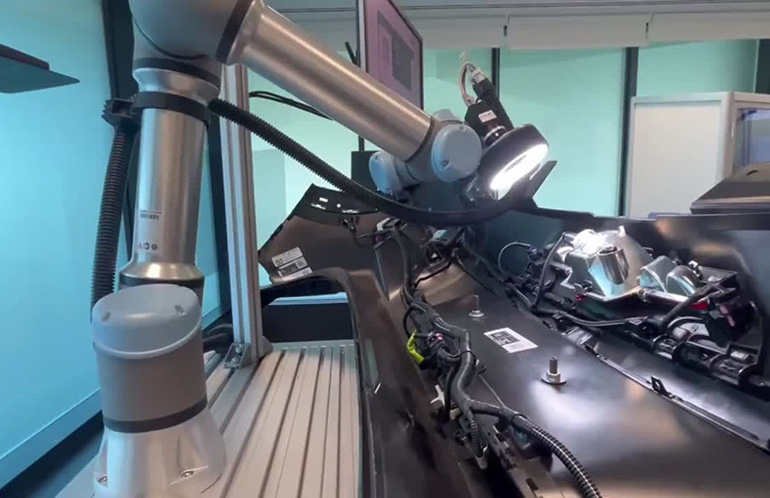
GFT Technologies AI-powered robots move from inspection to action for automakers
GFT Technologies has expanded its collaboration with Google Cloud by deploying AI-powered robots in automotive factories to enhance quality control processes. These robots are designed to identify and remove defective parts from production lines, transitioning from mere inspection to active intervention. This innovative approach aims to improve manufacturing efficiency and reduce the likelihood of faulty products reaching consumers. The initiative reflects a growing trend in the automotive industry to integrate advanced technology for better operational outcomes.
Arms / Manipulators Artificial Intelligence Artificial Intelligence / Cognition Automotive Cameras / Imaging / Vision Manufacturing
From Scrap to Self-Correction: How Edge AI is Transforming Manufacturing Performance
Recent advancements in on-site AI platforms are transforming manufacturing processes by integrating rugged industrial PCs with specialized machine learning acceleration. These innovations empower machines to perform real-time visual inspections, make decisions, and implement corrections autonomously. As a result, manufacturers can achieve 100% inspection rates, significantly reduce scrap, and mitigate the impact of workforce shortages and cloud computing limitations. This technological evolution is reshaping operational efficiency and quality control in various industries, enhancing productivity and reliability in production environments.
Factory / Analytics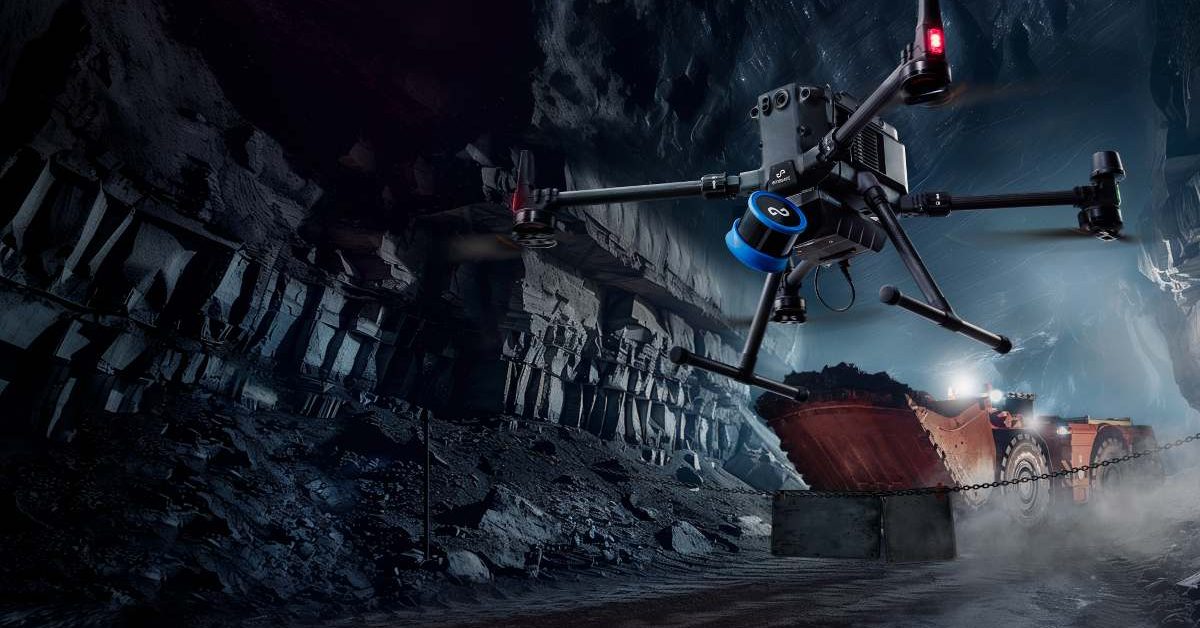
Emesent Secures $17 Million to Enhance AI-Driven Drone Operations and Expand Manufacturing
Emesent, an Australian drone mapping company, has raised $17 million to boost its AI-powered autonomous operations. This funding includes a $7 million venture debt facility from the National Reconstruction Fund Corporation and a $10 million equity round from notable investors such as Main Sequence and QIC Ventures. The investment aims to enhance the capabilities of drones in complex environments with minimal human intervention. The significance of this funding lies in Emesent's strategy to focus on software advancements alongside hardware improvements. The company plans to develop its Cortex AI autonomy software and Aura cloud platform, which will enable drones to operate in GPS-denied areas and process 3D mapping data efficiently. Emesent's existing Hovermap LiDAR payload is already utilized in over 200 mine sites globally, showcasing its established presence in the industrial drone sector. Looking ahead, Emesent intends to expand its manufacturing capabilities in Queensland while pursuing growth in international markets. CEO Charles Miller emphasized the importance of this investment in enhancing AI and autonomy for industries such as mining and defense. No further timeline was disclosed at the time of publication for the anticipated developments from this funding round.
News
NVIDIA and LG Group Build an AI Factory to Advance Physical AI, Mobility and AI Infrastructure
NVIDIA and LG Group have announced plans to establish an AI factory aimed at enhancing LG's upcoming AI-driven initiatives, which include advancements in robotics, autonomous driving, data center technologies, and GPU cloud services. This collaboration is set to significantly accelerate the development of these technologies, positioning LG Group at the forefront of the AI industry. The factory's establishment reflects both companies' commitment to innovation and their strategic focus on harnessing artificial intelligence to drive future business growth. The partnership is expected to leverage NVIDIA's expertise in AI and GPU technology, facilitating the creation of cutting-edge solutions that will benefit various sectors.
Baidu Releases GenFlow 4.0, Upgrades Cloud Storage and Office Agents
Baidu has unveiled its latest AI agent system, GenFlow 4.0, which enhances its cloud storage platform by allowing users to execute tasks across multiple devices and streamline workflows within Office applications. This upgrade, announced recently, aims to improve productivity by facilitating seamless collaboration and task management for users. The integration of GenFlow 4.0 is expected to transform how individuals and teams interact with their digital tools, making it easier to coordinate efforts and manage projects effectively.
AI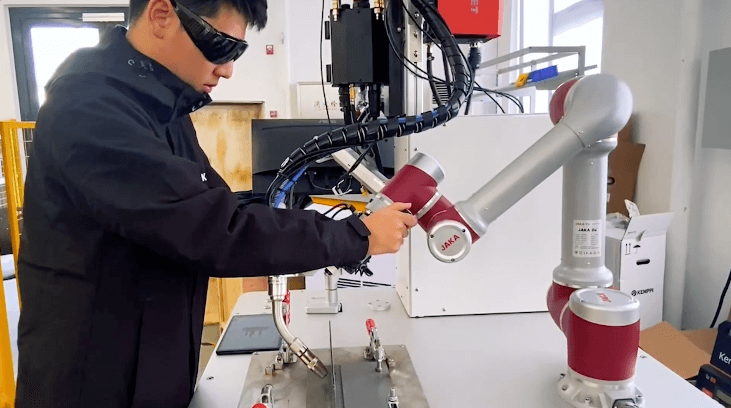
Top 5 Trends of the Industrial Robotics Solutions Industry in 2026 (Focus on AI & Cloud)
The automation sector is witnessing significant advancements, particularly in industrial robotics, as companies like JAKA adapt to evolving demands for flexibility, intelligence, and connectivity. As the industry heads toward 2026, five key trends are shaping the future of robotic solutions. Manufacturers are increasingly focusing on adaptive and accessible automation, enabling easier deployment and reconfiguration of sophisticated systems. JAKA is leading this shift with user-friendly interfaces that allow shop-floor personnel to quickly set up industrial welding robots, minimizing downtime and skill barriers. Another trend is the growth of cloud-connected system management, which facilitates centralized monitoring and data analytics across multiple robotic arms. This connectivity allows manufacturers to optimize maintenance and streamline operations, particularly in welding applications where real-time tracking of consumable usage is crucial. Artificial intelligence is also playing a pivotal role, moving beyond vision inspection to enhance real-time process control. JAKA's AI-enhanced welding robots can make instantaneous adjustments, improving efficiency and reducing rework by compensating for material variations. The expansion of human-robot collaboration is evident as collaborative robots (cobots) become smarter and more integrated into workflows. JAKA's cobots assist operators in welding tasks, allowing humans to focus on quality inspection and decision-making, thereby boosting productivity. Lastly, the integration of digital twin technology is gaining traction, enabling manufacturers to simulate robotic processes without disrupting production. JAKA's compatibility with simulation platforms allows for pre-validation of welding paths, reducing debugging time and accelerating return on investment. These trends underscore a shift toward more connected and intelligent automation, with JAKA committed to developing user-centric solutions that meet the demands of the smart factory era.
Understanding Robotics and Autonomous Systems in Next-Gen Smart Factories
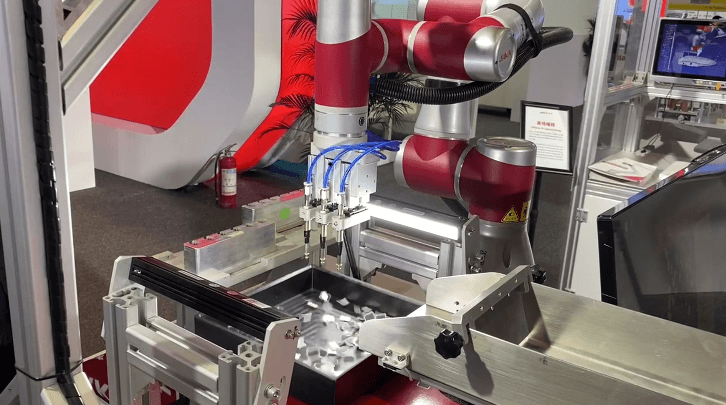
Factories are experiencing a significant transformation as they shift from traditional linear automation to interconnected, intelligent production ecosystems. This change is driven by the integration of robotics and autonomous systems, with JAKA positioning its industrial cobots as essential components within this advanced network. The industrial cobot serves as a flexible link between manual workstations and fully automated lines, enabling manufacturers to adapt quickly to varying tasks such as assembly and inspection. This adaptability is crucial for high-mix production environments, allowing workflows to respond in near real-time to digital directives from a central Manufacturing Execution System (MES). The evolution of true autonomy is facilitated by the connectivity of individual machines within a coordinated network. JAKA's robotic arms can communicate seamlessly with autonomous mobile robots and vision systems, creating a responsive operational loop. For example, an autonomous robot can deliver components to a JAKA cobot, which then executes tasks based on cloud-based analytics. JAKA emphasizes the importance of reliable, connected hardware to support these systems, focusing on high-precision control technology that ensures accurate task execution. This reliability is essential for advancing towards lights-out production in certain processes. As the next-generation smart factory emerges, the industrial cobot is positioned as a versatile agent within a complex architecture of robotics and autonomous systems. JAKA aims to provide manufacturers with the necessary hardware to build increasingly responsive and autonomous production environments, enhancing efficiency and complexity management in the manufacturing landscape.
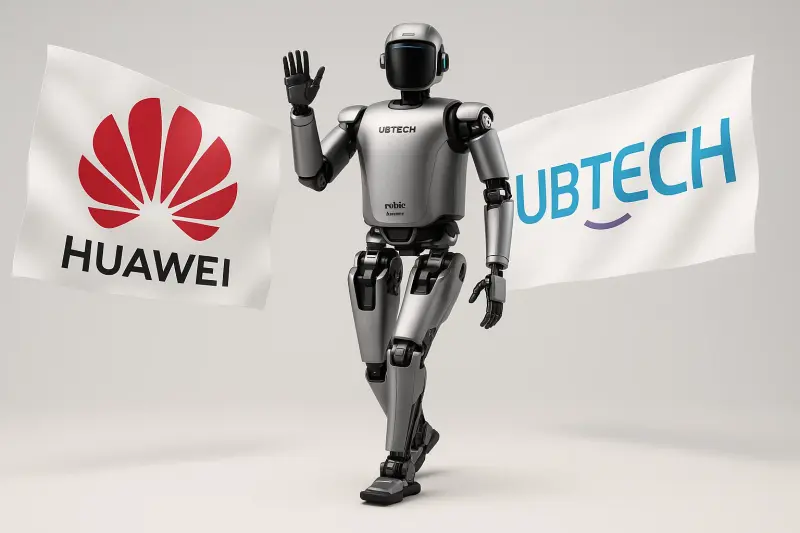
Huawei and UBTech Join Forces to Bring Humanoid Robots to Factories and Homes
Huawei and UBTech Robotics have announced a strategic partnership aimed at advancing the development and deployment of humanoid robots for industrial and domestic use. This collaboration, which was unveiled recently, will utilize Huawei's advanced AI processors, cloud technology, and extensive models to enhance the capabilities of robots designed for smart factories and household services. Central to this initiative is the establishment of a joint innovation center dedicated to embodied intelligence, which will serve as a hub for research and development in this cutting-edge field. The partnership reflects a growing trend towards integrating artificial intelligence into robotics, driven by the increasing demand for automation in various sectors.
UBTECH Robotics
MISUMI Group invests $1B in Americas, global AI and digital manufacturing
MISUMI Americas has announced a strategic collaboration with Fictiv, integrating MISUMI's precision components with Fictiv's digital manufacturing platform to streamline the production process for customers. This partnership aims to provide a comprehensive solution for managing entire bills of materials, enhancing efficiency and accessibility in manufacturing. The initiative is part of a broader investment strategy by the MISUMI Group, which has committed $1 billion to bolster its operations in the Americas and advance global efforts in artificial intelligence and digital manufacturing. This investment is expected to significantly enhance the capabilities of manufacturers by leveraging cutting-edge technology and innovative practices. The collaboration marks a significant step towards modernizing the manufacturing landscape, making it more responsive to the needs of businesses in a rapidly evolving market.
Actuators / Motors / Servos Aerospace Agriculture Automation Automotive Design / Development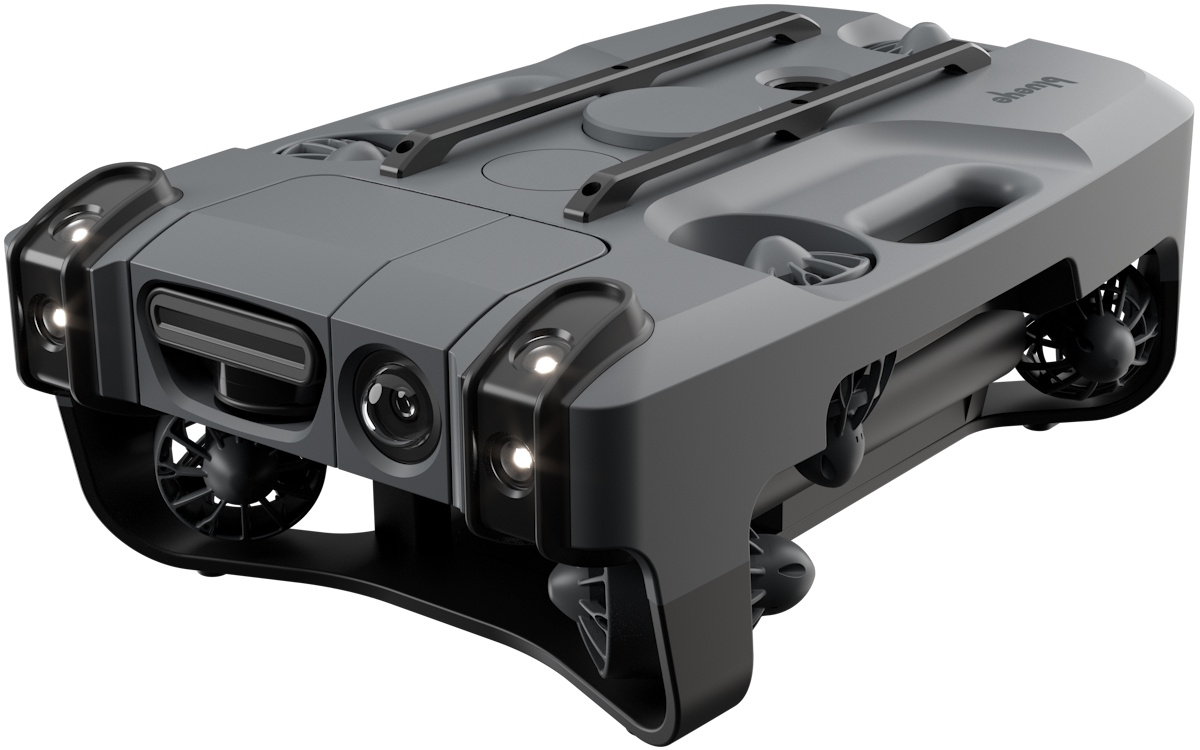
Blueye Robotics launches the Blueye X7, X3 Ultra, and Blueye Cloud
Blueye Robotics has announced the launch of its next-generation underwater drone lineup, marking a significant advancement in underwater operations. The new flagship remotely operated vehicle (ROV), the Blueye X7, is set to enhance exploration capabilities, while the upgraded Blueye X3 Ultra features improved 4K HDR imaging and onboard artificial intelligence for more efficient data collection. Additionally, the company introduced Blueye Cloud, a new platform designed to streamline the connection between fleets, data, and teams, facilitating better collaboration and operational efficiency. This launch comes nearly a decade after Blueye began supporting underwater operations globally, reflecting the company's commitment to innovation and technological advancement in the field. The new products aim to meet the growing demand for sophisticated underwater exploration tools and improve the overall effectiveness of marine operations.
blueye robotics blueye x7 blueye x3 blueye ultra blueye cloud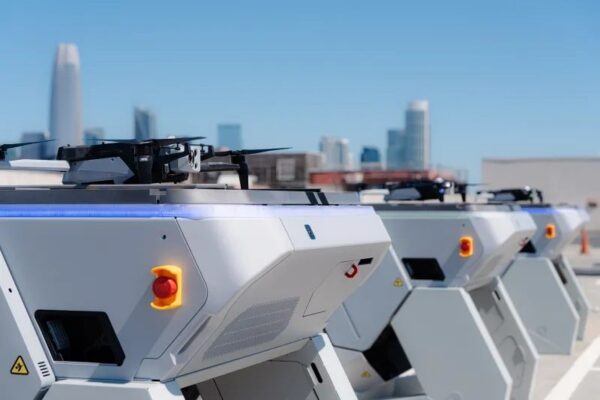
Skydio Raises $110M Series F, Signals Strong Revenue and U.S. Manufacturing Push
Skydio, a leading drone manufacturer, has successfully secured $110 million in Series F financing, primarily from existing investors, elevating its valuation to $4.4 billion. Co-founder and CEO Adam Bry announced the funding in a LinkedIn post, where he underscored the company's commitment to expanding production and investing billions in domestic manufacturing. This strategic move comes as Skydio aims to strengthen its revenue streams and enhance its operational capabilities in the U.S. The financing marks a significant milestone for the company, reflecting investor confidence in its growth potential and the increasing demand for advanced drone technology.
Applications Defense Drone News Drone News Feeds Dual Use Featured – Safety and Security
Liquid AI's smallest model yet LFM2.5-230M beats models 4X its size at data extraction, can run 'anywhere'
Liquid AI, a company founded by former MIT computer scientists, has unveiled its latest AI language model, LFM2.5-230M, which is designed for efficient data extraction and local deployment on devices such as smartphones and laptops. Released today, this 230-million-parameter model is noted for its ability to run on various hardware platforms, outperforming larger models like Alibaba's Qwen3.5 and Google's Gemma 3 in specific benchmarks. Targeting developers and engineers, LFM2.5-230M operates under a dual-use commercial license, allowing free access for individuals and companies with annual revenues below $10 million, while larger enterprises must secure a paid agreement. The model distinguishes itself by utilizing the LFM2 architecture, enabling high inference speeds with a minimal memory footprint, making it suitable for edge computing. Liquid AI's launch reflects a broader industry shift towards architectural efficiency rather than sheer parameter counts, as major AI firms focus on models with hundreds of billions of parameters. The LFM2.5-230M is specifically tailored for lightweight data extraction tasks, allowing businesses to automate processes without relying on costly cloud services. In practical applications, the model has been successfully deployed in a humanoid robot, demonstrating its capability to process complex commands efficiently. Available immediately on platforms like Hugging Face, LFM2.5-230M aims to revolutionize how enterprises manage data extraction, moving away from traditional, rigid systems to more adaptable AI-driven solutions.
Technology
Microsoft, Amazon Cloud Services Face Tough EU Antitrust Law
Microsoft Corp.'s Azure and Amazon Web Services are facing scrutiny from the European Union as the bloc investigates their dominance in the cloud computing market. This initial probe highlights concerns regarding the companies' significant market power and compliance with the EU's stringent digital competition regulations. The investigation comes amid increasing efforts by European authorities to ensure fair competition and prevent monopolistic practices in the tech industry. As the EU ramps up its regulatory measures, both Microsoft and Amazon may need to adjust their business strategies to align with the evolving legal landscape. The outcome of this inquiry could have far-reaching implications for cloud service providers operating within the EU.
NMS:AMZN NMS:MSFT
OnLogic to Showcase Practical Physical AI and Full-Facility Workload Consolidation at Automate 2026
OnLogic, a leader in industrial computing, is set to showcase its innovative edge solutions at the Automate 2026 show, taking place from June 22-25 at McCormick Place in Chicago, Illinois. Positioned at Booth 867, the company aims to highlight practical applications of Physical AI and advanced workload consolidation, moving beyond the prevalent cloud AI hype. As industries increasingly seek to implement artificial intelligence, many face challenges such as cloud latency and high bandwidth costs. OnLogic's VP of Product Engineering, Sheldon Sun, emphasizes the need for reliable edge computing to enable real-time operations in demanding environments. The company will demonstrate how its robust hardware can effectively bridge the gap between sophisticated software and the realities of modern industrial settings. Attendees can expect live demonstrations, including a forklift near-miss detection system powered by edge computing and an automated quality control inspection using advanced machine vision. OnLogic will also present a range of industrial and edge computing solutions, including the Helix 520 Series and the ultra-compact CL260 fanless computer, designed for various applications within the industrial sector. For more information on OnLogic's offerings and to engage with their team during the event, visitors are encouraged to stop by Booth 867 or visit their website.

NVIDIA AI Cloud Ecosystem Expands Worldwide to Meet Global AI Compute Demand
NVIDIA is spearheading the rapid expansion of AI factory infrastructure through its AI Cloud ecosystem, responding to the surging demand from a diverse range of stakeholders, including enterprises, startups, nations, AI laboratories, and developers focused on scaling agentic AI applications. This initiative is crucial as organizations increasingly seek to harness the power of artificial intelligence to enhance their operations and drive innovation. The collaboration among various partners is vital for building the necessary capacity to support this growing interest in AI technologies. As of October 2023, the momentum behind these developments reflects a significant shift in how businesses and governments are prioritizing AI, positioning NVIDIA at the forefront of this transformative movement in the tech industry.

March Into the Cloud With 15 New Games Coming to GeForce NOW
As March progresses, GeForce NOW is expanding its library with the addition of 15 new games, enhancing the cloud gaming experience for users. Among the highlights is "Crimson Desert," an open-world action-adventure game developed by Pearl Abyss. This new influx of titles aims to provide gamers with a diverse selection of experiences, catering to various interests and preferences. The rollout of these games throughout the month is part of GeForce NOW's ongoing commitment to deliver fresh content and keep its platform engaging for its community.
Comparing Cloud-Based and Edge Computing for Robotic Automation Control
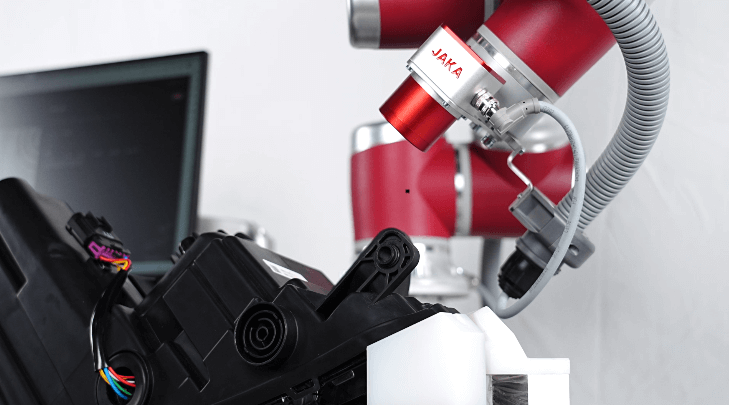
JAKA, a leader in collaborative robotic solutions, emphasizes the importance of control system architecture in industrial automation, particularly the choice between cloud-based and edge computing. This decision significantly influences a system's capabilities, response times, and reliability. The company highlights that there is no one-size-fits-all solution; rather, the optimal setup depends on the specific demands of each task. The key distinction between the two computing paradigms lies in data processing locations. Cloud computing centralizes data in remote servers, providing analytical power and scalability for tasks like predictive maintenance and fleet management. In contrast, edge computing processes data locally, reducing latency crucial for real-time operations, especially in safety-sensitive environments where collaborative robots operate alongside humans. JAKA advocates for a hybrid approach that combines both paradigms. Their collaborative robots utilize edge computing for real-time motion control and immediate sensor responses, ensuring high precision and safety. Simultaneously, these robots can stream operational data to the cloud for broader analysis, allowing for continuous improvement without compromising immediate performance. The choice between cloud and edge computing should be based on application specifics. Tasks requiring ultra-low latency favor edge computing, while cloud resources excel in complex data aggregation and non-time-critical processes. JAKA's systems, like the Zu series, are designed for easy integration into either architecture, enabling manufacturers to tailor their setups for optimal performance. Ultimately, JAKA aims to create resilient and intelligent robotic systems that balance real-time autonomy with long-term intelligence, addressing the evolving needs of modern manufacturing.
SpaceX's Starship V3 Plans for 1 Million Starmind Satellites by 2030
SpaceX's Starship V3 is set to revolutionize satellite deployment, aiming to launch 1 million Starmind satellites by 2030. The spacecraft can carry over 100 tonnes to low Earth orbit (LEO), significantly more than the Falcon 9's capacity. As of May 2026, Starship has completed 12 flights, with the next mission scheduled for late July 2026, focusing on operational payloads including AI1 prototypes in early 2027. This ambitious plan is crucial for expanding orbital compute capacity, targeting an annual addition of 100 GW through a million tonnes of satellite hardware. SpaceX's strategy hinges on achieving a launch cadence of approximately 12,000 flights, equating to about three launches per day. The company has invested over $15 billion in the Starship program, with expectations to begin payload deliveries in the second half of 2026, starting with Starlink V3 satellites. Looking ahead, the successful deployment of the Starmind constellation will depend on Starship's ability to meet its cost targets of $10–20 million per flight. If achieved, this would make launching satellites more economical than building ground data centers. The next significant milestone will be the launch of AI1 prototypes in early 2027, with full-scale deployments commencing in 2028 from the new Gigasat factory in Texas.
Aerial Triangulation Gets Major Overhaul in SimActive’s Correlator3D Version 11.1
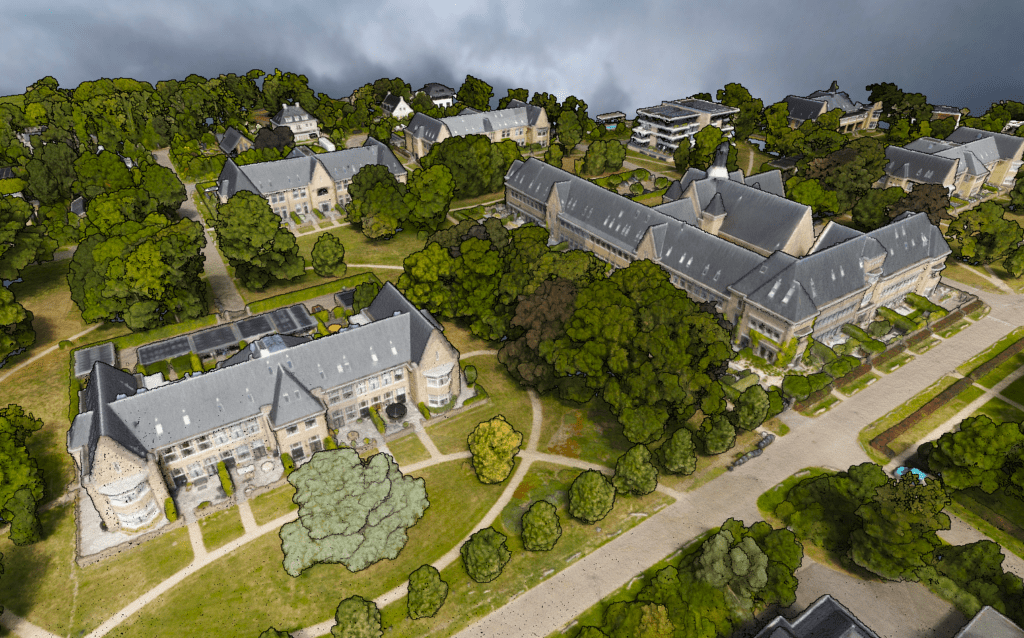
Montreal photogrammetry developer overhauls tie point extraction, bundle adjustment and multi-camera workflows in the latest Correlator3D release. SimActive has released Correlator3D Version 11.1, a photogrammetry update centered on a rebuilt aerial triangulation engine. The company says the release improves tie point extraction, accelerates bundle adjustment and adds tools to validate image connectivity for more accurate […] The post Aerial Triangulation Gets Major Overhaul in SimActive’s Correlator3D Version 11.1 appeared first on DRONELIFE.
Applications Canada Canadian Drone Industry Drone News Drone News Feeds Imaging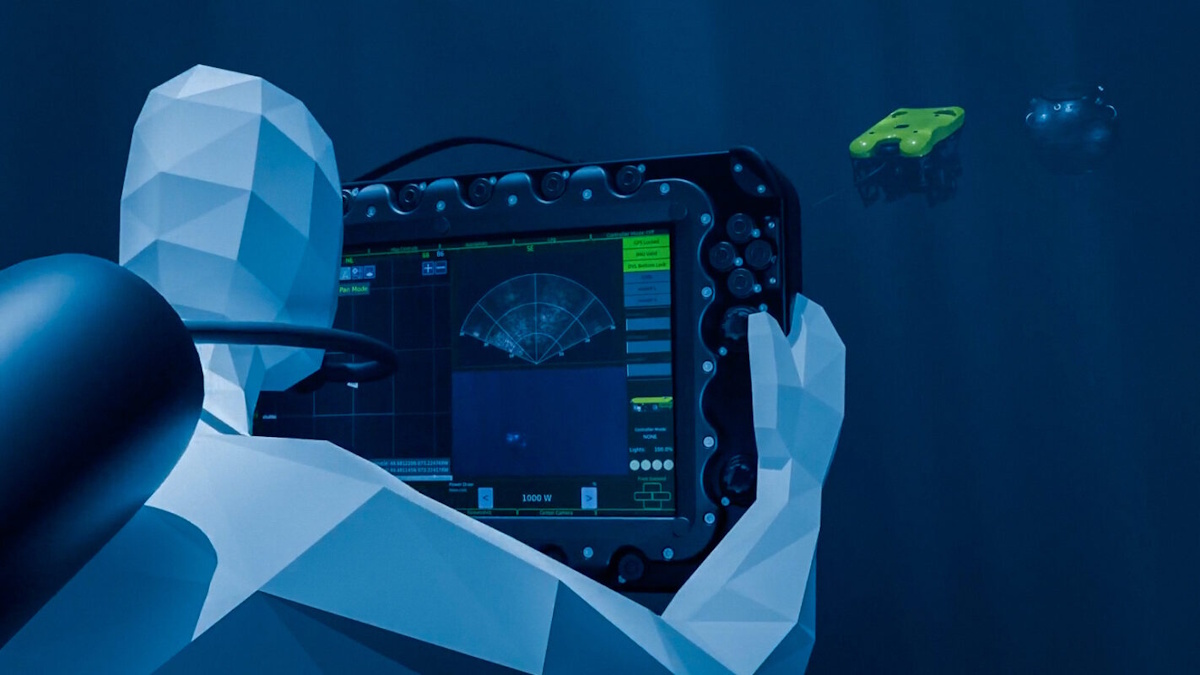
Greensea IQ is Awarded $18 Million Contract by the US Navy for the Bayonet Underwater Controller (BUC) Development and Sustainment
Greensea Systems, Inc., operating as Greensea IQ, has secured an $18.15 million Indefinite-Delivery/Indefinite-Quantity (IDIQ) contract to deliver hardware, software, and engineering technical services. This contract, awarded for an undisclosed duration, focuses on the development of underwater controllers essential for the operation of autonomous and remotely operated systems in maritime settings. The contract aims to enhance capabilities in underwater technology, reflecting the growing demand for advanced solutions in marine environments.
greensea iq u.s. navy new contract bayonet underwater controller (buc) development and sustainment
Landair Surveys Uses SimActive Correlator3D for Planned Burns Mapping in Australia
Landair Surveys, an Australian geospatial firm, is utilizing SimActive's Correlator3D software to create orthomosaics from aerial imagery. This initiative is part of their efforts in wildfire prevention and land management, specifically for planned burns mapping projects across Australia. The Montreal-based software developer announced this collaboration, highlighting that the workflow aims to enhance the efficiency of geospatial outputs. The use of advanced aerial imagery technology is expected to improve land management strategies and contribute to effective wildfire prevention measures.
Digital Twins Disaster Response Drone News Drone News Feeds Fire Firefighter
NVIDIA and SK hynix Announce Multiyear Technology Partnership to Advance Memory for AI Factories
NVIDIA and SK hynix have entered into a multiyear technology partnership aimed at enhancing next-generation memory solutions to support the global expansion of artificial intelligence infrastructure. This collaboration, announced today, seeks to accelerate advancements in semiconductor design and manufacturing, addressing the growing demand for AI technologies. By combining their expertise, the two companies aim to innovate and streamline the production of memory components essential for AI applications, ultimately contributing to the efficiency and effectiveness of AI systems worldwide.

Powering the next era of AI in manufacturing: Why it’s time to upgrade to the NVIDIA RTX PRO 4500 Blackwell Workstation Edition
NVIDIA has unveiled its latest advancements in manufacturing technology, showcasing how artificial intelligence and digital twins can significantly accelerate innovation in the industry. This announcement was made during a recent event held in October 2023, where industry leaders gathered to explore cutting-edge solutions. The integration of AI and digital twin technology aims to enhance efficiency and streamline processes within manufacturing operations. By leveraging NVIDIA's Blackwell architecture, companies can expect improved data processing capabilities that facilitate real-time decision-making and predictive analytics. This transformation is poised to not only boost productivity but also drive competitive advantage in an increasingly fast-paced market.

Pentagon awards Dell $9.7 billion contract to consolidate software licenses
In a significant move to streamline its software procurement, a new five-year blanket purchase agreement has been established, consolidating Microsoft 365 licenses into a single contract. This initiative aims to enhance efficiency and reduce administrative burdens associated with managing multiple licenses. The agreement, which is set to take effect immediately, will simplify the purchasing process for organizations looking to utilize Microsoft 365 services. By centralizing the licensing under one contract, stakeholders anticipate improved oversight and cost management, ultimately benefiting users across various sectors. The decision reflects a growing trend among businesses to optimize software expenditures while ensuring access to essential digital tools.
Networks & Digital Warfare cloud cyber security Dell Microsoft networks
Launch of the Lynx M20S: Wheeled-Leg Robot Enters Performance Competition, Cloud Depth Technology is Redefining Industry Standards!
On April 27, Cloud Depth Technology introduced the Lynx M20S, an advanced wheeled-leg robot designed to improve efficiency in industrial applications. This upgraded model boasts a continuous operational load capacity of 35 kilograms and achieves a remarkable 233% increase in performance compared to its predecessor. The enhancements in load capacity, protection, and speed position the M20S as a significant advancement in the field of industrial robotics, setting a new standard for future developments in the sector.
Wheeled-Leg Robots Industrial Automation Robotics Technology Performance Enhancement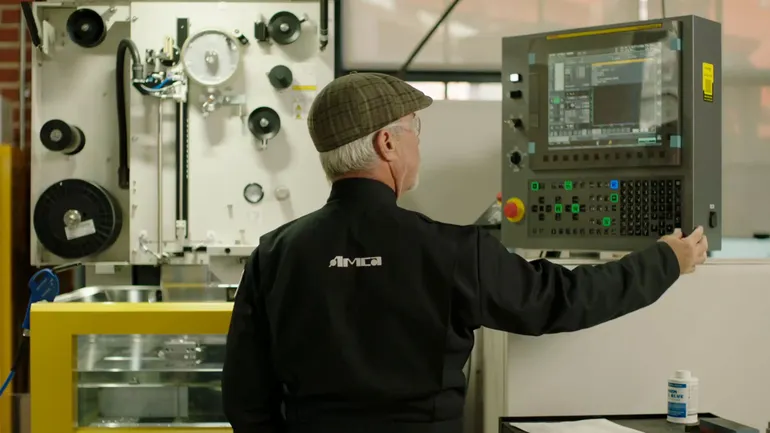
Boeing, Lockheed supplier raises $300M, plans to expand factory footprint
The Advanced Manufacturing Company of America has announced plans to utilize new funding to enhance its AI-powered product development platform throughout its operations network. This strategic expansion aims to improve efficiency and innovation within the company’s manufacturing processes. The initiative is set to take place in the coming months, reflecting the company's commitment to integrating advanced technology into its practices. By leveraging artificial intelligence, the company seeks to streamline product development and maintain a competitive edge in the manufacturing sector.

OLO Robotics completes commercial launch with three international manufacturing and distribution partnerships
A Sheffield-based startup has launched an innovative platform that enables mainstream developers to create robotics applications directly through their web browsers. This groundbreaking development, announced recently, aims to democratize access to robotics technology, making it easier for developers without extensive technical backgrounds to engage in robotics programming. By leveraging cloud-based tools, the platform simplifies the process of designing and testing robotic systems, allowing users to experiment and iterate in real-time. The initiative is part of a broader effort to foster innovation in the robotics sector and encourage more developers to explore this rapidly evolving field.
Cloud Depth Technology Files for STAR Market IPO, Seeks ~$3.5B Valuation
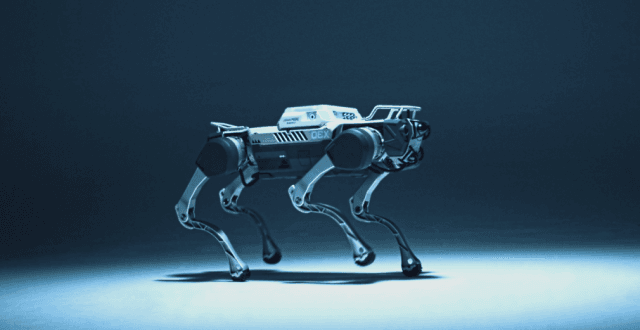
Cloud Depth Technology has joined the ranks of Unitree Robotics and Qiangkin Technology by filing for a listing on China's STAR Market. This move, announced recently, aims to secure approximately 2.5 billion yuan, which is equivalent to a valuation of around $3.5 billion. The filing marks a significant step for the company, positioning it among the prominent 'Hangzhou Seven Dragons' in the tech sector. This initiative reflects the growing trend of innovative technology firms in China seeking to capitalize on the opportunities presented by the STAR Market, which is known for supporting high-growth enterprises.
IPO
Hellbender Secures $12.5M Seed Round to Accelerate Domestic Manufacturing of Physical AI and Launch Its On-Edge Camera Line
A robotics engineering and hardware firm has positioned itself as a key player in the realm of Physical AI by developing a foundational platform that enhances on-edge computer vision capabilities for autonomous systems. This innovative approach utilizes a robust portfolio of intellectual property to advance the field of robotics. The firm aims to revolutionize how autonomous systems perceive and interact with their environments, thereby improving their functionality and efficiency. By harnessing cutting-edge technology and data-driven insights, the company is set to make significant strides in the integration of AI within robotics, paving the way for more sophisticated and capable autonomous solutions.
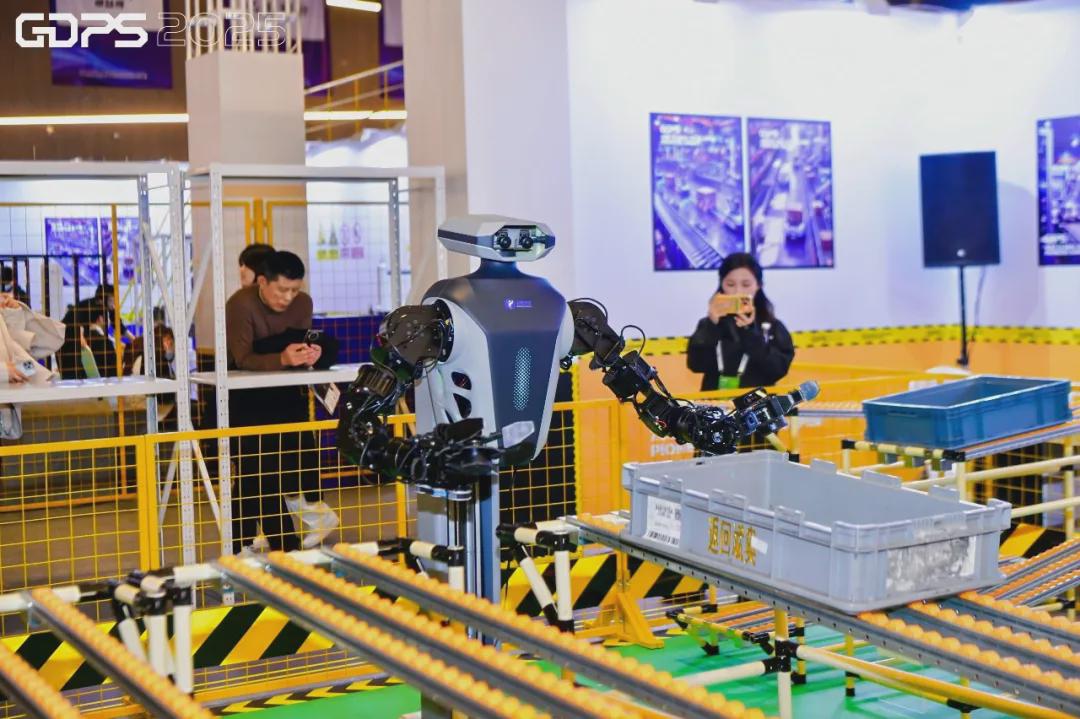
Over 100 Million in Funding! How Lingyu Intelligent Turns Robots into 'Data Collection Factories'?
Lingyu Intelligent has successfully raised nearly 100 million yuan in angel funding to improve its data collection systems and cloud collaboration architecture. This financial boost will enable the company to focus on transforming robots into efficient data production machines. The initiative aims to tackle the pressing issue of insufficient high-quality real-world data, which is essential for training advanced intelligent models. By enhancing its technological capabilities, Lingyu Intelligent seeks to contribute significantly to the development of artificial intelligence and machine learning applications.
Robotics Data Collection Artificial Intelligence Machine Learning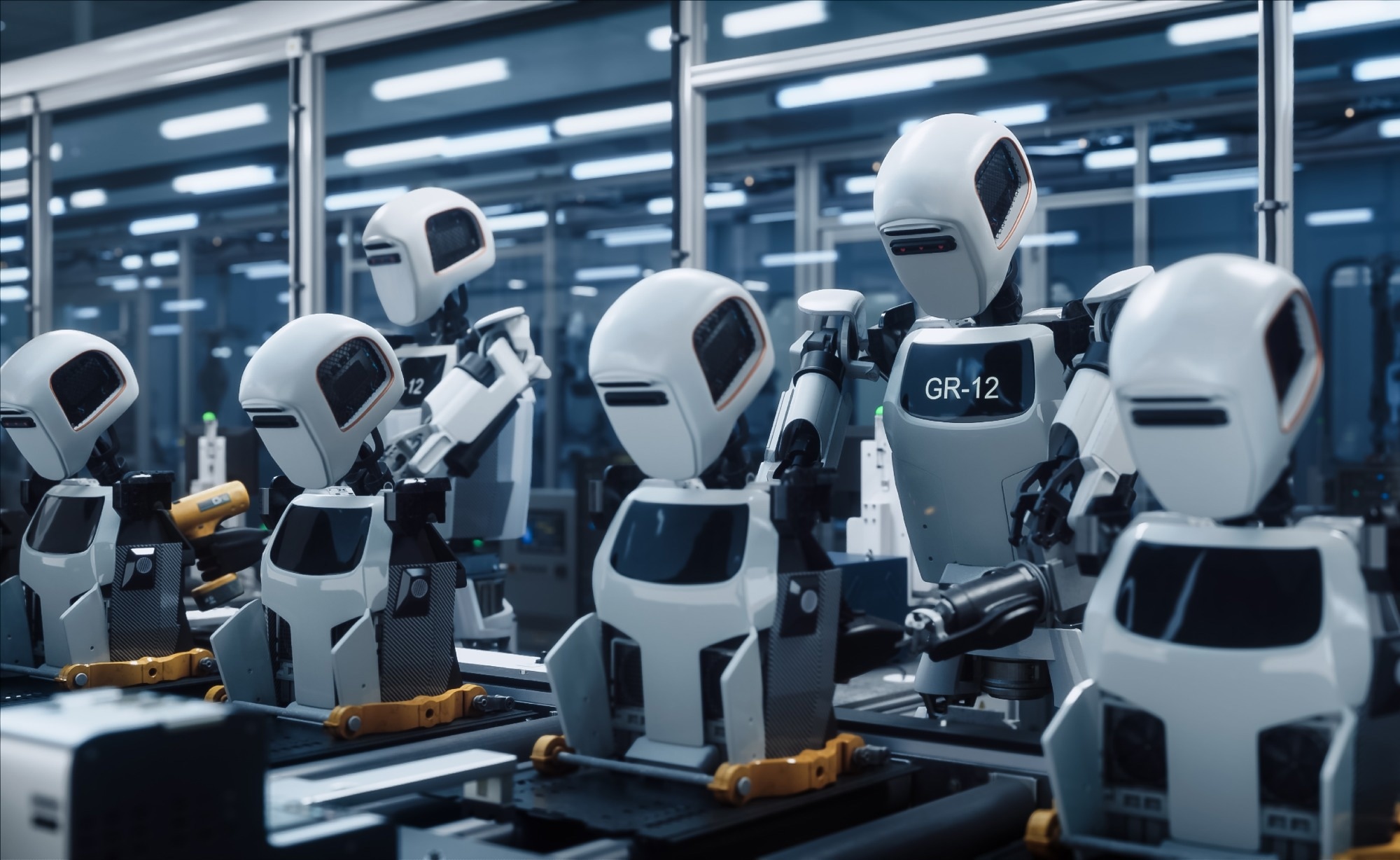
Material Demand Shapes Robot and Drone Manufacturing
Recent research has highlighted the supply risks associated with critical materials necessary for the development of autonomous machines. Conducted by a team of experts in materials science, the study emphasizes the urgent need for sustainable solutions to ensure the continued growth of this emerging technology sector. The findings, released in October 2023, reveal that reliance on certain materials poses significant challenges, potentially hindering innovation and production. To address these concerns, the researchers propose a multifaceted approach that includes innovative techniques for material sourcing and enhanced recycling processes. By focusing on sustainability, the study aims to mitigate supply chain vulnerabilities and promote responsible consumption of resources. The implications of this research are particularly relevant for manufacturers and policymakers in the autonomous technology industry, as they seek to balance the demand for advanced materials with environmental considerations. As the industry evolves, the integration of these strategies could play a crucial role in fostering resilience and ensuring the long-term viability of autonomous machines. The research serves as a call to action for stakeholders to prioritize sustainable practices in material management, ultimately paving the way for a more secure and environmentally friendly future in technology development.
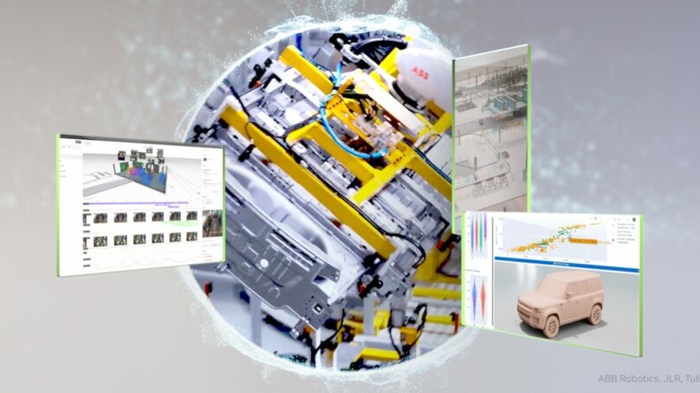
Into the Omniverse: Manufacturing’s Simulation-First Era Has Arrived
In a significant shift for the manufacturing industry, experts are challenging the long-standing reliance on real-world testing as the sole reliable method for product validation. Traditionally, the design-build-test cycle has been anchored in the belief that only through physical testing can products be adequately assessed for performance and safety. However, with advancements in technology and data analytics, industry leaders are advocating for a more integrated approach that incorporates virtual simulations and predictive modeling. This evolution aims to enhance efficiency, reduce costs, and accelerate the development process. As manufacturers increasingly adopt these innovative methodologies, the landscape of product testing is poised for transformation, potentially leading to safer and more reliable products reaching the market faster than ever before. This paradigm shift is gaining momentum as companies seek to adapt to the demands of a rapidly changing market and consumer expectations.

Roche Scales NVIDIA AI Factories Globally to Accelerate Drug Discovery, Diagnostic Solutions and Manufacturing Breakthroughs
Roche has announced the deployment of over 3,500 NVIDIA Blackwell GPUs across its global operations, significantly enhancing its research and development productivity, next-generation diagnostics, and manufacturing efficiencies. This strategic move aims to integrate advanced computing capabilities throughout the entire value chain, thereby accelerating innovation and improving operational performance. The initiative reflects Roche's commitment to leveraging cutting-edge technology to drive advancements in healthcare and streamline its processes.

Into the Omniverse: How Industrial AI and Digital Twins Accelerate Design, Engineering and Manufacturing Across Industries
Companies across various industries are increasingly leveraging industrial AI, digital twins, AI physics, and accelerated AI infrastructure to enhance their design, simulation, and optimization processes. This technological shift allows organizations to refine products, processes, and facilities in a virtual environment before actual construction begins. By adopting these advanced tools, businesses aim to improve efficiency, reduce costs, and accelerate time-to-market for new innovations. The integration of these technologies is seen as a crucial step in staying competitive in a rapidly evolving market, enabling firms to make data-driven decisions and optimize their operations effectively.

The Awakening of Intelligent Homes: Matter Protocol and Proactive Smart Technology
The Matter protocol is revolutionizing smart home technology by transforming passive systems into proactive environments that intuitively cater to residents' needs. By facilitating seamless communication between devices from various brands, Matter significantly enhances the user experience, allowing for a more integrated and responsive home environment. This advancement eliminates the necessity for constant manual control, making smart homes more user-friendly and efficient. As the adoption of the Matter protocol grows, it is expected to redefine how individuals interact with their smart devices, ultimately leading to a more harmonious and automated living experience.
Smart Home Technology Matter Protocol Home Automation AI Integration
iRobot Completes Court-Supervised Transaction with Picea, Enabling the Next Chapter of Growth
iRobot, a Boston-based leader in consumer robotics, has successfully emerged from Chapter 11 bankruptcy, positioning itself for a stronger future. The company announced the establishment of a new independent subsidiary, iRobot Safe, which will focus on data protection and governance. This strategic move aims to enhance the company’s commitment to safeguarding user data and ensuring compliance with regulatory standards. The announcement, made in Bedford, Massachusetts, marks a significant milestone for iRobot as it seeks to rebuild and innovate within the rapidly evolving tech landscape. The establishment of iRobot Safe reflects the company's proactive approach to addressing growing concerns over data privacy and security in the consumer robotics sector.

Fugro Partners with DTACT and Ubotica to Launch a Data Fusion and Intelligence Platform
Fugro has formed a strategic partnership with DTACT, a high-tech software firm, and Ubotica, a pioneer in AI-driven satellite intelligence, to create an innovative data fusion and intelligence platform. This collaboration aims to equip government organizations with essential information to enhance national security and protect vital underwater infrastructure. The initiative underscores the growing importance of advanced technology in safeguarding critical assets and responding to emerging security challenges.
fugro partnership dtact ubotica data fusion platform
Tencent, Huawei, Baidu Fuel the Rise of China’s Cloud-Powered Robots
Shenzhen-based robotics company Dobot has formed a strategic partnership with Tencent Cloud, announced today, to enhance the integration of cloud computing infrastructure and improve collaboration between edge devices and the cloud. This collaboration aims to leverage Tencent's cloud capabilities to optimize Dobot's robotics solutions. Dobot has established itself in the global market, having shipped over 80,000 collaborative robots to notable clients such as BYD, Mercedes-Benz, Porsche, Xiaomi, and Microsoft. The company recently unveiled Atom, the world's first full-sized humanoid robot designed for dexterous manipulation, in March. This partnership with Tencent Cloud is expected to further advance Dobot's technological innovations and expand its reach in the robotics sector.
News Feed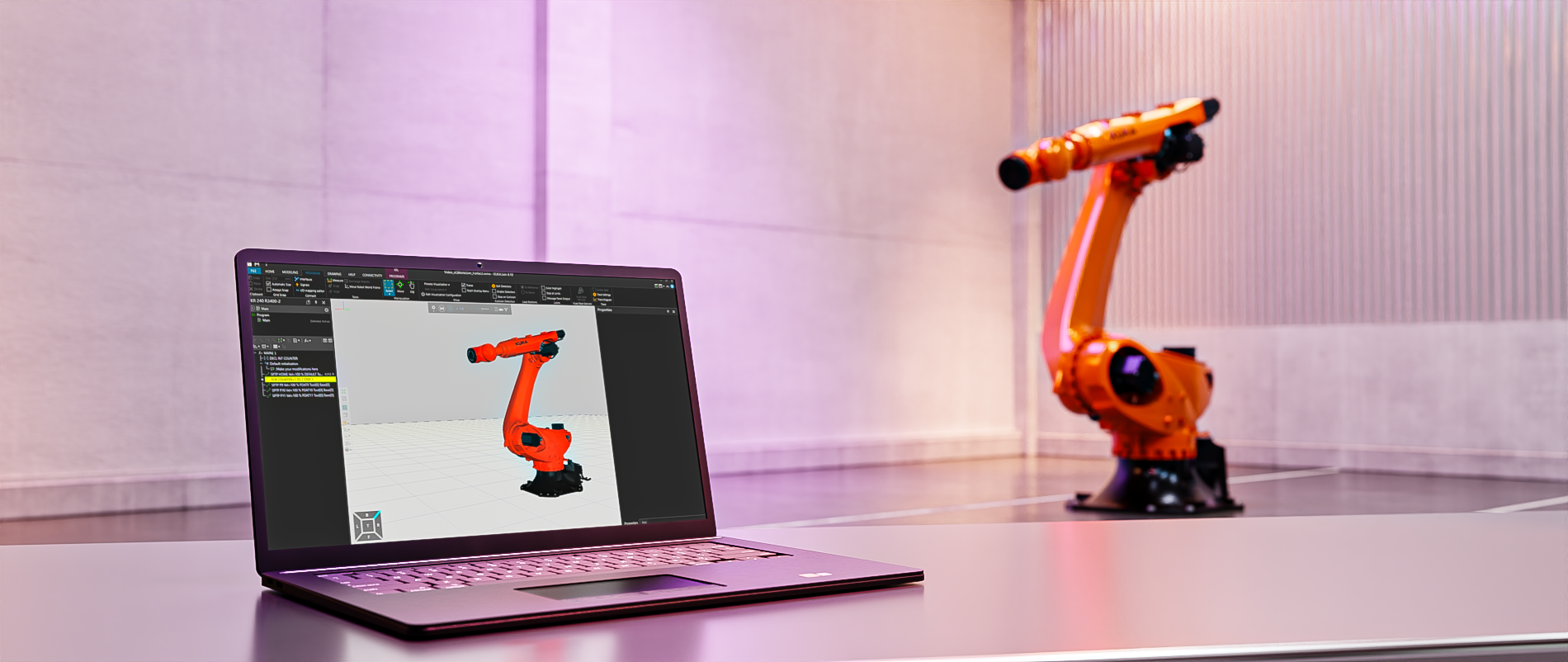
All-in-one Engineering Suite for next-level digital manufacturing
The iiQWorks software platform has emerged as a pivotal tool in the automation sector, facilitating comprehensive support for the entire automation process and ensuring efficient data exchange throughout all phases of planning and production. By leveraging digital twin technology, the platform enhances the ease and speed of robot operations. This innovative approach includes features such as offline programming and virtual commissioning, which are designed to align with the principles of Industry 4.0. As industries increasingly adopt these advanced automation solutions, iiQWorks is positioned to play a crucial role in transforming manufacturing processes and improving operational efficiency.
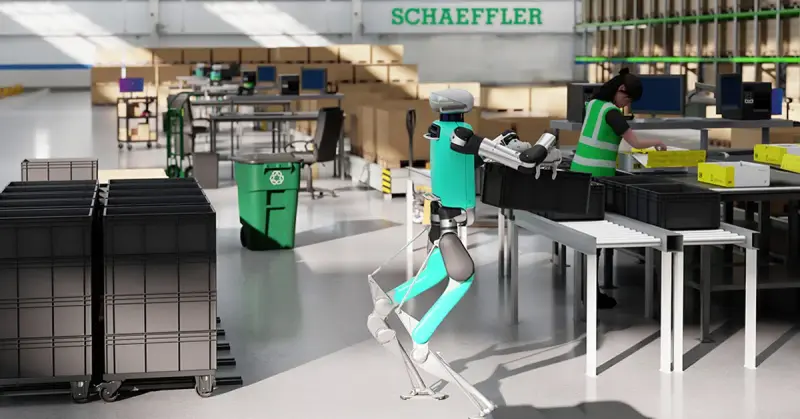
Schaeffler Explores AI-Driven Factories and Humanoid Co-Workers with Accenture, NVIDIA, Microsoft
Schaeffler has announced a strategic partnership with Accenture, NVIDIA, and Microsoft to enhance future factory operations through the implementation of digital twins on the NVIDIA Omniverse platform. This collaboration aims to simulate a range of automation scenarios, incorporating advanced humanoid robots such as Agility's Digit and Sanctuary AI's Phoenix. By utilizing Microsoft Fabric for data analysis, the partners seek to effectively connect virtual testing environments with real-world performance metrics. This initiative reflects a growing trend in the manufacturing sector to leverage cutting-edge technology for improved efficiency and innovation in production processes.
phoenix NVIDIA Microsoft HM25 Schaeffler Digit
SVT Robotics surpasses four billion transactions on its Softbot automation platform
SVT Robotics, a prominent provider of interoperability software for enterprise and physical AI, has reported a significant milestone with its Softbot Platform surpassing four billion transactions. This achievement highlights the platform's robust infrastructure, which is designed to support high-volume data processing on a global scale. Currently, transaction volumes are rapidly increasing, reaching between 100 million and 130 million transactions per week. This surge reflects the growing demand for efficient and resilient data solutions in various industries, positioning SVT Robotics as a key player in the technology landscape.
Computing News Robotics AI-ready data automation infrastructure automation software
Sabanto Inc. and Verdant Robotics Announce Technical Integration of Autonomous Tractor Operation with SharpShooter Plant-Level Precision Application
A new integrated solution has been developed that combines two systems, allowing for fully autonomous field work in agriculture. This innovation enables tasks ranging from navigation to plant-level application to be performed without the need for an operator in the cab. The advancement represents a significant leap in agricultural technology, streamlining operations and enhancing efficiency in the field. The system is designed to operate seamlessly, reflecting the latest advancements in automation and data integration. This development is expected to transform farming practices, reducing labor costs and increasing productivity.
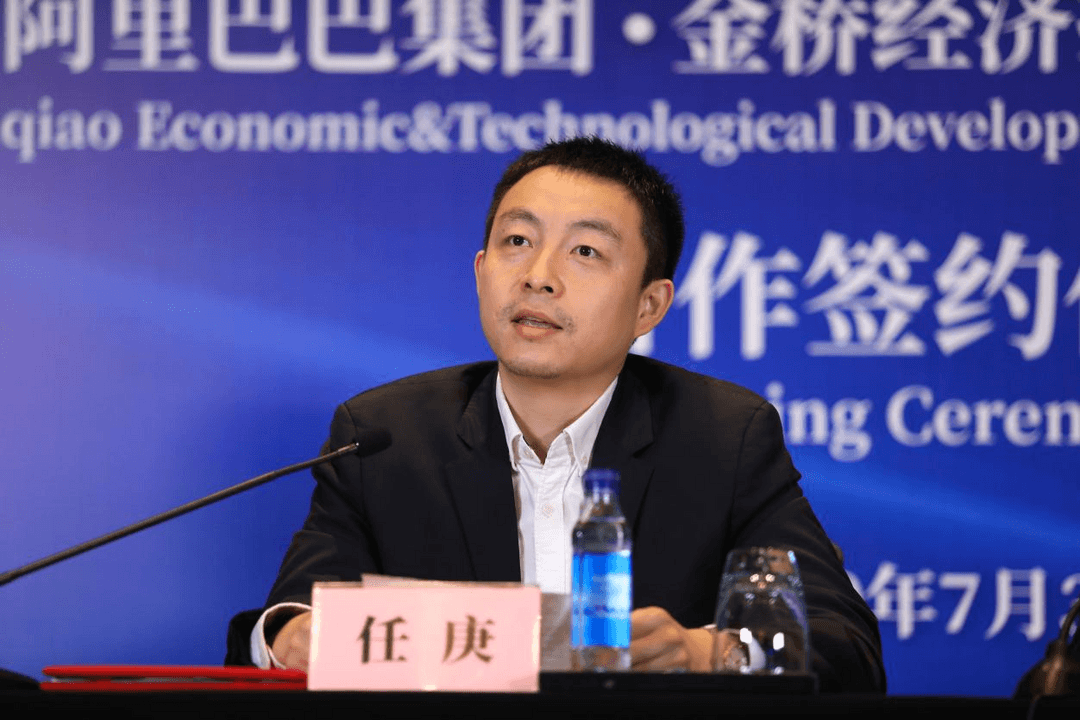
"3 rounds in 90 days with billions involved: What are the bets placed by the former president of Alibaba Cloud and the top position of Ideal Auto?"
In a high-stakes series of financial maneuvers, the former president of Alibaba Cloud and the top executive of Ideal Auto have engaged in three rounds of investment discussions over the past 90 days, involving billions of dollars. This unprecedented collaboration comes as both leaders seek to leverage their expertise in technology and automotive innovation to capitalize on emerging market opportunities. The negotiations, which have unfolded primarily in Beijing and Shanghai, highlight the growing intersection of technology and the automotive sector in China, driven by a surge in demand for electric vehicles and smart transportation solutions. The former Alibaba executive aims to tap into Ideal Auto's advancements in electric vehicle technology, while the Ideal Auto leader is looking to harness Alibaba's vast digital ecosystem to enhance operational efficiency and market reach. The urgency behind these discussions stems from the rapidly evolving landscape of the automotive industry, where companies are racing to innovate and secure their positions in a competitive market. By pooling resources and expertise, both parties hope to create a formidable partnership that can navigate the challenges of this dynamic environment. As the negotiations progress, industry observers are keenly watching for potential outcomes that could reshape the future of both companies, potentially leading to significant advancements in technology integration and market expansion.
Robotics Automation AI
Why Inzai City, Chiba Became a "Data Center Hub": A Miscalculation That Attracted Google and Microsoft 50 Years Ago
Inzai City, located approximately 40 kilometers northeast of central Tokyo in Chiba Prefecture, has emerged as a significant hub for major global IT companies. Originally developed as "Chiba New Town," this suburban area is now regarded as a "holy land" for the tech industry, attracting attention and investment from leading firms seeking to establish a presence in Japan. The transformation of Inzai reflects broader trends in the tech sector, where proximity to urban centers and access to infrastructure are increasingly valued.
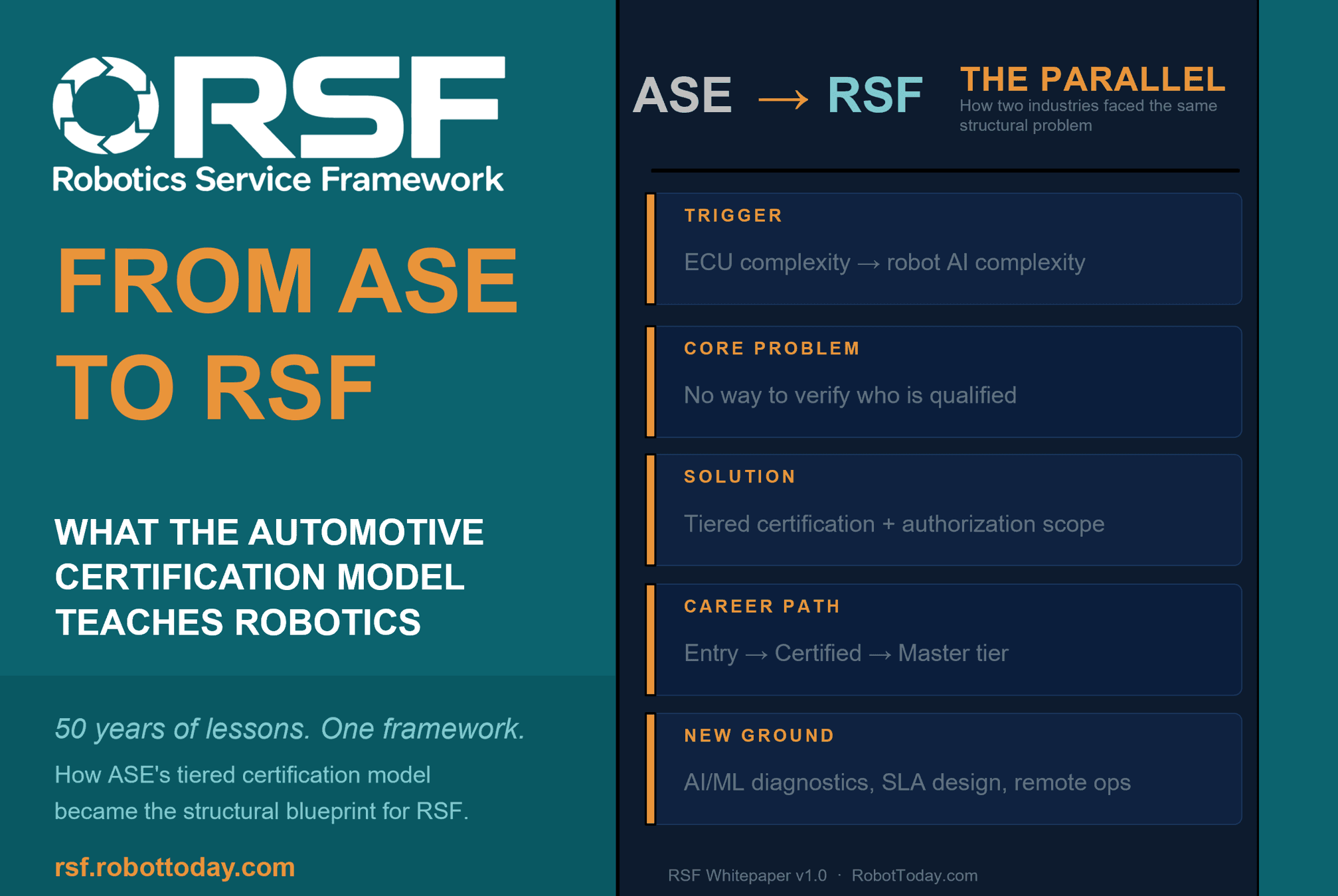
Robotics needs a service framework.
RSF defines a common language for robot service capability, lifecycle operations, certification pathways, and service-provider networks.