

Industry Briefing
A single destination for timely, editor-curated robotics news from around the world.

State Grid Corporation of China Launches First 220kV Quantum Substation in Hefei
The State Grid Corporation of China has successfully completed an 18-month pilot project involving quantum technology at a 220kV substation in Hefei. This initiative included the deployment of 85 self-developed quantum devices focused on quantum measurement, quantum communication, and quantum computing. This development is significant as it marks a major step towards the integration of quantum technology in the energy sector, potentially enhancing the efficiency and reliability of power distribution. The substation has been operational 24/7 and is now set for nationwide replication, indicating a broader commitment to advancing quantum technologies within the State Grid. Looking ahead, the State Grid Corporation is also validating an 800kV quantum current sensor in the field, which could further enhance the capabilities of quantum applications in power systems. No further timeline was disclosed at the time of publication.

How State-Backed Investment is Transforming China's Tech Ventures Landscape
China's technology sector is increasingly shaped by state-backed investments, which are altering the funding landscape and igniting discussions on risk versus innovation. Major players like DeepSeek, Zhipu AI, Unitree Robotics, and ChangXin Memory Technologies (CXMT) reflect a shift towards government involvement as Western venture capital recedes. The Chinese government's growing role in funding is evident, with state-affiliated investors providing over 90% of the committed capital in the private-equity market last year, up from 79% in 2021. This trend indicates a structural change in how frontier technologies are financed, as Beijing emphasizes long-term investments in hard technology. Looking ahead, the deployment of this capital will be crucial in determining China's success in becoming a self-reliant tech superpower. The balance between fostering innovation and managing potential overcapacity will be a key area to monitor as the state continues to influence the tech sector's trajectory.

SpaceX Unveils AI1 Satellite Specs for Starmind Constellation with Key Thermal Challenges
SpaceX has introduced the AI1 satellite, the inaugural component of its Starmind constellation, which stands 20 meters tall and has a wingspan of 70 meters. This orbital compute node is designed to deliver computing power equivalent to one NVIDIA GB300 server rack, utilizing a unique cooling system with deployable liquid radiators. The satellite's specifications were revealed during a presentation on June 8, 2026, ahead of SpaceX's IPO. The significance of the AI1 satellite lies in its role as a compute platform rather than a traditional satellite, focusing on running AI inference workloads. The satellite's cooling system, which is critical for its operation in the vacuum of space, is designed to reject heat through infrared radiation. However, independent engineers have raised concerns about the feasibility of the thermal and mass claims made by SpaceX, suggesting that the cooling requirements may exceed practical limits. Looking ahead, SpaceX plans to launch two AI1 prototypes in early 2027, with full-scale production expected to commence later that year at its Gigasat facility in Bastrop, Texas. The ongoing debate regarding the satellite's thermal management capabilities will be crucial to monitor as the project progresses, with no further timeline disclosed at the time of publication.
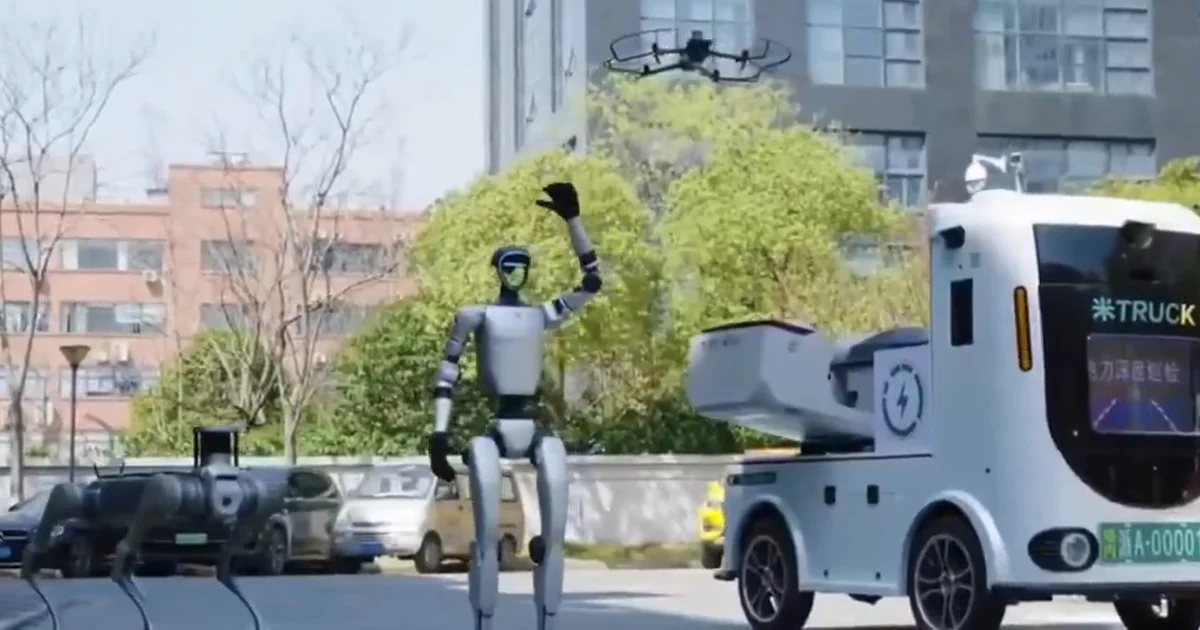
State Grid’s $995 Million Bet: 8,500 Robots to Spearhead "Deployment Year One" in Energy
State Grid Corp. of China has announced a significant procurement plan valued at 6.8 billion yuan (approximately $994.7 million) for the acquisition of 8,500 embodied AI units. This initiative marks a pivotal moment in the development of the robotics sector, as it establishes the first vertical market worth over 10 billion yuan dedicated to humanoid and quadruped robotics. The announcement underscores the company's commitment to advancing technology and enhancing operational efficiency within its infrastructure. By integrating these advanced robotic systems, State Grid aims to improve service delivery and optimize resource management in its operations.
Unitree Robotics Market Deep Robotics China AGIBOT UBTECH Robotics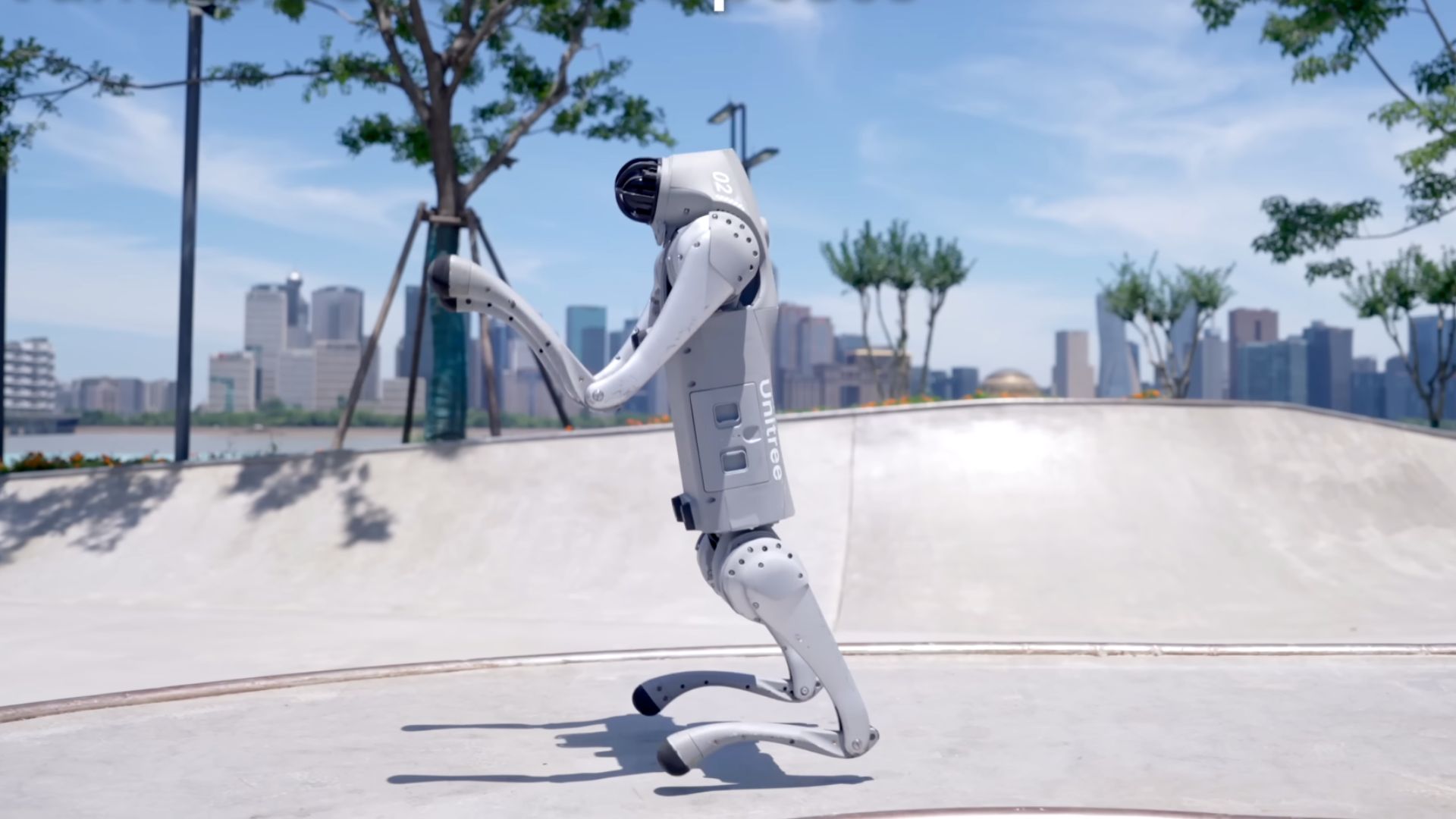
China plans 8,500 AI robots for power grid operations with massive $1 billion push
China is significantly increasing the integration of robotics within its power grid infrastructure. This initiative, announced recently, aims to enhance efficiency and reliability in energy distribution across the nation. The move comes as part of China's broader strategy to modernize its energy sector and address growing demands for sustainable and smart energy solutions. The implementation of robotic technology is expected to streamline operations, reduce human error, and improve safety for workers in the field. By deploying advanced robotics, China seeks to optimize maintenance and monitoring processes, ensuring a more resilient power supply. This development is particularly crucial as the country strives to meet its ambitious energy goals while transitioning towards greener alternatives. The initiative is set to unfold over the coming years, with pilot projects already underway in various regions. These projects will serve as a testing ground for the effectiveness of robotics in real-world applications, ultimately shaping the future of energy management in China. As the nation invests heavily in innovation, the integration of robotics into the power grid represents a significant step towards a more automated and efficient energy landscape.
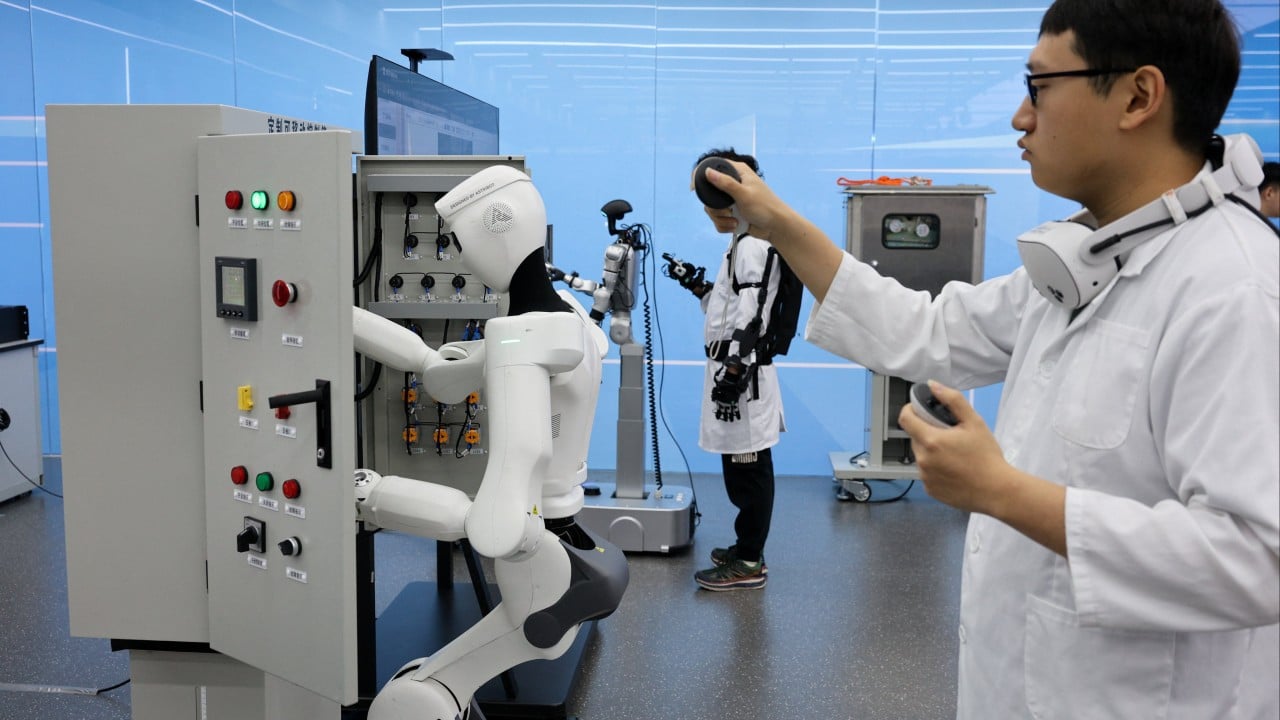
China plans to invest billions on a robot army to run its power grid
China's State Grid Corporation, the country's primary grid operator, is set to enhance its infrastructure operations through the deployment of thousands of AI-powered robots. This ambitious initiative, which involves an investment of 6.8 billion yuan (approximately US$1 billion), aims to utilize these robots for various tasks, including the inspection of remote substations and maintenance of ultra-high-voltage power lines. The move comes as part of a broader strategy to integrate advanced technology into critical infrastructure management, reflecting China's commitment to modernizing its energy sector and improving operational efficiency. The plan underscores the growing trend of leveraging artificial intelligence in industrial applications, positioning China at the forefront of technological innovation in energy management.
Robotics needs a service framework.
RSF defines a common language for robot service capability, lifecycle operations, certification pathways, and service-provider networks.
Join the RobotToday community on LinkedIn
Daily robotics news, in-depth analysis, conference highlights, and discussions with professionals worldwide.







