

Industry Briefing
A single destination for timely, editor-curated robotics news from around the world.

China's Brain-Computer Interface Sector Gains Momentum with Government and Corporate Support
In the first half of 2026, China's brain-computer interface (BCI) industry is transitioning from top-level design to implementation and acceleration. In March, BCI was included in the government work report alongside future industries like quantum technology and 6G, marking it as a key area for development. The 14th Five-Year Plan also identifies BCI as a priority sector, prompting national departments to advance supportive policies and clarify standards and regulations. This push began in July 2025 with the issuance of a national-level document aimed at fostering innovation in the BCI sector, setting ambitious goals for 2027 and 2030. However, as of the end of 2025, the industry faces structural challenges, including a lack of standards and payment mechanisms. The first half of 2026 marks a turning point, with BCI being formally recognized in government planning and the establishment of a regulatory framework. In June 2026, the National Medical Products Administration released guidelines for classifying BCI medical devices, which will facilitate product registration and insurance coverage. State-owned enterprises are evolving from laboratory collaborations to becoming integrators of the industry chain. By June 2026, there were 64 financing cases in the BCI field, totaling 7.253 billion yuan, significantly surpassing the previous year's performance.
Brain-Computer Interfaces Healthcare Technology Government Policy State-Owned Enterprises
Brain Corp Achieves 68 Percent Growth, Surpassing 50,000 Autonomous Robots Deployed Globally
Brain Corp has reported significant growth in its global fleet of autonomous robots, achieving a 68 percent increase in deployments year-over-year in the first half of 2026. This milestone highlights the expanding role of BrainOS-powered robots across various sectors, including retail and logistics, as they logged over 5.3 million autonomous operating hours. The company's performance indicates a pivotal moment for enterprise robotics, as organizations seek proven platforms for faster and more profitable deployment of robotic solutions. Brain Corp's partnerships with ShelfOptix and Tennant Company further reflect the rising demand for scalable autonomy platforms in the market. Looking ahead, enterprises are increasingly focused on the capabilities of autonomy platforms, evaluating their performance and data security across multiple sites. Brain Corp's recent SOC 2 Type II compliance underscores its commitment to meeting these expectations, ensuring robust security controls and data management practices for its clients.
Computing News Software airport automation amrs artificial intelligence
Brain Corp Achieves 68% Growth in Global Deployments with 5.3 Million Autonomous Hours in H1 2026
Brain Corp has reported a remarkable 68% growth in global deployments of its BrainOS®-powered robots during the first half of 2026. The company has surpassed 50,000 robots in operation worldwide, reflecting the increasing integration of autonomous robots in various enterprise environments. This significant growth highlights the expanding role of autonomous robots in sectors such as retail, logistics, airports, commercial cleaning, and inventory management. The data indicates that these robots have logged over 5.3 million autonomous hours, showcasing their effectiveness and reliability in real-world applications. Looking ahead, the continued scaling of AI-driven robotics in enterprise operations will be crucial to enhancing efficiency and productivity. No further timeline was disclosed at the time of publication.
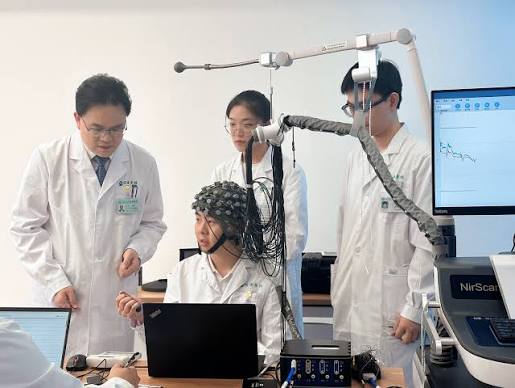
Science Corporation's Retina Chip Receives CE Certification, Pioneering Brain-Computer Interface Advances
In July 2026, Science Corporation's retinal chip achieved CE certification in the EU, marking a significant milestone in brain-computer interface commercialization. While Neuralink continues to address safety concerns for human trials, Science Corporation, founded by a former co-founder, is set to launch its first commercial implants in Germany. This development is crucial as it signifies a shift from theoretical concepts of brain-computer interfaces to practical medical applications. The Prima retinal chip, measuring just 2x2 mm and powered by near-infrared light through smart glasses, has shown promising clinical results, with 84% of patients recovering reading abilities. Looking ahead, 2026 is anticipated to be a pivotal year for brain-computer interfaces, with regulatory frameworks being established in China and significant advancements in both invasive and non-invasive devices. Science Corporation aims to complete dozens of commercial implants this year and targets around 200 next year, with revenue from the Prima chip expected to fund the development of next-generation neural interfaces.
Brain-Computer Interfaces Medical Devices Neurotechnology Clinical Applications
Brain Corp's John Black Discusses Scaling Robot Fleets and Trust in Public Spaces
In Episode 259 of The Robot Report Podcast, John Black, the chief technology officer at Brain Corp, discusses the scaling of robot fleets and the importance of building trust while operating in public spaces. Brain Corp has successfully commercialized a fleet of over 50,000 autonomous mobile robots (AMRs) that have collectively logged more than 25 million hours of safe operation using their BrainOS technology. This achievement is significant as it highlights the growing role of autonomous mobile robots in various sectors, demonstrating their reliability and safety in real-world applications. The extensive operational hours underscore the effectiveness of Brain Corp's technology and its potential to transform industries by enhancing operational efficiency and safety. Listeners should keep an eye on the advancements in autonomous mobile robotics, particularly how companies like Brain Corp continue to innovate and address challenges related to public trust and safety. No further timeline was disclosed at the time of publication.
Artificial Intelligence Automated Warehouse Logistics News Opinion Podcast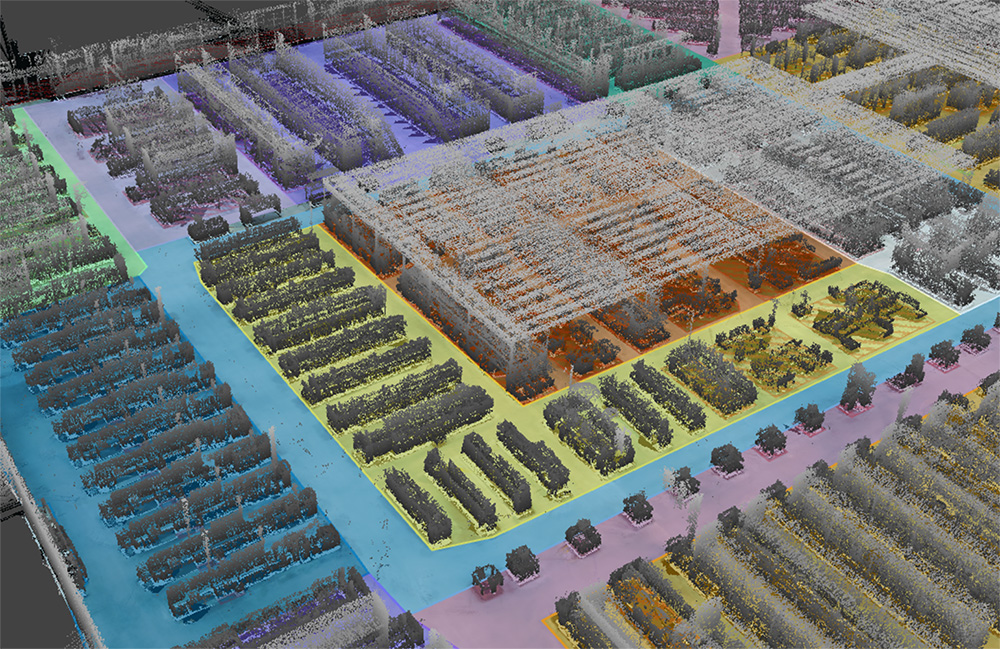
Brain Corp partners with UC San Diego to help robots operate in complex environments
Brain Corp has announced a partnership with UC San Diego to enhance the operational capabilities of its robots in complex environments. This collaboration aims to leverage the university's research expertise to improve the functionality of the more than 50,000 robots that Brain has deployed worldwide. The initiative is part of Brain's ongoing efforts to expand its technological footprint and adapt its robotic systems to navigate challenging settings more effectively. The partnership underscores the growing intersection of robotics and academic research, highlighting the importance of innovation in advancing autonomous technology.
Artificial Intelligence Artificial Intelligence / Cognition Autonomous Mobile Robots (AMRs) Design / Development Mobility / Navigation News
Brain Corp Achieves SOC 2 Compliance, Reinforcing Trusted Enterprise-Grade Deployment of AI Systems at Scale
Brain Corp has achieved a significant security milestone with its autonomous robots, which are increasingly being deployed in commercial spaces. This development comes as businesses seek innovative solutions to enhance operational efficiency and safety. The milestone was reached in October 2023, reflecting the company's commitment to advancing robotic technology in various environments, including retail and logistics. The growing adoption of these robots is driven by the need for improved cleaning and maintenance processes, particularly in high-traffic areas. By utilizing advanced sensors and AI, Brain Corp's robots can navigate complex spaces while ensuring a high level of security and reliability. This progress not only streamlines operations but also addresses the rising demand for contactless services in the wake of the pandemic. As more companies integrate these autonomous solutions, Brain Corp is positioned to lead the market, demonstrating how technology can transform traditional practices in commercial settings. The successful implementation of these robots marks a pivotal moment in the evolution of automated services, paving the way for broader applications in the future.
Robotics needs a service framework.
RSF defines a common language for robot service capability, lifecycle operations, certification pathways, and service-provider networks.
Join the RobotToday community on LinkedIn
Daily robotics news, in-depth analysis, conference highlights, and discussions with professionals worldwide.







