Top News

Industry Briefing

A single destination for timely, editor-curated robotics news from around the world.
Former Baidu autonomous driving lab head raises millions in angel funding for global robot model startup.

Former Baidu autonomous driving lab head raises millions in angel funding for global robot model startup.

Nuwa Robotics, a company specializing in embodied intelligence, has successfully secured 50 million yuan in angel funding, led by Blue Lake Capital with participation from various investors including Qiongcheng Puyi Investment. This funding follows a seed round completed two months prior, led by Plug and Play China. Founded in February 2026 by Dr. Yang Ruigang, a former director at Baidu’s autonomous driving and robotics lab, Nuwa aims to advance robotic capabilities in navigating complex human environments. As the field of embodied intelligence gains momentum, industry consensus is forming around the need for a "layered decoupling" approach. Nuwa is focusing on developing a "World Traversal Model" (WTM) that enables robots to autonomously navigate, interact, and complete tasks in human settings, addressing a critical gap in the industry. This model is designed to be compatible with various robotic platforms, including humanoid robots and delivery vehicles. Nuwa's technology integrates high-fidelity physical simulation with advanced data generation techniques to create a robust training environment for its WTM. The company has made significant strides in motion control and navigation capabilities, allowing robots to navigate complex terrains without relying on high-precision maps. Additionally, Nuwa is prioritizing social behavior compliance, essential for robots operating in public spaces. With plans to deploy the WTM in real-world applications by 2026, Nuwa aims to validate its core capabilities and expand its operational scale. Blue Lake Capital expressed confidence in Nuwa’s vision, highlighting the potential for the company to overcome key industry challenges and pioneer advancements in intelligent navigation.

Alphabet stock pops 4% on Dow debut, but the tech giant faces major AI questions

Alphabet stock pops 4% on Dow debut, but the tech giant faces major AI questions

Alphabet Inc. saw its shares increase on Monday following its inclusion in the Dow Jones Industrial Average, marking a significant milestone for the tech giant. However, this achievement comes amid ongoing challenges, as the stock continues to face pressure in the market. The addition to the Dow reflects Alphabet's growing influence and recognition among blue-chip companies, yet investors remain cautious due to various economic factors impacting its performance. The juxtaposition of this milestone with the stock's struggles highlights the complexities of the current financial landscape for major corporations.

A diving suit for cyborg cockroaches could enhance search-and-rescue operations

A diving suit for cyborg cockroaches could enhance search-and-rescue operations

Researchers from NTU Singapore and Waseda University have created an innovative flexible "diving suit" designed for cyborg cockroaches, allowing these insects to navigate underwater and in low-oxygen environments for as long as three hours. The findings, published today in Nature Communications, highlight the potential for utilizing cyborg insects in search-and-rescue operations, particularly in disaster-stricken areas where traditional robots may struggle to operate due to obstacles like flooded debris or partially submerged locations. This advancement could significantly enhance rescue efforts in challenging environments, showcasing the intersection of biology and technology in addressing real-world problems.

Robotics
Is "Dehydration Cooling" the Future for Data Centers in the AI Era? Insights from Microsoft's Waterless Cooling Strategy.

Is "Dehydration Cooling" the Future for Data Centers in the AI Era? Insights from Microsoft's Waterless Cooling Strategy.

Microsoft has announced new water conservation measures for its data centers in response to the growing demand for AI and cloud services. The tech giant aims to achieve water positivity by 2030, targeting a 90% improvement in water usage efficiency compared to initial levels. To support this goal, Microsoft plans to implement waterless cooling systems in its latest facilities and utilize rainwater, thereby promoting sustainable infrastructure operations.

A Hybrid Technique for Active SLAM Based on RPPO Model With Transfer Learning

A Hybrid Technique for Active SLAM Based on RPPO Model With Transfer Learning

The Journal of Field Robotics has released an EarlyView article highlighting recent advancements in robotic technology. Researchers from various institutions have collaborated to develop innovative algorithms that enhance the efficiency and autonomy of field robots. This significant study, published in October 2023, aims to address the growing demand for automation in agriculture and environmental monitoring. The research focuses on improving the decision-making capabilities of robots operating in complex outdoor environments. By integrating machine learning techniques, the team has demonstrated how robots can better navigate and adapt to changing conditions, ultimately increasing productivity in agricultural practices. The findings are particularly relevant as the industry seeks to optimize resource use and reduce labor costs. The study was conducted across multiple test sites, showcasing the practical applications of these advancements in real-world scenarios. The researchers emphasize that these developments are crucial for meeting the challenges posed by climate change and the need for sustainable farming practices. By enhancing the operational capabilities of field robots, the team hopes to contribute to a more efficient and resilient agricultural sector. This publication marks a significant step forward in the field of robotics, underscoring the potential for technology to transform traditional practices and improve outcomes in various sectors. As the demand for automation continues to rise, the implications of this research could be far-reaching, paving the way for future innovations in robotic applications.

RESEARCH ARTICLE
We know how to build smarter robots. Now, we need to learn smarter ways to test them

We know how to build smarter robots. Now, we need to learn smarter ways to test them

Atharv Kolhar, a staff test automation engineer at Figure AI, emphasizes the urgent need for the robotics industry to adopt a scalable testing philosophy that evolves in tandem with advancements in autonomy. As the industry continues to innovate and develop smarter robots, Kolhar argues that it is equally important to establish more effective testing methodologies to ensure reliability and performance. His insights highlight a critical aspect of robotics development, suggesting that without a robust testing framework, the potential of autonomous systems may not be fully realized. This call for a shift in testing approaches comes at a time when the demand for advanced robotics solutions is rapidly increasing, underscoring the importance of integrating smarter testing strategies into the development process.

Artificial Intelligence Artificial Intelligence / Cognition Design / Development Humanoids News Robots / Platforms
What lessons is Ideal learning to catch up with FSD V14?

What lessons is Ideal learning to catch up with FSD V14?

The competitive landscape of the intelligent driving industry has undergone significant changes in recent years, shifting from hardware specifications to advanced model development. Companies are increasingly recognizing that merely having larger models is insufficient for achieving generational advantages; instead, the integration of models, data, computing power, and chips into a continuous iterative loop is becoming crucial. This realization has prompted many automakers to invest in in-house research and development. Tesla has established a comprehensive ecosystem that spans data collection, training infrastructure, and self-developed chips, while Chinese companies like Li Auto, Xpeng, and NIO are also deepening their technological foundations. Li Auto has introduced its self-developed Mach M100 chip in its L8 and L9 models, which it views as a significant advancement in AI technology. In a recent discussion with Li Auto's autonomous driving and chip leaders, they emphasized that the industry should focus on the practical problems these investments aim to solve rather than merely the existence of in-house development. They outlined their strategies to achieve performance comparable to Tesla's Full Self-Driving (FSD) system, highlighting the importance of safety, efficiency, and comfort in user experience. As the industry moves towards higher levels of autonomy, the integration of vision and language models is seen as essential for developing systems that can handle complex, unforeseen scenarios. The executives noted that achieving higher levels of autonomy (L3 and L4) requires models that can reason and think like humans, underscoring the growing significance of language in AI systems. Overall, the conversation revealed the industry's focus on enhancing AI capabilities through innovative chip design and data utilization, aiming for a future where autonomous driving technology can meet the challenges of real-world driving conditions.

Frank Kendall on the trouble with banning autonomous weapons [Book excerpt]

Frank Kendall on the trouble with banning autonomous weapons [Book excerpt]

In a recent book excerpt, former Air Force Secretary Frank Kendall explores the potential for effective arms control measures to be implemented for autonomous systems. This discussion comes amid growing concerns about the rapid development and deployment of such technologies in military applications. Kendall's insights aim to address the challenges and implications of regulating autonomous weapons, emphasizing the need for a robust framework to ensure safety and accountability. As nations increasingly invest in advanced military capabilities, the conversation around arms control for these systems becomes increasingly urgent. The excerpt highlights the complexities involved in establishing regulations that can keep pace with technological advancements while promoting international stability.

Opinion AI & Autonomy autonomy darpa Drones Frank Kendall
Underwater robots that are always on call pave the way for pipeline and cable security

Underwater robots that are always on call pave the way for pipeline and cable security

As economic activity in ocean spaces continues to rise, there is an increasing demand for regular monitoring and inspection of underwater infrastructure, including pipelines, cables, and installations. This need is driven by the growing complexity of global security concerns, which necessitate enhanced surveillance capabilities. Autonomous underwater vehicles (AUVs) are emerging as vital tools in this effort, offering advanced monitoring solutions that can operate in challenging environments. Furthermore, there is a pressing requirement for greater understanding of the seabed and oceanic regions to support sustainable development and security measures. As stakeholders seek to address these challenges, the integration of AUV technology is expected to play a pivotal role in ensuring the safety and integrity of underwater assets.

Robotics
Agreenculture acquires Chouette to add agronomic intelligence to autonomous machines

Agreenculture acquires Chouette to add agronomic intelligence to autonomous machines

French autonomous-machinery specialist Agreenculture has announced its acquisition of Chouette, a company known for its AI-driven agronomic analysis tailored for viticulture. This strategic move, revealed recently, aims to integrate Agreenculture’s advanced autonomy technology with Chouette’s sophisticated crop-monitoring algorithms. The collaboration is set to enhance the development of machines capable of operating independently while also interpreting field observations. This initiative reflects a growing trend in the agricultural sector to leverage artificial intelligence for improved efficiency and precision in farming practices.

Autonomous/semi-autosteering systems agricultural robots agronomists autonomous technology crop monitoring vineyard robots
Roundtable Forum: The Real Landscape of AI Venture Capital Beyond Consensus

Roundtable Forum: The Real Landscape of AI Venture Capital Beyond Consensus

In a recent roundtable discussion on the evolving landscape of artificial intelligence (AI) investment, industry leaders emphasized the importance of acting ahead of consensus to seize opportunities. The forum featured prominent figures such as Zhu Tianyu, managing partner at BlueRun Ventures, and Qin Shentao, founder and CEO of OriginFlow, who shared insights on their early investment strategies. Zhu, who joined BlueRun in 2009, highlighted his early investments in successful companies like Li Auto and Genspark, noting that he made quick decisions based on a structured understanding of global challenges rather than just project details. He expressed confidence in OriginFlow’s potential, which focuses on non-invasive neural interfaces for embodied intelligent robots, aligning with key trends in artificial general intelligence (AGI), robotics, and 3D interaction. Qin, a Tsinghua University PhD, explained that OriginFlow aims to revolutionize how intelligent systems interact with the physical world, addressing a significant gap in data collection and processing. Within just five months of operation, the company secured over 500 million RMB in funding, demonstrating strong market interest. Both leaders acknowledged the challenges of navigating the current AI investment climate, characterized by rapid funding influxes and potential market bubbles. They stressed the need for investors to discern genuine innovation from fleeting trends, emphasizing that true value lies in solving fundamental problems rather than chasing hype. As the discussion concluded, they reiterated their commitment to fostering groundbreaking advancements in AI and embodied intelligence.

FORT and NVIDIA launch AI-driven Outside-In Safety blueprint

FORT and NVIDIA launch AI-driven Outside-In Safety blueprint

FORT Robotics and NVIDIA have unveiled a new initiative called Outside-In Safety, aimed at enhancing the productivity of autonomous robots while prioritizing worker safety. This innovative approach utilizes external sensors to create a safer working environment for human employees interacting with robotic systems. The launch of this AI-driven safety blueprint marks a significant advancement in the field of robotics, reflecting the growing need for effective safety measures in increasingly automated workplaces. The collaboration between FORT Robotics and NVIDIA highlights their commitment to integrating cutting-edge technology with practical applications, ensuring that as automation expands, worker safety remains a top priority.

Artificial Intelligence Collaborative Robots Markets / Industries News Safety & Security Automate
Norway sends deep-sea drone 20,000 feet down to uncover hidden ocean secrets

Norway sends deep-sea drone 20,000 feet down to uncover hidden ocean secrets

Norway has initiated the inaugural expedition of its advanced robot submarine, designed to reach depths of nearly 6,000 meters. This groundbreaking mission commenced recently in the North Atlantic, showcasing the submarine's capabilities in deep-sea exploration. The project aims to enhance scientific research and environmental monitoring in the region, addressing the growing need for innovative technology in oceanography. The submarine is equipped with state-of-the-art sensors and imaging systems, allowing it to gather critical data on marine ecosystems and geological formations. This expedition marks a significant step forward in Norway's commitment to advancing underwater research and understanding the complexities of ocean environments.

Science
Turkey’s ‘Fighter Drone’ Teamed With M-346 Fighter-Trainer In Autonomy Trials

Turkey’s ‘Fighter Drone’ Teamed With M-346 Fighter-Trainer In Autonomy Trials

Turkey has joined a select group of nations engaged in advanced flight testing of crewed and uncrewed aircraft collaboration, marking a significant step in the development of autonomous combat systems. The recent demonstrations featured Turkey's innovative 'fighter drone' working in tandem with the M-346 fighter-trainer aircraft. These trials are part of a broader initiative as air forces worldwide strive to enhance their capabilities through collaborative combat aircraft. The successful integration of these technologies could reshape future military operations and tactics, underscoring Turkey's commitment to advancing its defense capabilities in an increasingly competitive global landscape.

Air Air Forces Drones News & Features Turkish Air Force
Automation vs autonomy: What will shape the future of battlefield drones?

Automation vs autonomy: What will shape the future of battlefield drones?

Recent advancements in drone technology are enabling these unmanned aerial vehicles to operate autonomously, significantly enhancing their effectiveness in various operations. This shift towards autonomy is seen as a crucial development, particularly in military applications, where drones can act as force multipliers on the battlefield. The integration of autonomous capabilities allows drones to make real-time decisions without direct human intervention, although human oversight remains essential for critical kinetic decisions. This balance aims to improve operational efficiency while ensuring safety and accountability. The ongoing evolution of drone technology is expected to reshape strategies in both defense and civilian sectors, with implications for how aerial missions are conducted in the future.

Networks & Digital Warfare Sponsored Post AI cyber security Drones networks
NOVARC LAUNCHES NovAI AUTONOMY AS PART OF NovAI SUITE AND EXPANDS INTEGRATION TO YASKAWA AND ABB ROBOTS

NOVARC LAUNCHES NovAI AUTONOMY AS PART OF NovAI SUITE AND EXPANDS INTEGRATION TO YASKAWA AND ABB ROBOTS

Novarc Technologies, an industrial AI company focused on welding automation, unveiled its latest innovations at the Automate 2026 trade show in Chicago, running from June 22-25. The company introduced NovAI™ Autonomy, a cutting-edge solution that integrates machine vision and real-time adaptability into robotic welding processes, alongside NovHub™, its Enterprise Welding Intelligence platform. These technologies are designed to enhance the capabilities of ABB and Yaskawa robots, addressing critical challenges in the fabrication industry, such as a shortage of skilled welders and the need for greater automation flexibility. CEO Soroush Karimzadeh emphasized that NovAI aims to retrofit existing robotic cells, improving quality and efficiency by adapting to variations in parts and reducing manual rework. Demonstrations at the event showcased how NovAI Autonomy can automatically adjust welding parameters in response to misalignments and gaps, promising increased return on investment for manufacturers. The partnership with Yaskawa, formalized through a Memorandum of Understanding, aims to accelerate the deployment of vision-enabled welding cells, further enhancing productivity in heavy fabrication sectors. As demands for precision and efficiency grow, Novarc's advancements position it as a leader in AI-powered welding solutions, enabling manufacturers to optimize their operations and remain competitive.

Expanding the Subsea Toolbox: Water Linked Joins NORBIT

Expanding the Subsea Toolbox: Water Linked Joins NORBIT

NORBIT, a technology company, has announced its acquisition of Water Linked, a Trondheim-based firm known for its expertise in underwater navigation and imaging technologies tailored for remotely operated vehicles (ROVs), autonomous underwater vehicles (AUVs), and uncrewed surface vessels. This strategic move, finalized recently, aims to enhance NORBIT's capabilities in the maritime technology sector. By integrating Water Linked's innovative solutions, NORBIT seeks to strengthen its position in the growing market for underwater technology, driven by increasing demand for advanced navigation and imaging systems in various marine applications. The acquisition is expected to facilitate the development of new products and services, ultimately benefiting customers in the maritime industry.

water linked norbit
Design and Testing of a Minimal Configuration Underwater Micro‐Glider: Automating Lake and Reservoir Monitoring

Design and Testing of a Minimal Configuration Underwater Micro‐Glider: Automating Lake and Reservoir Monitoring

The Journal of Field Robotics has recently published an early view article highlighting advancements in robotic technology and its applications in various fields. This publication, which became available in October 2023, showcases innovative research conducted by a team of engineers and scientists from leading universities and research institutions. The article focuses on the development of autonomous robots designed for complex tasks in environments such as agriculture, disaster response, and exploration. The research aims to address the growing need for efficient and reliable robotic systems capable of operating in challenging conditions, driven by the increasing demand for automation in various industries. Through rigorous testing and experimentation, the authors detail the methodologies employed in creating these advanced robotic systems, emphasizing their potential to enhance productivity and safety. The findings presented in this publication are expected to contribute significantly to the ongoing discourse on the future of robotics and its integration into everyday life. As the field of robotics continues to evolve, this early view article serves as a timely reminder of the transformative impact that innovative technologies can have on society, paving the way for further research and development in the coming years.

RESEARCH ARTICLE
Video Friday: Do Robots Even Need Legs?

Video Friday: Do Robots Even Need Legs?

In the latest edition of Video Friday, IEEE Spectrum robotics showcases a variety of innovative robotics videos and announces upcoming events in the field. Notable events include RSS 2026 scheduled for July 13-17 in Sydney, the Summer School on Multi-Robot Systems from July 29 to August 4 in Prague, Actuate 2026 on August 18-19 in San Francisco, and IROS 2026 from September 27 to October 1 in Pittsburgh. Among the featured projects, Eno, an advanced AI and general-purpose robot developed by Genesis, exemplifies a new generation of robots designed to enhance human capabilities. Meanwhile, NASA's Jet Propulsion Laboratory is testing the ERNEST rover in California's Colorado Desert, which is being developed for future lunar missions and can operate autonomously over challenging terrain. Sony AI's Ace project demonstrates a robotic system capable of adapting to unpredictable scenarios in table tennis, while ANYbotics highlights the economic benefits of their quadruped robots in industrial inspections, preventing significant production losses. GITAI is preparing for a robotic satellite servicing demo, and Bi-AQUA is exploring underwater photography challenges for robots. Sanctuary AI has achieved impressive results in wire plugging tasks for a major automotive supplier, showcasing a success rate exceeding 99.5%. Additionally, various other robotics projects are highlighted, including a bipedal robot named GrowBot, which operates on a low-cost Raspberry Pi and aims to make physical AI accessible to a broader audience.

Video-friday Robot-videos Lunar-rover Inspection-robots Robot-hands Robot-ai
Elza Japan starts handling the world's first fully IP66 waterproof industrial humanoid, DEEPRobotics DR02.

Elza Japan starts handling the world's first fully IP66 waterproof industrial humanoid, DEEPRobotics DR02.

Elsa Japan Co., Ltd. announced the launch of the DEEPRobotics DR02, an all-weather industrial humanoid robot, for the domestic market on June 18, 2026. This new product aims to enhance operational efficiency in various industries by providing advanced robotic solutions capable of functioning in diverse environmental conditions. The introduction of the DR02 reflects the growing demand for automation and robotics in Japan, as companies seek innovative technologies to improve productivity and safety in their operations.

First Bluebottle Hull Christened as Part of Royal Australian Navy's Program of Record

First Bluebottle Hull Christened as Part of Royal Australian Navy's Program of Record

Ocius Technology has achieved a significant milestone in the Royal Australian Navy's $176 million Bluebottle Program with the ceremonial christening of the first uncrewed surface vessel (USV) hull. This event, which took place following the contract announcement in March, marks the initial delivery under the program aimed at enhancing naval capabilities. The Bluebottle USVs are designed to support various maritime operations, reflecting the Navy's commitment to modernizing its fleet and improving operational efficiency. The successful christening underscores Ocius Technology's role in advancing innovative maritime solutions for the Australian defense sector.

bluebottle usv hull christening ocius royal australian navy
Dynautics Wins Seawork Innovations Showcase Award for Phantom 2 AUV

Dynautics Wins Seawork Innovations Showcase Award for Phantom 2 AUV

Dynautics has been honored with the Subsea and Underwater Intervention award at the Seawork Innovations Showcase for its groundbreaking Phantom 2 autonomous underwater vehicle (AUV). This recognition highlights the vehicle's innovative modular design and its significant role in advancing subsea operations. The award was presented during the annual showcase, which took place recently, underscoring the importance of technological advancements in underwater exploration and intervention. Dynautics aims to enhance operational efficiency and safety in subsea environments through the capabilities of the Phantom 2, marking a pivotal step in the evolution of underwater technology.

dynautics seawork innovations showcase award phantom 2 auv
OMS Advances Sea Acceptance Tests for USV Elite, Validating Deepwater Survey P Capability and Long-range Endurance

OMS Advances Sea Acceptance Tests for USV Elite, Validating Deepwater Survey P Capability and Long-range Endurance

OMS Group (OMS) has announced significant progress in the Sea Acceptance Tests (SAT) for its long-range DriX O-16 Uncrewed Surface Vessel (USV), taking place off the southern coast of France. The ongoing tests are showcasing remarkable seakeeping abilities and promising initial results regarding the vessel's deepwater multibeam echosounder performance. This development aligns with OMS's strategic objective to enhance and expand its long-range uncrewed survey capabilities on a global scale.

oms group sea acceptance tests usv deepwater survey long-range endurance
Multi-robot Demo Showcases New Plymouth Subsea Test Range

Multi-robot Demo Showcases New Plymouth Subsea Test Range

A newly established underwater trials site in the UK has successfully conducted its inaugural major test, showcasing a live demonstration of a multi-marine surface and subsea robotic platform. This event marks a significant step forward in advancing marine autonomy and enhancing ocean sensing capabilities. The trials aim to foster innovation in marine technology, addressing the growing need for sophisticated underwater exploration and monitoring solutions. By providing a dedicated environment for testing, the site is expected to facilitate the development of cutting-edge robotic systems that can operate effectively in challenging marine conditions. The successful demonstration underscores the potential for these technologies to transform the way oceanic research and operations are conducted, paving the way for future advancements in the field.

multi-robot demo showcase plymouth subsea test range sonardyne smart sound connect subsurface (sscs) project smart sound plymouth
Air Force picks General Atomics, Anduril to build first CCA drone wingmen

Air Force picks General Atomics, Anduril to build first CCA drone wingmen

Anduril, ShieldAI, and Collins have been selected to create the autonomy system for a new collaborative combat aircraft. This initiative aims to enhance the capabilities of military aviation by integrating advanced autonomous technologies. The project is part of a broader effort to modernize defense systems and improve operational efficiency in combat scenarios. The collaboration between these companies reflects a growing trend in the defense industry to leverage cutting-edge technology for enhanced performance in aerial missions. The development is expected to take place over the coming months, with the goal of delivering a sophisticated system that can operate seamlessly in complex environments.

Air Warfare Air Force Anduril CCA Collins Aerospace Drones
Preparing for the future fight: How one brigade is sacrificing robots in lieu of humans 

Preparing for the future fight: How one brigade is sacrificing robots in lieu of humans 

The 3rd Mobile Brigade Combat Team of the 101st Airborne Division recently executed a successful robotic combined arms breach during a rotation at the Joint Readiness Training Center (JRTC). This operation, highlighted by the brigade's commander in an interview with Breaking Defense, showcases the unit's advancements in integrating robotic technology into combat scenarios. The exercise aimed to enhance operational effectiveness and readiness in modern warfare, reflecting the military's ongoing commitment to innovation and adaptation in response to evolving threats. The successful breach demonstrates the brigade's capability to leverage advanced technologies to improve tactical operations on the battlefield.

Land Warfare 101st Airborne Division Army autonomy Drones UGV
New mini submarine-like drone from HII can dive 328 feet deep with 10 hour battery life

New mini submarine-like drone from HII can dive 328 feet deep with 10 hour battery life

Huntington Ingalls Industries (HII), a prominent U.S. military shipbuilder, has successfully delivered the first REMUS 130 unmanned underwater vehicle. This significant milestone was achieved as part of HII's commitment to advancing maritime technology. The delivery took place in October 2023, showcasing the company's ongoing efforts to enhance the capabilities of the U.S. Navy and other defense partners. The REMUS 130 is designed for various underwater missions, including reconnaissance and surveillance, addressing the growing need for advanced unmanned systems in naval operations. This development reflects HII's strategic focus on innovation and its role in supporting national security objectives through cutting-edge maritime solutions.

Military
Elephant trunk skin’s dual-zone design offers blueprint for advanced robotic grippers

Elephant trunk skin’s dual-zone design offers blueprint for advanced robotic grippers

An elephant's trunk, a remarkable adaptation of the species, showcases its strength and versatility as it can effortlessly transport heavy logs across open spaces. This impressive ability not only highlights the physical prowess of elephants but also serves a crucial role in their daily activities, such as foraging and building shelters. Observations of these behaviors contribute to a deeper understanding of elephant intelligence and their interactions with the environment. The trunk's dexterity allows elephants to manipulate objects with precision, demonstrating their complex problem-solving skills and social behaviors. As researchers continue to study these magnificent creatures, they uncover insights into their ecological impact and the importance of preserving their habitats.

AI and Robotics
Raymond partners with Third Wave Automation to expand physical AI across lift truck fleets

Raymond partners with Third Wave Automation to expand physical AI across lift truck fleets

Third Wave Automation has partnered with The Raymond Corporation, a subsidiary of Toyota Material Handling North America, to enhance AI-enabled physical automation capabilities in select automated Raymond lift trucks. This collaboration, which builds on years of joint development and operational insights since 2021, is supported by investments from Toyota Ventures. The initiative aims to improve efficiency and productivity in material handling operations, reflecting the growing trend towards automation in the industry. The integration of advanced AI technology into Raymond's lift trucks is expected to streamline processes and optimize performance in various operational settings.

Artificial Intelligence Material handling News AI-powered forklifts automation news autonomous forklifts
Eni and Fincantieri Group Sign a Strategic Agreement to Enhance Innovative Underwater Monitoring Technologies

Eni and Fincantieri Group Sign a Strategic Agreement to Enhance Innovative Underwater Monitoring Technologies

Eni S.p.A and Fincantieri have entered into a strategic partnership to enhance the capabilities of Clean Sea, an advanced underwater robotic system developed by Eni. This agreement, announced recently, involves Fincantieri's subsidiary IDS – Ingegneria dei Sistemi, which specializes in unmanned systems and advanced sensor technologies. The collaboration aims to improve the monitoring of marine ecosystems and the integrity of subsea infrastructure. By leveraging Clean Sea's innovative technology, the two companies seek to address environmental concerns and ensure the sustainability of underwater operations. The initiative reflects a growing commitment to utilizing advanced robotics in environmental monitoring and infrastructure maintenance.

eni fincantieri group strategic agreement underwater monitoring technologies clean sea
New Magnetoelectric Antenna Helps Underwater Robots Communicate Over Long Distances

New Magnetoelectric Antenna Helps Underwater Robots Communicate Over Long Distances

BlueME has developed innovative magnetoelectric antennas designed to enhance data exchange for underwater robots, enabling communication over long distances while maintaining a low power consumption of under 10 watts. This advancement is particularly significant for operations in real-world ocean environments, where efficient data transmission is crucial for various marine applications. The technology aims to improve the capabilities of underwater robotics, facilitating better data collection and communication in challenging aquatic settings.

UCF engineers tackle water-to-air flight instability for amphibious drones

UCF engineers tackle water-to-air flight instability for amphibious drones

Researchers at the University of Central Florida (UCF) are developing an innovative approach to enhance the efficiency of solar energy conversion. This groundbreaking work, which began in early 2023, aims to address the growing demand for sustainable energy solutions amid rising global energy consumption and climate change concerns. The team is focusing on improving the performance of solar cells by utilizing advanced materials and techniques that could significantly increase their energy output. By integrating nanotechnology and novel chemical processes, the researchers hope to create more effective solar panels that can capture and convert sunlight into electricity with greater efficiency than current models. This initiative is part of a broader effort to make renewable energy more accessible and affordable, ultimately contributing to a reduction in reliance on fossil fuels. The findings from this research could have far-reaching implications for the renewable energy sector, potentially leading to more widespread adoption of solar technology in both residential and commercial applications. As the project progresses, the researchers plan to collaborate with industry partners to bring their innovations to market, aiming for practical applications within the next few years. This work not only highlights UCF's commitment to advancing sustainable technologies but also positions the university as a leader in the quest for cleaner energy solutions.

Innovation Science
Deep Learning Based Dirt Detection and Cleanliness Evaluation in Autonomous Indian Domestic Concrete Water Tank Cleaning Robot

Deep Learning Based Dirt Detection and Cleanliness Evaluation in Autonomous Indian Domestic Concrete Water Tank Cleaning Robot

A recent study published in the Journal of Field Robotics highlights advancements in autonomous robotic navigation. Researchers from a leading robotics institute conducted experiments to enhance the efficiency of robots in complex environments. The study, released in early October 2023, focuses on the integration of advanced algorithms that allow robots to better interpret their surroundings and make real-time decisions. The research was carried out in various challenging terrains, including urban settings and natural landscapes, to test the robots' adaptability. The motivation behind this work stems from the growing demand for autonomous systems in sectors such as agriculture, search and rescue, and urban planning. By improving navigation capabilities, the researchers aim to facilitate the deployment of robots in scenarios where human intervention is limited or dangerous. Through a series of simulations and field tests, the team demonstrated that the new algorithms significantly reduced the time taken for robots to complete tasks while increasing their accuracy in obstacle avoidance. This breakthrough could lead to more reliable and efficient robotic systems, paving the way for wider applications in everyday life. The findings underscore the potential of robotics to transform various industries by enhancing operational efficiency and safety.

RESEARCH ARTICLE
From the “First Export” to “Two Decades of Dedication”:SIASUN and North American Partners Chart a New Blueprint for Smart Manufacturing Cooperation

From the “First Export” to “Two Decades of Dedication”:SIASUN and North American Partners Chart a New Blueprint for Smart Manufacturing Cooperation

In 2007, General Motors (GM) initiated a global public tender for mobile robots, marking a significant moment in the emergence of Chinese robotics on the international scene. The tender attracted various companies, but it was SIASUN, a Chinese robotics manufacturer, that successfully secured the contract. This event not only highlighted the growing capabilities of Chinese technology but also set the stage for the country's increasing influence in the global robotics market. Over the past two decades, Chinese firms have continued to innovate and expand their presence, contributing to advancements in automation and robotics worldwide. The collaboration between GM and SIASUN exemplifies how international partnerships can drive technological progress and reshape industries.

HII Delivers First of the Newest REMUS Variant: 130

HII Delivers First of the Newest REMUS Variant: 130

HII, the largest military shipbuilder in the United States and a leader in autonomous maritime systems, has successfully delivered the first REMUS 130 unmanned underwater vehicle (UUV) to a U.S. ally. This significant achievement represents a milestone in the advancement of the next generation of the REMUS series, which is recognized as the most widely deployed autonomous underwater vehicle globally. The delivery underscores HII's commitment to enhancing maritime capabilities for allied nations and reflects the growing importance of autonomous systems in modern naval operations.

hii remus variant: 130
Boston Dynamics Atlas shows signs of general intelligence for factory work, reports say

Boston Dynamics Atlas shows signs of general intelligence for factory work, reports say

Recent reports indicate that Boston Dynamics' humanoid robot, Atlas, is nearing the level of autonomy required for practical use in industrial settings. This advancement comes as the company continues to refine Atlas's capabilities, enhancing its ability to navigate complex environments and perform tasks with minimal human intervention. The development is seen as a significant step forward in robotics, potentially transforming various industries by increasing efficiency and safety. Boston Dynamics aims to address the growing demand for automation in sectors such as manufacturing and logistics, where robots can assist in repetitive or hazardous tasks. As the technology progresses, the company is exploring partnerships and pilot programs to facilitate the integration of Atlas into real-world applications.

AI and Robotics
WaiV Robotics Brings Autonomous Drone Recovery at Sea to U.S. Offshore Operators

WaiV Robotics Brings Autonomous Drone Recovery at Sea to U.S. Offshore Operators

WaiV Robotics, a London-based maritime autonomous infrastructure developer, has officially launched its services in the U.S. market this week. The company aims to address the increasing challenges faced by offshore energy operators in inspection, maintenance, and emergency response as assets are positioned further from shore. By introducing its innovative autonomous drone launch and recovery technology, WaiV Robotics seeks to enhance operational efficiency for offshore operators across the country. The platform is designed to streamline processes and improve safety in the demanding offshore environment.

Applications Drone News Drone News Feeds Drones in the News News ocean
Wing-shape tests could unlock smoother water-to-air drone launches

Wing-shape tests could unlock smoother water-to-air drone launches

Researchers are making significant strides in developing unmanned aerial vehicles (UAVs), or drones, capable of executing the challenging maneuver of transitioning from water to air. This complex task, often performed effortlessly by birds and marine animals like mobula rays, has proven to be a formidable challenge for drone technology. As of October 2023, advancements in engineering and design are being explored to enhance the capabilities of these aerial vehicles, aiming to improve their performance in various applications, including search and rescue missions, environmental monitoring, and recreational use. The ongoing research highlights the potential for drones to operate in diverse environments, ultimately expanding their utility and effectiveness in real-world scenarios.

Robotics
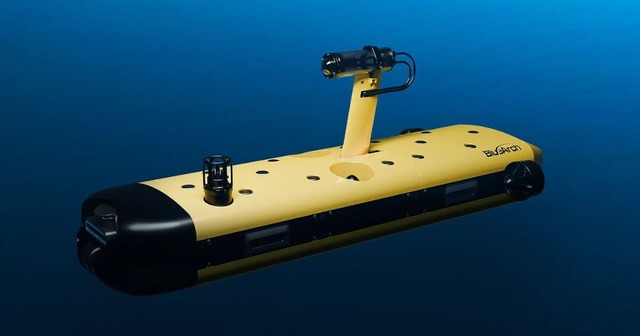
BlueArch develops and sells "HATTORI Neo," a compact autonomous underwater vehicle with edge AI.

BlueArch develops and sells "HATTORI Neo," a compact autonomous underwater vehicle with edge AI.

BlueArch Corporation has been established to develop and manufacture domestically produced autonomous underwater vehicles (AUVs) and underwater robots (UUVs). This initiative aims to enhance Japan's capabilities in underwater exploration and technology, responding to the growing demand for advanced marine solutions. The company focuses on leveraging innovative engineering and technology to create efficient and reliable underwater systems. The establishment of BlueArch marks a significant step in the country's efforts to strengthen its maritime industry and promote research and development in underwater robotics.
The Ultimate Bench Blueprint: Essential Phone Repair Tools for Beginners 2026

The Ultimate Bench Blueprint: Essential Phone Repair Tools for Beginners 2026

In 2026, the smartphone hardware landscape has undergone a significant transformation, making repairs far more complex than in previous years. Major manufacturers such as Apple, Samsung, and Google have developed flagship devices that resemble intricate puzzles, requiring advanced technical skills to disassemble. Unlike earlier models that allowed for simple component swaps using basic tools, today's smartphones are secured with specialized, microscopic screws and feature multi-layered logic boards, along with robust waterproof gaskets. This evolution in design reflects a growing emphasis on security and durability, posing challenges for consumers and repair technicians alike. As a result, the process of fixing a smartphone has shifted from straightforward DIY repairs to a more complicated endeavor, often necessitating professional assistance.

Engineering Industry automation news consumer electronics diagnostic tools DIYFIXTOOL
Atlas moves closer to real-world autonomy, KB says

Atlas moves closer to real-world autonomy, KB says

Hyundai Motor Group is rapidly advancing its humanoid robot initiatives, particularly as Boston Dynamics' Atlas robot approaches the necessary level of autonomy for industrial use. A report published on Monday by KB Securities analyst Kang Sung-jin highlights that recent footage from Boston Dynamics, a subsidiary of Hyundai based in the United States, indicates substantial progress in the development of "general intelligence" for humanoid robots. This capability allows robots to adapt to various tasks and environments, marking a significant step towards their practical application in industries.

All News
Burro introduces Grande 44 with proven outdoor autonomy built for heavy industry

Burro introduces Grande 44 with proven outdoor autonomy built for heavy industry

Burro has unveiled its latest innovation, the Burro Grande 44, a robust autonomous vehicle designed specifically for heavy industry applications. This new model boasts over 1 million hours of real-world operational experience in industrial towing, site logistics, and facilities management. By integrating proven outdoor autonomy, the Burro Grande 44 aims to enhance efficiency and productivity in demanding environments. The introduction of this advanced vehicle marks a significant step forward in the automation of industrial processes, reflecting Burro's commitment to providing reliable and effective solutions for the challenges faced by heavy industry.

Agriculture Artificial Intelligence Autonomous Mobile Robots (AMRs) Construction Logistics Manufacturing
ASI Releases CEO Playbook for Scaling Autonomy Across Industrial Operations

ASI Releases CEO Playbook for Scaling Autonomy Across Industrial Operations

A new white paper has been released, providing a comprehensive roadmap for organizations looking to transition from pilot programs to full-scale automation. This document, developed by industry experts, aims to guide businesses through the complexities of implementing automated systems effectively. The white paper highlights best practices and strategies that have proven successful in various sectors, emphasizing the importance of a structured approach to automation. Released in October 2023, it addresses the growing demand for efficiency and innovation in the workplace. By outlining key steps and considerations, the white paper serves as a valuable resource for companies eager to enhance their operational capabilities and stay competitive in an increasingly automated landscape.

UK trials compact G-size sonobuoy built for autonomous drones hunting submarines

UK trials compact G-size sonobuoy built for autonomous drones hunting submarines

Ultra Maritime has successfully conducted the inaugural in-water deployment trial of its advanced Multistatic Active Receive system. This significant milestone took place recently, marking a key step in the development of the technology designed to enhance maritime surveillance and detection capabilities. The trial was held in a controlled marine environment, allowing the team to assess the system's performance and reliability in real-world conditions. The motivation behind this initiative is to improve the effectiveness of maritime operations, particularly in detecting underwater threats and monitoring marine activities. By utilizing innovative technology and methodologies, Ultra Maritime aims to set a new standard in maritime security solutions. The successful trial demonstrates the potential of the Multistatic Active Receive system to revolutionize the industry and address growing concerns over maritime safety and security.

Military
MFE Offshore Partners with Hydromea to Bring Advanced Underwater ROV Technology to Offshore Operators

MFE Offshore Partners with Hydromea to Bring Advanced Underwater ROV Technology to Offshore Operators

MFE Offshore has entered into a partnership with Hydromea, establishing itself as the official distributor of the latter's underwater robotics solutions tailored for offshore and maritime applications. This collaboration will enable MFE Offshore to provide Hydromea's cutting-edge underwater inspection technologies to a diverse range of sectors, including offshore oil and gas, offshore wind, marine infrastructure, climate science, and various subsea industries. The partnership aims to enhance operational efficiency and safety in these critical areas, leveraging advanced robotics to meet the growing demands of underwater inspections.

mfe offshore hydromea rov offshore operators exray rov
Nvidia launches AI factory manager blueprint for autonomous manufacturing

Nvidia launches AI factory manager blueprint for autonomous manufacturing

Nvidia has introduced a groundbreaking software blueprint aimed at revolutionizing factory operations through a centralized AI system. The Nvidia Factory Operations Blueprint (FOX), announced at GTC Taipei during Computex, serves as a reference design for manufacturers seeking to develop an autonomous factory manager agent. This innovative system is designed to monitor, coordinate, and optimize factory processes in real time, enhancing efficiency and productivity. By leveraging advanced AI capabilities, Nvidia aims to empower manufacturers to streamline their operations and adapt to the rapidly evolving industrial landscape.

Artificial Intelligence Factories News Technology AI factory manager automation news
Sonar–camera system sees through murky waters

Sonar–camera system sees through murky waters

Remotely operated underwater vehicles (ROVs) face significant challenges when navigating cloudy and turbulent waters, as sediment disturbance can severely impair visibility for onboard cameras. This issue arises when ROVs settle on the seafloor or dig through sand beds, leading to the creation of sediment clouds that obscure their view. Consequently, operators often have no choice but to pause operations and wait for the marine dust to settle before the vehicles can safely continue their exploration or tasks. This limitation highlights the complexities of underwater operations and the need for advancements in technology to enhance visibility in such challenging conditions.

Robotics
Defining Autonomy for Wellness Robots in Senior Care

Defining Autonomy for Wellness Robots in Senior Care

A recent examination highlights the potential of socially assistive wellness robots in enhancing senior wellness across seven key dimensions. This analysis, aimed at addressing the escalating senior care crisis, underscores the challenges posed by demographic shifts, workforce shortages, and gaps in daily wellness programming that traditional care models face. The study defines wellness robots distinctly from companion and medical devices, emphasizing their unique features and functions. It introduces a framework for measuring the autonomy of these robots using the Care Robot Autonomy Scale (CRAS), a six-level scale inspired by the SAE J3016 driving standard, which assesses four critical care dimensions. Furthermore, the research outlines a roadmap for achieving full autonomy in wellness robots, detailing necessary technical capabilities, clinical evidence, and a phased approach leading into the early 2030s. This comprehensive analysis aims to inform stakeholders about the transformative role of wellness robots in senior care and the urgent need for innovative solutions in the face of growing demands. A free whitepaper summarizing these findings is available for download.

Type-whitepaper Wellness-robots Autonomous-robots Robotics
New imaging system sees through murky waters

New imaging system sees through murky waters

A groundbreaking technology known as “Sonar-MASt3R” has been developed to enhance underwater mapping capabilities by integrating sonar and visual data. This innovative system is capable of producing real-time 3D maps, significantly improving navigation and exploration in challenging environments, including cloudy water conditions. The technology was unveiled in October 2023, showcasing its potential to revolutionize marine research and underwater operations. By combining different data sources, Sonar-MASt3R addresses the limitations of traditional mapping methods, offering clearer and more accurate representations of underwater landscapes. This advancement is expected to benefit various sectors, including environmental monitoring, maritime safety, and underwater archaeology, by providing researchers and professionals with reliable tools for better decision-making in aquatic environments.

Research Robotics Computer vision Imaging Sensors Oceanography and ocean engineering
First-ever drone boat rescue: US Navy vessel pulls out two downed pilots from sea

First-ever drone boat rescue: US Navy vessel pulls out two downed pilots from sea

A U.S. Navy unmanned surface vessel successfully conducted a rescue operation for two Army pilots whose AH-64 Apache helicopter had crashed. The incident occurred on a training mission off the coast of California on Tuesday. The unmanned vessel, equipped with advanced technology, was able to locate the pilots quickly and facilitate their safe retrieval from the water. This operation highlights the increasing role of unmanned systems in military rescue missions, showcasing their effectiveness in enhancing operational capabilities and ensuring the safety of personnel in distress. The successful rescue underscores the collaborative efforts between the Navy and Army in conducting joint operations and responding to emergencies in challenging environments.

Military
RobotToday Initiative

Robotics needs a service framework.

RSF defines a common language for robot service capability, lifecycle operations, certification pathways, and service-provider networks.