Industry Briefing
A single destination for timely, editor-curated robotics news from around the world.

Fendt e107 Vario Electric Tractor Demonstrates Battery Power for Autonomous Field Robots
A recent test compared the Fendt e107 Vario electric tractor with the diesel-powered Fendt 207 Vario in both summer conditions in the Netherlands and winter conditions in Norway. The results indicate that while the electric tractor is advanced, its battery capacity remains a key limitation for heavy-duty tasks. This development is significant for the future of autonomous field robots, as electric drive systems could offer inherent advantages in efficiency and sustainability. The Fendt e107 Vario's performance suggests that battery-electric technology is becoming increasingly viable for agricultural applications. Looking ahead, the evolution of battery technology and electric drivetrains will be crucial for enhancing the capabilities of autonomous field robots. No further timeline was disclosed at the time of publication.
Tech in focus electric fendt
Amprius Unveils New 500 Wh/kg Battery Cell for Extended Drone Flight Durations
Amprius Technologies has launched a silicon-anode battery cell aimed at enhancing the endurance of uncrewed aircraft. The new SiCore cell boasts an energy density of 500 watt-hours per kilogram (Wh/kg) at a continuous discharge rate of 1C, with commercial availability anticipated in the fourth quarter of 2026. The company plans to provide both customer-specific and standard pouch formats for small uncrewed aircraft systems. This development is significant as higher energy density in aviation can lead to longer flight times, increased range, or the ability to carry heavier payloads without adding battery weight. Amprius has previously achieved similar energy levels but faced challenges in scaling production. The SiCore platform aims to simplify the manufacturing process, allowing customers to transition from qualification to volume production without the need for specialized equipment. Looking ahead, Amprius will initiate production at its Fremont, California facility and expand through global manufacturing partners. The company has a history of supplying battery cells to AALTO HAPS, which develops solar-electric aircraft. As energy density is crucial for long-duration flights, advancements in this area could significantly enhance operational capabilities for various applications, including fixed-wing drones and High-Altitude Platform Stations (HAPS).
battery technology Drone News Drone News Feeds Dual Use News AALTO HAPS
Innometry Accelerates Deployment of 1PASS-RING CT System for Battery Inspection
Innometry announced an accelerated deployment of its next-generation 1PASS-RING CT system, designed for contactless scanning of battery cells. This innovative system eliminates the need for physical handling, protecting cells from potential damage during inspection. Unlike traditional CT systems that utilize robotic arms, the 1PASS-RING employs a ring-shaped scanner that rotates around a stationary cell, enhancing operational efficiency. The significance of this advancement lies in its ability to streamline battery inspection processes while meeting critical production-line criteria. The system reduces floor space requirements by 50% and increases inspection speeds by 40%, addressing the battery industry's demand for contactless testing. Innometry's technology not only improves logistics routing and scanning speed but also ensures long-term reliability, making it a vital tool for mass-production lines. Looking ahead, Innometry is also finalizing a next-generation Helical CT system that will allow continuous scanning without halting production lines. This development is expected to enhance the capabilities of battery inspection further. No further timeline was disclosed at the time of publication.
All News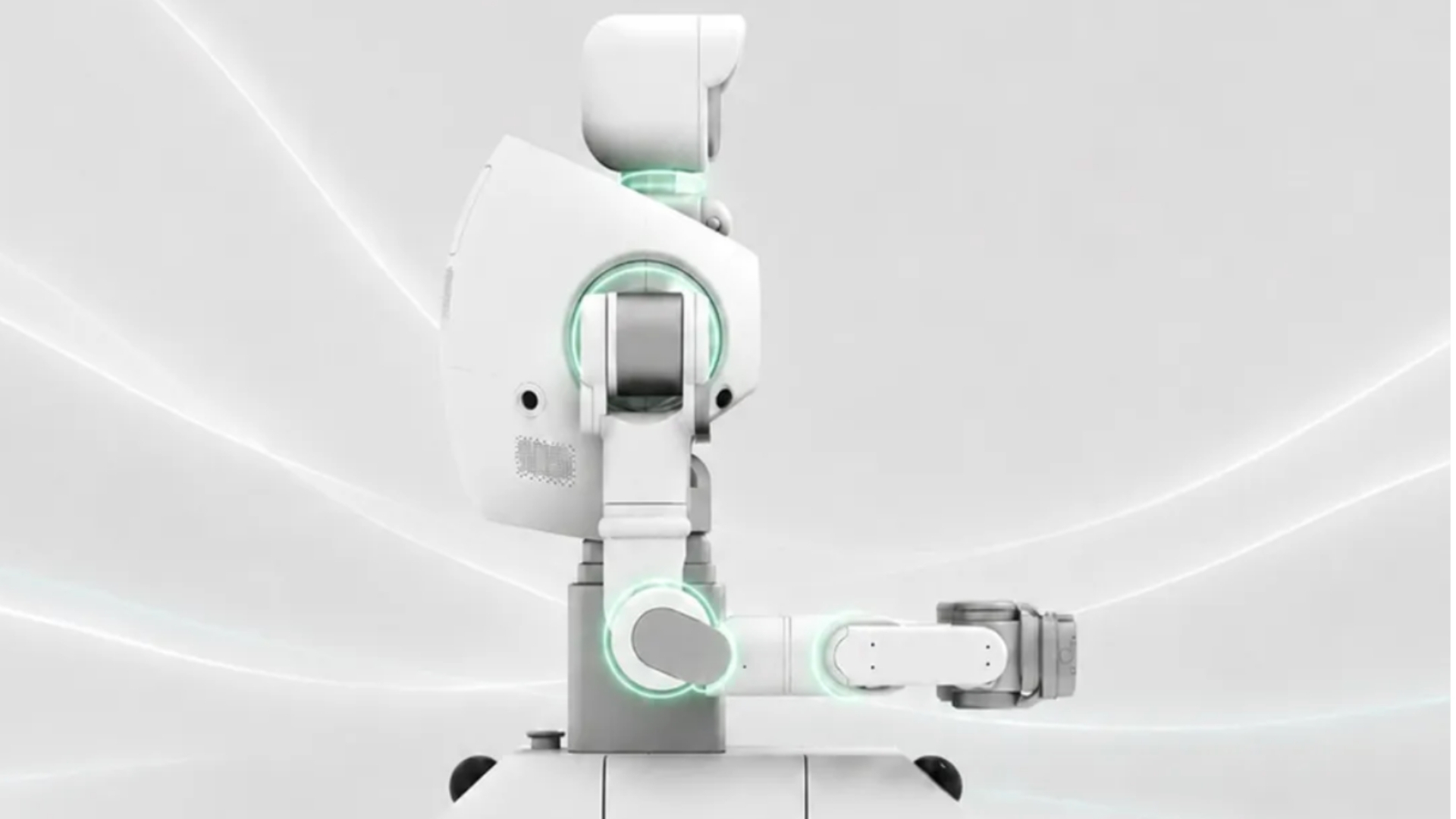
RoboScience Launches REX G1 Humanoid Robot with 22 Degrees of Freedom and Quick Battery Swap
RoboScience, a Beijing-based embodied intelligence company, has unveiled the REX G1 humanoid robot on August 17. Designed for logistics, manufacturing, retail, and domestic use, the REX G1 features 22 degrees of freedom, enabling it to perform complex tasks in dynamic environments. Its capabilities include simultaneous walking, lifting, and grasping, making it versatile for various applications. The introduction of the REX G1 is significant as it addresses the limitations of traditional warehouse robots, which often require modifications to existing facilities. With a design that allows it to navigate through tight spaces and work at various heights, the REX G1 can adapt to current operational setups without the need for extensive changes. This flexibility is crucial for industries looking to enhance efficiency without incurring high costs. Looking ahead, the REX G1's advanced features, including its 360-degree stereo vision and adaptive lighting, will be key to its performance in real-world scenarios. The robot's ability to operate in low-light conditions and its precise repeatability of ±0.1 mm position it as a competitive solution in the robotics market. No further timeline was disclosed at the time of publication.
AI and Robotics
EnPower and Echion Collaborate to Manufacture Ultra-High-Power Battery Cells for Robotics
EnPower, Inc. and Echion Technologies Ltd have announced a partnership to develop ultra-high-power battery cells in the U.S. for the North American industrial robotics market. This collaboration aims to combine Echion's XNO® niobium-based anode technology with EnPower's manufacturing expertise to create advanced battery solutions for automated guided vehicles and industrial robots. This partnership is significant as it aligns with Washington's efforts to secure the robotics supply chain and enhance domestic manufacturing capabilities. By producing these battery cells in the U.S., the companies aim to support critical infrastructure and autonomous systems, which are increasingly vital in various sectors, including AI datacenter power. Looking ahead, the agreement establishes EnPower as a key manufacturing partner for XNO® cells in North America. The companies plan to deepen their collaboration as their joint programs progress, indicating a strong commitment to advancing battery technology for industrial applications. No further timeline was disclosed at the time of publication.

Nio Achieves 120 Million Battery Swaps with Launch of 4,000th Station
Nio announced the completion of its 120 millionth battery swap at 8:09 a.m. on August 7. This milestone coincided with the launch of its 4,000th battery-swap station, which is part of the first batch of fifth-generation stations, enhancing service for its Nio, Onvo, and Firefly brands. This achievement is significant as it underscores Nio's commitment to expanding its infrastructure, now comprising 9,166 charging and battery-swap stations, including 1,049 dedicated highway swap stations. The cumulative electricity delivered through these battery swaps has reached an impressive 6.35 billion kilowatt-hours, showcasing the growing reliance on battery-swapping technology in the electric vehicle market. Looking ahead, Nio's continued expansion of its battery-swap network will be crucial for supporting its electric vehicle ecosystem. No further timeline was disclosed at the time of publication.
News Feed
Tesla's Evolving Supply Chain Strategy for 2026: Insights on Vendors and Battery Sourcing
Tesla has transitioned from a single supply chain to four distinct ones, focusing on vehicles, energy storage, semiconductors, and a nascent humanoid robot chain. In its Q2 2026 update, Tesla identified battery pack capacity expansion as the primary bottleneck affecting vehicle production, emphasizing the importance of cell and pack sourcing. This shift highlights Tesla's strategy of managing suppliers through a 'ratchet' system, where components are gradually brought in-house. The company is prioritizing investments in cell throughput technologies, indicating where future procurement opportunities lie for vendors. Notably, Tesla's arrangement with Sunwoda focuses on cell procurement while retaining assembly capabilities, showcasing a trend towards commoditizing suppliers. Looking ahead, vendors must assess their positions within Tesla's supply chain hierarchy. The most stable supplier roles will be in areas where Tesla cannot easily replicate processes, particularly in equipment and materials chemistry. The ongoing reliance on China for rare-earth materials presents a significant vulnerability that vendors should monitor closely.

Xiaomi Switches Battery Suppliers for Longjia Battery in Pengcheng SUV
Xiaomi has transitioned from using Contemporary Amperex Technology Co. Ltd. (CATL) and BYD as battery suppliers for its Pengcheng crossover SUV. The company has opted for Sunwoda and CALB to provide the battery for its newly developed Longjia battery pack. This shift is significant as it marks Xiaomi's move towards self-reliance in battery technology, potentially impacting its supply chain dynamics and production capabilities. By partnering with Sunwoda and CALB, Xiaomi aims to enhance its battery performance and reduce dependency on established suppliers. Looking ahead, it will be important to monitor how this change affects Xiaomi's production timelines and the performance of the Longjia battery pack. No further timeline was disclosed at the time of publication.
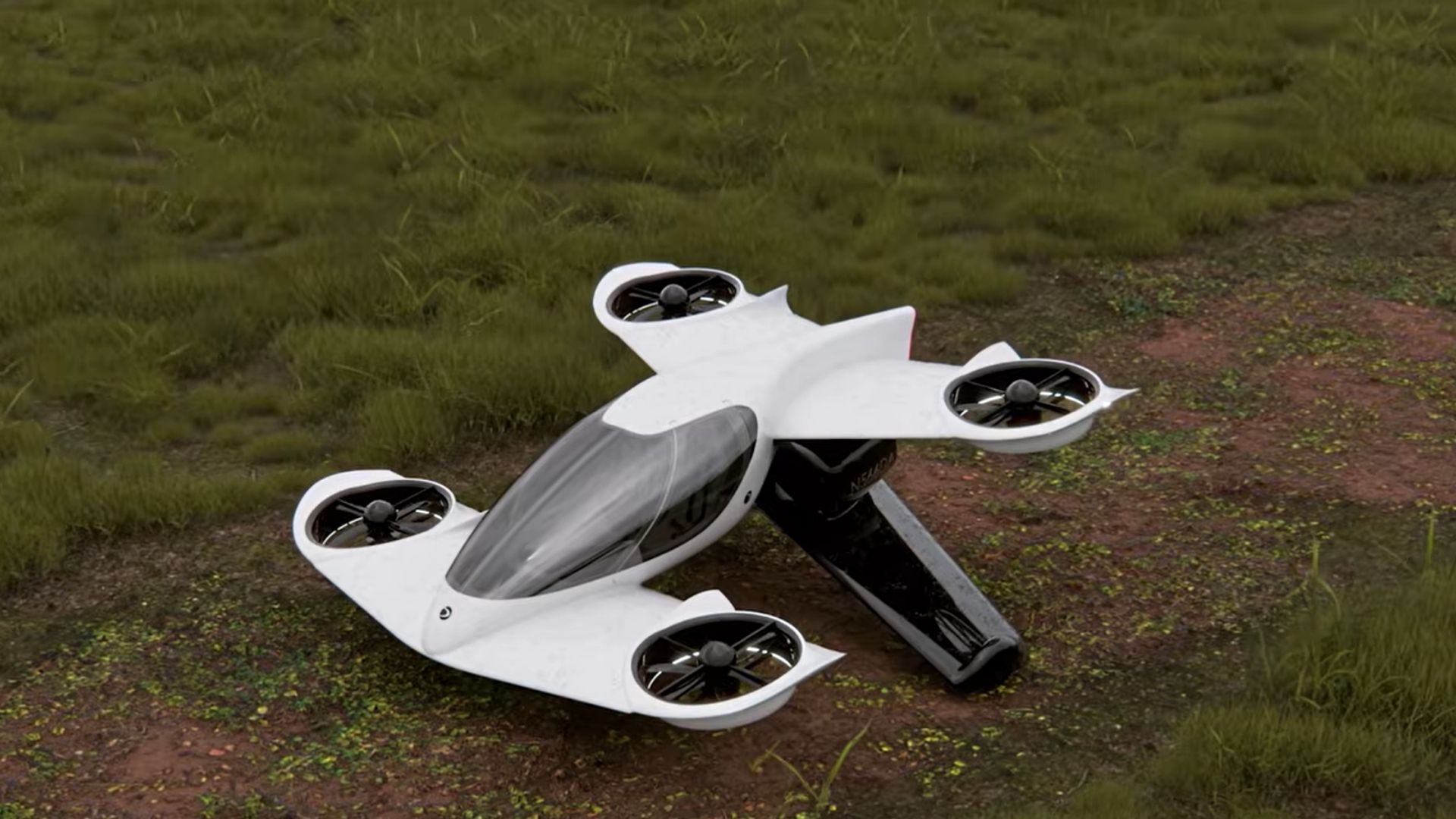
SES AI Partners with Doroni Aerospace to Develop High Energy Density Battery for eVTOL Aircraft
Battery technology company SES AI has signed a framework agreement with Doroni Aerospace to create battery systems for the H1-X electric vertical takeoff and landing (eVTOL) aircraft. This partnership, valued at up to $1.09 million, includes an initial commitment of $65,000 and will unfold in phases throughout 2026 and 2027. The collaboration is significant as it aims to enhance the H1-X's ground and flight-test program, with testing expected to commence as early as 2027. SES AI's lithium-metal batteries, designed to achieve energy densities nearing 400 Wh/kg, will play a crucial role in meeting the demanding performance and safety requirements of eVTOL platforms, which are critical for urban air mobility. Looking ahead, the agreement allows for potential expansion to include additional test systems and future production. As the eVTOL industry evolves, the focus on battery technology will be pivotal in determining the operational efficiency and range of aircraft like Doroni's H1-X, which is designed for short-distance travel with a range of 100 miles and a top speed of 120 miles per hour.
Energy Transportation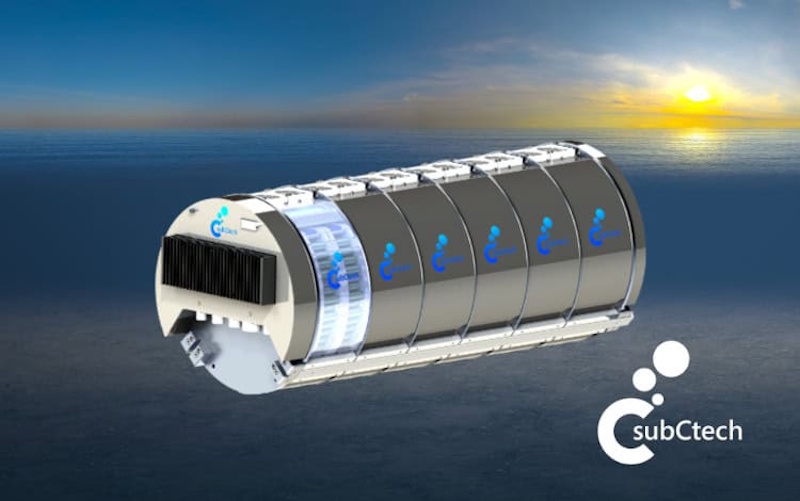
SubCtech Achieves 50kW Continuous Power for 600 V-Class AUV Battery System
SubCtech has reached a significant technical milestone by successfully demonstrating a continuous output of 50 kW from its 600 V-class AUV battery system. This achievement was part of a project aimed at developing a high-voltage, high-discharge-rate battery and charger system for underwater platforms, which required the system to operate at 35 °C for at least 45 minutes. The successful demonstration not only met but exceeded the customer's requirements, as the battery system delivered the necessary power for over 50 minutes without any thermal throttling. This marks SubCtech's entry into the 600 V-class battery segment and showcases the scalability of its existing technology to meet higher power demands. Looking ahead, SubCtech's achievement highlights its capability to innovate within established technology frameworks. The company plans to leverage this milestone to further enhance its offerings in the underwater robotics market. No further timeline was disclosed at the time of publication.
subctech technical milestone power auv battery system
Terra Drone to Begin Mass Production of Japanese-Made Drone Battery Packs
Terra Drone Corporation announced on July 27, 2026, its plans to mass-produce cylindrical-cell battery packs in Japan. This initiative aims to reduce reliance on Chinese suppliers and cater to NDAA-compliant defense customers. The company will utilize these battery packs for its own industrial and defense drones while also supplying third-party manufacturers domestically and internationally. This development is significant as Japan currently depends heavily on foreign sources for high-output cylindrical-cell batteries, with Chinese suppliers dominating approximately 90% of the global industrial drone market. The Japanese government has identified batteries as critical components exposed to supply chain risks, making Terra Drone's domestic production a strategic move to enhance national security and self-sufficiency in defense capabilities. Looking ahead, Terra Drone plans to expand its production capabilities to include motors and controllers. The company will leverage its existing sales network and overseas offices to market the battery packs to various sectors, including heavy industry and defense primes. No further timeline was disclosed at the time of publication.
battery technology Drone News Drone News Feeds Japan Drone Industry Japan Drone News News
Highstar Launches Innovative Battery System to Enhance Data Center Resilience Against Outages
Highstar, a China-based energy storage firm, introduced a comprehensive battery cell portfolio at the 2026 GGII Energy Storage Industry Summit to address the increasing power demands of AI Data Centers (AIDCs). This innovative system utilizes tailored chemistries for different layers of data center operations, ensuring reliable power backup and thermal management. The significance of Highstar's solution lies in its ability to meet the unique challenges posed by AI workloads, which require rapid response and dependable backup. The battery portfolio includes specialized products designed for server-rack battery backup units, facility-wide UPS, and grid-side storage, effectively insulating servers from power spikes and dropouts. Looking ahead, the integration of Highstar's battery systems could alleviate pressure on global power grids, which are currently facing transformer shortages and capacity limits. By providing on-site battery storage, data center operators can safely manage power demands and avoid disruptions to local substations. No further timeline was disclosed at the time of publication.
AI and Robotics
Re:Build Manufacturing Launches US-Made Lithium-Ion Battery Packs for UAVs
Re:Build Manufacturing has initiated direct commercial sales of its new lithium-ion battery packs designed for unmanned aerial vehicles (UAVs). This product line includes the Core, Power, and Performance series, which cater to various energy configuration needs. The launch is part of a broader manufacturing expansion at the company's Pennsylvania facility, aimed at producing Group 1, Group 2, and Group 3 unmanned aircraft systems (UAS). The introduction of these battery packs is significant as it addresses supply chain vulnerabilities in domestic aerospace hardware. UAV developers, particularly in dual-use, public safety, and military sectors, face stringent procurement regulations regarding component origins. Re:Build's assembly protocol utilizes non-FEOC battery cells to ensure compliance with National Defense Authorization Act (NDAA) procurement frameworks, thus enhancing the reliability of UAV operations. Looking ahead, Re:Build Manufacturing is set to provide dedicated engineering support for custom energy storage solutions, including Battery Management System (BMS) development. The company's advanced manufacturing facility in New Kensington, spanning 175,000 square feet, is designed to facilitate the transition from UAV prototyping to mass production, addressing common scaling challenges in the industry. No further timeline was disclosed at the time of publication.
Military
EcoPro Co. Targets Humanoid Robotics for Growth Beyond Electric Vehicles
EcoPro Co. is set to engage in the South Korean battery-materials sector's initiative to support the humanoid robotics industry. The company is betting on the increasing demand for lightweight and powerful batteries, which is expected to create a new growth market beyond the traditional electric vehicle sector. This strategic move is significant as it highlights the evolving landscape of battery applications, where the need for advanced battery technology is expanding into new domains like humanoid robotics. The shift could lead to innovative developments in both battery design and robotics, potentially transforming how these technologies are integrated. Looking ahead, industry stakeholders will be keen to observe how EcoPro Co. and other battery manufacturers adapt their technologies to meet the specific needs of the humanoid robotics market. No further timeline was disclosed at the time of publication.

Li-S Energy's Lithium-Sulfur Batteries Enter US Army Testing for Drone Applications
Li-S Energy, an Australian battery developer, has delivered lithium-sulfur battery cells to the US Army for independent testing. This marks the first instance of the company's technology being evaluated by a US government agency, specifically by the US Army Combat Capabilities Development Command C5ISR Center at Aberdeen Proving Ground. The significance of this testing lies in the potential for lithium-sulfur batteries to enhance military operations that increasingly depend on drones and autonomous systems. With nearly double the energy density of conventional lithium-ion batteries, these cells could enable unmanned platforms to achieve longer flight times, greater ranges, and increased payload capacities, which are critical for modern military applications. Looking ahead, the evaluation by the DEVCOM C5ISR Center could pave the way for the integration of Li-S Energy's technology into various military programs, including unmanned aircraft and ground robots. No further timeline was disclosed at the time of publication.
Energy Military
B-and-Plus Launches New Lithium Battery for AGVs and AMRs with Standard Connectors
B-and-Plus, a company specializing in wireless power and charging technology, announced the launch of a new lithium battery for AGVs (Automated Guided Vehicles) and AMRs (Autonomous Mobile Robots) on August 12, 2026. This battery features pre-installed charging and discharging connectors and includes a standard CAN level gauge for monitoring battery status. The new battery, manufactured by Japan Storage Battery Co., integrates wireless charging-compatible connectors, simplifying the wiring typically required for charging and monitoring. With voltage options of 24V and 48V, it eliminates the need for series connections, thus enhancing space efficiency and ensuring cell balance. The CAN communication capability allows for seamless integration with external devices, making it suitable for electric equipment and control systems. Applications for this battery include electric mobility, AGVs, AMRs, and various electric equipment utilizing wireless charging systems. B-and-Plus is also developing higher-output wireless charging systems for AGVs and AMRs, aiming to address challenges in manufacturing and logistics through automated charging and reduced maintenance burdens.
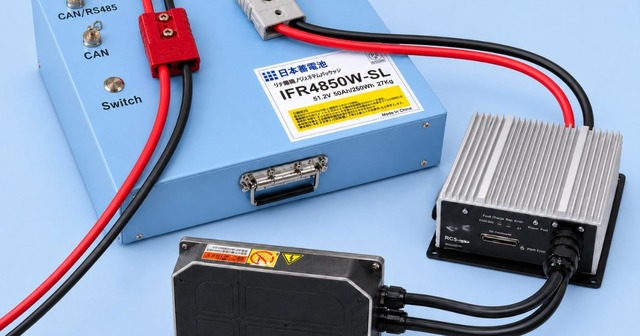
B-and-Plus Launches New Lithium Battery for AGVs and AMRs with Standard Connectors
B-and-Plus announced the launch of a new lithium battery on August 12, 2026, designed for AGVs, AMRs, and industrial robots. This battery features pre-installed charging and discharging connectors and includes a CAN level gauge for monitoring battery status. The product aims to simplify wiring and enhance space efficiency in various applications. The introduction of this battery is significant as it addresses the complexities of traditional battery systems, which often require external devices for monitoring and wiring for charging and discharging. By integrating these features, B-and-Plus enhances operational efficiency and provides a reliable solution for electric mobility and industrial applications, where accurate battery status is crucial. Looking ahead, B-and-Plus is also developing higher-output wireless charging systems for AGVs and AMRs. The company is focused on automating charging processes and reducing maintenance burdens through its wireless power technology, which is expected to address challenges in manufacturing and logistics sectors. No further timeline was disclosed at the time of publication.

Boston Dynamics' Atlas Robot Achieves Autonomous Battery Swapping in Under Three Minutes
Boston Dynamics has announced that its Atlas humanoid robot can now autonomously replace its depleted battery in under three minutes. This production-ready robot is designed to navigate back to a designated battery station, swap its battery, and resume operations, which is crucial for reducing downtime in industrial settings. The ability to autonomously manage battery life addresses a significant challenge as manufacturers aim to deploy humanoid robots more widely in various industrial environments. The development of Atlas is significant as it allows for longer work shifts with minimal human intervention, enhancing productivity in factories. With a runtime of about four hours during typical operations and two hours when performing heavy lifting, the autonomous battery swap feature offers a competitive advantage over conventional recharging methods, which take approximately 90 minutes. This capability is essential for factories operating multiple shifts and seeking to maximize operational efficiency. Looking ahead, Atlas is positioned for practical industrial deployment, with advancements in AI and simulation improving its ability to learn and adapt. The robot's enhanced manipulation and sensing capabilities, combined with accelerated training processes, are paving the way for its integration into real-world industrial tasks. No further timeline was disclosed at the time of publication.
AI and Robotics
Shibaura Institute Develops Cost-Effective Catalyst for Lithium-Oxygen Batteries
Researchers at the Shibaura Institute of Technology in Japan have created a new platinum-free catalyst for lithium-oxygen batteries, addressing a significant barrier to their market entry. This innovation could enable electric vehicles to drive cross-country and drones to fly for extended periods, thanks to the batteries' potential energy density, which is up to ten times greater than that of standard lithium-ion cells. The development is crucial as lithium-oxygen batteries face challenges due to slow oxygen reactions during charging and discharging, which leads to energy inefficiency. The new catalyst, designed by Professor Takahiro Ishizaki's team, combines perovskite and spinel oxides to enhance catalytic performance while remaining cost-effective and sustainable. Future advancements in this technology could significantly impact energy storage solutions. The researchers achieved a record-low potential gap of 1.14 V between charging and discharging, indicating less wasted power. As the field progresses, the effectiveness of this composite catalyst in practical applications will be closely monitored, particularly in the context of electric vehicles and drone technology.
Energy
Air Force Funds Research on Wireless Power Beaming for Military Drones to Extend Flight Time
The Air Force has initiated a research project to explore wireless power beaming for drones, led by Reach Power and the University of Nebraska-Lincoln’s NIMBUS Lab. This effort aims to enable unmanned aircraft to operate longer without needing battery swaps, enhancing their role in military communications and ISR missions. This research is significant as it addresses the critical limitation of battery life in small drones, potentially allowing them to function as persistent communication and surveillance nodes. By reducing the need for frequent landings to recharge, the project could simplify logistics and operational demands on military personnel. Looking ahead, the study will assess the feasibility of using wireless power to sustain perched drones during extended missions. A successful outcome could revolutionize military drone operations, improving battlefield communications and expanding the use of unmanned systems in intelligence, surveillance, and reconnaissance roles. No further timeline was disclosed at the time of publication.
Innovation Military
SEOULTECH Develops Porous 3D-Printed Feet to Enhance Quadruped Robot Efficiency
Researchers at Seoul National University of Science and Technology (SEOULTECH) have created porous 3D-printed feet that enable quadruped robots to walk more efficiently, reducing battery power consumption by up to 6.2 percent. These lightweight feet, made from triply periodic minimal surface (TPMS) structures, absorb and release impact energy, easing the burden on the robot's motors. This innovation is significant as quadruped robots are increasingly utilized in various sectors, including inspection, logistics, and search and rescue. Traditional quadruped designs consume more energy than wheeled robots due to the constant motor-driven leg movements required for walking. The new TPMS feet design addresses this issue, enhancing efficiency while maintaining stable locomotion. Looking ahead, the integration of deep reinforcement learning with the TPMS feet presents a promising avenue for further advancements in robotic mobility. The AI controller optimizes the robot's gait to synchronize motor movements with the energy stored in the feet, minimizing unnecessary motor effort. No further timeline was disclosed at the time of publication.
AI and Robotics
New 200x Sharper Electron Microscope Installed at BNL to Transform Battery and Semiconductor Research
The US Department of Energy’s Brookhaven National Laboratory has installed a groundbreaking scanning transmission electron microscope that offers an energy resolution 200 times better than existing models. This custom-made instrument will significantly enhance research capabilities in battery technology, semiconductors, and quantum computing by allowing scientists to analyze materials at an atomic level with unprecedented detail. The installation of this advanced microscope is crucial as it bridges the gap between electron microscopy and synchrotron X-ray facilities, enabling simultaneous evaluation of a material’s atomic structure, chemical composition, and electronic behavior. The microscope's unique features, such as dual secondary electron detectors, will aid in catalyst research, which is vital for developing efficient energy conversion and storage technologies like batteries and fuel cells. Looking ahead, the microscope's capabilities in electron energy-loss spectroscopy and low-voltage operation will facilitate the study of delicate 2D quantum materials. No further timeline was disclosed at the time of publication, but the potential applications in clean-energy technologies and advanced materials research are significant, marking a new era in material science exploration.
Innovation
Shanghai Electric Launches Advanced Humanoid Robots with Continuous Operation Features
Shanghai Electric unveiled a comprehensive range of industrial robots and AI technologies at the WAIC 2026, focusing on automating complex manufacturing tasks that require human-like precision. The new portfolio includes the SUYUAN bipedal humanoid robot, equipped with 41 degrees of freedom and a dual-battery hot-swap design for uninterrupted operation, aimed at tasks like inspection and assembly. The introduction of these robots is significant as they address the growing demand for automation in manufacturing, particularly in environments where precision and efficiency are critical. Shanghai Electric's innovations, including the TUOYUAN and Mermaid robots, are designed to enhance productivity and reduce reliance on human labor in specialized manufacturing settings. Looking ahead, Shanghai Electric plans to expand the deployment of these advanced robotic systems as the technology evolves. The company also aims to integrate its AI models with robotic control systems to optimize factory operations, making it essential for industry stakeholders to monitor these developments closely.
AI and Robotics
Sila Secures $300 Million to Enhance U.S. Battery Anode Production for Drones
Sila has successfully raised $300 million in private funding aimed at expanding its silicon-carbon battery anode technology production in the United States. This investment will bolster manufacturing capacity at its Moses Lake, Washington facility, facilitating a Phase 2 expansion and accelerating the production of its Titan Silicon® anode technology. The significance of this funding lies in its potential to strengthen domestic supply chains for advanced battery materials, particularly in light of the current dominance of China in anode material processing and battery cell manufacturing. With battery materials becoming increasingly crucial for technology security, Sila's efforts could mitigate supply chain risks for industries reliant on advanced batteries, including drones, defense systems, and electric vehicles. Looking ahead, Sila's expansion plans include increasing its Moses Lake facility's capacity from an initial 2 GWh to as much as 250 GWh over the next five years, potentially establishing it as the world's largest anode production site. No further timeline was disclosed at the time of publication.
Applications Drone Manufacturing Drone News Drone News Feeds News AI infrastructure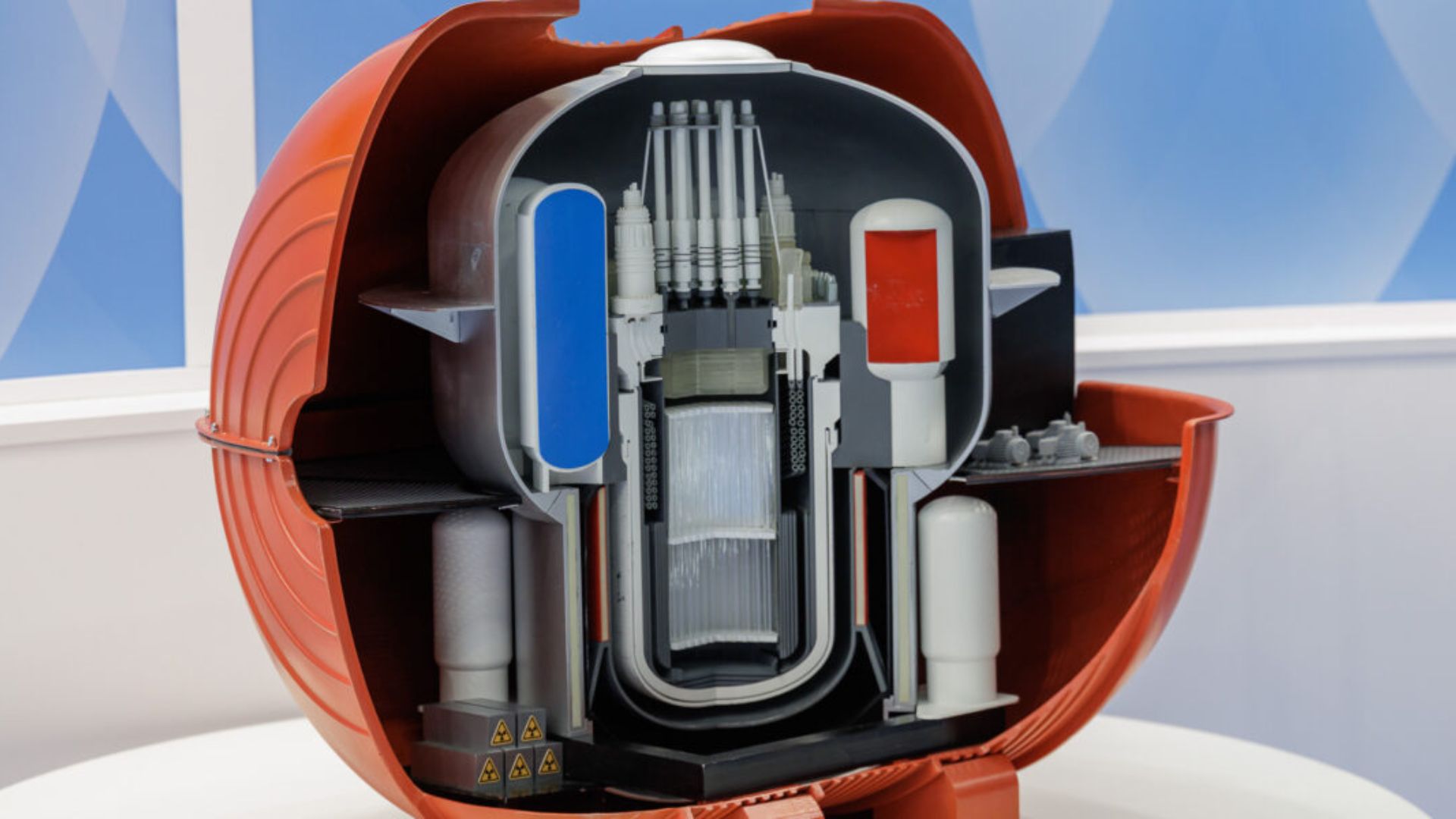
Rosatom's 370-ton Shelf-M Nuclear Reactor Achieves Investment Justification Milestone
Rosatom has completed the investment justification phase for its first land-based small modular reactor at the Sovinoye gold deposit. This milestone finalizes the technical-economic review and sets the regulatory framework for manufacturing and deployment in the Far East region. Local site surveys are currently in progress, and the nuclear fuel has successfully passed its operational endurance testing. The significance of this development lies in the Shelf-M reactor's capabilities, which include generating 10 MW of electrical power and 35 MW of thermal power for a lifespan of 60 years. Construction is slated to commence in 2027, with the reactor expected to start operations in 2030 and achieve full commercial operation by 2032. The reactor's design allows for centralized manufacturing, enhancing efficiency and transportability across Arctic environments. Looking ahead, the Shelf-M microreactor's innovative design features a channel-type core architecture and a unique cross-shaped fuel rod configuration, which improves thermal transfer efficiency. The reactor's passive cooling system ensures safe heat dissipation, allowing it to operate effectively without reliance on backup power sources. No further timeline was disclosed at the time of publication.
Energy
Advanced Battery Technology Enhances Performance for Autonomous Vehicles and Robotics
Recent advancements in battery technology are enabling intelligent machines to operate continuously, enhancing performance and efficiency. This technology is specifically designed for applications in autonomous vehicles, robotics, satellites, and drones, allowing for longer life and improved operational capabilities under high-demand conditions. The significance of these developments lies in their potential to transform various industries by supporting the growing demand for reliable and efficient power sources. As intelligent machines become more prevalent, the ability to sustain high-performance operations is crucial for sectors such as transportation, logistics, and aerospace. Looking ahead, stakeholders should monitor the integration of these advanced battery systems into existing platforms and the emergence of new applications. No further timeline was disclosed at the time of publication.
Guest Post: America’s Drone Future Depends on Battery Independence
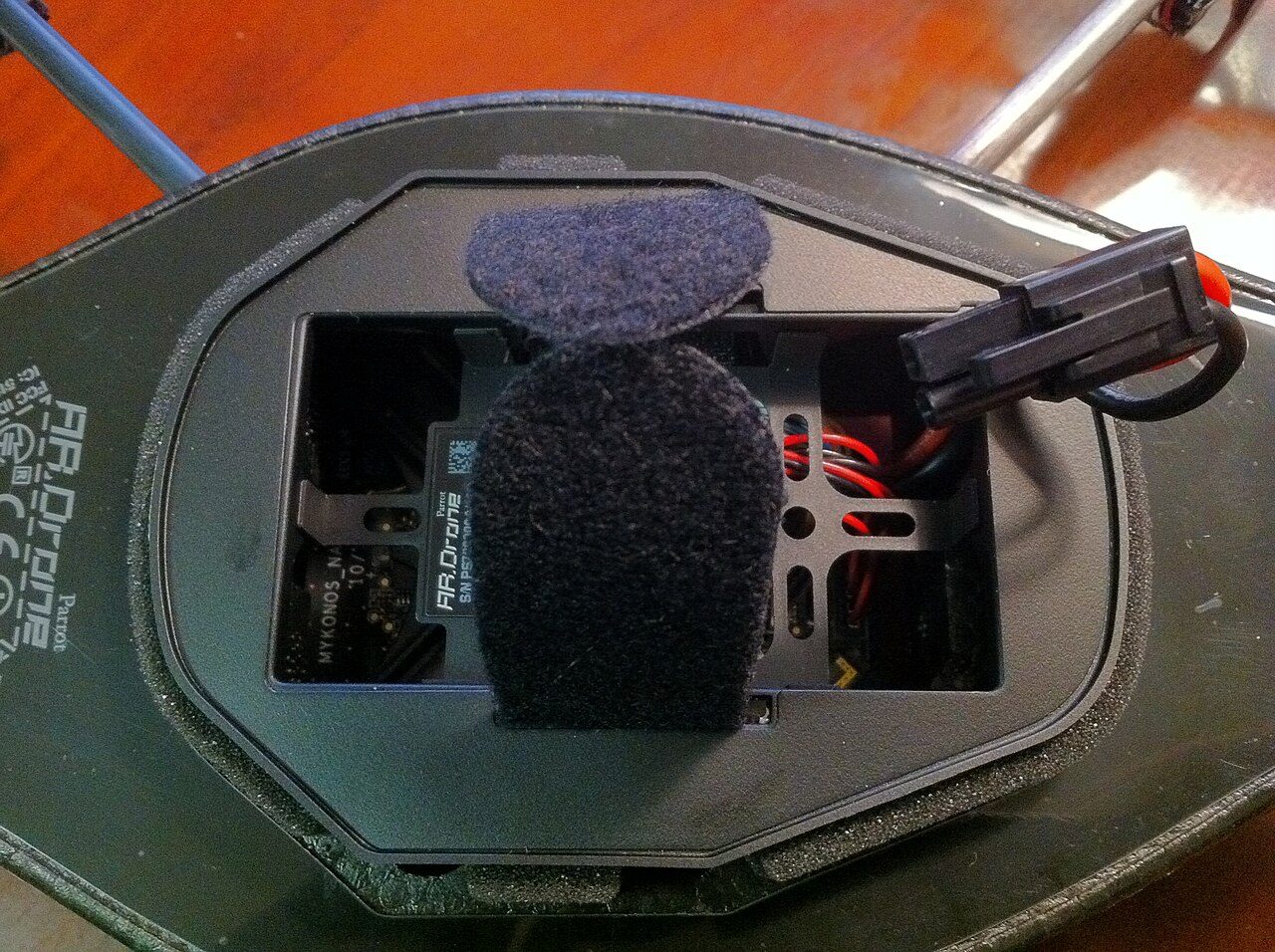
In this guest post, Micantis co-founder and CEO Howard Alt argues that batteries, not aircraft, may be the defining factor in the future of the U.S. drone industry. As demand for drones grows across commercial, public safety, and defense applications, he contends that battery manufacturing and supply chain resilience have become strategic issues for both […] The post Guest Post: America’s Drone Future Depends on Battery Independence appeared first on DRONELIFE.
battery technology Drone Manufacturing Drone News Drone News Feeds Drones in the News News
UBTECH says full-size humanoid robots typically run for only two to four hours amid U1 battery criticism
UBTECH has recently launched its full-size humanoid robot, the U1, which has garnered significant interest, especially the male variant known as the U1 Ultra, priced at RMB 990,000 (approximately $146,000). Despite the excitement surrounding its release, the robot's battery life, reportedly lasting only two to four hours, has raised concerns among potential buyers and critics alike. Many argue that this limited duration is insufficient for overnight use, prompting discussions about the robot's practicality for everyday applications. In light of this feedback, UBTECH is expected to address these battery life concerns as it seeks to enhance the U1's appeal in the competitive robotics market.
News Feed
Tesla Optimus Battery Life & Runtime (2026): kWh, Hours & Power Source
Tesla's Optimus robot, powered by a 2.3 kWh battery, is designed to operate for approximately eight hours on a single charge. This innovative technology, which is set to be fully detailed in specifications for 2026, showcases advancements in runtime and power efficiency. The robot's self-charging capabilities further enhance its functionality, making it a significant development in the field of robotics. As Tesla continues to push the boundaries of automation, the Optimus robot represents a key step in the company's vision for integrating artificial intelligence into everyday tasks. The information regarding its performance and specifications is expected to be released in the coming years, reflecting Tesla's commitment to innovation and sustainability in technology.

New ceramic solid-state battery for military, aerospace tech survives 302°F heat
A research team from Tsinghua University in China has successfully developed a compact, all-ceramic solid-state lithium-ion battery. This innovative battery design aims to enhance safety and efficiency in energy storage solutions. The announcement was made recently, highlighting the potential of this technology to address common issues associated with traditional lithium-ion batteries, such as flammability and limited lifespan. By utilizing an all-ceramic structure, the researchers believe they can significantly improve the performance and stability of batteries, making them more suitable for various applications, including electric vehicles and portable electronics. The team's work represents a significant advancement in battery technology, driven by the growing demand for safer and more efficient energy storage options in an increasingly electrified world.
Energy
NatPower and Tesla Strike 25 GWh European Battery Storage Deal
NatPower has entered into a multi-year agreement with Tesla to supply and deploy over 25 gigawatt-hours of battery energy storage systems in European markets, with initial projects set for Italy and the United Kingdom. Announced on June 23, 2026, the partnership will see Tesla provide its Megapack technology, along with engineering, procurement, construction services, and energy trading optimization via its Autobidder platform. The projects, which will be owned and operated by NatPower, aim to streamline project development, financing, construction, and energy trading, facilitating large-scale battery deployment. The first phase includes five projects and is part of a larger initiative targeting over 100 GWh of storage capacity. NatPower anticipates that the full program could yield between $4 billion and $5 billion in construction value and generate over $15 billion in revenue over two decades. This agreement underscores the increasing significance of large-scale energy storage in Europe, driven by rising electricity demand, renewable energy integration, and the growth of data centers. As Europe seeks to enhance grid reliability and meet decarbonization goals, substantial storage additions will be necessary in the coming years. Tesla has established itself as a leading supplier of utility-scale battery systems, while NatPower continues to expand its role in energy infrastructure development. The storage assets from this agreement will provide essential grid balancing services and support electricity-intensive customers, including industrial facilities and data centers. NatPower CEO Fabrizio Zago emphasized the shift towards large-scale execution, while Tesla Energy Vice President Mike Snyder highlighted the integration of Tesla's capabilities to expedite battery deployments across Europe.

Six battery storage projects bring 23 MW capacity and $90M savings to Massachusetts
Lightshift Energy has announced plans to expand its operations in Massachusetts by adding six new battery energy storage projects. This initiative aims to enhance the state's energy infrastructure and support the growing demand for renewable energy solutions. The projects are set to be developed over the coming months, with specific locations yet to be disclosed. The expansion is part of Lightshift Energy's broader strategy to contribute to the transition towards cleaner energy sources and to help stabilize the power grid. By incorporating advanced battery technology, the company seeks to improve energy storage capacity, allowing for better management of energy supply and demand. This move aligns with Massachusetts' commitment to increasing renewable energy usage and reducing carbon emissions.
Energy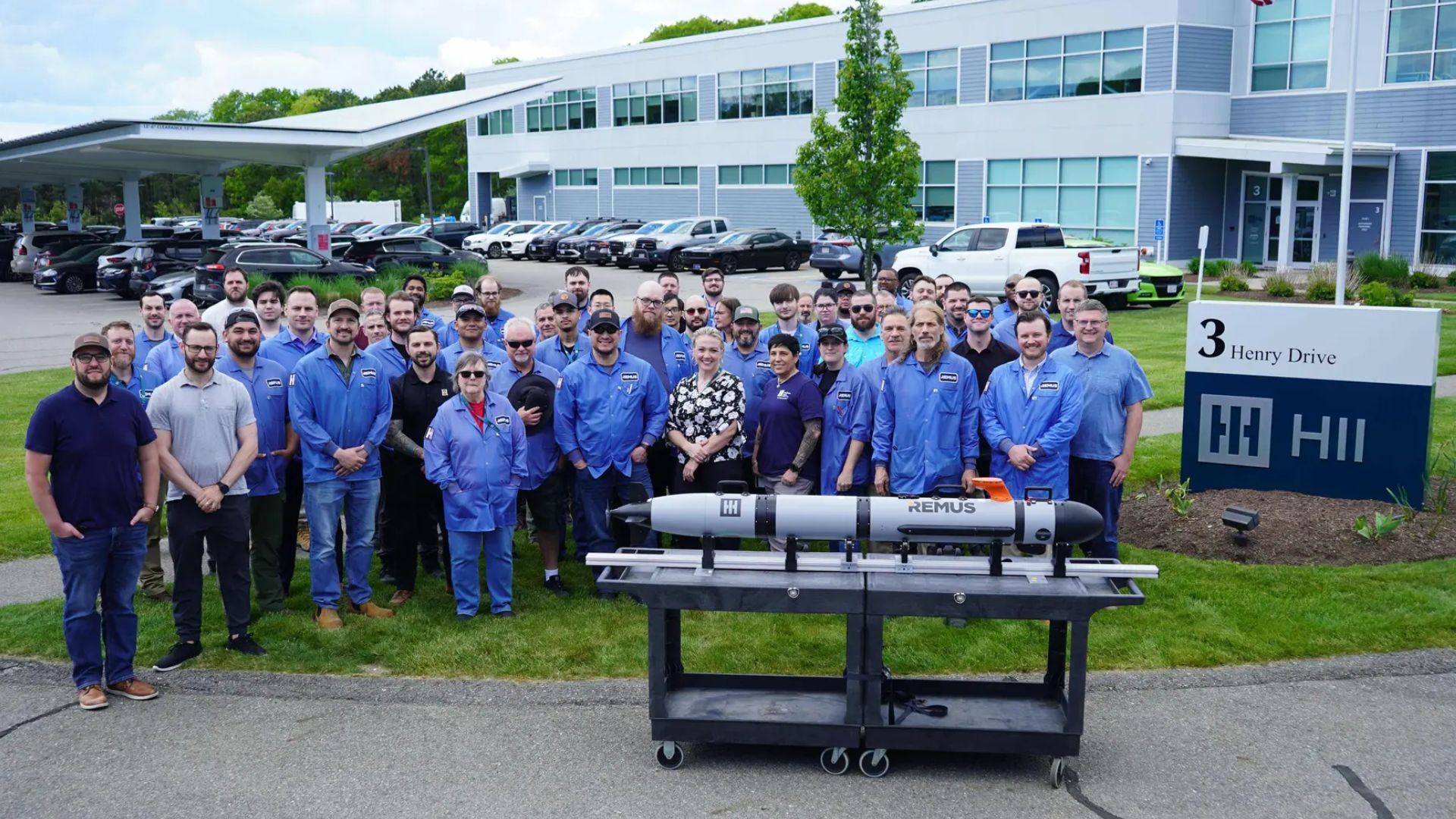
New mini submarine-like drone from HII can dive 328 feet deep with 10 hour battery life
Huntington Ingalls Industries (HII), a prominent U.S. military shipbuilder, has successfully delivered the first REMUS 130 unmanned underwater vehicle. This significant milestone was achieved as part of HII's commitment to advancing maritime technology. The delivery took place in October 2023, showcasing the company's ongoing efforts to enhance the capabilities of the U.S. Navy and other defense partners. The REMUS 130 is designed for various underwater missions, including reconnaissance and surveillance, addressing the growing need for advanced unmanned systems in naval operations. This development reflects HII's strategic focus on innovation and its role in supporting national security objectives through cutting-edge maritime solutions.
Military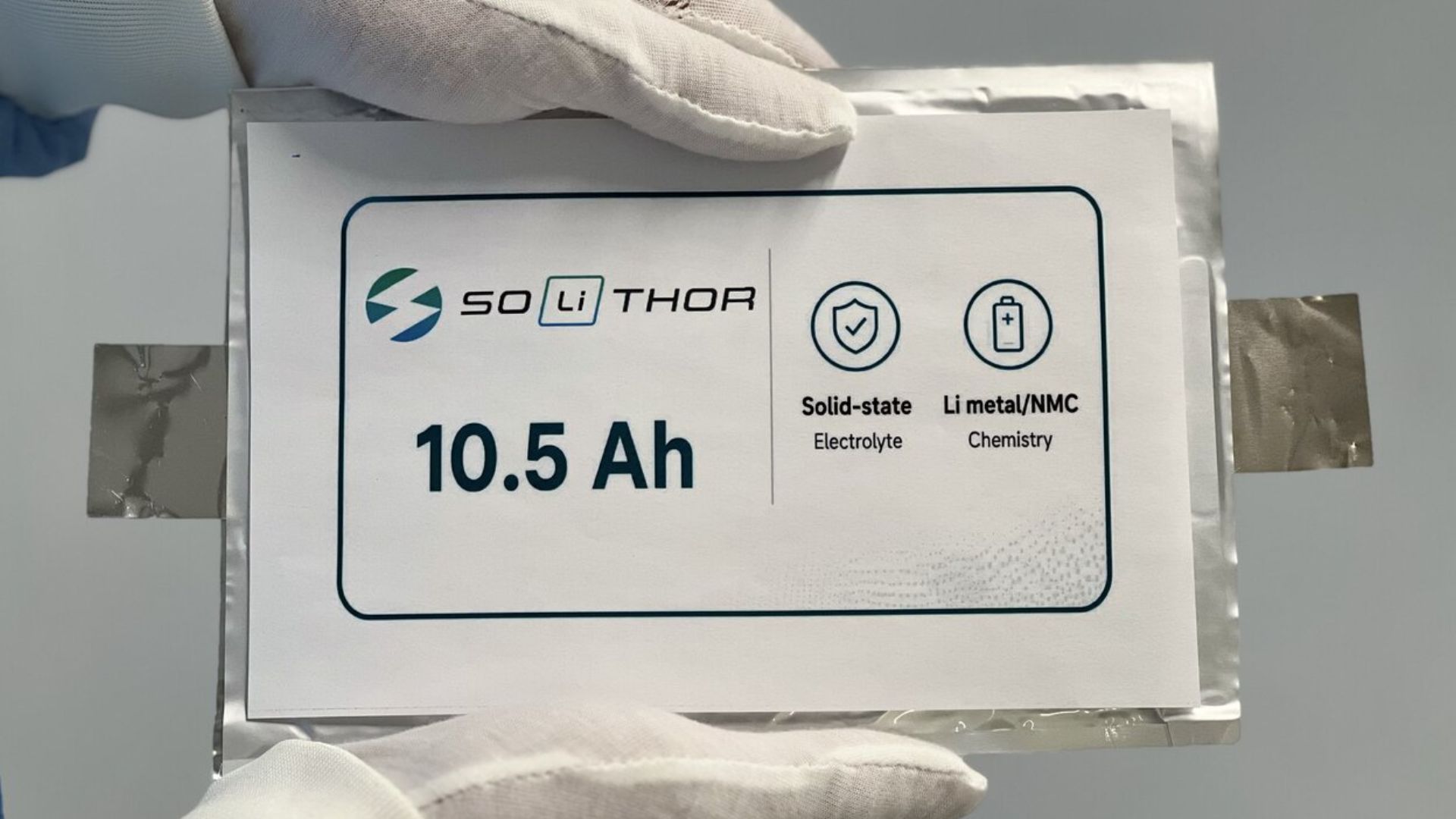
Solid-state battery cell hits 465 Wh/kg density, targets aerospace and defense applications
European battery startup SOLiTHOR has successfully produced its first 10 Ah demonstration cell, showcasing a significant advancement in battery technology. This milestone was achieved recently at their facility in Europe, where the company aims to enhance energy storage solutions. The development of this demonstration cell is part of SOLiTHOR's broader mission to address the growing demand for efficient and sustainable battery systems, particularly in the context of the electric vehicle market and renewable energy storage. By utilizing innovative manufacturing processes and cutting-edge materials, SOLiTHOR is positioning itself as a key player in the competitive battery industry, striving to contribute to a greener future.
Energy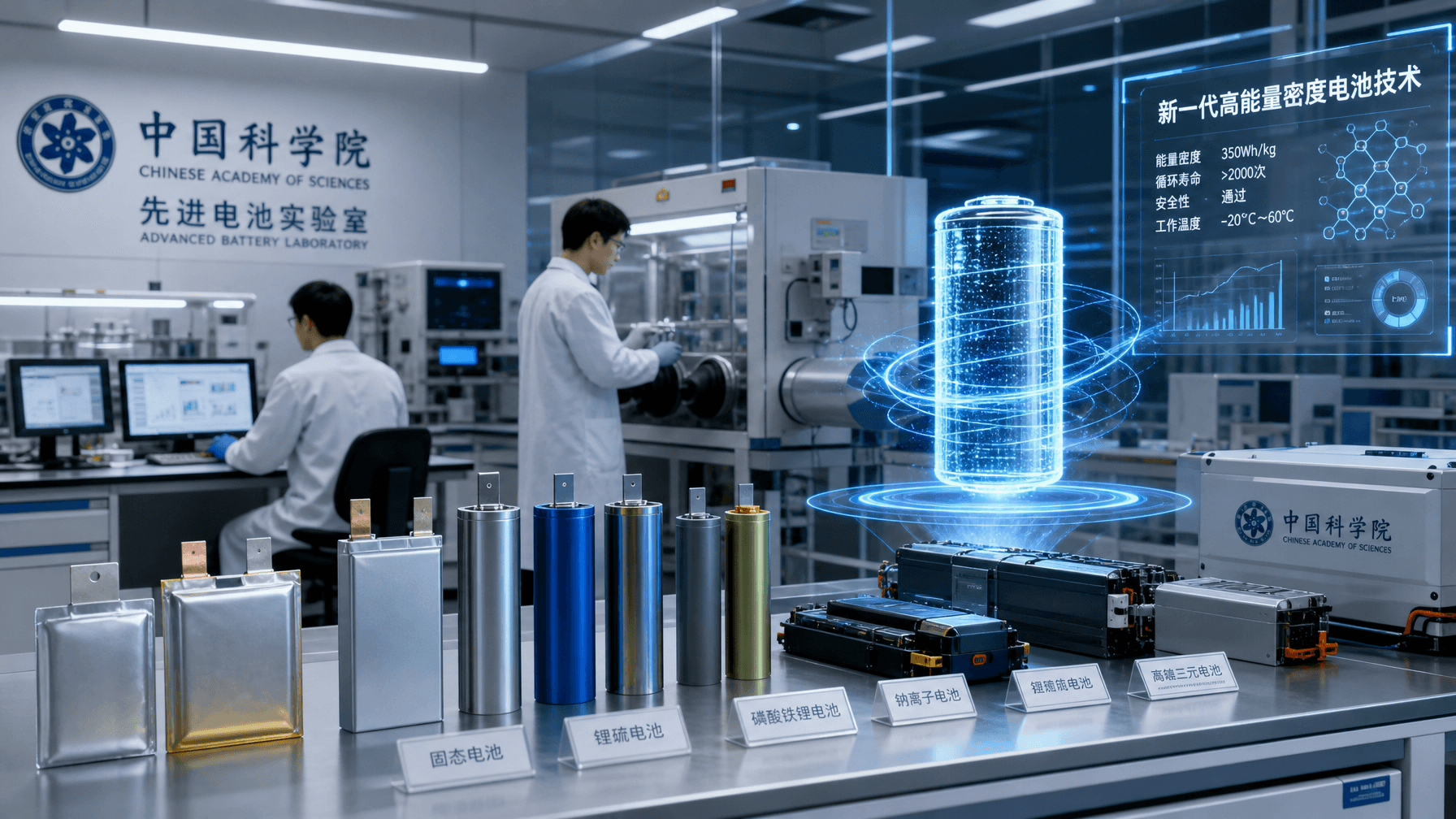
Beyond the Solid-State Battery Myth: CAS Breaks Through on Multiple Fronts in 2026
In spring 2026, the Chinese Academy of Sciences announced significant advancements in battery technology, showcasing breakthroughs in several areas including black phosphorus fast-charging, safe sodium-ion batteries, solid-state batteries, and hydrogen storage systems. These innovations aim to enhance energy storage solutions, addressing the growing demand for efficient and safe battery technologies in various applications. The developments reflect ongoing research efforts to improve energy efficiency and sustainability, positioning China at the forefront of battery technology advancements. The academy's work is expected to have a substantial impact on industries reliant on advanced energy storage, potentially transforming the landscape of electric vehicles and renewable energy systems.
Technology
Scania Launches Battery-Electric CrewCab for Rescue Vehicles
Scania has introduced its inaugural battery-electric CrewCab, designed specifically for fire, airport, and civil rescue operations. This innovative vehicle was unveiled in October 2023, marking a significant step towards sustainable emergency response solutions. The CrewCab aims to enhance operational efficiency while reducing environmental impact, aligning with the growing demand for greener technologies in the emergency services sector. By integrating advanced electric powertrain technology, Scania is addressing the challenges faced by rescue operations in urban environments, where emissions and noise pollution are critical concerns. The launch reflects Scania's commitment to providing cutting-edge solutions that meet the needs of modern emergency services while promoting sustainability.
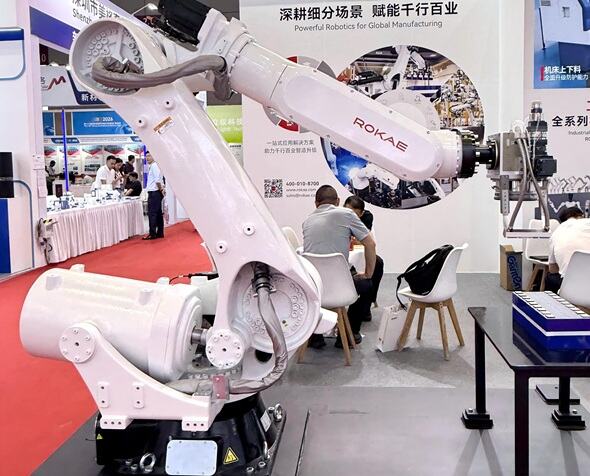
ROKAE Robotics at CIBF 2026: Force-Controlled Welding Solutions for Battery Manufacturing
ROKAE Robotics showcased its advanced automation solutions for lithium battery manufacturing at the 2026 China International Battery Fair (CIBF), held at the Shenzhen World Exhibition & Convention Center. The company highlighted its innovative technologies focused on force-controlled assembly and robot-integrated laser welding, aimed at enhancing efficiency and precision in battery production. This exhibition provided ROKAE Robotics with a platform to demonstrate its commitment to advancing the battery manufacturing industry, responding to the growing demand for high-quality and reliable lithium batteries in various applications.

The Drone Industry’s Battery Problem Has a New Challenger
Factorial Energy, a battery technology company, has announced new partnerships aimed at enhancing drone performance through the integration of next-generation solid-state batteries. These collaborations span across the United States, Europe, and the Asia-Pacific region, focusing on improving drone endurance, power, and cold-weather capabilities for both commercial and defense applications. By leveraging advanced battery technology, Factorial seeks to address the ongoing challenges faced by the drone industry, particularly in terms of battery efficiency and reliability. The initiative reflects a growing recognition of the importance of innovative battery solutions in advancing drone technology and expanding its potential uses in various sectors.
Applications battery technology Defense Drone News Drone News Feeds News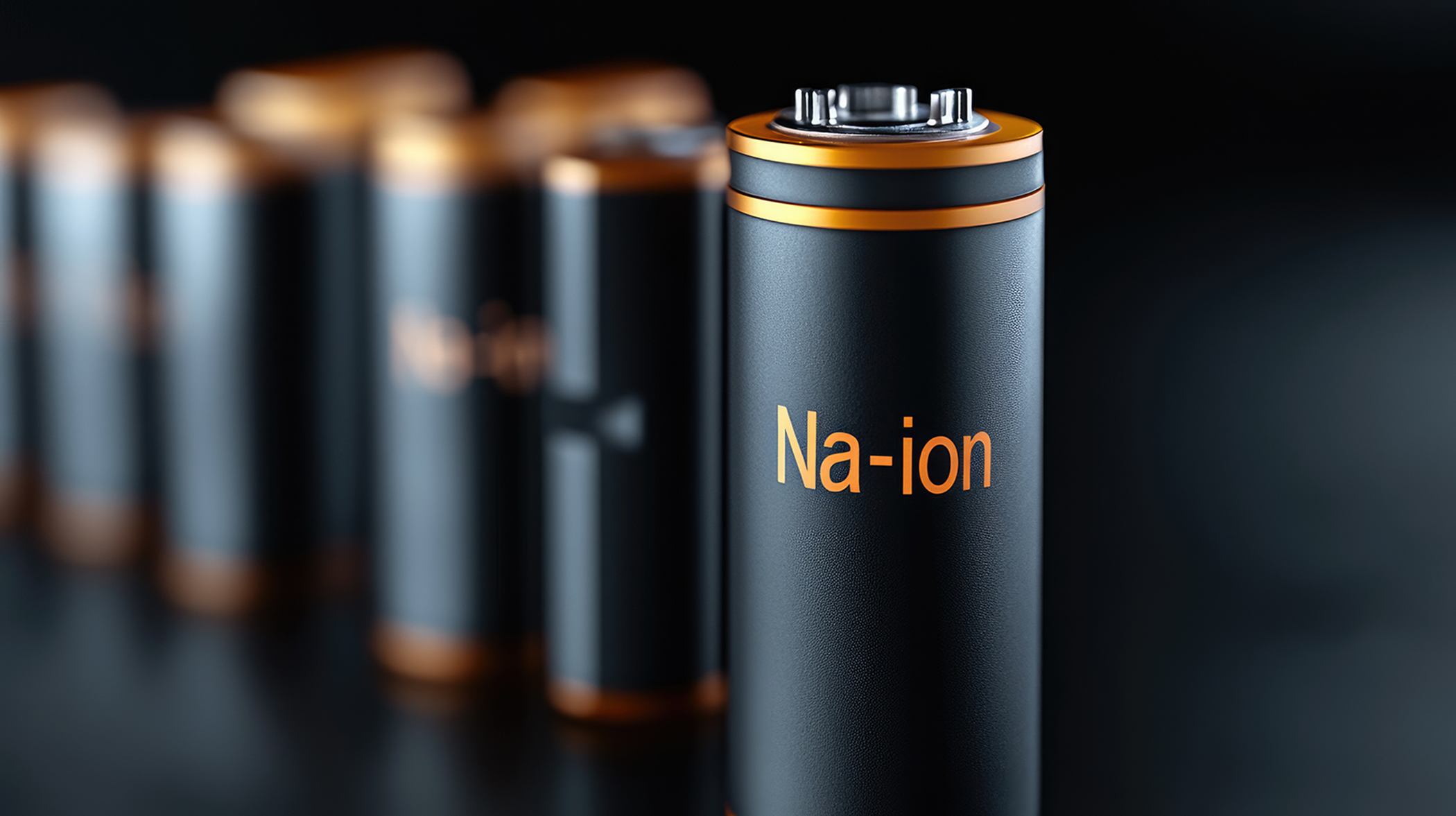
Sodium-ion Battery Field Trial for Trucks
Jungheinrich has announced the initiation of field trials for sodium-ion batteries in industrial trucks at select customer locations, marking a significant advancement in sustainable energy storage solutions. This initiative, which underscores the company's commitment to innovation in material handling, aims to explore the potential of these cutting-edge batteries in enhancing operational efficiency and reducing environmental impact. The trials are part of Jungheinrich's ongoing efforts to lead the industry in developing advanced battery technologies that align with sustainability goals.
AMR and AGV Components and Parts Electrification and Decarbonisation Forklifts and Warehouse Vehicles Materials Handling batteries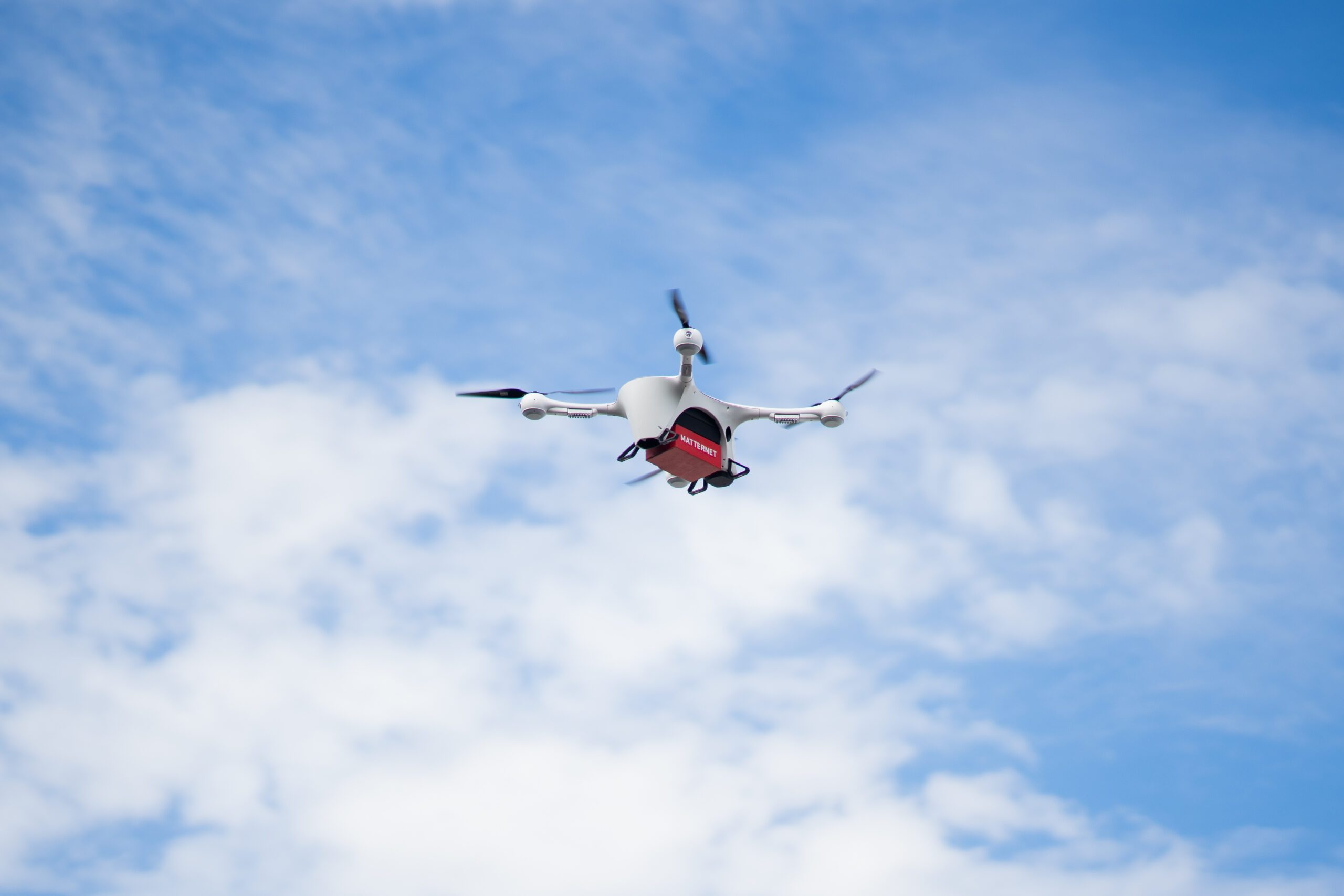
Amprius and Matternet Expand Drone Delivery Battery Partnership
Amprius Technologies, a battery manufacturer, has partnered with drone delivery company Matternet to enhance the performance of commercial drone operations. This collaboration focuses on utilizing Amprius's advanced silicon anode lithium-ion cells, which are designed to improve the range, charging time, and overall delivery efficiency of drones. The partnership aims to address the growing demand for more efficient and reliable drone delivery systems, reflecting the increasing significance of drone technology in logistics and transportation. The announcement was made recently, highlighting the companies' commitment to advancing battery technology for the future of commercial drone services.
Applications Delivery News Amprius autonomous delivery battery energy density
Chamsen Debuts at CIBF 2026 with All-Pole Tech for High-Performance Battery Track
Chamsen, a lithium battery startup established in 2024 in Changzhou, is making its debut at the China International Battery Fair (CIBF) 2026. The company aims to address the structural supply-demand mismatch in all-pole lithium batteries, which are essential for applications in drones, humanoid robots, and data center battery backup units (BBUs). By showcasing its innovative solutions at this prominent industry event, Chamsen seeks to position itself as a key player in the rapidly evolving battery technology market.
Technology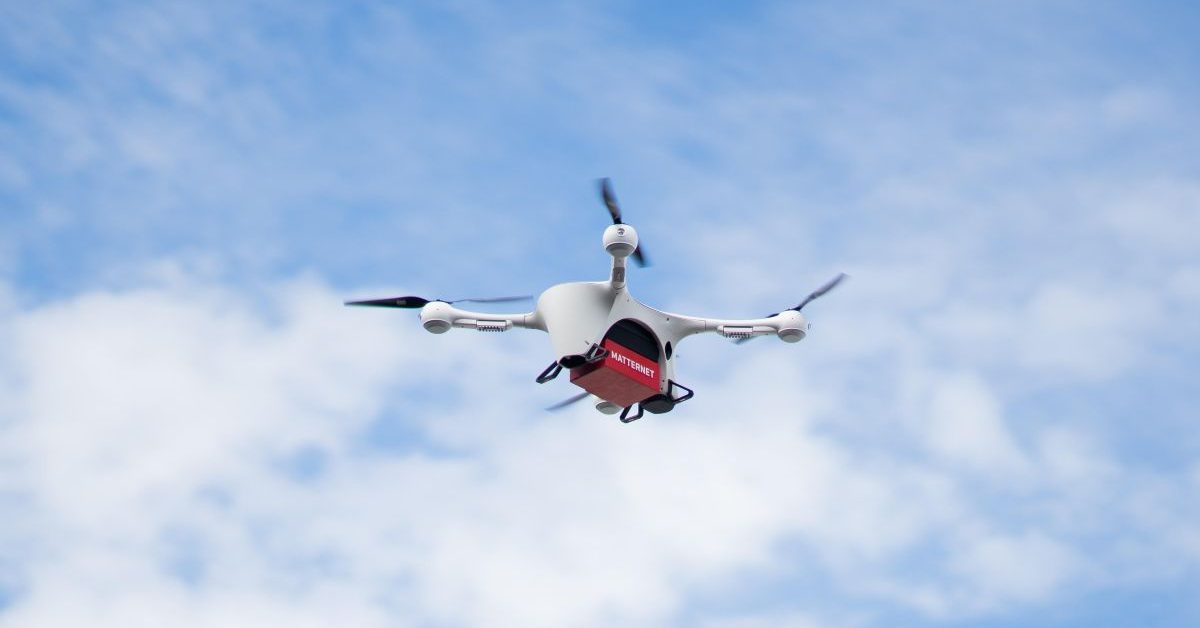
Matternet expands drone delivery range with Amprius battery tech
As drone delivery companies strive to broaden their reach in American cities, the importance of battery technology has come to the forefront. Matternet, a prominent player in the drone delivery sector, has announced a partnership with Amprius Technologies to enhance the capabilities of autonomous aerial delivery systems. The collaboration focuses on developing advanced silicon-anode battery cells, which are expected to significantly improve the range, efficiency, and cost-effectiveness of drone operations. This initiative highlights the critical role that battery advancements play in the future of drone logistics, as companies seek to meet growing consumer demands for faster and more reliable delivery services.
News
Scaling Battery Disassembly: Why the Real Challenge Is Not Automation
The rise of the circular economy is presenting unique challenges and opportunities for automation, particularly in the field of electric vehicle (EV) battery disassembly. As of October 2023, this sector faces significant hurdles due to the lack of stable geometries, consistent designs, and reliable data, which are typically found in traditional industrial settings. The need for effective automation solutions in this area is driven by the increasing demand for sustainable practices and the efficient recycling of EV batteries. As companies strive to adapt to these new requirements, innovative technologies and methodologies are being explored to streamline the disassembly process, ensuring that valuable materials can be recovered and reused.
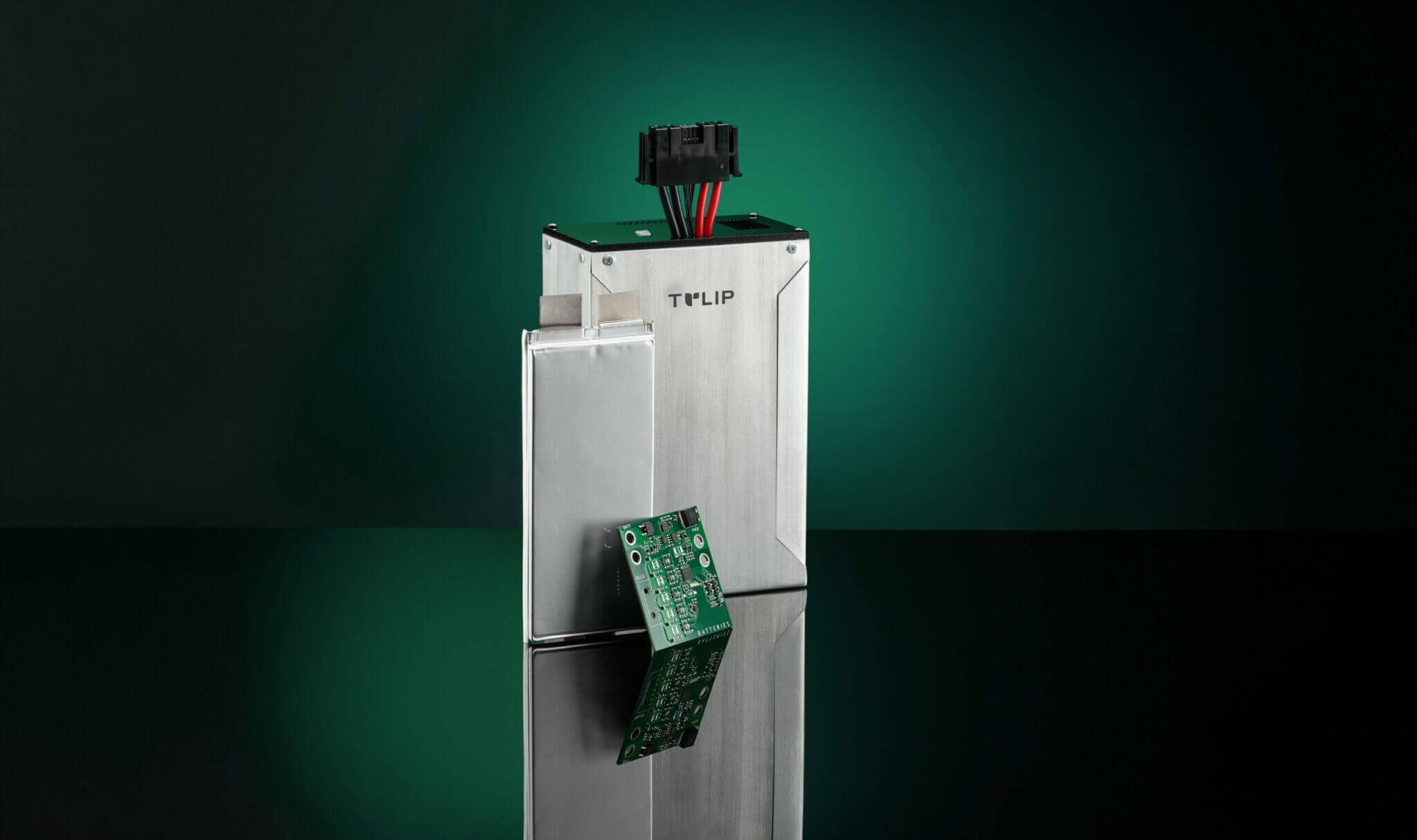
Tulip Tech Expands European UAV Battery Production with New Investment
Tulip Tech, a Dutch battery manufacturer, has announced a strategic investment aimed at enhancing the supply chains for drones and increasing their operational endurance. This announcement comes amid a rising demand for non-Chinese drone components and the need for more robust regional supply chains. The investment is backed by Parcom and Keen Venture Partners, reflecting a growing interest in strengthening European production capabilities for unmanned aerial vehicles (UAVs). Tulip Tech intends to utilize these funds to expand its battery production, positioning itself to meet the increasing market demands effectively.
battery technology Drone Manufacturing Drone News Drone News Feeds News battery manufacturing
Tattu Launches 5.0 Smart Battery Platform as Heavy-Lift Drones Demand Faster Charging and Smarter Fleet Power Management
A new platform has been developed for 100kg-class agricultural and logistics unmanned aerial vehicles (UAVs), showcasing advanced technological features aimed at enhancing operational efficiency. This innovative system integrates high-discharge performance capabilities, enabling rapid energy release during flight. Additionally, it supports 6C fast charging, significantly reducing downtime for UAVs between missions. The platform also incorporates an intelligent Battery Management System (BMS) that optimizes battery performance and longevity, while providing access to lifecycle data for better maintenance and operational planning. This development is expected to revolutionize the agricultural and logistics sectors by improving the reliability and efficiency of UAV operations, ultimately contributing to increased productivity in these industries.
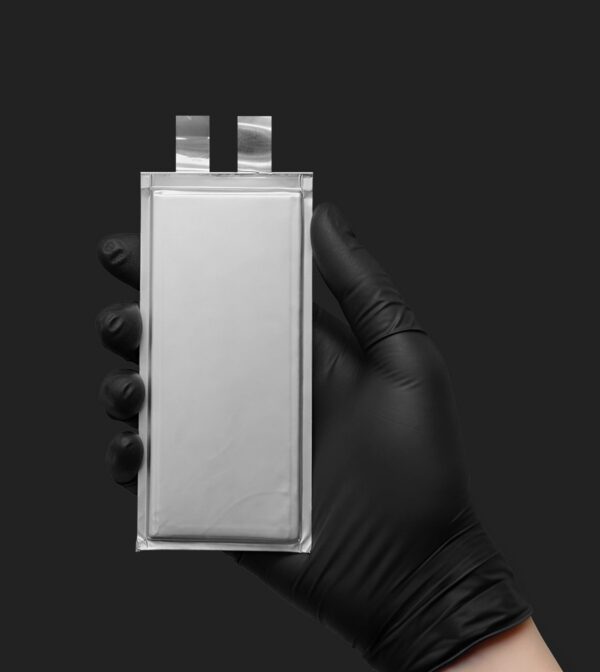
Buffalo’s Natrion Rolls Out NDAA-Compliant Drone Battery Cells
Natrion, a battery materials company based in Buffalo, New York, has introduced a new line of NDAA-compliant pouch cells that offer up to 80% more energy density than conventional lithium-ion batteries. Announced on May 14, 2026, these defense-optimized battery cells are designed for use in uncrewed systems, including drones, surface and underwater vessels, ground vehicles, and humanoid robots. The launch aims to enhance the performance and efficiency of military and defense applications, addressing the growing demand for advanced energy solutions in various unmanned technologies.
battery technology Defense Drone News Drone News Feeds Military NDAA Compliant
China’s new 800-cycle lithium-sulfur battery could nearly double drone flight time
Chinese researchers have unveiled a groundbreaking lithium-sulfur battery design that has the potential to dramatically enhance drone flight durations. This innovative development, announced in October 2023, aims to address the limitations of current battery technologies, which often restrict the operational time of drones. By utilizing lithium-sulfur chemistry, the researchers believe they can achieve higher energy densities compared to traditional lithium-ion batteries, making it possible for drones to fly longer distances without the need for frequent recharging. The research was conducted at a leading university in China, where scientists focused on optimizing the battery's performance and stability. This advancement not only promises to improve commercial drone applications but could also have significant implications for various industries, including logistics, agriculture, and surveillance, where extended flight times are crucial. The researchers are now looking to further refine the technology and explore its practical applications in real-world scenarios.

Amprius Taps Intralink for South Korea Drone Battery Push
Amprius Technologies, a Silicon Valley-based battery manufacturer, has appointed the Seoul-based consultancy Intralink to enhance its business development efforts in South Korea. Announced on May 11, 2026, this strategic move aims to secure partnerships with original equipment manufacturers (OEMs) and battery pack makers in the rapidly growing sectors of drones, robotics, and mobility. By leveraging Intralink's local expertise, Amprius seeks to strengthen its market presence and capitalize on the increasing demand for advanced battery solutions in these innovative industries.
battery technology Drone News Drone News Feeds drone technology News advanced mobility
DJI’s latest drone firmware updates bring stability, battery tweaks
DJI is actively updating its global consumer drone lineup despite facing challenges in the US market. The company has announced a series of spring firmware updates for several of its flagship products, including the DJI Mavic 4 Pro, DJI Mini 5 Pro, and DJI Air 3S. Additionally, enhancements have been made to the DJI RC Pro 2 and the DJI Fly app. These updates aim to keep the product offerings competitive and appealing to consumers worldwide.
News
Tesla (TSLA): Top 10 Battery Technology Stock To Buy
A recent incident involving a major technology firm has raised concerns about data security and privacy. On October 15, 2023, a cybersecurity breach was reported by TechCorp, a leading player in the software industry, affecting millions of users worldwide. The breach, which occurred due to a vulnerability in their system, has prompted an urgent response from the company to mitigate potential risks. In the wake of the incident, TechCorp has initiated a comprehensive investigation to determine the extent of the breach and to safeguard user data. The company is working closely with cybersecurity experts and law enforcement agencies to address the situation and prevent future occurrences. This breach has sparked a broader discussion about the importance of robust cybersecurity measures in the tech industry, as consumers increasingly rely on digital services. TechCorp's leadership has emphasized their commitment to transparency and accountability, assuring users that they are taking all necessary steps to rectify the situation and enhance their security protocols moving forward. As the investigation unfolds, users are advised to monitor their accounts for any suspicious activity and to change their passwords as a precautionary measure. The incident serves as a reminder of the ongoing challenges faced by companies in protecting sensitive information in an increasingly digital world.
Robotics needs a service framework.
RSF defines a common language for robot service capability, lifecycle operations, certification pathways, and service-provider networks.
Join the RobotToday community on LinkedIn
Daily robotics news, in-depth analysis, conference highlights, and discussions with professionals worldwide.