

Industry Briefing
A single destination for timely, editor-curated robotics news from around the world.
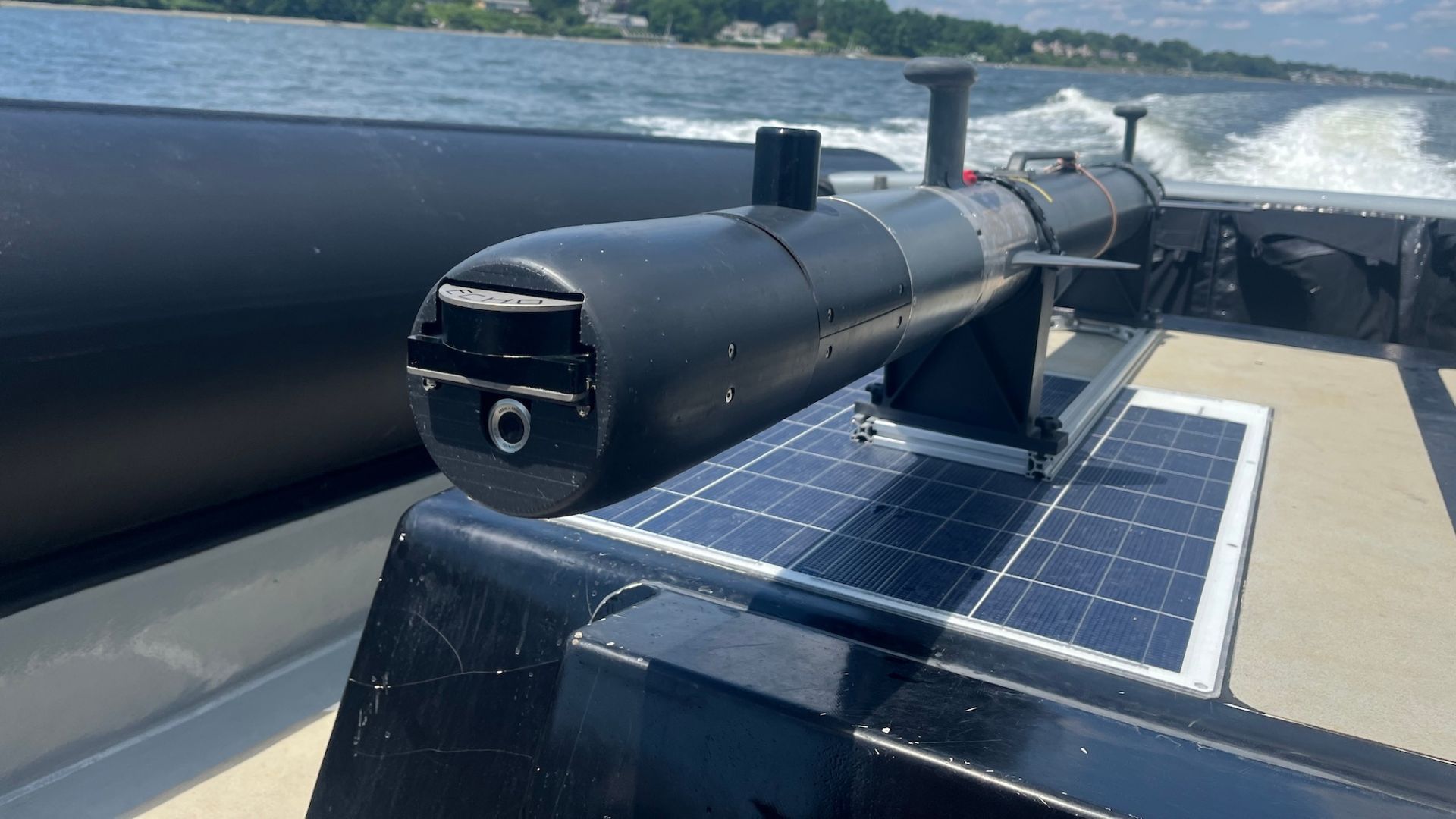
Vatn Systems Launches SIGURD Autonomous System for Naval Mine Detection and Neutralization
U.S. defense startup Vatn Systems has unveiled SIGURD, a compact autonomous system designed to detect and neutralize naval mines. This innovative platform allows military operators to locate underwater mines without the need for large mine warfare vessels, addressing a critical challenge in naval operations. SIGURD is currently being tested by government customers, with deployment expected later this year. The introduction of SIGURD is significant as naval mines remain a cost-effective threat in maritime conflict, capable of disrupting shipping and delaying naval operations. Traditional mine countermeasure missions are resource-intensive, often requiring specialized ships and trained personnel. Vatn's autonomous underwater vehicle aims to streamline this process, enabling quicker responses to mine threats in contested waters. Looking ahead, Vatn Systems is preparing to support U.S. military and allied nations in expanding their autonomous mine warfare capabilities. The demand for such systems is rising, particularly in light of increasing tensions in strategic maritime regions. The successful testing of SIGURD against inert naval mines suggests a promising future for autonomous solutions in mine countermeasures.
Military
Greensea IQ Demonstrates Autonomous UXO Detection with Bayonet 350 in Live Deployment
Greensea IQ recently conducted a successful demonstration of its autonomous Unexploded Ordnance (UXO) detection and classification technology at the former Maine Bombing Area. The event showcased the capabilities of the Bayonet 350 Autonomous Underwater Ground Vehicle (AUGV), which operated effectively in surf, shallow water, and nearshore environments while towing a specialized UXO detection sensor sled. This demonstration highlighted the vehicle's ability to collect reliable, high-accuracy data and perform autonomous operations in challenging coastal conditions. The initiative aims to enhance safety and efficiency in identifying and managing unexploded ordnance, addressing a critical need for effective UXO detection in various maritime environments.
greensea iq autonomous uxo detection bayonet 350 live deployment autonomous underwater ground vehicle (augv)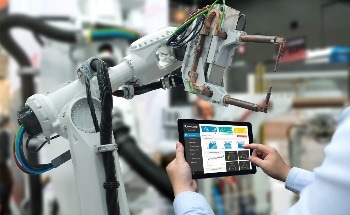
BitLyft Cybersecurity Unveils Agentic Managed Detection and Response Platform with AIR Engine
BitLyft Cybersecurity has officially launched the BitLyft Agentic Managed Detection and Response (AMDR) platform, which is powered by the company's autonomous security operations platform, BitLyft AIR®. This new offering enhances traditional security measures by not only providing quicker alert summaries but also by actively investigating, resolving, and documenting routine cases. The introduction of AMDR is significant as it allows experienced analysts to maintain control over critical decisions that require human judgment and contextual understanding. This approach aims to streamline security operations while ensuring that complex issues are handled by skilled professionals, thereby improving overall cybersecurity effectiveness. Looking ahead, the focus will be on how AMDR integrates with existing security frameworks and the impact it has on operational efficiency. No further timeline was disclosed at the time of publication.

Iwa Robotics Launches Autonomous Drone Fleet for Wildfire Management Solutions
Iwa Robotics has unveiled three autonomous drone platforms aimed at assisting fire departments in detecting, assessing, and suppressing wildfires in both urban and wildland-interface areas. The drones, named Hawk, Canary, and Pelican, are part of Iwa's Discovery and Resolution Fleet, designed to operate collaboratively for enhanced firefighting capabilities. The introduction of these drones is significant as it enhances crew safety and operational efficiency in wildfire management. The Hawk drone specializes in long-endurance reconnaissance, while the Canary drone focuses on sensing and fire diagnostics. The Pelican drone is equipped for aerial suppression, addressing hot spots and establishing fire lines, thereby providing critical support to firefighting teams. Iwa Robotics plans to offer these drones through a fleet-as-a-service model, which includes aircraft, autonomy training, data services, maintenance, and insurance. This approach allows fire agencies to integrate advanced aerial detection and suppression capabilities without the need for upfront equipment purchases. No further timeline was disclosed at the time of publication.
AI AI Funding & Investment AI Use Cases Robotics autonomous drones Iwa Robotics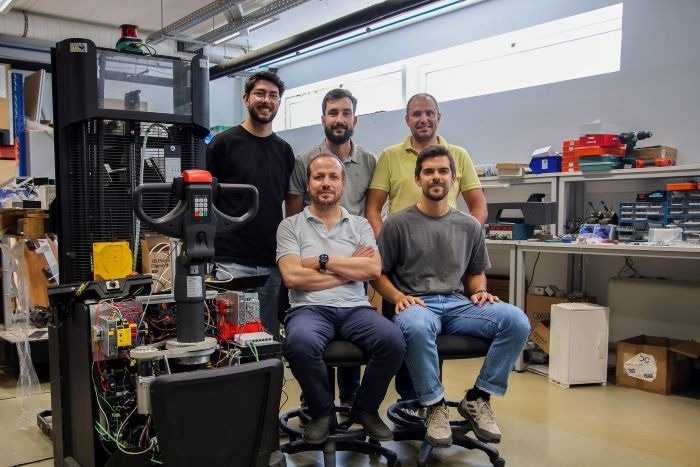
Electric Modular Robot Assists Farmers in Early Detection of Crop Diseases
A new electric, modular robot has been introduced to farmers and agricultural producers, designed to move non-invasively through orchards and vineyards. This robot is equipped with advanced sensors that enable it to detect crop diseases before harvest. The introduction of this technology is significant as it allows for early intervention in crop management, potentially reducing losses and improving yield quality. By identifying diseases early, farmers can take necessary actions to mitigate the impact on their crops. Looking ahead, the adoption of such autonomous robots in agriculture may increase, leading to more efficient farming practices. No further timeline was disclosed at the time of publication.
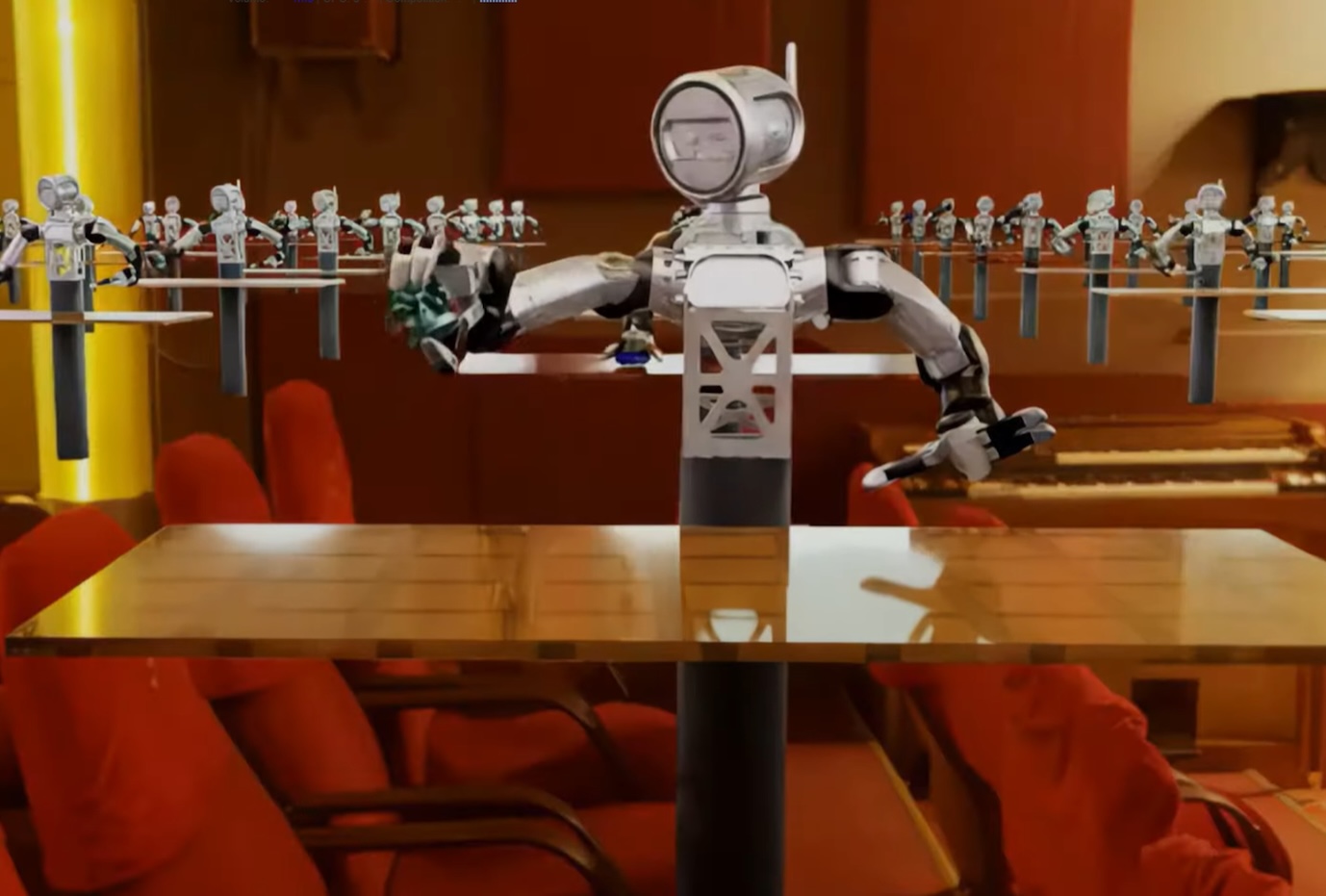
Deep Learning Based Dirt Detection and Cleanliness Evaluation in Autonomous Indian Domestic Concrete Water Tank Cleaning Robot
A recent study published in the Journal of Field Robotics highlights advancements in autonomous robotic navigation. Researchers from a leading robotics institute conducted experiments to enhance the efficiency of robots in complex environments. The study, released in early October 2023, focuses on the integration of advanced algorithms that allow robots to better interpret their surroundings and make real-time decisions. The research was carried out in various challenging terrains, including urban settings and natural landscapes, to test the robots' adaptability. The motivation behind this work stems from the growing demand for autonomous systems in sectors such as agriculture, search and rescue, and urban planning. By improving navigation capabilities, the researchers aim to facilitate the deployment of robots in scenarios where human intervention is limited or dangerous. Through a series of simulations and field tests, the team demonstrated that the new algorithms significantly reduced the time taken for robots to complete tasks while increasing their accuracy in obstacle avoidance. This breakthrough could lead to more reliable and efficient robotic systems, paving the way for wider applications in everyday life. The findings underscore the potential of robotics to transform various industries by enhancing operational efficiency and safety.
RESEARCH ARTICLERobotics needs a service framework.
RSF defines a common language for robot service capability, lifecycle operations, certification pathways, and service-provider networks.
Join the RobotToday community on LinkedIn
Daily robotics news, in-depth analysis, conference highlights, and discussions with professionals worldwide.







