

Industry Briefing
A single destination for timely, editor-curated robotics news from around the world.

Tennant Achieves 30% Reduction in Product-Use Emissions Amid Autonomous Cleaning Growth
Tennant Company has reported a 30% reduction in greenhouse gas emissions from product use compared to its 2021 baseline, as detailed in its 2026 Sustainability Report. This significant achievement highlights the potential of commercial cleaning operations to contribute to environmental sustainability. The report indicates that Tennant sourced 99% of its electricity from renewable sources in 2025, showcasing the company's commitment to reducing its environmental footprint. The advancements in battery-powered equipment, autonomous cleaning, and detergent-free technologies are enabling organizations to minimize water, energy, and chemical usage while maintaining effective cleaning performance. Looking ahead, Tennant's sustainability strategy is strengthened by insights from its first Double Materiality Assessment, which will guide future investments and innovation. No further timeline was disclosed at the time of publication.
Infrastructure News autonomous cleaning cleaning robots cleaning technology commercial cleaning robots
NASA's CADRE Mission to Test Autonomous Rovers for Lunar Exploration
NASA is set to launch the Cooperative Autonomous Distributed Robotic Exploration (CADRE) mission, sending three small rovers to the Moon in late 2026. These rovers will autonomously explore a designated area, coordinating tasks and electing a leader without human intervention. This mission aims to assess the feasibility of operating multiple autonomous rovers on the lunar surface, which is crucial for future explorations, especially at the lunar South Pole where water ice could support a lunar economy. The significance of the CADRE mission lies in its potential to revolutionize lunar exploration. By testing the rovers' ability to operate independently, NASA hopes to establish a framework for sustained lunar operations that do not require constant oversight from Earth. This capability is essential for future missions that aim to utilize lunar resources, such as ice for propellant and life support, which could pave the way for a more extensive lunar economy. Looking ahead, the success of the CADRE mission could lead to further advancements in autonomous robotic systems for space exploration. As the rovers face challenges such as communication disruptions and harsh lunar conditions, their performance will provide valuable insights into the development of resilient robotic teams capable of operating in remote environments. No further timeline was disclosed at the time of publication.

AeroVironment Enhances Mayhem 10 Drone with Autonomous Swarm Capabilities for Military Use
AeroVironment is enhancing its Mayhem 10 launched effects system by integrating autonomous swarm capabilities through a partnership with Applied Intuition. This new software allows multiple Mayhem 10 drones to coordinate missions under a single operator's supervision, addressing future U.S. Army requirements for autonomous systems that extend battlefield reach and reduce soldier workload. The integration of Applied Intuition’s Acuity ISR/Strike software enables collaborative behaviors among Mayhem 10 aircraft, allowing them to share targeting information and adapt to threats in real-time. A recent demonstration showcased the drones' ability to synchronize actions during various test scenarios, highlighting the importance of autonomous systems in modern military operations. Looking ahead, the flexibility of the Mayhem 10 platform, which can carry payloads of up to 10 pounds and operate in GPS-denied environments, positions it as a versatile tool for intelligence, surveillance, and precision strikes. No further timeline was disclosed at the time of publication.
Military
Archer Aviation Launches Halo Autonomous VTOL for Long-Range Cargo Transport
Archer Aviation has introduced Halo, an autonomous hybrid-electric VTOL aircraft designed for long-range cargo missions. This innovative aircraft can take off like a helicopter and fly long distances like an airplane, making it suitable for operations in areas where traditional aircraft cannot operate. The significance of Halo lies in its dual-use platform, developed in collaboration with Anduril, which allows for both commercial logistics and defense applications. The aircraft features a series hybrid-electric powertrain and dual tiltrotors, optimizing efficiency and reducing noise, making it ideal for suburban environments. Looking ahead, Halo's modular cargo bay and flexible deployment options promise to enhance operational efficiency. The aircraft can be transported in standard shipping containers, facilitating easy assembly at various locations. No further timeline was disclosed at the time of publication.
News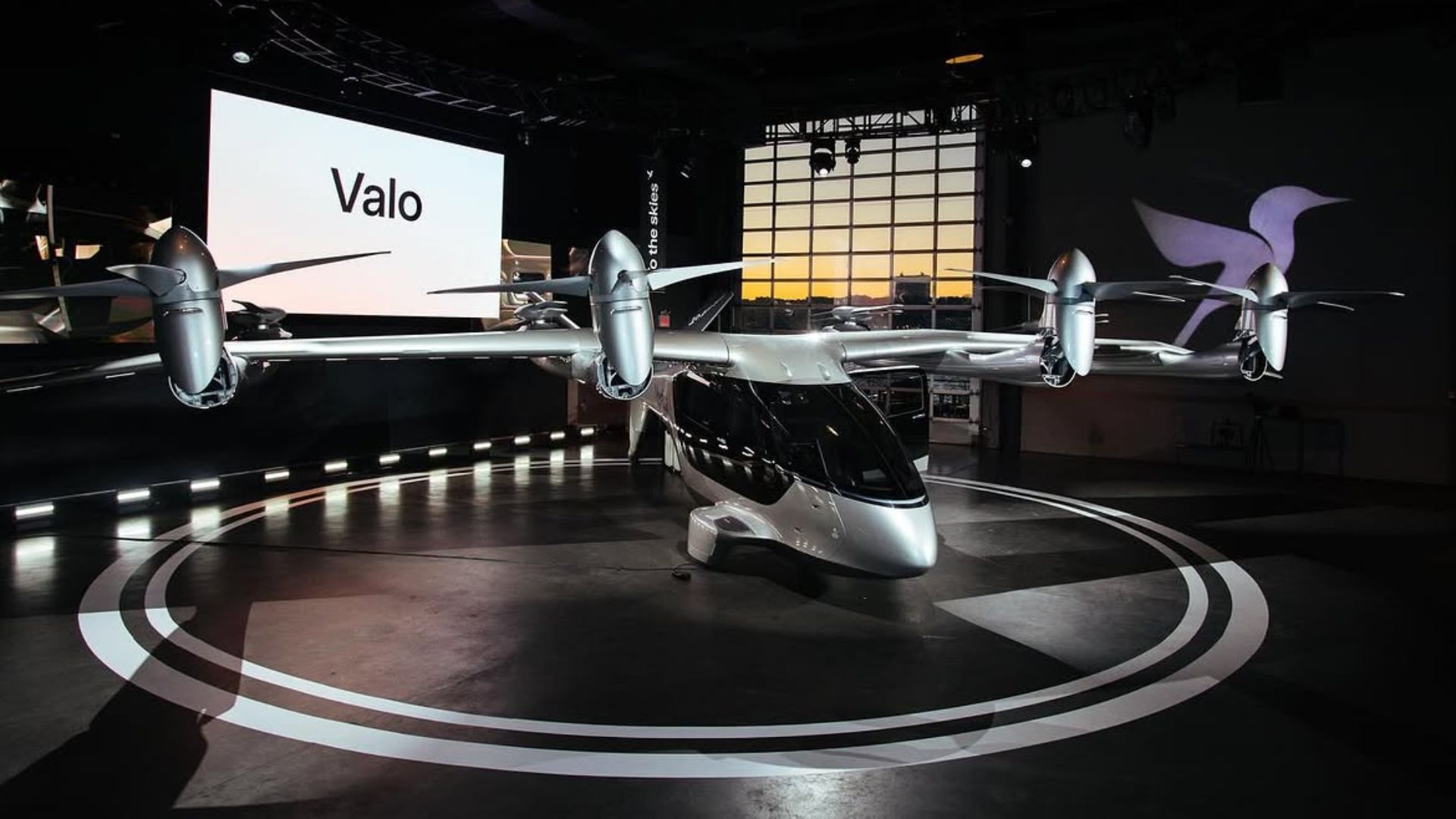
Vertical Aerospace Partners with Near Earth Autonomy for Valo Aircraft's Autonomous Flight Capabilities
Vertical Aerospace has partnered with Near Earth Autonomy to enhance its Valo aircraft with advanced autonomous flight capabilities. This collaboration aims to integrate Near Earth's autonomy software with Honeywell Aerospace's Anthem digital cockpit, facilitating the development of self-flying technology for defense and commercial aviation. The partnership is significant as it allows Vertical to leverage Near Earth's extensive experience in autonomous aviation, which includes systems developed for military applications. By utilizing a shared technology stack, the companies aim to reduce technical risks associated with expanding autonomous features in the Valo aircraft, which is designed for both defense and commercial markets. Looking ahead, Vertical plans to pursue defense programs while also preparing for automated commercial operations. The Valo aircraft, featuring hybrid-electric propulsion, is capable of flying up to 1,000 miles and carrying payloads of up to 2,400 pounds, making it a versatile option for various operational roles. No further timeline was disclosed at the time of publication.
Transportation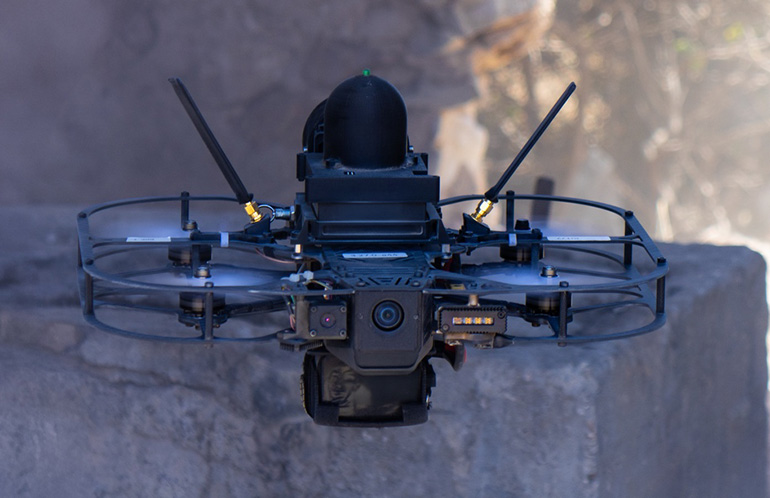
XTEND Receives U.S. Patent for Drone Autonomy Technology Enhancing Mission Efficiency
XTEND Reality Inc. has secured a U.S. patent for its autonomous navigation technology, specifically U.S. Patent No. 12,222,735, which allows drones to navigate toward operator-designated destinations without reliance on the surrounding environment. This patent, also granted in Israel, supports the company's mission to enhance drone autonomy in complex operational settings, reducing operator workload and improving mission execution reliability. The significance of this patent lies in its ability to enable drones to adapt their navigation in real-time while maintaining focus on mission objectives. As autonomous operations grow in defense, security, and public safety sectors, this technology positions XTEND favorably in a competitive landscape, reinforcing its software foundation, XOS, for next-generation autonomous systems. Looking ahead, XTEND is set to participate in the Gauntlet II phase of the U.S. Department of War's Drone Dominance Program, which will test autonomous systems in August at Fort Carson, Colorado. No further timeline was disclosed at the time of publication regarding additional developments related to this patent or upcoming projects.
Controllers Defense / Security Investments Mergers & Acquisitions News Unmanned Aerial Systems / Drones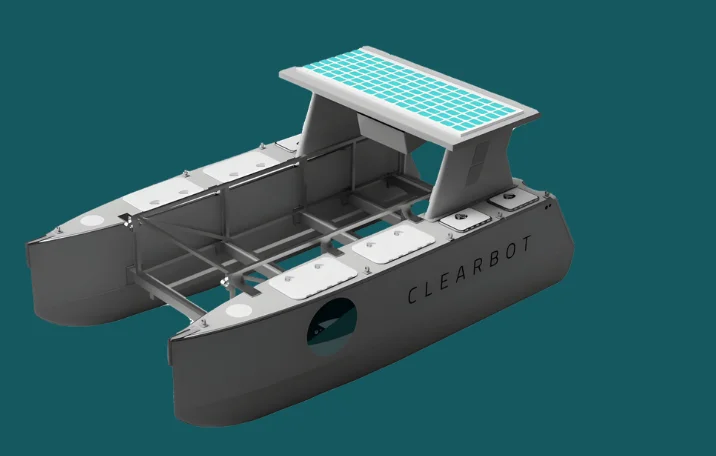
Clear Robotics Raises $1.75M in Pre-Series A Funding to Expand Development of Zero-Emission Autonomous Ships
Clear Robotics has successfully secured $1.75 million in a pre-Series A funding round aimed at enhancing the deployment of its autonomous vessels throughout Asia and the Middle East. The funding round, led by Shipsfocus Ventures, also saw participation from notable investors including Katapult Ocean, SGInnovate, M7 Holdings, and MGS Ventures, among others. This financial boost will enable Clear Robotics to accelerate its expansion efforts in the rapidly evolving maritime technology sector, addressing the growing demand for innovative shipping solutions in these regions.
AI AI Funding & Investment Robotics autonomous ships autonomous surface vessel Clear Robotics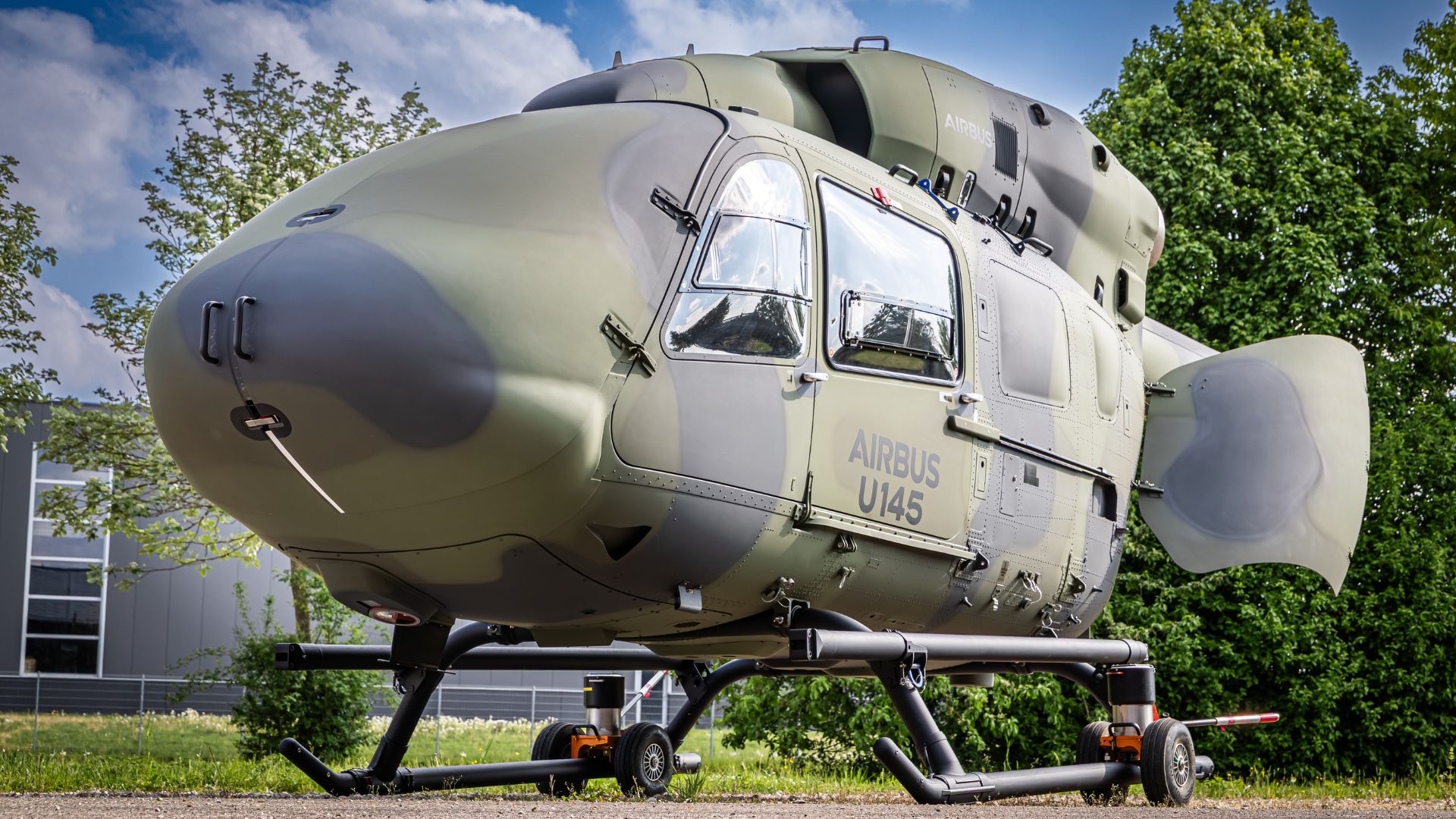
Airbus debuts U145 autonomous helicopter drone with no cockpit for military missions
Airbus Helicopters has unveiled a new autonomous aircraft derived from its widely-used H145 platform, marking a significant advancement in aviation technology. The announcement was made during the International Paris Air Show, which took place from June 19 to June 25, 2023. This innovative aircraft aims to enhance operational efficiency and safety in various sectors, including medical transport, search and rescue, and logistics. The motivation behind this development stems from the growing demand for unmanned aerial vehicles that can perform complex missions with minimal human intervention. By leveraging advanced automation and artificial intelligence, Airbus Helicopters seeks to address challenges in urban air mobility and improve response times in critical situations. The aircraft is designed to operate in diverse environments, showcasing its versatility and potential for integration into existing air traffic systems. Through rigorous testing and collaboration with regulatory bodies, Airbus aims to ensure that the new autonomous H145 meets safety standards and can be deployed effectively in real-world scenarios. This initiative reflects Airbus Helicopters' commitment to innovation and its vision for the future of aviation, where autonomous systems play a crucial role in enhancing air transport capabilities.

Klein Marine Systems Introduces MANTIS UUV with SmartArray Technology™ for Autonomous Underwater Missions
Klein Marine Systems, recognized as a global leader in advanced side scan sonar and underwater imaging technology, has unveiled its latest innovation, the MANTIS UUV. This integrated multi-channel side scan sonar system is specifically designed to enhance unmanned underwater vehicles by providing high-quality imaging and onboard processing capabilities. The announcement was made today, highlighting the company’s commitment to improving underwater exploration and data collection. The MANTIS UUV aims to streamline integration processes, making it a valuable tool for various applications in marine research and industry.
klein marine systems mantis uuv smartarray technology™ uuv auv
GoZTASP: A Zero-Trust Platform for Governing Autonomous Systems at Mission Scale
ZTASP, a cutting-edge assurance and governance platform for autonomous systems, has made significant advancements in ensuring the safety and integrity of operations in real-world environments. This platform integrates various technologies, including drones, robots, sensors, and human operators, into a cohesive zero-trust architecture. Utilizing Secure Runtime Assurance (SRTA) and Secure Spatio-Temporal Reasoning (SSTR), ZTASP continuously monitors system integrity and enforces safety protocols, allowing for resilient operations even in challenging conditions. Recently, ZTASP has achieved operational validation at Technology Readiness Level (TRL) 7, demonstrating its effectiveness in mission-critical scenarios. Key components, such as the Saluki secure flight controllers, have reached TRL 8 and are now actively deployed in customer systems. Originally designed for high-stakes missions, the platform's assurance capabilities are increasingly applicable across various sectors, including healthcare, transportation, and critical infrastructure. This evolution reflects a growing recognition of the need for robust safety measures in diverse operational domains.
Autonomous-systems Drones Sensors Transportation Type-whitepaper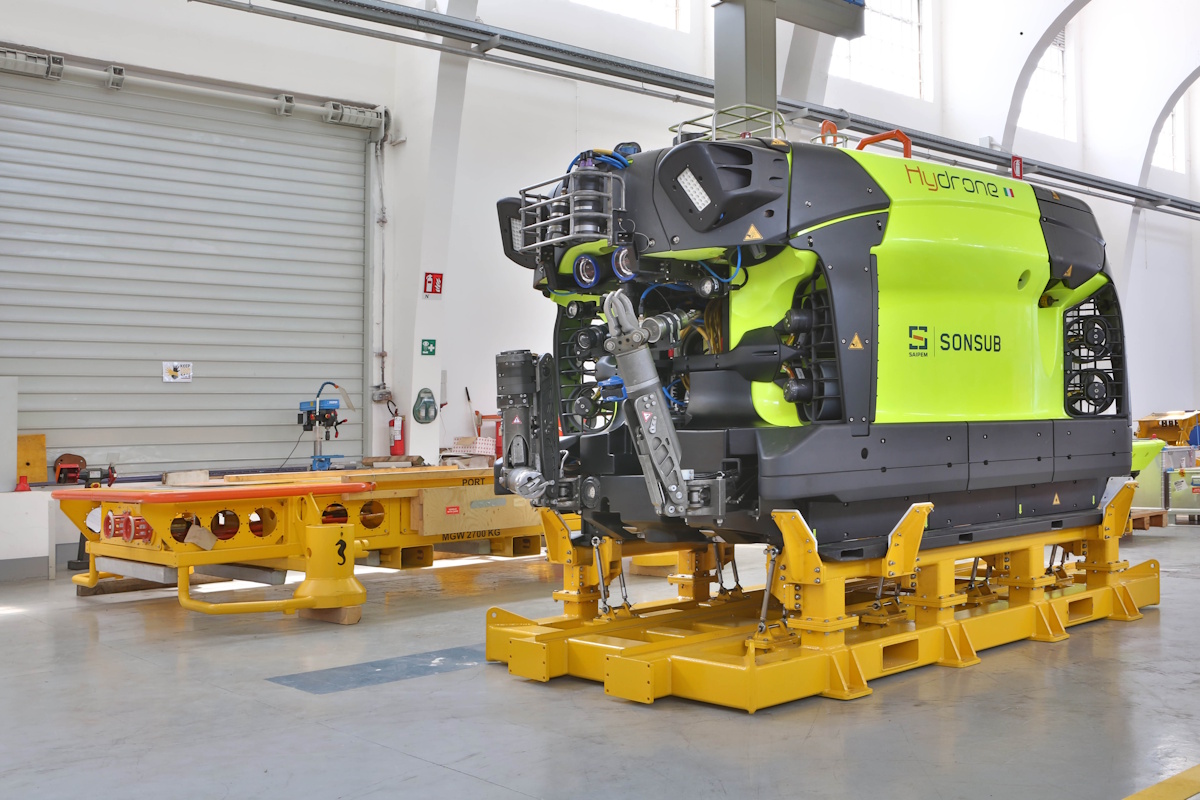
Saipem’s underwater drone Hydrone-R performs autonomous mission in the Arctic coral area in Norway
Saipem's innovative underwater intervention drone, Hydrone-R, has successfully completed an autonomous survey mission in the Arctic coral region of Njord, Norway. This groundbreaking operation, which took place recently, marked a significant advancement in underwater robotics as the drone operated independently, without the need for cables or surface support. The mission aims to enhance the understanding and protection of marine ecosystems, highlighting the potential of advanced technology in environmental conservation efforts.
saipem’s hydrone-r autonomous mission
Oceaneering Upgrades Ocean Intervention II Vessel for Simultaneous Autonomous Survey Missions
Oceaneering International, Inc. has announced an upgrade to its Subsea Robotics segment, enhancing the capabilities of the Ocean Intervention II (OI2), an oceanographic research vessel owned by the company. This upgrade enables the vessel to conduct simultaneous autonomous survey operations, significantly improving efficiency in underwater research. The announcement was made today, highlighting Oceaneering's commitment to advancing marine technology and research capabilities. The enhancements are expected to facilitate more comprehensive data collection and analysis in various oceanographic studies, positioning Oceaneering as a leader in the field of subsea exploration.
oceaneering upgrade ocean intervention ii vessel simultaneous autonomous survey missionsRobotics needs a service framework.
RSF defines a common language for robot service capability, lifecycle operations, certification pathways, and service-provider networks.
Join the RobotToday community on LinkedIn
Daily robotics news, in-depth analysis, conference highlights, and discussions with professionals worldwide.







