Industry Briefing
A single destination for timely, editor-curated robotics news from around the world.
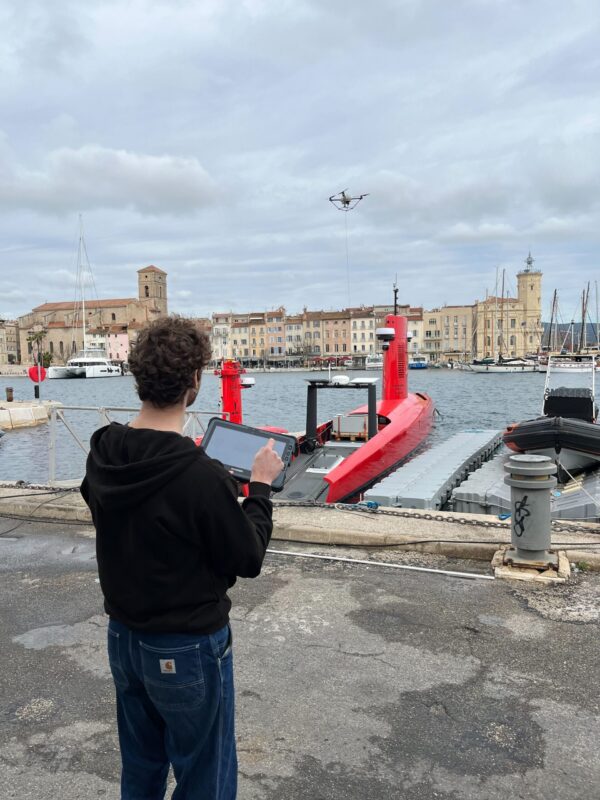
Elistair and Exail Collaborate on Tethered Drone Maritime Surveillance for Autonomous Vessels
Elistair has partnered with Exail to integrate its Khronos DroneBox with Exail's DriX unmanned surface vessel, enabling tethered drone maritime surveillance. This collaboration allows operators to maintain a persistent aerial view from shore, enhancing capabilities for naval, coast guard, and port security operations. The integration of the Khronos DroneBox with the DriX vessel marks a significant advancement in maritime surveillance technology. The tethered drone can operate for up to 24 hours at a height of 60 meters, providing real-time, encrypted video feeds even in challenging environments. This capability extends surveillance beyond traditional surface radar limits, making it ideal for various applications including coastal surveillance and search and rescue missions. Looking ahead, the partnership between Elistair and Exail is expected to evolve as they explore further applications of the Khronos system in maritime contexts. No further timeline was disclosed at the time of publication.
Drone News Drone News Feeds News safety and security seadrones Security
Royal Navy Tests Robotic Boat for Autonomous Drone Launching in Maritime Surveillance
The Royal Navy is conducting trials of a robotic boat designed to autonomously launch and recover drones at sea, enhancing uncrewed maritime surveillance capabilities. This initiative, in collaboration with ACUA Ocean and Teledyne FLIR Defense, aims to improve persistent aerial reconnaissance while minimizing risks to personnel. The system integrates an uncrewed surface vessel (USV) with a tethered uncrewed aerial system (T-UAS), allowing for extended surveillance operations. This development is significant as it represents a new approach to maritime surveillance, combining aerial and surface capabilities into a single autonomous system. The SkyCarrier and SkyRanger R70 drones, utilized during the trials, are equipped with advanced AI and imaging technologies, enabling them to perform demanding surveillance missions. The ability to maintain a stable tether connection allows for longer operational durations and continuous power supply, which is crucial for effective surveillance in challenging sea conditions. Looking ahead, the Royal Navy's exploration of this technology could lead to enhanced capabilities in anti-submarine warfare, mine countermeasures, and the protection of critical maritime infrastructure. No further timeline was disclosed at the time of publication.
AI and Robotics
Ultra Maritime Showcases New Underwater Surveillance System at U.S. Navy's 2026 Exercise
Ultra Maritime demonstrated a new underwater surveillance system during the U.S. Navy’s 2026 Lanternfish exercise. The system integrates the Sea Spear passive sonar with the SSQ-125B active sonobuoy to enhance detection capabilities for unmanned underwater vehicles (UUVs). This combination allows for continuous monitoring and precise localization of underwater threats. The significance of this demonstration lies in its potential to improve naval operations against UUVs and submarines. By utilizing both passive and active sonar technologies, Ultra Maritime aims to provide naval forces with a comprehensive understanding of underwater activity across extensive maritime areas. The Sea Spear's passive capabilities enable persistent surveillance, while the SSQ-125B enhances target localization. Looking ahead, Ultra Maritime's system is part of the broader “Ocean of Things” initiative, which envisions a network of underwater sensors deployed from various platforms. This approach could revolutionize maritime security by enabling long-term monitoring of critical areas such as ports and busy sea routes. No further timeline was disclosed at the time of publication.
Military
Greensea IQ Launches Bayonet Sweep, an Autonomous Robot for Hull Inspections
Greensea IQ has unveiled Bayonet Sweep, an autonomous underwater robot designed for inspecting ship hulls and underwater structures. This innovative solution aims to enhance maritime force protection by allowing navies, security teams, and port authorities to conduct inspections without the need for divers, thereby improving safety and efficiency. The significance of Bayonet Sweep lies in its ability to transform traditional hull inspection methods, which often focus on maintenance, into a proactive security measure. Built on Greensea IQ Core software, the robot not only autonomously inspects hulls but also provides comprehensive data for threat assessment and mitigation, ensuring that operators receive detailed intelligence on potential anomalies. Looking ahead, the Bayonet Sweep is part of Greensea IQ's broader Bayonet mission suite, which includes various autonomous systems for marine operations. As the technology continues to evolve, it will be crucial to monitor its deployment and effectiveness in enhancing port and harbor security. No further timeline was disclosed at the time of publication.
greensea iq bayonet sweep augv autonomous hull inspection robot maritime force protection
Kraken Technology Secures $175 Million in Series B Funding for Autonomous Maritime Platforms
Kraken Technology Group Ltd. has successfully raised $175 million in Series B funding, achieving a valuation of $1 billion. The investment, led by Digital Transformation Capital Partners GmbH, will enhance Kraken's global rollout of autonomous maritime platforms designed for defense applications, including support for NATO and its partners. This funding is significant as it comes after Kraken secured multiple contracts with the U.K. Ministry of Defence and NATO European partners, indicating strong demand for its modular uncrewed surface vessels (USVs) and uncrewed subsurface vessels (USSVs). These platforms are capable of various operations, including data collection and anti-submarine warfare, addressing the urgent needs of modern maritime defense. Looking ahead, Kraken Technology plans to announce new manufacturing partnerships in the Middle East and Indo-Pacific regions, further expanding its production capabilities. The company aims to leverage this funding to enhance its USVs and payload capabilities, responding to the increasing demand for mission-ready maritime solutions.
Defense / Security Investments Maritime Mobility / Navigation News Unmanned Maritime Systems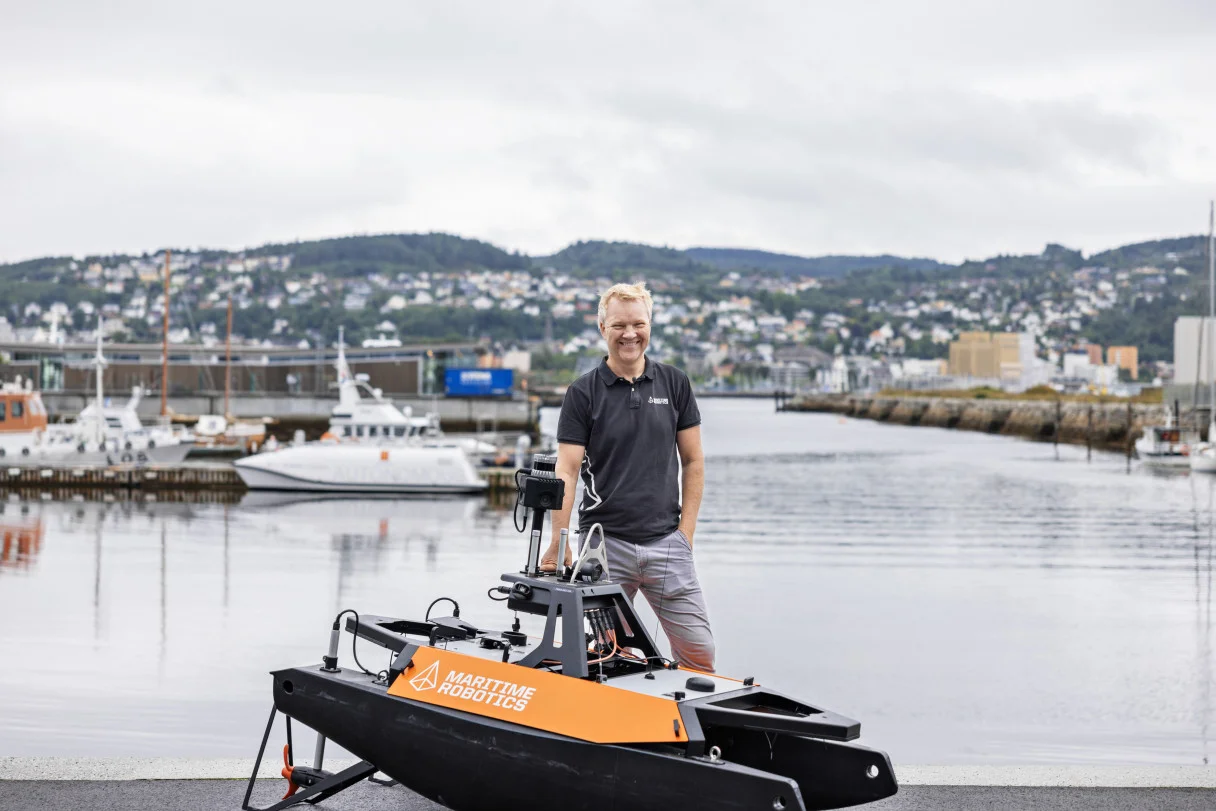
Maritime Robotics Raises €28M in Funding to Expand its Autonomous Sea Drone Systems
Norwegian company Maritime Robotics has secured €28 million in growth funding to enhance its autonomous maritime systems. The funding round, which was led by Mustard Seed + Partners, also saw contributions from existing investors including EnvisionTech, Nysnø Climate Investment, and Umoe, along with participation from the company's founders, employees, and early backers. This financial boost aims to support the company's expansion efforts in the rapidly evolving maritime technology sector.
AI AI Funding & Investment Robotics autonomous maritime systems funding maritime robotics
New sub-450-gram mini drone system sustains autonomous surveillance despite GPS jamming
As military forces seek innovative solutions to enhance soldier safety and situational awareness, recent advancements in technology are being explored. These developments aim to provide troops with better protection while ensuring they remain alert to their surroundings. The initiative comes in response to the increasing challenges faced by soldiers operating in high-stress environments, where the balance between safety and awareness is crucial. By integrating cutting-edge wearable devices and advanced communication systems, armies are working to create a more effective and responsive combat experience. This effort is particularly relevant in light of ongoing conflicts and the evolving nature of warfare, which demands that soldiers be both protected and informed. The implementation of these technologies is expected to improve operational efficiency and reduce risks on the battlefield, ultimately enhancing the overall effectiveness of military missions.
Military
NautiGEN Launches Hydrogen Power Solutions for Maritime Operations, Autonomous Systems and Subsea Applications
On World Oceans Day, NautiGEN, Inc. officially launched as a new player in the maritime hydrogen power sector. The company, a collaboration between Cellula Robotics and Infinity Fuel Cell and Hydrogen, Inc., aims to revolutionize maritime operations, autonomous systems, and subsea applications by providing high-density fuel cell power solutions. This initiative is driven by the need for sustainable energy alternatives in the maritime industry, addressing both environmental concerns and the demand for efficient power sources. NautiGEN's innovative approach is expected to enhance the performance and sustainability of various maritime technologies, marking a significant step forward in the transition to cleaner energy solutions at sea.
cellula robotics nautigen hydrogen power maritime operations autonomous systems subsea applications
Bedrock Appoints Former Satellogic Exec as CEO to Drive Growth in Autonomous Maritime Intelligence
Bedrock Ocean Exploration has appointed Matthew Tirman as its new Chief Executive Officer, a move aimed at strengthening the company’s leadership amid increasing demand in global offshore markets. The announcement was made today, reflecting the company's commitment to expanding its operations and enhancing its capabilities in autonomous subsea data and intelligence. Tirman's leadership is expected to guide Bedrock through its major deployments and capitalize on the growing opportunities within the industry.
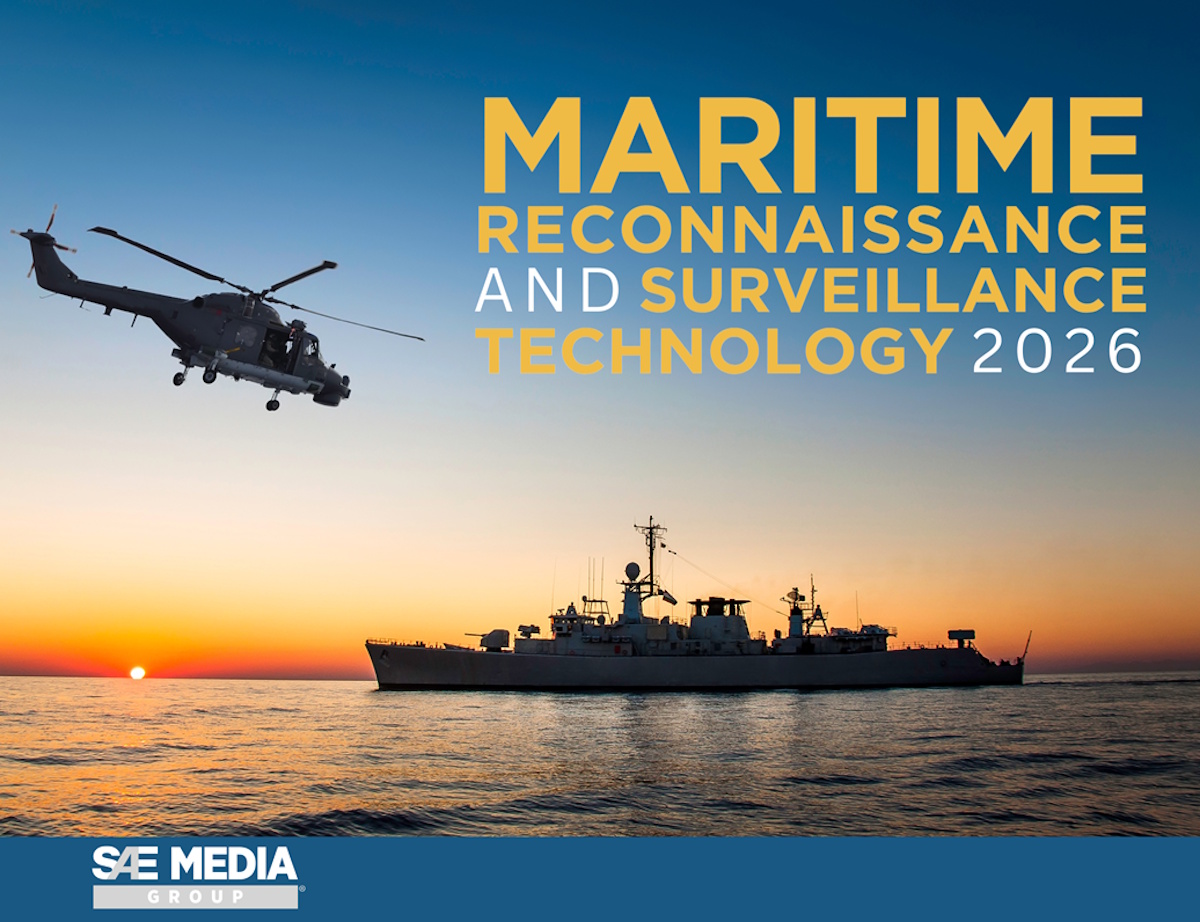
EVENT: Maritime Reconnaissance and Surveillance Technology 2026 - London, UK - 27-28th January, 2026
SAE Media Group will host the 11th annual Maritime Reconnaissance and Surveillance Technology conference on January 27-28, 2026. This event aims to bring together industry leaders, experts, and stakeholders to discuss advancements and innovations in maritime surveillance and reconnaissance technologies. The conference will provide a platform for networking, knowledge sharing, and exploring the latest trends shaping the maritime security landscape. Participants will have the opportunity to engage in discussions and presentations that address the evolving challenges and opportunities in maritime operations.
events maritime reconnaissance and surveillance technology 2026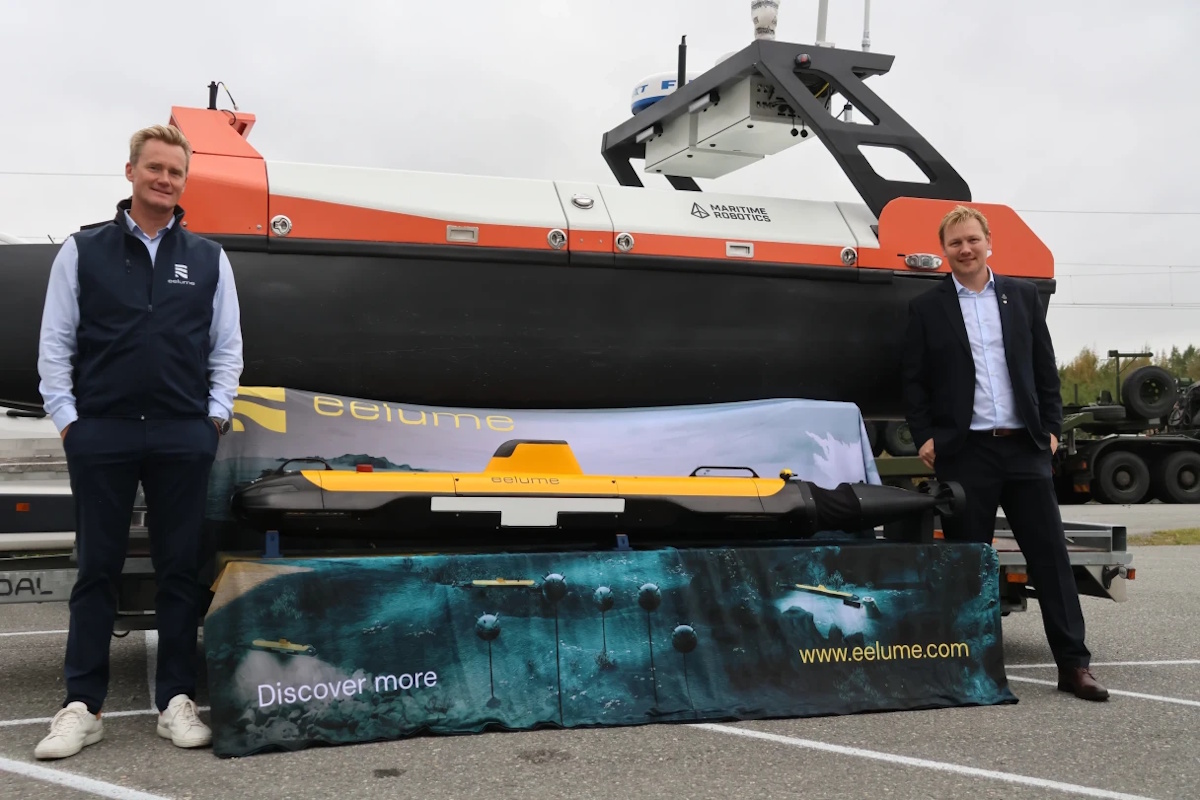
Maritime Robotics and Eelume Enter into Partnership for Ocean Surveillance and Security
Norway's Maritime Robotics and Eelume, two prominent companies in autonomous systems technology, have announced a strategic partnership aimed at enhancing maritime operations. This collaboration focuses on integrating unmanned surface vessels (USVs) with agile underwater vehicles (AUVs) to improve the efficiency and sustainability of exploration, surveillance, and security activities at sea. The partnership reflects a growing trend in the maritime industry to leverage advanced technologies for better operational outcomes.
maritime robotics eelume partnership ocean surveillance and security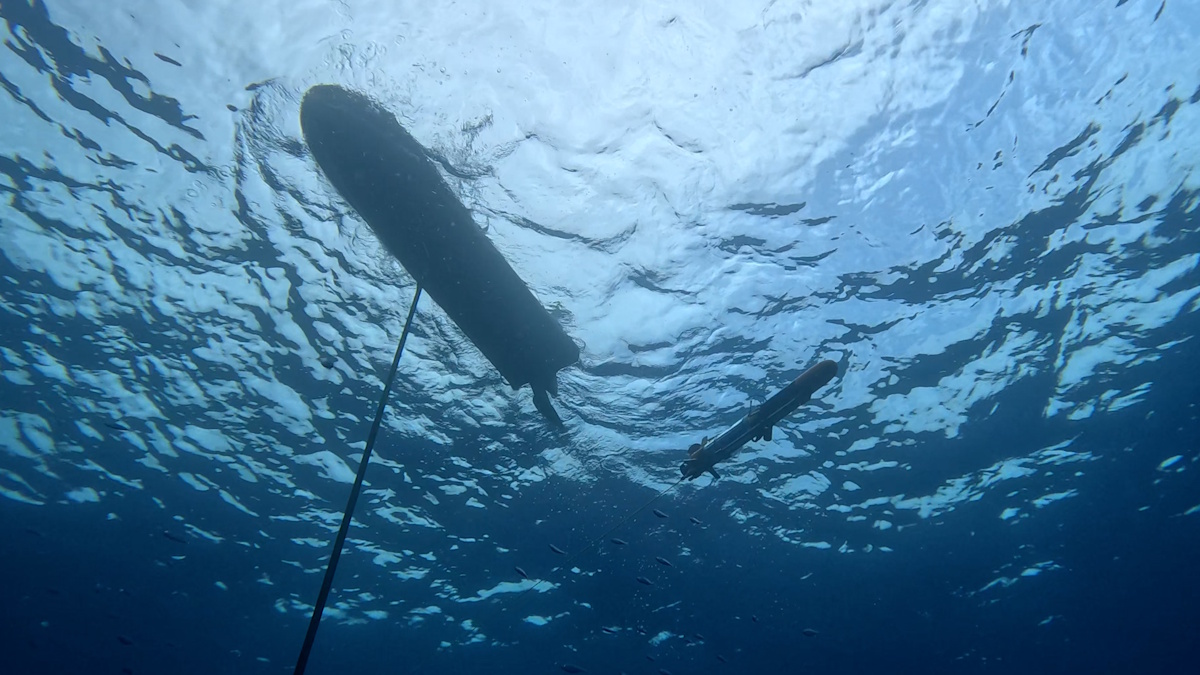
Liquid Robotics and Hydronet Sign MOU to Advance Undersea Mesh Networking for Maritime and Underwater Autonomous Vehicles
Liquid Robotics, a subsidiary of Boeing, has partnered with Massachusetts-based deep tech start-up Hydronet to enhance and commercialize underwater mesh networking technologies. This collaboration aims to improve connectivity for maritime and underwater autonomous vehicles. The two companies have formalized their commitment through a Memorandum of Understanding (MOU), signaling a strategic move to leverage their respective expertise in advancing this innovative technology. The partnership is expected to facilitate more efficient communication and data sharing among autonomous systems operating in underwater environments, ultimately enhancing operational capabilities in various maritime applications.
liquid robotics hydronet mou undersea mesh networking underwater autonomous vehicles auv
FLANQ Launches Q-RECON: Europe's Newest Expeditionary USV for Maritime Surveillance and Special Forces Operations
FLANQ, a maritime defense solutions provider based in Germany, has unveiled its latest innovation, the Q-RECON, an Uncrewed Surface Vessel (USV) designed specifically for operations in coastal areas. The launch, which took place today, addresses an urgent operational need expressed by a European customer. The Q-RECON is a lightweight, two-meter-long vessel that can be easily transported by two personnel. It is engineered for a range of critical functions, including intelligence gathering, surveillance, reconnaissance, and tactical interdiction, enhancing maritime operational capabilities in the region.
flanq q-recon usv maritime surveillance special forces operations
Helsing Unveils Lura and SG-1 Fathom for Autonomous Mass Surveillance
Helsing, a prominent European defense technology firm, has introduced two innovative systems, Lura and SG-1 Fathom, aimed at enhancing maritime security and digitalizing ocean monitoring. Announced today, these advancements draw on the company's extensive expertise in air and land defense to transform maritime surveillance. Lura, a sophisticated software platform powered by advanced artificial intelligence, is designed to rethink traditional approaches to maritime threat detection. It employs autonomous technologies that are both scalable and cost-effective, enabling the identification of potential threats beneath the ocean's surface. This initiative reflects Helsing's commitment to leveraging cutting-edge technology to safeguard maritime environments.
helsing lura sg-1 fathom autonomous mass surveillance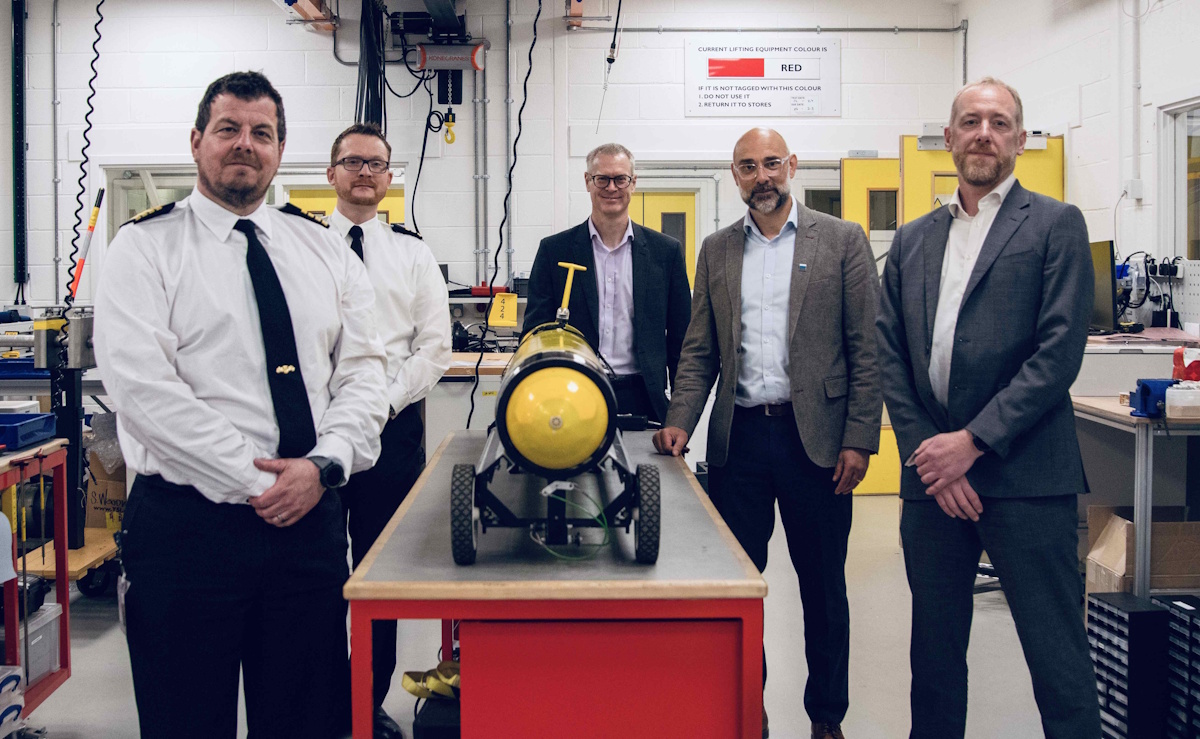
NOC and Royal Navy Renew MOU on Autonomous Maritime Capabilities
The National Oceanography Centre (NOC) in the UK has reaffirmed its commitment to marine science and technology by renewing a memorandum of understanding with the Royal Navy. This renewed agreement, which underscores a collaborative relationship that has spanned several years, aims to enhance research and innovation in oceanographic studies. The partnership is expected to facilitate the sharing of expertise and resources, ultimately contributing to advancements in understanding marine environments. The renewal of the MOU was announced recently, highlighting the ongoing dedication of both organizations to address challenges related to the oceans and maritime operations.
national oceanography centre (noc) royal navy mou autonomous maritime capabilities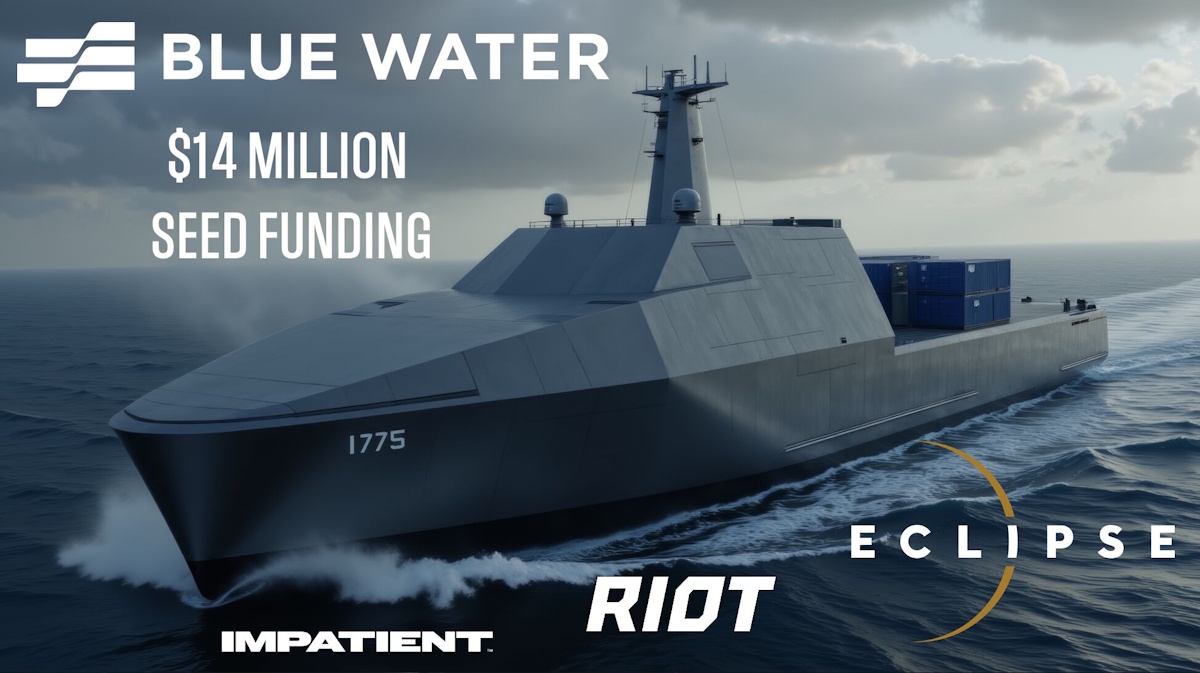
Blue Water Autonomy Emerges From Stealth to Usher in New Era of Autonomous Ships and Modernize the Maritime Economy
Blue Water Autonomy, Inc., a technology firm focused on developing autonomous vessels for the U.S. Navy, has officially revealed its operations after a period of secrecy. The company announced it has secured $14 million in seed funding from investors including Eclipse, Riot, and Impatient Ventures. This funding will support the creation of a fully unmanned and easily producible ship designed to undertake a variety of missions on the open ocean. The announcement marks a significant step in the advancement of maritime technology, aiming to enhance naval capabilities while reducing the need for human crew members in potentially hazardous environments.
blue water autonomy autonomous ships
Seasats Secures Funding to Accelerate Growth of Autonomous Maritime Solutions
Seasats, a San Diego-based company specializing in autonomous surface vehicles (ASVs), has secured $10 million in a strategic funding round led by Shield Capital, a Silicon Valley venture capital firm focused on dual-use technologies that enhance national security. The funding round also attracted investments from Aero X Ventures, Techstars, and other contributors. This financial boost will support Seasats' efforts to expand its maritime autonomy solutions globally, positioning the company for significant growth in the evolving market of autonomous maritime technology.
Robotics needs a service framework.
RSF defines a common language for robot service capability, lifecycle operations, certification pathways, and service-provider networks.
Join the RobotToday community on LinkedIn
Daily robotics news, in-depth analysis, conference highlights, and discussions with professionals worldwide.