Top News

Industry Briefing

A single destination for timely, editor-curated robotics news from around the world.
Teleexistence reveals humanoid's success in autonomous convenience store bagging using VLA and NVIDIA's "DreamZero."

Teleexistence reveals humanoid's success in autonomous convenience store bagging using VLA and NVIDIA's "DreamZero."

On June 10, 2026, Teleexistence showcased a demonstration of autonomous operations using humanoid robots as part of the "Physical AI Fellowship 2026," a collaborative initiative supported by AWS, NVIDIA, and MassRobotics. The event highlighted the integration of NVIDIA's World Model, "DreamZero," showcasing advancements in robotic technology and artificial intelligence. This demonstration aims to illustrate the potential of physical AI in enhancing robotic capabilities and fostering innovation in the field.

Pudu Deploys 200 Cleaning Robots Across Swiss Supermarket Network

Pudu Deploys 200 Cleaning Robots Across Swiss Supermarket Network

Swiss supermarket chain Denner has announced the deployment of 200 autonomous floor-cleaning robots throughout its store network, marking a significant expansion of its cleaning operations. This initiative follows a successful pilot program conducted in four stores in 2025, which demonstrated the effectiveness of the technology. The partnership with Chinese robot manufacturer Pudu Robotics and regional distributor Robobee has facilitated this rollout, aimed at enhancing operational efficiency and maintaining cleanliness in stores. The move reflects Denner's commitment to innovation and improving customer experience through advanced automation solutions.

AI AI Funding & Investment AI Use Cases Robotics Denner Pudu Robotics
Waymo says it built a better benchmark for comparing robotaxis to humans

Waymo says it built a better benchmark for comparing robotaxis to humans

Waymo has developed an advanced computer model aimed at enhancing its understanding of human behavior during crash scenarios involving its robotaxis. This initiative, which comes as part of the company's ongoing efforts to improve safety and reliability, utilizes extensive data analysis to simulate various accident situations. By accurately predicting how individuals might react in these critical moments, Waymo seeks to refine its autonomous driving technology and ensure better decision-making capabilities for its vehicles. The model is expected to play a crucial role in the company's safety protocols and regulatory compliance as it continues to expand its robotaxi services.

TC Transportation
Researchers Develop Method To Train Ag AI Robots with Virtual Tomatos

Researchers Develop Method To Train Ag AI Robots with Virtual Tomatos

Researchers at Osaka Metropolitan University have introduced a groundbreaking method for creating synthetic training data aimed at enhancing agricultural AI systems. This innovative approach utilizes realistic virtual tomato farms, addressing a significant challenge in the development of autonomous harvesting robots. The findings of this study, published in the journal Smart Agricultural Technology, highlight the potential of virtual environments to effectively train AI models. By simulating diverse farming scenarios, the researchers aim to improve the efficiency and accuracy of AI systems in agricultural applications, ultimately paving the way for more advanced robotic solutions in the field.

AI AI Research & Advances Robotics agriculture AI autonomous harvesting robots Osaka Metropolitan University
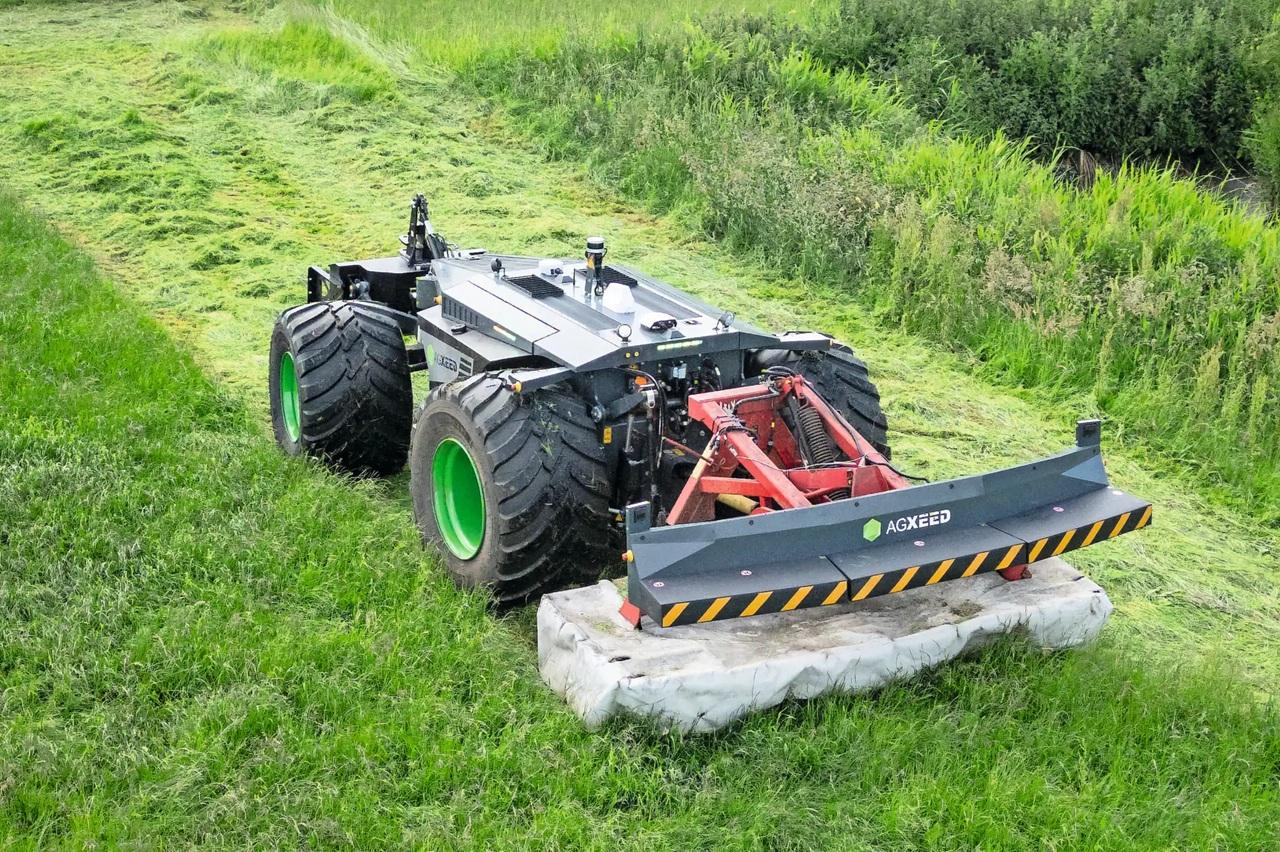
Robot Raggy taking on one of farming’s most persistent weed problems

Robot Raggy taking on one of farming’s most persistent weed problems

This summer, farmers in Dorset are closely monitoring the progress of Raggy, a small autonomous robot designed to combat ragwort infestations. Developed by the UK robotics firm Robotriks, Raggy has arrived at Dorset Innovation Park near Wareham for its final testing phase before launching field trials across various farms and land in the region. The introduction of this electrically powered robot is highly anticipated by local farmers and landowners, who are eager for an effective solution to manage the invasive weed that poses a threat to livestock and crops. The ongoing trials aim to demonstrate Raggy's capabilities in tackling this persistent agricultural challenge.

Field robots autonomous farm equipment electric tractors Machine vision robotics weed control systems
Automated Lawn Maintenance: An Agronomic and Operational Review of Turf Health, Biodiversity, and Field Performance

Automated Lawn Maintenance: An Agronomic and Operational Review of Turf Health, Biodiversity, and Field Performance

A recent study published in the Journal of Field Robotics highlights advancements in autonomous robotic systems designed for agricultural applications. Researchers from a leading university conducted the study to explore how these robots can enhance efficiency in farming practices. The research was carried out over the summer of 2023 at various agricultural sites across the Midwest. The motivation behind this initiative stems from the increasing demand for sustainable farming solutions that can address labor shortages and improve crop yields. By integrating advanced sensors and machine learning algorithms, the robots are capable of performing tasks such as planting, monitoring crop health, and harvesting with minimal human intervention. The study involved extensive field tests, where the robots demonstrated their ability to navigate complex terrains and adapt to changing environmental conditions. Results showed a significant increase in productivity compared to traditional farming methods, suggesting that the implementation of these technologies could revolutionize the agricultural sector. As the agricultural industry faces challenges related to climate change and population growth, this research underscores the potential of robotics to provide innovative solutions that promote sustainability and efficiency in food production. The findings are expected to pave the way for further developments in agricultural robotics, ultimately benefiting farmers and consumers alike.

SURVEY ARTICLE
Flexion Robotics demonstrates fully autonomous humanoid with over 95% success rate in 300 trials at ICRA 2026.

Flexion Robotics demonstrates fully autonomous humanoid with over 95% success rate in 300 trials at ICRA 2026.

Flexion Robotics announced on its official X account that it conducted a fully autonomous demonstration using humanoid robots at the International Conference on Robotics and Automation (ICRA 2026) from June 9 to June 11, 2026. The three-day event showcased the company's advancements in robotics technology, highlighting their commitment to innovation in the field. The demonstration aimed to illustrate the capabilities of humanoid robots in performing complex tasks autonomously, reflecting the growing interest and investment in robotics solutions across various industries.

NVIDIA and LG Group build AI factory to train robots and power future mobility

NVIDIA and LG Group build AI factory to train robots and power future mobility

Researchers and engineers are advancing the next frontier of artificial intelligence, focusing on the development of machines capable of movement, visual perception, and autonomous decision-making. This initiative, which has gained momentum in recent months, aims to enhance the functionality and adaptability of AI systems across various sectors, including healthcare, transportation, and robotics. The push for these advancements is driven by the increasing demand for intelligent systems that can operate in dynamic environments and perform complex tasks without human intervention. By integrating advanced sensors and machine learning algorithms, developers are working to create AI that not only processes information but also interacts with the physical world in real-time. This evolution in AI technology is taking place in research laboratories and tech hubs around the globe, with significant contributions from universities, private companies, and government agencies. As these entities collaborate, they are exploring innovative applications that could revolutionize industries and improve everyday life. The ongoing research is expected to culminate in prototypes and pilot programs by early 2024, showcasing the potential of these intelligent machines. As the field progresses, ethical considerations and safety measures are also being prioritized to ensure responsible deployment and integration into society. The ultimate goal is to create AI systems that enhance human capabilities and contribute positively to various aspects of life.

Naval carrier set to deploy with a drone, while Marines say goodbye to the Harrier

Naval carrier set to deploy with a drone, while Marines say goodbye to the Harrier

This week, the U.S. Navy is enhancing its fleet capabilities as a Seahawk drone is scheduled to join the aircraft carrier USS Theodore Roosevelt. This integration reflects ongoing efforts to modernize naval operations and improve surveillance and reconnaissance missions. Additionally, the aviation community bids farewell to a legendary aircraft, which is making its final flight, marking the end of an era in military aviation history. The events highlight the Navy's commitment to advancing technology while honoring its storied past.

Air Warfare Naval Warfare Air Force Break Out Video harrier HarrierJumpJet
This Is The Corsair Drone Boat That Plucked The Downed Apache Crew Out Of The Gulf Of Oman

This Is The Corsair Drone Boat That Plucked The Downed Apache Crew Out Of The Gulf Of Oman

The U.S. Navy's leading drone task force in the Middle East has recently begun utilizing the Corsair uncrewed surface vessels, which were deployed for operations starting in March. This innovative technology played a crucial role in a recent rescue mission, successfully retrieving the crew of a downed Apache helicopter from the Gulf of Oman. The deployment of the Corsair underscores the Navy's commitment to enhancing maritime operations and improving response capabilities in the region. The use of these advanced drone boats marks a significant step in modern naval warfare and operational efficiency.

Sea Around The Globe Iran Middle East Navies News & Features
Inside Ukraine’s AI-Enabled Drone Campaign Targeting Russian Logistics Deep Behind The Lines

Inside Ukraine’s AI-Enabled Drone Campaign Targeting Russian Logistics Deep Behind The Lines

An officer involved in Ukraine's mid-range drone campaign has provided rare insights into the strategic strikes aimed at disrupting Russian logistics deep within enemy territory. This campaign, which leverages advanced artificial intelligence technology, is designed to enhance the effectiveness of drone operations against key supply routes and infrastructure supporting Russian military efforts. The officer's revelations shed light on the tactical planning and execution of these operations, highlighting their significance in the ongoing conflict. As Ukraine continues to adapt its military strategies, the use of AI-enabled drones represents a pivotal shift in modern warfare, allowing for more precise targeting and increased operational efficiency.

News & Features Air Around The Globe Europe Russia Ukraine
Wing and Walmart Add Seven New Drone Delivery Markets

Wing and Walmart Add Seven New Drone Delivery Markets

Wing and Walmart have announced the expansion of their drone delivery network to seven new major metropolitan areas, including Memphis, New Orleans, Philadelphia, Phoenix, San Diego, the San Francisco Bay Area, and Salt Lake City. This initiative is part of their ongoing efforts to enhance delivery services across the United States. The addition of these cities marks a significant step in the rollout of the nation’s largest drone delivery network, aimed at improving convenience and efficiency for consumers. The partnership leverages advanced drone technology to facilitate faster deliveries, responding to the growing demand for quick and reliable service in urban areas.

Advanced Air Mobility BVLOS Delivery Drone News Drone News Feeds News
FCC Expands Drone Exemptions as Product-by-Product Security Review Takes Shape

FCC Expands Drone Exemptions as Product-by-Product Security Review Takes Shape

The Federal Communications Commission (FCC) has granted conditional approval for the VEX AIR uncrewed aircraft system (UAS) through December 2026, marking a significant step in the ongoing evaluation of individual drone products outside the broader Covered List restrictions. This decision reflects the FCC's commitment to a more nuanced security review process, allowing for the addition of specific drone models that have undergone thorough scrutiny. As federal agencies continue to assess various UAS, VEX AIR joins a growing list of exempted products, highlighting the evolving landscape of drone regulation and the emphasis on safety and compliance in the industry.

Applications Blue UAS Drone News Drone News Feeds Education News
NVIDIA unveils 320 billion-parameter self-driving model "Alpamayo 2 Super" to accelerate Level 4 robo-taxi development.

NVIDIA unveils 320 billion-parameter self-driving model "Alpamayo 2 Super" to accelerate Level 4 robo-taxi development.

NVIDIA announced a significant expansion of its open AI model family, "NVIDIA Alpamayo," aimed at developing safe Level 4 robotic taxis. The announcement was made during the NVIDIA GTC Taipei event held on June 1, 2026, in Taipei, Taiwan. This initiative reflects NVIDIA's commitment to advancing autonomous vehicle technology, enhancing safety and efficiency in transportation. The expansion of Alpamayo is expected to play a crucial role in the future of urban mobility, as the company seeks to address the growing demand for innovative transportation solutions.

Ravenstorm At The Center Of Airbus’s New Combat Drone Portfolio

Ravenstorm At The Center Of Airbus’s New Combat Drone Portfolio

Airbus is shifting its focus towards uncrewed collaborative combat aircraft as challenges arise in Europe’s next-generation fighter program. The company is heavily investing in this new direction, highlighting its commitment to advancing drone technology in military applications. This strategic pivot comes in response to the complexities and setbacks faced by the existing fighter initiative, prompting Airbus to explore innovative solutions in aerial combat. The development of these combat drones is expected to play a crucial role in modernizing defense capabilities and enhancing operational efficiency in future military engagements.

Air Around The Globe Collaborative Combat Aircraft Drones Europe Germany
Wing and Walmart expand drone delivery network to seven new US metro areas

Wing and Walmart expand drone delivery network to seven new US metro areas

Drone delivery company Wing, in partnership with retail giant Walmart, is expanding its residential drone delivery network across the United States, which they claim is the largest of its kind. This initiative will introduce drone delivery services to seven new metropolitan areas, including Memphis, New Orleans, Philadelphia, and Phoenix. The expansion aims to enhance accessibility and convenience for consumers, with a target of reaching 40 million Americans by 2027. The collaboration between Wing and Walmart is part of a broader strategy to leverage drone technology for efficient delivery solutions, responding to the growing demand for rapid and reliable delivery services in urban areas.

Drones News aerial delivery automation news autonomous drones commercial drones
How JPL Keeps the 13-Year-Old Curiosity Rover Doing Science

How JPL Keeps the 13-Year-Old Curiosity Rover Doing Science

The Curiosity rover, which has been exploring Mars for 13 years, continues to operate effectively despite the challenges of its hostile environment. Since its successful landing in August 2012 at the Jet Propulsion Laboratory (JPL) in Pasadena, California, Curiosity has traveled nearly 37 kilometers, drilled into 42 rocks, and captured approximately 763,000 images. JPL engineers, including assistant team chief Alexandra Holloway, have implemented ongoing software updates and innovative solutions to keep the rover functional, even as it faces wear and diminishing power. Holloway highlighted the rover's longevity, attributing it to robust engineering and continuous maintenance efforts. While Curiosity and the younger Perseverance rover share similar hardware, Perseverance features additional capabilities for autonomous navigation, reflecting their distinct mission objectives. Curiosity's operational challenges include wheel wear from sharp rocks and power consumption from its nuclear source, which decreases over time. Engineers have developed strategies to optimize power usage, such as reducing computer activation time and parallel processing tasks. Looking ahead, Holloway noted that while Curiosity's arm may eventually fail, the rover still possesses valuable remote sensing instruments that will contribute to future Mars exploration. With its power source expected to remain viable through at least 2035, Curiosity's mission continues to yield significant scientific insights, paving the way for future missions.

Curiosity-rover Mars Jpl
The FCC’s ‘safe’ drone list just got longer

The FCC’s ‘safe’ drone list just got longer

The Federal Communications Commission (FCC) has recently categorized nearly all foreign-produced drones as part of its national security “Covered List,” raising concerns among drone pilots about the future of the industry. However, contrary to initial fears, new developments suggest that the situation may not be as dire as anticipated. As the drone market adapts to these regulatory changes, industry stakeholders are exploring innovative solutions to navigate the restrictions and continue operating effectively. This evolving landscape highlights the resilience of the drone sector and its ability to respond to regulatory challenges while seeking opportunities for growth and collaboration.

News
AH-64 Apache Crew Rescued By Drone Boat After Going Down Near Strait Of Hormuz

AH-64 Apache Crew Rescued By Drone Boat After Going Down Near Strait Of Hormuz

In a groundbreaking development, an uncrewed surface vessel successfully recovered the crew of an AH-64 Apache helicopter that had gone down near the Strait of Hormuz. This incident marks the first known instance of such a drone boat being utilized for aircrew recovery, signaling a significant advancement in military rescue operations. The event underscores the evolving role of autonomous technology in enhancing operational capabilities and safety for aircrews in challenging environments. As military forces increasingly integrate unmanned systems into their strategies, this successful recovery operation may pave the way for future applications of drone technology in various rescue and support missions.

News & Features AH-64 Air Around The Globe Helicopters Iran
US engineers make ‘artificial eyes’ to improve vision in robots, self-driving cars

US engineers make ‘artificial eyes’ to improve vision in robots, self-driving cars

Researchers at Penn State University have developed an innovative device inspired by the human eye, aimed at enhancing the vision capabilities of self-driving cars. This groundbreaking technology was unveiled recently as part of ongoing efforts to improve the safety and reliability of autonomous vehicles. The device mimics the eye's ability to adapt to varying light conditions, which is crucial for navigating complex environments. The motivation behind this advancement stems from the challenges faced by self-driving cars in low-light situations, where traditional sensors often struggle to provide accurate data. By integrating this eye-inspired technology, the researchers hope to significantly reduce the risk of accidents and improve the overall performance of autonomous systems. This development is part of a broader initiative to advance automotive technology and ensure that self-driving cars can operate effectively in diverse conditions. The research team utilized a combination of advanced materials and optical engineering to create a device that can dynamically adjust its sensitivity, much like the human eye does when transitioning from bright to dim environments. As the automotive industry continues to push towards fully autonomous vehicles, innovations like this are essential for addressing safety concerns and building public trust in self-driving technology. The research findings are expected to contribute to future advancements in vehicle design and functionality, paving the way for safer roads.

The Rivian R2 is too much fun to let drive itself

The Rivian R2 is too much fun to let drive itself

Rivian, the electric vehicle manufacturer known for its R1S SUV and R1T pickup, is shifting its focus towards mainstream success with the upcoming launch of its R2 model in 2027. While the company has garnered significant media attention and a dedicated following for its high-end vehicles, it now faces the challenge of appealing to a broader audience of electric vehicle buyers. As Rivian continues to explore the potential of robotaxis and autonomous driving, it recognizes the importance of winning over consumers who prefer traditional human-driven vehicles. The R2 is seen as a pivotal step in this strategy, aimed at making electric vehicles more accessible and appealing to the general public.

Autonomous Cars Electric Cars Reviews Tech Transportation
Simulation tools in the ROS ecosystem: Testing and validating robots virtually

Simulation tools in the ROS ecosystem: Testing and validating robots virtually

In a significant advancement for robotics, researchers are increasingly relying on virtual environments to develop and refine robots before they are deployed in the real world. This trend allows robots, such as those used in warehouses, autonomous vehicles, and humanoid designs, to undergo extensive training and testing in simulated settings. By utilizing these virtual platforms, developers can enhance the robots' navigation and operational skills without the risks and costs associated with real-world trials. This approach not only accelerates the development process but also improves the overall safety and efficiency of robotic systems. As the technology evolves, the reliance on virtual training is expected to grow, paving the way for more sophisticated and capable robots in various industries.

Computing Features Robot simulation Software automation news Autonomous robots
"BioGeometry" secures hundreds of millions in strategic funding to create a "microscopic world model" in life sciences.

"BioGeometry" secures hundreds of millions in strategic funding to create a "microscopic world model" in life sciences.

AI-native biotechnology company BaiAo Geometry has successfully secured several hundred million yuan in strategic financing, with investments led by the Shanghai Biomedical Innovation Transformation Fund, Guoke Investment, Dacheng Wisdom, and Xinglian Capital, alongside follow-on investments from GaoRong Capital and the Index AI Industry Innovation Fund. The funds will primarily support the ongoing development of their life sciences micro-world model, GeoFlow, and the advancement of their proprietary drug pipeline. Artificial intelligence is rapidly evolving along two main trajectories: digital AI, represented by large language and multimodal models, and physical AI, exemplified by autonomous vehicles and humanoid robots. Life AI is emerging as a promising frontier, a sentiment echoed by leading global investors and scientists. BaiAo Geometry's GeoFlow model, launched in 2024, aims to understand and design molecular interactions at an atomic level, enabling the creation of novel molecules that have never existed in nature. The company has iterated GeoFlow multiple times, achieving significant advancements in protein structure prediction and de novo design capabilities. By applying Test-Time Scaling technology, BaiAo Geometry enhances the success rate of protein designs without the need for extensive retraining. This innovation allows for the rapid generation and optimization of high-affinity binding molecules, significantly reducing the time and cost associated with traditional drug discovery processes. BaiAo Geometry has established over 20 business development collaborations with domestic and international pharmaceutical companies, focusing on high-specificity antibody design and vaccine development. The company is currently working on the next iteration of GeoFlow, which aims to expand modeling from individual molecules to entire molecular systems, further revolutionizing drug development in the biotechnology sector.

RGPB‐Planner: A Real‐Time Gaussian Potential B‐Spline Trajectory Planner for Unmanned Aerial Vehicles in Complex Environments

RGPB‐Planner: A Real‐Time Gaussian Potential B‐Spline Trajectory Planner for Unmanned Aerial Vehicles in Complex Environments

A recent study published in the Journal of Field Robotics explores advancements in autonomous robotic systems designed for agricultural applications. Researchers from various institutions conducted the study to address the growing need for efficient farming solutions amid increasing global food demands. The findings, released in early October 2023, highlight innovative technologies that enhance the capabilities of robots in tasks such as planting, harvesting, and monitoring crops. The research was conducted in diverse agricultural settings, showcasing how these robotic systems can adapt to different environments and crop types. By integrating artificial intelligence and machine learning, the robots are able to optimize their performance, reducing labor costs and increasing productivity for farmers. This initiative stems from the urgent necessity to improve agricultural efficiency and sustainability in response to climate change and population growth. The study emphasizes that the implementation of these robotic systems could significantly transform traditional farming practices, making them more resilient and resource-efficient. The research team utilized a combination of field tests and simulations to demonstrate the effectiveness of the robotic technologies, providing a comprehensive analysis of their potential impact on the agricultural sector. As the industry continues to evolve, the insights from this study may pave the way for broader adoption of robotics in farming, ultimately contributing to food security and environmental sustainability.

RESEARCH ARTICLE
OMRON Robotics to Demonstrate Next-Generation Autonomous Mobile Robots at Automate 2026

OMRON Robotics to Demonstrate Next-Generation Autonomous Mobile Robots at Automate 2026

A leading technology company has unveiled its latest advancements in automated material handling with the introduction of the LD-150 and LD-300 autonomous mobile robots (AMRs). This launch took place in October 2023, showcasing the company's commitment to enhancing efficiency in logistics and warehouse operations. The new AMRs are designed to streamline material flow, addressing the growing demand for smarter and more flexible solutions in supply chain management. By integrating advanced navigation and sensing technologies, the LD-150 and LD-300 aim to optimize workflows, reduce operational costs, and improve safety in various industrial environments. This innovation reflects the company's strategy to leverage automation in response to evolving market needs and the increasing complexity of logistics operations.

B&R Stores Introduces Simbe's Tally Inventory Robot In Stores Across Nebraska

B&R Stores Introduces Simbe's Tally Inventory Robot In Stores Across Nebraska

A family-owned grocery chain has introduced autonomous shelf-scanning technology to enhance its operational efficiency and improve customer experience. This initiative, aimed at boosting shelf visibility and ensuring pricing accuracy, was implemented in stores across the region in October 2023. By utilizing advanced scanning systems, the grocer seeks to streamline in-store execution and maintain optimal inventory levels. The decision to adopt this technology stems from a commitment to providing customers with reliable pricing and well-stocked shelves, ultimately fostering customer loyalty and satisfaction. The integration of this innovative solution is expected to transform the shopping experience by allowing staff to focus more on customer service rather than manual inventory checks.

Drive solutions for shuttles, automated guided vehicles, and autonomous mobile robots.

Drive solutions for shuttles, automated guided vehicles, and autonomous mobile robots.

At the SPS Italia exhibition, Bonfiglioli showcased its innovative mechatronic ecosystem, highlighting advanced drive solutions tailored for shuttles, automated guided vehicles (AGVs), and autonomous mobile robots (AMRs). This presentation underscores Bonfiglioli's commitment to enhancing automation and efficiency in various industrial applications. The event, held in Italy, serves as a platform for industry leaders to explore cutting-edge technologies and solutions that address the evolving needs of the market. Through its participation, Bonfiglioli aims to demonstrate its leadership in the field and foster collaborations that drive technological advancements in automation.

Allgemein Antriebs- und Lineartechnik Robotik
Cognizant Launches Sovereign Physical AI Platform-As-A-Service

Cognizant Launches Sovereign Physical AI Platform-As-A-Service

Cognizant has unveiled a new sovereign Physical AI Platform-as-a-Service aimed at assisting enterprises in the integration and management of autonomous systems, industrial equipment, and AI-driven operations through a unified software layer. This innovative platform, developed on the Cognizant Intelligence Spine architecture, is designed to seamlessly connect various technologies, including sensors, cameras, robots, and digital twins. By providing a comprehensive solution, Cognizant seeks to enhance operational efficiency and streamline the management of complex industrial environments. The launch reflects the company's commitment to advancing AI capabilities within the enterprise sector, enabling businesses to leverage cutting-edge technology for improved performance and productivity.

AI AI Funding & Investment AI Use Cases Robotics Cognizant Energy
Clear Robotics Raises $1.75M in Pre-Series A Funding to Expand Development of Zero-Emission Autonomous Ships

Clear Robotics Raises $1.75M in Pre-Series A Funding to Expand Development of Zero-Emission Autonomous Ships

Clear Robotics has successfully secured $1.75 million in a pre-Series A funding round aimed at enhancing the deployment of its autonomous vessels throughout Asia and the Middle East. The funding round, led by Shipsfocus Ventures, also saw participation from notable investors including Katapult Ocean, SGInnovate, M7 Holdings, and MGS Ventures, among others. This financial boost will enable Clear Robotics to accelerate its expansion efforts in the rapidly evolving maritime technology sector, addressing the growing demand for innovative shipping solutions in these regions.

AI AI Funding & Investment Robotics autonomous ships autonomous surface vessel Clear Robotics
Chinese entrepreneur's e-truck startup Windrose faces unpaid wage claims

Chinese entrepreneur's e-truck startup Windrose faces unpaid wage claims

Windrose, an electric truck startup founded by a Chinese entrepreneur, is struggling to meet its ambitious goals in the U.S. market. As of June 9, 2026, the company faces claims from former employees alleging unpaid wages amounting to hundreds of thousands of dollars. Despite the challenges, including difficulties in establishing a foothold in the competitive U.S. landscape, the founder acknowledges past mistakes but remains committed to pushing forward. The situation highlights the hurdles faced by international startups attempting to penetrate the American electric vehicle sector, as Windrose seeks to navigate these obstacles while striving for success.

Airbus debuts U145 autonomous helicopter drone with no cockpit for military missions

Airbus debuts U145 autonomous helicopter drone with no cockpit for military missions

Airbus Helicopters has unveiled a new autonomous aircraft derived from its widely-used H145 platform, marking a significant advancement in aviation technology. The announcement was made during the International Paris Air Show, which took place from June 19 to June 25, 2023. This innovative aircraft aims to enhance operational efficiency and safety in various sectors, including medical transport, search and rescue, and logistics. The motivation behind this development stems from the growing demand for unmanned aerial vehicles that can perform complex missions with minimal human intervention. By leveraging advanced automation and artificial intelligence, Airbus Helicopters seeks to address challenges in urban air mobility and improve response times in critical situations. The aircraft is designed to operate in diverse environments, showcasing its versatility and potential for integration into existing air traffic systems. Through rigorous testing and collaboration with regulatory bodies, Airbus aims to ensure that the new autonomous H145 meets safety standards and can be deployed effectively in real-world scenarios. This initiative reflects Airbus Helicopters' commitment to innovation and its vision for the future of aviation, where autonomous systems play a crucial role in enhancing air transport capabilities.

ACS Raises $200M in Series B Funding to Expand ‘Bullfrog’ Autonomous Counter-Drone System

ACS Raises $200M in Series B Funding to Expand ‘Bullfrog’ Autonomous Counter-Drone System

Allen Control Systems has successfully secured $200 million in a Series B funding round aimed at enhancing the production of its autonomous counter-drone weapons systems, which are intended for the U.S. military and its allied nations. The funding round was spearheaded by Smash Capital, with contributions from existing investors such as Craft Ventures, Rally Ventures, and Inspired Capital. This financial boost will enable the company to scale its operations and meet the growing demand for advanced defense technologies in response to increasing drone threats.

AI AI Funding & Investment Robotics ACS Allen Control Systems autonomous
Quantum Cyber Signs LOI for Connecticut Manufacturing Facility as Drone Firms Pursue Domestic Production

Quantum Cyber Signs LOI for Connecticut Manufacturing Facility as Drone Firms Pursue Domestic Production

Quantum Cyber (NASDAQ: QUCY) has taken a significant step towards enhancing domestic drone production by signing a letter of intent to acquire a 43,000-square-foot manufacturing facility in Bridgeport, Connecticut. This announcement, made on June 8, underscores the company's commitment to establishing a vertically integrated supply chain within the U.S. drone manufacturing sector. The acquisition aligns with a broader industry trend favoring domestic production capabilities, reflecting a growing emphasis on local manufacturing in response to supply chain challenges. Through this move, Quantum Cyber aims to bolster its operational capacity and contribute to the evolving landscape of the drone industry.

Defense defense Drone News Drone News Feeds News autonomous drones
ACS raises $200M to scale autonomous counter-drone system

ACS raises $200M to scale autonomous counter-drone system

Allen Control Systems has secured $200 million in funding to enhance the manufacturing capabilities and expedite the deployment of its autonomous weapon station, known as Bullfrog. This significant investment aims to bolster the company's efforts in developing advanced counter-drone technology, responding to the increasing demand for effective security solutions in various sectors. The funding will facilitate the scaling of production processes, allowing for a quicker rollout of the Bullfrog system, which is designed to autonomously detect and neutralize drone threats. This initiative underscores the growing importance of autonomous systems in modern defense strategies.

Artificial Intelligence Defense / Security Financial Investments Markets / Industries News
Robots move beyond mapped worlds with advanced lidar sensing

Robots move beyond mapped worlds with advanced lidar sensing

A lidar technology company has partnered with a robotics AI developer to enhance the capabilities of autonomous systems. This collaboration, announced recently, aims to integrate advanced lidar sensing with cutting-edge artificial intelligence to improve navigation and object recognition in various applications, including autonomous vehicles and drones. The partnership is expected to leverage the strengths of both companies, combining precise environmental mapping with intelligent decision-making algorithms. This initiative comes in response to the growing demand for more reliable and efficient autonomous solutions in industries such as transportation and logistics. The companies plan to begin testing their integrated systems in the coming months, with the goal of launching a prototype by early next year.

Industrial Automation Is Quietly Becoming a Software Discipline

Industrial Automation Is Quietly Becoming a Software Discipline

A recent exploration into software-defined automation highlights its pivotal role in advancing toward autonomous systems. Industry experts gathered at a technology conference in San Francisco on October 15, 2023, to discuss the transformative potential of this innovative approach. The event showcased how organizations are increasingly adopting software-defined automation to enhance operational efficiency and reduce human error in various sectors, including manufacturing and logistics. The motivation behind this shift stems from the growing demand for smarter, more responsive systems capable of adapting to real-time data and changing environments. By leveraging advanced algorithms and machine learning, companies are streamlining processes and achieving greater levels of autonomy in their operations. Participants emphasized the importance of collaboration between technology providers and end-users to ensure successful implementation. Demonstrations of real-world applications illustrated how software-defined automation can optimize workflows and improve decision-making capabilities. As industries continue to evolve, the integration of these technologies is expected to drive significant advancements in productivity and innovation. The discussions also touched on the challenges that accompany this transition, including the need for robust cybersecurity measures and the potential impact on the workforce. As organizations navigate these complexities, the journey toward full autonomy remains a focal point for future developments in technology.

Factory / Control
Autonomous process chains in the robots-to-goods model

Autonomous process chains in the robots-to-goods model

Locus Robotics has introduced the Locus Array, an advanced automation system designed to enhance the efficiency of increasingly autonomous warehouse operations. This innovative technology aims to streamline the Robots-to-Goods model, facilitating a more effective integration of robotic systems within supply chain processes. The announcement underscores the growing trend towards automation in logistics, driven by the need for improved productivity and accuracy in inventory management. By implementing the Locus Array, companies can expect to optimize their warehouse workflows, reduce operational costs, and respond more swiftly to market demands. This development marks a significant step forward in the evolution of automated logistics solutions.

Allgemein Automation Fördertechnik & Handling Lagerlogistik & Materialfluss Mobile Robotik
Royal Air Force introduces low-cost precision weapon to counter drones 

Royal Air Force introduces low-cost precision weapon to counter drones 

The Royal Air Force (RAF) has officially rolled out the Advanced Precision Kill Weapon System (APKWS), a cutting-edge precision-guided munition designed to enhance its capabilities in addressing contemporary threats, particularly uncrewed aerial systems. This strategic introduction comes as military forces worldwide adapt to the evolving landscape of warfare, where drones and other unmanned technologies pose significant challenges. The deployment of APKWS is expected to improve the RAF's operational effectiveness and precision in combat scenarios. This initiative reflects the RAF's commitment to maintaining a technological edge and ensuring readiness against emerging threats in modern warfare.

News
Hyundai, Nvidia chiefs discuss deeper ties in physical AI

Hyundai, Nvidia chiefs discuss deeper ties in physical AI

Hyundai Motor Group Executive Chair Chung Euisun and Nvidia CEO Jensen Huang convened in Seoul on Monday to explore potential collaborations in integrating physical AI across various deep tech sectors, including autonomous driving, robotics, and smart factories. During the meeting, which took place at Hyundai's newly renovated headquarters in Yangjae, Gangnam, Huang was given a tour of the facility around 2 p.m. The visit showcased the automaker's innovative deployment of three service robots, including the DAL-e Gardener, designed for tasks such as watering plants. This partnership aims to leverage advanced AI technologies to enhance Hyundai's capabilities in the evolving automotive and technology landscape.

All News
FBI, DHS Take On the Challenge of Building Counter-UAS System

FBI, DHS Take On the Challenge of Building Counter-UAS System

Federal security officials, including the FBI and DHS, are actively working to establish new counter-drone protocols aimed at safeguarding high-profile sporting events and critical infrastructure from potential threats posed by drones. This initiative follows a year of comprehensive legislative, legal, and physical preparations to address the risks associated with careless or hostile drone operations. The efforts reflect a growing recognition of the need for enhanced security measures in an era where drone technology is increasingly accessible and potentially dangerous.

defense Drone News Drone News Feeds drone security News Security
GS E&C, Daedong Robotics team up on AI construction robots

GS E&C, Daedong Robotics team up on AI construction robots

GS Engineering & Construction (GS E&C) announced on Monday that it has entered into a partnership with Daedong Robotics to develop artificial intelligence-powered autonomous robots specifically designed for construction sites. This collaboration, formalized on June 5 at GS E&C's R&D Center in Seoul, aims to enhance safety and productivity in the construction industry, which is increasingly turning to automation. The partnership will involve field trials of Daedong Robotics' existing autonomous robots and the joint development of new models tailored to meet the unique challenges of construction environments. Established in 2024, Daedong Robotics is expanding its focus beyond agricultural applications to address the growing demands of the construction sector.

All News
Nvidia Announces Partnerships with Doosan, LG Focused on Physical AI, Robotics

Nvidia Announces Partnerships with Doosan, LG Focused on Physical AI, Robotics

Nvidia is enhancing its presence in South Korea by forming strategic partnerships with Doosan Group and LG Group. This initiative aims to advance the development of industrial robots, autonomous equipment, robotics training data, and AI-powered manufacturing systems. The collaborations, announced recently, seek to transcend conventional factory automation by emphasizing the creation of software, simulation, and other innovative technologies. These efforts reflect Nvidia's commitment to driving AI integration in manufacturing processes, positioning the company as a key player in the rapidly evolving industrial landscape of South Korea.

AI AI Funding & Investment Robotics Doosan Group LG Group Partnership
Autonomous Drone Security Takes Flight at 150 MW Ta’anakh Solar Project

Autonomous Drone Security Takes Flight at 150 MW Ta’anakh Solar Project

High Lander, a global leader in drone fleet management and Unmanned Traffic Management (UTM) software, has partnered with Israel’s Ministry of Energy to implement autonomous aerial patrols at the 150 MW Ta’anakh solar project. This initiative, which involves collaboration with G1 Group and operator Cando Drones, aims to enhance security measures at the solar site. The agreement marks a significant step in integrating advanced drone technology for monitoring and safeguarding critical energy infrastructure. The deployment is expected to improve operational efficiency and safety at the facility, reflecting a growing trend in utilizing drones for security purposes in renewable energy sectors.

Drone News Drone News Feeds drone security News Security Alon Abelson
AI agents enhance autonomous inspections, revamping manual approval processes for drones and ground robots by DataRobot, Chevron, and NVIDIA.

AI agents enhance autonomous inspections, revamping manual approval processes for drones and ground robots by DataRobot, Chevron, and NVIDIA.

DataRobot has announced a collaboration with Chevron U.S.A. Inc., a subsidiary of Chevron Corporation, to implement agent-based AI in edge environments. This partnership aims to enhance autonomous patrol and inspection operations at Chevron facilities. By leveraging advanced AI technology, the initiative seeks to improve operational efficiency and safety in the company's infrastructure.

Airbus Unveils U145 Uncrewed Cargo Helicopter

Airbus Unveils U145 Uncrewed Cargo Helicopter

Airbus has introduced the U145, an uncrewed version of one of Europe’s most successful helicopters, designed specifically for high-risk cargo missions. This innovative aircraft aims to enhance operational safety and efficiency by removing the need for a pilot in potentially dangerous environments. The unveiling of the U145 marks a significant advancement in aerospace technology, showcasing Airbus's commitment to developing cutting-edge solutions for the evolving demands of cargo transportation. The announcement comes as industries increasingly seek to leverage unmanned systems to mitigate risks and improve logistics capabilities.

Air Around The Globe Drones Europe Germany Helicopters
Autonomous drone can deliver life jackets to people that fall overboard

Autonomous drone can deliver life jackets to people that fall overboard

When a person falls overboard, the urgency of the situation escalates rapidly, as their chances of survival diminish significantly with each passing minute. Rescue operations face critical challenges, particularly due to the time required for a vessel to come to a complete stop and deploy a rescue boat. By the time the search begins, the individual may have drifted far from the ship, complicating recovery efforts. This race against time highlights the importance of swift action and efficient rescue protocols in maritime emergencies.

Robotics
Europe unifies autonomous vehicle laws, speeds up robotaxi expansion

Europe unifies autonomous vehicle laws, speeds up robotaxi expansion

Autonomous taxi services have experienced significant growth in major metropolitan areas across the United States, revolutionizing urban transportation. As of October 2023, companies specializing in self-driving technology have expanded their fleets and operational zones, responding to increasing demand for efficient and cost-effective travel options. The rise of these services is driven by advancements in artificial intelligence and robotics, enabling safer and more reliable rides without human drivers. Cities such as San Francisco, Los Angeles, and New York have become key testing grounds, where regulatory frameworks are evolving to accommodate this innovative mode of transport. The integration of autonomous taxis into public transit systems aims to alleviate traffic congestion and reduce carbon emissions, aligning with broader environmental goals. As these services continue to develop, stakeholders are closely monitoring their impact on urban mobility and the potential challenges they may pose to existing transportation infrastructures.

Robotic arm inspired by octopus uses tactile sensors in suction cups for autonomous underwater grasping

Robotic arm inspired by octopus uses tactile sensors in suction cups for autonomous underwater grasping

A research team led by Barbara Mazzolai at the Istituto Italiano di Tecnologia (IIT) has unveiled an innovative octopus-inspired soft robotic arm. This development, which emerged from the Bioinspired Soft Robotics unit, showcases advanced technology that allows the robotic arm to autonomously grasp objects in challenging environments, including underwater. The arm's artificial suction cups are equipped with sensors that can detect contact and assess the intensity and direction of applied forces. This breakthrough, announced recently, highlights the potential of oceanic biology to inspire future robotics solutions, emphasizing the importance of nature as a model for technological advancements.

Robotics
Increased Security for Physical AI

Increased Security for Physical AI

Infineon Technologies has announced the integration of its Optiga TPM SLB 9672 hardware security module into Nvidia's Jetson Thor computing platform, which is designed for robotics and autonomous systems. This collaboration aims to enhance security measures for physical artificial intelligence applications. By incorporating advanced security features, the partnership seeks to address growing concerns regarding data protection and system integrity in increasingly automated environments. The integration is expected to provide developers with robust tools to build secure and reliable robotic solutions.

Allgemein Robotersteuerung & Digital Twin Robotik
Airbus unveils U145 autonomous helicopter drone for cargo supply ops

Airbus unveils U145 autonomous helicopter drone for cargo supply ops

A European defense official has outlined the expanding roles of military drones, emphasizing their capabilities in armed scouting, surveillance, and crewed-uncrewed teaming. These advanced unmanned aerial vehicles are also expected to function as "motherships" for launching additional air effects. This development highlights the increasing reliance on drone technology in modern military operations, reflecting a strategic shift towards more versatile and integrated aerial combat systems. The official's comments come amid ongoing discussions about enhancing military capabilities in response to evolving global security challenges.

Air Warfare Global Air Force Airbus Drones Europe