Industry Briefing
A single destination for timely, editor-curated robotics news from around the world.
MIT Develops FloatForm Swarm of Autonomous Boats for Adaptive Marine Infrastructure
MIT researchers have unveiled FloatForm, a swarm of 21-centimeter-square autonomous robotic boats capable of self-assembling into floating structures. Each boat is equipped with thrusters, sensors, and a magnetic latching mechanism, allowing them to connect and reconfigure with minimal human intervention. This modular system can adapt to various environments, supporting applications such as emergency response, temporary bridges, and floating markets in waterways across diverse geographies. The significance of FloatForm lies in its decentralized swarm robotics approach, which enables the boats to make local decisions rather than relying on a central controller. This design enhances scalability and efficiency, allowing the robots to navigate and coordinate independently while maintaining robust structural integrity. The innovative magnetic latching system, inspired by origami, allows for reliable connections between boats, facilitating the creation of larger, adaptive structures on water. Future developments will focus on expanding the capabilities of FloatForm for use in canals, rivers, and coastal areas. The researchers aim to deploy larger versions of the robots for various applications, including temporary infrastructure and environmental monitoring. No further timeline was disclosed at the time of publication, but the potential for this technology to transform marine operations is significant, as noted by experts in the field.
AI and Robotics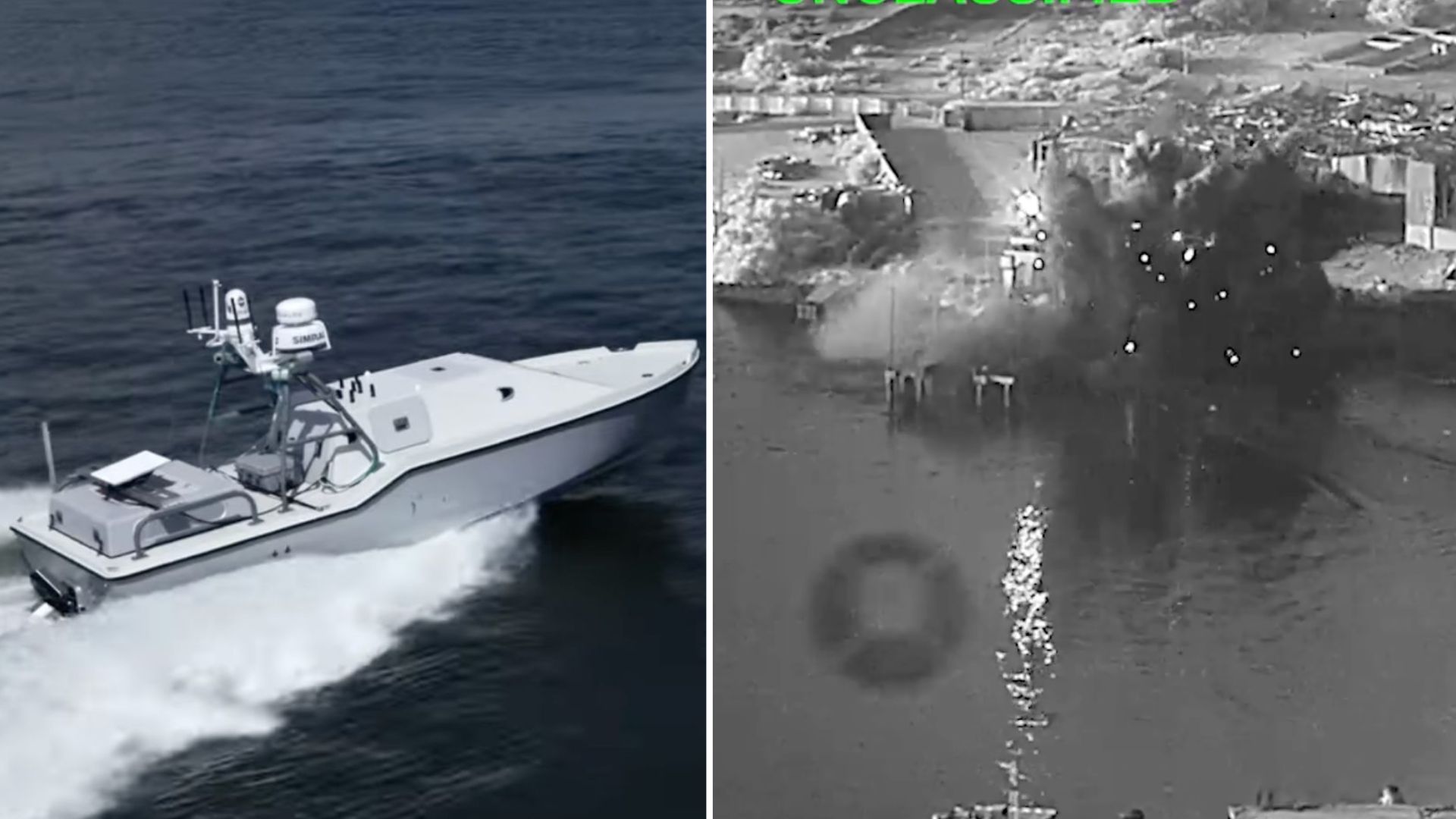
U.S. Military Executes First Offensive Strike with Autonomous Drone Boats on Iran's Naval Base
On July 12, 2026, the U.S. Central Command announced a significant advancement in naval warfare with a coordinated attack by three autonomous surface vessels on Iran's Bandar Abbas Naval Base. This operation, executed by the U.S. Navy's 5th Fleet through Task Force 59, marks the first offensive mission by a major navy using unmanned attack boats. The strike is pivotal as it demonstrates a shift toward utilizing autonomous platforms for combat missions, allowing militaries to conduct operations without risking crewed vessels. The Saronic Corsair vessels targeted a raised dock at the naval base, showcasing advanced capabilities in stealth and artificial intelligence for precise operations. Looking ahead, the success of this operation indicates a potential evolution in naval tactics, with autonomous vessels taking on more offensive roles. As militaries invest in unmanned systems, coordinated strikes like the one at Bandar Abbas may become increasingly prevalent in future naval engagements. No further timeline was disclosed at the time of publication.
Military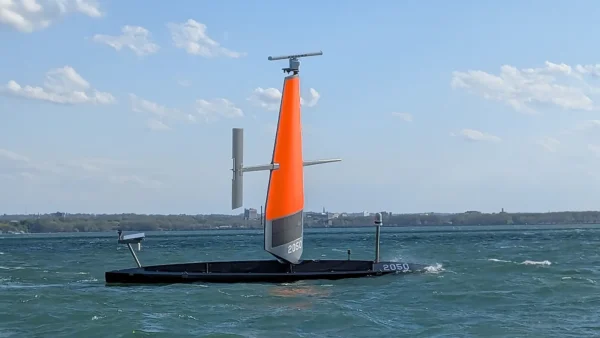
Saildrone Deploys 16 Voyager USVs for Coast Guard Great Lakes Mission
Saildrone, an autonomous maritime company based in Alameda, California, has announced the deployment of 16 Voyager unmanned surface vehicles (USVs) to enhance surveillance capabilities for the US Coast Guard. This initiative, which is part of a $15.5 million contract, aims to support Coast Guard missions across the Great Lakes and the Northeast. The deployment was officially announced on May 11, 2026, marking a significant step in the integration of advanced technology into maritime operations. The use of these unmanned vehicles is intended to improve monitoring and response efforts in these vital waterways, reflecting the Coast Guard's commitment to maintaining safety and security in the region.
Drone News Drone News Feeds News ocean safety and security seadrones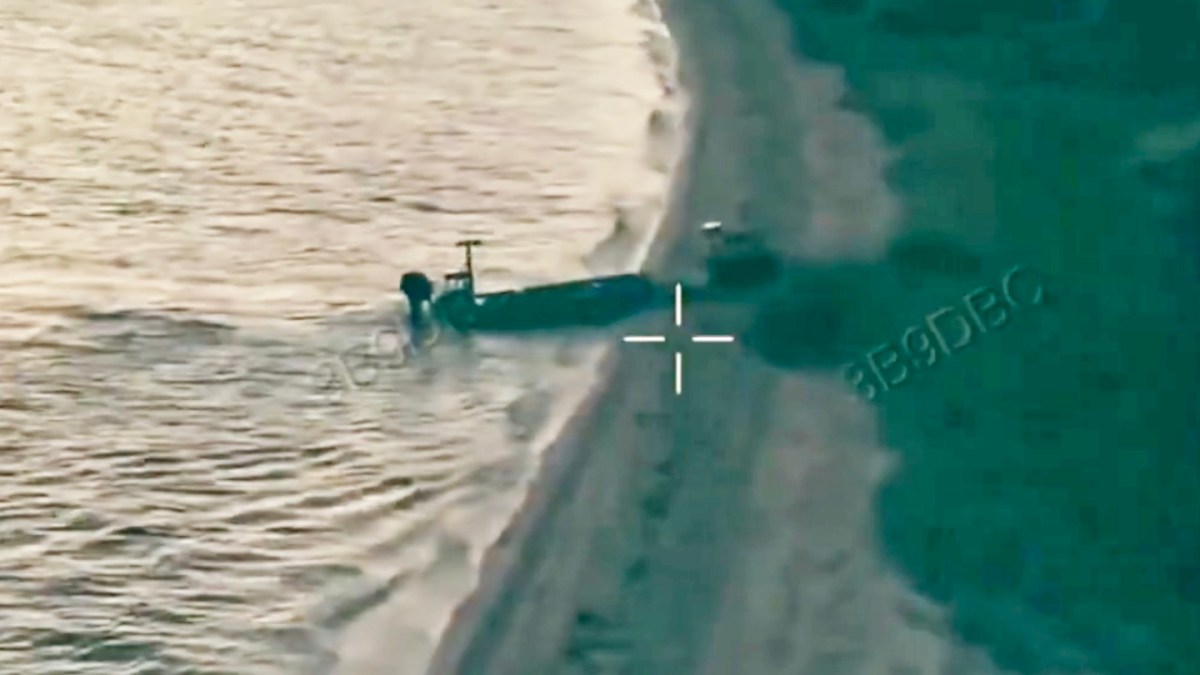
Ukraine Executes Historic Combat Mission Using Drone Boat to Deploy Armed Robot
Ukraine has conducted a groundbreaking military operation, deploying an armed ground robot via a sea drone on the Russian-occupied Kinburn Spit. This mission, executed by the 123rd Separate Territorial Defense Brigade, marks the first known instance of a sea drone transporting a combat robot into enemy territory, showcasing Ukraine's innovative use of uncrewed systems in warfare. The significance of this operation lies in its demonstration of advanced military technology and strategy, as Ukraine seeks to leverage unmanned systems to counter Russian forces. The use of the uncrewed surface vessel (USV) to deliver the Rys family ground robot reflects a shift towards automation in combat, potentially changing the dynamics of modern warfare. Looking ahead, the continued integration of uncrewed systems in military operations will be crucial for Ukraine's strategy. As the conflict evolves, further developments in robotic warfare and the effectiveness of these technologies in combat scenarios will be closely monitored. No further timeline was disclosed at the time of publication.
Sea Armies Around The Globe Drones Europe Land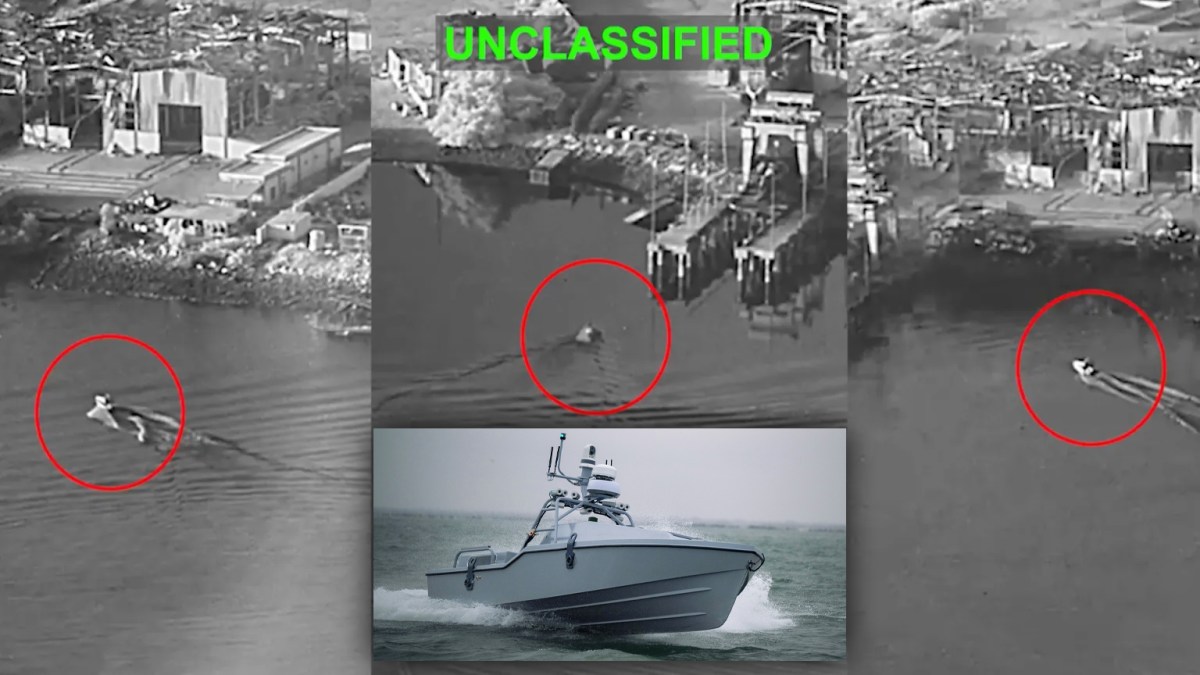
U.S. Military Deploys Saronic Corsair Drone Boats in Combat Operations for the First Time
For the first time in U.S. military history, uncrewed surface vessels (USVs) were utilized as a strike weapon during combat on July 12. The U.S. Central Command (CENTCOM) reported that three Saronic Corsair USVs targeted Iranian facilities, marking a significant advancement in naval warfare technology. This development is crucial as it reflects the evolving nature of military strategy, particularly in the context of ongoing tensions between the U.S. and Iran over the Strait of Hormuz. The successful strikes against Iranian targets demonstrate the potential of USVs to enhance operational capabilities while reducing the risk to manned aircraft and crews. Looking ahead, the operational use of USVs in combat roles may reshape naval engagements and strategies. The U.S. Navy's Task Force 59, established to integrate uncrewed and AI technologies, is likely to continue exploring these capabilities, which could lead to further innovations in military operations.
Sea Around The Globe Iran Middle East News & Features POTUS
Workboats and Live Technology Demonstrations in Focus at Oceanology International 2026
Oceanology International (Oi26) is set to showcase an impressive array of specialist workboats, autonomous vessels, and advanced software during its Dockside Demonstrations, taking place from March 10 to March 12. This event aims to engage thousands of attendees by providing a hands-on experience with the latest innovations in ocean technology. The demonstrations will highlight the capabilities and applications of these technologies, emphasizing their significance in marine exploration and environmental monitoring. By bringing together industry experts and cutting-edge solutions, Oi26 seeks to foster collaboration and knowledge sharing within the ocean technology sector.
workboats live technology demonstrations oceanology international 2026 events
Uber Expands Beyond Ride-Hailing with Hotels, Boat Rentals, and Financial Services
Uber has been diversifying its offerings beyond ride-hailing and delivery, introducing hotel bookings through a partnership with Expedia, concierge features, and boat rentals in Europe. This shift aims to enhance the travel experience for users, who often require rides and food during their trips. Uber's Chief Product Officer, Sachin Kansal, emphasized that travel is a crucial addition to their services, complementing rides and food delivery. The expansion into travel and financial services is significant as Uber seeks to strengthen its market position and relationships with autonomous vehicle partners. The company is developing a new business unit, AV Labs, focused on gathering driving data through sensor-equipped vehicles, which could provide leverage against competitors like Waymo. This strategy reflects Uber's ambition to evolve into a comprehensive platform while maintaining a selective approach to its offerings. Looking ahead, Uber's approach to integrating new services will be crucial. The company is exploring partnerships for financial services and may consider deeper integrations based on user traction. No further timeline was disclosed at the time of publication.
TC Transportation AI Uber Sachin Kansal
MIT's FloatForm Swarm Robots Create Adaptive Floating Structures for Urban Spaces
MIT researchers have developed FloatForm, a swarm of small robotic boats that autonomously assemble into larger floating structures. Each robot, measuring 21 centimeters square, is equipped with thrusters, sensors, and magnetic latches, allowing them to form bridges, platforms, and other structures with minimal human input. This innovative system aims to transform urban waterfronts into dynamic, programmable spaces, enhancing public infrastructure and emergency response capabilities. The significance of FloatForm lies in its potential to revolutionize how urban areas utilize water surfaces. By mimicking the self-organizing behavior of fire ants, the robots can adaptively create and reconfigure structures on demand, addressing challenges such as traffic alleviation during emergencies or creating temporary public spaces. This modular approach to floating infrastructure could lead to more livable cities by expanding usable public space onto underutilized water areas. Looking ahead, the research team plans to explore further applications of FloatForm in urban environments, with no specific timeline disclosed for future developments. The project builds on previous work with full-size autonomous vessels in Amsterdam, indicating a growing interest in leveraging water for urban mobility and public space expansion. The open-access findings were published in Nature Communications, highlighting the collaborative efforts of MIT's Computer Science and Artificial Intelligence Laboratory and the Senseable City Lab.
Research Robotics Autonomous vehicles Artificial intelligence Computer science and technology Machine learning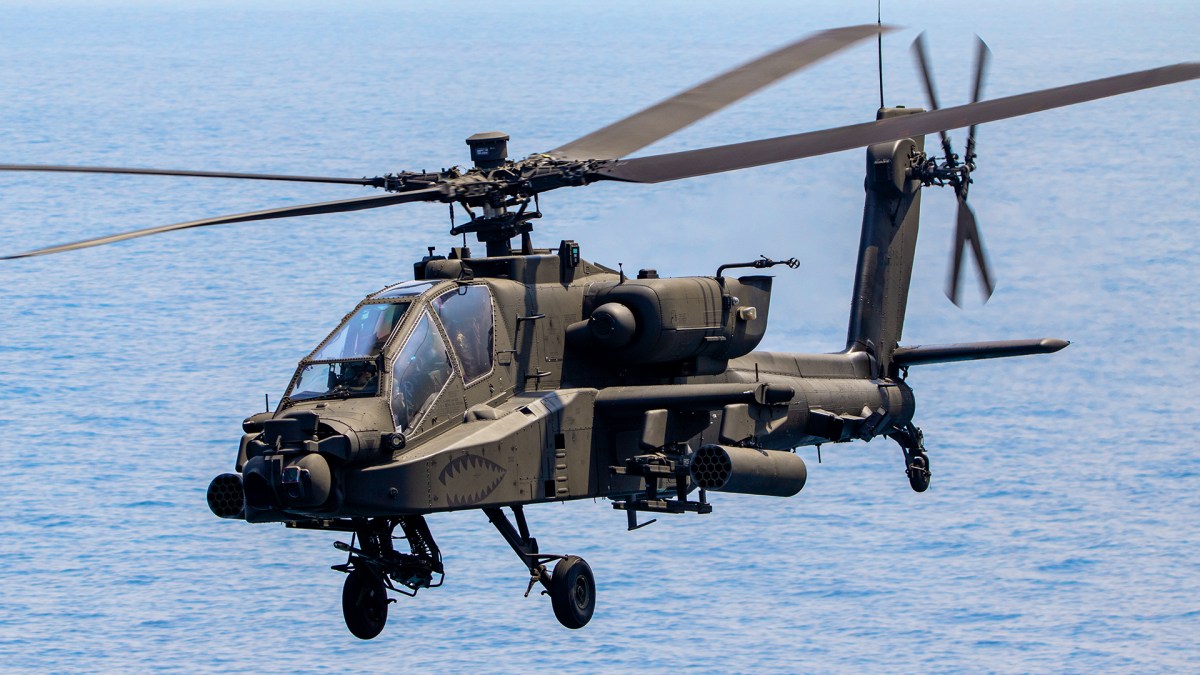
AH-64 Apache Crew Rescued By Drone Boat After Going Down Near Strait Of Hormuz
In a groundbreaking development, an uncrewed surface vessel successfully recovered the crew of an AH-64 Apache helicopter that had gone down near the Strait of Hormuz. This incident marks the first known instance of such a drone boat being utilized for aircrew recovery, signaling a significant advancement in military rescue operations. The event underscores the evolving role of autonomous technology in enhancing operational capabilities and safety for aircrews in challenging environments. As military forces increasingly integrate unmanned systems into their strategies, this successful recovery operation may pave the way for future applications of drone technology in various rescue and support missions.
News & Features AH-64 Air Around The Globe Helicopters Iran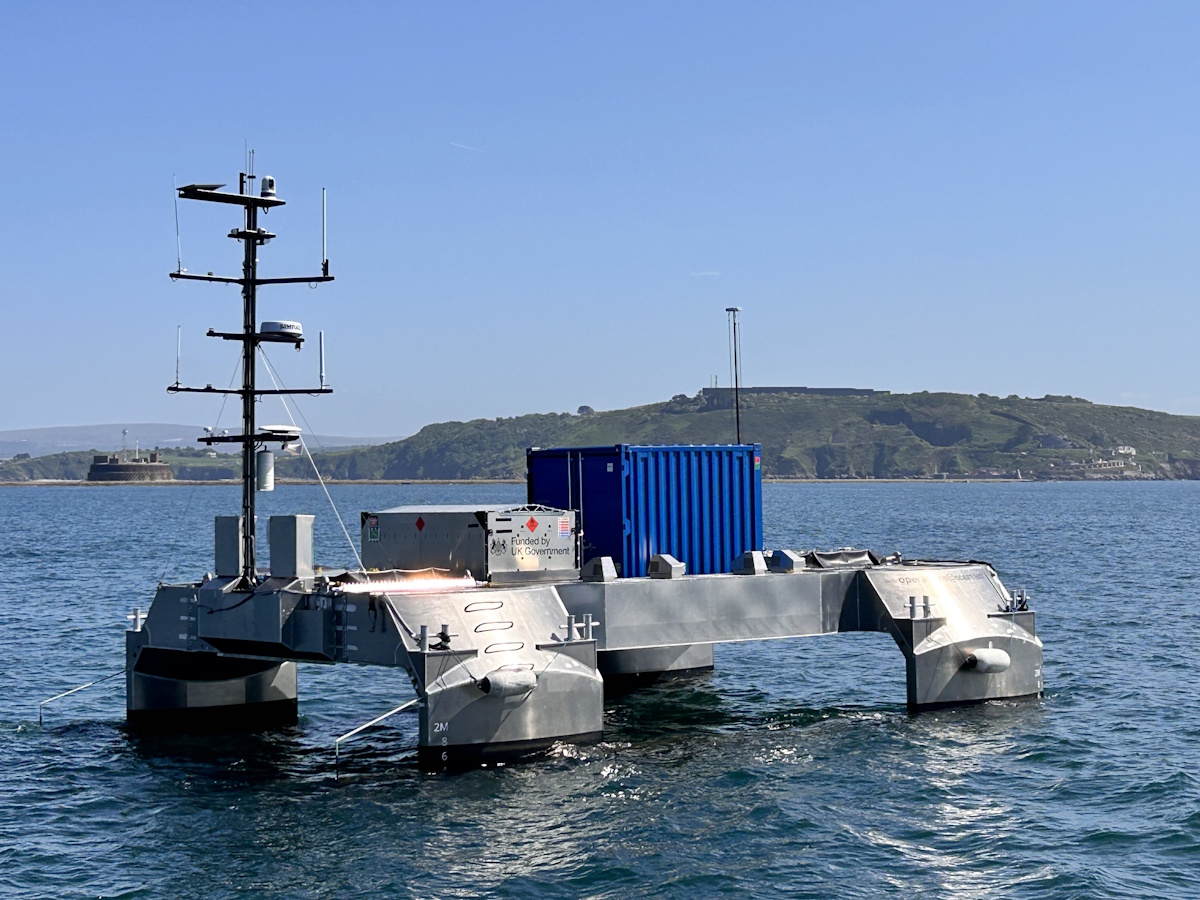
UK’s first ROUV certified under Workboat Code 3 as Lloyd’s Register awards compliance to ACUA Ocean’s PIONEER
Lloyd’s Register has granted the UK’s inaugural certification for a remotely operated and unmanned vessel (ROUV), marking a significant milestone in maritime innovation. The certification was awarded to the hydrogen-powered vessel PIONEER, developed by ACUA Ocean, under the Maritime and Coastguard Agency’s Workboat Code Edition 3 (WBC3) Annex 2. This achievement not only highlights advancements in autonomous maritime technology but also underscores the growing emphasis on sustainable energy solutions within the industry. The certification process involved rigorous assessments to ensure compliance with safety and operational standards, paving the way for the integration of unmanned vessels into commercial maritime operations.
acua ocean usv pioneer vessel
Finland launches counter-drone patrol boats and vehicle project
The Finnish Border Guard has initiated a new project aimed at enhancing its capabilities to counter drone threats through the development of specialized patrol vehicles and boats. This initiative reflects the growing concern over the use of drones in various security contexts, prompting the Border Guard to bolster its operational readiness. The project, which commenced recently, is part of a broader strategy to ensure national security and protect Finland's borders from potential aerial intrusions. By integrating advanced technology into their patrol units, the Border Guard aims to effectively monitor and respond to drone activities, thereby safeguarding the integrity of the nation's airspace.
News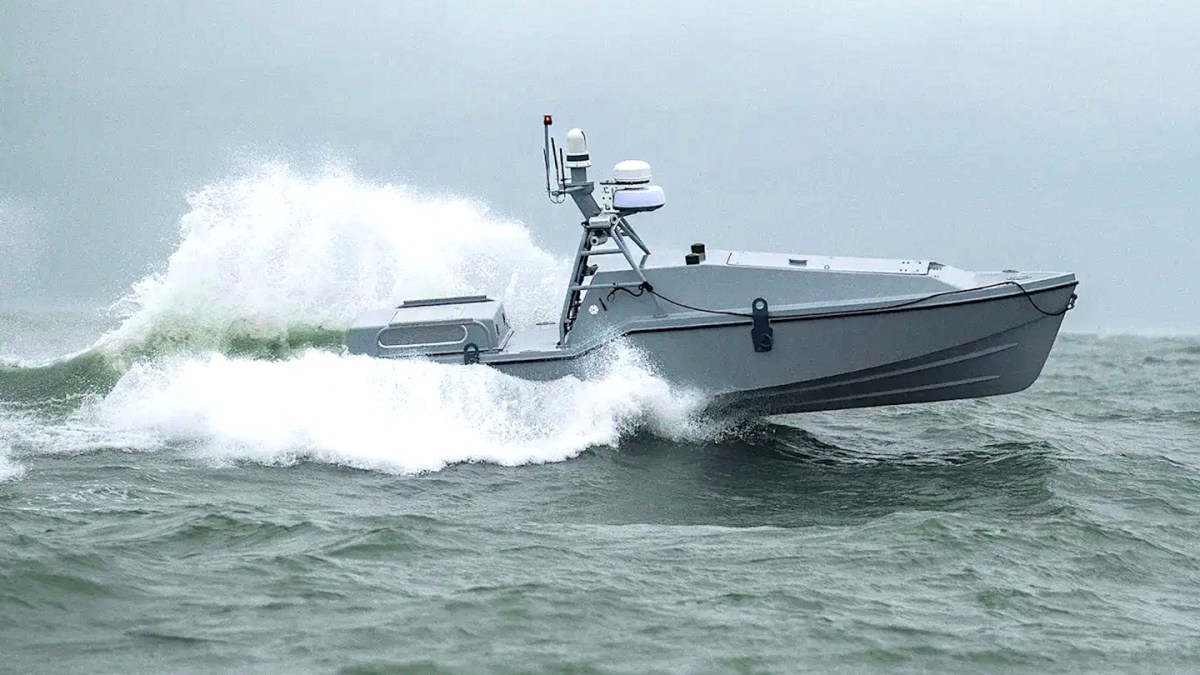
This Is The Corsair Drone Boat That Plucked The Downed Apache Crew Out Of The Gulf Of Oman
The U.S. Navy's leading drone task force in the Middle East has recently begun utilizing the Corsair uncrewed surface vessels, which were deployed for operations starting in March. This innovative technology played a crucial role in a recent rescue mission, successfully retrieving the crew of a downed Apache helicopter from the Gulf of Oman. The deployment of the Corsair underscores the Navy's commitment to enhancing maritime operations and improving response capabilities in the region. The use of these advanced drone boats marks a significant step in modern naval warfare and operational efficiency.
Sea Around The Globe Iran Middle East Navies News & Features
Autonomous drone can deliver life jackets to people that fall overboard
When a person falls overboard, the urgency of the situation escalates rapidly, as their chances of survival diminish significantly with each passing minute. Rescue operations face critical challenges, particularly due to the time required for a vessel to come to a complete stop and deploy a rescue boat. By the time the search begins, the individual may have drifted far from the ship, complicating recovery efforts. This race against time highlights the importance of swift action and efficient rescue protocols in maritime emergencies.
Robotics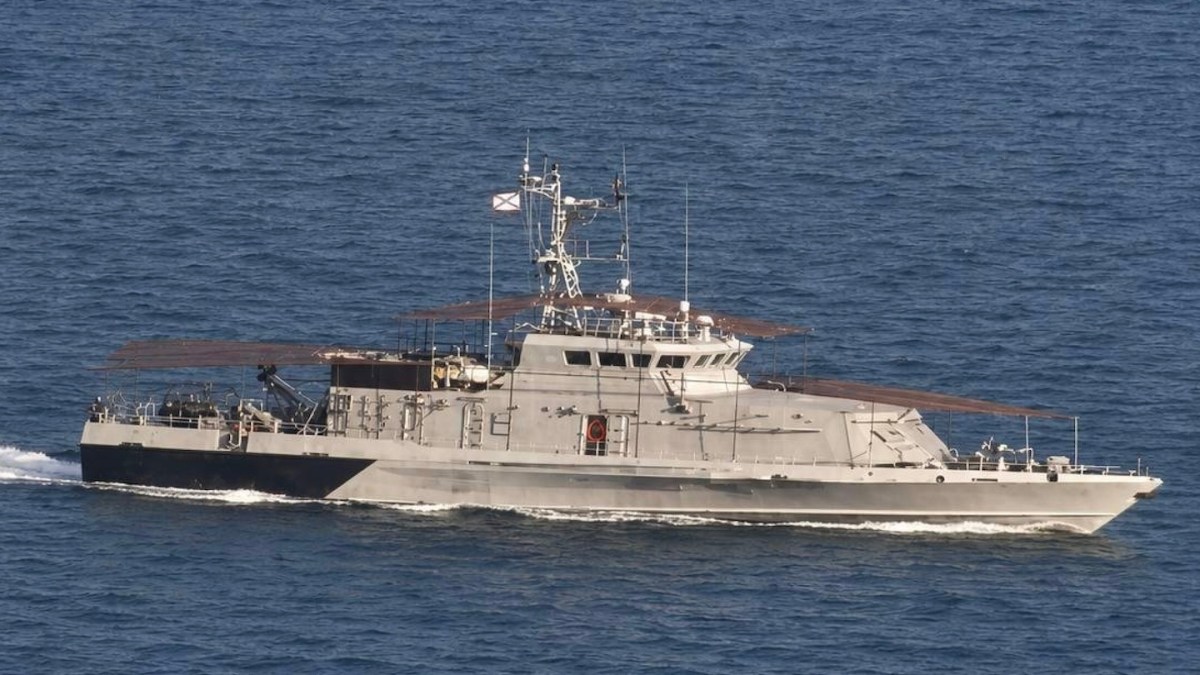
Anti-Drone “Cope Cage” Appears On Russian Patrol Boat
Ukrainian drone attacks on naval targets have prompted the Russian military to enhance its defensive measures, particularly in response to the evolving threat posed by these unmanned aerial vehicles. Recent developments include the introduction of an anti-drone system known as the "Cope Cage" on Russian patrol boats. This innovation comes as traditional overhead screens have proven less effective against the increasing sophistication of drone warfare. The situation highlights the ongoing conflict between Ukraine and Russia, with both sides adapting their strategies to counter the other's capabilities. As the conflict continues, the effectiveness of such defensive technologies will be crucial in safeguarding naval assets in the region.
Sea Around The Globe Drones Europe Navies News & Features
Development and Prospect of Uncrewed Sailboat Hulls: A Review
A recent study published in the Journal of Field Robotics highlights advancements in robotic technology aimed at enhancing agricultural efficiency. Researchers from various institutions collaborated on this project, which was initiated in early 2023 and conducted across multiple farms in the Midwest. The primary goal of the research was to develop autonomous robots capable of performing tasks such as planting, weeding, and harvesting with minimal human intervention. The motivation behind this innovation stems from the growing need for sustainable farming practices and the challenges posed by labor shortages in the agricultural sector. By integrating advanced sensors and machine learning algorithms, the robots can adapt to varying field conditions and optimize their operations in real-time. Field trials demonstrated that these robots significantly reduced the time and labor required for farming tasks, ultimately leading to increased crop yields and reduced environmental impact. The research team plans to continue refining the technology and expanding its applications to further support the agricultural industry.
SURVEY ARTICLE
Kongsberg to Develop Missiles and Drone Boats in Ukraine
Kongsberg Defence & Aerospace has signed agreements with two prominent Ukrainian companies to collaborate on the development and production of affordable, high-volume air defense missiles and unmanned surface vessels. This initiative aims to bolster Ukraine's defense capabilities amid ongoing regional tensions. In conjunction with these agreements, KONGSBERG is also establishing a permanent office in Kyiv to facilitate operations and strengthen its presence in the country. The move underscores the company's commitment to supporting Ukraine's defense industry and enhancing its military infrastructure.
kongsberg drone boats usv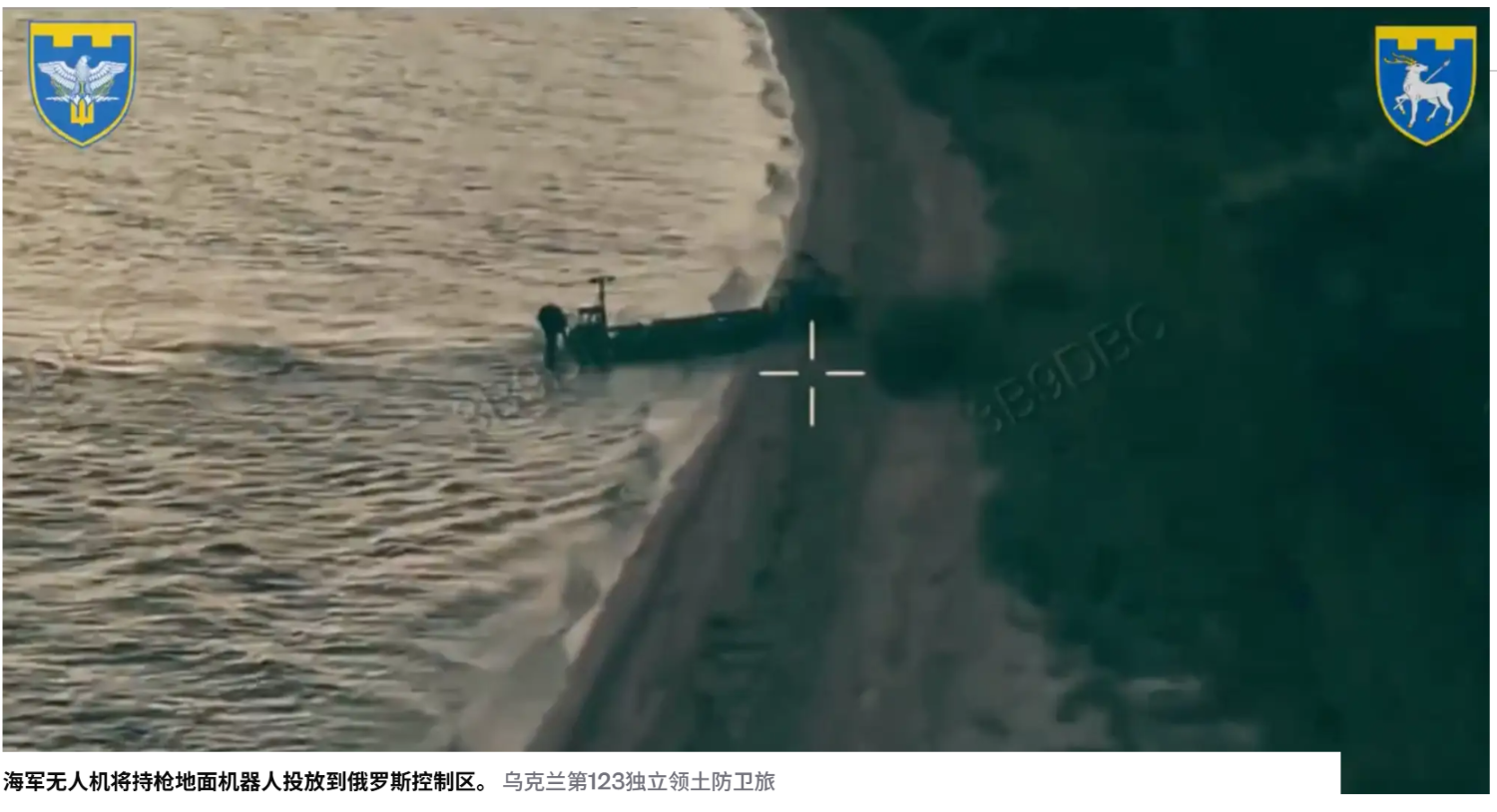
Ukraine's 123rd Territorial Defense Brigade Conducts Historic Amphibious Operation with Unmanned Systems
On July 13, 2026, Ukraine's 123rd Independent Territorial Defense Brigade executed a historic amphibious operation utilizing unmanned systems. This marked the first known joint combat mission involving an unmanned surface vessel (USV) and an unmanned ground vehicle (UGV) in a military context. The operation took place on the Kinburn Spit, an area long controlled by Russian forces, where the USV successfully delivered the UGV to the enemy coast without any human soldiers stepping onto hostile territory. The significance of this operation lies in its demonstration of a new combat paradigm where unmanned systems can effectively replace human soldiers in high-risk scenarios. The UGV, reportedly manufactured by Lviv's Roboneers, was equipped with a PKT 7.62mm machine gun and was able to engage targets after landing. The 123rd Brigade emphasized that this operation is not merely a technological novelty but represents a fundamental shift in warfare, highlighting the potential for machines to undertake dangerous missions. Looking ahead, the use of unmanned systems in military operations is expected to expand, as the Ukrainian military has already received over 1,000 various ground robot systems. The ongoing evolution from traditional amphibious assaults to unmanned operations could redefine the nature of warfare, reducing risks to human soldiers while increasing operational effectiveness.
Unmanned Systems Robotics Amphibious Operations Military Technology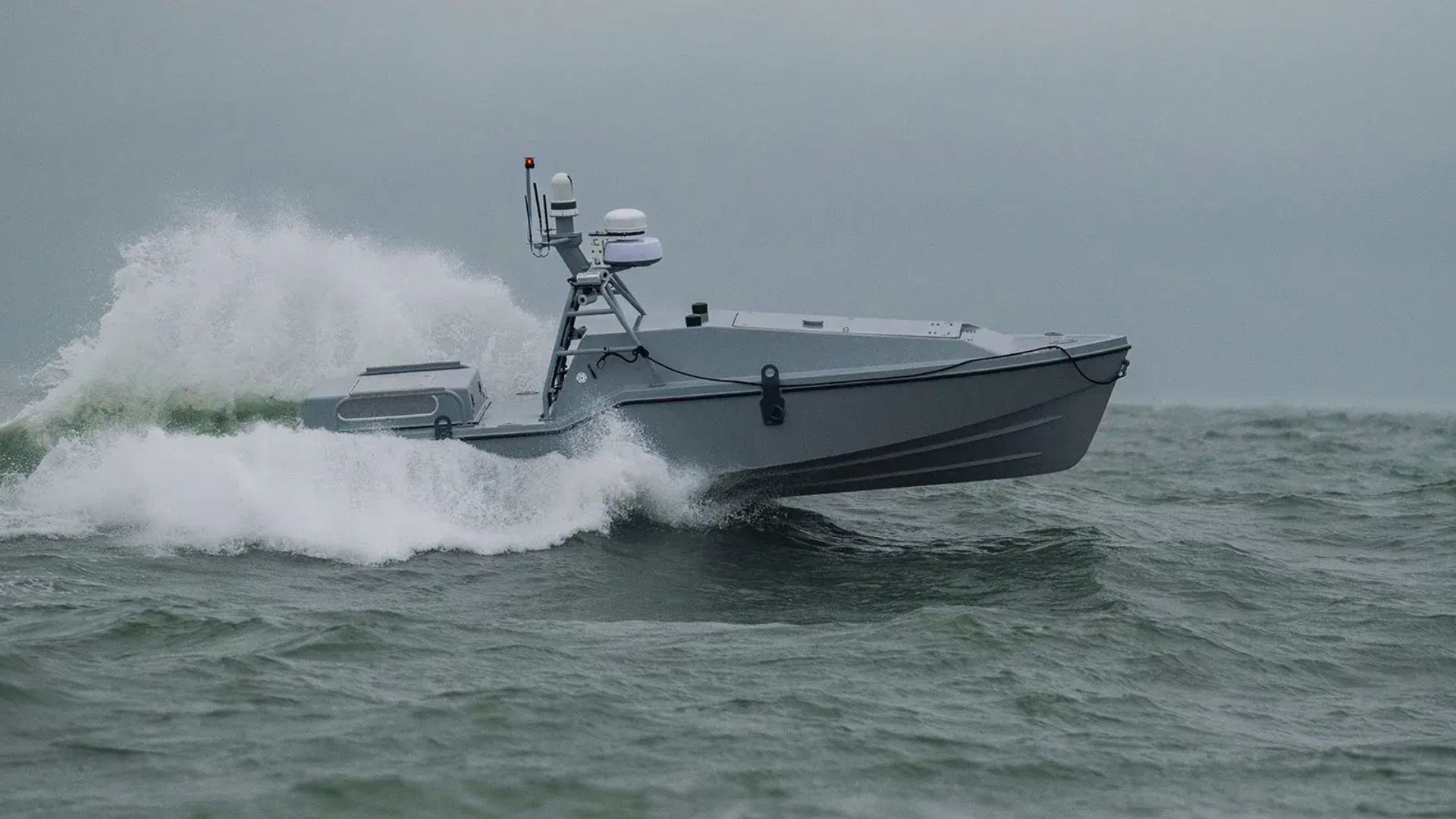
First-ever drone boat rescue: US Navy vessel pulls out two downed pilots from sea
A U.S. Navy unmanned surface vessel successfully conducted a rescue operation for two Army pilots whose AH-64 Apache helicopter had crashed. The incident occurred on a training mission off the coast of California on Tuesday. The unmanned vessel, equipped with advanced technology, was able to locate the pilots quickly and facilitate their safe retrieval from the water. This operation highlights the increasing role of unmanned systems in military rescue missions, showcasing their effectiveness in enhancing operational capabilities and ensuring the safety of personnel in distress. The successful rescue underscores the collaborative efforts between the Navy and Army in conducting joint operations and responding to emergencies in challenging environments.
Military
Australia launches first 3D-printed unmanned drone boat in Southern Hemisphere
Australia has introduced the southern hemisphere's first 3D-printed uncrewed surface vessel, marking a significant advancement in maritime technology. The vessel was unveiled recently as part of the country's efforts to enhance its naval capabilities and promote innovation in defense. This groundbreaking project took place at a facility in Australia, showcasing the nation's commitment to integrating modern technology into its maritime operations. The initiative aims to improve surveillance and reconnaissance missions while reducing costs associated with traditional shipbuilding methods. By leveraging 3D printing technology, Australia hopes to streamline the production process, allowing for quicker deployment of advanced vessels in response to emerging maritime challenges.
Spanish Navy tests drones controlled from helicopter in boat chase drill
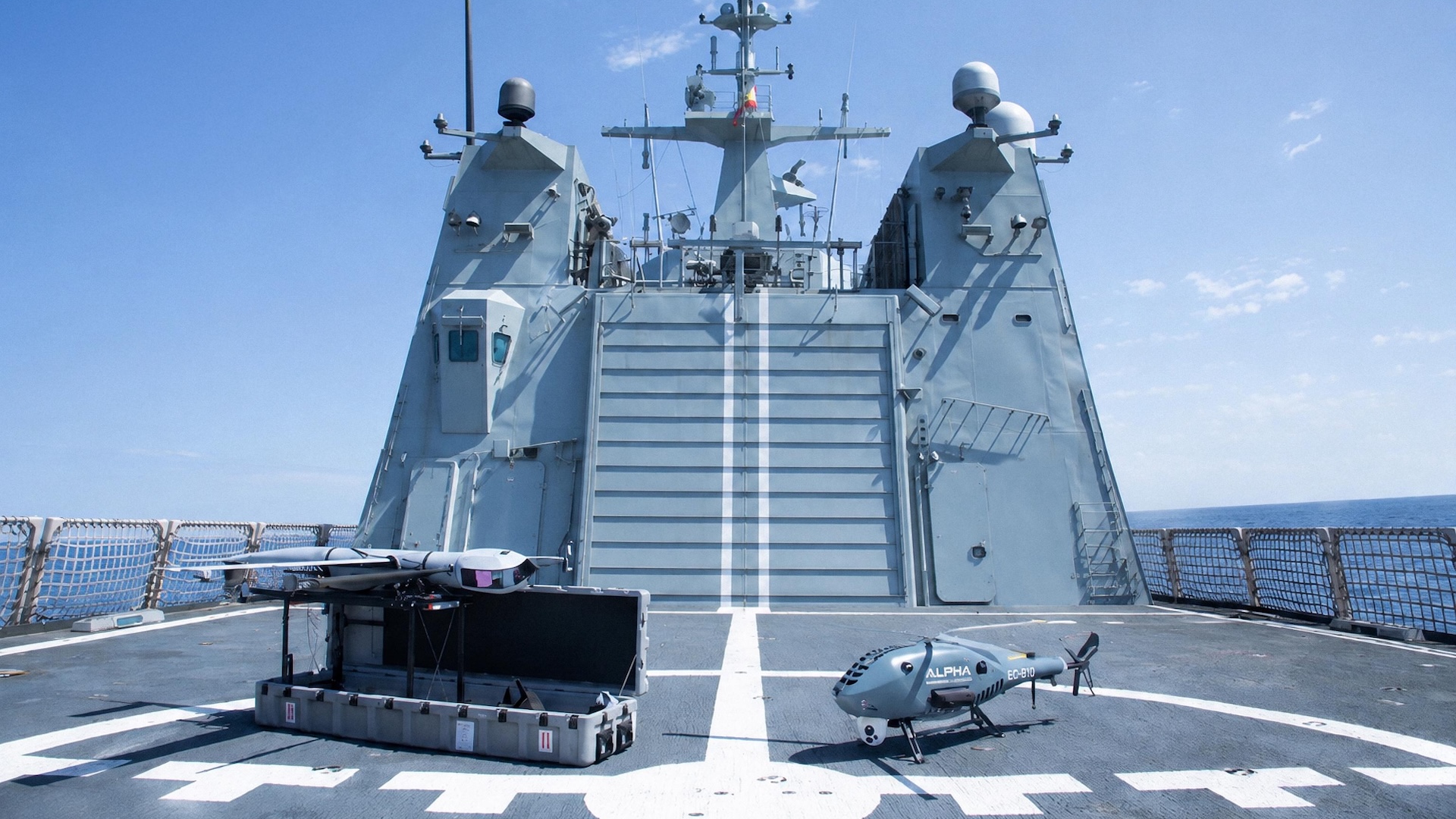
Airbus Helicopters and the Spanish Navy have successfully conducted a flight trial in Rota, Spain, showcasing the capabilities of their latest helicopter technology. The trial, which took place recently, aimed to evaluate the performance and operational efficiency of the helicopters in various scenarios. This collaboration underscores the commitment of both Airbus and the Spanish Navy to enhance aerial capabilities and improve maritime operations. The successful outcome of the trial is expected to pave the way for future advancements in military aviation and strengthen defense partnerships.
MIT Team Unveils Transformable Robot Fleet for Advanced Water Navigation
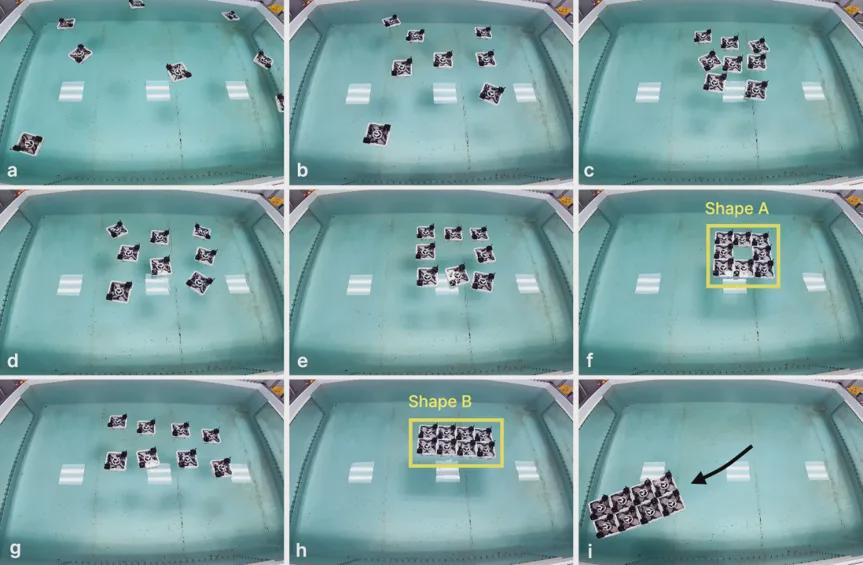
A team from MIT, along with collaborators from the University of Wisconsin-Madison, KU Leuven, and Politecnico di Milano, has developed a fleet of eight modular robot boats capable of transforming and navigating water autonomously. Each boat measures 21 cm on each side and can connect to form larger floating platforms, demonstrating advanced coordination without remote control. The significance of this development lies in its potential applications in complex environments where traditional navigation methods may fail. The robots can autonomously handle positioning, collision avoidance, and movement control, adapting their configurations based on tasks, similar to how fire ants form rafts during floods. Looking ahead, the research team has categorized their system as a Modular Self-Reconfigurable Robot (MSRR) system, which allows for dynamic reconfiguration and enhanced functionality. No further timeline was disclosed at the time of publication.
Modular Robotics Autonomous Systems Water Navigation Distributed Control Robotics Research
EUROGUARD Consortium Celebrates Keel Laying for European Defence Fund’s Innovative Surface Vessel
On May 27, Baltic Workboats shipyard in Nasva, Estonia, marked a significant milestone in European defense innovation with the laying of the keel for a new semi-autonomous modular vessel. This development is part of the EUROGUARD project, one of the largest initiatives funded by the European Defence Fund. The project aims to enhance defense capabilities within Europe, reflecting a growing commitment to advancing military technology and collaboration among member states. The innovative vessel is expected to play a crucial role in modernizing naval operations and improving strategic defense readiness.
euroguard consortium keel laying european defence fund innovative surface vessel
Danish Startup Launches 10K Drone Sensor for Wide-Area Search, Surveillance, and Mine Detection
A Danish start-up has introduced a groundbreaking sensor system designed to enhance marine rescue operations. This innovative technology enables drone-equipped teams to efficiently search vast areas of water for capsized boats and individuals in distress. By utilizing high-resolution imagery transmitted from the drones, rescue teams can pinpoint critical details in challenging conditions. The launch of this advanced 10K drone sensor aims to improve search and surveillance capabilities, as well as facilitate mine detection, thereby addressing urgent needs in maritime safety. The initiative reflects the start-up's commitment to leveraging cutting-edge technology to support emergency responders in their vital work.
Applications DL Exclusive Drone News Drone News Feeds drone technology Europe Drone Industry
Unmanned patrol robot-squad debuts at World Internet Conference 2024
Wuzhen, a city in Zhejiang province, China, has introduced advanced security measures for the 11th World Internet Conference, which commenced on Wednesday. This annual event, dedicated to discussions on internet-related topics and digital innovation, is being supported by a unique police patrol squad featuring robotic dogs, unmanned boats, and driverless cars. The integration of these high-tech resources aims to enhance safety and efficiency during the conference, marking a significant step in the use of technology for public security. The deployment of these smart security tools reflects the event's focus on the future of the internet and digital advancements, showcasing China's commitment to leveraging technology in various sectors.
News FeedRobotics needs a service framework.
RSF defines a common language for robot service capability, lifecycle operations, certification pathways, and service-provider networks.