Industry Briefing
A single destination for timely, editor-curated robotics news from around the world.

Atlas Energy to Increase Kodiak-Powered Autonomous Truck Fleet to 100 by Mid-2027
Atlas Energy Solutions is expanding its autonomous truck operations in the Permian Basin, enhancing its oilfield logistics through digital transformation. Collaborating with Kodiak AI, Atlas will increase its driverless proppant delivery program to a second load-out point along its Dune Express sand conveyor system, boosting delivery capabilities and meeting rising customer demand. This expansion is significant as it will grow Atlas's fleet from 28 autonomous trucks as of March 31, 2026, to 100 by mid-2027, with plans to operate on public roads by early 2027. John Turner, CEO of Atlas Energy Solutions, emphasized that this partnership is vital for transforming oilfield sand logistics, aiming to improve efficiency and reduce operational risks for customers. Looking ahead, Atlas's autonomous program has steadily scaled since its initial deployments in 2024. The company has already completed approximately 7,000 loads, hauling over 450,000 tons of sand. The upcoming milestones will depend on regulatory and operational developments as Atlas continues to enhance its service area across Texas and New Mexico.
Autonomous Vehicles Energy News artificial intelligence atlas energy solutions autonomous driving
Atlas Energy Solutions to Expand Autonomous Truck Fleet to 100 in Permian Basin by 2027
Atlas Energy Solutions Inc. plans to increase its fleet of autonomous trucks in the US Permian Basin from 28 to 100 by mid-2027, collaborating with Kodiak AI, Inc. to implement AI-powered driving technology. This expansion aims to enhance operations at a new load-out point along the 42-mile Dune Express sand conveyor system, improving the supply chain for proppant used in hydraulic fracturing. The initiative is significant as it addresses the logistical challenges of transporting large quantities of proppant, which is essential for oil and gas extraction. The autonomous trucks have already completed around 7,000 loads, totaling approximately 450,000 tons of sand over 23,500 driverless hours. By adding another load-out point, Atlas aims to enhance customer order fulfillment and operational efficiency in the region. Looking ahead, Atlas and Kodiak plan to operate these autonomous trucks on public roads by early 2027, pending regulatory approval. This development could significantly broaden the delivery capabilities of the fleet, marking a pivotal step in transforming oilfield logistics through innovation, as emphasized by Atlas CEO John Turner and Kodiak CEO Don Burnette.
AI and Robotics Transportation
Atlas Core of Engineers Enhances Semiconductor Resiliency with PROFINET Networking Solutions
Atlas Core of Engineers, an industrial-controls firm, is collaborating with semiconductor companies to improve operational resiliency through advanced automation. By retrofitting existing facilities and establishing new ones, Atlas aims to minimize downtime in a sector where interruptions are intolerable. Ahmad Jodeh, the firm's owner, emphasizes the importance of PROFINET technology in overcoming the limitations of traditional PROFIBUS systems, particularly in terms of bandwidth and troubleshooting. The semiconductor industry is undergoing significant changes, driven by global competition and technological advancements. U.S. manufacturers are investing heavily in domestic chip production, spurred by incentives from the CHIPS and Science Act. This shift is prompting companies to enhance their automation capabilities to maintain competitiveness, with PROFINET playing a crucial role in achieving higher efficiency and reliability in operations. As semiconductor firms transition to PROFINET, they are leveraging its network redundancy features to ensure continuous operation. This capability allows for the establishment of multiple communication routes, which is vital in preventing downtime. The ongoing evolution in the semiconductor landscape highlights the need for innovative solutions that can adapt to rapid changes while ensuring operational integrity.
Factory / Digital Transformation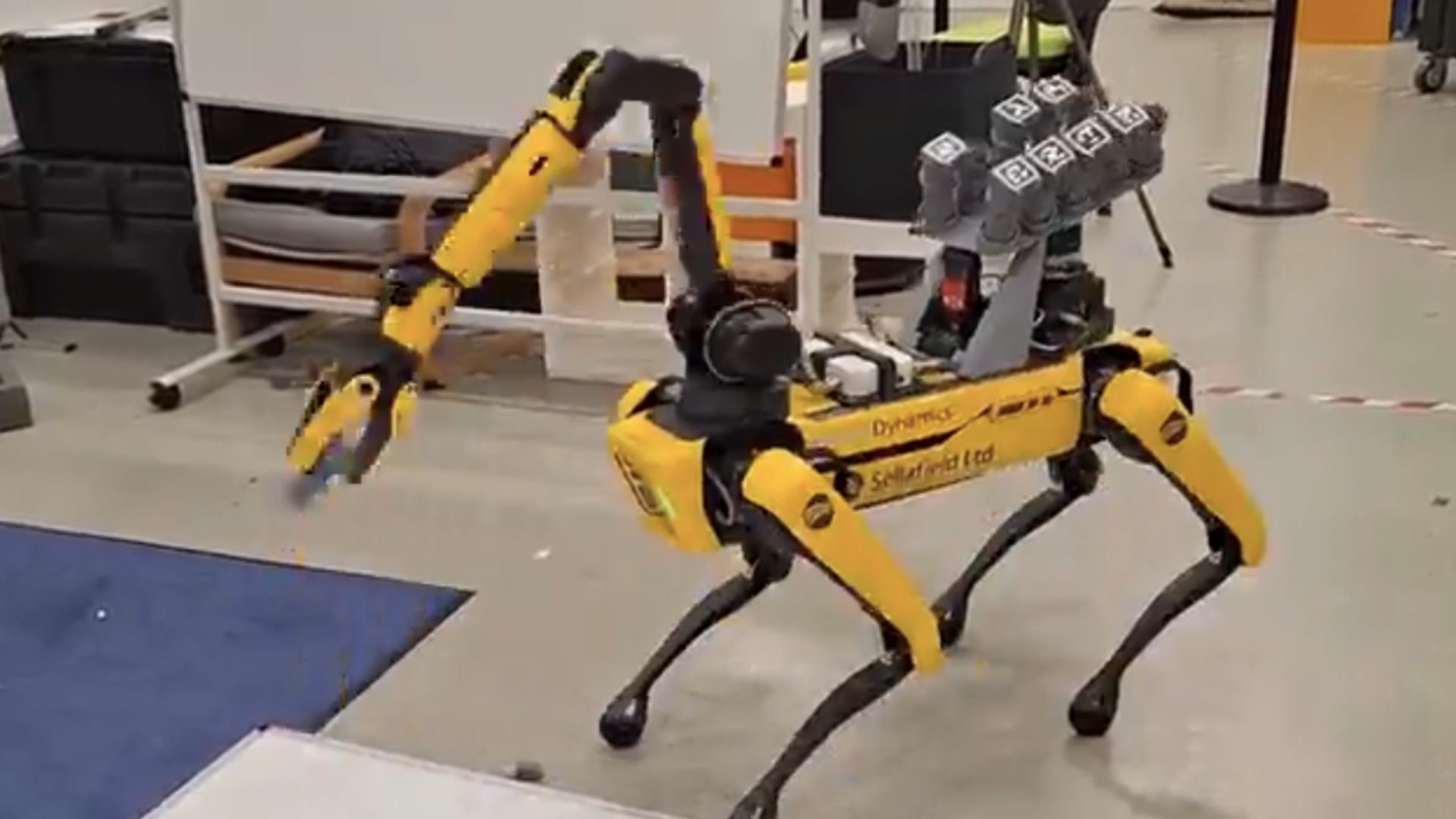
Oxford to build next-gen robotic solutions for nuclear energy sites with AtkinsRéalis
In the evolving landscape of nuclear energy, industry experts are highlighting the increasing importance of skilled workers who can navigate the complexities and risks associated with this sector. As the demand for clean energy sources rises, the nuclear industry is facing a critical shortage of qualified personnel, particularly in safety and operational roles. This trend is becoming more pronounced as older workers retire and fewer new professionals enter the field. The urgency of this situation has prompted nuclear energy companies to invest in training programs and partnerships with educational institutions to cultivate a new generation of experts. These initiatives aim to equip workers with the necessary skills to manage advanced technologies and ensure safety protocols are rigorously followed. The focus on workforce development is particularly relevant as countries strive to meet climate goals and reduce reliance on fossil fuels. With nuclear energy poised to play a significant role in achieving these objectives, the sector is recognizing that its most valuable asset may soon be its workforce. As a result, efforts to attract and retain talent are becoming paramount, with companies offering competitive salaries and benefits to entice new recruits. In summary, the nuclear energy sector is at a pivotal moment, emphasizing the need for skilled professionals to sustain its growth and safety. As the industry adapts to meet future energy demands, the commitment to workforce development will be crucial in ensuring a reliable and secure energy supply.
Robotics needs a service framework.
RSF defines a common language for robot service capability, lifecycle operations, certification pathways, and service-provider networks.
Join the RobotToday community on LinkedIn
Daily robotics news, in-depth analysis, conference highlights, and discussions with professionals worldwide.