

Industry Briefing
A single destination for timely, editor-curated robotics news from around the world.

U.S. Army Partners with Auriga Space to Develop Electromagnetic Counter-Drone Technology
The U.S. Army has entered a three-year partnership with Auriga Space to develop electromagnetic (EM) counter-drone technology. This collaboration aims to create a high-speed defense system against enemy Unmanned Aerial Systems (UAS) using Auriga's innovative propulsion methods, which rely on electricity and magnetic levitation rather than traditional chemical propellants. This partnership is crucial as military forces face the economic challenge of countering inexpensive drones with costly missiles. Current air defense systems struggle to balance effectiveness and affordability, making the development of sustainable counter-drone solutions a top priority. Auriga's EM technology promises to provide a cost-effective alternative, enabling rapid and repeatable launches from a compact system. Looking ahead, both organizations will share expertise and data to refine the EM-based counter-drone technology for field deployment. The focus will be on overcoming the limitations of existing counter-drone methods, with the potential for a significant shift in military air defense strategies. No further timeline was disclosed at the time of publication.
Military
Collins Aerospace Secures Up to $472 Million Contract for Chinook Avionics Services
Collins Aerospace has been awarded a contract by the US Army, potentially worth up to $472 million, to provide engineering services for the CH-47 Chinook fleet. This contract highlights the ongoing commitment to enhance the capabilities of the Chinook helicopters. The significance of this contract lies in its potential to improve the avionics systems of the Chinook fleet, ensuring that these helicopters remain effective and reliable for military operations. Upgrading the avionics is crucial for maintaining operational readiness and adapting to modern technological advancements. Looking ahead, industry stakeholders will be monitoring the progress of the avionics upgrades and their impact on the performance of the Chinook helicopters. No further timeline was disclosed at the time of publication.
News
Tiberius Aerospace Partners with US Army to Develop 155mm Sceptre Artillery Munition
Tiberius Aerospace has signed a Cooperative Research and Development Agreement (CRADA) with the US Army to advance the development of the 155mm Sceptre artillery munition. This collaboration is significant as it aims to enhance the capabilities of the US Army's artillery systems, potentially leading to improved operational effectiveness on the battlefield. The 155mm Sceptre munition is expected to play a crucial role in modernizing artillery operations. Looking ahead, industry stakeholders will be keen to monitor the progress of this partnership and the subsequent developments in the Sceptre munition project. No further timeline was disclosed at the time of publication.
News
Tiberius Aerospace Partners with US Army to Develop Mach 3 Sceptre Artillery Munition
Tiberius Aerospace has entered into a Cooperative Research and Development Agreement with the U.S. Army to enhance the Sceptre, a ramjet-powered 155mm artillery munition. This collaboration aims to improve the precision and range of existing artillery systems without necessitating new launcher purchases, allowing for strikes beyond Mach 3 and up to 93 miles away. The significance of this partnership lies in its potential to transform artillery capabilities, particularly in environments where GPS signals may be compromised. Sceptre's design enables it to reach altitudes above 65,000 feet and maintain propulsion throughout its flight, distinguishing it from traditional projectiles. This advancement could provide a strategic advantage in contested battlefields. Looking ahead, the focus will be on validating and refining the technologies essential for transitioning Sceptre from an experimental round to a fully operational artillery capability. No further timeline was disclosed at the time of publication.
Military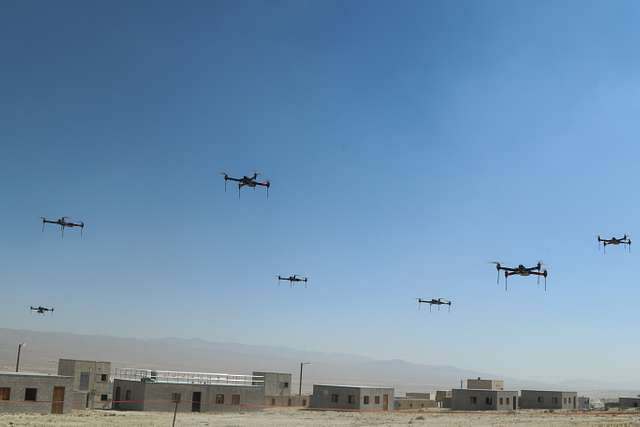
Auriga Space and U.S. Army Explore Electromagnetic Launchers for Countering Drone Swarms
Auriga Space has entered a three-year Cooperative Research and Development Agreement (CRADA) with the U.S. Army Combat Capabilities Development Command Armaments Center (DEVCOM AC) to investigate the potential of electromagnetic launch technology in countering drone swarms. This initiative aims to find a cost-effective alternative to traditional missile interceptors, which have proven expensive in engagements against low-cost drones. The significance of this research lies in the increasing need for modern militaries to address the economic challenges posed by drone warfare. Current missile interceptors can cost hundreds of thousands to millions of dollars, creating a cost imbalance when defending against inexpensive drones. The CRADA represents a broader commitment by the Department of War to explore innovative counter-drone technologies that can maintain high engagement rates while reducing operational costs. Looking ahead, Auriga plans to conduct the first outdoor flight test of its transportable electromagnetic launch platform, Hermes, later this summer. This platform is designed for rapid reloads and repeated engagements against multiple targets, potentially offering a new solution to the growing threat of drone swarms. No further timeline was disclosed at the time of publication.
Anti-drone technology Applications C-UAS Defense Drone News Drone News Feeds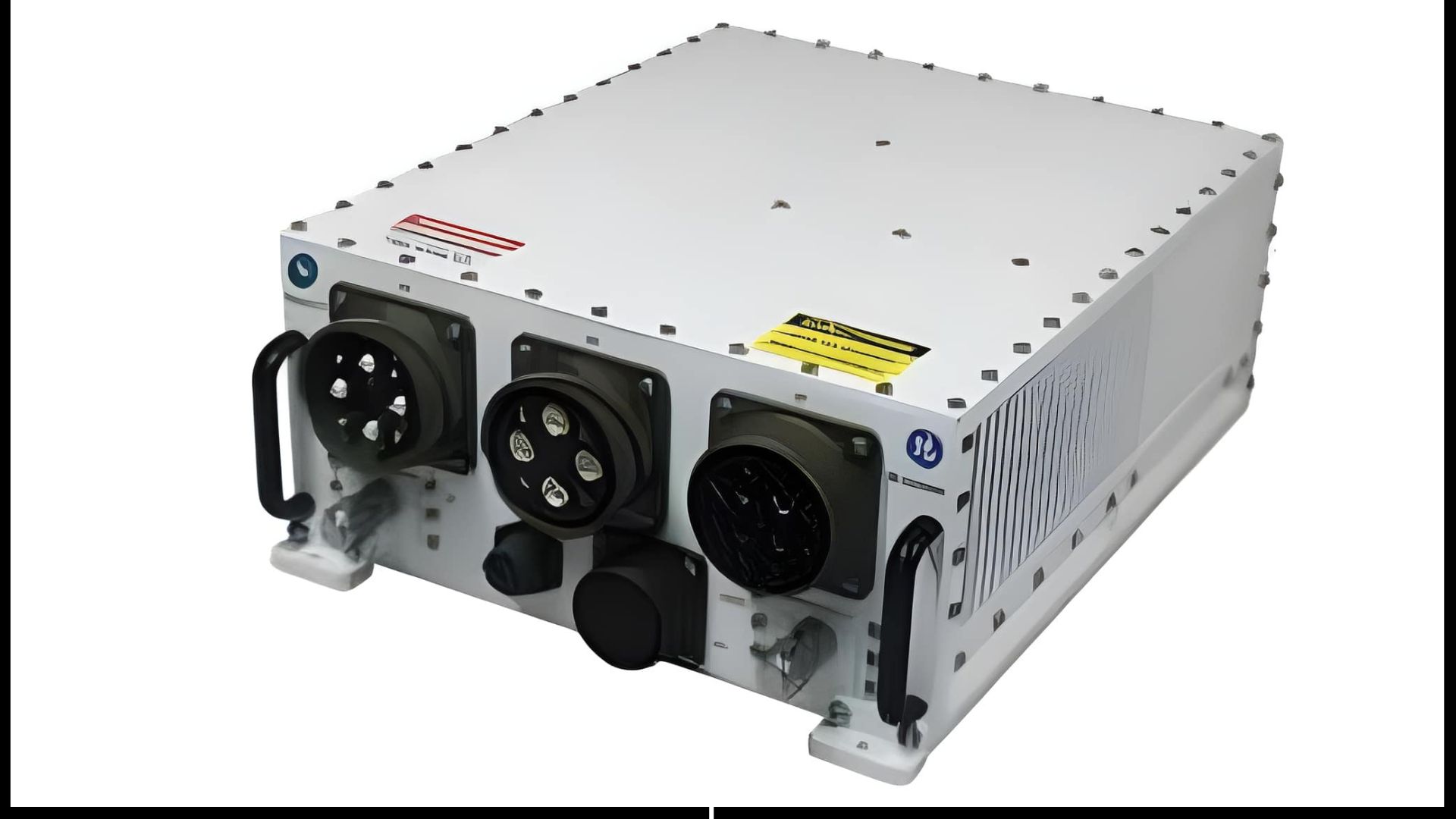
GE Aerospace qualifies 600-volt power systems for next-generation US Army vehicles
GE Aerospace has successfully qualified two high-voltage power electronics systems intended to enhance the capabilities of the U.S. Army. This significant development was announced recently, marking a crucial step in advancing military technology. The systems are designed to improve power management and efficiency for various applications within the Army's operations. By integrating these advanced power electronics, GE Aerospace aims to support the Army's mission to modernize its equipment and enhance operational readiness. The qualification process involved rigorous testing to ensure reliability and performance standards were met, demonstrating GE Aerospace's commitment to delivering innovative solutions for defense applications.

MatrixSpace Validated in U.S. Army’s Operation Jailbreak Integration Sprint
MatrixSpace, a portable radar manufacturer, has successfully integrated its technology with Anduril Lattice and IBCS-M, receiving validation from the U.S. Army during a recent exercise at Fort Carson. This achievement is part of Operation Jailbreak, the Army's largest initiative aimed at incorporating emerging technologies into command-and-control systems. The validation places MatrixSpace among 55 companies participating in this significant interoperability effort, showcasing its sensor capabilities within the Anduril framework. The integration is expected to enhance the Army's operational effectiveness by streamlining communication and coordination among various technological platforms.
Defense Drone News Drone News Feeds Military News air defenseRobotics needs a service framework.
RSF defines a common language for robot service capability, lifecycle operations, certification pathways, and service-provider networks.
Join the RobotToday community on LinkedIn
Daily robotics news, in-depth analysis, conference highlights, and discussions with professionals worldwide.







