Industry Briefing
A single destination for timely, editor-curated robotics news from around the world.

MIT Team Demonstrates Under-Ice Communication with ROV in Arctic Testing
In September 2026, a research team from MIT's Lincoln Laboratory conducted a field test in Utqiaġvik, Alaska, where an underwater remotely operated vehicle (ROV) successfully transmitted data through approximately 3.6 feet of Arctic ice. This marks a significant step toward establishing a large-scale underwater sensor network in the Arctic. The importance of this breakthrough lies in the limitations of traditional radio signals in seawater, which quickly attenuate and are ineffective for underwater communication. The team utilized a magnetic field communication system, employing a modem developed by Norwegian startup Havguard, achieving a data transmission rate of about 1.2KB/s. While this rate may seem modest compared to Wi-Fi or 5G, it suffices for the low bandwidth needs of Arctic sensor networks. Looking ahead, MIT aims to deploy some sensors via air drop by 2028, integrating them with the underwater modem to create a comprehensive system. The technology's potential applications span climate monitoring, coastal resilience, and military surveillance, highlighting the strategic value of autonomous underwater robots as Arctic ice melts and new shipping routes emerge. No further timeline was disclosed at the time of publication.
Underwater Robotics Arctic Research Sensor Networks AI in Robotics
MIT Lincoln Laboratory Researchers Explore Arctic Under-Ice Sounds and Communication Technologies
Researchers from MIT Lincoln Laboratory have been analyzing under-ice sounds in the Arctic, utilizing commercial sensors deployed during the U.S. Navy's Operation Ice Camp (OIC). Their work aims to understand sound propagation through ice, which is crucial for monitoring environmental changes and military activities in the region. The significance of this research lies in its potential to enhance predictive capabilities regarding the acoustic signatures of fracturing ice. This understanding can inform geopolitical strategies and bolster resilience in coastal communities as Arctic sea ice continues to melt, opening new maritime routes. Looking ahead, the team plans to further develop low-cost sensors for continuous Arctic monitoring. The challenges faced during OIC 2026, including severe weather conditions, highlight the difficulties of conducting research in this inhospitable environment. No further timeline was disclosed at the time of publication.
Research Sensors Magnets Robotics Security and military studies International initiatives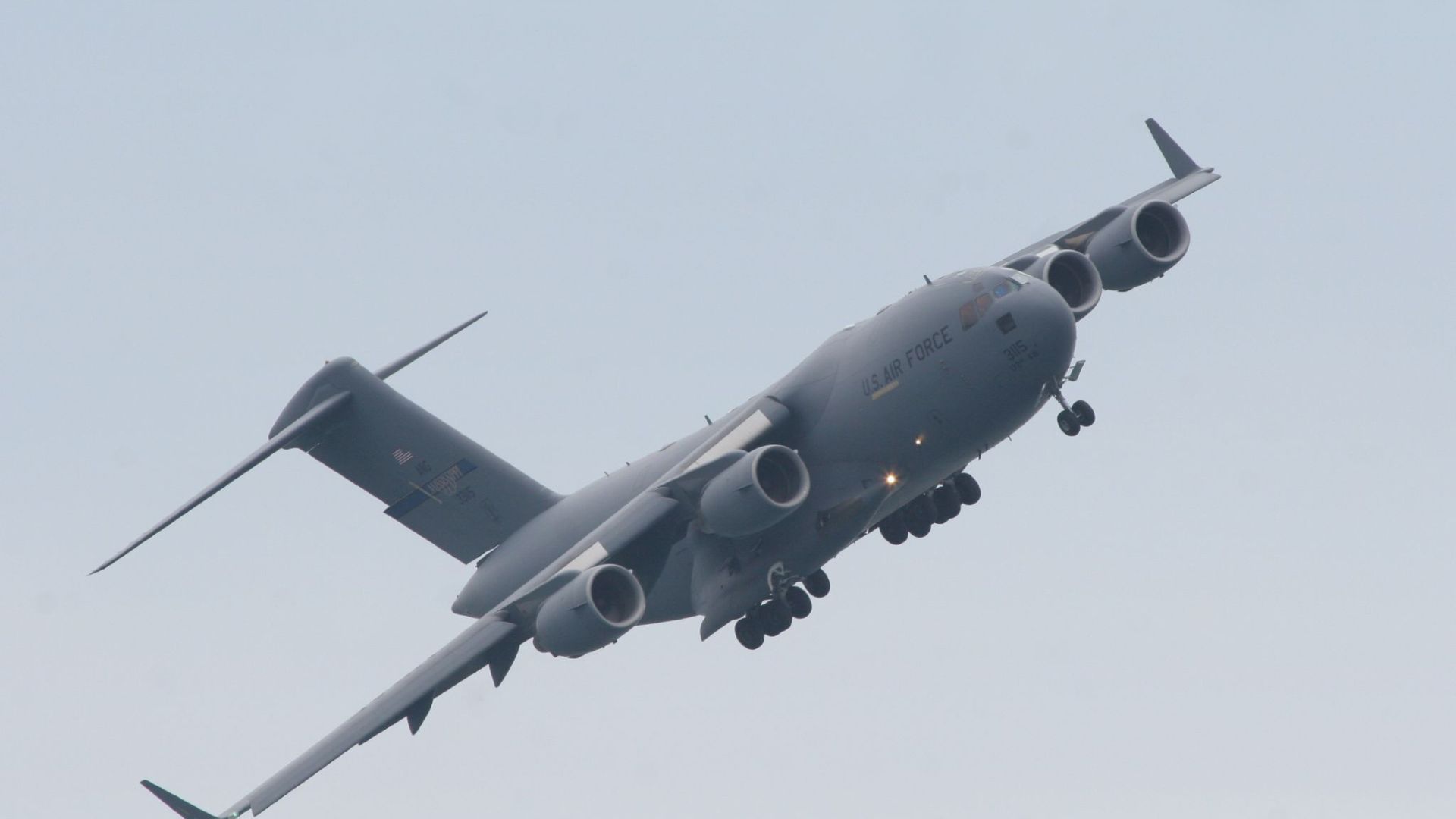
U.S. Air Force C-17 Globemaster Returns from Antarctica Due to Russian Aerospace Activity
A U.S. Air Force C-17 Globemaster transport aircraft was forced to turn back from its mission to Antarctica due to a warning about potentially hazardous Russian aerospace activity. The aircraft, operating under the call sign ICE28, departed from Christchurch, New Zealand, on August 18 but was redirected after receiving a NOTAM regarding a planned Russian missile launch. This incident underscores the risks associated with aviation in remote regions like the Southern Ocean, where emergency landing options are severely limited. The warning was issued by New Zealand's Civil Aviation Authority after being informed by Russia's State Air Traffic Management Corporation about the potential hazards in international airspace. The flight was part of the U.S. Air Force's winter fly season, which is crucial for transporting researchers and equipment to Antarctica ahead of the summer research season. No further timeline was disclosed at the time of publication.
Military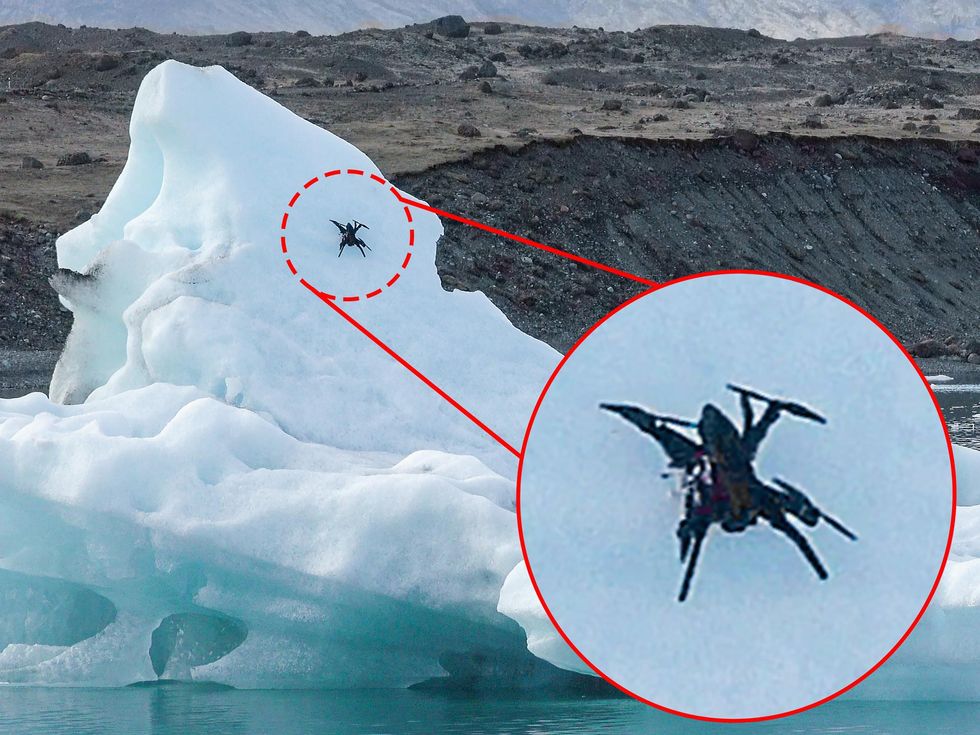
Canadian Researchers Develop Ice Dart Drone for Landing on Arctic Icebergs
Researchers in Canada have developed the Ice Dart drone, capable of landing on steep, slippery surfaces like icebergs. This drone can grip icy slopes of nearly 60 degrees, making it a valuable tool for monitoring Arctic environments. The Ice Dart's unique landing gear absorbs impact and utilizes retractable spines for grip, allowing it to perch successfully even in challenging conditions. The significance of the Ice Dart lies in its ability to land rather than hover, which can enhance drone utility in the field. Once landed, the drone consumes less energy, enabling longer observation periods while remaining silent. This capability allows for extended monitoring of icebergs, providing more detailed data than traditional aerial surveillance methods. Looking ahead, the researchers aim to further develop the Ice Dart for practical applications, including autonomous landing site selection and emergency takeoff features. The drone is set to be deployed in August during a Canadian Arctic mission to collect data and validate iceberg-detection systems.
Journal-watch Arctic Climbing-robots Robotics Drones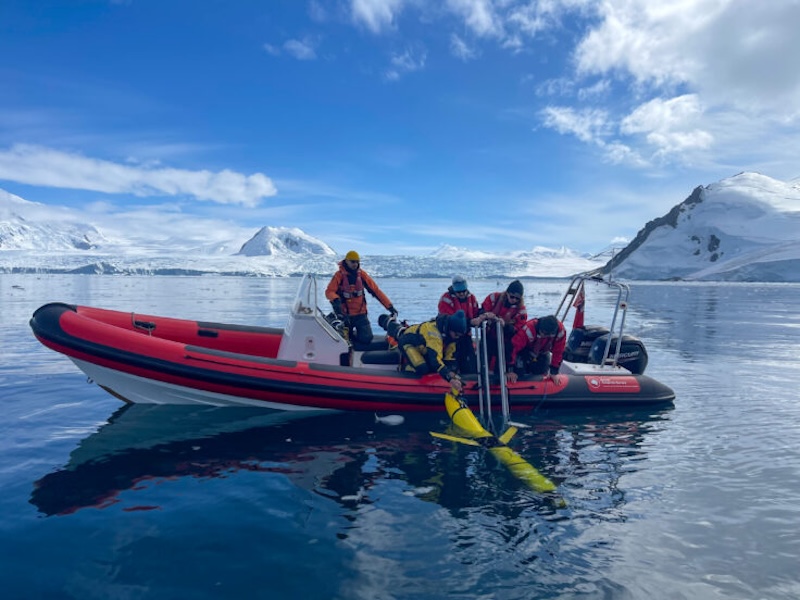
Autonomous Robots Revolutionizing Polar Science in the Arctic and Antarctic Regions
The British Antarctic Survey reports that autonomous vehicles are significantly transforming polar science. These robots operate beneath Antarctic sea ice, on Greenland glaciers, and in remote areas, gathering crucial data without human operators. Their deployment allows scientists to explore dangerous and inaccessible environments, enhancing research on glaciers, oceans, wildlife, and climate processes. The importance of these autonomous robots lies in their ability to monitor and collect data over extended periods, which was previously unimaginable. Dr. Alex Brearley from the British Antarctic Survey highlights the convenience of controlling these gliders remotely from Cambridge while they operate thousands of miles away in Antarctica. This technology enables researchers to gain insights into complex phenomena like internal tsunamis caused by glacier ice calving. Looking ahead, the continued integration of autonomous vehicles in polar research will likely expand the scope and depth of scientific exploration in these extreme environments. No further timeline was disclosed at the time of publication.
Features Science aerial drones antarctica arctic Autonomous robots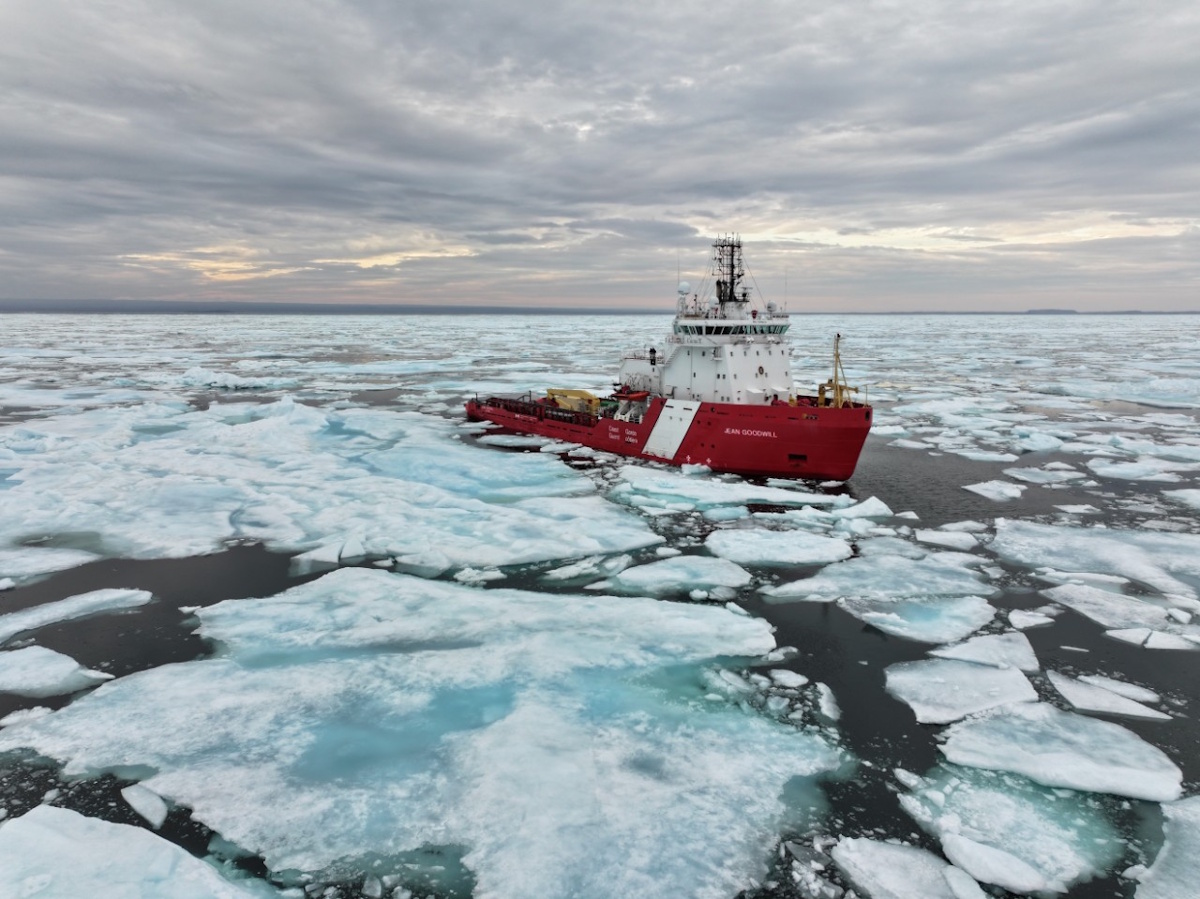
MASS 2026 Conference Showcases Atlantic Canada's Defence and Technology Strengths
The 13th annual Maritime & Arctic Security & Safety Conference (MASS) is taking place in St. John's, Newfoundland and Labrador, hosted by the Atlantic Canada Aerospace & Defence Association (ACADA) and sponsored by Saab Canada, Inc. This year's conference, featuring 600 participants, is the largest to date and focuses on leveraging Atlantic Canada's capabilities in environmental management and workforce development. Newfoundland and Labrador Premier Tony Wakeham highlighted the province's strategic geopolitical position as a gateway to the Arctic and Atlantic, emphasizing its qualified workforce and unique military and civil capabilities. He stated that the region's diverse strengths create a robust defence and security ecosystem that Canada and its allies can depend on for Arctic and North Atlantic security. The conference has underscored the significance of partnerships, particularly with Indigenous communities, to foster economic participation and workforce development. Discussions included the need for advanced technology in Arctic-capable warship designs and the role of AI and machine learning in maritime surveillance, indicating a strong focus on innovation in harsh conditions.
maritime and arctic security and safety conference (mass) atlantic canada capabilities defence technology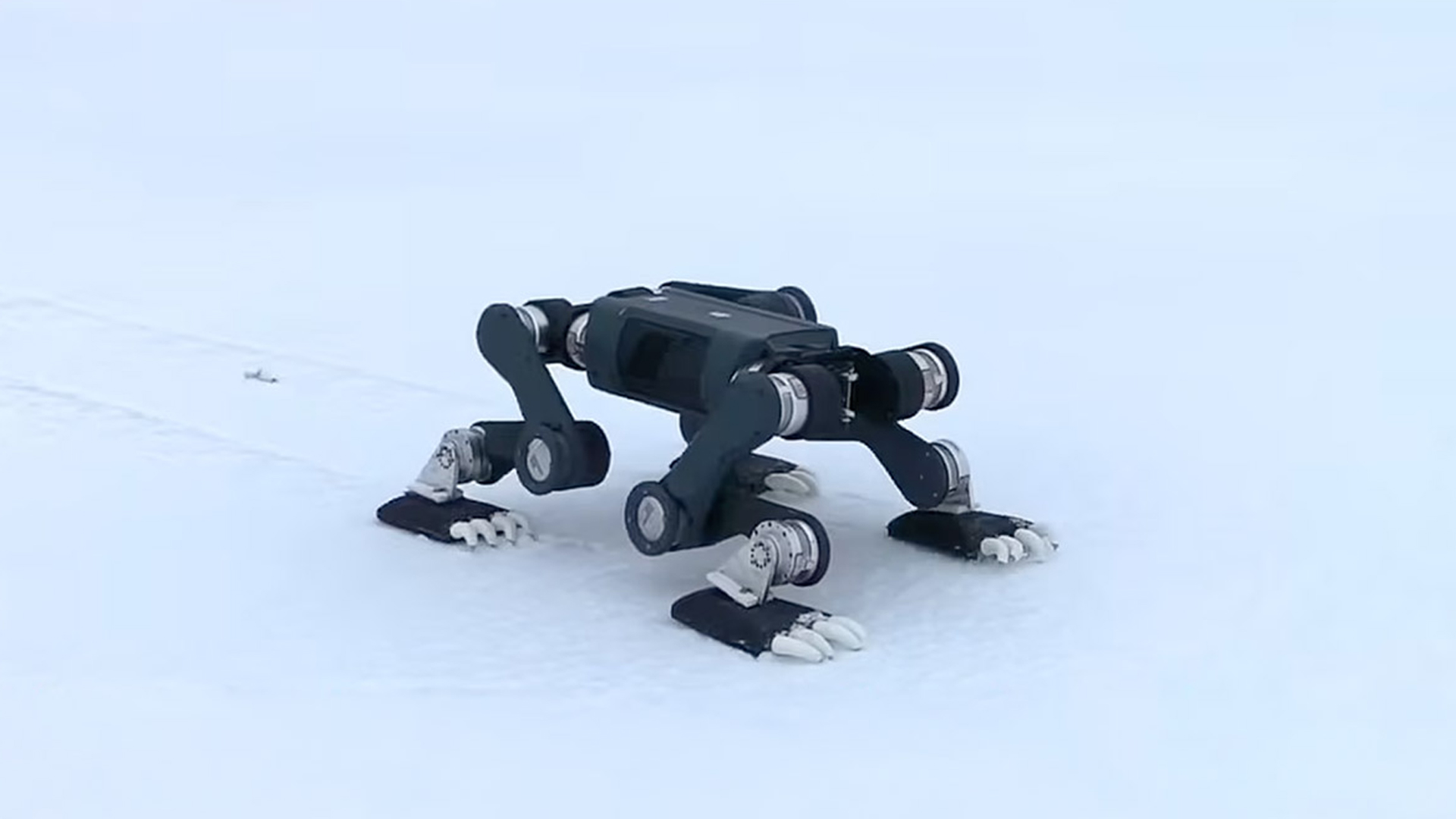
First-ever: Four-legged robot dog successfully walks across treacherous Arctic ice floes
The Arctic, long regarded as one of the most perilous regions on the planet, is facing unprecedented challenges due to climate change and increased human activity. Recent studies reveal that rising temperatures are accelerating ice melt, leading to more accessible shipping routes and resource extraction opportunities. This shift, occurring over the past few years, has prompted nations to stake claims in the region, intensifying geopolitical tensions. In response to these developments, various governments and environmental organizations are advocating for stronger regulations to protect the fragile Arctic ecosystem. The urgency of the situation has led to international discussions aimed at establishing guidelines for sustainable practices in the area. As countries scramble to assert their interests, the potential for conflict looms, raising concerns about the environmental impact and the rights of Indigenous communities. The situation is further complicated by the ongoing effects of global warming, which are expected to exacerbate the challenges faced by the Arctic. Scientists warn that without immediate action, the consequences could be dire, not only for the region but for the entire planet. As the world watches, the Arctic stands at a crossroads, where the balance between economic opportunity and environmental preservation hangs in the balance.
Culture Innovation
NATO Launches Task Force X-Arctic to Strengthen Awareness in the Arctic and the High North
On June 6, 2026, the NATO Research Vessel Alliance set sail from La Spezia, Italy, initiating Task Force X (TFX)-Arctic. This new initiative aims to bolster NATO's awareness and presence in the Arctic region. TFX-Arctic is part of NATO’s Rapid Adoption Action Plan, which was approved during the 2025 NATO Summit in The Hague, focusing on accelerating the integration of innovative technologies into military operations. The initiative builds upon lessons learned from TFX-Baltic, which commenced in January 2025 to enhance the security of critical undersea infrastructure in the Baltic Sea. The mission underscores NATO's commitment to adapting to evolving security challenges in the Arctic as geopolitical dynamics shift.
nato task force x-arctic arctic and the high north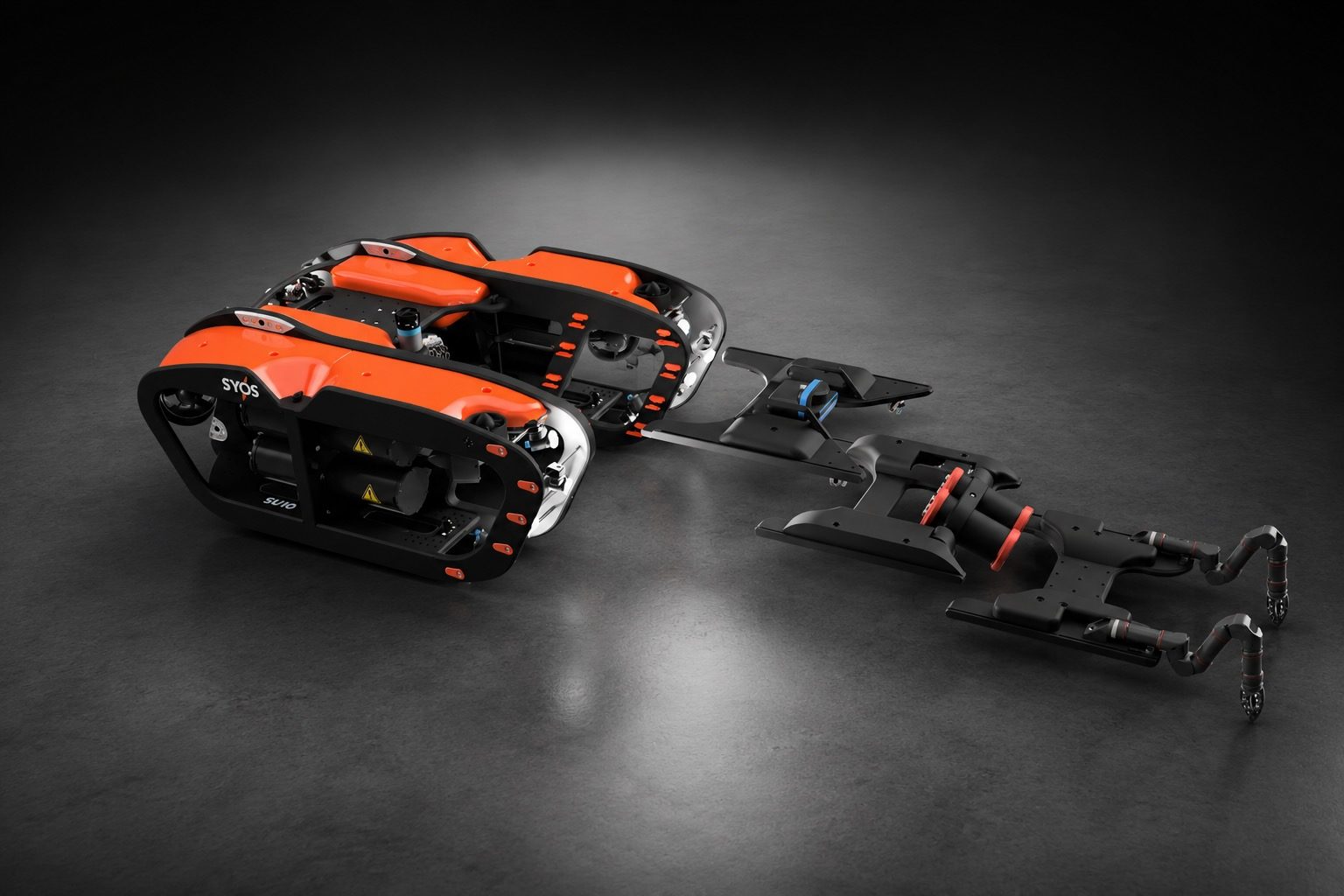
Under the Ice: New SYOS Underwater Drone Targets Maritime Security and Antarctic Exploration
SYOS, an autonomous systems company based in the UK and New Zealand, has unveiled its latest innovation, the SU10 uncrewed underwater vehicle (UUV), aimed at enhancing maritime security and supporting Antarctic exploration. The announcement was made during a recent event, marking a significant expansion of SYOS's portfolio, which previously focused on air and land operations. The introduction of the SU10 allows the company to venture into subsurface missions, addressing the growing demand for advanced technologies in multi-domain operations. This new underwater drone is designed to operate effectively in challenging environments, underscoring SYOS's commitment to developing versatile solutions for both security and exploration purposes.
Applications Arctic Drone News Drone News Feeds Dual Use News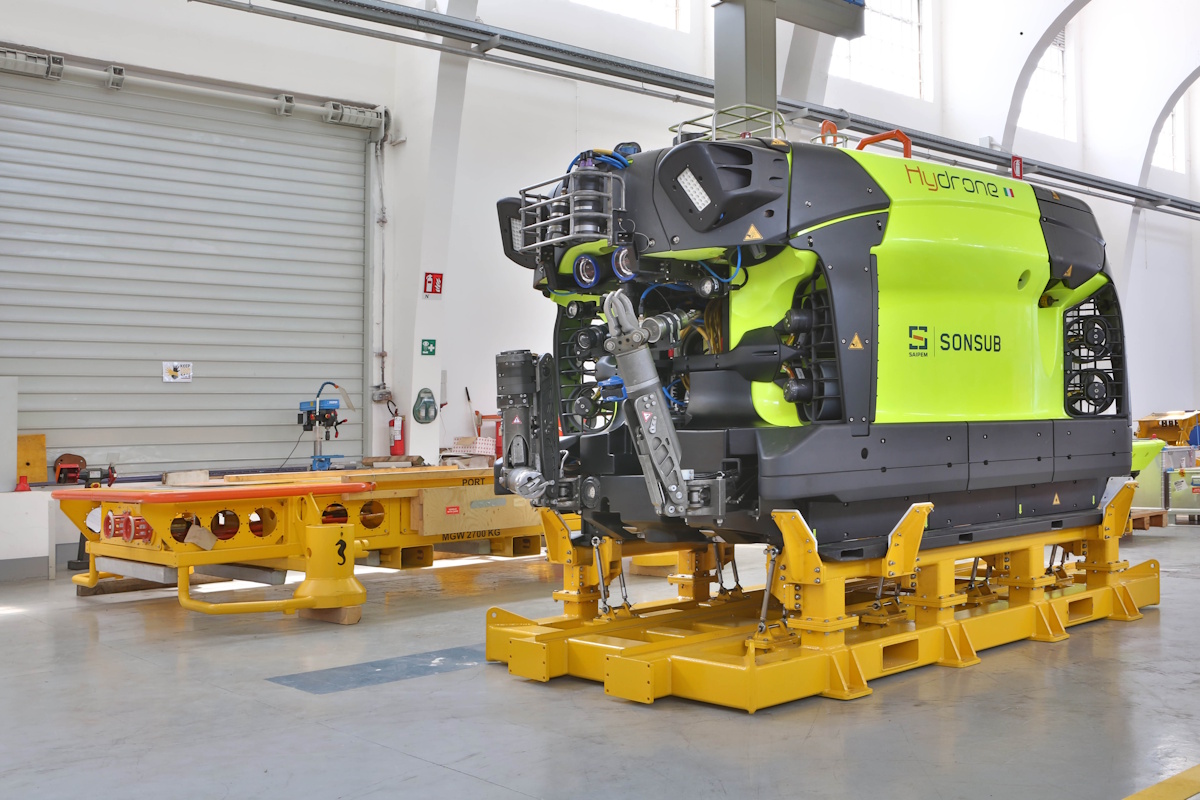
Saipem’s underwater drone Hydrone-R performs autonomous mission in the Arctic coral area in Norway
Saipem's innovative underwater intervention drone, Hydrone-R, has successfully completed an autonomous survey mission in the Arctic coral region of Njord, Norway. This groundbreaking operation, which took place recently, marked a significant advancement in underwater robotics as the drone operated independently, without the need for cables or surface support. The mission aims to enhance the understanding and protection of marine ecosystems, highlighting the potential of advanced technology in environmental conservation efforts.
saipem’s hydrone-r autonomous missionRobotics needs a service framework.
RSF defines a common language for robot service capability, lifecycle operations, certification pathways, and service-provider networks.
Join the RobotToday community on LinkedIn
Daily robotics news, in-depth analysis, conference highlights, and discussions with professionals worldwide.