Industry Briefing
A single destination for timely, editor-curated robotics news from around the world.
RoboBall: A Novel Inflatable Robot for Moon Exploration and Challenging Terrain Navigation
A team from Texas A&M University has developed RoboBall, a 1.8-meter diameter inflatable robot designed to traverse diverse terrains on the Moon. This innovative approach, which began as a NASA project in 2003, aims to address the critical challenge of tipping over faced by traditional wheeled or legged rovers. RoboBall's spherical design allows it to roll over obstacles while protecting its internal components from harsh lunar conditions. The significance of RoboBall lies in its potential to enhance lunar exploration, particularly in the Moon's south polar region, where permanent shadow areas may contain water ice and ancient geological layers. Scheduled for a paper presentation at an IEEE conference in December 2025, the team is also developing a dual lidar module named Remora to help the robot navigate slopes without compromising its sealed structure. This innovation could provide crucial data for autonomous navigation in challenging environments. As global interest in lunar exploration intensifies, with NASA's $20 billion lunar base plan set for completion by 2032, RoboBall could play a vital role in future missions. The research team is also investigating terrestrial applications for RoboBall, such as disaster response, showcasing the robot's versatility in extreme conditions. No further timeline was disclosed at the time of publication.
Lunar Exploration Robotic Innovation Terrain Navigation Disaster Response Space Robotics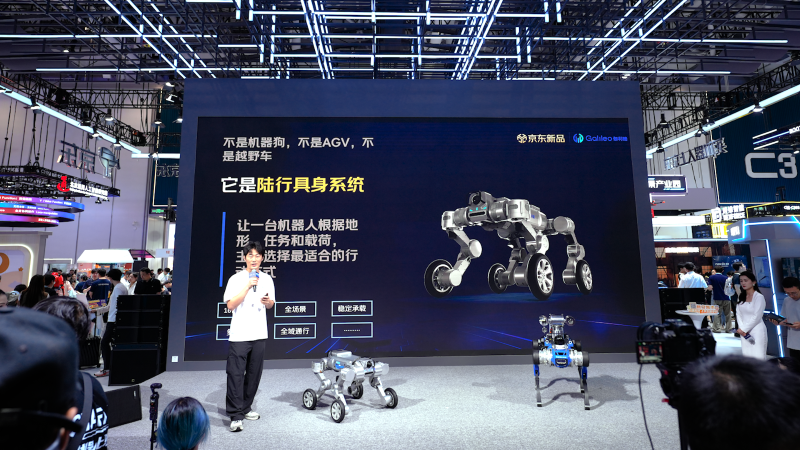
Galileo Unveils Galileo X All-Terrain Mobility Platform at World Robotics Conference 2026
During the 2026 World Robotics Conference, Galileo launched the Galileo X all-terrain mobility platform, introducing a new category called the 'Land Walking System.' The concept machine weighs approximately 50 kg and demonstrated a load capacity of around 70 kg with multi-modal switching. Galileo plans to release a mass production version in Q4, targeting a rated load of 200 kg, a maximum load of 400 kg, and a full-load endurance of 15 hours. This launch is significant as it addresses the limitations of existing robotic solutions in complex industrial environments. Traditional quadruped robots excel in obstacle navigation but struggle with endurance and load efficiency, while AGVs are limited to flat, enclosed spaces. The Galileo X aims to create a seamless task chain for industrial operations, reducing the need for multiple devices and associated costs. Looking ahead, no further timeline was disclosed at the time of publication. However, the industry will be watching how Galileo's integrated approach to mobility and control systems can redefine operational capabilities in various sectors, including rail, power, and petrochemicals, where their products have already seen success.
All-Terrain Robots Industrial Robotics Mobility Solutions Robotic Systems
Study on Cooperative Navigation Methods for Autonomous Underwater Vehicles in Terrain Mapping
A recent study published in the Journal of Field Robotics explores cooperative navigation methods for autonomous underwater vehicles (AUVs) in terrain mapping. The research focuses on enhancing the accuracy and efficiency of AUVs when mapping underwater environments through collaborative navigation techniques. This research is significant as it addresses the challenges faced by AUVs in accurately mapping complex underwater terrains. By improving navigation methods, the study aims to facilitate better data collection for various applications, including environmental monitoring, underwater exploration, and resource management. Looking ahead, the implications of this research could lead to advancements in AUV technology and its applications in marine research. No further timeline was disclosed at the time of publication.
RESEARCH ARTICLE
DOBOT Unveils LUMO, the First All-Terrain Humanoid Robot for Everyday Use
DOBOT has introduced LUMO, touted as the world's first embodied all-terrain humanoid robot, designed to function in various environments including homes and schools. This innovative robot can adapt its behavior based on user interactions, showcasing capabilities such as vision, voice, and motion to perceive and respond to its surroundings without relying solely on commands. The significance of LUMO lies in its potential to serve as a long-term companion for everyday life, education, and interactive applications. By continuously learning from user interactions, LUMO aims to provide personalized assistance, making it suitable for diverse roles such as a household companion, educational assistant, and sports playmate. Looking ahead, the robotics industry is witnessing a shift from factory automation to versatile humanoid robots like LUMO, which can operate safely alongside humans in everyday settings. No further timeline was disclosed at the time of publication.
AI and Robotics
American Rheinmetall Secures Contract for Autonomous Ground Vehicles for US Army
American Rheinmetall has been awarded a contract to provide advanced autonomous ground vehicle technologies to the US Army as part of Project Sustainment. This development is significant as it underscores the growing emphasis on integrating autonomous systems into military operations, enhancing operational efficiency and effectiveness for the US Army. Looking ahead, it will be important to monitor the implementation of these technologies and their impact on military logistics and operations. No further timeline was disclosed at the time of publication.
News
Tesla Achieves 480,126 Deliveries in Q2 2026, Surpassing Wall Street Estimates
In the second quarter of 2026, Tesla reported 480,126 vehicle deliveries, a 25% increase from 384,122 in Q2 2025, exceeding Wall Street's estimate of 406,000. This surge in deliveries indicates a recovery from previous sales challenges, including political backlash and increased competition in the EV market. The significance of this delivery increase lies in its timing, as it coincides with rising gasoline prices due to geopolitical tensions in the Middle East, which may have prompted consumers to consider electric vehicles as a cost-saving alternative. While CEO Elon Musk's leadership is crucial, external factors have also played a role in this growth. Looking ahead, Tesla's upcoming earnings report on July 22 will be closely monitored by investors, particularly regarding the company's future plans in AI and automation, including humanoid robots and self-driving services. The potential for increased capital expenditures may raise concerns among investors, making Musk's strategic direction a focal point for the company's future performance.

Integrating Automated Guided Vehicles in Hospitals: Key Considerations and Benefits
Aerocom, specialists in AGV systems, explore the integration of Automated Guided Vehicles (AGVs) into busy hospital environments. They emphasize the importance of thorough planning and staff buy-in to ensure successful deployment. The integration of AGVs can streamline operations, reduce labor costs, and improve patient care, making it a vital technology for modern healthcare facilities. The significance of AGVs in hospitals lies in their ability to enhance operational efficiency and patient safety. By automating routine tasks such as transporting medications and supplies, hospitals can allocate staff resources more effectively, ultimately leading to better patient outcomes. The successful integration of AGVs can also alleviate the burden on healthcare workers, allowing them to focus on critical care responsibilities. Looking ahead, stakeholders should monitor the ongoing developments in AGV technology and its applications in healthcare. As hospitals continue to seek innovative solutions to improve efficiency and patient care, the role of AGVs is expected to expand. No further timeline was disclosed at the time of publication.

Lumisition Robotics Secures $7 Million in Angel Funding for All-Terrain Quadruped Robot Development
Lumisition Robotics, founded in February 2026 by a team of experts including a former DJI engineer, has raised approximately 50 million yuan (around $7 million) in angel funding led by Zhengxuan Capital. The funds will primarily support product development, algorithm iterations, and preparations for mass production of their consumer-grade quadruped robots aimed at outdoor applications. The company targets homeowners in Europe and North America, outdoor enthusiasts, and the elderly, focusing on practical applications such as transporting goods over challenging terrains. Unlike many consumer robots that emphasize companionship, Lumisition aims to enhance physical labor capabilities, addressing needs like last-mile transportation in large residential areas. Their product line will include various models suited for urban, light urban, and outdoor environments. Lumisition Robotics plans to conduct outdoor testing in October 2027 and officially launch their product at CES 2027, with mass production expected to begin between April and May 2027. The company is also focused on reducing hardware costs through innovative design and optimization strategies, ensuring competitive pricing while maintaining performance.

SpaceX's Starmind Project: Supplier Strategy and Chip Manufacturing Plans for 2026
SpaceX's Starmind project, aimed at deploying up to 1 million AI satellites, was filed with the FCC on January 30, 2026. The initiative is designed to minimize reliance on external suppliers, with CEO Elon Musk stating that current chip production capabilities only meet 2% of the projected needs. The first satellite, AI1, is set for prototype launches in early 2027, featuring a 70-meter wingspan and a modular payload system that allows for interchangeable chips from various suppliers. The significance of Starmind lies in its ambitious supply chain strategy, which seeks to transition from external hardware suppliers to a fully integrated Musk-owned facility by 2028. The Gigasat manufacturing site in Bastrop, Texas, is expected to be operational by the end of 2027, with plans for high-volume production of the D3 chip, specifically designed for space applications. This approach aims to consolidate chip manufacturing processes under the Terafab joint venture, which has an estimated initial investment of $55 billion. Looking ahead, the next milestone for Starmind is the launch of AI1 prototypes in early 2027, while the full-scale chip production at Terafab is projected to ramp up significantly thereafter. However, analysts express skepticism regarding the feasibility of achieving Musk's ambitious compute goals, which may require substantial investment and time to establish the necessary manufacturing capabilities.
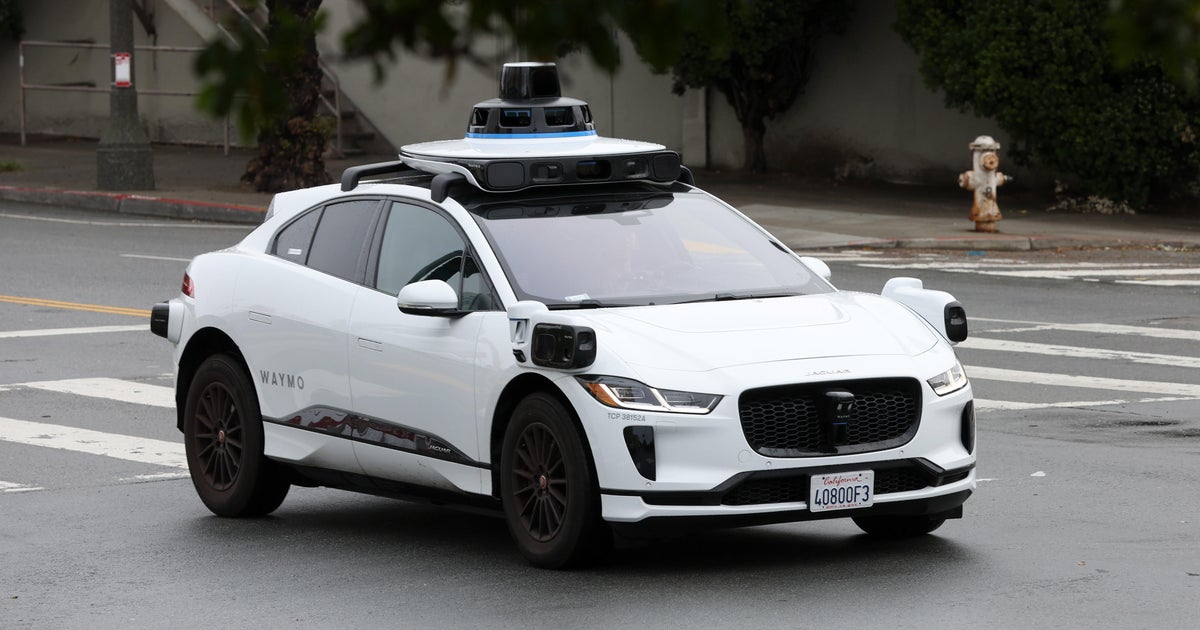
Waymo recalls robotaxis after some vehicles entered construction zone
Waymo has initiated a recall of its robotaxis after several incidents were reported where the autonomous vehicles ignored ramp-closure signs and entered freeway construction zones. This decision comes in response to safety concerns raised by these occurrences, highlighting potential risks to both passengers and construction workers. The recall aims to address these issues and ensure the vehicles operate within designated safety parameters. Waymo is expected to implement software updates and conduct thorough inspections to prevent future incidents. The company emphasizes its commitment to safety and regulatory compliance as it navigates the challenges of deploying autonomous technology on public roads.

Beni: The All-Terrain Photography Robot by Former DJI and Tesla Engineers
A new all-terrain photography robot named Beni has been launched, designed to autonomously follow users and capture high-quality moments while navigating obstacles. Weighing 1.75 kg, Beni is equipped with advanced features including 4K video recording, smart tracking technology, and automatic editing capabilities. Priced at $799, this innovative device aims to provide a hassle-free solution for capturing life’s adventures without the need for a human photographer. The introduction of Beni marks a significant advancement in photography technology, appealing to outdoor enthusiasts and content creators seeking convenience and efficiency in their shooting experiences.
Photography Robots Consumer Robotics AI Technology Outdoor Equipment
DynaSki: A Robust Locomotion Framework for Dynamic Skiing Robot on Challenging Terrains
A recent study published in the Journal of Field Robotics highlights advancements in autonomous robotic systems designed for agricultural applications. Researchers from a leading university conducted the study to address the growing need for efficient farming solutions amid increasing global food demand. The findings, released in early October 2023, provide insights into how these robotic systems can enhance crop monitoring and management. The research was conducted in various agricultural settings, demonstrating the robots' capabilities in navigating complex terrains and performing tasks such as planting, weeding, and harvesting. By employing advanced sensors and machine learning algorithms, the robots can analyze environmental conditions and optimize farming practices, ultimately aiming to increase yield while reducing labor costs. The motivation behind this innovation stems from the challenges faced by farmers due to labor shortages and the need for sustainable farming methods. The study emphasizes the potential of robotics to transform traditional agriculture, making it more resilient and productive in the face of climate change and resource constraints. As the agricultural sector continues to evolve, these findings could pave the way for broader adoption of robotic technologies, enhancing food security and sustainability worldwide.
RESEARCH ARTICLE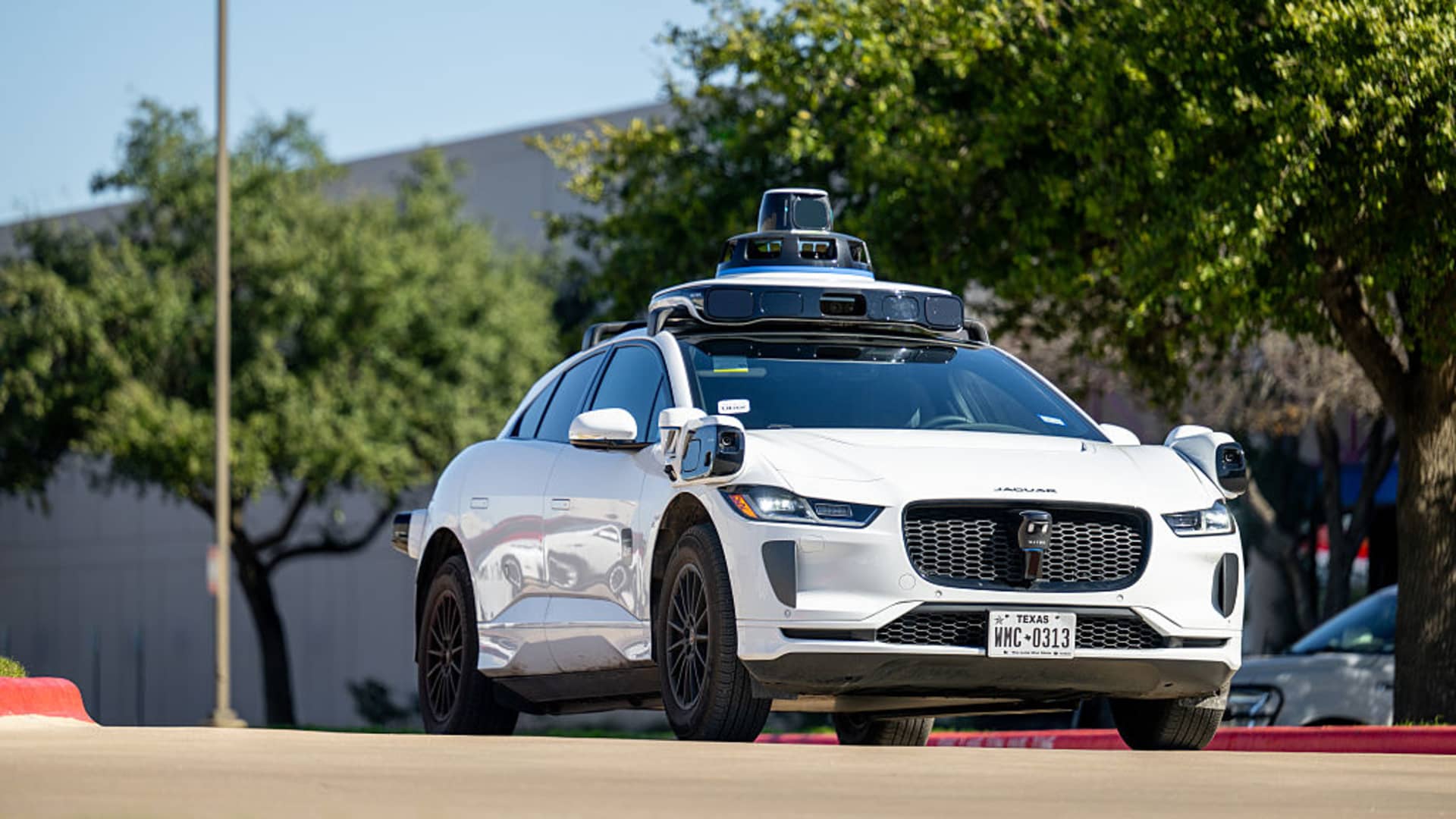
Waymo recalls 3,800 robotaxis after glitch allowed some vehicles to 'drive into standing water'
Waymo has announced a voluntary recall of approximately 3,800 of its robotaxis due to software malfunctions that could potentially lead the vehicles to navigate into flooded roadways. This decision comes as a precautionary measure to ensure the safety of passengers and pedestrians. The recall highlights the company's commitment to addressing safety concerns proactively. The affected vehicles will undergo necessary software updates to rectify the issue, with the recall process expected to begin immediately. Waymo's move underscores the challenges faced by autonomous vehicle technology in adapting to adverse weather conditions and emphasizes the importance of continuous monitoring and improvement in safety protocols.

Beyond the Flat Floor: Bridging the "Terrain Gap" with Intelligent Vertical and All-Terrain Robotics
As global supply chain leaders prepare for MODEX 2026, the industry is shifting its focus from isolated automation systems to a more versatile approach. This transformation emphasizes the need for adaptability in navigating complex environments that are vertical, rugged, and unpredictable. The move reflects a growing recognition of the challenges faced in modern supply chains and the necessity for solutions that can respond effectively to diverse operational demands. By embracing this new mandate, companies aim to enhance efficiency and resilience in their logistics and supply chain processes.
Robotics needs a service framework.
RSF defines a common language for robot service capability, lifecycle operations, certification pathways, and service-provider networks.
Join the RobotToday community on LinkedIn
Daily robotics news, in-depth analysis, conference highlights, and discussions with professionals worldwide.