Industry Briefing
A single destination for timely, editor-curated robotics news from around the world.

NASA to Host 'Max Power' Aerospace Expo at Kennedy Space Center This November
NASA has announced a two-day aerospace exposition named 'Max Power' scheduled for November 7 and 8 at Kennedy Space Center in Florida. The event is expected to attract fans of the show 'The Simpsons,' as the title references a famous pseudonym used by Homer Simpson. The expo will feature immersive experiences, including air shows, skydiving stunts, and technology demonstrations. The significance of the 'Max Power' expo lies in its aim to engage the public with aerospace technology and space exploration. Attendees will have the opportunity to meet astronauts and participate in talks led by NASA experts. NASA Administrator Jared Isaacman, who is also a private astronaut, plans to take part in the air show, highlighting the event's focus on interactive and educational experiences. Looking ahead, Isaacman indicated that 'Max Power' is intended to be the first of many similar events, suggesting a commitment to ongoing public engagement in aerospace activities. No further timeline was disclosed at the time of publication.
Space Exploration
easyh2power Secures Funding for Scalable Hydrogen Fuel Cell Systems for Aviation
easyh2power has successfully completed an angel+ funding round worth tens of millions, focusing on the development of hydrogen fuel cell systems. These systems range from 30kW to 110kW and are designed for aviation applications, including a liquid-cooled variant suitable for larger aircraft. The significance of this development lies in easyh2power's role as a supplier for Comac, contributing to the advancement of hydrogen propulsion technologies. Additionally, the company is working on an air-cooled variant aimed at drones, which boasts an impressive endurance of up to 30 hours of flight time. Looking ahead, easyh2power's scalable hydrogen fuel cell systems could play a crucial role in the future of sustainable aviation. No further timeline was disclosed at the time of publication.
Technology
SolarWindow Technologies Launches 24.4% Efficient ElectroFlex Solar Film for Aerospace and Transport
SolarWindow Technologies has commenced commercial production of its 0.85 mm thick solar laminate, ElectroFlex, featuring interdigitated back-contact (IBC) cells with a 24.4% efficiency rating. This innovative product offers a power-to-weight ratio of approximately 73 W/kg and is designed for direct application on various surfaces without the need for traditional mounting hardware. The introduction of ElectroFlex is significant as it addresses the limitations of conventional silicon solar setups, which require heavy structural components. By providing a flexible and lightweight solution, ElectroFlex can be installed on load-sensitive surfaces such as aircraft fuselages and train exteriors, enabling energy generation in previously unsuitable locations. Looking ahead, SolarWindow Technologies plans to deliver ElectroFlex to selected industrial partners in North America and Asia in the coming quarters. The company aims to expand its offerings beyond liquid coatings, focusing on engineered electrical systems that integrate seamlessly into transport and mobile machinery applications, converting exterior surfaces into auxiliary power sources.
Energy Innovation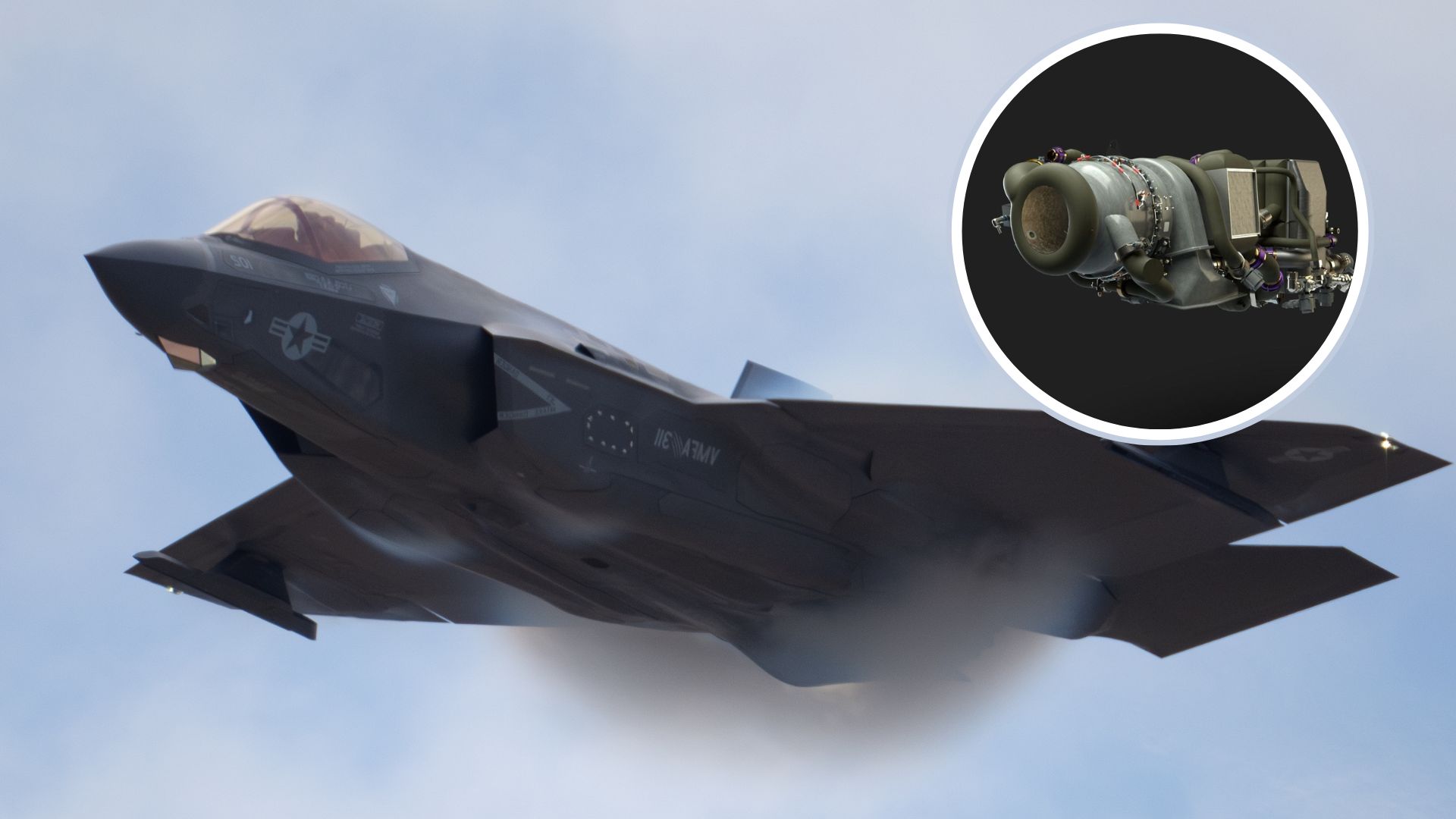
Collins Aerospace Completes Altitude Testing of Enhanced Power and Cooling System for F-35
Collins Aerospace has successfully completed altitude testing of its Enhanced Power and Cooling System (EPACS) for the F-35 jet. This new system is designed to enhance the thermal capacity of the aircraft, enabling it to support future technology upgrades. The testing involved simulating various mission demands and altitude conditions to evaluate the system's performance. The significance of EPACS lies in its ability to meet the increasing thermal and power demands of modern aircraft electronics. As new sensors and mission systems are integrated into the F-35, they generate more heat and require additional electrical power. EPACS aims to provide the necessary thermal margin to accommodate these upgrades without exceeding the aircraft's thermal limits. Looking ahead, the successful altitude testing marks a critical milestone in the development of EPACS, increasing confidence in its performance under real-world conditions. No further timeline was disclosed at the time of publication.
Military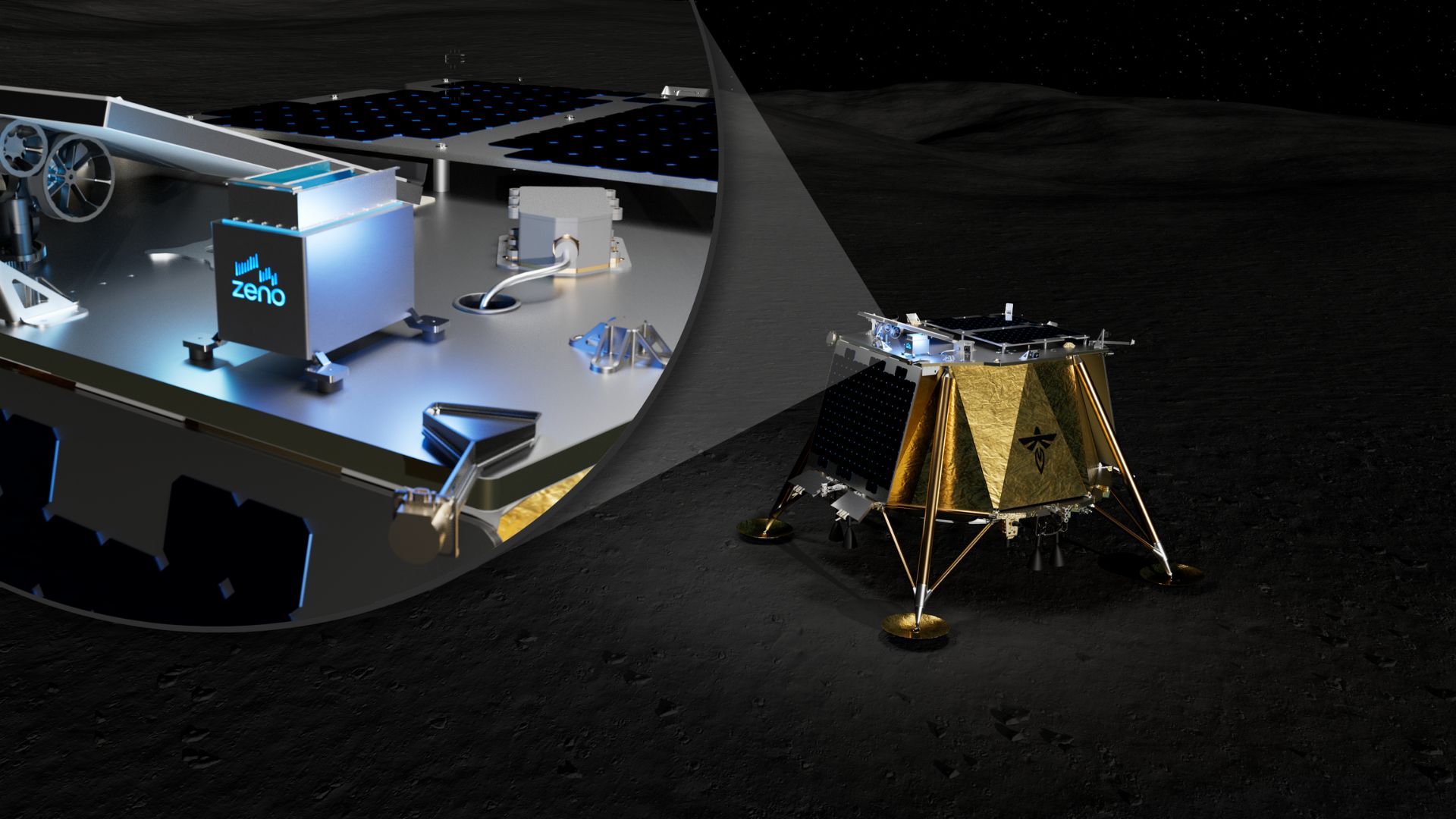
Firefly Aerospace to Test Nuclear-Powered Heating Technology on Moon by 2028
Firefly Aerospace plans to send a nuclear-powered heating technology to the Moon in 2028, aiming to test spacecraft survival during the lunar night’s extreme cold. This initiative involves Zeno Power Systems' Survive-the-Night Package, which will be launched aboard the Blue Ghost mission, addressing a significant challenge for lunar exploration. The importance of this experiment lies in its potential to ensure spacecraft can operate beyond the lunar day, where temperatures can plummet below minus 275°F. As solar-powered systems face limitations after sunset, the nuclear heating solution could be crucial for sustaining operations during the two-week lunar night, especially in permanently shadowed regions that never receive sunlight. Looking ahead, the demonstration will provide valuable data on the performance of nuclear heating technology in harsh lunar conditions. This information is vital as NASA and commercial entities aim to establish long-term lunar infrastructure and conduct missions in areas with extreme thermal environments. No further timeline was disclosed at the time of publication.
Space
Sift Launches Sift Edge for Zero-Loss Telemetry in Aerospace Hardware Testing
Sift has unveiled Sift Edge, a software platform designed to capture engineering test data directly at test sites, ensuring data collection continues despite network or power disruptions. This innovation addresses a significant challenge in aerospace and defense hardware development, where tests often occur in remote or secure locations with unreliable connectivity. The ability to maintain telemetry during critical tests is crucial, as losing data can hinder development efforts. Sift Edge operates locally with test equipment, storing data on-site and syncing with the cloud when connectivity is restored. This streamlined approach eliminates the need for separate infrastructure, allowing engineers to focus on data collection without the complexities of managing multiple systems. Looking ahead, Sift anticipates that the demand for robust data preservation will grow as the industry increasingly adopts data-driven methodologies and AI for performance analysis. No further timeline was disclosed at the time of publication.
Innovation
Tacta Systems Launches AI-Driven Robotic Hand for Advanced Manufacturing Applications
Tacta Systems has introduced a new robotics platform aimed at enhancing industrial automation with human-like dexterity. The TactaBot, the company's inaugural product, integrates a robotic hand, a wearable skill capture system, and an AI engine to perform intricate manufacturing tasks that demand precision and tactile feedback. This innovation is significant as it addresses critical challenges in robotics, such as creating a robotic hand for industrial performance and enabling robots to possess a sense of touch. Tacta's platform, featuring the proprietary Fluidic Tendon actuation technology, is designed to automate complex tasks in sectors like electronics and automotive manufacturing, with initial deployments expected in early 2027. Looking ahead, Tacta plans to expand its technology into additional industries, including medical devices and aerospace. The company aims to revolutionize the way robots interact with their environment, potentially transforming manufacturing processes across various sectors. No further timeline was disclosed at the time of publication.
Components News ai robotics Dexterous Intelligence dexterous robotics industrial robotics
XTI Aerospace to Join Needham's 15th Annual Virtual Industrial Tech Conference in 2026
XTI Aerospace, Inc. will participate in the 15th Annual Needham Virtual Industrial Tech, Robotics & Power Conference scheduled for August 17-18, 2026. The company's executive leadership team is set to discuss its second quarter results, strategic direction, and growth opportunities with institutional investors. This participation is significant as it highlights XTI Aerospace's commitment to engaging with investors and stakeholders in the aerospace and technology sectors. By sharing insights on its performance and future strategies, the company aims to strengthen its position in the market and attract potential investment. Looking ahead, industry observers should monitor XTI Aerospace's discussions during the conference for insights into its growth trajectory and strategic initiatives. No further timeline was disclosed at the time of publication.
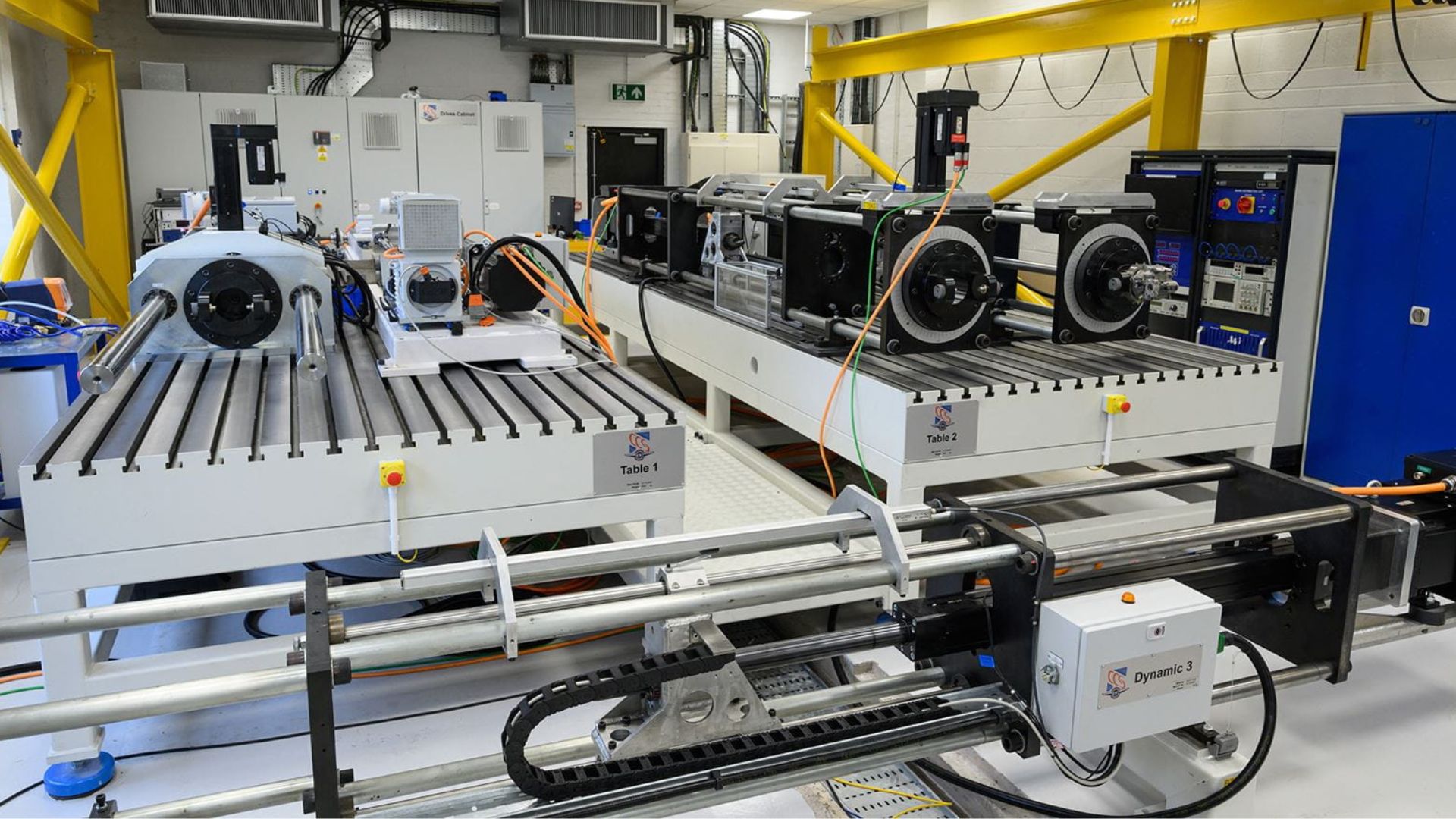
Collins Aerospace Launches U.K. Hub for Electric Thrust Reverser Development
Collins Aerospace has inaugurated a new engineering hub in Wolverhampton, U.K., aimed at accelerating the development of electric thrust reverser systems for next-gen aircraft. The Engineering Center of Excellence is now operational and features a modular test environment designed to simulate real-world conditions for evaluating aircraft components and systems, enhancing the design scalability for future applications. This initiative is significant as the aerospace industry shifts towards electric alternatives to hydraulic systems, which can reduce weight by 15% to 20% in nacelle actuation. The elecTRAS technology, which eliminates hydraulic interfaces, is expected to improve fuel efficiency and operational performance while simplifying maintenance. This aligns with the long-term electrification strategies of original equipment manufacturers (OEMs). Looking ahead, Collins Aerospace aims to streamline development by consolidating its elecTRAS systems engineering and nacelle actuation design teams at the new facility. The company’s technology is already in service on the Airbus A350 family, having logged over 15 million flight hours by 2025. No further timeline was disclosed at the time of publication.
Transportation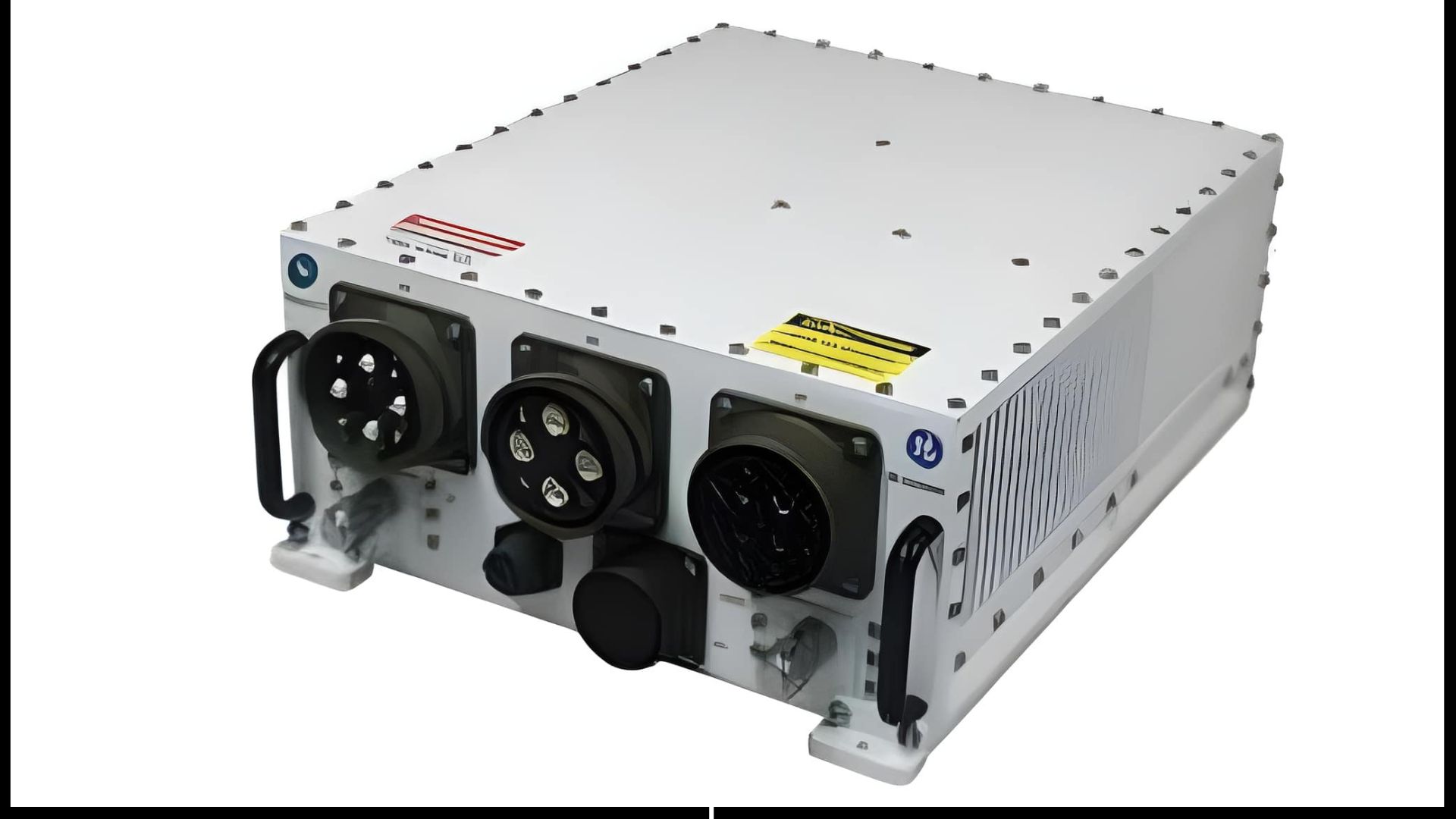
GE Aerospace qualifies 600-volt power systems for next-generation US Army vehicles
GE Aerospace has successfully qualified two high-voltage power electronics systems intended to enhance the capabilities of the U.S. Army. This significant development was announced recently, marking a crucial step in advancing military technology. The systems are designed to improve power management and efficiency for various applications within the Army's operations. By integrating these advanced power electronics, GE Aerospace aims to support the Army's mission to modernize its equipment and enhance operational readiness. The qualification process involved rigorous testing to ensure reliability and performance standards were met, demonstrating GE Aerospace's commitment to delivering innovative solutions for defense applications.
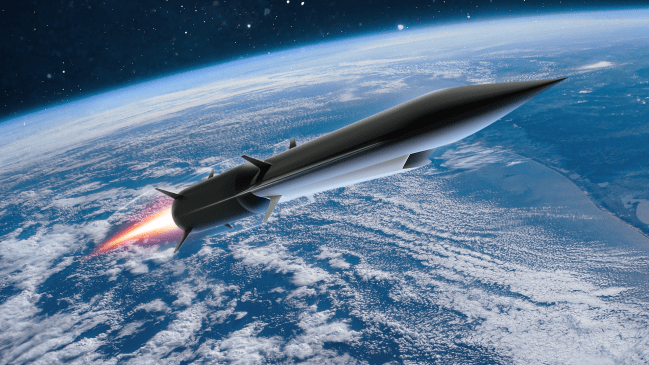
GE Aerospace Secures Contract to Develop Next-Gen Hypersonic Test Platform for US Military
GE Aerospace has been awarded a contract by the Defense Innovation Unit (DIU) to enhance the development of a liquid-fueled hypersonic test platform under the HyCAT program. This initiative aims to expedite hypersonic flight testing, addressing critical bottlenecks in systems designed for speeds exceeding Mach 5. The new test platform will serve as a test bed for flight demonstrations and data generation for future hypersonic systems. This contract builds on initial funding received in 2023, with GE Aerospace set to design a combined booster and cruiser configuration, facilitating more efficient testing without the need for dedicated flight-test vehicles. Looking ahead, the project is on track for significant milestones, including preliminary design reviews and subsystem testing scheduled for 2025 and 2026. This aligns with the US military's goal to enhance hypersonic flight-test infrastructure, enabling faster identification of issues and quicker iterations in technology development.
Military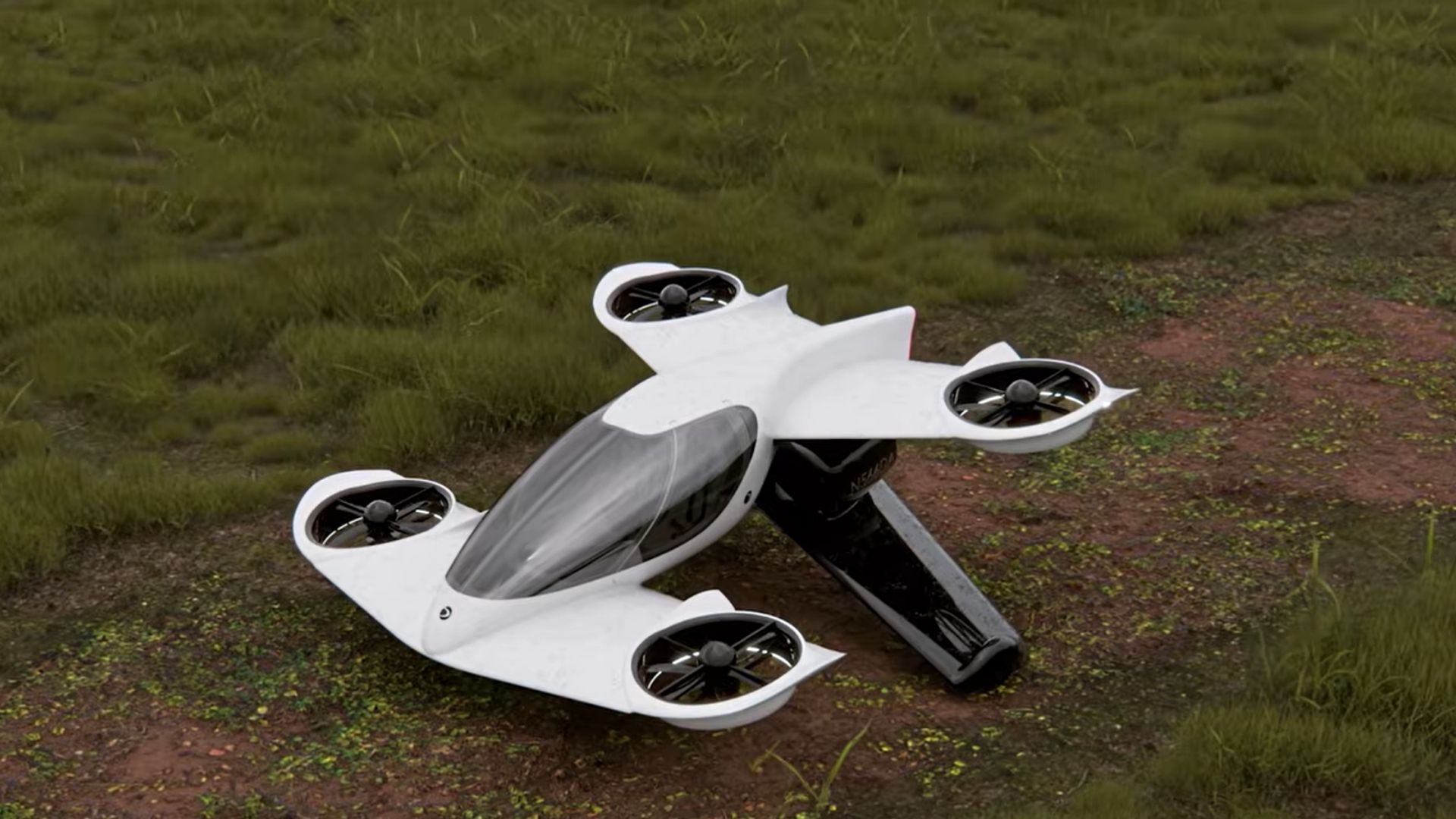
SES AI Partners with Doroni Aerospace to Develop High Energy Density Battery for eVTOL Aircraft
Battery technology company SES AI has signed a framework agreement with Doroni Aerospace to create battery systems for the H1-X electric vertical takeoff and landing (eVTOL) aircraft. This partnership, valued at up to $1.09 million, includes an initial commitment of $65,000 and will unfold in phases throughout 2026 and 2027. The collaboration is significant as it aims to enhance the H1-X's ground and flight-test program, with testing expected to commence as early as 2027. SES AI's lithium-metal batteries, designed to achieve energy densities nearing 400 Wh/kg, will play a crucial role in meeting the demanding performance and safety requirements of eVTOL platforms, which are critical for urban air mobility. Looking ahead, the agreement allows for potential expansion to include additional test systems and future production. As the eVTOL industry evolves, the focus on battery technology will be pivotal in determining the operational efficiency and range of aircraft like Doroni's H1-X, which is designed for short-distance travel with a range of 100 miles and a top speed of 120 miles per hour.
Energy Transportation
Vertical Aerospace Secures $4.6M for Electric Aircraft Charging and Cooling Project
Vertical Aerospace is spearheading a UK-supported initiative to enhance electric aircraft charging and liquid-cooling systems, addressing critical infrastructure challenges that could accelerate the commercial viability of electric aviation. The ECLiPSE project, which includes collaboration with the University of Bath and InnCat Ltd., aims to develop high-power charging and thermal management solutions to lower costs and improve operational efficiency for electric aircraft. This project is significant as it aligns with the growing demand for electric vertical take-off and landing (eVTOL) aircraft, which necessitate rapid recharging capabilities at airports and vertiports. With a total investment of approximately $4.5 million, including $2.3 million in government funding, ECLiPSE is set to enhance charging performance and reduce infrastructure size, ultimately facilitating more frequent flights from existing facilities. Looking ahead, the technologies developed through ECLiPSE may extend beyond aviation, potentially benefiting other electrified transport sectors. Vertical Aerospace is also in discussions with the UK Government for additional funding to support its global production sites, emphasizing the need for robust charging infrastructure to support the transition to zero-emission flight.
Transportation
SpaceX Proposes 1 Million AI Satellites to Address Ground Data Center Constraints
On January 30, 2026, SpaceX filed with the FCC to launch up to 1 million AI compute satellites, positioning orbital data centers as a solution to the increasing demand for AI computing power. Ground data centers are facing significant challenges, with energy consumption projected to reach approximately 1,050 TWh in 2026, making them the fifth-largest electricity consumer globally. The demand for new data center capacity is outpacing the growth of power generation infrastructure, leading to a critical bottleneck in the grid system. The significance of this initiative lies in the structural constraints faced by ground data centers, including power delivery limitations, high water consumption, and local opposition to new projects. The Uptime Institute's 2026 outlook identifies power as the primary constraint on data center growth, with capacity clearing prices in the PJM grid skyrocketing to $329.17/MW, driven by data center expansion. Additionally, cooling requirements are becoming increasingly unsustainable, with facilities consuming vast amounts of water, further complicating their operational viability. Looking ahead, SpaceX's orbital AI compute initiative aims to circumvent these challenges by leveraging the advantages of space, such as continuous solar power and minimal local opposition. The first AI prototypes are expected to launch in early 2027, with operational deployments planned for 2028. No further timeline was disclosed at the time of publication.
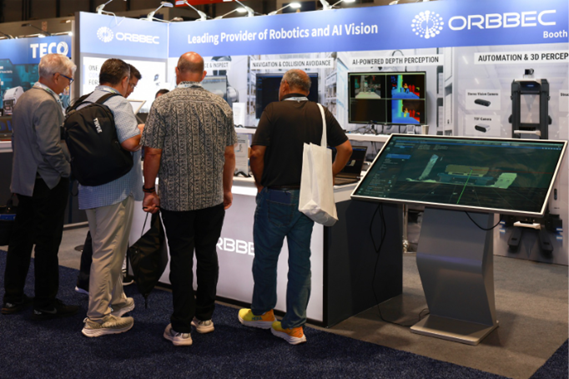
Orbbec shows AI-powered vision systems at Automate 2026
Orbbec showcased its latest industrial-grade 3D cameras designed for demanding automation environments during the Automate 2026 event. The company emphasized the integration of artificial intelligence to improve robotic perception, highlighting advancements that enable more sophisticated automation solutions. This presentation reflects Orbbec's commitment to addressing the complexities of modern industrial applications, aiming to enhance efficiency and accuracy in robotic systems. The event, which gathered industry leaders and innovators, provided a platform for Orbbec to demonstrate how its technology can meet the evolving needs of automation in various sectors.
Artificial Intelligence Artificial Intelligence / Cognition Automation Autonomous Mobile Robots (AMRs) Cameras / Imaging / Vision Collaborative Robots
Why Reliable Backup Power is Becoming Essential for Modern Robotics Systems
Modern robotics systems are revolutionizing various industries by enhancing efficiency, accuracy, and productivity. Organizations across sectors, including manufacturing and logistics, are increasingly relying on automated systems to ensure seamless operations around the clock. As businesses seek reliable backup power solutions for their robotics infrastructure, Nite & Day Power emerges as a key resource, offering specialized information on uninterruptible power systems. This shift towards automation and the need for dependable power sources highlight the growing importance of technology in maintaining operational continuity in today's fast-paced industrial environment.
Energy Robotics Technology automation news backup power industrial automation
indie Launches Edge AI SoC to Power Smarter Perception Systems for Automotive and Humanoids
indie, an automotive solutions innovator based in Aliso Viejo, CA, has announced the launch of its next-generation edge AI system-on-chip (SoC), the iND881, designed to enhance smart camera technology for automotive and robotic applications. Unveiled on June 10, 2026, the iND881 integrates an AI compute engine with indie’s advanced low-latency multi-camera image signal processor (ISP), providing an efficient solution for developers. The iND881 is engineered for low power consumption and real-time responsiveness, featuring a Neural Processing Unit (NPU), a versatile Digital Signal Processor (DSP), and a quad-core ARM Cortex-A53 CPU. This architecture is tailored for demanding edge perception tasks, making it particularly beneficial for advanced driver assistance systems, including driver and occupant monitoring and smart mirrors with blind-spot detection. In addition to automotive applications, the iND881 supports robotics and physical AI automation, facilitating accurate sensing and navigation for autonomous mobile robots. The device's capabilities include multi-channel video compression, high-dynamic-range ISP, and compatibility with various sensor modalities such as infrared and LiDAR, ensuring robust performance in complex environments. The iND881 is ASIL-B compliant and automotive qualified, currently available for sampling. It will be showcased at the upcoming AutoSens and InCabin USA 2026 events. Fred Jarrar, indie's senior vice president, emphasized that the launch not only expands their product portfolio but also positions indie as a comprehensive solutions provider in the edge AI market.

NautiGEN Launches Hydrogen Power Solutions for Maritime Operations, Autonomous Systems and Subsea Applications
On World Oceans Day, NautiGEN, Inc. officially launched as a new player in the maritime hydrogen power sector. The company, a collaboration between Cellula Robotics and Infinity Fuel Cell and Hydrogen, Inc., aims to revolutionize maritime operations, autonomous systems, and subsea applications by providing high-density fuel cell power solutions. This initiative is driven by the need for sustainable energy alternatives in the maritime industry, addressing both environmental concerns and the demand for efficient power sources. NautiGEN's innovative approach is expected to enhance the performance and sustainability of various maritime technologies, marking a significant step forward in the transition to cleaner energy solutions at sea.
cellula robotics nautigen hydrogen power maritime operations autonomous systems subsea applications
Waymo to turn retired robotaxi batteries into solar power storage systems
Waymo is repurposing the batteries from its autonomous vehicles to support energy storage solutions. This innovative approach, announced recently, aims to enhance sustainability by utilizing the batteries for grid storage, thereby contributing to renewable energy efforts. The initiative comes as part of Waymo's broader commitment to environmental responsibility and efficient resource management. By integrating these batteries into energy systems, the company hopes to extend their lifecycle and reduce waste, aligning with growing demands for sustainable practices in the tech industry. This development not only underscores Waymo's leadership in autonomous technology but also highlights its proactive stance in addressing climate change challenges.

Why Reliable Backup Power is Becoming Essential for Modern Robotics Systems
Modern robotics systems are revolutionizing various industries by enhancing efficiency, accuracy, and productivity. Organizations across manufacturing and logistics sectors are increasingly relying on automated systems to ensure continuous operations. In this context, businesses seeking reliable backup power solutions for their robotics infrastructure can access essential resources from Nite & Day Power, a company that specializes in uninterruptible power systems. This development underscores the growing importance of robust power solutions in supporting the seamless functioning of automated technologies.
Energy Robotics automation infrastructure automation news autonomous systems backup power
TECO Debuts High-Payload Commercial UAV Powertrain Systems and Robotic Joint Modules in North America Expanding into North America's UAV and Robotics Markets
TECO is making significant strides in the burgeoning commercial UAV and intelligent robotics sectors. By utilizing the localized service capabilities of its Texas-based subsidiary, TECO-Westinghouse, the company is able to offer customers a complete range of solutions, from initial development to after-sales support. This strategic expansion reflects TECO's commitment to meeting the increasing demand for advanced technology in these rapidly evolving markets.

US turns to AI-powered target recognition systems to destroy drones faster than human operators
The Department of Defense is advancing its efforts to implement artificial intelligence-driven target recognition systems aimed at enhancing the capabilities of military troops and vehicles. This initiative, announced in October 2023, seeks to improve operational efficiency and decision-making on the battlefield. By leveraging AI technology, the Defense Department aims to streamline the identification and engagement of potential threats, thereby increasing the safety and effectiveness of military operations. The move comes in response to the growing complexity of modern warfare, where rapid and accurate target recognition is crucial for mission success. The integration of these advanced systems is expected to transform how military personnel interact with their environments, ultimately leading to more strategic and informed actions in combat scenarios.
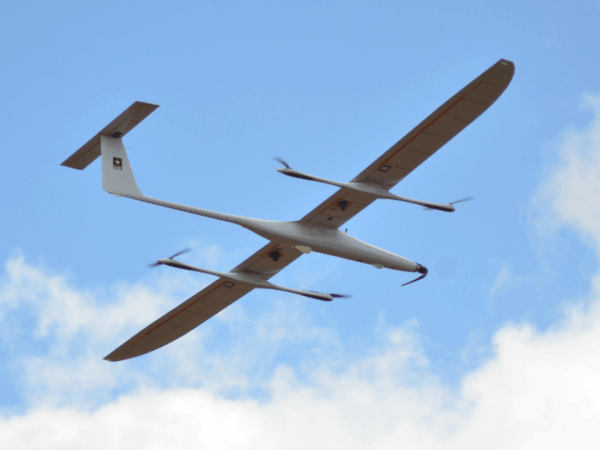
Kraus Hamdani Aerospace Demonstrates Wireless Power Beaming to K1000ULE at Shaw AFB
Kraus Hamdani Aerospace (KHA) and PowerLight Technologies successfully demonstrated their innovative wireless power beaming technology for the K1000ULE drone at Shaw Air Force Base. This event, hosted by the AFCENT Battle Lab, showcased the capability to sustain continuous intelligence, surveillance, and reconnaissance (ISR) operations without the need for ground recovery. The demonstration highlights the potential of laser-based power transmission to enhance operational efficiency for military applications, aligning with CENTCOM's focus on advancing operational energy innovation.
Defense Drone News Drone News Feeds Long Range News aerial surveillance
Import AI 435: 100k training runs; AI systems absorb human power; intelligence per watt
As artificial intelligence continues to evolve, experts are increasingly discussing its potential impact on daily life. With advancements in AI technology projected to accelerate, individuals may soon experience significant changes in their routines and interactions. These developments are anticipated to unfold over the next few years, particularly as AI systems become more integrated into various sectors, including healthcare, education, and transportation. The motivation behind this shift is rooted in the desire to enhance efficiency and improve quality of life. AI has the potential to automate mundane tasks, provide personalized recommendations, and facilitate better decision-making processes. As a result, people may find themselves relying more on AI-driven tools for everything from managing schedules to accessing information. This transformation is expected to occur through the gradual implementation of AI solutions in everyday applications. As businesses and organizations adopt these technologies, consumers will likely see an increase in AI-powered services and products, leading to a more interconnected and streamlined experience. In summary, the ongoing advancements in AI technology are set to reshape daily life in the coming years, driven by the need for greater efficiency and improved living standards. As these changes unfold, individuals will need to adapt to a new reality where AI plays an increasingly prominent role in their everyday activities.
Robotics needs a service framework.
RSF defines a common language for robot service capability, lifecycle operations, certification pathways, and service-provider networks.
Join the RobotToday community on LinkedIn
Daily robotics news, in-depth analysis, conference highlights, and discussions with professionals worldwide.