Industry Briefing
A single destination for timely, editor-curated robotics news from around the world.
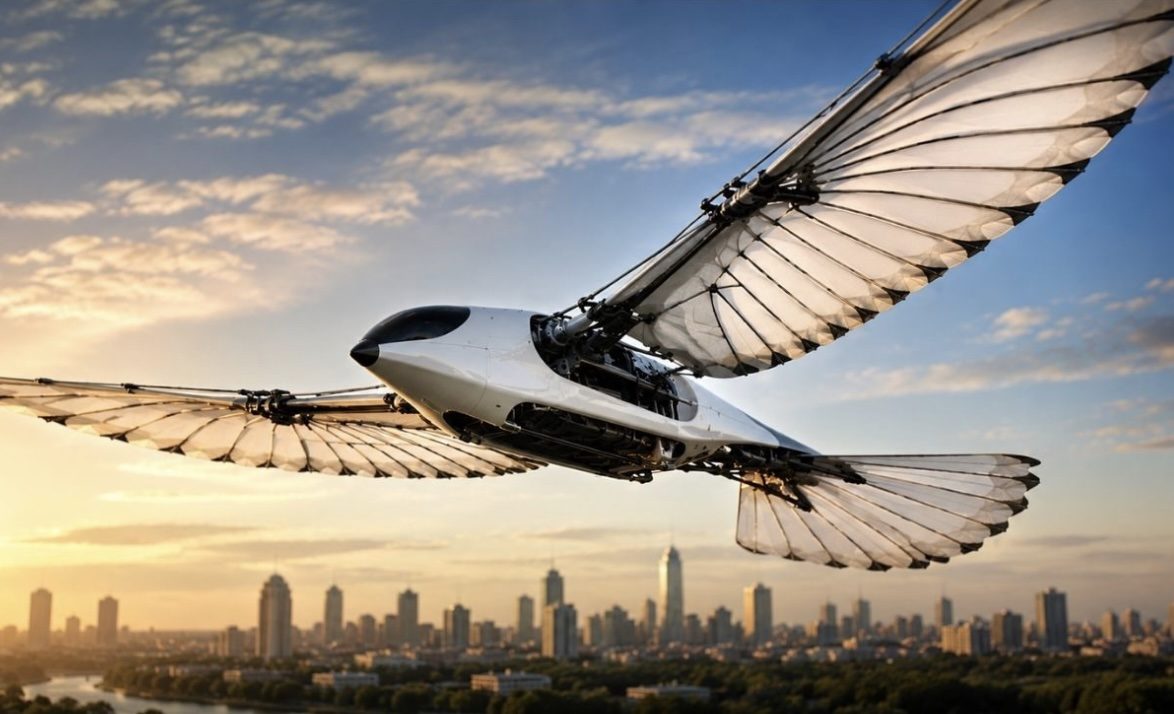
Smart Materials and the Rise of Ornithopters: on this episode of the Drone Radio Show!
Dr. Onur Bilgen, an Associate Professor at Rutgers University’s Department of Mechanical and Aerospace Engineering, recently discussed the future of flapping wing drones on the Drone Radio Show. In the episode, he highlighted the significance of smart materials in the design of next-generation aircraft and explored how bioinspired engineering could drive innovation in unmanned aviation. This conversation sheds light on the potential advancements in drone technology and the integration of nature-inspired designs, emphasizing the evolving landscape of aerial robotics.
DL Exclusive Drone News Drone News Feeds Drones in the News News Podcast
US aerospace firm clears new adaptive engine for Boeing F-47 sixth-gen fighter jet
GE Aerospace, a leading US aircraft engine supplier, has announced the successful clearance of its XA102 adaptive cycle engine for assembly. This significant development comes as part of the company’s ongoing efforts to enhance engine performance and efficiency. The announcement was made on [insert date], marking a crucial step in the engine's production process. The XA102 engine is designed to provide advanced capabilities for future military aircraft, addressing the increasing demands for versatility and adaptability in modern aviation. By utilizing innovative technology, GE Aerospace aims to meet the evolving needs of the defense sector, ensuring that the new engine can operate effectively across a range of flight conditions. The assembly phase is expected to pave the way for further testing and eventual deployment, reinforcing GE Aerospace's commitment to delivering cutting-edge solutions in aerospace engineering.

Managing traffic in space
Associate Professor Richard Linares is addressing the growing challenge of satellite navigation in congested orbits. As the number of satellites in space continues to rise, the risk of collisions increases, making safe navigation crucial for space operations. Linares, an expert in aerospace engineering, is developing innovative strategies and technologies to enhance the safety and efficiency of satellite movements. His work is particularly timely, given the rapid expansion of satellite constellations and the increasing interest in space exploration and commercial ventures. By leveraging advanced algorithms and data analysis, Linares aims to create systems that can predict potential collisions and facilitate safer maneuvering of satellites in crowded orbital paths. This initiative not only aims to protect existing satellites but also to ensure the sustainability of space activities for future generations.
Profile Faculty Satellites Pollution Aeronautical and astronautical engineering automation
China’s new LLM-powered ‘AI brain’ automates satellite surveillance
Chinese aerospace researchers have unveiled an innovative system that utilizes Large Language Models (LLMs) to enhance various aspects of aerospace engineering. This development was announced during a recent conference focused on advancements in aerospace technology, held in Beijing. The researchers aim to improve design processes, streamline communication, and facilitate problem-solving in the aerospace sector through the application of artificial intelligence. The motivation behind this initiative stems from the increasing complexity of aerospace projects, which demand efficient and effective solutions. By integrating LLMs, the researchers hope to harness the power of AI to analyze vast amounts of data and generate insights that can lead to more innovative designs and improved operational efficiency. The system operates by processing extensive datasets related to aerospace engineering, enabling it to assist engineers in generating design concepts, optimizing workflows, and predicting potential challenges. This approach not only aims to reduce the time and resources required for development but also seeks to foster collaboration among engineers by providing a common platform for communication. As the aerospace industry continues to evolve, the introduction of such advanced technologies is expected to play a crucial role in shaping the future of aerospace engineering, making it more adaptive and responsive to the challenges ahead.

US’ Hermeus supersonic jet breaks sound barrier at Mach 1.21 in high-speed flight test
On Monday, Hermeus, an aerospace company based in Atlanta, announced a significant achievement in its development of the Quarterhorse hypersonic vehicle. This milestone marks a crucial step forward in the company's efforts to revolutionize air travel by drastically reducing flight times. The announcement comes as part of Hermeus's ongoing commitment to advancing hypersonic technology, which aims to enable commercial flights at speeds exceeding five times the speed of sound. The successful flight test was conducted at a facility in Georgia, showcasing the vehicle's capabilities and the company's innovative approach to aerospace engineering. This progress is expected to attract further investment and interest in hypersonic travel, highlighting the potential for transformative changes in global transportation.
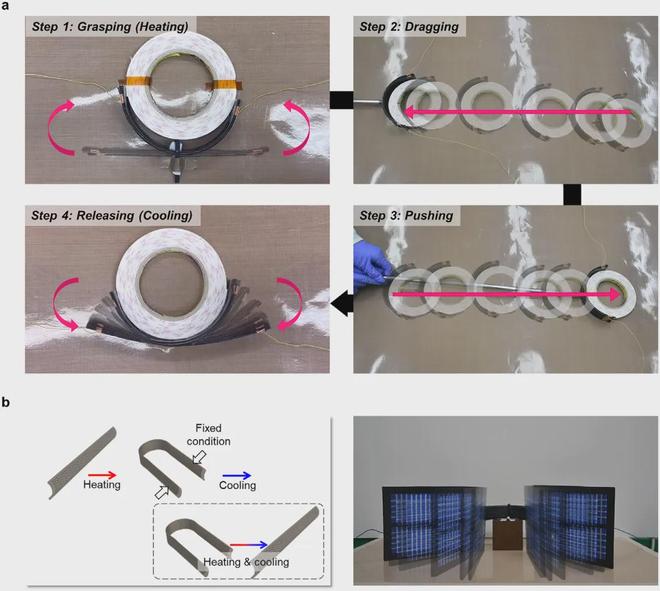
Breakthrough in Shape Memory Alloys: Korean Team Achieves 140° Reversible Deformation in 1 Second
A research team at the Korea Advanced Institute of Science and Technology (KAIST) has unveiled a revolutionary bi-directional shape memory alloy/polymer composite actuator. This new actuator boasts an impressive 82% recovery rate and a deformation range of 140 degrees, significantly improving the functionality of actuators used in robotics and aerospace. The development, which promises to enable rapid and reversible movements, was driven by the need for more efficient and versatile components in advanced technological applications. Researchers achieved this breakthrough through innovative material engineering techniques, positioning the actuator as a potential game-changer in the fields of robotics and aerospace engineering.
Shape Memory Alloys Smart Actuators Robotics Aerospace Technology Material Science
Researchers build a robotic swarm with no electronics, no batteries and no brains
Researchers at Georgia Tech have developed innovative swarms of tiny robotic particles that operate without any electronic components, such as sensors or processors. Led by Bolei Deng, an assistant professor in the Daniel Guggenheim School of Aerospace Engineering, and Ph.D. student Xinyi Yang, the team has drawn inspiration from the simplicity of LEGO bricks, which fit together seamlessly without the need for complex technology. This groundbreaking work showcases how these robotic particles can latch, release, and reorganize autonomously, opening new possibilities for applications in various fields. The research highlights a novel approach to robotics that emphasizes mechanical interaction over electronic intelligence, potentially leading to more resilient and adaptable systems.
Robotics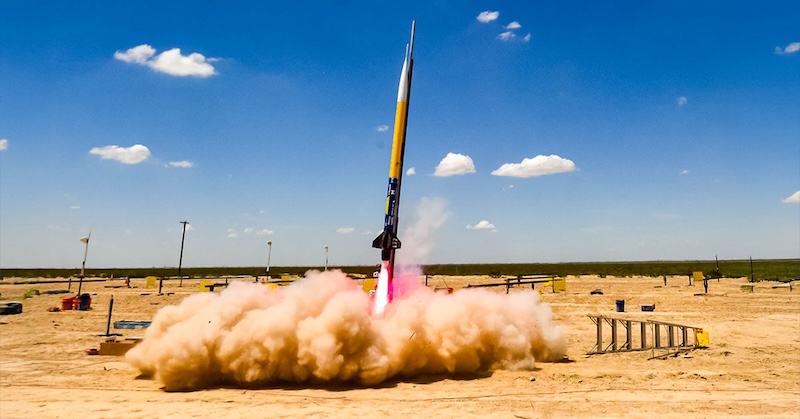
More than 2,000 students to compete in world’s largest rocket engineering competition
ProtoSpace Mfg, a leader in rapid manufacturing for sectors including aerospace and defense, has confirmed its role as the lead sponsor for the upcoming International Rocket Engineering Competition (IREC) 2026. This prestigious event is scheduled to take place from June 15 to June 20 at the Midland International Air & Space Port in Midland, Texas. Organized by the Experimental Sounding Rocket Association (ESRA), IREC is recognized globally as a premier platform for engineering innovation and competition among aspiring rocket engineers. ProtoSpace Mfg's sponsorship underscores its commitment to advancing aerospace technology and supporting educational initiatives in the field.
Engineering News Space aerospace careers aerospace engineering aerospace industry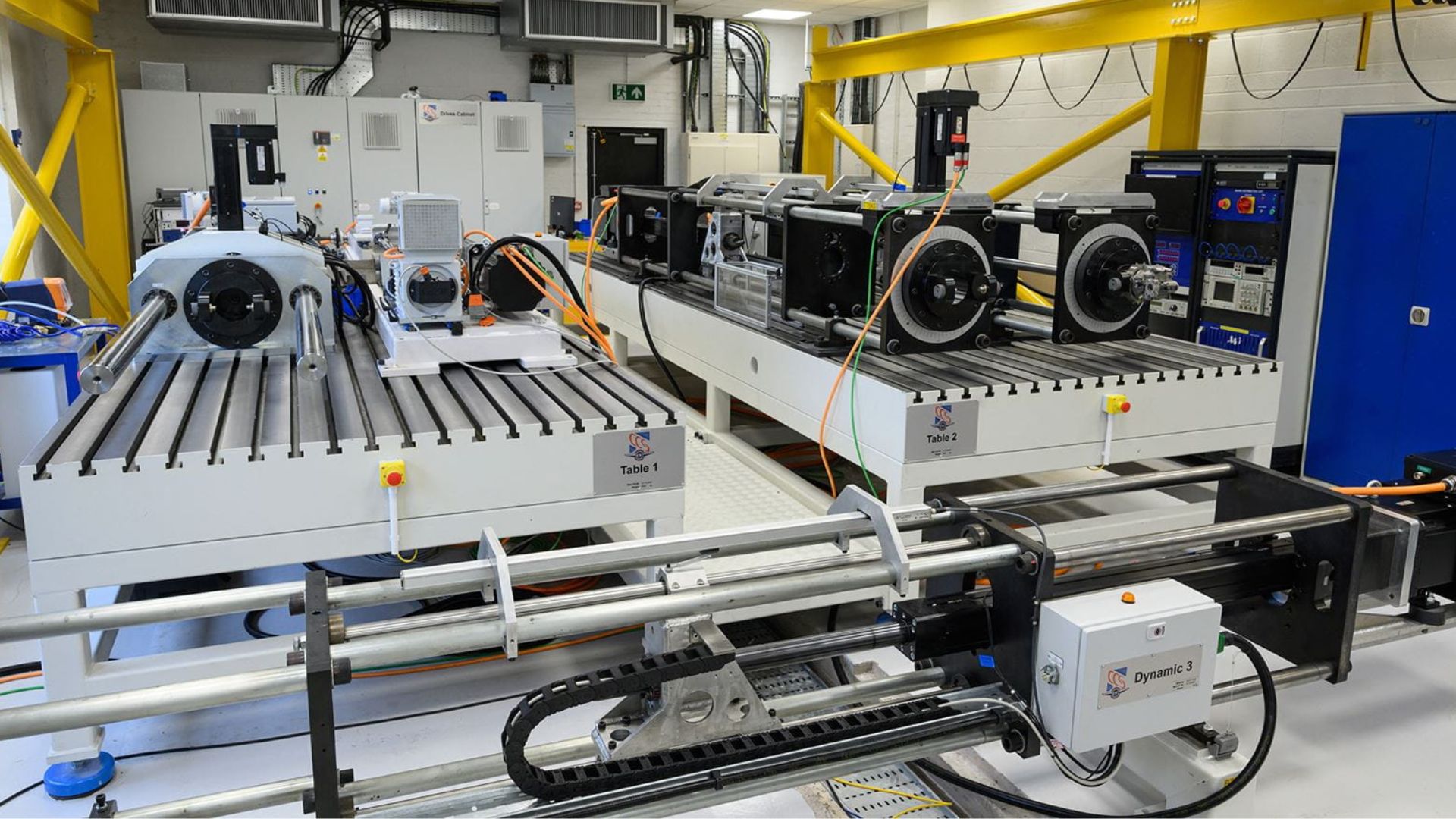
Collins Aerospace Launches U.K. Hub for Electric Thrust Reverser Development
Collins Aerospace has inaugurated a new engineering hub in Wolverhampton, U.K., aimed at accelerating the development of electric thrust reverser systems for next-gen aircraft. The Engineering Center of Excellence is now operational and features a modular test environment designed to simulate real-world conditions for evaluating aircraft components and systems, enhancing the design scalability for future applications. This initiative is significant as the aerospace industry shifts towards electric alternatives to hydraulic systems, which can reduce weight by 15% to 20% in nacelle actuation. The elecTRAS technology, which eliminates hydraulic interfaces, is expected to improve fuel efficiency and operational performance while simplifying maintenance. This aligns with the long-term electrification strategies of original equipment manufacturers (OEMs). Looking ahead, Collins Aerospace aims to streamline development by consolidating its elecTRAS systems engineering and nacelle actuation design teams at the new facility. The company’s technology is already in service on the Airbus A350 family, having logged over 15 million flight hours by 2025. No further timeline was disclosed at the time of publication.
Transportation
Europe’s most important industrial lubrication conference celebrates its 10th anniversary in Bilbao
The Euskalduna Convention Centre in Bilbao is set to host the 10th anniversary of LUBMAT, Europe’s premier conference on industrial lubricants, this Wednesday and Thursday. The event will bring together 200 professionals from Europe, Asia, and America, highlighting its significance as a leading international biennial gathering focused on lubricants, tribology, and production equipment monitoring. This milestone edition aims to foster collaboration and knowledge sharing among industry experts, reflecting the growing importance of innovation and sustainability in the lubricants sector.
Events advanced lubricants advanced manufacturing aerospace engineering AI in maintenance asset management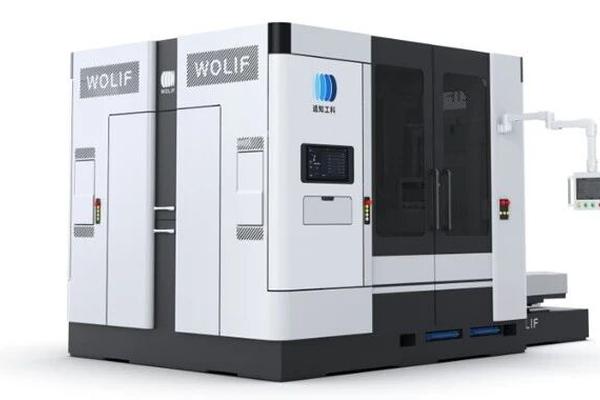
Zhuizhi Engineering Technology Secures Seed Funding for Industrial AI Development
Zhuizhi Engineering Technology Co., Ltd. has successfully completed a seed funding round, raising several million yuan from investors including L2F Light Source Entrepreneur Fund, Shangrong Capital, and Yicun Capital. The funding will primarily support core product development, team building, and market expansion. Founded in February 2024, Zhuizhi focuses on industrial intelligent agents, aiming to enhance automation and intelligence in complex manufacturing processes. The company, which is affiliated with Shanghai Jiao Tong University and the Shanghai Artificial Intelligence Research Institute, seeks to address challenges such as flexible production and skilled labor shortages in the manufacturing sector. The company has introduced the WOLIF Industrial Agentic Robot, which utilizes a proprietary industrial brain for real-time closed-loop control, distinguishing itself from traditional automation methods. Zhuizhi has already secured its first commercial contract with a publicly listed company and received significant orders in the aerospace manufacturing sector, indicating a promising trajectory for its innovative AI solutions.
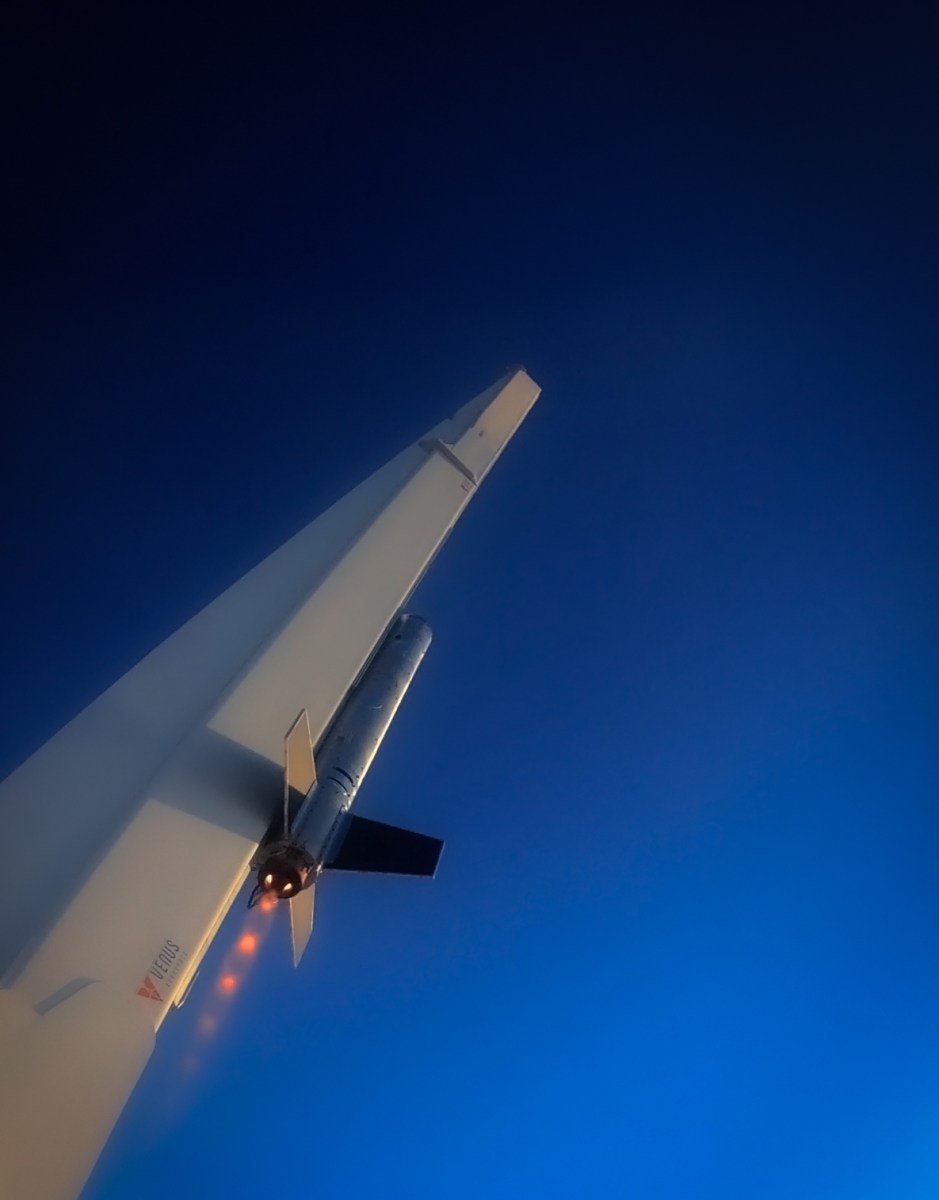
Venus Aerospace raises $90M Series B to build a new kind of rocket engine
A groundbreaking development in rocket technology is poised to attract significant attention from the aerospace industry. Engineers and scientists are collaborating to design an innovative rocket engine that promises to enhance efficiency and reduce costs in space travel. This initiative is gaining momentum as the demand for advanced propulsion systems increases, driven by both commercial space ventures and governmental space exploration programs. The project is currently underway, with prototypes expected to be tested in early 2024 at a facility in California known for its aerospace advancements. The motivation behind this initiative stems from the need for sustainable and reliable space travel solutions, as traditional rocket engines face limitations in performance and environmental impact. By leveraging cutting-edge materials and advanced engineering techniques, the team aims to create a rocket engine that not only meets the rigorous demands of space missions but also paves the way for future innovations in the field. As the project progresses, it is anticipated that the new engine design will attract interest from various stakeholders, including private space companies and government agencies, eager to capitalize on its potential benefits. This pioneering effort reflects a broader trend in the aerospace sector, where the push for more efficient and environmentally friendly technologies is reshaping the landscape of space exploration. As the world watches closely, the successful development of this new rocket engine could mark a significant milestone in the quest for sustainable space travel.
Fundraising Space Mercury Fund rockets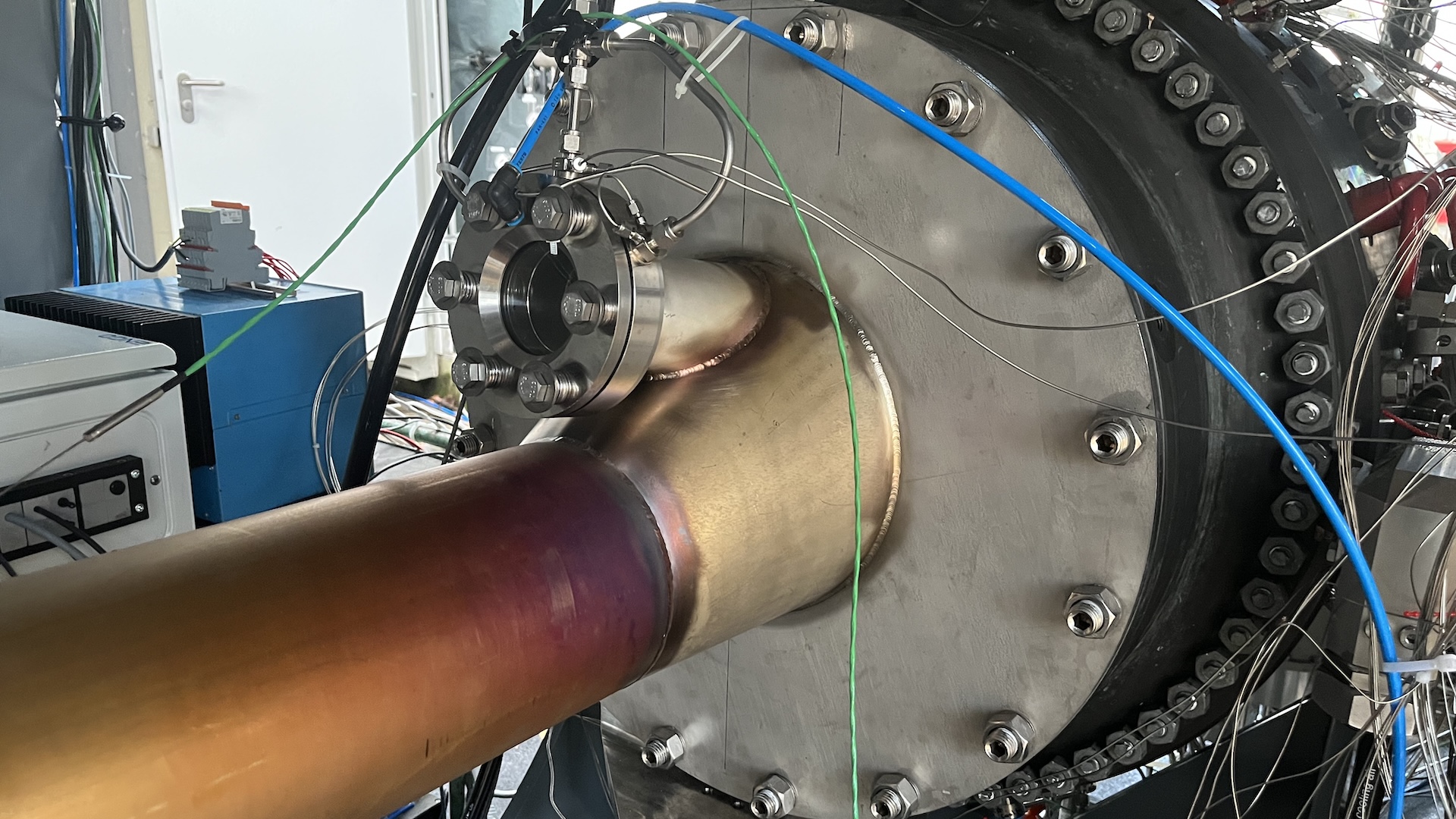
In a first, hydrogen engine restart for high-altitude conditions tested by GE Aerospace
GE Aerospace and its subsidiary Avio Aero have announced the successful completion of their first engine restart test, marking a significant milestone in their ongoing development efforts. This test took place recently at their facility in Italy, demonstrating the companies' commitment to advancing aerospace technology. The restart test is crucial as it aims to enhance engine performance and reliability, which are essential for meeting the growing demands of the aviation industry. By employing innovative techniques and rigorous testing protocols, GE Aerospace and Avio Aero are positioning themselves to lead in the competitive aerospace market. This achievement not only showcases their engineering capabilities but also underscores their dedication to ensuring safer and more efficient flight operations in the future.
Innovation
10x tougher bio-inspired ceramics survive 1,112°F temps for aerospace and beyond
French engineers have made a significant advancement in materials science by developing a ceramic composite that boasts a toughness approximately ten times greater than that of standard ceramics. This breakthrough, achieved through innovative engineering techniques, was unveiled in October 2023. The new composite is expected to have a wide range of applications, particularly in industries requiring durable materials, such as aerospace and automotive manufacturing. The motivation behind this development stems from the need for stronger, more resilient materials that can withstand extreme conditions and stresses. The engineers utilized advanced processing methods to enhance the structural integrity of the ceramic, leading to its remarkable toughness. This innovation not only promises to improve product performance but also aims to reduce the frequency of material failures in critical applications.

Laminar-Flow Drone From Otto Aerospace Clears Flight-Test Campaign for DARPA
Otto Aerospace, a Fort Worth-based aeronautics company, has successfully completed a flight-test campaign for its unmanned laminar-flow drone, validating its low-drag airframe. This significant milestone was announced on May 6, 2026, from the White Sands Missile Range, following tests conducted at Spaceport America in New Mexico. The campaign is part of the Defense Advanced Research Projects Agency's (DARPA) Energy Web Aircraft program, aimed at enhancing the efficiency and performance of aerial vehicles. The successful validation of the drone's design marks a crucial step in advancing innovative aeronautics technology.
Defense defense Drone News Drone News Feeds News safety and security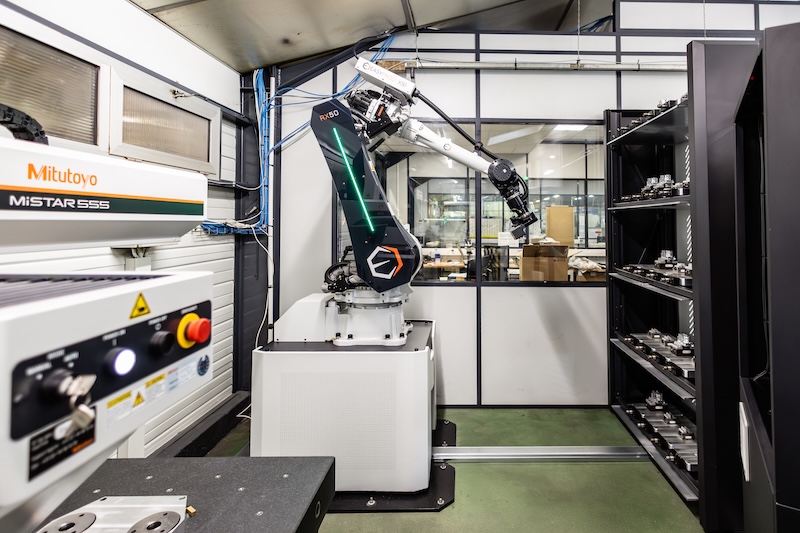
Méca-Précis utilizes robotic measurement cell to eliminate inspection bottlenecks
French precision engineering firm Méca-Précis has implemented an automated part inspection system to enhance efficiency in its operations. The new robotic measurement cell integrates a coordinate measuring machine (CMM) from Mitutoyo with automation technology developed by Engineering Data. This advancement comes in response to growing production volumes, which had turned traditional inspection processes into a bottleneck, particularly for clients in the aerospace and space sectors that demand high precision and reliability. The automation aims to streamline the inspection workflow, ensuring that quality control keeps pace with increased manufacturing demands.
Engineering Robotics advanced manufacturing aerospace components aerospace manufacturing automated inspection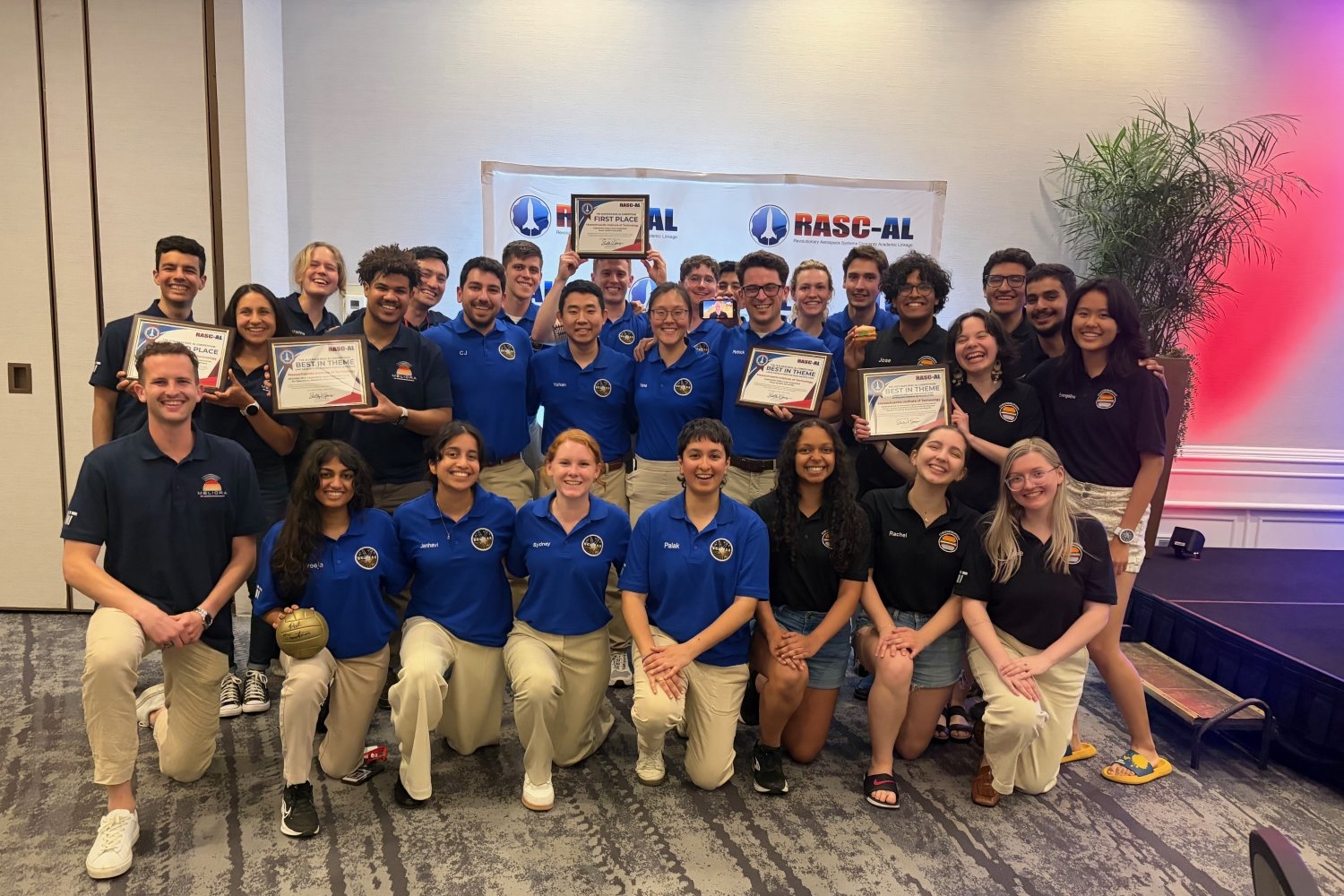
MIT student teams win top honors in NASA competition
Three teams from the Massachusetts Institute of Technology (MIT) achieved remarkable success in the 2026 NASA RASC-AL Competition, securing five prestigious awards for their innovative designs aimed at supporting lunar bases and future Mars missions. This competition, which focuses on developing critical technologies for space exploration, highlights the importance of advanced engineering and creative problem-solving in addressing the challenges of extraterrestrial habitats. The event took place recently, showcasing the efforts of students and faculty who are dedicated to pushing the boundaries of space science and exploration. The recognition of these teams underscores MIT's commitment to fostering cutting-edge research and development in aerospace technology, paving the way for future missions that could expand human presence beyond Earth.
School of Engineering MIT Sloan School of Management Aeronautical and astronautical engineering EAPS Electrical engineering and computer science (EECS) Nuclear science and engineering
Unastella, a South Korean rocket startup that launched from home, raises $24M
A Seoul-based rocket startup is making strides in the aerospace industry by developing its own launch vehicles and engines. This initiative aims to enhance South Korea's capabilities in space exploration and satellite deployment. The company is leveraging advanced technology and innovative engineering practices to create reliable and efficient rocket systems. As the demand for satellite launches continues to grow, the startup seeks to position itself as a key player in the competitive space market. With plans to conduct test flights in the near future, the company is focused on achieving successful launches that could pave the way for commercial opportunities and partnerships in the global space sector.
Space south korea launch vehicle Unastella Hanwha aerospace
MIT Develops GIFT Framework to Enhance CAD Design Accuracy Using AI Failures
Researchers from MIT, IBM, and Red Hat have introduced the Geometric Inference Feedback Tuning (GIFT) framework, which enhances AI's ability to convert 2D images into functional CAD programs. This innovation significantly improves design accuracy while reducing inference computation by approximately 80%. The GIFT framework addresses the challenge of limited high-quality CAD training data by utilizing the AI's own mistakes as a learning tool. The importance of this development lies in its potential to streamline the CAD design process, which is often hindered by the need for extensive datasets linking images to CAD programs. By focusing on 'near-misses'—outputs that are close to correct—the GIFT framework provides valuable insights into the AI's understanding, ultimately leading to better training examples and more reliable designs. Looking ahead, the GIFT framework's dual techniques, including GIFT-REJECT, promise to further refine AI-generated CAD outputs. As the research progresses, the effectiveness of GIFT in real-world applications will be closely monitored, particularly in industries reliant on precise CAD designs, such as aerospace and automotive engineering. No further timeline was disclosed at the time of publication.
AI and Robotics
Re:Build Manufacturing Launches US-Made Lithium-Ion Battery Packs for UAVs
Re:Build Manufacturing has initiated direct commercial sales of its new lithium-ion battery packs designed for unmanned aerial vehicles (UAVs). This product line includes the Core, Power, and Performance series, which cater to various energy configuration needs. The launch is part of a broader manufacturing expansion at the company's Pennsylvania facility, aimed at producing Group 1, Group 2, and Group 3 unmanned aircraft systems (UAS). The introduction of these battery packs is significant as it addresses supply chain vulnerabilities in domestic aerospace hardware. UAV developers, particularly in dual-use, public safety, and military sectors, face stringent procurement regulations regarding component origins. Re:Build's assembly protocol utilizes non-FEOC battery cells to ensure compliance with National Defense Authorization Act (NDAA) procurement frameworks, thus enhancing the reliability of UAV operations. Looking ahead, Re:Build Manufacturing is set to provide dedicated engineering support for custom energy storage solutions, including Battery Management System (BMS) development. The company's advanced manufacturing facility in New Kensington, spanning 175,000 square feet, is designed to facilitate the transition from UAV prototyping to mass production, addressing common scaling challenges in the industry. No further timeline was disclosed at the time of publication.
Military
World’s largest cargo aircraft moves ahead with advanced flight control integration
Radia has announced the expansion of its engineering team dedicated to the development of the WindRunner cargo aircraft. This initiative, which involves collaboration with several aerospace companies, aims to enhance the aircraft's design and performance capabilities. The decision comes as part of Radia's strategy to strengthen its position in the competitive aerospace market. The expansion is expected to accelerate the project timeline, allowing for more efficient development processes. By leveraging the expertise of established aerospace firms, Radia seeks to innovate and improve the functionality of the WindRunner, which is designed to meet the growing demands of cargo transportation. This strategic move underscores Radia's commitment to advancing aerospace technology and responding to industry needs.
Innovation
Shape-shifting ‘Floaty’ drone uses updrafts for hovering with 90% less power use
A groundbreaking drone technology has emerged, designed to operate without the gravitational constraints faced by traditional multirotor drones. This innovative drone utilizes advanced engineering principles to achieve flight efficiency and stability, potentially revolutionizing aerial applications. Developed by a team of aerospace engineers, the drone aims to address limitations in current drone designs, such as battery life and maneuverability. Set to be unveiled at an upcoming aerospace technology conference in November 2023, the drone showcases a unique propulsion system that allows it to hover and navigate with unprecedented ease. The motivation behind this development stems from the increasing demand for more versatile and efficient drones in various sectors, including delivery services, surveillance, and environmental monitoring. By leveraging cutting-edge materials and design techniques, the engineers have created a prototype that promises to extend flight duration and enhance operational capabilities. As the industry anticipates its debut, experts are eager to explore the implications of this technology on future drone applications and its potential to reshape the landscape of aerial transport.
AI and Robotics
Dan Ives Predicts a Tesla-SpaceX Megamerger. Here’s What Investors Need to Know.
Wedbush analyst Dan Ives has predicted an 80% likelihood of a merger between SpaceX and Tesla within the next year, following SpaceX's recent IPO, which raised $75 billion and achieved a valuation of $1.7 trillion. If the merger occurs, it would unite Elon Musk's two publicly traded companies, creating a combined entity valued at approximately $3.6 trillion, positioning it as the fourth-largest company globally, behind Nvidia, Alphabet, and Apple. Ives suggests that the merger aligns with Musk's broader strategy, particularly in artificial intelligence, as both companies could leverage shared resources and expertise. SpaceX, known for its reusable rockets and Starlink satellite internet service, has seen its stock soar, closing at $169.36 on its first trading day, while Tesla, valued at $1.5 trillion, continues to innovate in electric vehicles and robotics. However, the merger poses challenges due to the differing markets of the two companies. Tesla is focused on the competitive electric vehicle sector, where investors closely monitor performance metrics, while SpaceX primarily operates as a government contractor in the aerospace industry. Despite these hurdles, the potential for collaboration in AI and engineering could make the merger appealing to investors.

ABB Robotics and PSYONIC Use Human-Generated Data to Advance Robotic Dexterity
ABB Robotics has partnered with California-based bionics company PSYONIC to enhance robotic dexterity and grasping capabilities by utilizing human-generated data from prosthetic use. Announced on June 16, 2026, this collaboration aims to address the significant challenge of replicating human-like dexterity in industrial robotics, which is essential for the development of Autonomous Versatile Robotics (AVR™). By integrating the PSYONIC Ability Hand with ABB's GoFa™ collaborative robot, the two companies will explore how real-world manipulation data can train robots to perform delicate tasks that are typically difficult to automate. This initiative is expected to reduce engineering time by up to 30% and improve productivity, flexibility, and workplace safety across various industries, including automotive, aerospace, packaging, logistics, and life sciences. Marc Segura, President of ABB Robotics, emphasized the importance of bridging the gap between human and robotic dexterity to enable robots to learn and interact with their environments more intuitively. Dr. Aadeel Akhtar, Founder and CEO of PSYONIC, highlighted that the collaboration will leverage high-fidelity data on movement and grip force to enhance robotic performance in complex tasks. The GoFa™ robot will provide the precision necessary for industrial applications, ensuring consistent execution of intricate movements, which is crucial for handling fragile or irregular objects. This partnership represents a significant step towards advancing physical AI in robotics, allowing for more effective collaboration between humans and machines.

Deep learning co-design helps scientists project 28-layer 3D images without crosstalk
Engineering researchers at the University of California, Los Angeles (UCLA) have unveiled a groundbreaking three-dimensional printing technology that significantly enhances the production of complex structures. This innovative method, introduced in October 2023, aims to revolutionize various industries by allowing for the rapid and precise fabrication of intricate designs that were previously difficult or impossible to achieve. The researchers' motivation stems from the growing demand for more efficient manufacturing processes that can produce high-quality components while minimizing waste and time. By leveraging advanced materials and techniques, the team has demonstrated that their new approach can streamline production workflows and reduce costs, making it an attractive option for sectors such as aerospace, automotive, and biomedical engineering. This development not only showcases the potential of 3D printing technology but also emphasizes UCLA's commitment to leading research in engineering and technology. The researchers plan to further refine their technique and explore its applications across various fields, aiming to set new standards in manufacturing efficiency and innovation.
Science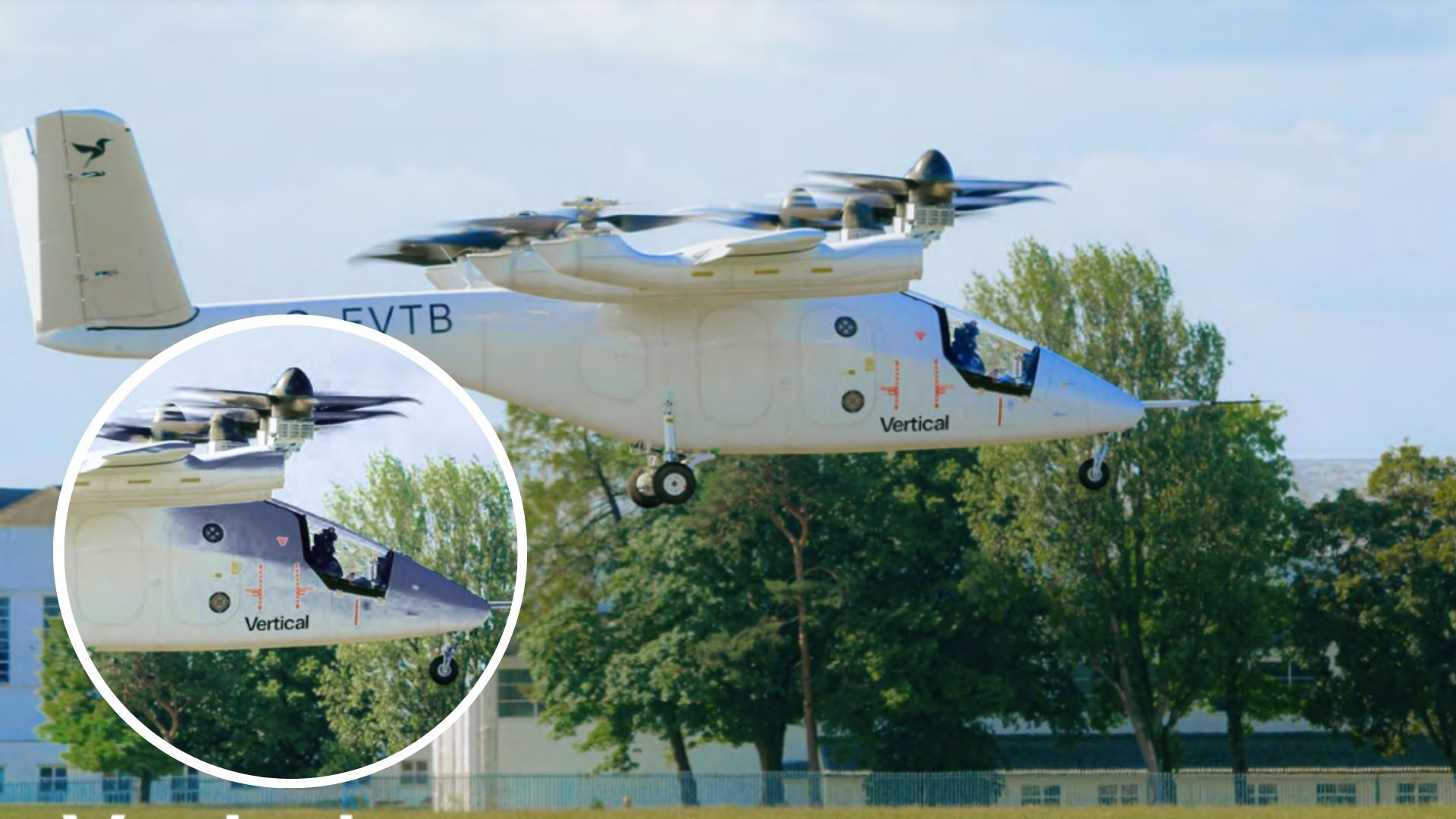
New plane prototype conducts maiden piloted flight, can transform hybrid-electric aircraft future
An aerospace and technology company has successfully completed the maiden piloted flight of its full-scale prototype, marking a significant milestone in its development efforts. The flight took place recently at the company's testing facility, showcasing advancements in aerospace technology and design. This achievement is part of the company's broader mission to innovate and enhance capabilities in the aerospace sector, driven by the growing demand for advanced aircraft solutions. The prototype's successful flight demonstrates the effectiveness of the engineering and design processes employed, paving the way for future developments and potential commercial applications. The company aims to leverage this success to attract investment and partnerships, furthering its goals in the competitive aerospace market.
Transportation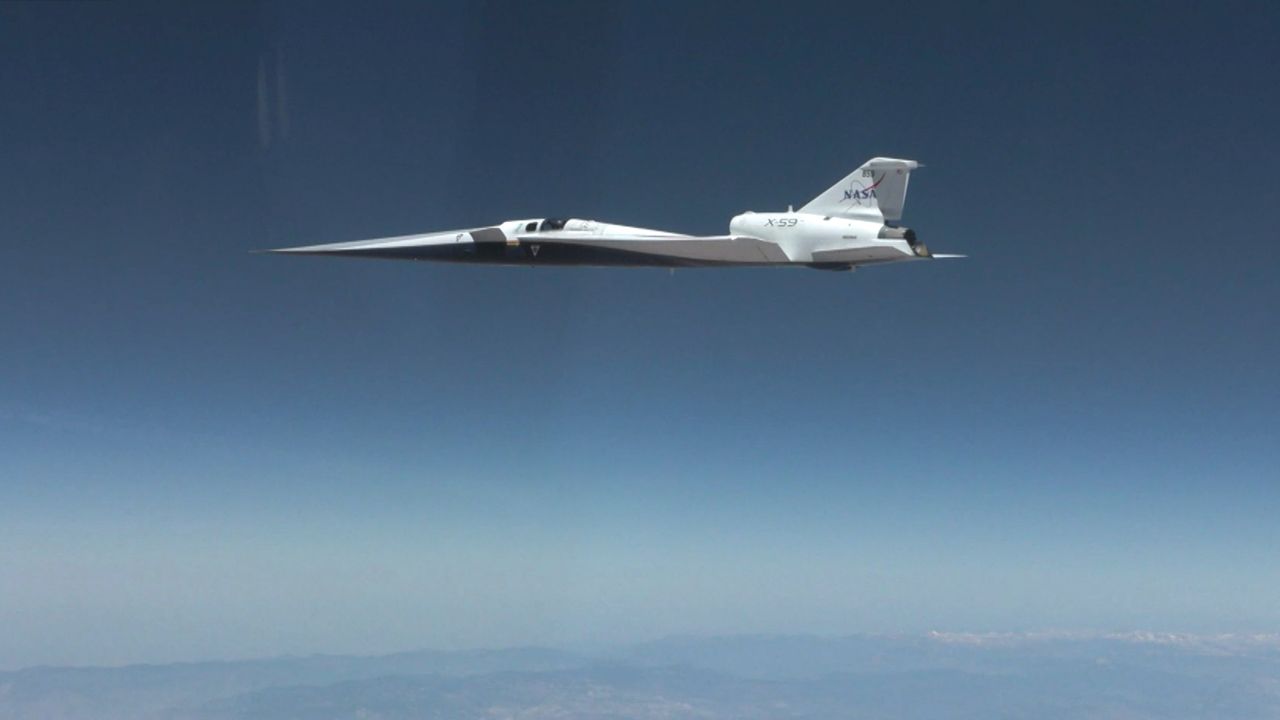
Going supersonic! NASA's X-59 jet breaks sound barrier for the 1st time
NASA's X-59 jet successfully broke the sound barrier for the first time on June 5, achieving a top speed of approximately Mach 1.1. This milestone marks a significant advancement in aerospace technology, as the X-59 is designed to explore the potential for quiet supersonic travel. The flight took place during a test mission aimed at gathering data on the aircraft's performance and the impact of supersonic flight on communities below. By developing the X-59, NASA aims to pave the way for future commercial supersonic flights that minimize noise pollution, addressing a major concern that has historically limited supersonic travel. The successful test flight demonstrates the effectiveness of the innovative design and engineering efforts behind the X-59 project.
Aerospace Technology
GE propulsion selected for US Navy’s next-generation ocean surveillance vessels
GE Aerospace has announced a significant contract to supply propulsion systems for the U.S. Navy's next-generation aircraft. This order, which underscores the company's commitment to advancing military aviation technology, was finalized recently and marks a pivotal step in enhancing the Navy's operational capabilities. The propulsion systems are expected to improve performance and efficiency for the upcoming fleet of aircraft, contributing to national defense objectives. GE Aerospace will leverage its advanced engineering and manufacturing expertise to fulfill this contract, ensuring timely delivery and adherence to the Navy's stringent requirements. This partnership highlights the ongoing collaboration between the defense sector and aerospace manufacturers, aimed at modernizing military assets and maintaining technological superiority.

Elmo Motion Control Talks About Their Newest Servos
The Titanium platform has been unveiled as a cutting-edge solution that integrates multi-axis control, high computing power, and robust functional safety features, all designed to fit within a remarkably compact size. This innovative technology aims to enhance operational efficiency and safety in various applications, making it a significant advancement in the field. The platform's development reflects the growing demand for sophisticated yet space-efficient systems in industries such as robotics, automation, and aerospace. By leveraging advanced engineering techniques, the Titanium platform promises to deliver superior performance while addressing the challenges of modern technological requirements.
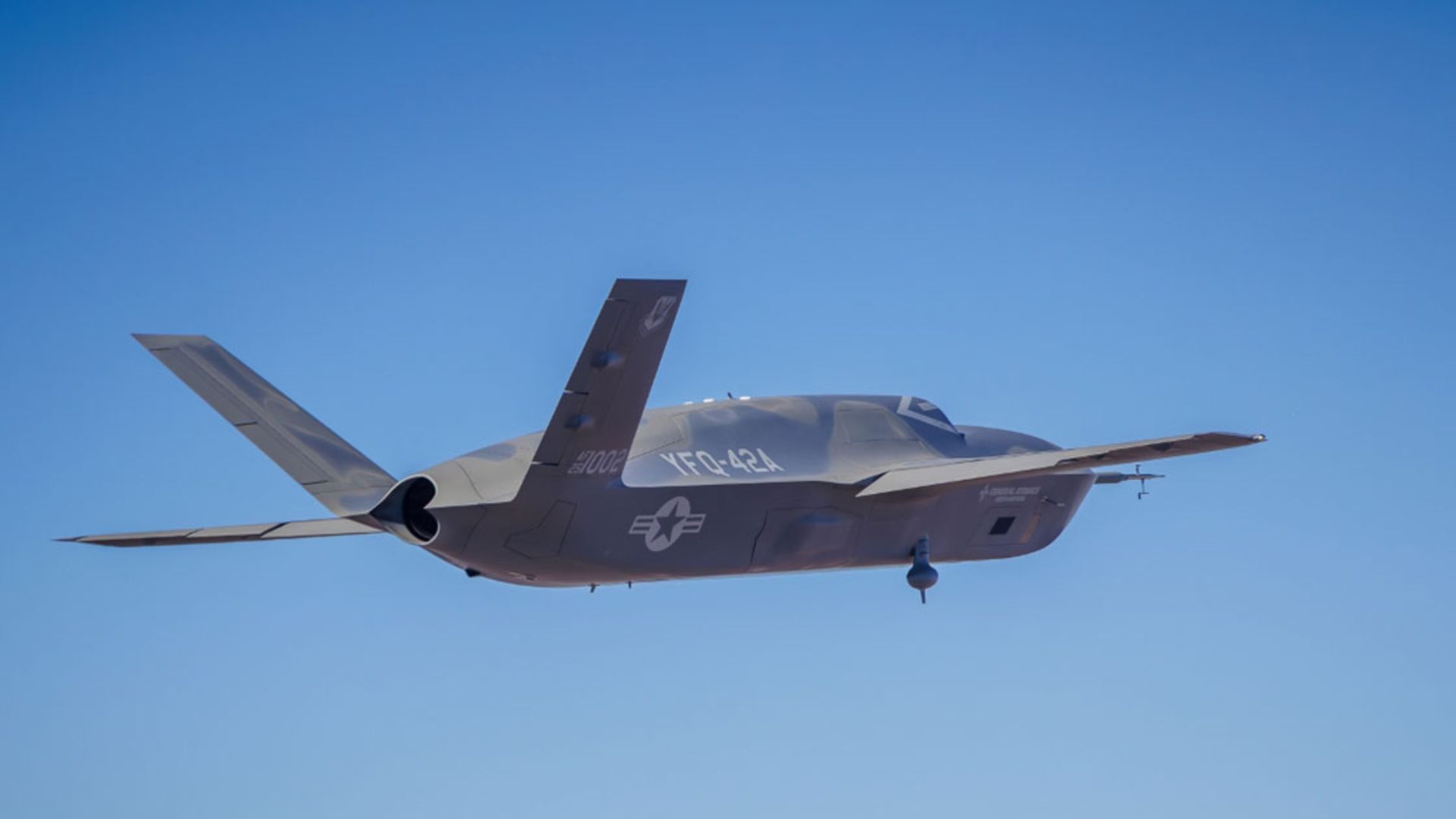
US Air Force’s next-gen combat drones to get GE426 engines for enhanced performance
GE Aerospace has been awarded a significant contract by the U.S. Air Force to advance the development of its cutting-edge aerospace technologies. This contract, announced recently, underscores the military's commitment to enhancing its capabilities through innovative engineering solutions. The partnership aims to improve the performance and reliability of various aerospace systems, which are crucial for national defense. GE Aerospace plans to leverage its expertise in advanced manufacturing and engineering to meet the specific needs outlined by the Air Force. This collaboration is expected to play a vital role in ensuring that the U.S. military maintains its technological edge in an increasingly competitive global landscape.

Factorial Energy and Tulip Tech Achieve 30% Flight Range Increase with Solid-State Batteries
Factorial Energy, based in Boston, and Tulip Tech from the Netherlands have transitioned from flight testing to the commercialization of lithium-metal UAV battery packs. Announced on July 13, 2026, their strategic partnership aims to expedite the deployment of solid-state and lithium-metal batteries for advanced drones, with initial tests showing over a 30% increase in flight range without engineering optimizations. This collaboration is significant as it addresses the growing demand for high-endurance UAVs across commercial, industrial, and defense sectors, with the global UAV market projected to exceed $160 billion by 2034. Factorial emphasizes that energy storage is a critical bottleneck affecting mission radius, payload, and fleet economics, making their advancements crucial for future drone capabilities. Looking ahead, the partnership establishes a framework for joint customer engagement and a roadmap for volume production. No further timeline was disclosed at the time of publication, but the companies are moving swiftly from testing to commercialization, indicating a strong potential for future developments in UAV battery technology.
battery technology Drone News Drone News Feeds drone parts News $160 billion UAV market
Why Are Custom Harness Solutions Essential for Next Generation Technology?
In the realm of hardware development, a recurring issue has emerged where wiring is often considered an afterthought. Engineers invest significant time and resources into creating advanced electric powertrains and high-density sensor arrays, ensuring that the mechanical and software components are meticulously designed. However, a common oversight occurs when the physical connections fail to fit within the designated space, leading to potential setbacks in the project timeline. This problem is particularly pronounced when relying on off-the-shelf components that may not be compatible with innovative designs. As the industry continues to evolve, addressing these wiring challenges is crucial for the successful integration of new technologies.
Engineering Technology aerospace Cable assembly Cable management Custom harness solutions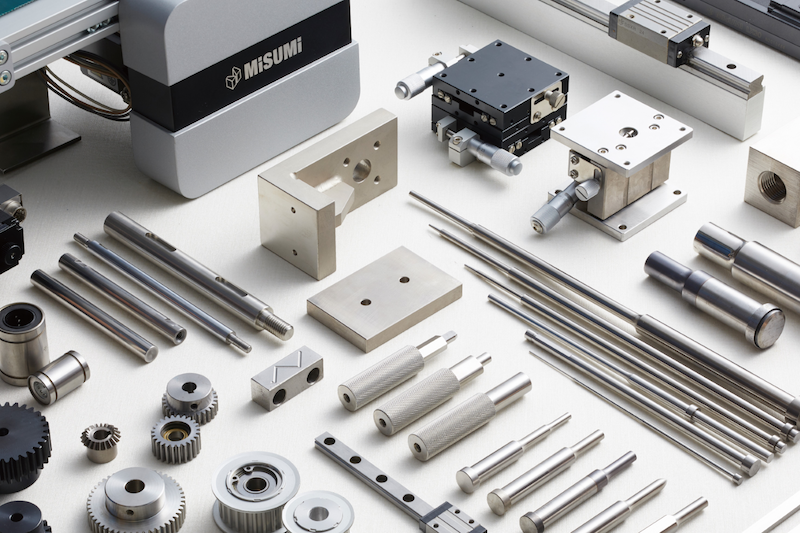
Misumi launches Misumi Americas as part of $1 billion global manufacturing investment
Japanese industrial components supplier Misumi Group has officially launched Misumi Americas, marking a significant step in its expansion strategy. The company has unveiled a $1 billion (¥150 billion) global investment program designed to enhance its digital manufacturing and supply chain capabilities. This initiative integrates Misumi’s existing industrial components business with an AI-powered manufacturing platform acquired from Fictiv, thereby broadening the company's operational scope. The investment aims to strengthen Misumi's position in the competitive manufacturing landscape by leveraging advanced technology to streamline processes and improve efficiency.
Components News additive manufacturing aerospace manufacturing ai manufacturing automation news
Why Optical Metrology is Replacing Tactile Measurement for Complex Component Validation Source
Manufacturers are experiencing a significant transformation in the validation of complex components as optical metrology increasingly complements and, in some cases, surpasses traditional tactile measurement methods. This shift is driven by practical advantages, including the elimination of surface deformation risks associated with contact measurements, significantly enhanced measurement speeds, and the ability to capture a greater volume of usable surface data. As industries seek more efficient and accurate validation processes, optical metrology is becoming an essential tool in manufacturing, marking a pivotal change in how quality assurance is approached.
Components Engineering 3d scanning additive manufacturing advanced manufacturing aerospace manufacturing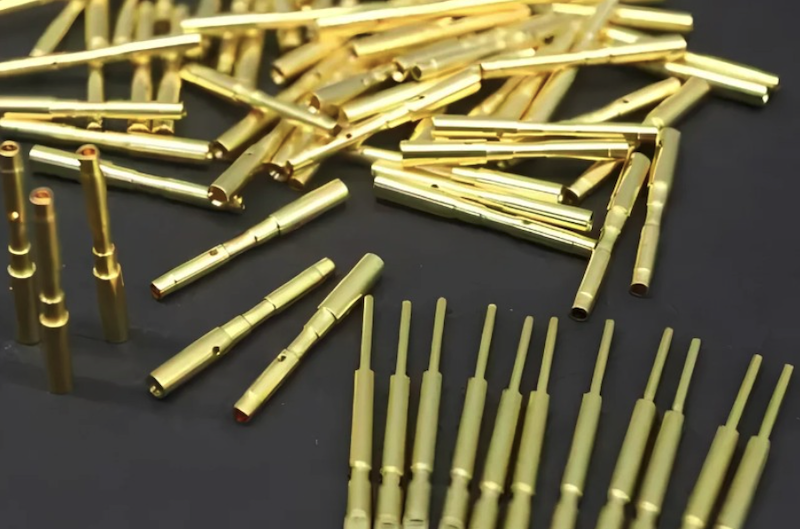
Connector Pin Processing: End-Face Finish and Burr Control
Recent investigations have revealed that high-precision connector pins are experiencing failures in the field, attributed to issues that standard diameter checks cannot detect. The problems primarily stem from the parting-off face, where burrs initially form and surface roughness values (Ra) can exceed specifications. These defects are exacerbated by inadequate deburring technology, leading to increased rates of product returns that often go unreported. The findings highlight the need for improved quality control measures and better manufacturing practices to prevent these failures and enhance product reliability.
Design Engineering aerospace connectors automation news automation technology burr controlRobotics needs a service framework.
RSF defines a common language for robot service capability, lifecycle operations, certification pathways, and service-provider networks.