Industry Briefing
A single destination for timely, editor-curated robotics news from around the world.

Vision Aerial Begins Production of Vulcan Drones Ahead of Mobix Labs Acquisition
Vision Aerial has commenced production of its new Vulcan drone family, including the Vulcan SX and the pre-order launch of the Vulcan YX. This move follows the announcement of its acquisition by Mobix Labs, which aims to enhance its portfolio with American-made autonomous aerial systems. The production of the Vulcan drones is significant as it reflects Vision Aerial's commitment to meeting the demands of commercial and government sectors, including infrastructure inspection and public safety. The company anticipates a revenue increase of approximately 46% in 2026 and 93% in 2027, contingent on various market factors. As the acquisition by Mobix Labs approaches, Vision Aerial is poised to leverage its established relationships with clients like the US Navy and L3Harris. The successful integration of Vision Aerial's manufacturing capabilities into Mobix's strategy could enhance the development of secure drone platforms, particularly as demand for US-made products rises.
News
SwissDrones Expands Long-Range Drone Inspection Platform for US Critical Infrastructure
SwissDrones Operating AG and its subsidiary Xplorate Pacific announced on August 7 their expansion of a long-range drone inspection platform into the United States. This initiative aims to support energy, utility, and transportation operators in managing critical infrastructure such as pipelines and powerlines across extensive areas. The significance of this expansion lies in addressing the limitations of small drones, which often lack the necessary range and payload capacity for inspecting long-linear assets. The integrated platform combines SwissDrones’ turbine-powered uncrewed helicopters with Xplorate’s expertise in beyond-visual-line-of-sight (BVLOS) operations, enhancing operational capabilities for industrial customers. Looking ahead, the companies plan to introduce US programs under Federal Aviation Administration approvals as regulations evolve toward more routine BVLOS operations. No further timeline was disclosed at the time of publication.
Innovation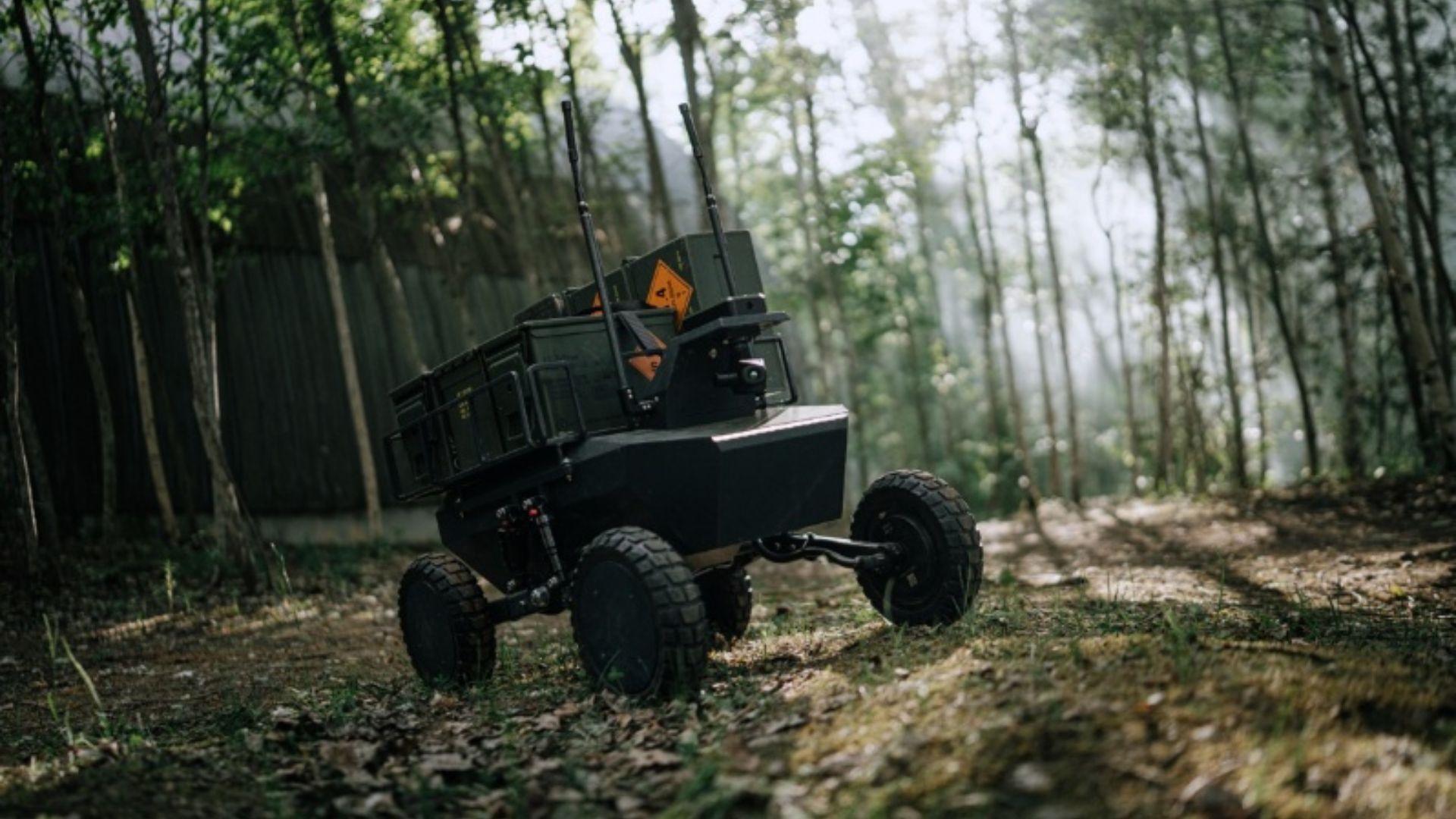
XTEND Expands Robotics Portfolio with AtlasROVER Ground Robot Deployment
Israeli physical AI firm XTEND has launched its AtlasROVER ground robot, marking its first delivery to a customer in the Asia-Pacific region. This deployment integrates XTEND’s XOS operating software, which is designed to unify control across various robotic platforms, including aerial and ground systems. The introduction of the AtlasROVER signifies XTEND's strategic shift to create a cohesive software ecosystem for robots operating in diverse environments. By utilizing XOS, XTEND aims to streamline operator workflows and enhance mission-specific capabilities across its robotic offerings, thereby improving operational efficiency. Looking ahead, XTEND's focus will be on further integrating XOS into its ground robotics portfolio, following the acquisition of Latvia-based Atlas. This move is expected to enhance XTEND's engineering and manufacturing capabilities in Europe, while also expanding the operational roles of its robotic systems. No further timeline was disclosed at the time of publication.
AI and Robotics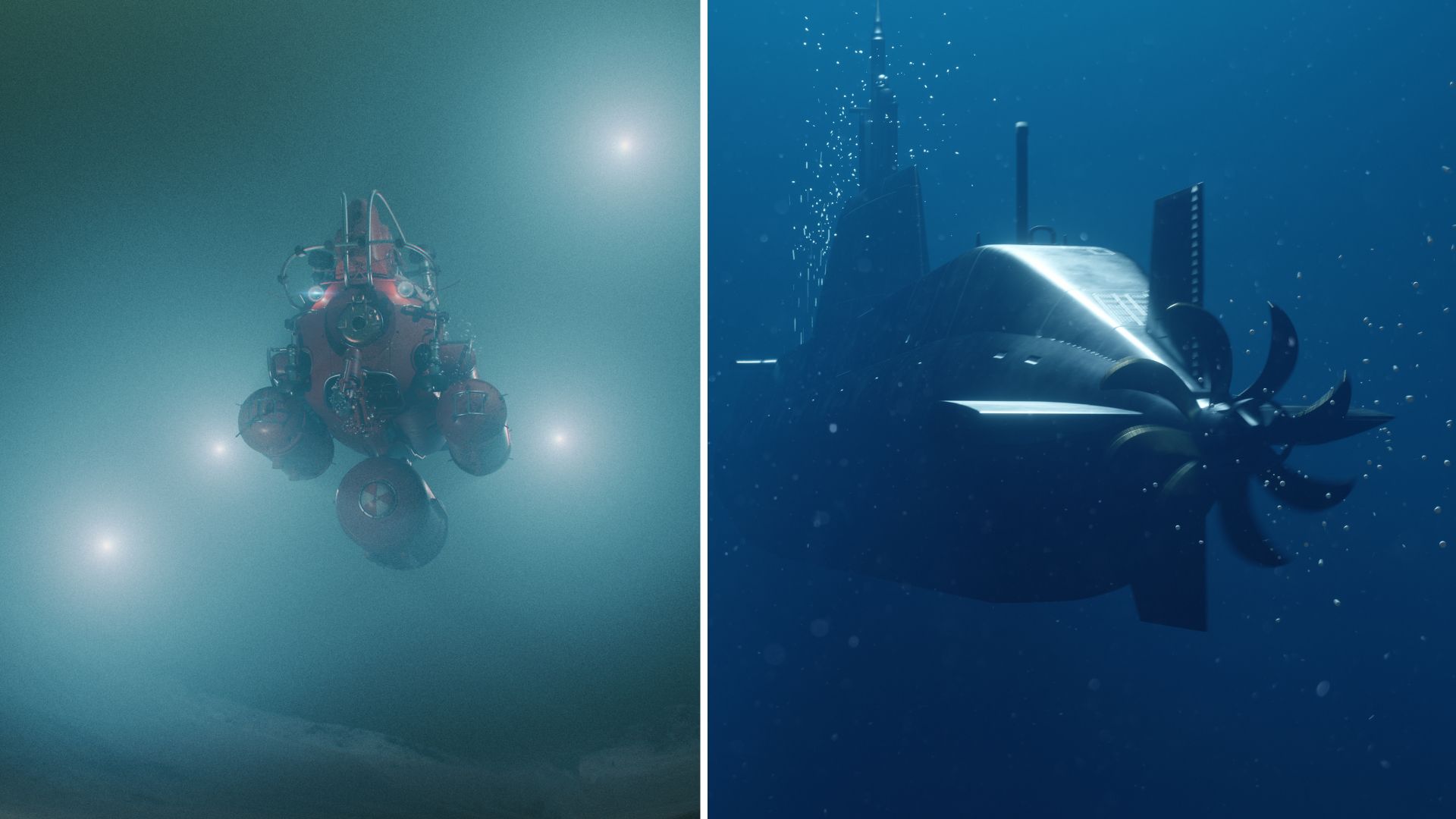
China Explores Autonomous Defense Systems for Contested Islands in South China Sea
A recent report indicates that China is investigating a maritime defense model utilizing autonomous drones to protect contested islands in the South China Sea. Researchers from the China Coast Guard Academy and Dalian Maritime University propose a network of aerial, surface, and underwater drones, which would create a multi-layered defense system, enhancing surveillance and response capabilities. This shift from traditional defense methods to a system reliant on uncrewed platforms reflects the evolving nature of naval warfare. The economic advantages of deploying inexpensive drones to monitor maritime environments are significant, as they can challenge larger military assets. The interconnected architecture aims to maintain operational capability even if some drones are compromised, emphasizing redundancy in defense strategies. As the South China Sea remains a focal point of territorial disputes among several nations, China's initiative to integrate autonomous systems into its defense strategy could further complicate regional security dynamics. However, it is crucial to note that this concept is still a research proposal and does not confirm the operational deployment of such systems at this time.
Military
The Shahed-136: A Key Player in Modern Aerial Warfare Discussions
The Shahed-136 has emerged as a prominent symbol in contemporary military conflicts, particularly noted for its role in Ukraine. This Iranian-designed loitering munition, characterized by its delta-wing shape and buzzing engine, has sparked global conversations about aerial warfare and air defense strategies. Its significance lies in its cost-effectiveness and operational simplicity, allowing for mass production and deployment. Unlike traditional drones, the Shahed-136 is a one-way attack UAV designed to strike targets and self-destruct, which presents a cost-exchange dilemma for defenders who must use expensive interceptors against these relatively inexpensive munitions. As the Shahed-136 gains traction in military operations, particularly in the U.S. conflict with Iran, its use alongside other long-range weapons complicates air-defense strategies. The ongoing production and deployment of the Shahed-136, also known as the Geran-2 in Russia, highlights a shift towards integrating loitering munitions into modern warfare tactics. No further timeline was disclosed at the time of publication.
Military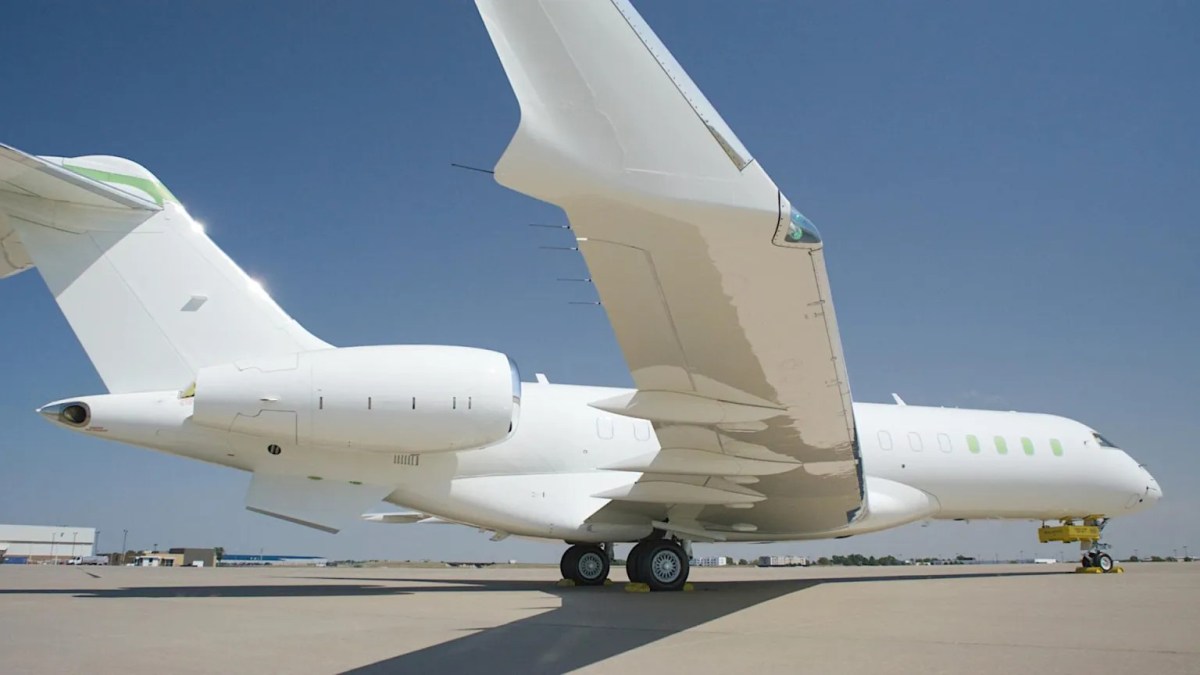
U.S. Army to Establish HADES Aircraft and Drone Battalion at Fort Hood
The U.S. Army has announced that its future fleet of ME-11B High Accuracy Detection and Exploitation System (HADES) aircraft will be stationed at Fort Hood, Texas. This initiative includes the formation of a unique operational drone battalion, aimed at consolidating aerial intelligence, surveillance, and reconnaissance (ISR) assets following the retirement of turboprop ISR planes last year. This development is significant as it marks a pivotal step in modernizing the Army's global aerial ISR capabilities. The relocation of the 116th Military Intelligence Brigade from Fort Gordon to Fort Hood is part of this strategy, enhancing the Army's ability to conduct multi-domain and large-scale combat operations. The ME-11B jets, converted from Bombardier Global 6500 business jets, are expected to improve operational efficiency with higher speed, altitude, and advanced sensor capabilities. Looking ahead, the Army anticipates the delivery of the first ME-11B prototype by the end of the year, with plans to acquire at least six production models. The HADES system is designed to extend the Army's intelligence-gathering reach significantly, utilizing long-range drones to enhance operational effectiveness while minimizing exposure to threats. No further timeline was disclosed at the time of publication.
Air Armies Drones Land Manned ISR News & FeaturesRobotics needs a service framework.
RSF defines a common language for robot service capability, lifecycle operations, certification pathways, and service-provider networks.
Join the RobotToday community on LinkedIn
Daily robotics news, in-depth analysis, conference highlights, and discussions with professionals worldwide.