Industry Briefing
A single destination for timely, editor-curated robotics news from around the world.

Robotics Then And Now: 2000 To 2026 By The Numbers
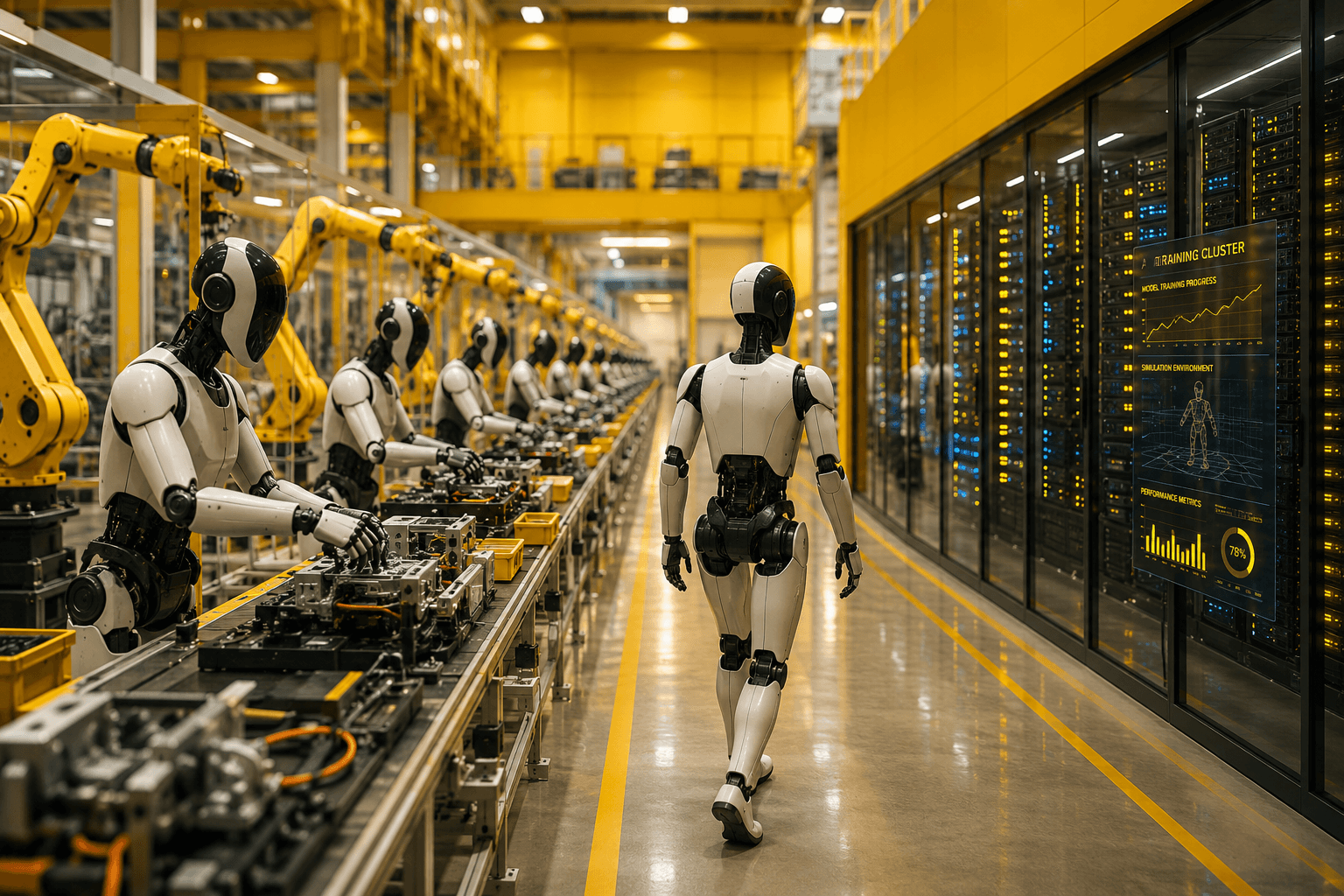
The landscape of robotics has dramatically evolved over the past two decades, transforming from simple, stationary arms used in manufacturing to advanced machines capable of navigating environments, assisting in surgeries, and even driving passengers. In 2000, robots were limited to repetitive tasks within confined spaces, but by 2024, the industry is projected to see approximately 4.66 million industrial robots in operation, with an additional 575,000 expected to be installed in 2025. This growth includes the rise of collaborative robots, surgical systems, robotaxis, and humanoid robots, reflecting a significant shift in commercial applications. The ROBO index, which tracks the performance of the robotics sector, comprises 76 constituents, with major players like FANUC and Yaskawa among its largest holdings. This evolution in robotics is driven by advancements in technology, enabling machines to perform complex tasks alongside humans, thereby reshaping industries and enhancing productivity.
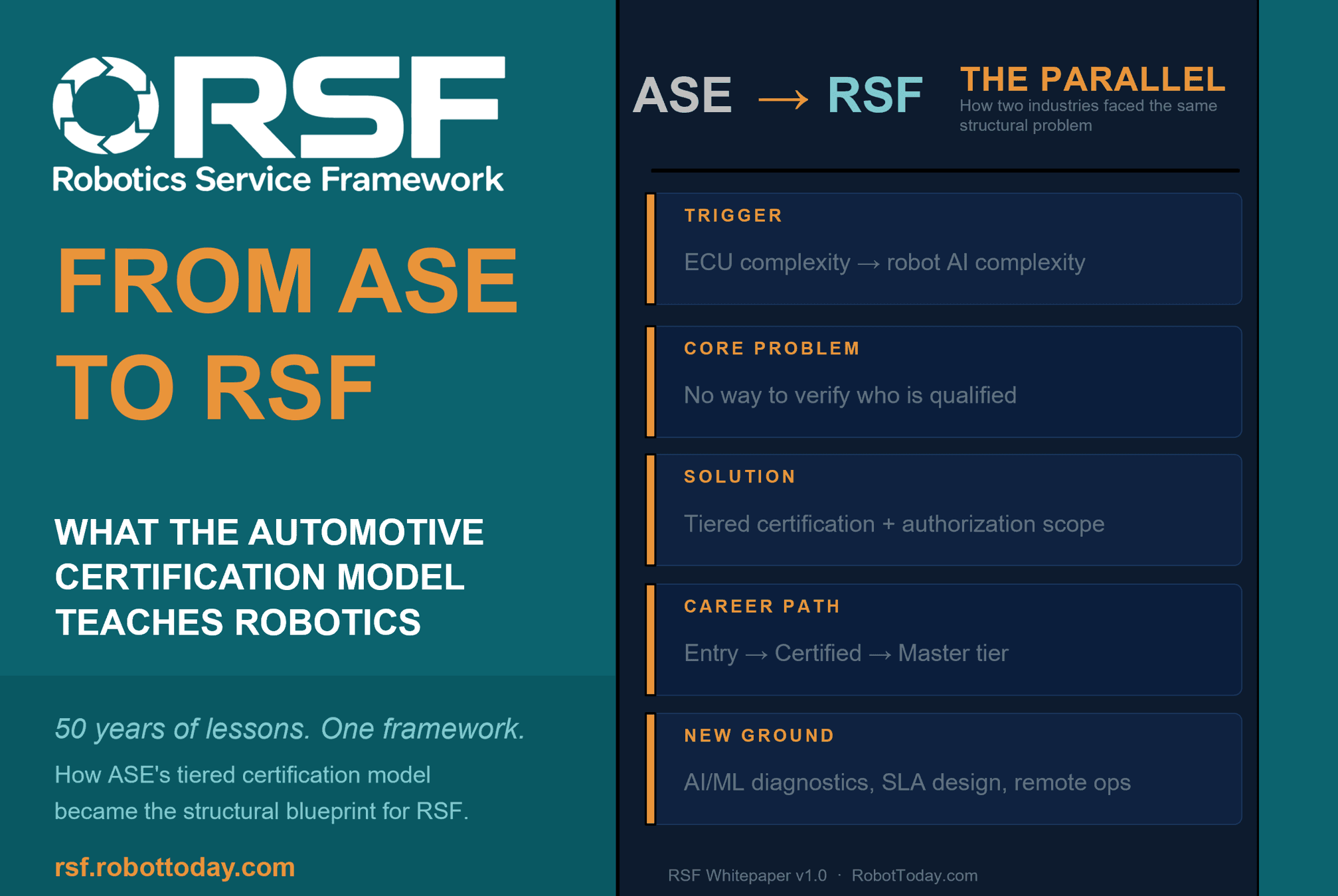
TER ISRG FANUY YASKY CGNX AMZNRobotics needs a service framework.
RSF defines a common language for robot service capability, lifecycle operations, certification pathways, and service-provider networks.