Industry Briefing
A single destination for timely, editor-curated robotics news from around the world.

Microsoft Announces Update to Windows Code Signing Infrastructure Ahead of 2026 Changes
On August 20, 2026, Microsoft announced plans to update its Windows code signing infrastructure due to the expiration of the current certification authority on October 19, 2026. This transition will begin in the coming weeks, with a phased enhancement of code signing expected to continue through 2027, including a shift to post-quantum cryptography standards. This update is significant as it addresses potential compatibility issues that may arise from fixed certificates and cryptographic methods in applications. Microsoft has urged IT departments to verify the reliability of signatures using standard Windows APIs and to avoid relying on specific certification authorities or certificate details. Looking ahead, IT administrators are encouraged to ensure that their software sources utilize standard APIs and have plans for post-quantum cryptography compliance. No further timeline was disclosed at the time of publication.

Microsoft Warns of Potential Mouse Cursor Issues in Windows 11 August Preview Update
On August 27, Microsoft announced that the August preview update (KB5120998) for Windows 11 versions 24H2 and 25H2 may cause mouse cursor settings to change unexpectedly. Users might experience automatic resets of cursor appearance and animation settings, particularly when using high DPI settings. This issue is significant as it could disrupt user experience and productivity, especially for those relying on customized cursor settings. Microsoft is currently investigating the cause and has encouraged users to report any occurrences through the Feedback Hub. In addition to the cursor issue, other problems have been reported, including notifications of Microsoft Defender Antivirus being disabled despite being active. Microsoft plans to address these issues in future updates, with no further timeline disclosed at the time of publication.

Microsoft's Office Branding Strategy During Early Windows PC Era Explained
Stephen Sinofsky, former head of Microsoft's Office division, discussed the company's branding strategy for Office products from 2000 onwards. He revealed that the rebranding occurred every 24 to 36 months to maintain consumer interest and drive sales, particularly in retail environments where software was primarily sold. This strategy was crucial as the market shifted from physical sales to volume licensing for businesses. The importance of this rebranding approach lies in its adaptation to changing market dynamics. Sinofsky noted that prior to 2000, retail sales dominated, but as the landscape evolved, the focus shifted towards ensuring that corporate clients felt the need to upgrade their software. This was essential for maintaining sales momentum and ensuring that existing products did not become perceived as outdated. Looking ahead, the implications of this branding strategy may influence how Microsoft continues to market its Office products in the future, especially as the demand for new features and updates evolves. No further timeline was disclosed at the time of publication.

Microsoft's Silent Increase in Windows OEM License Fees Amid Rising PC Prices
On June 29, Microsoft announced its financial results for Q4 of fiscal year 2026, reporting a revenue of $90 billion, an 18% increase year-over-year. This quarter also saw a significant profit of $3.2 billion from its investment in Anthropic and a record-breaking $100 billion in Azure sales for the year. However, a notable topic is the rumored increase in Windows OEM license fees, which could rise by nearly 10%. The increase in OEM license fees comes as PC manufacturers face rising costs for key components like DRAM and NAND memory, leading to higher retail prices for PCs. Reports indicate that the average increase in Windows license fees has jumped to 7-10%, compared to previous years. Consequently, PC prices are expected to rise by an additional 5% in Q3 of 2026, further compounding the financial pressures on consumers and manufacturers alike. As Microsoft continues to enhance its AI and cloud services, the timing of this license fee increase raises questions about its impact on the PC market. The company’s strategy appears to be a response to the growing costs associated with hardware and software, but the extent to which consumers will notice this increase remains uncertain. No further timeline was disclosed at the time of publication.

Security Researcher Nightmare Eclipse Reveals Windows Zero-Day Bug ShieldBreak Amid Legal Threats
A security researcher known as Nightmare Eclipse has disclosed a new vulnerability in Windows, named ShieldBreak, which allows hackers to gain system-wide access to user devices. This revelation comes after Microsoft threatened legal action over previous disclosures of software flaws. The bug exploits a weakness in Windows Defender, enabling permission escalation from a low-level user to full access. The significance of ShieldBreak lies in its potential impact, as it affects multiple Windows versions, including Windows 10, Windows 11, and Windows Server 2025. The researcher has published a proof-of-concept exploit, which requires users to run a specific app to exploit the vulnerability. This disclosure follows a history of tension between Nightmare Eclipse and Microsoft regarding the handling of bug reports, with the researcher alleging inadequate responses from the company. Looking ahead, the security community is closely monitoring Microsoft's response to ShieldBreak, especially since no patch has been released yet. The situation highlights ongoing concerns about the relationship between security researchers and software companies, particularly regarding the disclosure of vulnerabilities. No further timeline was disclosed at the time of publication.
Security cybersecurity Microsoft Windows zero-day
Microsoft Launches Early Preview of Windows Performance Analyzer MCP for App Performance Analysis
Microsoft has announced the early preview of the Windows Performance Analyzer MCP (WPA MCP), a tool that utilizes AI to analyze the causes of slow Windows applications. By integrating GitHub Copilot CLI into the existing Windows Performance Analyzer (WPA), users can now issue natural language prompts to investigate performance bottlenecks related to CPU, file processing, or network I/O. This innovative approach allows for a more intuitive analysis of performance issues, enabling users to identify specific bottlenecks such as CPU starvation, disk bottlenecks, and memory pressure. The WPA MCP aims to streamline the troubleshooting process by providing insights based on trace logs, helping users distinguish between system-wide issues and those isolated to individual applications or services. As Microsoft continues to refine this tool, industry professionals should monitor its development and potential impact on application performance diagnostics. No further timeline was disclosed at the time of publication.

Microsoft's Windows 11 Aims for Enhanced Performance with 8GB Memory by 2026
Microsoft has announced a commitment to improve Windows 11's quality, focusing on performance enhancements rather than new features. This initiative, highlighted in a recent blog post, aims to address user complaints regarding the taskbar, file explorer, and Windows Update. The updates are expected to be rolled out with the major '26H2' update in late 2026. The significance of this initiative lies in Microsoft's shift towards prioritizing user experience and system efficiency, particularly for devices with 8GB of memory. Improvements include better taskbar customization, reduced interruptions from Windows Update, and enhancements to file explorer reliability. These changes are part of a broader strategy to elevate the overall quality and performance of Windows 11. Looking ahead, users can anticipate the rollout of these enhancements alongside the '26H2' update, which is projected for late 2026. Microsoft is also focusing on memory efficiency improvements, aiming to optimize performance without relying heavily on hardware capabilities. No further timeline was disclosed at the time of publication.
Dell PCs with Windows 11 Versions 24H2 and 25H2 May Experience Performance Issues After June Update
A recent preview update for Windows 11 versions 24H2 and 25H2 has been found to potentially degrade performance on certain Dell Technologies PCs. Microsoft has initiated an out-of-band update to address these issues, which include reduced system performance and increased battery consumption. This situation is significant as it highlights compatibility challenges between specific Intel drivers and Windows 11 components, which can affect user experience. The out-of-band update, released on July 18, aims to resolve these performance concerns for affected devices, ensuring smoother operation for users. Looking ahead, users should monitor their systems for the application of the out-of-band update, which can be obtained through Windows Update. No further timeline was disclosed at the time of publication.
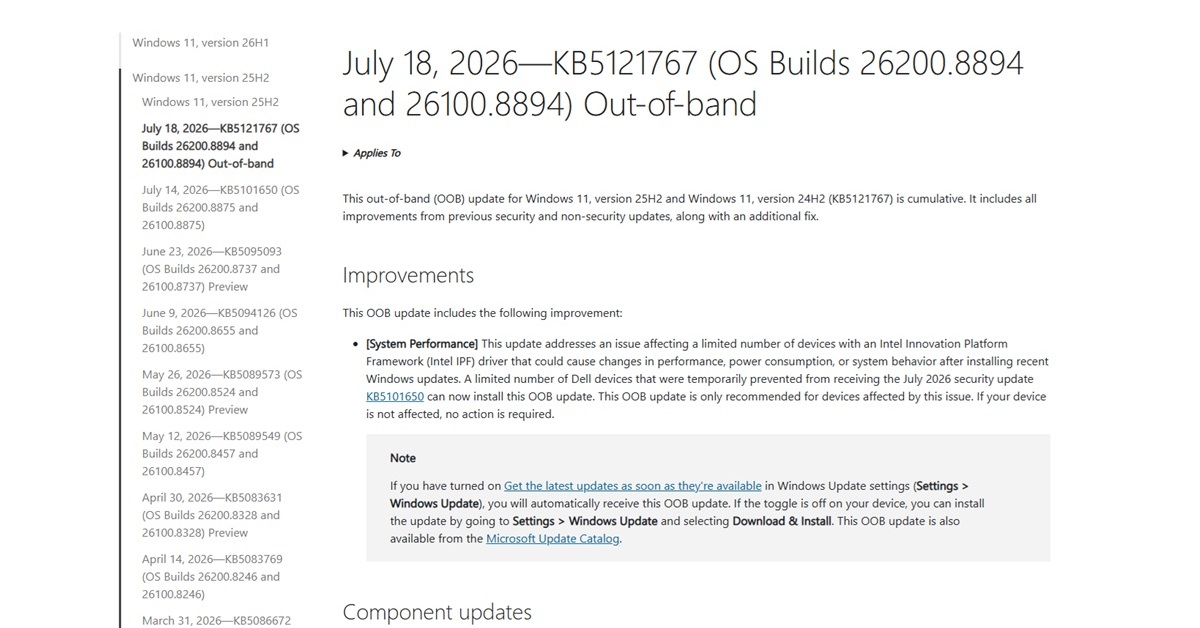
Microsoft Releases Urgent Patch KB5121767 for Dell PCs Running Windows 11
On July 18, 2026, Microsoft released an urgent update, KB5121767, for Windows 11 versions 25H2 and 24H2. This patch addresses performance issues and update restrictions affecting Dell PCs equipped with Intel Innovation Platform Framework (Intel IPF) drivers. The update aims to resolve problems that arose after the recent Windows Update, including performance degradation and changes in power consumption. The significance of this update lies in its ability to lift the temporary block on the distribution of the July 2026 security update, KB5101650, for certain Dell PCs. By applying KB5121767, users can not only fix operational issues but also install previously withheld security updates, ensuring their systems remain secure and functional. Looking ahead, users of affected Dell PCs should ensure that their Windows Update settings are configured to automatically receive updates. If not, they can manually install the patch through various methods, including the Microsoft Update Catalog. No further timeline was disclosed at the time of publication.
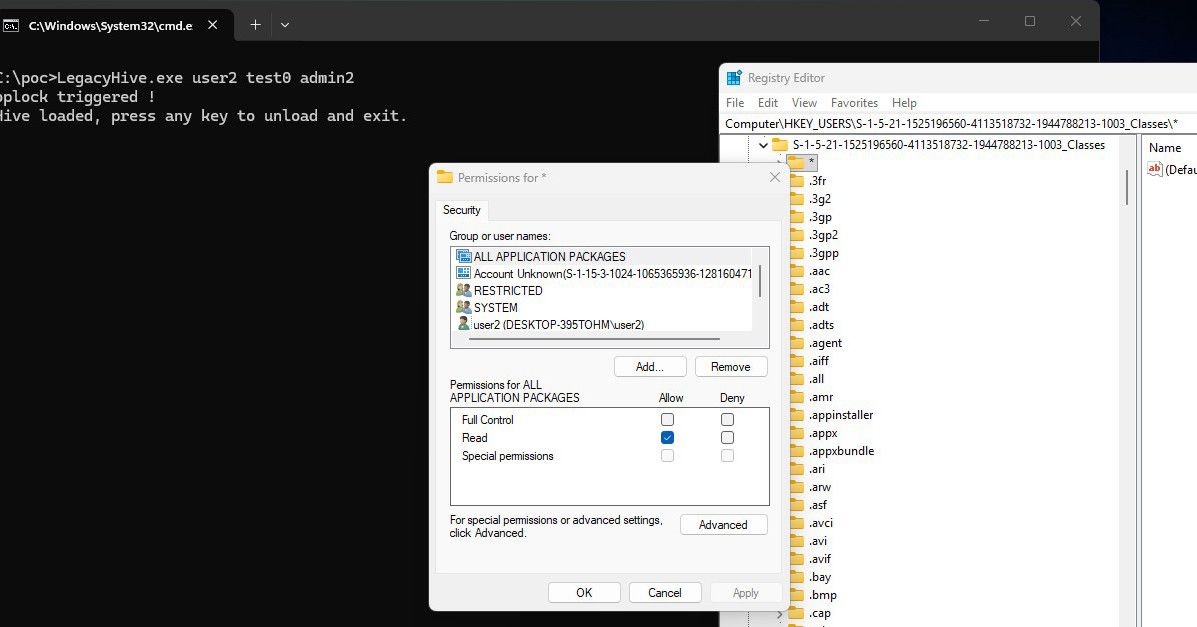
New Zero-Day Vulnerability 'LegacyHive' Reported in Windows Despite Latest Updates
On July 14, 2026, a new zero-day vulnerability named 'LegacyHive' was disclosed by Nightmare-Eclipse on GitHub. This vulnerability affects Windows systems even when the latest security updates have been applied, as it allows the mounting of a different user's registry hive during user profile read/write operations. The significance of the LegacyHive vulnerability lies in its potential to compromise user authentication credentials, leading to severe security risks, including complete system takeover. Currently, no CVE code has been assigned, and Microsoft has not provided any information regarding this issue. As the situation develops, it is crucial to monitor any updates from Microsoft regarding patches or mitigations for the LegacyHive vulnerability. No further timeline was disclosed at the time of publication.
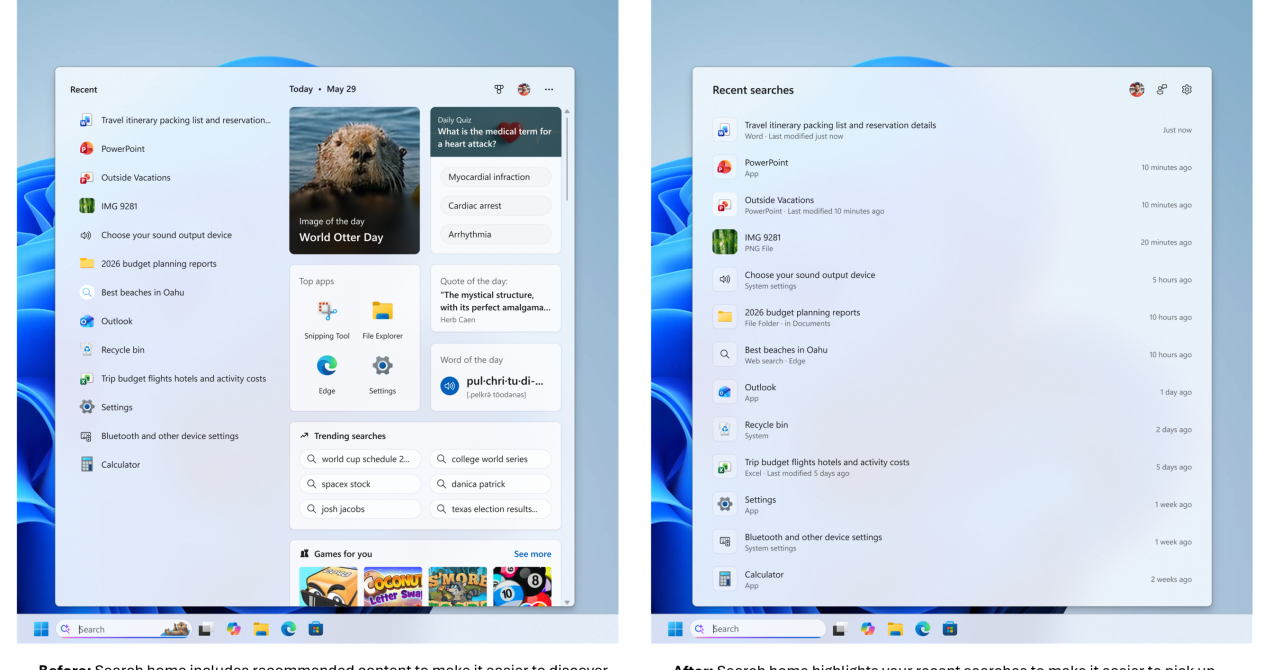
Microsoft Enhances Windows 11 Search Box by Prioritizing Local Results Over Web Promotions
On July 13, Microsoft announced multiple improvements to the search box in Windows 11, rolling out to Windows Insider Program participants. The company aims to provide faster, more relevant, and user-friendly search experiences based on user feedback, focusing on local results. The updated search interface simplifies the home screen by reducing visual noise and removing promotional content from web search results. Users will now see the most relevant answers first, making it easier to identify what will open before clicking. Additionally, users can choose to display web and Microsoft Store suggestions alongside local search results. Microsoft's enhancements also include improved handling of typos and partial words in app searches, ensuring that local content ranks higher than web suggestions when applicable. The company plans to continue refining these features based on user feedback, with no further timeline disclosed at the time of publication.
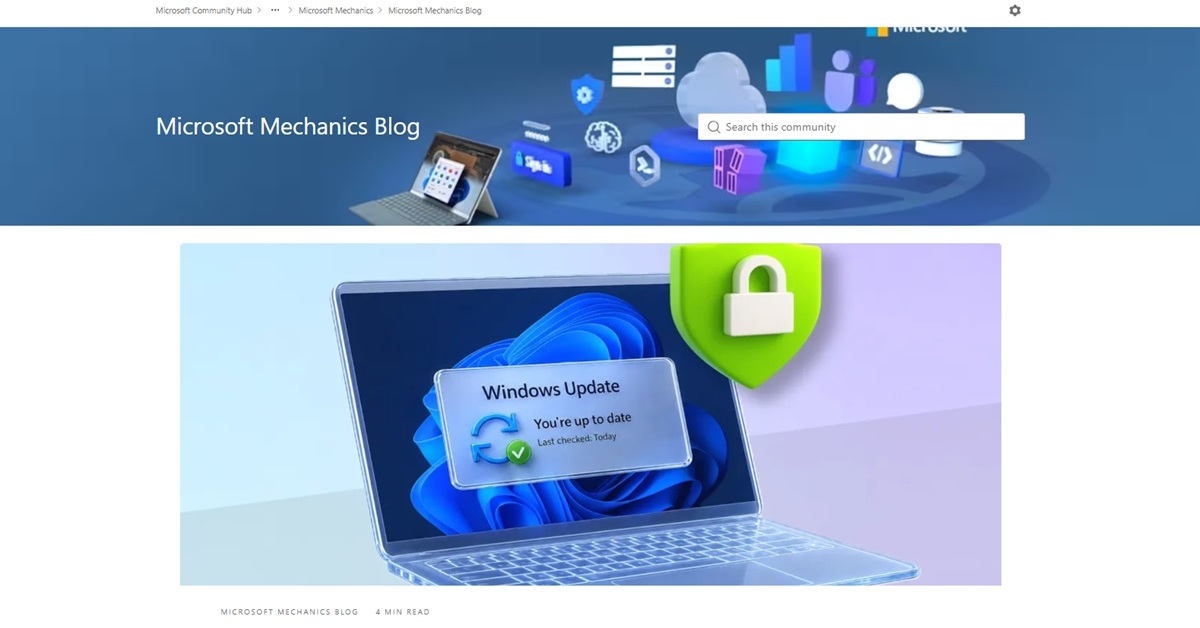
Microsoft Recommends Deploying Windows Updates Within Three Days to Combat AI-Driven Threats
Microsoft has updated its guidance for deploying Windows updates, recommending that organizations implement updates within three days of release. This change is in response to the rapid exploitation of software vulnerabilities, which can now be targeted within hours due to advancements in AI technology. The new policy aims to enhance security and reduce the risk of attacks during the delay in applying patches. The increase in vulnerabilities, with 206 reported in June 2026 alone, highlights the urgency for IT departments to adapt their update processes. Microsoft encourages organizations to rethink their security strategies and implement new policies that facilitate quicker deployment of patches to all devices, thereby minimizing exposure to potential threats. To assist IT departments in managing this transition without increasing workload, Microsoft has proposed three key steps: automating update policies, utilizing cloud management tools, and implementing conditional access for non-compliant devices. These measures are designed to streamline the update process while maintaining operational efficiency and security integrity. No further timeline was disclosed at the time of publication.
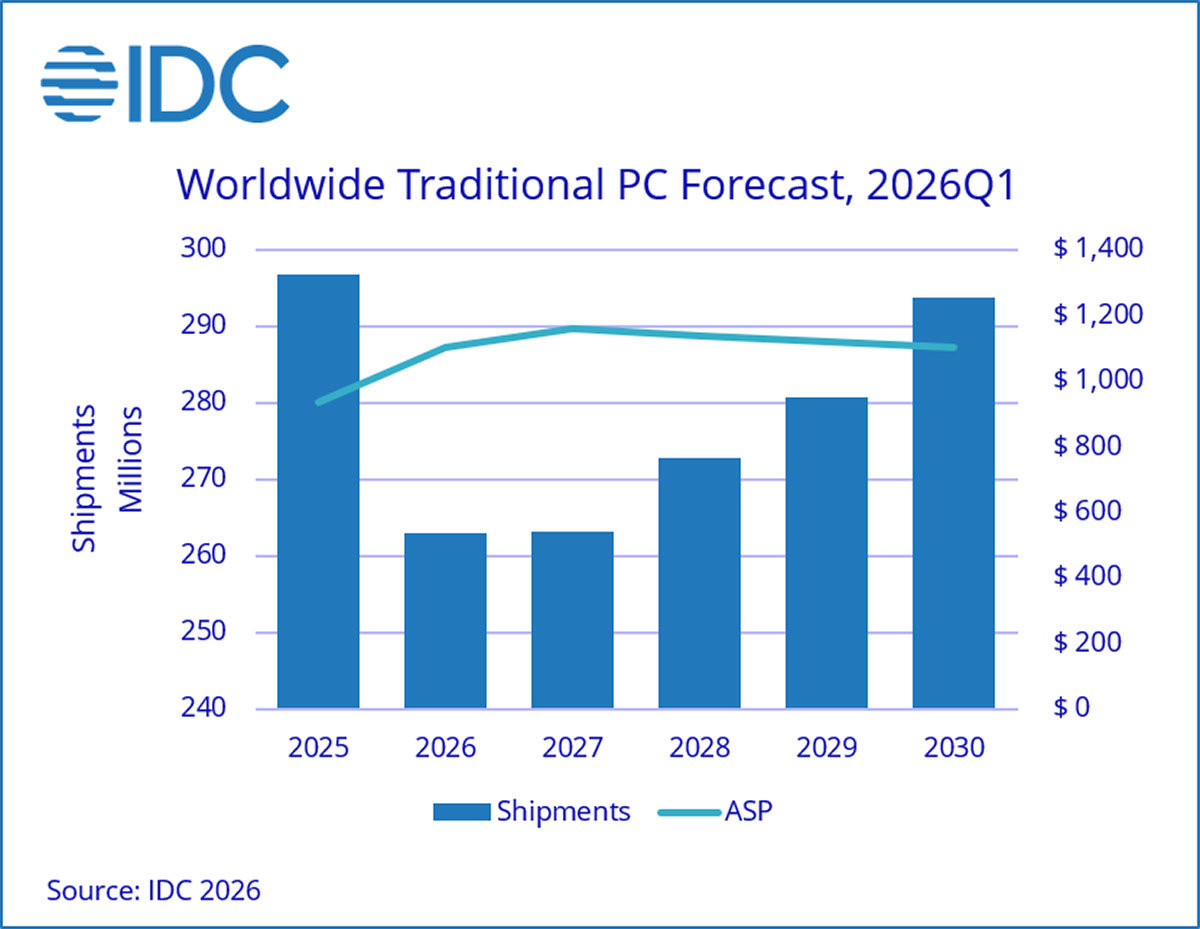
PC prices soar due to memory shortages: Behind the Windows 10 ESU extension and the reality of moving away from
Microsoft has announced an extension of the Extended Security Update (ESU) program for consumer versions of Windows 10, pushing the deadline to October 2027. This decision comes in response to significant memory supply issues that have led to a sharp increase in PC prices, providing users with additional time to transition to Windows 11. The extension reflects Microsoft's strategy to accommodate users amid ongoing hardware challenges while also highlighting potential obstacles that may arise for the platform after the 2027 deadline.

Windows 10's Extended Security Updates available until October 12, 2027.
Microsoft has announced an extension of the availability of its Extended Security Updates (ESU) for Windows 10, originally set to begin in October 2024. The deadline for individual users to access these updates will now be extended by an additional year. Current users of Windows 10 will not need to take any specific action to benefit from this extension, ensuring continued security support for their systems. This decision reflects Microsoft's commitment to providing ongoing protection for users as they transition to newer operating systems.

Windows 10 free support extension program extended for one more year until October 12, 2027.
Microsoft has quietly updated its support page to announce a one-year extension of the Extended Security Update (ESU) program for Windows 10. Originally set to end in October 2026, general user support will now automatically continue until October 2027. Devices that are already registered will continue to receive security updates until the new deadline of October 12, 2027. This decision aims to provide users with continued protection and support as they transition to newer operating systems.

What changes will the upcoming Windows 11 update "26H2" bring for UI evolution and speed by 2027?
Microsoft is preparing for the upcoming major update of Windows 11, known as "26H2." This update will build upon the existing core features of the operating system and is expected to extend support periods for users. In addition to detailing the benefits of this extended support, the company will also provide insights into the latest developments within the restructured Windows Insider Program, which has been divided into three distinct channels. The update is part of Microsoft's ongoing commitment to enhance user experience and ensure that Windows 11 remains competitive in the evolving tech landscape.

Microsoft releases "Coreutils for Windows," bringing UNIX commands to Windows.
Microsoft announced the public release of "Coreutils for Windows," a collection of fundamental UNIX commands adapted for the Windows operating system, during its annual event, Microsoft Build 2026, which kicked off in the early hours of June 3, Japan time. This initiative aims to enhance the functionality and versatility of Windows for developers and users familiar with UNIX environments, providing them with essential command-line tools directly on their Windows machines. The move reflects Microsoft's ongoing commitment to bridging the gap between different operating systems and improving user experience across platforms.

Windows 11 response improvements are gradually taking effect with the latest update and a shift in Microsoft's AI strategy.
Microsoft has launched a new update for Windows 11, aimed at enhancing performance, particularly in the responsiveness of the Start menu and application launches. This update comes at a pivotal moment for the company, as it faces significant changes within its AI division. Yusuf Mehdi, who has been instrumental in leading Microsoft's AI and operating systems efforts, has announced his departure. Additionally, the company is revising its internal rules regarding the use of AI development tools. These developments indicate a potential shift in Microsoft's AI strategy as it navigates these transitions.

NVIDIA may return to the PC market with Arm SoCs "N1/N1X" hinting at future hardware for Windows.
NVIDIA and Microsoft are generating significant buzz on social media as they prepare for COMPUTEX TAIPEI 2026, scheduled for June 2026. The tech giants are hinting at developments within the "Windows on Arm" ecosystem, which is expanding across various market segments from high-end to low-end devices. This strategic focus aims to enhance the versatility and performance of Windows on Arm, positioning it as a key player in the evolving tech landscape. As anticipation builds for the event, industry experts are keen to decipher the implications of these announcements and what they may mean for the future of computing.

Microsoft Observes New Cyber Threat 'TerminalFix' Evolving from ClickFix
Microsoft reported on August 28, 2026, the emergence of 'TerminalFix', a new variant of the ClickFix attack campaign. This method manipulates users into executing commands that lead to malware infections, but with a significant change in the target destination, shifting from the 'Run' dialog to Windows Terminal or PowerShell. The importance of TerminalFix lies in its ability to facilitate multi-stage intrusions rather than just single malware distribution. By altering the execution environment, attackers can execute complex scripts, making it easier to infiltrate organizational networks. Microsoft warns that this method can turn an infected PC into a relay point for attackers to access internal systems. Looking ahead, Microsoft has not disclosed any further timeline for the evolution of TerminalFix. However, they emphasize the need for organizations to implement security measures, such as restricting PowerShell execution and educating users about the risks associated with fake CAPTCHA prompts that encourage command execution.

Top 10 Microsoft Articles for Q1 2026 Highlight Security and Copilot Updates
In the first quarter of 2026, ITmedia Enterprise published a list of the top 10 articles focused on Microsoft products, reflecting significant reader engagement. Key topics included security measures for Windows and updates to Microsoft Copilot, showcasing the evolving interests of IT departments. The articles reveal a dual focus on enhancing security practices, particularly regarding user awareness of vulnerabilities, and the integration of AI tools like Copilot into daily operations. The top-ranked article cautioned against using 'Windows+R', emphasizing the importance of cybersecurity in the workplace. Looking ahead, the continued evolution of Microsoft products, especially Copilot's integration into business processes, will be crucial. No further timeline was disclosed at the time of publication.
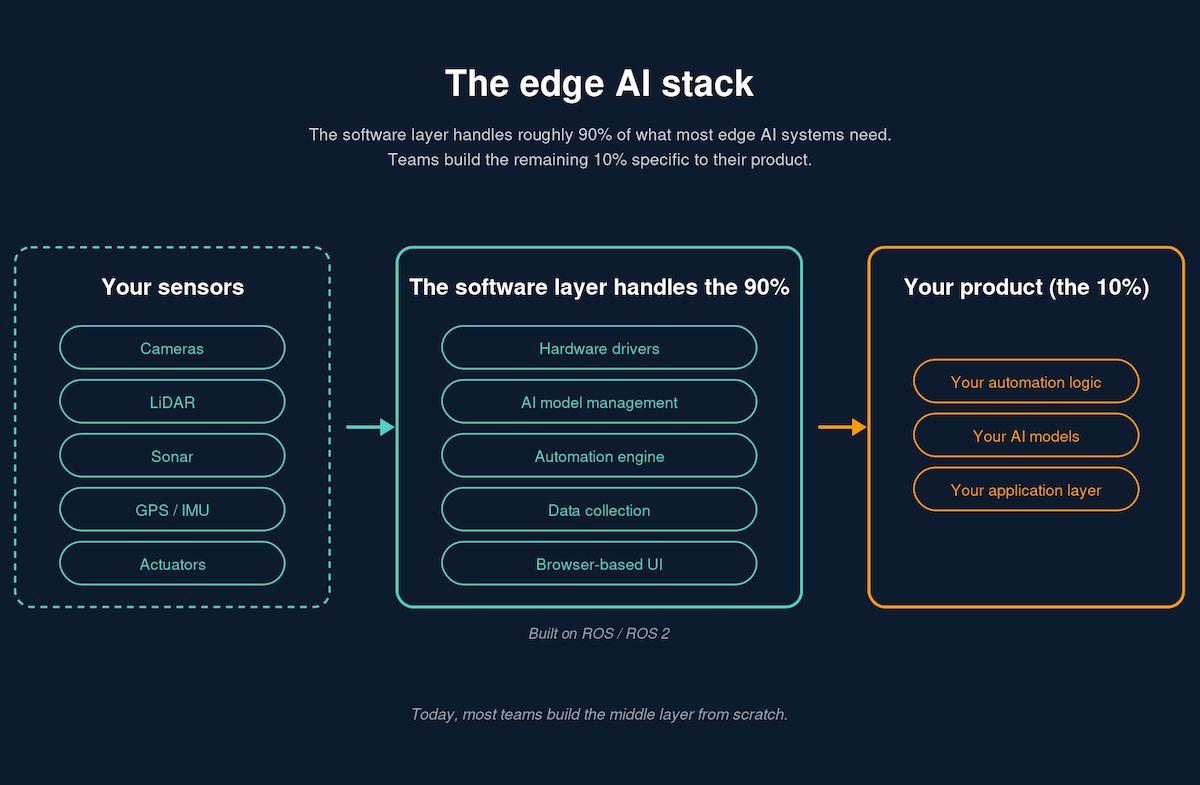
Windows for robots: Edge AI expands usability
A significant shift in accessibility for robotics is underway, reminiscent of the transformation brought by Windows for personal computers. Edge AI technology is enabling a broader range of users, beyond just engineers and computer scientists, to engage with and utilize robotic systems. This development is poised to democratize robotics, making it more user-friendly and accessible to individuals with varying levels of technical expertise. As Edge AI continues to evolve, it is expected to enhance the usability of robots across various sectors, fostering innovation and expanding the potential applications of robotic technology. This trend marks a pivotal moment in the integration of advanced technology into everyday use, potentially revolutionizing industries and everyday tasks.
Artificial Intelligence Controllers Maritime Microprocessors / SoC News Opinion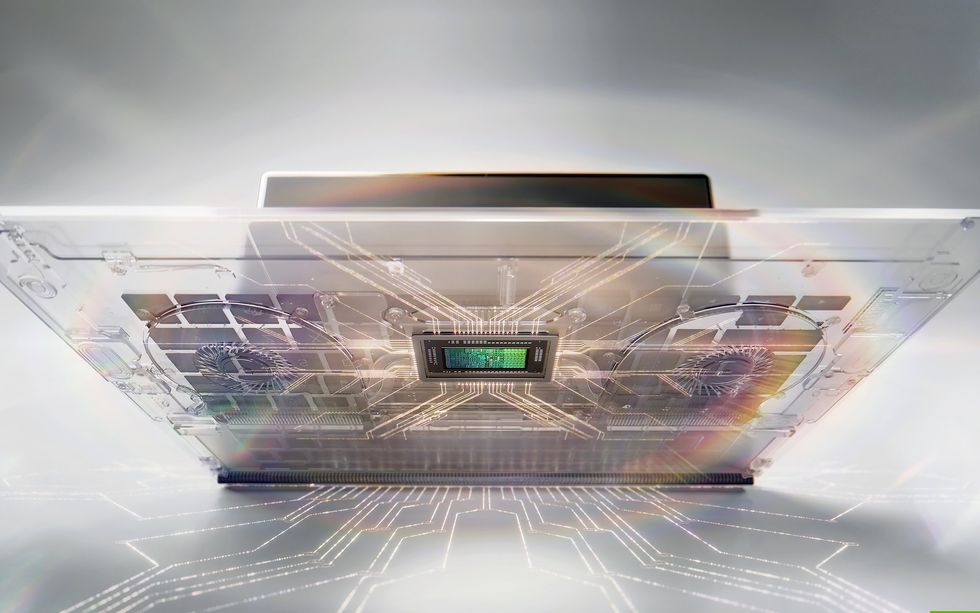
Nvidia’s AI Hardware Comes to Windows in RTX Spark PCs
At Computex 2026 in Taipei, Taiwan, Nvidia unveiled its highly anticipated RTX Spark superchip for Windows PCs, marking a significant development in the tech industry. This announcement, which comes a year later than initially expected, was made in collaboration with Microsoft, which introduced two new devices powered by the RTX Spark: the Surface Laptop Ultra and the Surface RTX Spark Dev Box. Major PC manufacturers, including Asus, Dell, Lenovo, HP, and MSI, also showcased their Windows PCs featuring the new chip. The RTX Spark is based on Nvidia's Blackwell GB10 architecture, boasting 20 Arm CPU cores, 6,144 GPU cores, and support for up to 128 gigabytes of LPDDR5X memory. While the chip is designed to consume less power than its predecessor, the DGX Spark, it is expected to maintain strong performance, particularly in gaming and professional applications. Analysts suggest that Nvidia's established presence in the GPU market, with over 90% share, will enhance the software ecosystem for RTX Spark, setting it apart from previous attempts by Qualcomm and Microsoft with their AI-focused Copilot+ PCs. As Nvidia and Microsoft aim to position RTX Spark as a viable alternative to traditional x86 chips from Intel and AMD, they face the challenge of proving its effectiveness as a general-purpose PC. The launch is seen as a strategic move to leverage AI capabilities while appealing to both creators and gamers, with Nvidia emphasizing the importance of robust software support alongside hardware advancements. RTX Spark desktop workstations are expected to be available in the third quarter of 2026, further expanding the potential applications of this new technology.
Nvidia Pcs Windows Arm Ai-hardware
Microsoft and NVIDIA unveil next-gen PCs capable of 1 petaflop performance.
Microsoft and NVIDIA have unveiled a next-generation PC equipped with the NVIDIA RTX Spark, boasting an impressive AI performance of up to 1 petaflop. This announcement was made recently as part of their ongoing collaboration to enhance computing power. The new system features significant optimizations for Windows, aiming to expand the ecosystem of local AI agents, applications, and games. This development reflects both companies' commitment to advancing AI technology and improving user experiences across various platforms.

NVIDIA Partners With Microsoft on Unified Stack for Agentic AI Deployment, From Windows Devices to Cloud to Local
NVIDIA and Microsoft have announced a significant advancement in artificial intelligence, highlighting the arrival of what they term the "agentic AI moment." This development emphasizes that realizing the full potential of AI technology necessitates not only sophisticated models but also the integration of high-speed hardware, secure operational environments, and a responsive data infrastructure. The companies are focusing on optimizing AI models for extended reasoning capabilities, which are crucial for complex decision-making processes. This collaboration aims to enhance the efficiency and effectiveness of AI applications, paving the way for more intelligent and autonomous systems in various sectors. The initiative underscores the importance of a comprehensive approach to AI development, combining cutting-edge technology with robust security measures to foster innovation.

NVIDIA and Microsoft Reinvent Windows PCs for the Age of Personal AI
NVIDIA has introduced the NVIDIA RTX Spark™, a groundbreaking superchip designed to transform Windows PCs into advanced personal AI agents. This innovation marks a significant shift in computing, evolving traditional computers from mere tools to collaborative teammates. The announcement was made today, highlighting NVIDIA's commitment to enhancing user experience through cutting-edge technology. The RTX Spark™ aims to empower users by integrating AI capabilities directly into their personal computing environments, facilitating more intuitive and efficient interactions. This development is expected to redefine how individuals engage with technology, making it a pivotal moment in the evolution of personal computing.

NVIDIA DGX Station for Windows Puts a Trillion-Parameter AI Supercomputer on Every Enterprise Desk
NVIDIA has unveiled the NVIDIA DGX Station™ for Windows, touted as the most powerful deskside AI supercomputer available. This innovative system is designed to facilitate the development, operation, and integration of always-on AI agents into Windows applications and workflows. The DGX Station™ is capable of running cutting-edge AI models, enhancing productivity and efficiency for users. This announcement was made today, reflecting NVIDIA's commitment to advancing AI technology and its applications in various industries. By providing a robust platform for AI development, NVIDIA aims to empower businesses and developers to harness the full potential of artificial intelligence in their operations.
Microsoft launches Tencent App Store Zone in Windows Store for Chinese users
Microsoft has launched a new section in the Windows Store dedicated to Tencent's App Store, marking a significant development for users in China. This new Tencent App Store Zone is now accessible to members of the Windows Preview program, allowing them to download and use Tencent's Android-based mobile applications directly from the Microsoft Store. This initiative aims to enhance the app ecosystem for Windows users in China by integrating popular Tencent applications, reflecting Microsoft's commitment to expanding its offerings in the region. The collaboration is expected to streamline access to Tencent's diverse range of apps, catering to the growing demand for mobile solutions among Windows users.
News FeedRobotics needs a service framework.
RSF defines a common language for robot service capability, lifecycle operations, certification pathways, and service-provider networks.
Join the RobotToday community on LinkedIn
Daily robotics news, in-depth analysis, conference highlights, and discussions with professionals worldwide.