

Industry Briefing
A single destination for timely, editor-curated robotics news from around the world.
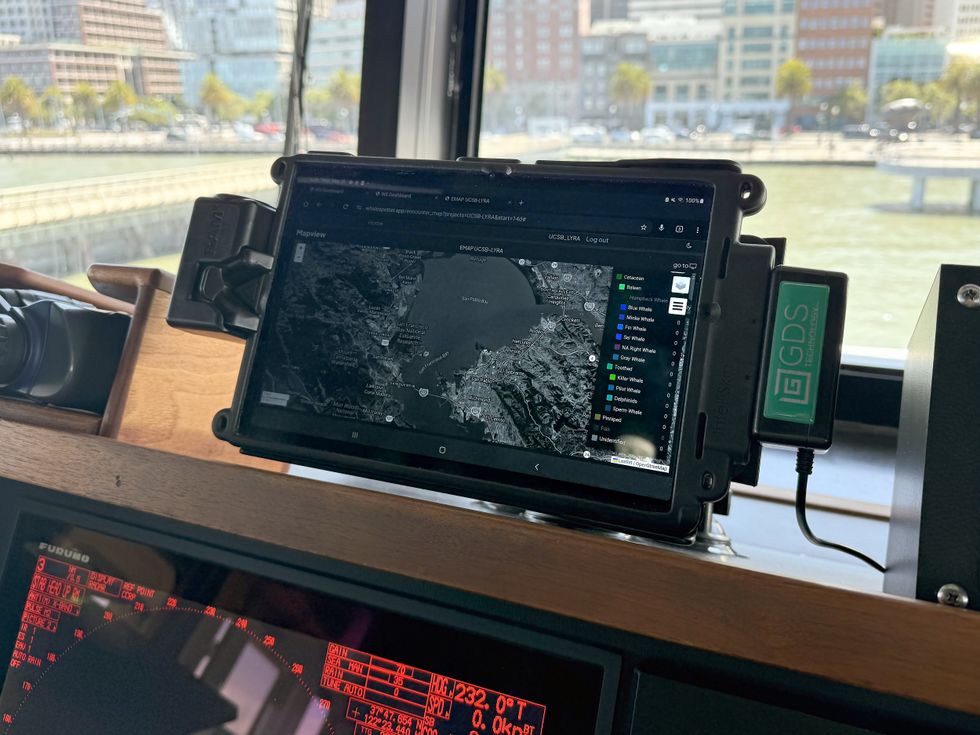
Thermal Cameras and AI Help Ships Steer Clear Of Gray Whales
On May 19, a new AI-based whale detection system was launched in San Francisco Bay, developed by WhaleSpotter, a company based in Somerville, Massachusetts. This initiative, a collaboration among government agencies and scientists, aims to enhance the safety of marine traffic by identifying gray whales in real-time using thermal cameras mounted on Angel Island. The system operates continuously, even at night and in foggy conditions, and alerts nearby vessels to potential whale encounters, allowing them to slow down or change course. The urgency for such technology arises from alarming mortality rates among gray whales, with seven reported deaths in the bay this year alone, and a record 21 fatalities in 2025, primarily due to ship strikes. Scientists attribute the whales' recent detours into the bay to climate change, which has led to record-low sea ice levels and impacted their food sources. As a result, over 100 gray whales have been observed stopping in the bay since 2018, likely seeking nourishment during their long migration from Alaska to Mexico. The WhaleSpotter system has already logged 6,600 whale detections within its first week and a half of operation. While the technology significantly reduces the risk of ship strikes, human verification remains essential to confirm detections and minimize false alarms. Future enhancements aim to further automate the process, ultimately relying more on AI for monitoring marine life.
Cameras Whales Thermal-cameras Artificial-intelligence
Autonomous Gliders Track Whales Using Acoustic Signals
Researchers have developed a PAM-controlled glider system designed to track sperm whales, enhancing the ability to monitor these marine mammals over extended periods. This innovative system employs real-time acoustic processing, allowing for effective data collection and analysis. The study, which showcases the technology's capabilities, aims to improve understanding of sperm whale behavior and distribution in their natural habitats. By utilizing this advanced monitoring technique, scientists hope to contribute valuable insights into the conservation efforts for these endangered species. The research underscores the importance of integrating technology in marine biology to address challenges in wildlife monitoring and protection.

Project CETI deploys autonomous underwater gliders to better observe sperm whales
Project CETI has introduced an innovative underwater glider designed to enhance the monitoring of sperm whales, significantly extending the duration of observation compared to previous techniques. This advancement aims to improve the understanding of whale behavior and ecology, contributing to conservation efforts. The deployment of the autonomous glider marks a pivotal step in marine research, allowing scientists to gather more comprehensive data on these majestic creatures. The initiative reflects Project CETI's commitment to leveraging technology for wildlife observation and protection, ultimately fostering a deeper connection between humans and marine life.
Academia / Research Artificial Intelligence Artificial Intelligence / Cognition Design / Development Maritime Markets / IndustriesRobotics needs a service framework.
RSF defines a common language for robot service capability, lifecycle operations, certification pathways, and service-provider networks.
Join the RobotToday community on LinkedIn
Daily robotics news, in-depth analysis, conference highlights, and discussions with professionals worldwide.







