

Industry Briefing
A single destination for timely, editor-curated robotics news from around the world.

Emerging 2D Flex Feeding Revolutionizes Industrial Part Picking with Simplified Vision Systems
The article discusses the advancements in 2D Flex feeding technology, which simplifies robotic vision for industrial part picking. Unlike traditional 3D bin picking, this new approach allows for quicker and more reliable implementations, making it accessible for a broader range of applications. This innovation is significant as it enhances the capabilities of industrial robots in manufacturing, reducing the complexity associated with advanced vision systems. Experts Nicholas Kern from SICK and Nick Barron from Feedall highlight the advantages of flex feeding over bowl feeding, showcasing early adopters who are already experiencing substantial benefits. Looking ahead, the future of feeding robots appears promising with the integration of smarter vision systems. As this technology continues to evolve, it will be essential to monitor its adoption and impact on manufacturing efficiency and productivity. No further timeline was disclosed at the time of publication.
Factory / Robotics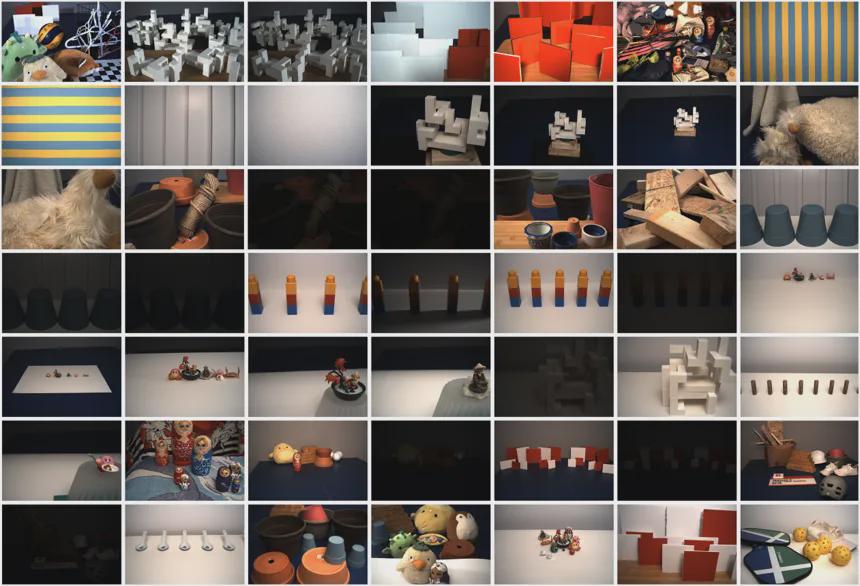
York University Develops CBS Algorithm to Enhance Humanoid Robot Depth Perception
Researchers from York University have introduced the Convergent Binocular Stereo (CBS) algorithm to improve depth perception in humanoid robots. This innovative approach utilizes the movement of the robot's eyes, allowing them to converge on a target while calculating depth based on camera orientation and disparities in the images. This method significantly outperforms traditional depth learning techniques, especially in complex visual scenarios. The advancement is crucial as humanoid robots increasingly rely on sophisticated vision systems to navigate and interact with their environments. By integrating eye movement into depth calculations, the CBS algorithm addresses a long-standing challenge in robotic vision, enhancing the robots' ability to perceive three-dimensional spaces accurately. Looking ahead, the implementation of the CBS algorithm could lead to more advanced humanoid robots capable of better depth perception and spatial awareness. No further timeline was disclosed at the time of publication.
Humanoid Robots Vision Systems Depth Perception Robotics Research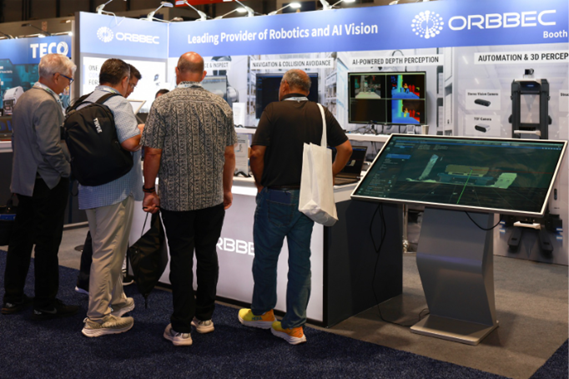
Orbbec shows AI-powered vision systems at Automate 2026
Orbbec showcased its latest industrial-grade 3D cameras designed for demanding automation environments during the Automate 2026 event. The company emphasized the integration of artificial intelligence to improve robotic perception, highlighting advancements that enable more sophisticated automation solutions. This presentation reflects Orbbec's commitment to addressing the complexities of modern industrial applications, aiming to enhance efficiency and accuracy in robotic systems. The event, which gathered industry leaders and innovators, provided a platform for Orbbec to demonstrate how its technology can meet the evolving needs of automation in various sectors.
Artificial Intelligence Artificial Intelligence / Cognition Automation Autonomous Mobile Robots (AMRs) Cameras / Imaging / Vision Collaborative Robots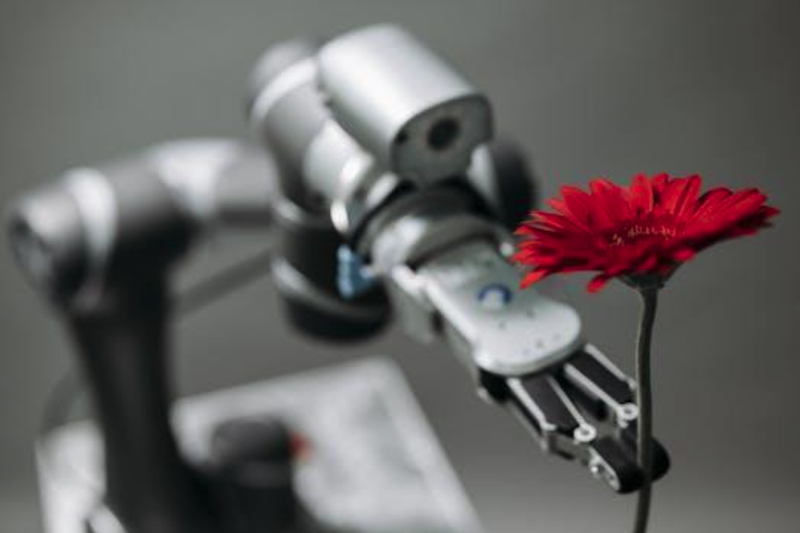
The Role of RF Connectors in Robotic Vision, Sensor Communication, and Automated Inspection Systems
Recent advancements in robotic vision and automated inspection have highlighted the limitations of software solutions in addressing physical challenges. While fast GPUs, sophisticated models, and user-friendly dashboards are often celebrated as technological triumphs, they falter when confronted with the realities of a compromised physical signal path. For instance, a camera's ability to process images is hindered by a noisy clock, and sensors struggle to deliver accurate readings when interfaces become loose after repeated vibrations. This underscores the importance of considering the physical environment in the development and implementation of automated systems, as reliance solely on software capabilities may lead to significant operational failures.
Design Engineering Technology automated inspection automation news factory automation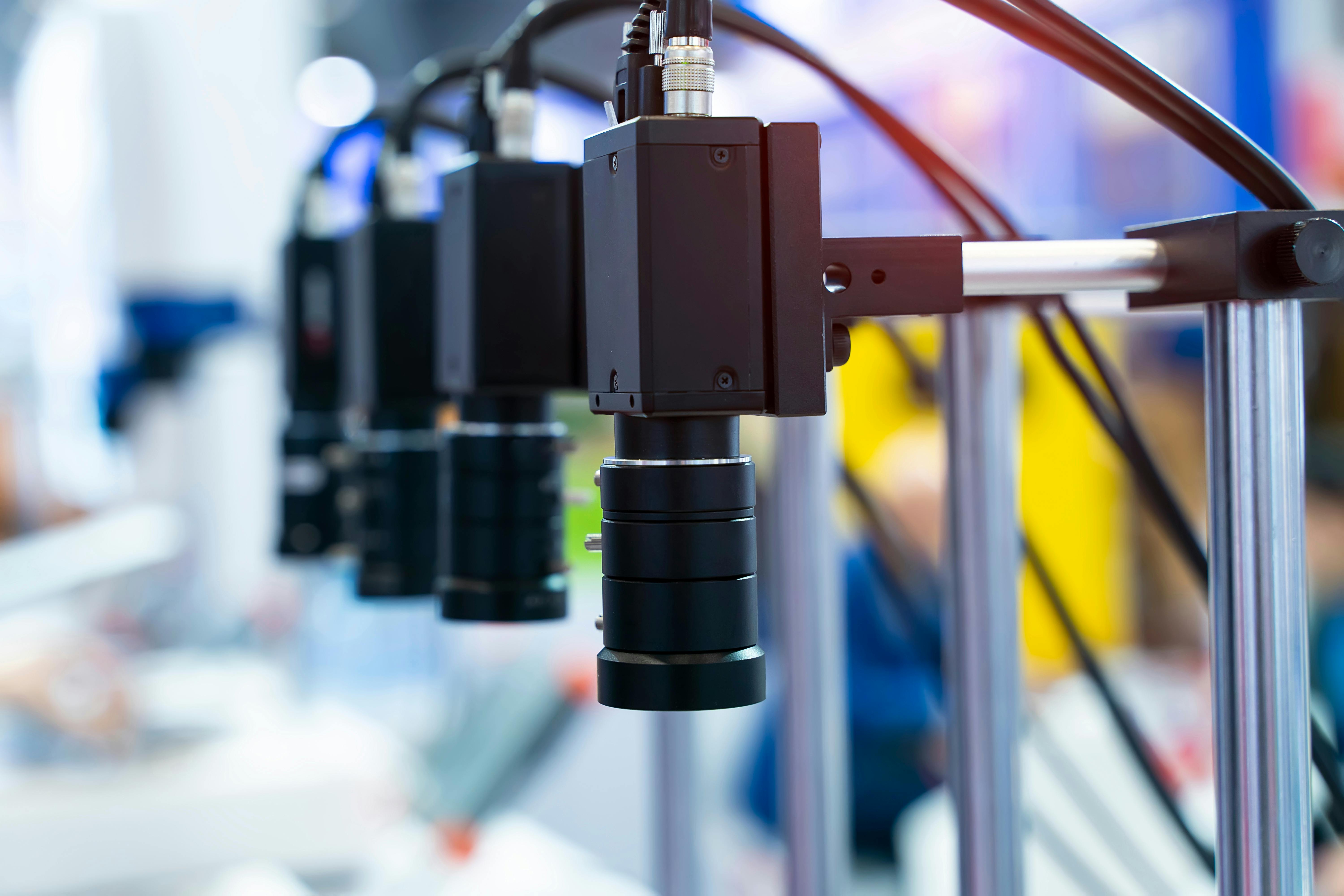
How Industrial Vision Systems Beat Dust, Heat and Vibration to Stay Sharp on the Factory Floor
Engineers and operators in the manufacturing sector are addressing environmental threats to machine vision cameras, which can compromise system accuracy and lead to operational downtime. To mitigate these risks, experts are implementing protective measures and maintenance strategies designed to enhance the durability and reliability of these critical systems. By focusing on proactive maintenance and environmental safeguards, teams can ensure that machine vision technology continues to function effectively, even in challenging conditions. This approach not only helps maintain productivity but also extends the lifespan of the equipment, ultimately supporting the efficiency of manufacturing processes.
Factory / Sensors
GMSL and the growing ecosystem around robotic vision systems
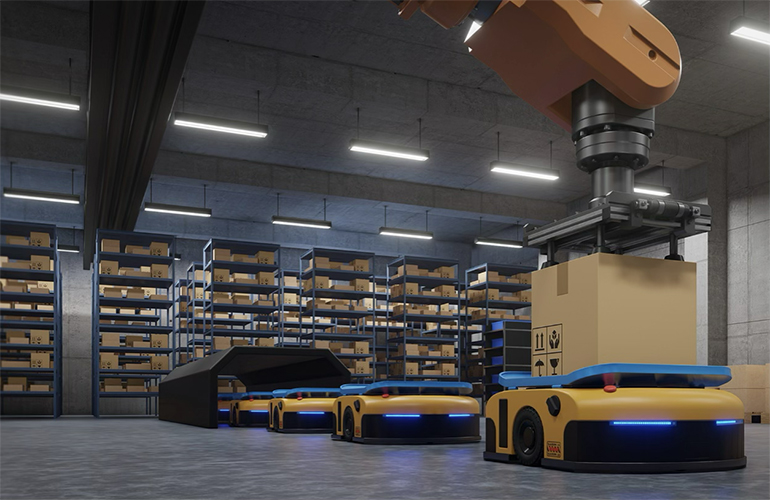
In recent years, the expectations for robotic capabilities have significantly evolved, driven by advancements in technology and changing industry needs. Site owners are now seeking robots that not only navigate from point A to point B but also operate at increased speeds and adapt to dynamic environments filled with various obstacles. This shift reflects a broader trend in the robotics industry, where the integration of advanced vision systems is becoming essential for enhancing the functionality and efficiency of robotic operations. Sponsored by Analog Devices Inc., this development highlights the growing ecosystem surrounding robotic vision systems, which are crucial for meeting the rising demands of modern automation. As the industry progresses, the focus on improving robotic agility and intelligence is set to reshape the landscape of automation in various sectors.
Sponsored Content ADI Analog Devices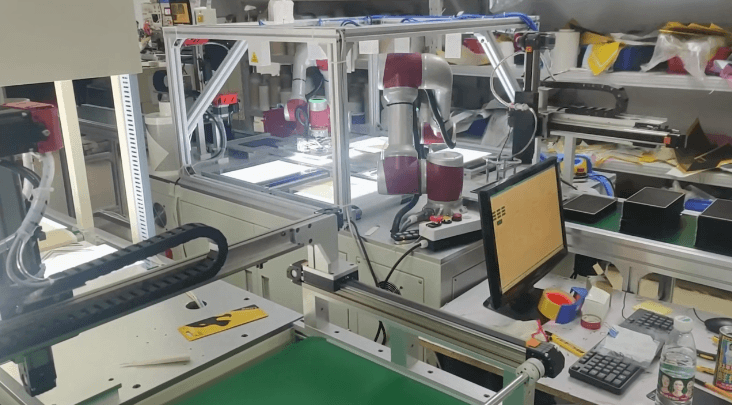
5 Tips to Optimize Pick and Place Robotic Arm Cycle Times with Vision Systems
In the realm of high-speed manufacturing, optimizing robotic efficiency is crucial, particularly with the integration of vision systems in 6-axis robotic arms. JAKA, a leader in automation technology, has developed the JAKA Zu series to enhance the performance of pick-and-place operations, particularly in fast-paced sectors like electronics and food packaging. To improve throughput, manufacturers are advised to optimize lighting and contrast, ensuring that parts are easily identifiable to reduce image processing lag. Implementing "on-the-fly" image processing allows the robotic arm to capture images while in motion, potentially cutting cycle times by 20% to 30%. Additionally, utilizing multi-tasking and path smoothing techniques enables the robot to maintain momentum and efficiency during operations. By narrowing the search windows for the vision system to specific areas on conveyor belts, manufacturers can significantly speed up part identification. Furthermore, calibrating for latency between the camera and the robotic arm is essential for precise part handling, allowing the robot to predict part locations accurately. The JAKA Zu7 model, with a payload capacity of 7kg and a reach of 819mm, exemplifies this advanced integration of vision and motion. Its high-speed joint actuators and exceptional repeatability of ±0.02mm ensure that operations are both fast and accurate. JAKA's commitment to "Embodied Intelligence" is reflected in its user-friendly software ecosystem, which facilitates easy calibration and setup for complex routines, ultimately driving productivity in modern manufacturing environments.
GMSL and the growing ecosystem around robotic vision systems
A recent article on The Robot Report highlights the significance of robotic vision systems in various industries, emphasizing their role in enhancing operational efficiency and safety. As of October 2023, advancements in Global Mean Sea Level (GMSL) technology have spurred the development of a robust ecosystem surrounding these vision systems. This evolution is driven by the increasing demand for automation and precision in tasks ranging from manufacturing to autonomous vehicles. The article discusses how these systems utilize advanced algorithms and machine learning to interpret visual data, enabling robots to navigate and interact with their environments more effectively. The growing reliance on robotic vision is reshaping industries, underscoring the importance of clear visual perception in automation processes.
Analog Devices: Architecting Trusted Mobility Analog Devices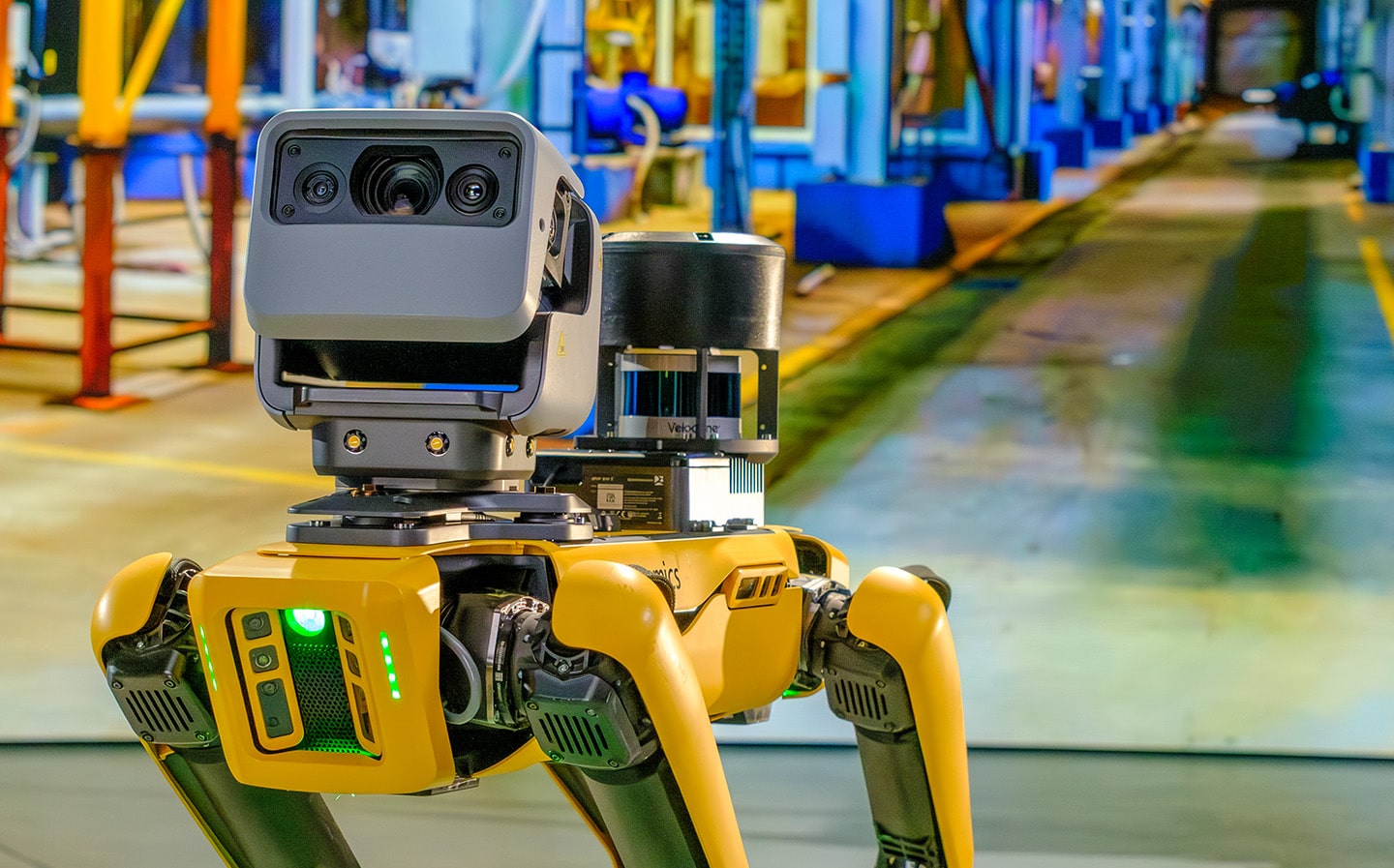
Robot Vision Systems: 3 Ways Robots See the World | Boston Dynamics
Modern robot vision systems are increasingly utilizing advanced technologies such as visual cameras, 3D lidar scans, and various sensors to enhance their ability to interpret, navigate, and interact with their surroundings. These developments are part of a broader trend in robotics aimed at improving automation and efficiency across multiple industries. As of October 2023, the integration of these sophisticated systems is revolutionizing how robots perceive and respond to their environment, enabling them to perform complex tasks with greater accuracy and reliability. This advancement is driven by the need for more intelligent and adaptable robotic solutions in sectors ranging from manufacturing to healthcare, where precise navigation and interaction with dynamic environments are crucial. The ongoing research and implementation of these technologies signify a significant leap forward in the field of robotics, paving the way for more autonomous and capable machines.
Implementing Vision Systems in Advanced Robotics Technology for Adaptive Tasks
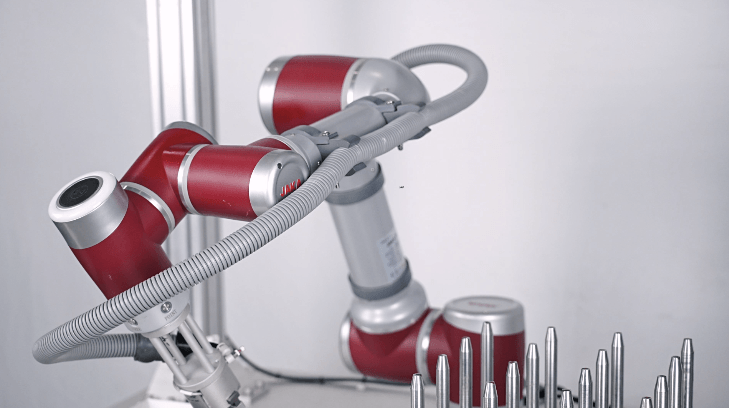
A company specializing in advanced robotics is enhancing production efficiency by integrating vision systems into its industrial cobot solutions. This innovative approach allows robots, such as the JAKA Pro16, to perceive and adapt to changing conditions on the production line, enabling them to identify parts, detect orientation, and adjust movements in real time. The implementation of these vision systems minimizes the risk of misplacement and reduces human error during loading and unloading tasks. The company’s cobot platforms are designed for flexibility, allowing them to efficiently respond to diverse production requirements. By detecting subtle variations and unexpected obstacles, these robots enhance the resilience of production lines. The JAKA Pro16 features simple programming capabilities that facilitate quick adjustments to production setups, thereby minimizing downtime and improving overall efficiency and product quality. Additionally, the company emphasizes user-friendly programming interfaces, enabling operators with minimal training to manage complex tasks effectively. The drag-and-drop teaching and graphical interfaces of the JAKA Pro16 maximize robot utilization while allowing human resources to focus on strategic activities. This combination of visual perception and intelligent control algorithms ensures high precision and adaptability in various manufacturing scenarios. In summary, the integration of vision systems into robotics technology is pivotal for creating flexible manufacturing solutions. The company remains committed to developing adaptive robotics that enhance task accuracy, optimize workforce allocation, and support high-quality production outcomes.
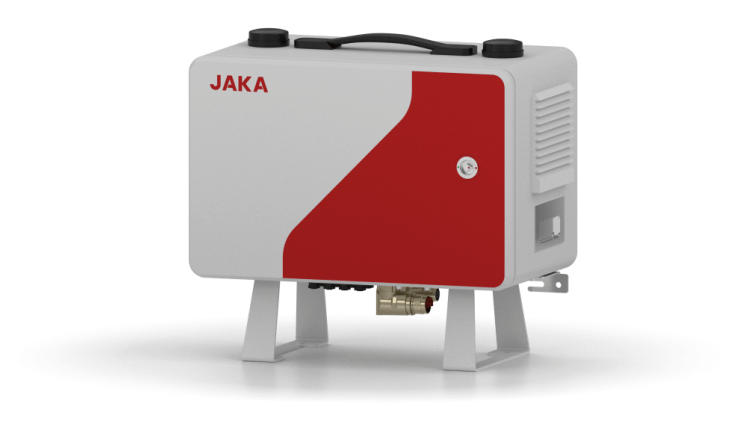
Advanced Calibration Techniques for Vision Guided Robotic Systems
JAKA, a leader in robotic technology, emphasizes the critical importance of meticulous calibration in vision-guided robotic systems to achieve high operational accuracy. This process, which aligns the coordinate systems of the camera, robot, and environment, is essential for delicate tasks such as assembly and inspection. Poor calibration can lead to significant operational failures. The calibration process begins with intrinsic calibration, which corrects lens distortion and establishes the camera's focal length, followed by extrinsic calibration to determine the camera's position relative to the robot. JAKA's robotic platforms are designed with anti-interference and low-vibration features, ensuring a stable foundation for these calibrations. For enhanced precision, JAKA employs hand-eye calibration, which establishes the spatial relationship between the camera and the robot's end-effector. This method is vital for guiding the robot accurately to targets viewed by the moving camera. The company's advanced control technology ensures repeatable performance, crucial for effective hand-eye coordination. Moreover, JAKA recognizes that calibration is an ongoing process. Process-specific calibration fine-tunes systems for particular tasks, while periodic recalibration addresses issues like thermal drift and mechanical wear. The intuitive graphical programming in JAKA's cobot systems facilitates these adjustments, maintaining long-term accuracy. Through these advanced calibration techniques, JAKA transforms vision systems and robots into cohesive, intelligent units, enabling them to perform complex tasks accurately in dynamic environments.
Robotics needs a service framework.
RSF defines a common language for robot service capability, lifecycle operations, certification pathways, and service-provider networks.
Join the RobotToday community on LinkedIn
Daily robotics news, in-depth analysis, conference highlights, and discussions with professionals worldwide.






