Industry Briefing
A single destination for timely, editor-curated robotics news from around the world.

Semiconductor Digest | 2026 Outlook: Executive Viewpoints
As the semiconductor industry approaches 2026, the influence of artificial intelligence (AI) is becoming increasingly prominent. Shannon Poulin, President of a leading technology firm, emphasized the critical role of testing in enabling AI advancements within semiconductor manufacturing. This shift is driven by the industry's need to enhance efficiency and innovation in production processes. By integrating AI into testing protocols, companies can streamline operations, reduce costs, and improve product quality. The ongoing evolution highlights the necessity for semiconductor manufacturers to adapt to AI technologies to remain competitive in a rapidly changing market landscape.
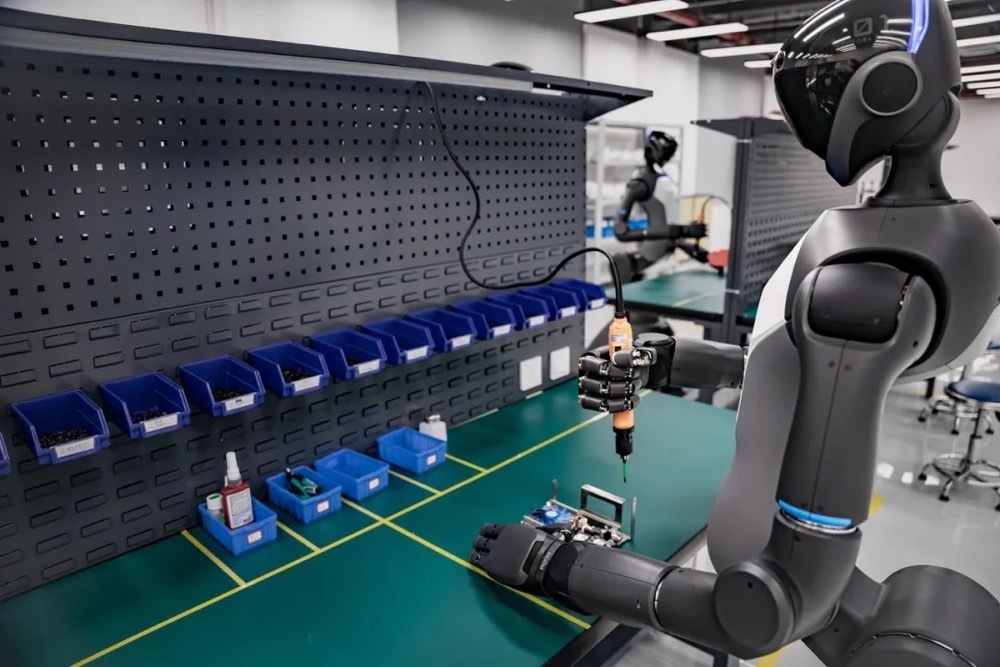
Tesla Stock & Optimus: Is It a 10x Catalyst for 2026–2030?
Tesla's stock is currently trading at a price-to-earnings ratio of 200, largely driven by investor optimism surrounding its Optimus robot and the anticipated Robotaxi service. Analysts from ARK Invest, Wedbush, and Morgan Stanley have provided varying target prices for Tesla shares, highlighting differing perspectives on the company's future performance. The analysis includes key catalysts that could influence Tesla's stock trajectory, as well as arguments from both bullish and bearish viewpoints regarding the company's valuation and growth potential. This ongoing debate among analysts reflects the broader uncertainty in the market as investors weigh the implications of Tesla's innovative projects against traditional automotive industry metrics.
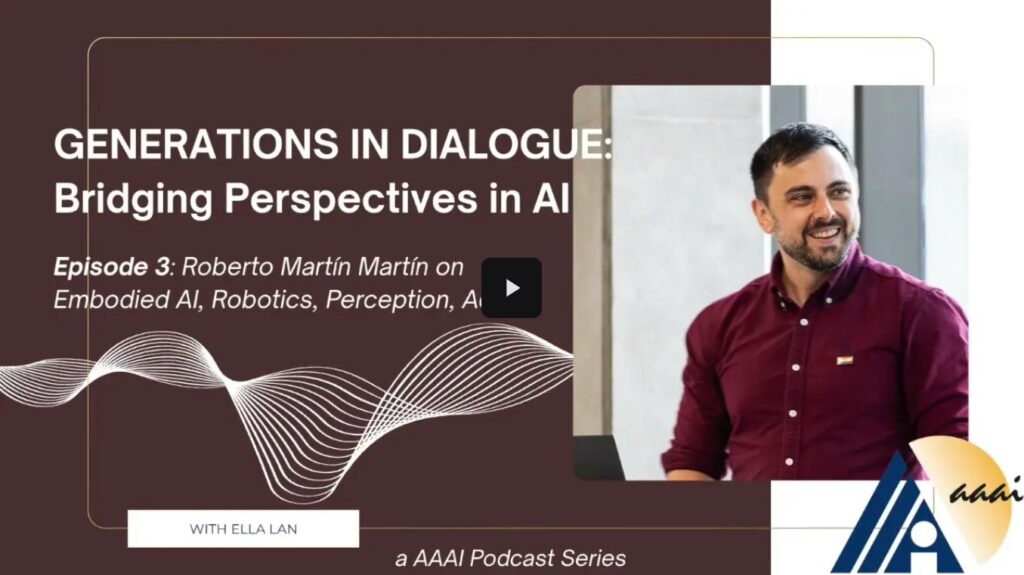
Generations in Dialogue: Embodied AI, robotics, perception, and action with Professor Roberto Martín-Martín
The podcast "Generations in Dialogue: Bridging Perspectives in AI," produced by the Association for the Advancement of Artificial Intelligence (AAAI), presents engaging conversations among AI experts, practitioners, and enthusiasts of varying ages and backgrounds. Launched recently, the series aims to explore how different generational experiences influence perspectives on artificial intelligence. Each episode addresses the challenges, opportunities, and ethical dilemmas associated with the rapid evolution of this transformative technology. By fostering intergenerational dialogue, the podcast seeks to enhance understanding and collaboration in the field of AI, encouraging listeners to consider diverse viewpoints and the implications of AI advancements on society.
Generations in Dialogue: Bridging Perspectives in AI – a new podcast from AAAI
The Association for the Advancement of Artificial Intelligence (AAAI) has launched a new podcast series titled “Generations in Dialogue: Bridging Perspectives in AI.” This initiative seeks to highlight diverse viewpoints across different generations, encouraging meaningful discussions about the evolving landscape of artificial intelligence. The series is designed to feature a variety of guests who will share their insights and experiences, fostering a deeper understanding of AI's impact on society. Through these conversations, AAAI aims to create a platform for dialogue that reflects the multifaceted nature of AI and its implications for the future.
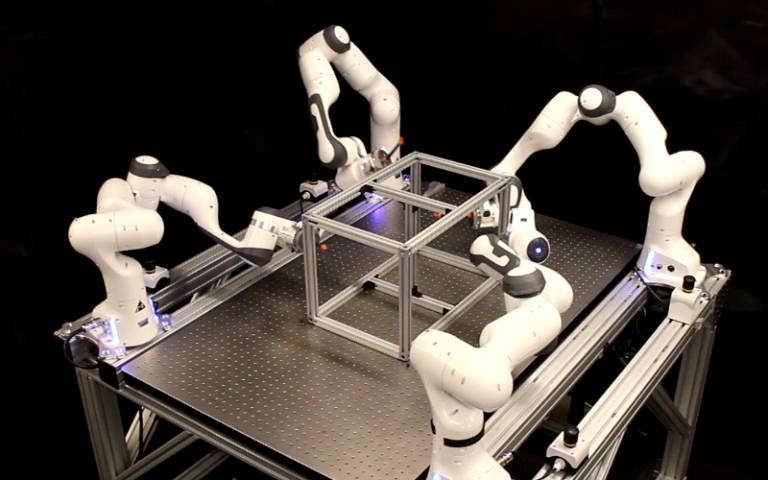
“Humanoids will soon replace most human workers”: A debate
In May 2026, a groundbreaking study published in Science Robotics highlights significant advancements in autonomous robotic systems. Researchers from leading technology institutes have developed a new generation of robots capable of performing complex tasks in unpredictable environments. This innovation aims to enhance efficiency in various sectors, including manufacturing, healthcare, and disaster response. The study reveals that these robots utilize advanced artificial intelligence algorithms, allowing them to adapt to changing conditions and make real-time decisions. This capability is particularly crucial for applications in emergency situations, where human intervention may be limited or dangerous. The research team conducted extensive field tests in diverse settings, demonstrating the robots' ability to navigate obstacles and collaborate with human operators effectively. The findings suggest that the integration of such robotic systems could revolutionize industries by improving productivity and safety. The motivation behind this development stems from the increasing demand for automation and the need for reliable solutions in challenging environments. As industries continue to seek ways to optimize operations and reduce human risk, these autonomous robots represent a significant step forward in robotics technology. Overall, the study underscores the potential of robotics to transform various fields, paving the way for future innovations that could further enhance human-robot collaboration.
ViewpointRobotics needs a service framework.
RSF defines a common language for robot service capability, lifecycle operations, certification pathways, and service-provider networks.