Industry Briefing
A single destination for timely, editor-curated robotics news from around the world.
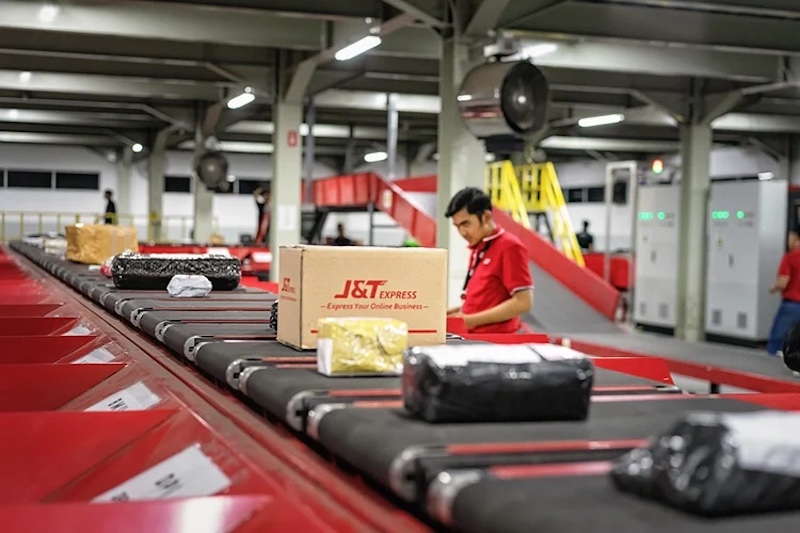
J&T Global Express Expands Automated Sorting Systems and Unmanned Delivery Fleet Growth
J&T Global Express has enhanced its automated sortation capabilities by adding 22 new sorting machines, bringing the total to 435 across its express network. This expansion coincides with a significant increase in unmanned delivery vehicles, which rose by 87% to over 1,900 units by June 30, 2026. This growth is crucial as J&T handled 17.50 billion parcels in the first half of 2026, marking a 25.1% year-on-year increase. The new sorting systems were strategically placed across Southeast Asia, China, and other markets, with a focus on improving efficiency and reducing costs for both J&T and its network partners, which numbered approximately 1,300 in Southeast Asia. Looking ahead, J&T plans to continue investing in outlet automation as capacity expands. The company is also encouraging its network partners to adopt unmanned delivery vehicles, supported by favorable policies and cooperation plans, particularly in key cities across China. No further timeline was disclosed at the time of publication.
Logistics News Warehouse robots ai artificial intelligence automated sorting
Elistair and Exail Collaborate to Enhance Unmanned Surface Vessels with Aerial Surveillance
Elistair and Exail have announced a partnership to integrate the Khronos automated tethered DroneBox with Exail’s DriX unmanned surface vessel (USV). This integration allows maritime operators to achieve persistent aerial surveillance directly from the vessel, significantly extending the range of surface sensors while ensuring personnel safety on shore. The Khronos drone, launched from the DriX, provides continuous aerial surveillance with a flight duration of up to 24 hours at a height of 60 meters. It streams live, encrypted video, enabling real-time imagery even in challenging environments. This enhancement is particularly beneficial for coastal surveillance, port protection, counter-trafficking operations, and search and rescue missions. The integration of the Khronos drone represents a significant advancement in maritime surveillance capabilities. As noted by Elistair's CEO, Guilhem de Marliave, this technology allows for wider coverage and earlier detection without risking crew safety at sea. No further timeline was disclosed at the time of publication.
elistair exail aerial surveillance uav unmanned surface vessels usv
Mitsubishi Heavy and NEC Collaborate on Defense Drones and AI Systems
Mitsubishi Heavy Industries and NEC announced their partnership to develop domestic defense drones and AI-driven command and control systems. This collaboration aims to enhance Japan's defense capabilities amid increasing global reliance on drone technology in combat scenarios. The significance of this partnership lies in its potential to strengthen Japan's defense industry and reduce dependence on foreign technology. As drones become integral to modern warfare, the collaboration between these two major Japanese companies could position Japan as a key player in the defense drone market. Looking ahead, it will be important to monitor the progress of this collaboration and its impact on Japan's defense strategy. No further timeline was disclosed at the time of publication.

Vision Aerial Begins Production of Vulcan Drones Ahead of Mobix Labs Acquisition
Vision Aerial has commenced production of its new Vulcan drone family, including the Vulcan SX and the pre-order launch of the Vulcan YX. This move follows the announcement of its acquisition by Mobix Labs, which aims to enhance its portfolio with American-made autonomous aerial systems. The production of the Vulcan drones is significant as it reflects Vision Aerial's commitment to meeting the demands of commercial and government sectors, including infrastructure inspection and public safety. The company anticipates a revenue increase of approximately 46% in 2026 and 93% in 2027, contingent on various market factors. As the acquisition by Mobix Labs approaches, Vision Aerial is poised to leverage its established relationships with clients like the US Navy and L3Harris. The successful integration of Vision Aerial's manufacturing capabilities into Mobix's strategy could enhance the development of secure drone platforms, particularly as demand for US-made products rises.
News
U.S. Army Receives Advanced 20kW Laser Weapon Systems for Counter-Drone Operations
The U.S. Army has received two advanced high energy laser systems developed by AeroVironment, known as Laser Weapon Systems (LWS). These systems feature the 20kW-class LOCUST LWS integrated onto the General Motors Defense Infantry Squad Vehicle (ISV) platform, enhancing mobile counter-unmanned aircraft capabilities. This delivery is part of the Army Multi-Purpose High Energy Laser (AMP-HEL) prototyping effort, marking a significant advancement in directed energy capabilities. Mary Clum from AeroVironment emphasized the importance of these systems in providing reliable and operationally ready solutions for counter-unmanned aircraft operations, supporting the Army's modernization goals. Looking ahead, AeroVironment plans to deliver a second increment of the AMP-HEL program next month, which will include additional vehicles equipped with the LOCUST LWS. This ongoing development reflects the Army's commitment to rapidly fielding directed energy solutions to address evolving threats in dynamic environments.
Military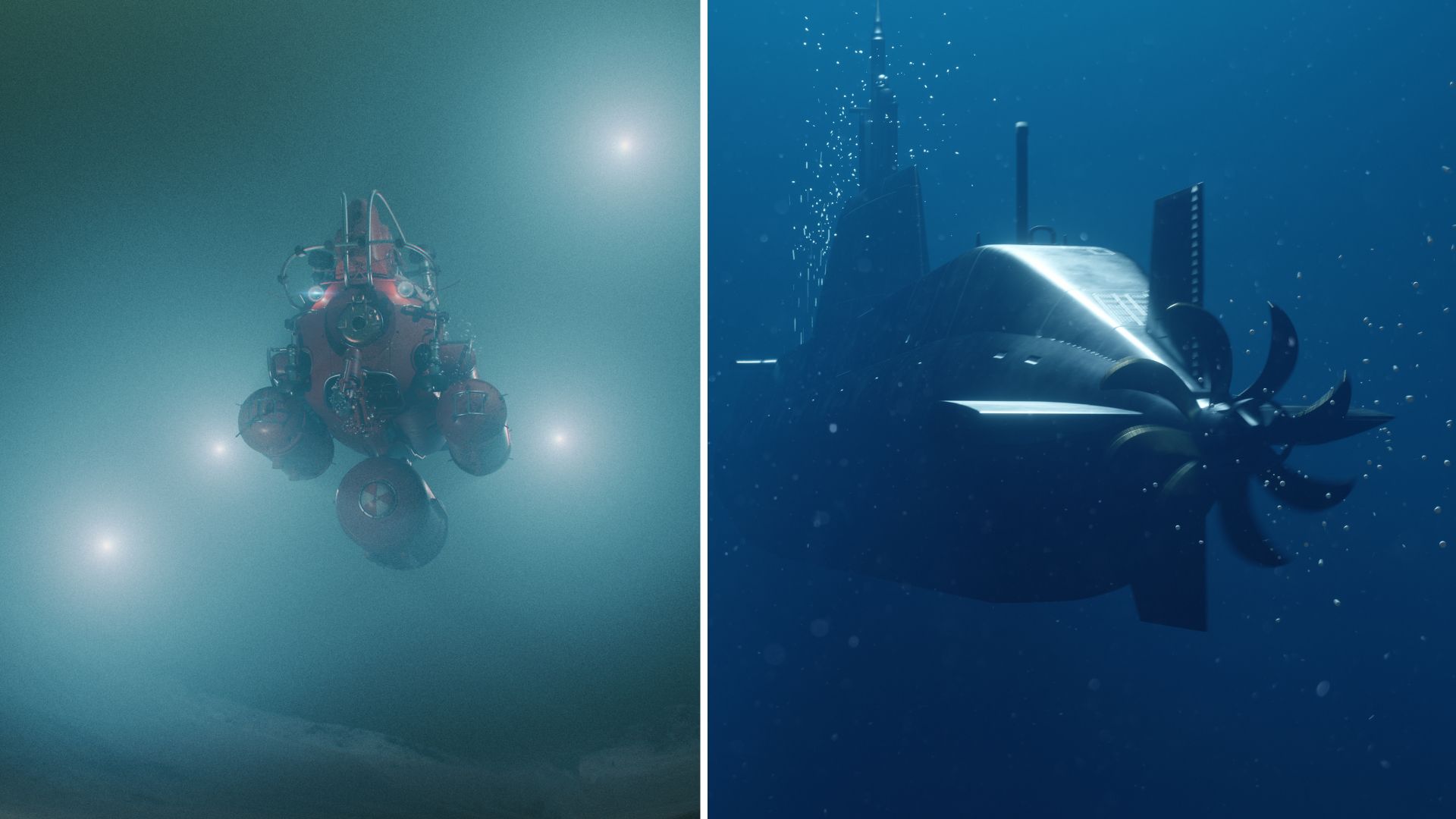
China Explores Autonomous Defense Systems for Contested Islands in South China Sea
A recent report indicates that China is investigating a maritime defense model utilizing autonomous drones to protect contested islands in the South China Sea. Researchers from the China Coast Guard Academy and Dalian Maritime University propose a network of aerial, surface, and underwater drones, which would create a multi-layered defense system, enhancing surveillance and response capabilities. This shift from traditional defense methods to a system reliant on uncrewed platforms reflects the evolving nature of naval warfare. The economic advantages of deploying inexpensive drones to monitor maritime environments are significant, as they can challenge larger military assets. The interconnected architecture aims to maintain operational capability even if some drones are compromised, emphasizing redundancy in defense strategies. As the South China Sea remains a focal point of territorial disputes among several nations, China's initiative to integrate autonomous systems into its defense strategy could further complicate regional security dynamics. However, it is crucial to note that this concept is still a research proposal and does not confirm the operational deployment of such systems at this time.
Military
Army Replaces Infantry Squad Vehicles with Polaris MRZR for Unmanned Systems Testing
The U.S. Army has officially transitioned from using Infantry Squad Vehicles (ISVs) to Polaris MRZR platforms for its Unmanned Systems (UxS) autonomy program. This change, confirmed by Michael Rose, chief technology officer for CPE Mission Autonomy, aims to enhance off-road autonomy testing. The MRZR platforms will allow multiple companies to test their autonomy software in a standardized environment, facilitating direct comparisons of technological capabilities. This shift is significant as it marks a departure from the Army's previous plans to enhance ISVs with autonomy software from Forterra, Overland AI, and Scout AI. The decision to adopt MRZR platforms is based on evolving technological needs and aims to address challenges identified in the initial UxS program, including safety risks and financial constraints. The Army has received 12 MRZR Alphas from Polaris for this initiative, indicating a commitment to advancing unmanned ground vehicle capabilities. Looking ahead, the Army is evaluating various autonomy software providers for the MRZR platforms, although specific companies involved have not been disclosed. The ongoing participation of Forterra, Overland AI, and Scout AI in the UxS program suggests a competitive landscape as the Army seeks to refine its approach to unmanned systems. No further timeline was disclosed at the time of publication.
Land Warfare Army autonomy Drones ground autonomy GVSETS 2026
SwissDrones Expands Long-Range Drone Inspection Platform for US Critical Infrastructure
SwissDrones Operating AG and its subsidiary Xplorate Pacific announced on August 7 their expansion of a long-range drone inspection platform into the United States. This initiative aims to support energy, utility, and transportation operators in managing critical infrastructure such as pipelines and powerlines across extensive areas. The significance of this expansion lies in addressing the limitations of small drones, which often lack the necessary range and payload capacity for inspecting long-linear assets. The integrated platform combines SwissDrones’ turbine-powered uncrewed helicopters with Xplorate’s expertise in beyond-visual-line-of-sight (BVLOS) operations, enhancing operational capabilities for industrial customers. Looking ahead, the companies plan to introduce US programs under Federal Aviation Administration approvals as regulations evolve toward more routine BVLOS operations. No further timeline was disclosed at the time of publication.
Innovation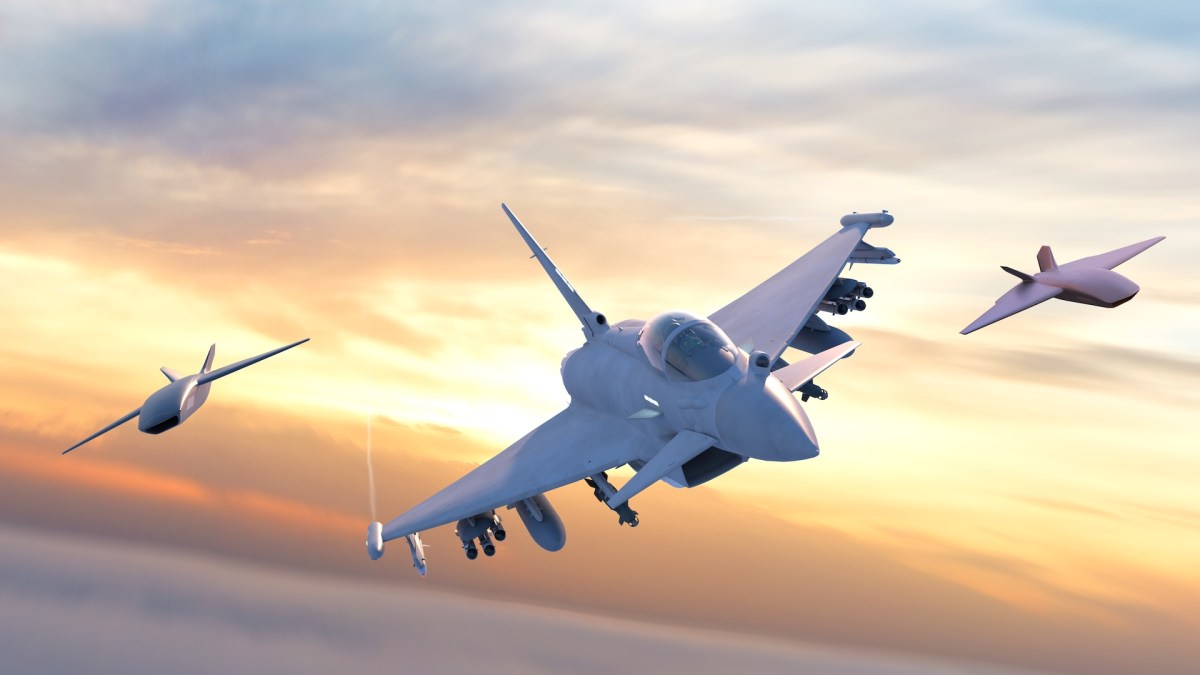
BAE Systems Explores Typhoon Integration with CCA Drones and Meteor Missiles
BAE Systems is investigating the integration of uncrewed collaborative combat aircraft (CCA) with the Eurofighter Typhoon, aiming to enhance combat capabilities. This initiative is part of a broader Long-Term Evolution (LTE) program that seeks to improve the jet's operational effectiveness in modern warfare environments. The integration of CCAs with the Typhoon is significant as it aims to expand the combat mass and operational range of air forces, addressing emerging threats. BAE Systems has accelerated this work over the past year, coinciding with the U.K. Royal Air Force's launch of the Storm Fighter CCA program, which will enable these drones to operate alongside the Typhoon, F-35, and future Tempest jets. Looking ahead, BAE Systems plans to incorporate advanced technologies such as the European Common Radar System (ECRS) Mk 2 and a large-area display cockpit into the Typhoon. These enhancements are expected to improve the aircraft's capabilities in collaborative combat scenarios, as demonstrated in recent simulations off the east coast of Scotland, where Typhoons successfully coordinated with CCAs.
Air Air Forces Collaborative Combat Aircraft Fighters Royal Air Force Typhoon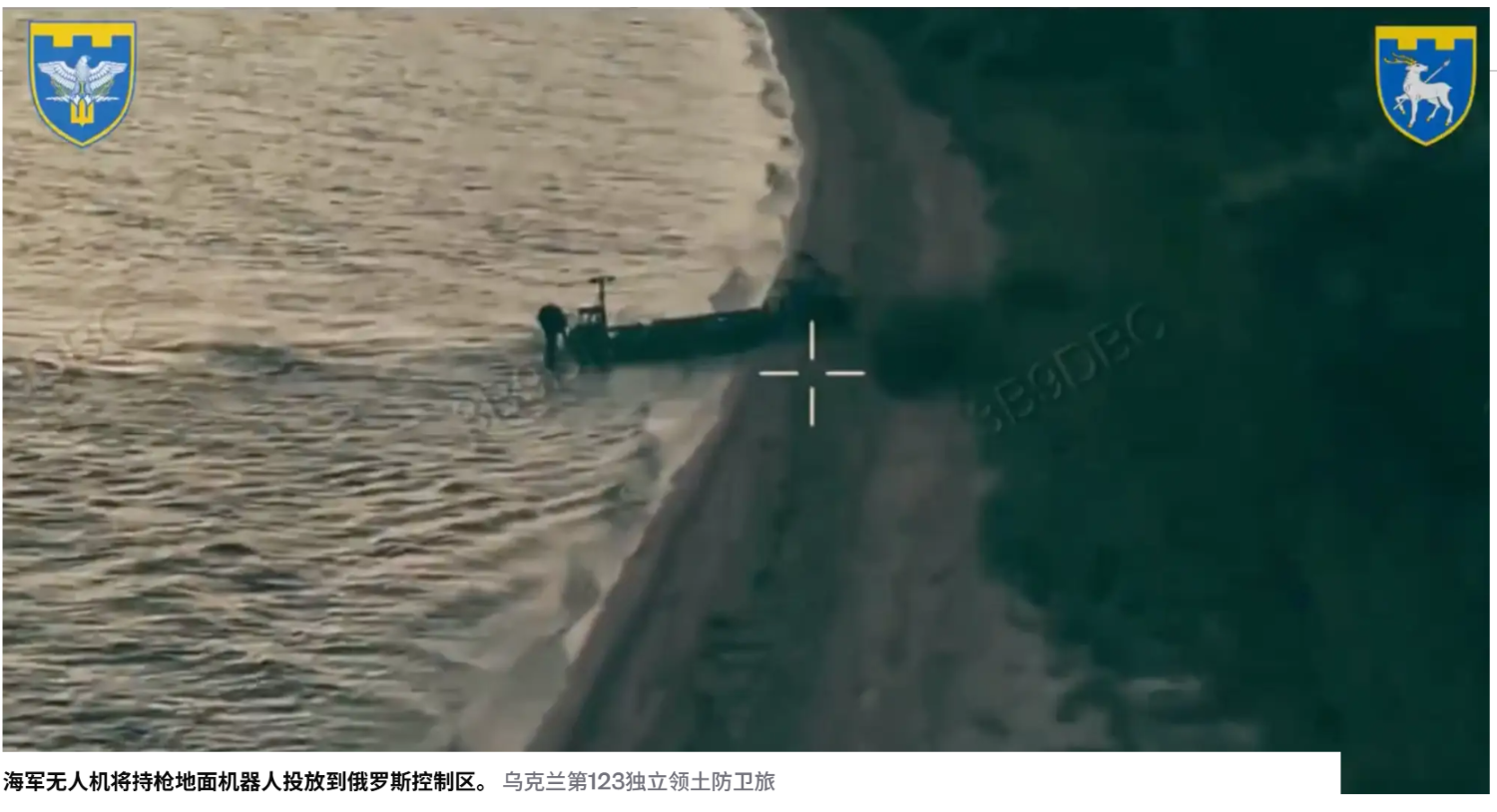
Ukraine's 123rd Territorial Defense Brigade Conducts Historic Amphibious Operation with Unmanned Systems
On July 13, 2026, Ukraine's 123rd Independent Territorial Defense Brigade executed a historic amphibious operation utilizing unmanned systems. This marked the first known joint combat mission involving an unmanned surface vessel (USV) and an unmanned ground vehicle (UGV) in a military context. The operation took place on the Kinburn Spit, an area long controlled by Russian forces, where the USV successfully delivered the UGV to the enemy coast without any human soldiers stepping onto hostile territory. The significance of this operation lies in its demonstration of a new combat paradigm where unmanned systems can effectively replace human soldiers in high-risk scenarios. The UGV, reportedly manufactured by Lviv's Roboneers, was equipped with a PKT 7.62mm machine gun and was able to engage targets after landing. The 123rd Brigade emphasized that this operation is not merely a technological novelty but represents a fundamental shift in warfare, highlighting the potential for machines to undertake dangerous missions. Looking ahead, the use of unmanned systems in military operations is expected to expand, as the Ukrainian military has already received over 1,000 various ground robot systems. The ongoing evolution from traditional amphibious assaults to unmanned operations could redefine the nature of warfare, reducing risks to human soldiers while increasing operational effectiveness.
Unmanned Systems Robotics Amphibious Operations Military Technology
Spry Technocon and Partners Form Alliance for Unmanned Mine Countermeasure Solutions for Indian Navy
Spry Technocon Private Limited has formed a strategic partnership with Teledyne Marine, Klein Marine Systems, and VideoRay to develop advanced Unmanned Mine Countermeasure (MCM) Systems for the Indian Navy. This collaboration aims to leverage cutting-edge underwater sensing and imaging technologies alongside indigenous engineering capabilities to create a comprehensive MCM Suite. The partnership is significant as it aligns with India's Aatmanirbhar Bharat and Make in India initiatives, promoting self-reliance in defense technologies. By integrating advanced Autonomous Underwater Vehicles, high-resolution sonar systems, and remotely operated vehicles, the alliance seeks to enhance the Indian Navy's capabilities in mine warfare. Looking ahead, the focus will be on establishing a sustainable ecosystem for next-generation mine warfare technologies in India. No further timeline was disclosed at the time of publication.
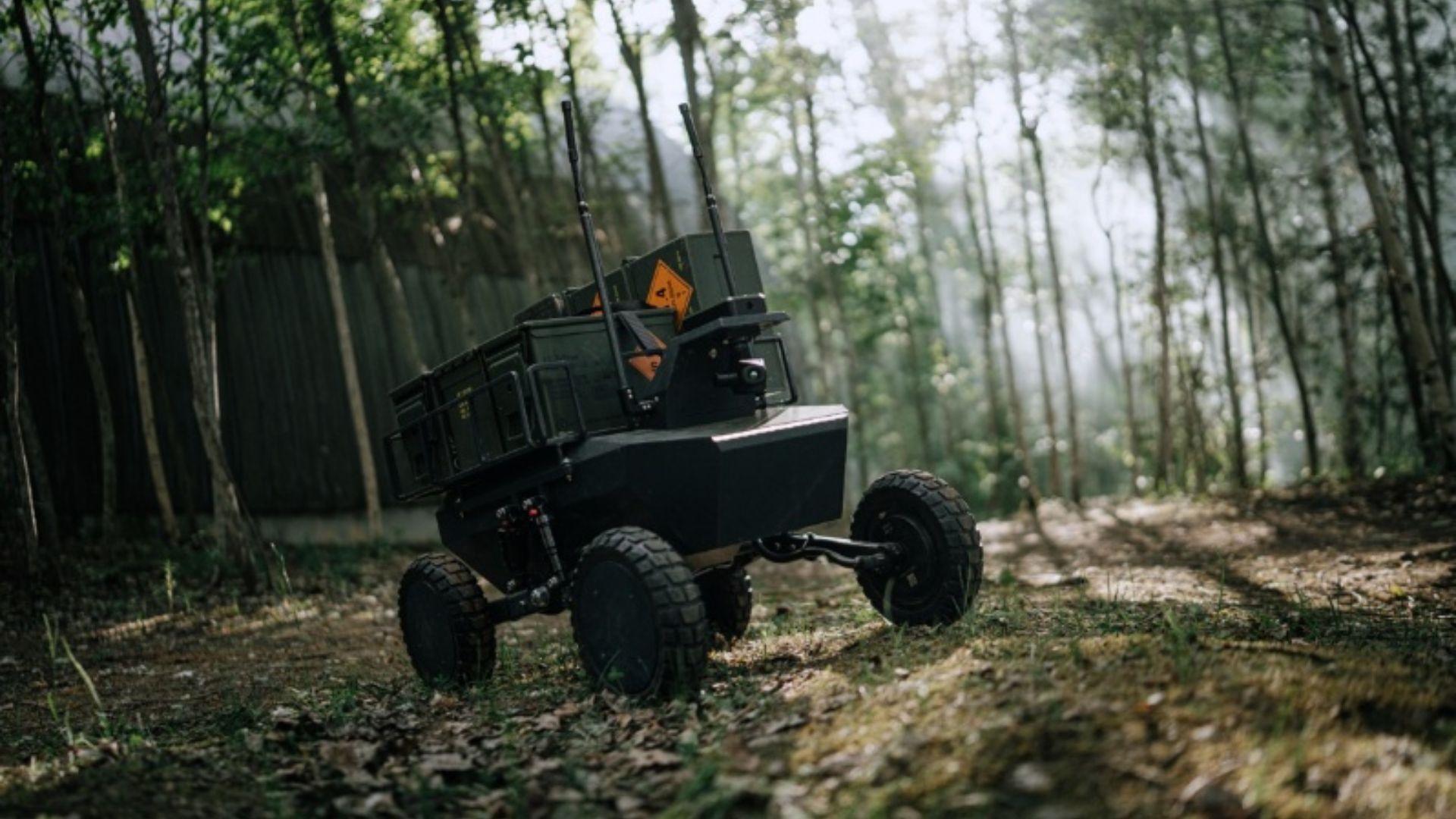
XTEND Expands Robotics Portfolio with AtlasROVER Ground Robot Deployment
Israeli physical AI firm XTEND has launched its AtlasROVER ground robot, marking its first delivery to a customer in the Asia-Pacific region. This deployment integrates XTEND’s XOS operating software, which is designed to unify control across various robotic platforms, including aerial and ground systems. The introduction of the AtlasROVER signifies XTEND's strategic shift to create a cohesive software ecosystem for robots operating in diverse environments. By utilizing XOS, XTEND aims to streamline operator workflows and enhance mission-specific capabilities across its robotic offerings, thereby improving operational efficiency. Looking ahead, XTEND's focus will be on further integrating XOS into its ground robotics portfolio, following the acquisition of Latvia-based Atlas. This move is expected to enhance XTEND's engineering and manufacturing capabilities in Europe, while also expanding the operational roles of its robotic systems. No further timeline was disclosed at the time of publication.
AI and Robotics
Archer First Response Systems Launches Whole Blood Drone Delivery in Florida
Archer First Response Systems (ArcherFRS) has initiated a drone program to deliver whole blood directly to emergency scenes in Hillsborough County, Florida. This program, a collaboration with several local organizations, aims to provide critical blood supplies to severe hemorrhagic trauma incidents within an average of three minutes, marking a significant advancement in emergency medical services. The importance of this initiative lies in its potential to enhance patient outcomes during critical situations. By utilizing drones for blood delivery, ArcherFRS is addressing the challenges of timely medical intervention in trauma cases. The program operates from two fire stations and covers a service area of approximately 70 square miles, ensuring rapid response capabilities. Looking ahead, the program is part of the ArcherFRS Champion Hospital Partner Program, which aims to integrate advanced medical technologies into emergency response. No further timeline was disclosed at the time of publication, but the collaboration between ArcherFRS and local healthcare providers is expected to evolve, potentially expanding the capabilities of emergency services in the region.
Applications Delivery Drone News Drone News Feeds Drones in the News emergency response
Ondas Secures Over $50 Million Order for Tactical Lethal Unmanned Systems from US Army
Ondas has announced a significant new order exceeding $50 million from the US Army for tactical Lethal Unmanned Systems (LUS), also known as loitering munitions or 'kamikaze drones.' This order falls under a previously disclosed $982 million multi-year Indefinite Delivery, Indefinite Quantity (IDIQ) contract, bringing Mistral's total awards under the program to over $240 million. The LUS program aims to equip soldiers with precision-strike drones that can identify and engage targets with enhanced accuracy. The demand for such systems has surged due to recent global conflicts, emphasizing the military's need for cost-effective autonomous strike platforms. Ondas' acquisition of Mistral has positioned the company to better compete in the US defense market and expand its portfolio of autonomous technologies. Looking ahead, production is already underway, with deliveries expected to commence in the third quarter of 2026. Ondas is focused on fulfilling this contract while also seeking opportunities to support the Army throughout the operational lifecycle, including intelligence gathering and mission planning. This order reflects a broader trend in military investment in autonomous systems for rapid deployment and precision on the battlefield.
News
The Shahed-136: A Key Player in Modern Aerial Warfare Discussions
The Shahed-136 has emerged as a prominent symbol in contemporary military conflicts, particularly noted for its role in Ukraine. This Iranian-designed loitering munition, characterized by its delta-wing shape and buzzing engine, has sparked global conversations about aerial warfare and air defense strategies. Its significance lies in its cost-effectiveness and operational simplicity, allowing for mass production and deployment. Unlike traditional drones, the Shahed-136 is a one-way attack UAV designed to strike targets and self-destruct, which presents a cost-exchange dilemma for defenders who must use expensive interceptors against these relatively inexpensive munitions. As the Shahed-136 gains traction in military operations, particularly in the U.S. conflict with Iran, its use alongside other long-range weapons complicates air-defense strategies. The ongoing production and deployment of the Shahed-136, also known as the Geran-2 in Russia, highlights a shift towards integrating loitering munitions into modern warfare tactics. No further timeline was disclosed at the time of publication.
Military
Ukraine Aims to Double Drone Production to 20 Million Annually with EU Support
Ukrainian President Volodymyr Zelenskyy announced that Ukraine is currently producing 10 million drones each year. With the assistance of partners, the country aims to increase its drone production capacity to 20 million annually. This initiative is significant as it highlights Ukraine's commitment to enhancing its unmanned systems capabilities amid ongoing challenges. The collaboration with partners, particularly the EU, is expected to accelerate the production process and improve the technological advancements in drone manufacturing. Looking ahead, stakeholders will be keen to monitor the progress of this production increase and the potential impact on Ukraine's defense capabilities. No further timeline was disclosed at the time of publication.
Air Warfare Air Force Drones EU Europe Fincantieri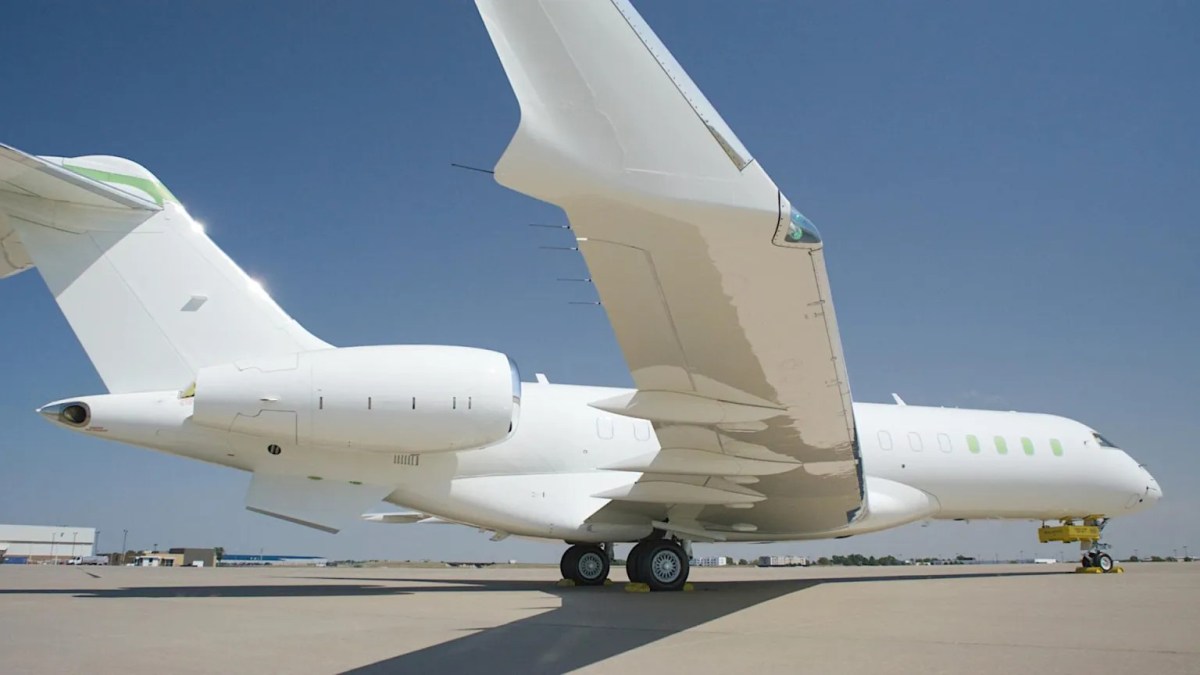
U.S. Army to Establish HADES Aircraft and Drone Battalion at Fort Hood
The U.S. Army has announced that its future fleet of ME-11B High Accuracy Detection and Exploitation System (HADES) aircraft will be stationed at Fort Hood, Texas. This initiative includes the formation of a unique operational drone battalion, aimed at consolidating aerial intelligence, surveillance, and reconnaissance (ISR) assets following the retirement of turboprop ISR planes last year. This development is significant as it marks a pivotal step in modernizing the Army's global aerial ISR capabilities. The relocation of the 116th Military Intelligence Brigade from Fort Gordon to Fort Hood is part of this strategy, enhancing the Army's ability to conduct multi-domain and large-scale combat operations. The ME-11B jets, converted from Bombardier Global 6500 business jets, are expected to improve operational efficiency with higher speed, altitude, and advanced sensor capabilities. Looking ahead, the Army anticipates the delivery of the first ME-11B prototype by the end of the year, with plans to acquire at least six production models. The HADES system is designed to extend the Army's intelligence-gathering reach significantly, utilizing long-range drones to enhance operational effectiveness while minimizing exposure to threats. No further timeline was disclosed at the time of publication.
Air Armies Drones Land Manned ISR News & Features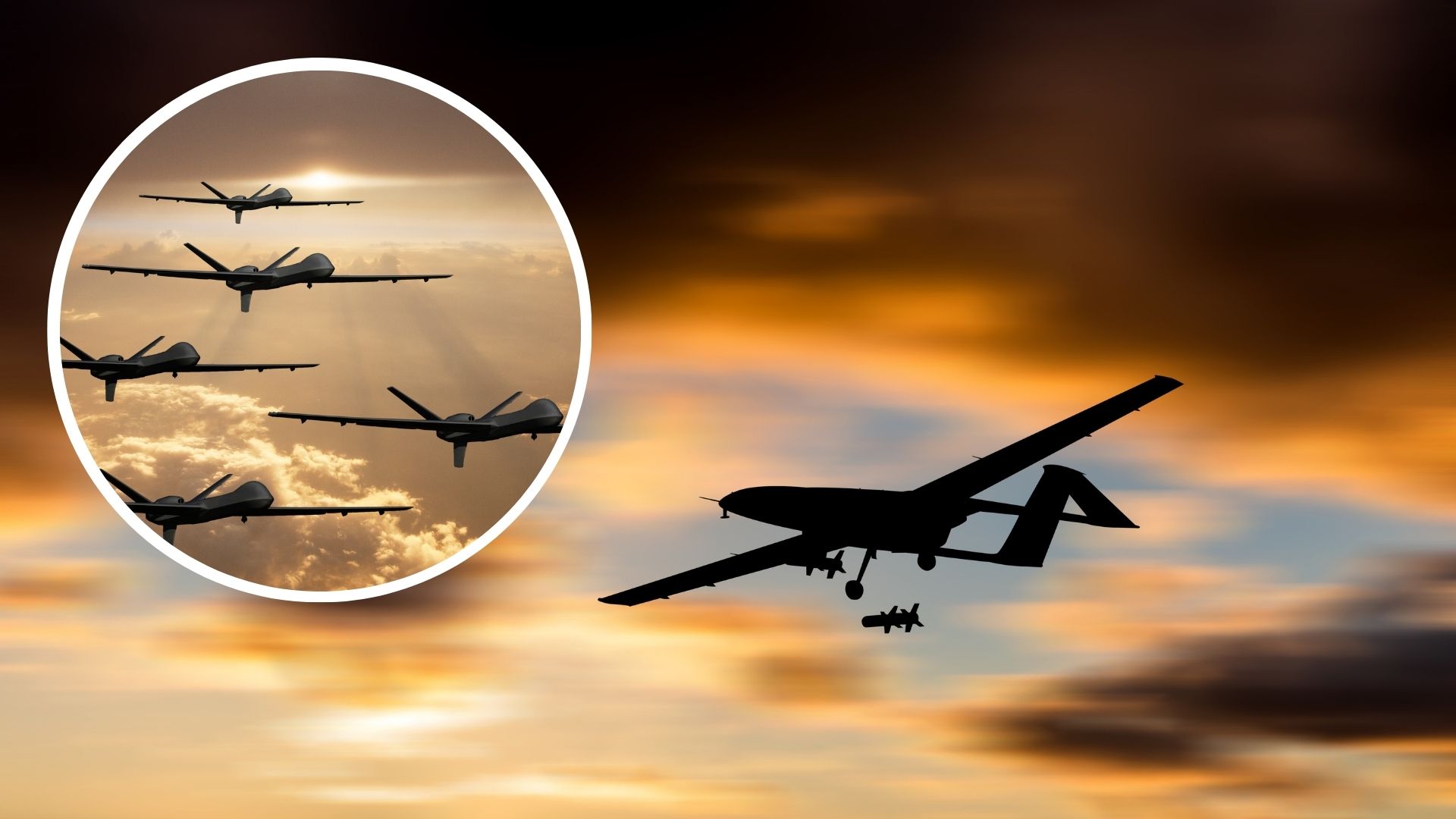
Quantum Systems Group's Apex Recordhunter Drone Achieves 434 mph Speed Milestone
Quantum Systems Group, a German aerospace firm, has announced that its Apex Recordhunter experimental drone reached a remarkable speed of 434 miles per hour. This achievement, pending formal certification, could set a new world record for battery-powered unmanned aerial vehicles. The project emphasizes advancements in electric propulsion and aerodynamics, aiming to enhance military applications for future interceptor drones. The significance of this milestone lies in its potential to reshape aerial defense systems. As military conflicts increasingly utilize high-speed drones, the demand for agile interceptor systems has surged. Traditional surface-to-air missiles are often too expensive for engaging low-cost drones, prompting the development of dedicated UAVs that can effectively counter these threats. The technologies validated through the Apex Recordhunter program are expected to play a crucial role in the next generation of interceptor drones. Looking ahead, Quantum Systems Group plans to conduct further speed trials focused on operational military roles, including FPV platforms and specialized anti-aircraft interceptors. The rapid evolution of drone warfare necessitates breakthroughs in speed and maneuverability, making the Apex Recordhunter a pivotal testbed for future technologies. No further timeline was disclosed at the time of publication.
Military
Department of War Creates Central Office to Oversee U.S. Military Unmanned Systems
On July 1, the U.S. Department of War announced a significant reorganization of its unmanned systems enterprise by establishing a new Direct Reporting Portfolio Manager for Unmanned Systems (DRPM-UxS). This central office will be responsible for consolidating the acquisition, standards, budgeting, and industry engagement related to the military's drone and autonomous programs. The move aims to enhance oversight and streamline operations within the Department’s unmanned systems, reflecting a commitment to improving efficiency and effectiveness in military technology.
Applications Defense defense Drone News Drone News Feeds Dual Use
Unmanned Maritime Systems Technology USA 2026: Save $200 with Early Bird Registration – Book by July 2
SAE Media Group has announced that the Unmanned Maritime Systems Technology USA (UMST USA) 2026 conference will take place in Arlington, Virginia, from September 14 to 16, 2026. This event is recognized as North America’s leading gathering focused on maritime robotics and autonomous systems. It aims to bring together senior naval leaders, government officials, and industry innovators to foster the advancement and operational integration of robotics and autonomous systems (RAS) within the maritime sector. The conference seeks to address the growing need for innovation in maritime technology, highlighting its importance for national security and economic development.
unmanned maritime systems technology usa 2026 early bird registration events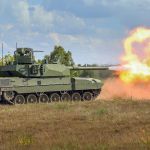
New Franco-German armored tank incorporates unmanned turret and drone systems
Franco-German defense companies Krauss-Maffei Wegmann and Nexter Defense Systems (KNDS) have introduced a new main battle tank, marking a significant advancement in military technology. The unveiling took place during a defense exhibition in Paris on October 15, 2023. This new tank is designed to enhance the operational capabilities of European armed forces amid increasing geopolitical tensions and evolving security threats. The collaboration between the two companies aims to strengthen defense cooperation within Europe and provide a modern solution to meet the demands of contemporary warfare. The development process involved extensive research and innovation, focusing on advanced armor, firepower, and mobility to ensure the tank meets the rigorous standards of modern combat scenarios.
Innovation Military
RGPB‐Planner: A Real‐Time Gaussian Potential B‐Spline Trajectory Planner for Unmanned Aerial Vehicles in Complex Environments
A recent study published in the Journal of Field Robotics explores advancements in autonomous robotic systems designed for agricultural applications. Researchers from various institutions conducted the study to address the growing need for efficient farming solutions amid increasing global food demands. The findings, released in early October 2023, highlight innovative technologies that enhance the capabilities of robots in tasks such as planting, harvesting, and monitoring crops. The research was conducted in diverse agricultural settings, showcasing how these robotic systems can adapt to different environments and crop types. By integrating artificial intelligence and machine learning, the robots are able to optimize their performance, reducing labor costs and increasing productivity for farmers. This initiative stems from the urgent necessity to improve agricultural efficiency and sustainability in response to climate change and population growth. The study emphasizes that the implementation of these robotic systems could significantly transform traditional farming practices, making them more resilient and resource-efficient. The research team utilized a combination of field tests and simulations to demonstrate the effectiveness of the robotic technologies, providing a comprehensive analysis of their potential impact on the agricultural sector. As the industry continues to evolve, the insights from this study may pave the way for broader adoption of robotics in farming, ultimately contributing to food security and environmental sustainability.
RESEARCH ARTICLE
EVENT: Unmanned Maritime Systems Technology USA - Arlington, VA - Sept 14-16, 2026
The 5th Annual Unmanned Maritime Systems Technology (UMST) USA Conference is set to take place, positioning itself as North America’s premier event focused on the development of unmanned and autonomous maritime technologies. Scheduled for later this year, the conference will gather industry leaders, researchers, and technology developers to discuss innovations and advancements in maritime capabilities. The event aims to foster collaboration and knowledge sharing among participants, highlighting the growing importance of unmanned systems in enhancing maritime operations and safety. Attendees will have the opportunity to engage in discussions, attend workshops, and network with experts in the field, all contributing to the ongoing evolution of maritime technology.
events unmanned maritime systems technology usa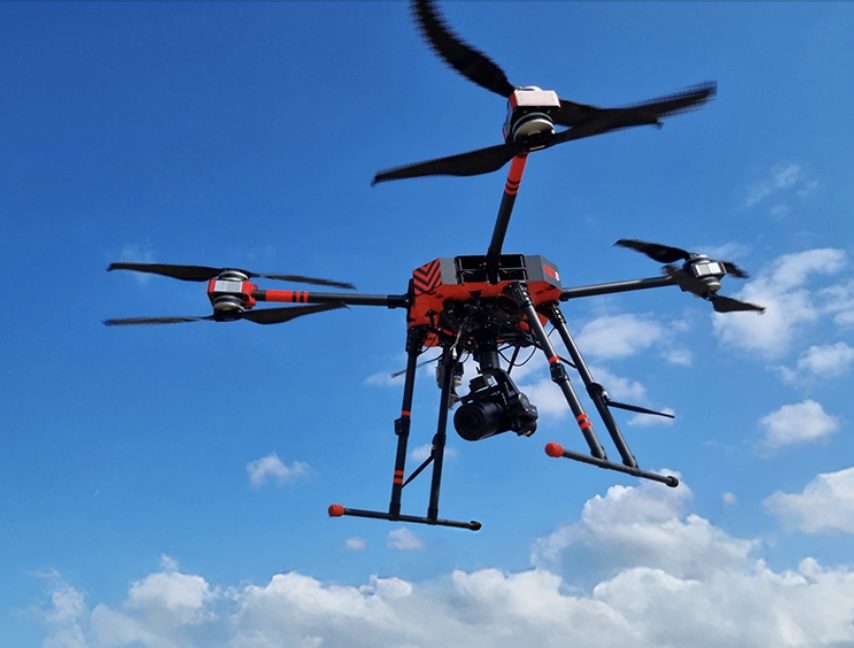
FCC Adds More Drone Exemptions to Covered List Ban: Elevon Aerial, Air6 Systems
The Federal Communications Commission (FCC) has expanded its list of foreign-made drone systems that are conditionally approved and exempt from its extensive Covered List restrictions. This update, announced in a Public Notice on May 15, 2026, reflects ongoing efforts by federal agencies to navigate the implications of the FCC's stringent regulations on foreign drones and their critical components. The addition of new exemptions aims to facilitate the integration of certain drone technologies while addressing national security concerns. Among the newly exempted companies are Elevon Aerial and Air6 Systems, which are now able to operate under the revised guidelines. This move underscores the FCC's commitment to balancing innovation in the drone industry with the need for regulatory oversight.
Drone News Drone News Feeds News Air6 Systems Blue UAS Commercial Drones
May 14 Live Broadcast Preview | The Boundaries of Unmanned Systems: Challenges in Cluster Coordination and Engineering in Complex Environments
A live broadcast is set to take place, showcasing the latest advancements in unmanned systems, with a particular emphasis on cluster coordination in complex environments. Scheduled for an upcoming date, this event will feature a panel of experts who will delve into the evolving challenges faced in the field and explore the significant impact of artificial intelligence on research methodologies. The session aims to foster audience interaction, allowing participants to engage directly with the experts and share valuable academic resources. This initiative highlights the growing importance of unmanned systems and AI in addressing contemporary challenges in various sectors.
Unmanned Systems Cluster Coordination AI in Research Engineering Challenges
Airspace Management Systems Help Prioritize Emergency Drones
NASA is advancing its airspace management initiatives to enhance public safety for drones, particularly in response to the increasing challenges posed by congested urban environments. As urban areas become more populated and the use of drones expands, the agency is focusing on innovative solutions to ensure safe and efficient air traffic management. This initiative aims to address the complexities of integrating drones into existing airspace systems, thereby reducing the risk of accidents and improving overall safety for both drone operators and the public. Through research and development, NASA is exploring new technologies and strategies that will facilitate the seamless operation of drones in crowded cityscapes, ultimately paving the way for a safer and more organized airspace.

Turkey’s STM debuts new unmanned systems, is ‘really open’ to Gulf collaboration
In a recent interview with Breaking Defense, the general manager of a leading technology firm announced that the company is intensifying its efforts in artificial intelligence, image processing, and machine learning. This strategic move aims to enhance their existing capabilities and explore deeper applications of these advanced technologies. The initiative reflects the company's commitment to innovation and staying at the forefront of technological advancements. By leveraging these cutting-edge tools, the firm seeks to improve its product offerings and maintain a competitive edge in the rapidly evolving tech landscape.
Air Warfare Global Naval Warfare Air Force Drones Europe
US turns to AI-powered target recognition systems to destroy drones faster than human operators
The Department of Defense is advancing its efforts to implement artificial intelligence-driven target recognition systems aimed at enhancing the capabilities of military troops and vehicles. This initiative, announced in October 2023, seeks to improve operational efficiency and decision-making on the battlefield. By leveraging AI technology, the Defense Department aims to streamline the identification and engagement of potential threats, thereby increasing the safety and effectiveness of military operations. The move comes in response to the growing complexity of modern warfare, where rapid and accurate target recognition is crucial for mission success. The integration of these advanced systems is expected to transform how military personnel interact with their environments, ultimately leading to more strategic and informed actions in combat scenarios.

Not one-drone-fits-all: Admirals stress unmanned systems tailored to the mission
At the Sea-Air-Space conference, Rear Admiral Douglas Sasse emphasized the challenges of adapting military capabilities from regions like EUCOM and CENTCOM to the Pacific. He highlighted that while certain strategies may be effective in Europe and the Middle East, the vast distances in the Pacific present unique obstacles that require tailored approaches. Sasse's remarks underscore the importance of understanding regional dynamics in military planning and operations, particularly as the U.S. navigates its strategic posture in the increasingly complex Pacific theater.
Naval Warfare Networks & Digital Warfare Adm. Derek Trinque Adm. Douglas Sasse AI & Autonomy cyber security
Research on Collision Avoidance Methods for Logistics Unmanned Aerial Vehicle Based on Dynamic Controlled Interactive Collaborative Fusion
A recent study published in the Journal of Field Robotics highlights advancements in robotic technology aimed at enhancing agricultural efficiency. Researchers from various institutions collaborated to develop a new autonomous robot designed to optimize crop monitoring and management. The study, released in early October 2023, emphasizes the growing need for innovative solutions in agriculture to address challenges such as labor shortages and increasing food demand. The robot utilizes advanced sensors and machine learning algorithms to gather real-time data on soil conditions, crop health, and environmental factors. This data-driven approach allows farmers to make informed decisions, ultimately leading to improved yields and reduced resource waste. The research team conducted field tests in various agricultural settings, demonstrating the robot's effectiveness in diverse conditions. The motivation behind this initiative stems from the pressing need for sustainable agricultural practices as global populations continue to rise. By integrating robotics into farming, the researchers aim to support farmers in adapting to changing environmental conditions while maximizing productivity. This breakthrough in agricultural robotics represents a significant step toward modernizing farming practices, showcasing how technology can play a crucial role in addressing food security and sustainability challenges. The findings are expected to influence future developments in the field, paving the way for more sophisticated agricultural solutions.
RESEARCH ARTICLE
Transition Strategy for Unmanned Aerial‐Aquatic Vehicles (UAAVS): A Survey
In the May 2026 issue of the Journal of Field Robotics, researchers present groundbreaking advancements in robotic technology, focusing on the development of autonomous systems designed for complex field operations. This comprehensive study highlights innovations that enhance the efficiency and safety of robots deployed in various environments, including agriculture, disaster response, and exploration. The research team, comprised of leading experts in robotics and artificial intelligence, conducted extensive field tests to evaluate the performance and adaptability of these autonomous systems. Their findings reveal significant improvements in navigation, obstacle avoidance, and decision-making capabilities, which are crucial for real-world applications. The motivation behind this research stems from the increasing demand for reliable robotic solutions that can operate in unpredictable and hazardous conditions. By addressing these challenges, the team aims to pave the way for more widespread adoption of robotics in critical sectors, ultimately improving operational outcomes and reducing human risk. The study's implications are far-reaching, suggesting that these advanced robotic systems could revolutionize industries by providing enhanced support in tasks that are currently labor-intensive or dangerous. As the field of robotics continues to evolve, this research marks a significant step forward in harnessing technology to meet the needs of society.
SURVEY ARTICLE
Improved Target Detection in Unmanned Aerial Vehicles Search and Rescue via V‐Circular Trajectory Optimization
The Journal of Field Robotics has recently published an early view article highlighting significant advancements in robotic technology. Researchers from various institutions collaborated to explore innovative applications of robotics in field environments, aiming to enhance efficiency and safety in agricultural practices. This study, released in October 2023, emphasizes the growing importance of automation in addressing labor shortages and improving productivity in the agricultural sector. By integrating advanced sensors and artificial intelligence, the team demonstrated how robots can autonomously navigate complex terrains and perform tasks such as planting, harvesting, and monitoring crop health. The findings suggest that these technological advancements could revolutionize traditional farming methods, ultimately leading to more sustainable agricultural practices.
RESEARCH ARTICLE
Mission Specialist Wraith Signals AeroVironment’s Next Step in Compact Unmanned Underwater Systems Capability
A new expeditionary unmanned underwater vehicle (UUV) has been unveiled, showcasing advanced capabilities that include six-degree-of-freedom maneuverability, increased thrust, and modular mission flexibility. This compact platform is designed to enhance operational efficiency for various underwater missions. The development comes amid growing demands for innovative maritime technology, as military and research organizations seek to improve their underwater exploration and operational capabilities. The UUV's design allows for easy adaptation to different mission requirements, making it a versatile tool for a range of applications. The introduction of this advanced vehicle marks a significant step forward in underwater technology, promising to support both military operations and scientific research in challenging aquatic environments.
videoray rov wraith aerovironment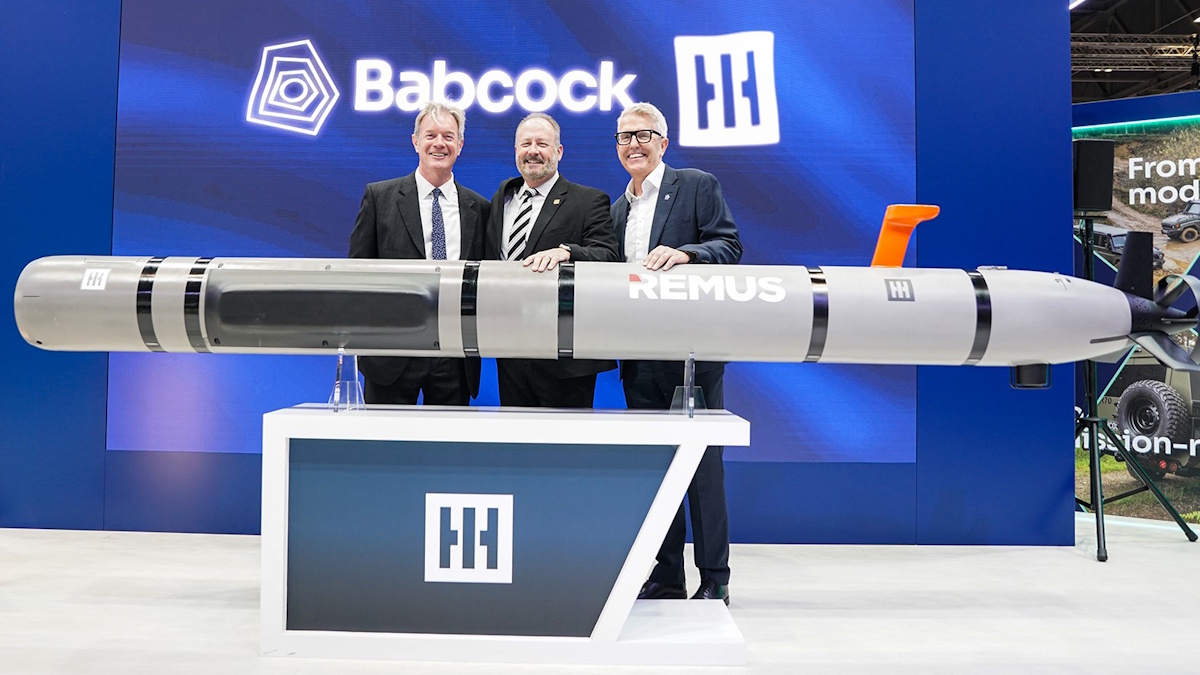
HII and Babcock Join Forces to Integrate Unmanned Underwater Vehicles with Submarine Weapon Handling and Launch Systems
Babcock International Group and HII have entered into a memorandum of understanding to integrate HII’s REMUS unmanned underwater vehicles with Babcock’s advanced submarine Weapon Handling and Launch Systems. This collaboration aims to enhance the autonomous launch and recovery capabilities of UUVs through submarine torpedo tubes, thereby bolstering the undersea operational advantages of allied navies. This initiative marks the inaugural program of its kind within Babcock's Mission Systems division, reflecting a significant step forward in military maritime technology.
hii babcock unmanned underwater vehicles submarine weapon handling and launch systems dsei 2025
EVENT: Unmanned Maritime Systems Technology USA Conference 2025
The U.S. Navy is undergoing a significant transformation as it integrates unmanned maritime capabilities into its operations, reflecting a broader shift towards autonomous systems across all military domains. This evolution is driven by the need to enhance operational efficiency and adaptability in modern naval warfare. As of October 2023, the Navy is actively working to incorporate these advanced technologies, which are expected to reshape traditional naval strategies and improve mission effectiveness. The push for these innovations underscores the military's commitment to staying at the forefront of technological advancements in defense.
events unmanned maritime systems technology usa conferenceRobotics needs a service framework.
RSF defines a common language for robot service capability, lifecycle operations, certification pathways, and service-provider networks.
Join the RobotToday community on LinkedIn
Daily robotics news, in-depth analysis, conference highlights, and discussions with professionals worldwide.