

Industry Briefing
A single destination for timely, editor-curated robotics news from around the world.

U.S. Military Unprepared for Domestic Drone Swarm Attacks, Says NORAD Deputy Commander
The Deputy Commander of United States Northern Command (NORTHCOM) and North American Aerospace Defense Command (NORAD), Army Lt. Gen. Joseph Jarrard, stated that the U.S. is currently unprepared to defend against drone swarm attacks within its homeland. During the Space and Missile Defense Symposium in Huntsville, Alabama, he emphasized the lack of necessary sensors and effectors to address such threats. Jarrard's remarks highlight significant gaps in U.S. military capabilities, particularly in domain awareness and response systems for drone threats. He pointed out that while drone attacks are increasingly common globally, the U.S. has yet to develop effective mitigation strategies. This admission follows previous concerns raised about the military's readiness, especially after incidents like the Chinese spy balloon event in 2023. Looking ahead, the military must prioritize enhancing its drone defense systems to counter threats similar to Ukraine's Operation Spiderweb, which successfully targeted Russian air bases. The evolving drone technology landscape necessitates urgent action to safeguard critical infrastructure and personnel from potential domestic drone attacks.
Air Americas Around The Globe Counter-Unmanned Aerial Vehicles (C-UAS) Drones Land
NORTHCOM Deputy Commander Admits U.S. Unprepared for Domestic Drone Swarm Attacks
The deputy commander of United States Northern Command (NORTHCOM), Army Lt. Gen. Joseph Jarrard, stated that the U.S. is currently unprepared to defend against potential drone swarm attacks within its borders. Speaking at the Space and Missile Defense Symposium in Huntsville, Alabama, he highlighted significant gaps in sensor capabilities and response systems necessary to mitigate such threats. Jarrard's remarks underscore a critical vulnerability in U.S. homeland defense, particularly in light of recent global drone usage, including Ukraine's Operation Spiderweb, which effectively targeted Russian air bases. The general emphasized the need for improved domain awareness and the right systems to neutralize drone threats, which have become increasingly sophisticated and accessible. As drone technology continues to advance, the potential for domestic attacks using longer-range drones poses additional challenges for U.S. defenses. No further timeline was disclosed at the time of publication regarding improvements to address these vulnerabilities.
Air Americas Around The Globe Counter-Unmanned Aerial Vehicles (C-UAS) Drones Land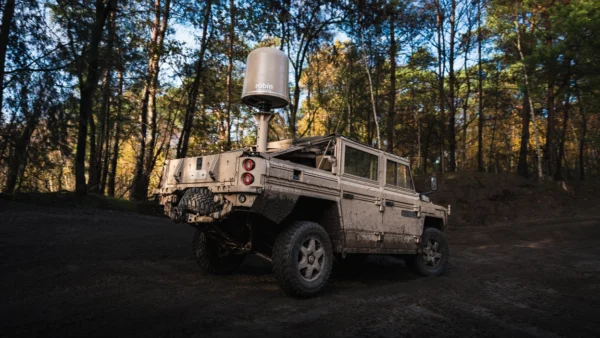
Robin Radar Names Homeland Security and Defense Leads for US Expansion
Robin Radar Systems, a Dutch company specializing in drone-detection radar, has announced a significant expansion in the United States to meet the growing demand for homeland security solutions. On May 18, 2026, the company revealed the appointment of senior sales leadership and the establishment of a larger headquarters in Virginia. This strategic move aims to enhance their operational capabilities and better serve the national security sector as concerns over drone-related threats continue to rise. By bolstering its presence in the U.S. market, Robin Radar Systems seeks to strengthen its position in the defense industry and address the increasing need for advanced counter-drone technologies.
Anti-drone technology C-UAS defense Drone News Drone News Feeds MilitaryRobotics needs a service framework.
RSF defines a common language for robot service capability, lifecycle operations, certification pathways, and service-provider networks.
Join the RobotToday community on LinkedIn
Daily robotics news, in-depth analysis, conference highlights, and discussions with professionals worldwide.







