Industry Briefing
A single destination for timely, editor-curated robotics news from around the world.

White House AI Adviser Sriram Krishnan to Leave Trump Administration at End of June
Sriram Krishnan, the senior policy adviser for artificial intelligence at the White House, will leave his position at the end of June after 18 months of contributing to the development of U.S. AI policy within the Trump administration. Krishnan, who has an extensive background in the tech industry as a former product leader at major companies including Microsoft, Twitter, Facebook, and Snap, has also served as a partner at the venture capital firm Andreessen Horowitz. His departure marks a significant transition in the administration’s approach to AI, as he has played a pivotal role in shaping the nation's strategies and regulations in this rapidly evolving field.
AI AI Funding & Investment AI Policy & Regulation Sriram Krishnan
White House Eyes "Robotics Executive Order" as Trump Administration Pivots to Hardware
The incoming administration is developing a national robotics strategy aimed at enhancing the United States' competitive edge against China, as part of a broader initiative focused on advancing artificial intelligence in software. Commerce Secretary Howard Lutnick is spearheading discussions with key industry players, including Apptronik, Tesla, and Boston Dynamics. This strategy reflects a growing recognition of the importance of robotics and AI in maintaining technological leadership and economic strength on the global stage. The initiative is expected to outline specific goals and frameworks for collaboration between the government and private sector, fostering innovation and ensuring the U.S. remains at the forefront of robotics development.
Business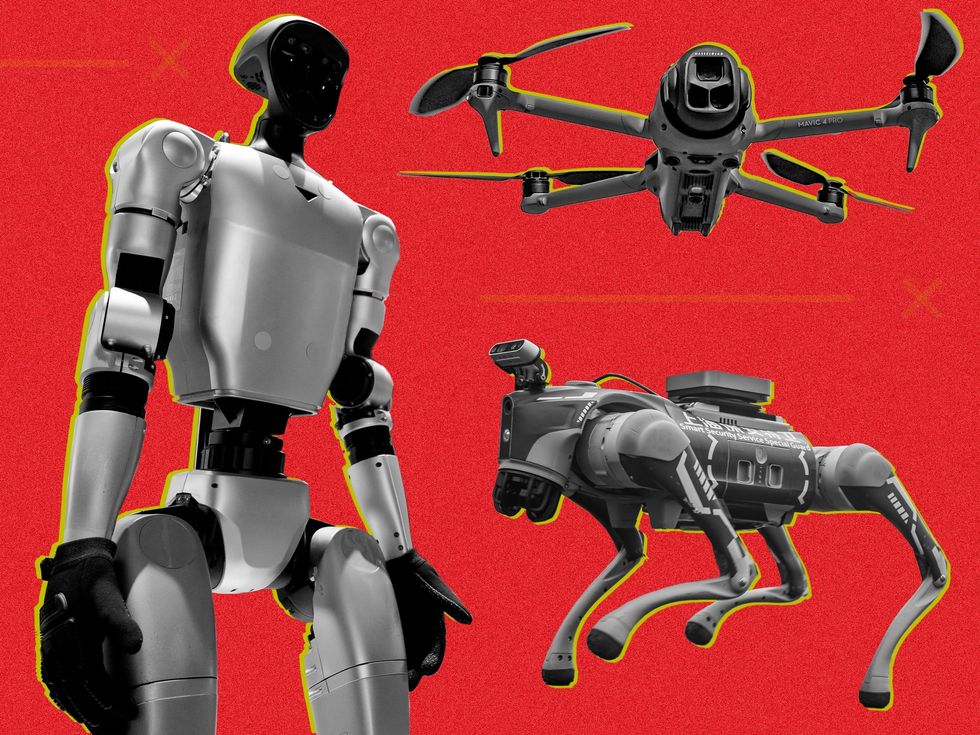
Proposed Chinese Robot Ban Is Latest U.S. Tech Sovereignty Move
A bipartisan initiative led by Senators Tom Cotton and Chuck Schumer, along with Representative Elise Stefanik, seeks to restrict the U.S. government's use of Chinese-made ground robots, including humanoids and drones. Introduced in March, the American Security Robotics Act aligns with recent actions by the Federal Communications Commission (FCC) to tighten regulations on foreign-made routers, marking a significant step in the ongoing decoupling of sensitive U.S. technology from China. This legislative push comes amid rising concerns over national security related to Chinese technology, as highlighted by sociologist Kyle Chan during his testimony before Congress. The proposed restrictions could benefit U.S. firms like Ghost Robotics, which are positioned to meet government demand for domestic ground robots. However, if the legislation extends to prohibit American manufacturers from sourcing Chinese components, it could hinder their ability to fulfill orders. The U.S. robotics industry currently faces challenges due to its nascent stage and reliance on foreign supply chains, particularly from countries like South Korea and Japan. The FCC's recent actions, including the addition of uncrewed aircraft systems to its import ban list, reflect a broader trend of bipartisan scrutiny of Chinese technology. While some industry experts welcome these security measures, they express concerns over the abrupt nature of policy changes, which lack comprehensive strategies and stakeholder engagement. As the U.S. navigates its techno-economic competition with China, the future of its robotics industry remains uncertain amid evolving regulatory landscapes.
Robots Robot-policy China Us-congress Trump-administration American-security-robotics-act
Trump drops restrictions on Anthropic’s Mythos and Fable models
The Trump administration's inconsistent strategy regarding artificial intelligence (AI) policy has created uncertainty for companies within the industry concerning the regulations that will dictate future model releases. As businesses navigate this unclear landscape, they are left grappling with the implications of potential guidelines and standards that may emerge. This lack of clarity has raised concerns about the ability of companies to innovate and compete effectively in a rapidly evolving technological environment. The situation underscores the need for a more cohesive and predictable framework for AI governance, which many stakeholders believe is essential for fostering growth and ensuring responsible development in the sector.
AI Government & Policy Anthropic fable Mythos Trump Administration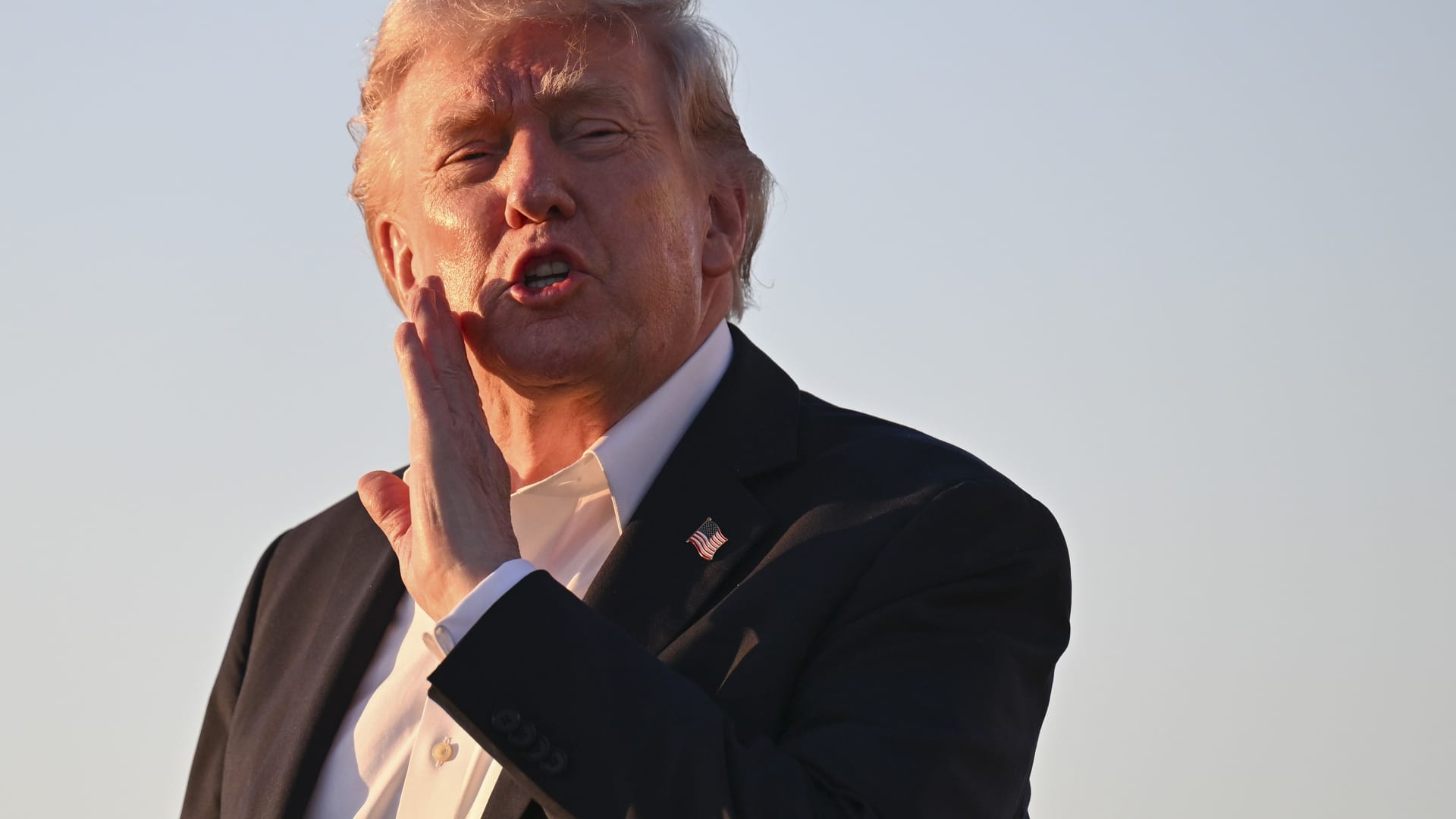
Trump admin moves further into AI oversight, will test Google, Microsoft and xAI models
The White House is contemplating the establishment of a new working group focused on artificial intelligence, aimed at examining oversight and vetting models prior to the release of AI technologies. This initiative, confirmed by CNBC, reflects the administration's growing concern over the implications of AI advancements and the need for regulatory frameworks to ensure safety and ethical standards. The proposed working group is part of broader efforts to address the rapid evolution of AI and its potential impact on society.
Pentagon works with U.S. rare earths company to counter China's dominance
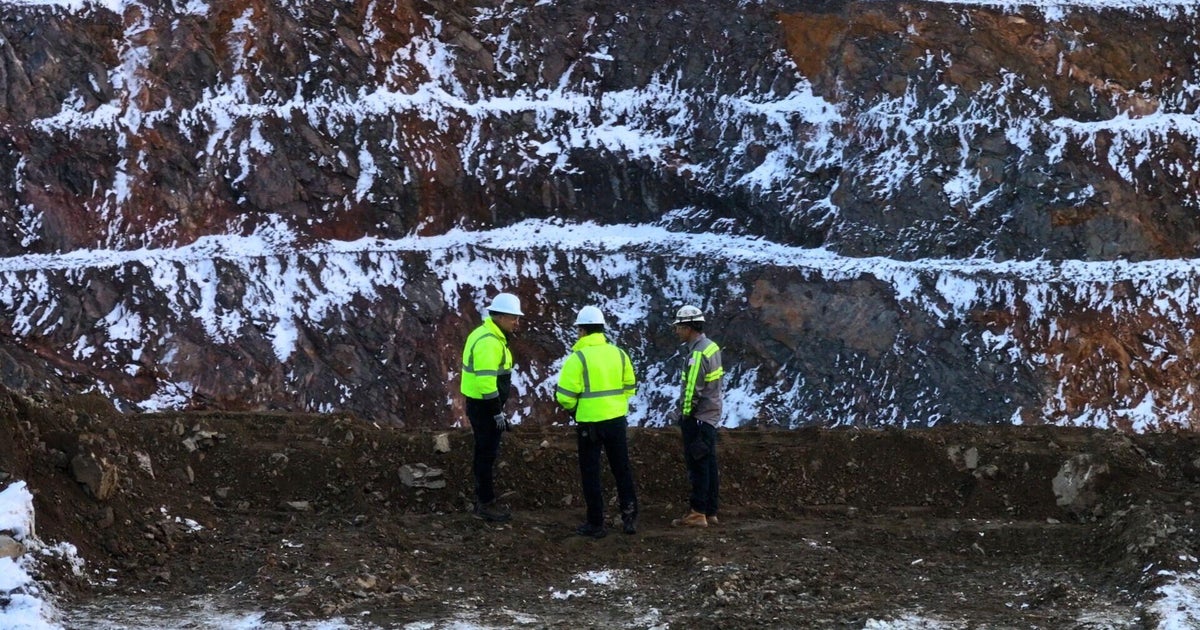
The Trump administration is collaborating with a U.S. company to counter China's stronghold on rare earth elements, which are crucial for manufacturing components in various technologies, including smartphones, robotics, fighter jets, and drones. This initiative comes amid growing concerns over supply chain vulnerabilities and national security, as China currently dominates the production of these essential metals. The partnership aims to enhance domestic production capabilities and reduce reliance on foreign sources, thereby ensuring a more secure supply chain for critical technologies. The administration's efforts reflect a broader strategy to strengthen the U.S. position in the global market for rare earth elements and to promote economic independence.
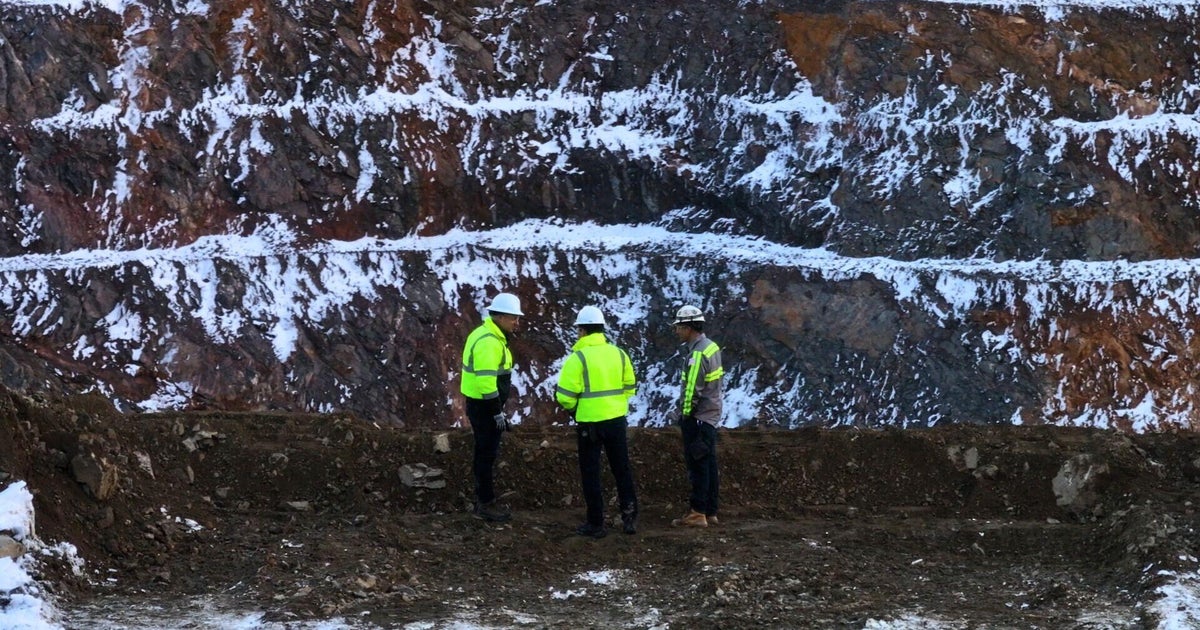
The American rare earths company seeking to topple China's dominance | 60 Minutes
The Trump administration is collaborating with a U.S. company to confront China's significant control over rare earth elements, which are crucial for manufacturing various high-tech products, including smartphones, robotics, fighter jets, and drones. This initiative aims to reduce dependency on Chinese supplies and enhance national security by securing a more stable and independent source of these vital materials. The effort comes amid rising tensions between the U.S. and China, highlighting the strategic importance of rare earth elements in modern technology and defense. The administration's actions reflect a broader strategy to bolster domestic production capabilities and ensure that the U.S. remains competitive in critical industries.

Latest DPA Action Highlights Manufacturing Challenge Behind U.S. Drone Expansion
A new presidential memorandum has been issued to address defense production bottlenecks, highlighting concerns about the United States' capacity to scale emerging technologies. This initiative, part of the Trump Administration's Drone Dominance program launched in June 2025, has primarily focused on aircraft, regulations, and procurement processes. The memorandum aims to streamline manufacturing challenges that could hinder the expansion of the U.S. drone industry. As discussions continue around regulatory reforms and domestic capabilities, this action underscores the urgent need for improvements in defense production to maintain competitiveness in the evolving technological landscape.
Applications Defense Drone News Drone News Feeds News US Government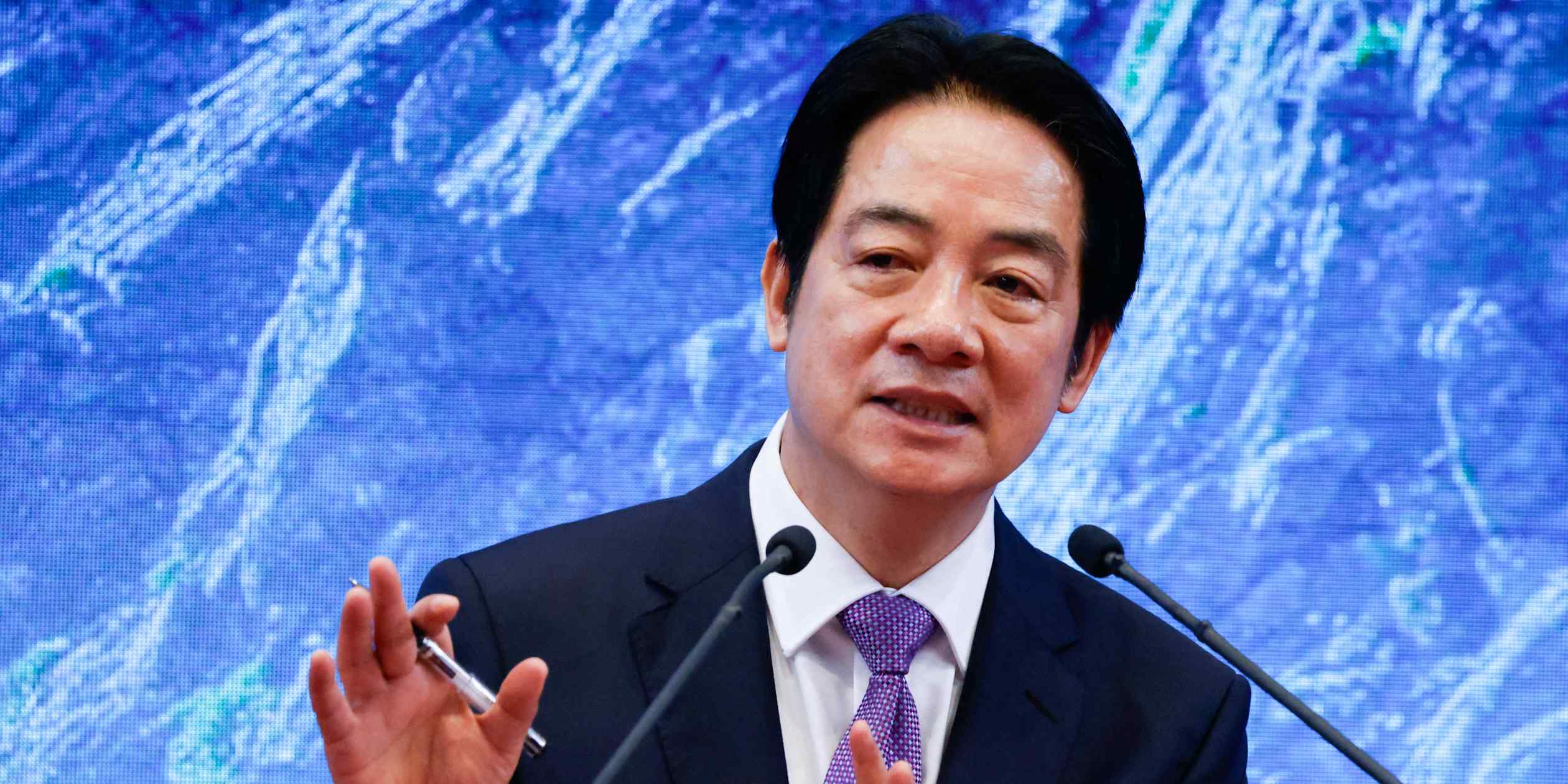
Lai says Taiwan won't 'relinquish freedom,' vows new drone budgets
On May 20, 2026, Taiwan President Lai Ching-te delivered a speech at the presidential building in Taipei, commemorating the two-year mark of his administration. In his address, Lai emphasized that the future of Taiwan will be determined solely by its citizens, rejecting any influence from foreign powers. He reiterated Taiwan's commitment to maintaining its freedom and announced plans to increase the budget for drone defense capabilities. Lai's remarks come amid rising tensions with China and concerns regarding U.S.-China relations, particularly in light of recent discussions between former U.S. President Donald Trump and Chinese President Xi Jinping. The president stated that Taiwan aims to prevent conflict rather than provoke it, highlighting the delicate geopolitical landscape that Taiwan navigates.
Hegseth says E-7 Wedgetail ‘has a future,’ reversing planned cancellation
The Boeing E-7 Wedgetail, an advanced airborne early warning and control aircraft, has seen a resurgence in support following its previous consideration for cancellation during the Trump administration. This shift in prospects comes as a result of mounting pressure from lawmakers advocating for the program and a new strategic approach within the Pentagon. The renewed interest in the E-7 highlights a changing attitude towards military procurement and modernization efforts, emphasizing the importance of maintaining advanced surveillance capabilities in the face of evolving global threats. As discussions continue, the future of the E-7 Wedgetail appears more secure, reflecting a broader commitment to enhancing the U.S. military's operational readiness.
Air Warfare Pentagon Air Force Boeing Defense Budget 2027 E-3 Sentry
NOAA to Map Critical Mineral Deposits in Deep Waters off American Samoa
The National Oceanic and Atmospheric Administration's National Ocean Service has launched a hydrographic survey project aimed at mapping and characterizing over 30,000 square nautical miles of federal waters off the coast of American Samoa. Announced today, this initiative aligns with the Department of Commerce's efforts to execute the U.S. Offshore Critical Minerals Mapping Plan, which was established under President Trump’s Executive Order 14285. This order seeks to enhance the exploration and utilization of America's offshore critical minerals and resources, highlighting the government's commitment to advancing marine resource management and environmental stewardship. The survey will utilize advanced mapping technologies to gather essential data, which will inform future resource development and conservation strategies in the region.
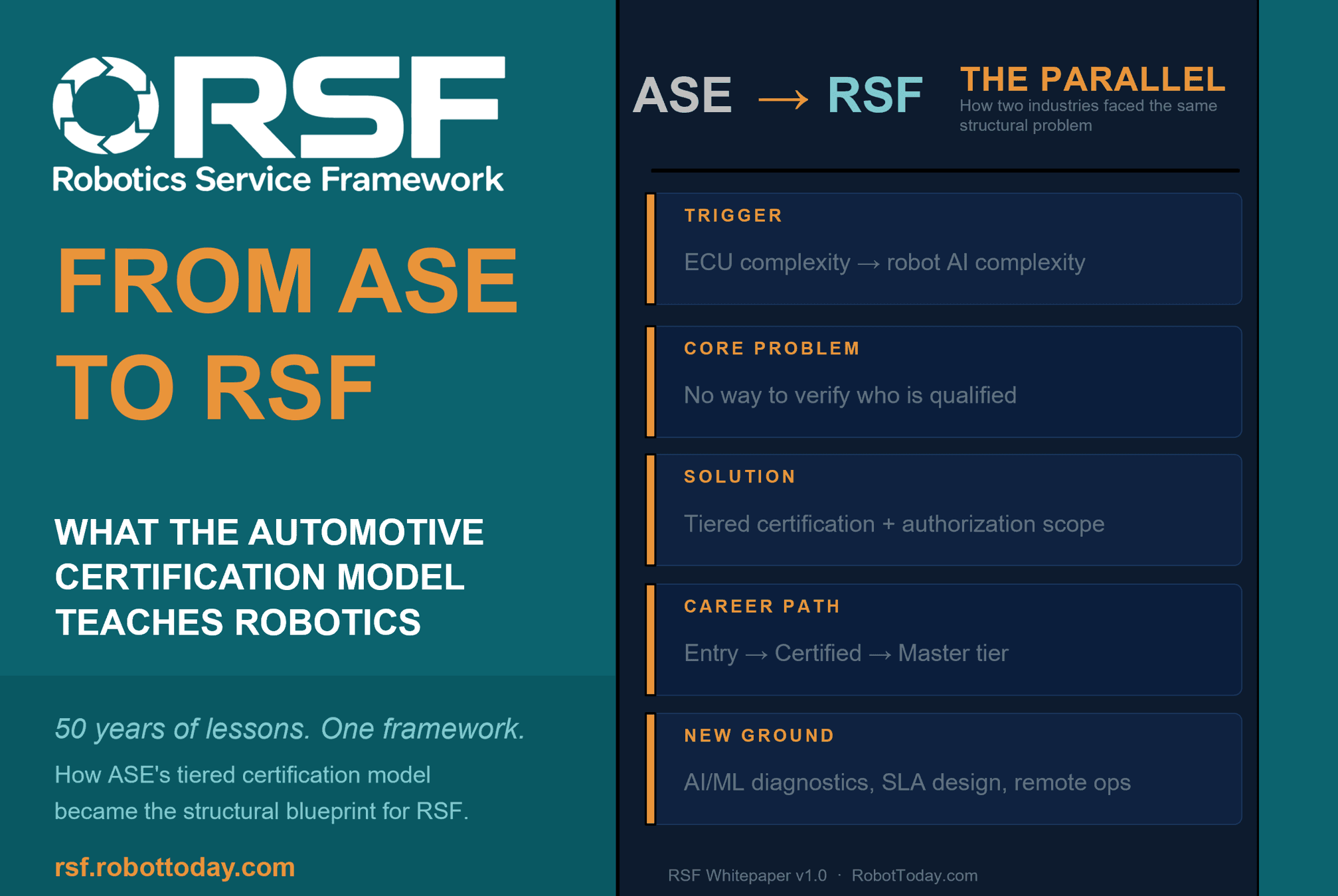
noaa u.s. offshore critical minerals mapping plan national ocean service subsea miningRobotics needs a service framework.
RSF defines a common language for robot service capability, lifecycle operations, certification pathways, and service-provider networks.