Industry Briefing
A single destination for timely, editor-curated robotics news from around the world.

Price war intensifies as Amazon reportedly targets Chinese sellers offering cheap goods on Temu
Amazon has reportedly directed certain Chinese cross-border merchants to cease listing lower-priced products on the rival platform Temu. This development, highlighted in a South China Morning Post article, reflects Amazon's response to intensifying competition from Temu, which is owned by the Chinese e-commerce giant PDD Holdings. The directive aims to protect Amazon's market position as it faces challenges from budget retailers like Temu, which has been gaining traction in the U.S. market. The move underscores the ongoing rivalry between major e-commerce platforms and the strategies they employ to maintain their competitive edge.
Heavy Hitters News Amazon E-commerce Highlight PDD
US ends duty-free treatment for Chinese low-value packages, creating uncertainty for Shein, Temu and logistics sector
On May 3, the US government implemented a significant policy change by terminating the duty-free treatment for low-value shipments from China and Hong Kong. This decision affects cross-border e-commerce companies, including major players like Shein and Temu, which have relied on the previous exemption for packages valued under a certain threshold. Under the new regulations, all shipments, regardless of their value, will now incur tariffs that can reach as high as 145%. This shift aims to address trade imbalances and protect domestic industries, marking a notable escalation in trade tensions between the United States and these regions. The move is expected to reshape the landscape of e-commerce, as businesses navigate the increased costs associated with importing goods from China and Hong Kong.
News Feed CHINA E-commerce and New Retail US
Temu preparing to enter South Korean market, build logistics system
Temu, the cross-border platform of Chinese e-commerce giant PDD, is set to launch operations in South Korea, as reported by Yonhap News Agency. The company has been actively recruiting South Korean professionals for essential positions in human resources, general affairs, marketing, and logistics since late 2022. This strategic move aims to strengthen Temu's presence in the competitive South Korean market, which is known for its robust e-commerce landscape. By hiring local talent, Temu seeks to enhance its operational efficiency and better cater to the preferences of South Korean consumers. The establishment of a local office is also part of the company's plans to facilitate its entry and ensure a smooth rollout of services.
News Feed
Temu faces suspension in Vietnam
Temu, a cross-border e-commerce platform associated with China's Pinduoduo, has been instructed to cease its operations in Vietnam, as reported by Chinese media outlet Yicai on Thursday. This directive comes amid a series of regulatory challenges faced by Chinese e-commerce platforms in the Southeast Asian country throughout the year. The Vietnamese government has been tightening regulations on foreign e-commerce entities, aiming to protect local businesses and ensure compliance with national laws. As a result, Temu's operations in Vietnam have been significantly impacted, reflecting broader trends in the region's approach to foreign digital commerce.
News Feed
Taobao to ship apparel items for free to Asian territories as it looks to go global
Alibaba’s Taobao, a prominent Chinese e-commerce platform, has announced its entry into cross-border operations, aiming to expand its global reach by offering free shipping on clothing. This initiative, which aligns with the growing trend among Chinese e-commerce platforms, will initially target Asian markets, including Hong Kong, Singapore, Malaysia, and South Korea. The move is part of Taobao's strategy to enhance its competitive edge and attract a broader customer base, following the successful model established by other platforms like Temu. By leveraging its extensive logistics network, Taobao seeks to capitalize on the increasing demand for online shopping across borders, positioning itself as a key player in the international e-commerce landscape.
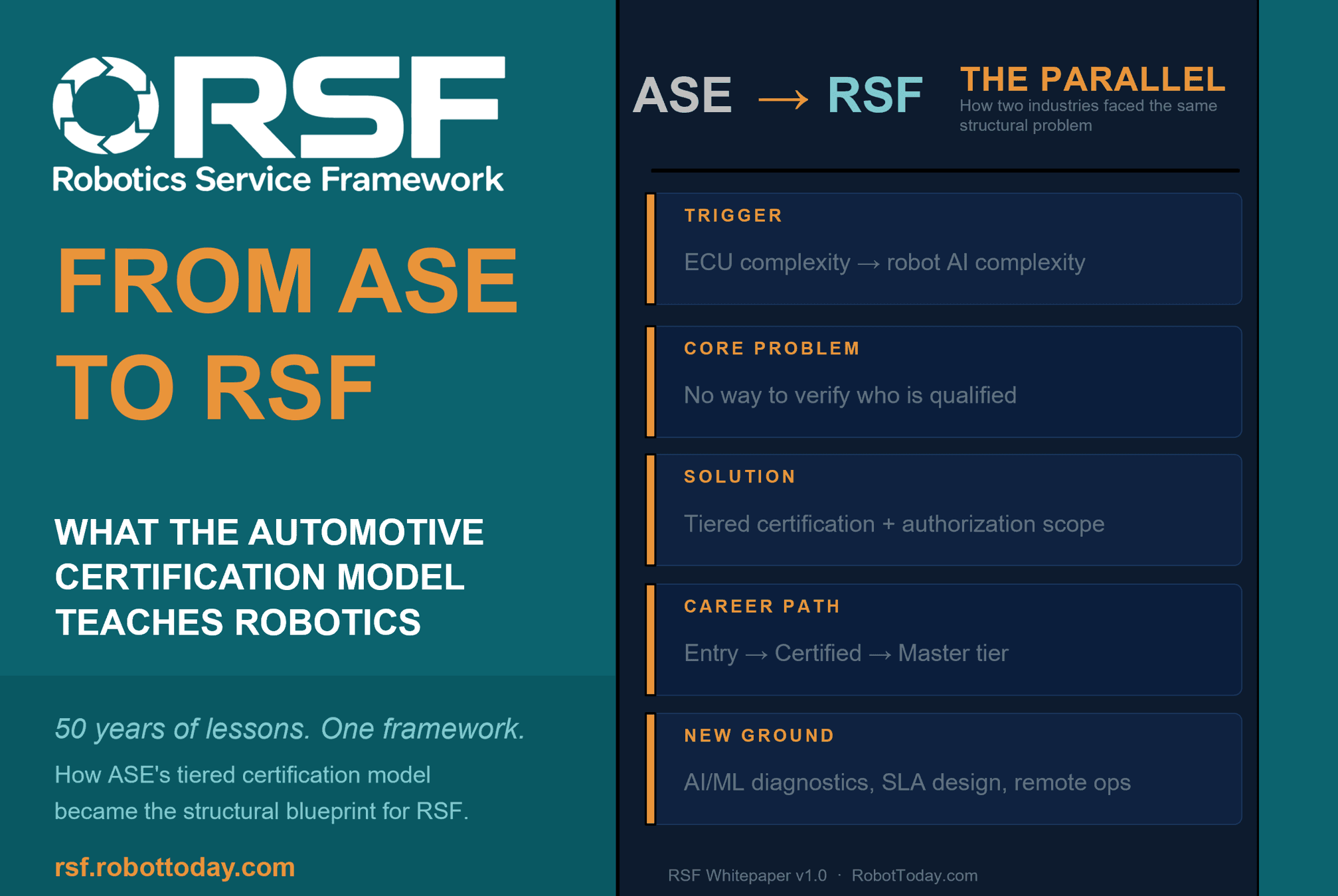
Heavy Hitters Alibaba E-commerce and New Retail Highlight NewsRobotics needs a service framework.
RSF defines a common language for robot service capability, lifecycle operations, certification pathways, and service-provider networks.