Industry Briefing
A single destination for timely, editor-curated robotics news from around the world.

Realman Unveils 'Tea Art Robot' at the 2026 Zhongguancun Forum
At the 2026 Zhongguancun Forum, Realman Group unveiled its cutting-edge 'Tea Art Robot' in partnership with Pinpinxiang, a prominent white tea brand in China. This innovative technology enables users to brew tea remotely, effectively blending the age-old tradition of tea-making with modern robotics. The collaboration aims to enhance the tea-drinking experience, allowing guests to enjoy a unique and convenient way to savor their favorite brews. The event highlights the growing intersection of technology and traditional practices, showcasing how advancements can transform cultural experiences.
Robotics Tea Brewing Technology Remote Operations AI Cultural Heritage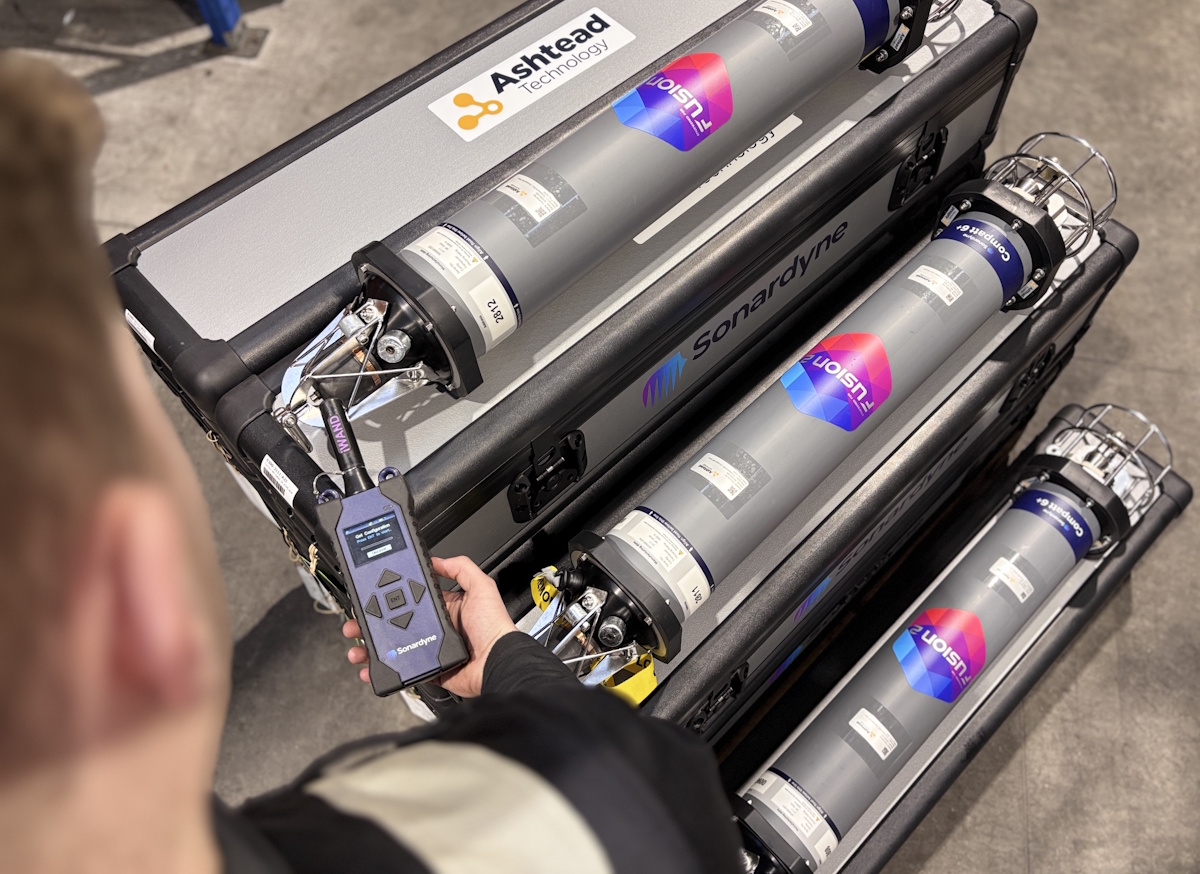
Ashtead Technology Underscores Sonardyne’s Fusion 2 LBL as the Gold Standard
Sonardyne has solidified its position as a leader in underwater navigation and positioning with a significant new order from Ashtead Technology, a global provider of subsea solutions. The order involves Sonardyne's advanced Fusion 2 platform and 6+ technology, which are expected to enhance operational capabilities in subsea environments. This development underscores the growing demand for innovative underwater technologies in the industry. The partnership aims to leverage Sonardyne's expertise to improve the efficiency and accuracy of subsea operations, reflecting a broader trend towards technological advancement in underwater exploration and maintenance.
sonardyne ashtead technology fusion 2 lbl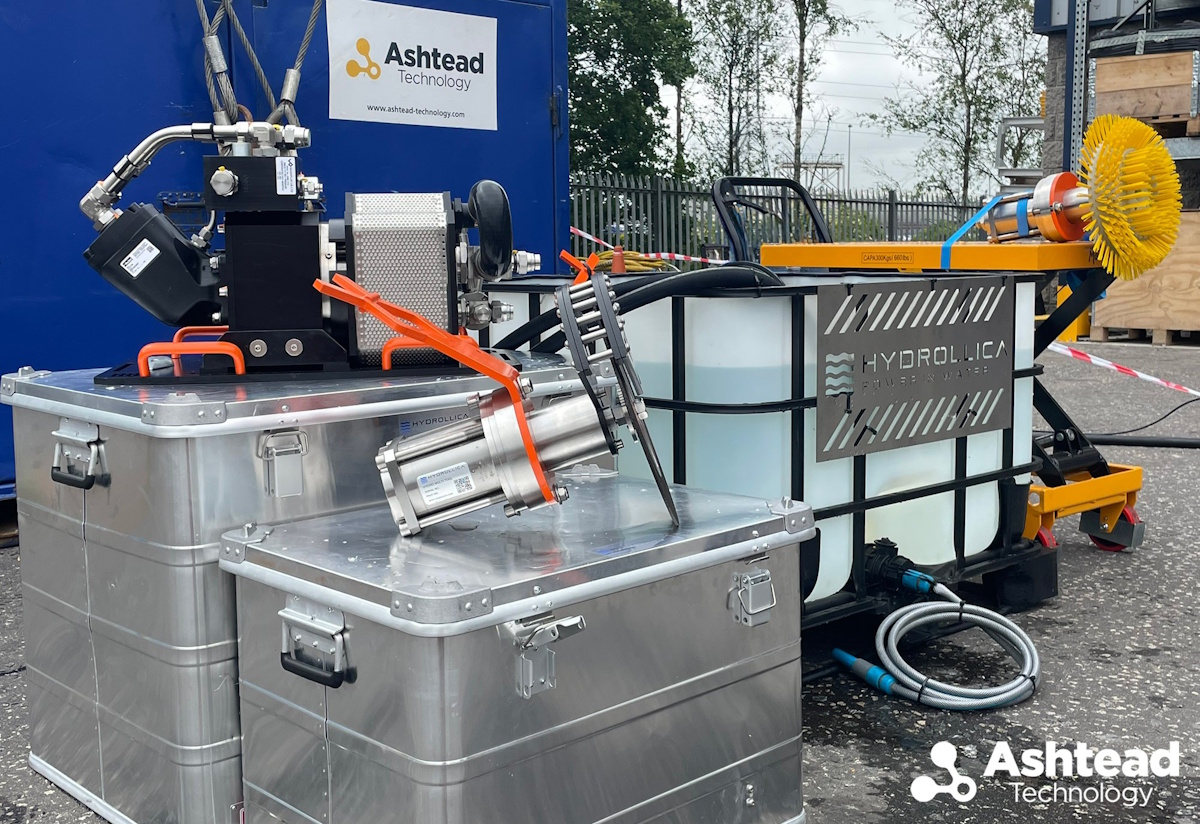
Ashtead Technology Agrees Partnership with Hydrollica to Provide More Sustainable Subsea Technology
Ashtead Technology, a prominent provider of subsea technology solutions, has announced a partnership with Hydrollica, a manufacturer specializing in environmentally friendly remotely operated vehicle (ROV) and diver tooling. This collaboration aims to enhance the development and deployment of innovative tools that prioritize sustainability in underwater operations. The partnership reflects a growing trend in the industry to integrate eco-friendly practices into technology solutions, addressing increasing environmental concerns. By combining their expertise, both companies intend to deliver advanced, efficient, and sustainable solutions to meet the demands of the subsea sector. This strategic alliance is expected to foster advancements in technology while contributing to a more sustainable future for underwater exploration and operations.
ashtead technology partnership hydrollica sustainable subsea technology
Teledyne Marine Secures First Orders For New Compact Navigator From Ashtead Technology
Teledyne Marine has secured its first orders for the Compact Navigator, an ultra-compact and high-performance autonomous navigation system designed for subsea and surface vehicles. This milestone follows a successful launch at Ocean Business 2025, where the product garnered significant attention. Ashtead Technology has made a notable initial order, representing the first commercial adoption of this innovative navigation solution, which is touted as the world's smallest and most efficient fully integrated system. The Compact Navigator aims to enhance navigation capabilities in various marine applications, reflecting Teledyne Marine's commitment to advancing technology in the industry.
teledyne marine compact navigator ashtead technology
New York School District Pilots Robot Teacher Named Sally Amid Controversy
The Salamanca City Central School District in New York is piloting a project featuring a humanoid robot teacher named Sally, developed by Realbotix. This initiative aims to assist high school students in completing summer AI and robotics courses, marking what is believed to be the first deployment of a humanoid robot teacher in an operational school district in the U.S. Sally utilizes natural language processing, facial expression feedback, and real-time classroom support, providing personalized tutoring based on students' learning data. The project is part of the Woz ED STEM curriculum, founded by Apple co-founder Steve Wozniak, to promote STEM education. However, concerns arise regarding data security and the implications of a technology company with adult entertainment origins entering the education sector. As this initiative unfolds, it raises critical questions about the role of human teachers versus robots in education. While Sally can assist with homework and answer questions, it cannot replace the emotional connections that human teachers foster. The outcome of this pilot could redefine the boundaries of educational roles and the integration of AI in classrooms.
Humanoid Robots AI in Education EdTech Robotics
Changxin Technology Announces Underwriting Team for IPO Amid SK Hynix's Successful Nasdaq Debut
Changxin Technology, known as the 'first domestic storage stock,' has revealed its underwriting team ahead of its IPO scheduled for July 16. The underwriting group includes major firms such as CICC and CITIC Securities, totaling six brokers. This IPO is significant as several underwriters are also shareholders, indicating potential for substantial returns beyond underwriting fees. The IPO is crucial for Changxin Technology as it aims to strengthen its position in the semiconductor market, particularly in storage solutions. The involvement of top investment banks suggests confidence in the company's growth prospects, especially as the demand for memory chips continues to rise in various sectors, including artificial intelligence and data centers. In related news, SK Hynix made a successful debut on the Nasdaq on July 10, with shares rising nearly 13% on the first day. This event highlights the increasing interest in semiconductor companies and their potential for growth. No further timeline was disclosed regarding Changxin Technology's IPO progress at the time of publication.
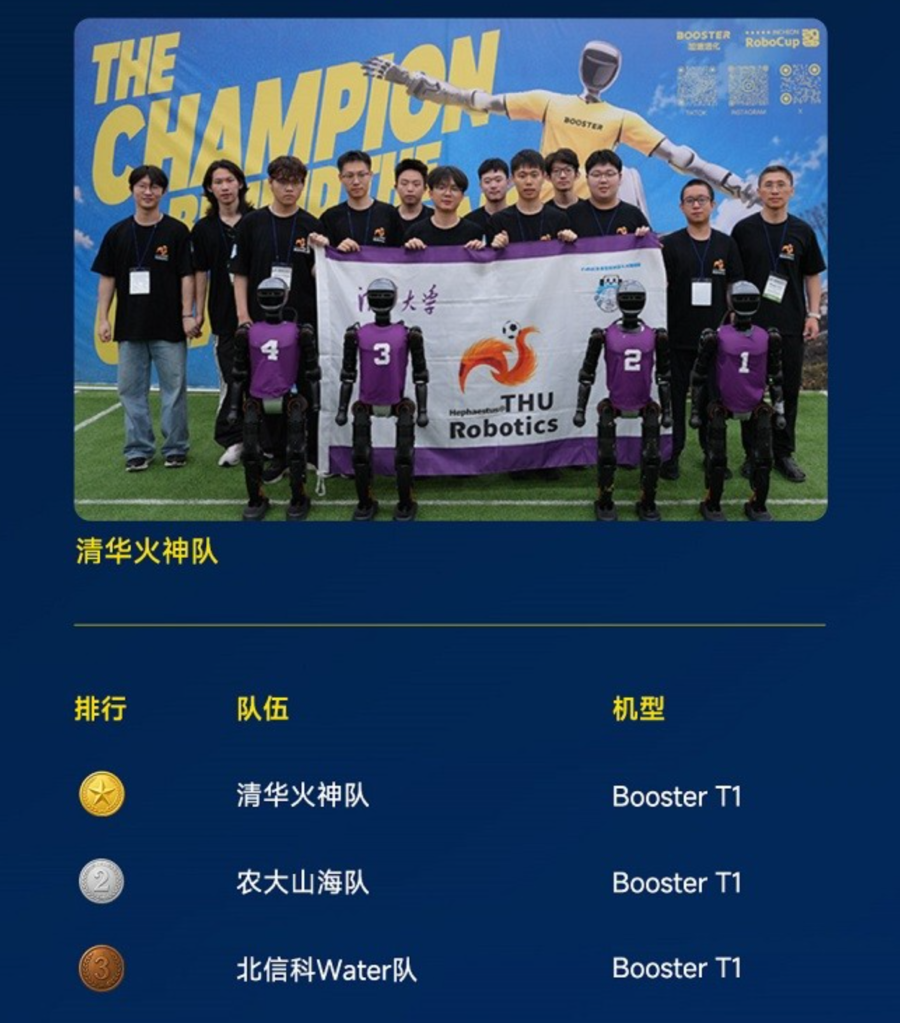
Chinese Robots Triumph at RoboCup: Tsinghua Fire God Team Defends Title with Domestic Technology
The 2026 RoboCup wrapped up in Incheon, South Korea, where the Tsinghua Fire God Team from China claimed victory in the humanoid robot category with their Booster T1 robot. This year's competition featured 38 teams employing the same Chinese platform, highlighting a notable trend in robotics development and underscoring the increasing impact of domestic technology in the field. The event not only showcased advancements in robotic capabilities but also reflected a shift towards greater collaboration and standardization among competitors in the industry.
Humanoid Robots RoboCup Robot Development AI Robotics Technology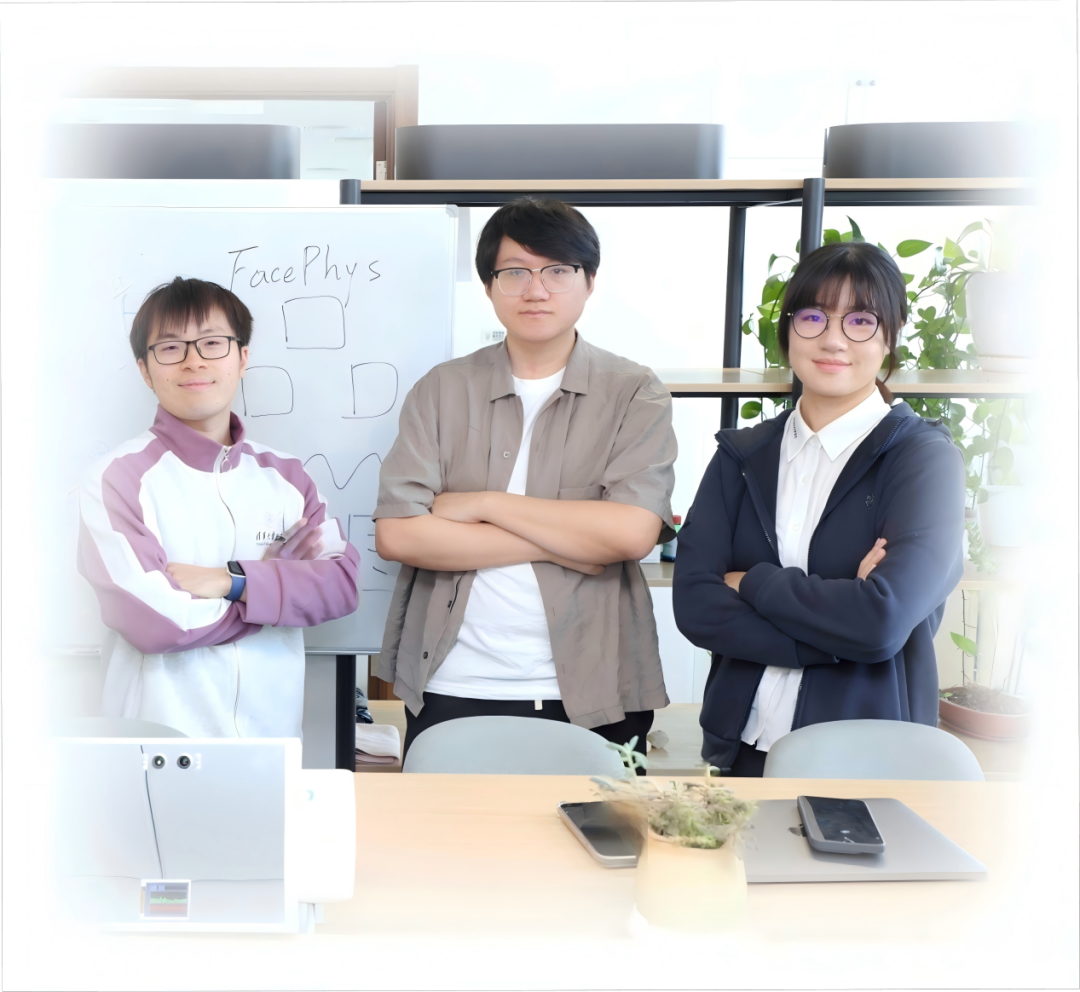
Tsinghua PhD Team Secures Exclusive Investment from Lei Jun for Innovative rPPG Technology
Microface Technology, a startup established by PhD graduates from Tsinghua University, has received exclusive investment from Shunwei Capital, led by prominent entrepreneur Lei Jun. The company has developed a groundbreaking remote photoplethysmography (rPPG) technology that allows for non-contact monitoring of physiological and emotional states using standard RGB cameras. This innovative approach has demonstrated high accuracy in detecting heart rates and emotional responses. After facing initial challenges, the team strategically shifted its focus to physiological emotion sensing, which has led to successful applications across various sectors, including healthcare and the automotive industry. This investment is expected to bolster Microface Technology's efforts in expanding its capabilities and market reach, further enhancing its contributions to the fields of health monitoring and emotional analytics.
Health Monitoring Emotion Recognition Wearable Technology AI Computer Vision
Tsinghua PhD Team Secures Nearly $15 Million Seed Funding with Innovative Instinct-Driven Technology
Oak Fruit Robotics, a startup founded by a team of nine PhD graduates from Tsinghua University, has successfully secured nearly $15 million in seed funding. This funding will support the company's innovative approach to robotics, which they describe as 'instinct-driven' technology that seeks to challenge conventional visual-linguistic attention (VLA) methods. The company aims to enhance robotic capabilities specifically in flexible manufacturing environments by emphasizing the difference between operational and linguistic intelligence. This new funding round marks a significant step in their mission to revolutionize the industry.
Embodied Intelligence Robotics Flexible Manufacturing AI Technology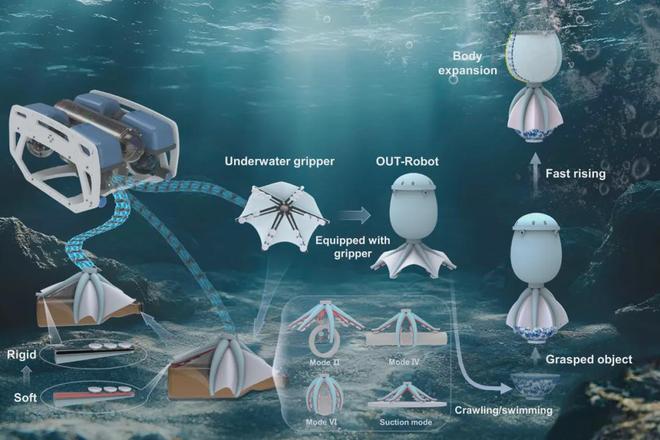
Rapid Stiffness Switching Technology: Peking University Team Develops Biomimetic Octopus Gripper to Solve Underwater Soft Robot's Slow Response Issue
A research team from Peking University, headed by Professor Xie Guangming, has developed a groundbreaking biomimetic octopus gripper capable of transitioning between soft and hard states in less than one second. This advancement enhances the efficiency of underwater robotic operations, enabling more effective and energy-efficient execution of tasks. The team's findings were published in the journal 'Cyborg and Bionic Systems', highlighting the potential applications of this technology in various underwater environments.
Underwater Robotics Soft Robotics Biomimetic Design Robotic Grippers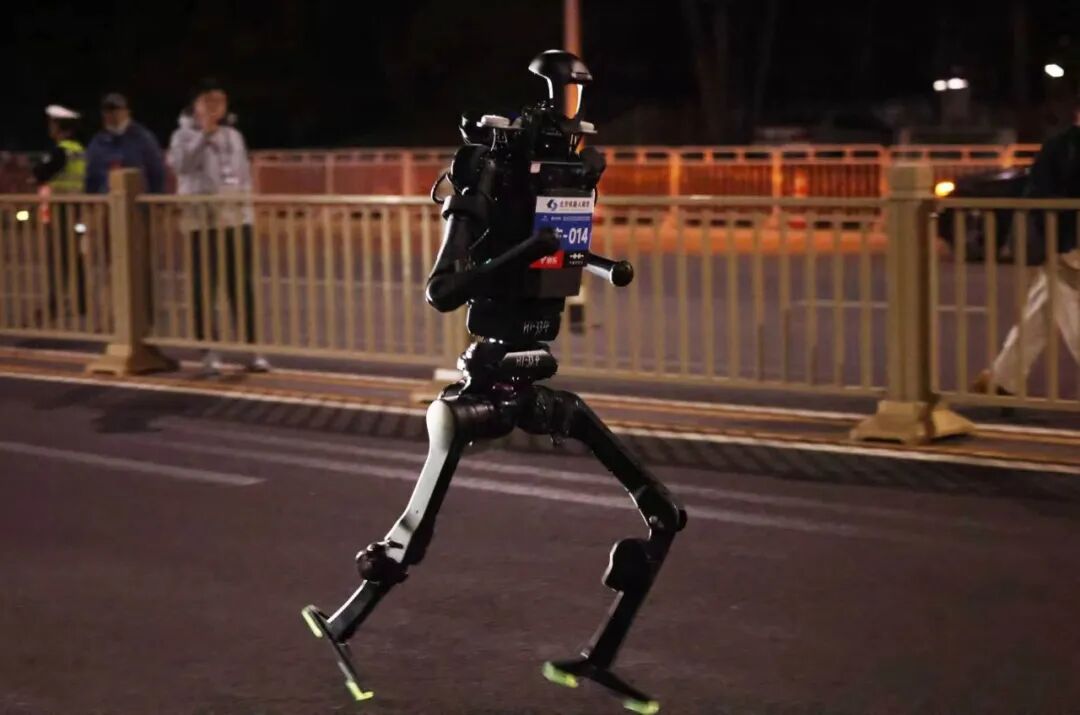
Over 70 Robot Teams Participate in Night Run, Honor of Honor Technology Joins the Race
In a groundbreaking event, more than 70 teams of humanoid robots took part in a night marathon test in Beijing, simulating various racing conditions in preparation for the official competition set for April 19. This year's event marked a notable increase in participation, with teams from around the world showcasing significant advancements in autonomous navigation technology. The marathon aimed to evaluate the robots' performance and adaptability in diverse environments, highlighting the rapid evolution of robotics and its potential applications in real-world scenarios.
Humanoid Robots Marathon Robotics Autonomous Navigation Robot Competitions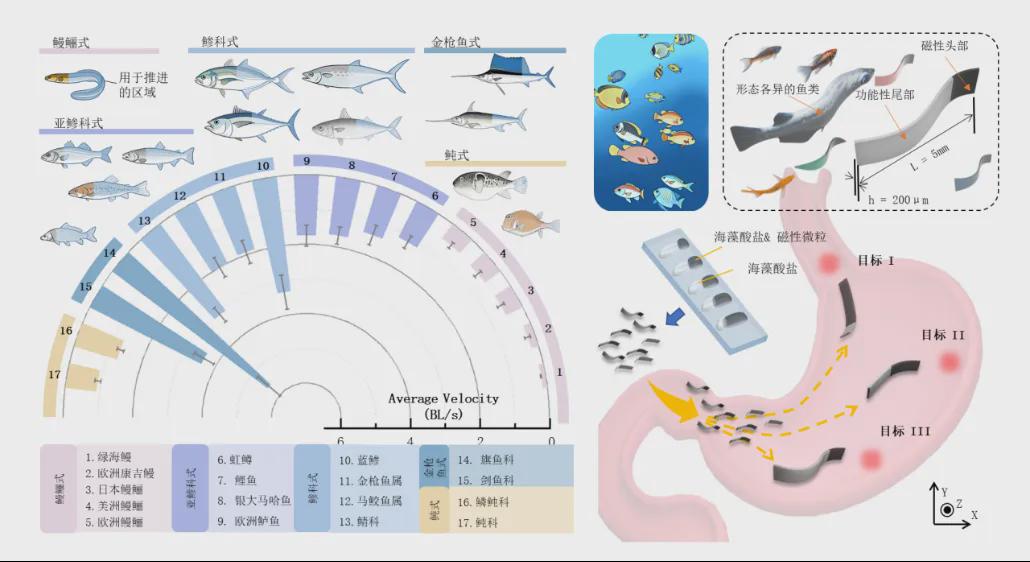
Inspired by Fish Diversity: Beijing Institute of Technology Team Develops Morphology-Encoded Soft Microrobots
A research team at the Beijing Institute of Technology has unveiled a groundbreaking system of soft microrobots that mimic the various swimming styles of fish. This innovative development allows for the selective control of the robots by adjusting their body proportions within a uniform magnetic field. The advancements in this technology hold significant promise for future applications in the biomedical field, potentially enhancing medical procedures and therapies.
Soft Robotics Biomedical Engineering Microrobots Control Systems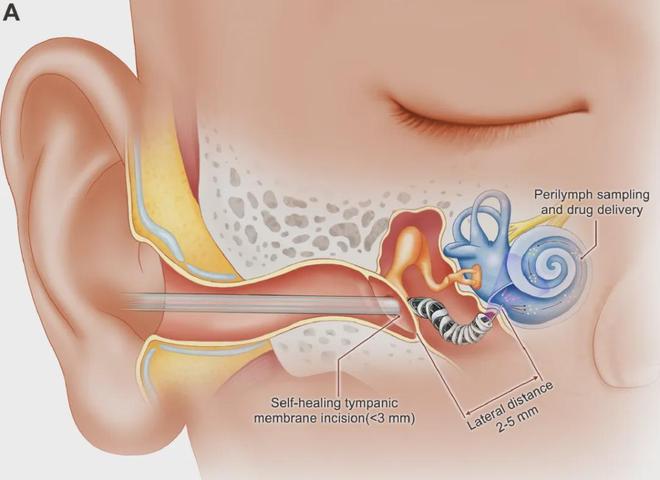
Innovative Minimally Invasive Inner Ear Surgery Robot Developed by Harbin Institute of Technology Team
Researchers at Harbin Institute of Technology have developed a groundbreaking minimally invasive surgical technique for the inner ear, utilizing an innovative robotic system that navigates through the ear canal. This advancement, announced recently, seeks to improve the precision of drug delivery and sampling for patients suffering from inner ear diseases. Traditional surgical methods often face limitations that this new approach aims to overcome, potentially leading to significant improvements in treatment outcomes. The team's work represents a notable step forward in the field of otology, promising to enhance patient care through more effective and less invasive procedures.
Minimally Invasive Surgery Robotic Surgery Medical Robotics Inner Ear Treatment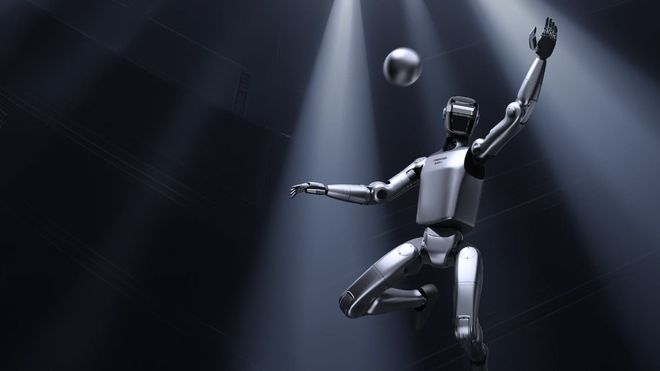
Magic Atom Management Team Upgrade Accelerates Development and Global Commercialization of Embodied Intelligence Technology
On March 6, Magic Atom unveiled major changes to its senior management team as part of a strategic initiative to bolster its capabilities in the development and global commercialization of embodied intelligence technology. The company aims to enhance its leadership structure to facilitate the large-scale implementation of this innovative technology within the industry. These adjustments reflect Magic Atom's commitment to advancing its strategic goals and positioning itself as a leader in the rapidly evolving field of embodied intelligence.
Embodied Intelligence Robotics Management Team Technology Development
Unitree Robotics partners with NetEase’s MMORPG to test robot technology in virtual worlds
Unitree Robotics, a Chinese company specializing in robotics, has announced a partnership with NetEase to integrate its technology with the popular martial arts MMORPG, Justice Online Mobile. This collaboration aims to utilize the game’s virtual environment as a testing ground for Unitree’s robotic systems. By leveraging user feedback from the game, the partnership seeks to enhance the development of Unitree’s robots while simultaneously improving the motion performance within the game. This innovative approach not only allows for real-time adjustments based on player interactions but also aims to bridge the gap between physical robotics and digital gaming experiences. The initiative marks a significant step in the evolution of both robotics and interactive entertainment, as it explores the potential of combining real-world technology with virtual applications.
News Feed
U.S. Army Partners with Auriga Space to Develop Electromagnetic Counter-Drone Technology
The U.S. Army has entered a three-year partnership with Auriga Space to develop electromagnetic (EM) counter-drone technology. This collaboration aims to create a high-speed defense system against enemy Unmanned Aerial Systems (UAS) using Auriga's innovative propulsion methods, which rely on electricity and magnetic levitation rather than traditional chemical propellants. This partnership is crucial as military forces face the economic challenge of countering inexpensive drones with costly missiles. Current air defense systems struggle to balance effectiveness and affordability, making the development of sustainable counter-drone solutions a top priority. Auriga's EM technology promises to provide a cost-effective alternative, enabling rapid and repeatable launches from a compact system. Looking ahead, both organizations will share expertise and data to refine the EM-based counter-drone technology for field deployment. The focus will be on overcoming the limitations of existing counter-drone methods, with the potential for a significant shift in military air defense strategies. No further timeline was disclosed at the time of publication.
Military
Chinese Team Solves VLA Model's Weakness with 'Moving Eyes' Technology
A research team from China has made significant advancements in enhancing the performance of Vision-Language-Action (VLA) models, which typically experience severe performance declines with minor camera movements. By implementing a novel 'moving eyes' paradigm that employs dual robotic arms for dynamic data collection, the team has achieved a notable increase in task success rates, showcasing a more profound understanding of spatial interactions. Their innovative findings were presented at the esteemed IROS 2026 conference, highlighting the importance of addressing vulnerabilities in VLA models to improve their reliability in real-world applications.
Vision-Language-Action Robotics Dynamic Data Collection AI Machine Learning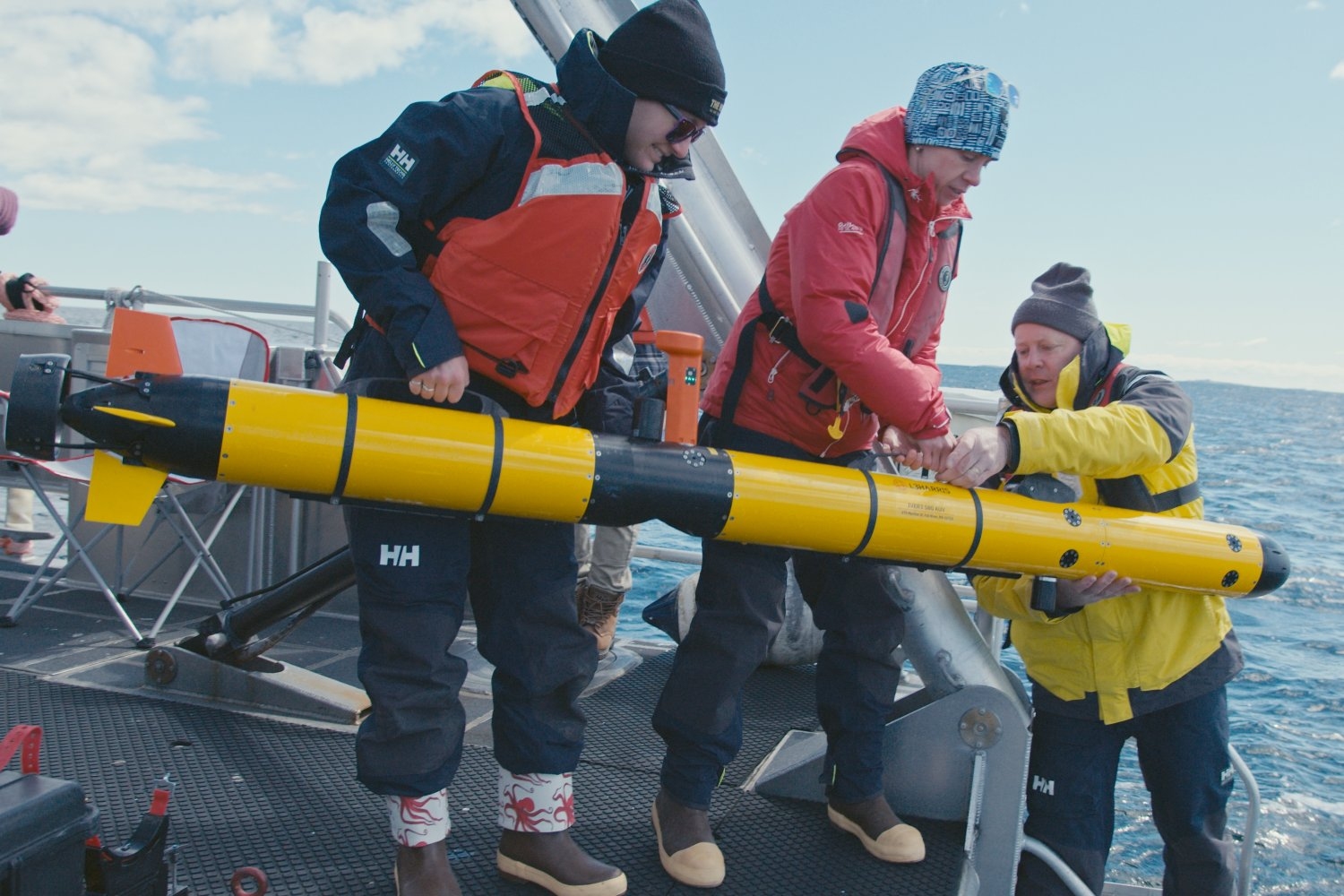
Human-machine teaming dives underwater
A team of researchers is advancing the capabilities of collaboration between divers and autonomous underwater vehicles (AUVs) for maritime missions. This initiative, which began in late 2023, aims to enhance operational efficiency and safety in underwater exploration and tasks. The research is taking place at a leading marine technology institute, where experts are focused on creating innovative hardware and sophisticated algorithms that facilitate seamless communication and coordination between human divers and AUVs. The motivation behind this development stems from the increasing complexity of underwater missions, which require precise teamwork to navigate challenging environments and accomplish objectives effectively. By integrating advanced technology, the researchers hope to improve the overall effectiveness of maritime operations, making them safer and more efficient for both divers and AUVs alike.
Research Sensors Lincoln Laboratory Oceanography and ocean engineering Robotics Computer science and technology
Stealth Startups Emerge With Over $300 Million to Join Crowded Humanoid Robot Field
A recent report highlights that two stealth companies, Rhoda AI and Genesis AI, have successfully secured substantial early-stage funding to advance their initiatives in humanoid robotics. Rhoda AI is focusing on developing technologies for heavy lifting, while Genesis AI is concentrating on software-driven control systems. This influx of investment indicates a growing competitive landscape in the humanoid robotics sector, as these companies aim to innovate and enhance capabilities in this rapidly evolving field. The funding rounds, which have attracted significant attention, underscore the increasing interest and potential in robotics technology, particularly in applications that could transform various industries.
venture capital rhoda-ai AI genesis-ai stealth startup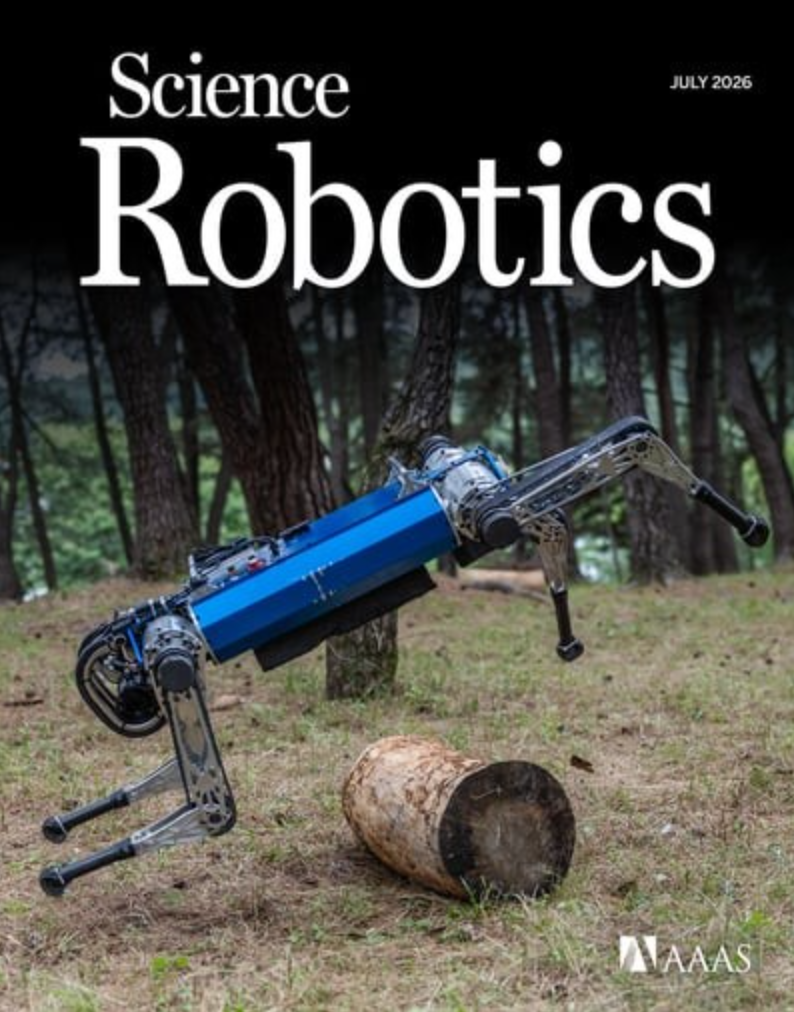
KAIST Unveils Advanced Four-Legged Robot with Autonomous Navigation Technology
KAIST's mechanical engineering team, led by Professor Park Hai-won, announced a breakthrough in robotic technology on July 16. They developed a four-legged robot capable of autonomously selecting and switching between various gaits in real-time, enabling it to navigate complex outdoor environments with speed and stability. This innovation is significant as it integrates a new control architecture called APT-RL (Action Pre-training Reinforcement Learning based on Transformers), which allows the robot to learn movement through computer simulations rather than traditional motion capture. The robot, named KAIST HOUND, demonstrated its capabilities by traversing diverse terrains, achieving peak speeds of 6 meters per second, faster than an average cyclist. Future developments to watch include the potential applications of this technology in disaster response, defense tasks, and industrial inspections. The research was published in the July issue of the journal Science Robotics, highlighting its importance in advancing the field of robotic control and physical AI.
Four-Legged Robots Robotics Technology AI Autonomous Navigation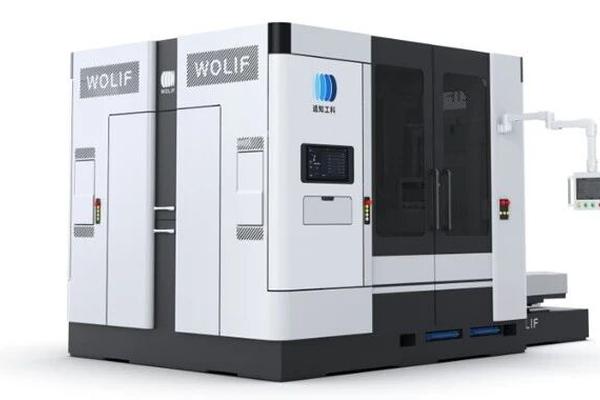
Zhuizhi Engineering Technology Secures Seed Funding for Industrial AI Development
Zhuizhi Engineering Technology Co., Ltd. has successfully completed a seed funding round, raising several million yuan from investors including L2F Light Source Entrepreneur Fund, Shangrong Capital, and Yicun Capital. The funding will primarily support core product development, team building, and market expansion. Founded in February 2024, Zhuizhi focuses on industrial intelligent agents, aiming to enhance automation and intelligence in complex manufacturing processes. The company, which is affiliated with Shanghai Jiao Tong University and the Shanghai Artificial Intelligence Research Institute, seeks to address challenges such as flexible production and skilled labor shortages in the manufacturing sector. The company has introduced the WOLIF Industrial Agentic Robot, which utilizes a proprietary industrial brain for real-time closed-loop control, distinguishing itself from traditional automation methods. Zhuizhi has already secured its first commercial contract with a publicly listed company and received significant orders in the aerospace manufacturing sector, indicating a promising trajectory for its innovative AI solutions.

ByteDance Explores Autonomous Driving with Seed's World Model Team in Charge
ByteDance is venturing into the autonomous driving sector, led by the world model team under Seed, which is part of its strategic research division. This initiative aims to integrate autonomous logistics solutions, leveraging existing technologies and talent from the company’s AI research efforts. The project is currently in its early preparation stages, with ByteDance reportedly engaging with top autonomous driving teams and recruiting skilled professionals in the field. The significance of this move lies in ByteDance's potential to disrupt the autonomous driving industry, especially as the world model has become a technical consensus among leading companies. With its resources and expertise, ByteDance could redefine the landscape of autonomous driving, which is increasingly recognized as a critical application of embodied AI. The company has previously expressed interest in automotive technology, indicating a strategic alignment with the growing demand for intelligent driving solutions. Looking ahead, ByteDance's entry into autonomous driving may enhance its capabilities in embodied intelligence by providing access to valuable real-world data. This data could be instrumental in refining its world models, thereby facilitating advancements in embodied AI applications. As the industry evolves, ByteDance's involvement could significantly impact the competitive dynamics of the autonomous driving sector, especially given its substantial resources and talent pool.

ByteDance Investigates Autonomous Driving Technology for Unmanned Logistics Solutions
ByteDance is currently investigating autonomous driving technology aimed at unmanned logistics, as reported by Chinese media. This initiative is being developed by the world model team within Seed, ByteDance's AI research unit, and is linked to Volcengine’s automotive industry line. The significance of this exploration lies in ByteDance's commitment to advancing large model research, which includes initial forays into physical AI. However, the company has clarified that it does not intend to establish a smart driving business, indicating a focus on research rather than commercial deployment. Looking ahead, it will be important to monitor ByteDance's developments in this area, particularly how their research may influence the logistics sector. No further timeline was disclosed at the time of publication.
News Feed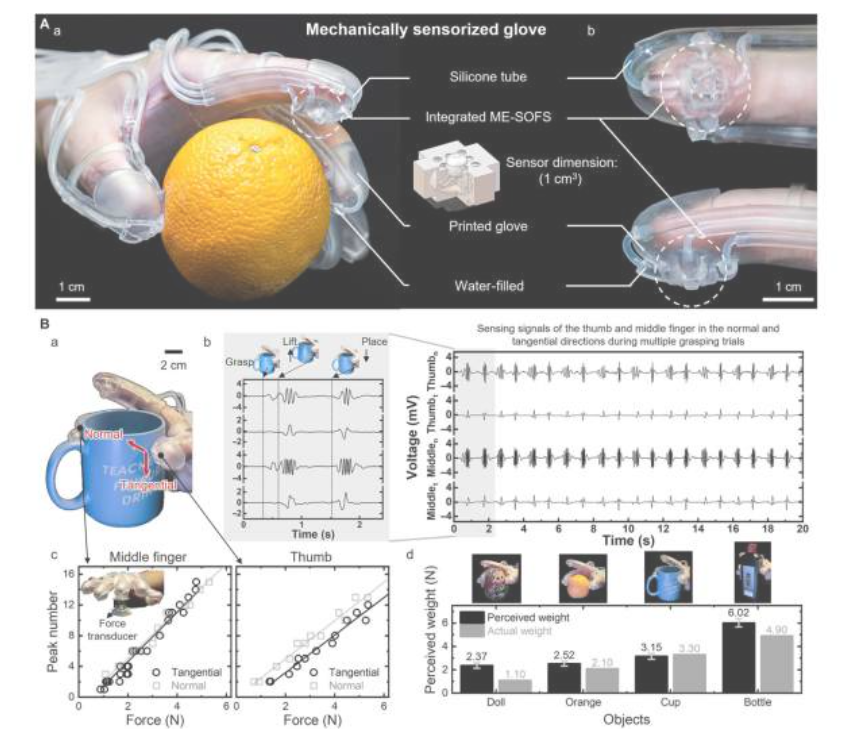
Singapore Team Develops ME-SOFS: A Mechanical Sensor for Touch Perception Without Electronics
A research team from the National University of Singapore has introduced a groundbreaking soft force sensor called ME-SOFS, which converts touch into fluid-driven motion without any electronic components. This innovative sensor features a 3D-printed soft porous structure with a central pillar connected to five fluid-filled chambers. When pressure is applied, the pillar tilts, compressing the corresponding chamber and driving fluid to actuators, enabling the detection of forces in multiple directions. The significance of ME-SOFS lies in its ability to operate without electronic interference, making it ideal for applications in medical training and elderly care. The sensor can generate readable signals through integrated magnets and coils, allowing it to measure force without external power. This technology has been successfully demonstrated in a soft glove that detects grip strength and predicts object weight, as well as in a tactile feedback system that enables operators to control robotic arms through force feedback. Looking ahead, the ME-SOFS sensor demonstrates robust performance under extreme conditions, such as high temperatures and underwater pressures. Its unique design allows it to function effectively in various environments, making it a valuable tool for soft robotics that require safe interaction with humans. No further timeline was disclosed at the time of publication.
Soft Robotics Fluid Sensors Mechanical Systems Robotics Technology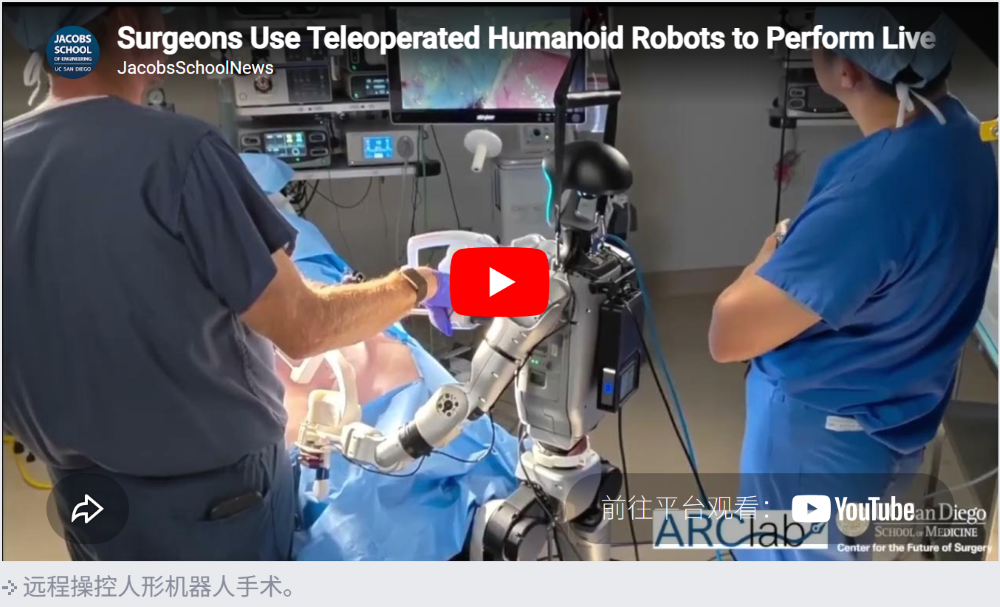
UC San Diego Team Demonstrates G1 Humanoid Robot 'Surgie' in First Live Surgery
On July 8, a research team from the University of California, San Diego, published a groundbreaking study in Nature, showcasing the G1 humanoid robot, nicknamed 'Surgie.' This robot, weighing 27 kg and priced from $13,500, successfully performed two laparoscopic cholecystectomies on live pigs, marking a significant milestone in robotic surgery. The significance of this achievement lies in the G1's affordability and adaptability compared to traditional surgical robots like the da Vinci system, which costs between $500,000 and several million dollars. Surgeon's remote control of the G1 allows for deployment in various settings, including rural areas, battlefields, and potentially space missions, without the need for specialized operating room modifications. Despite the success, the technology still faces challenges before clinical application, such as the need for frequent recalibration during surgery, which increases operation time. The G1's limited arm span of 450 mm also restricts its operational range. No further timeline was disclosed at the time of publication for the next steps in this research.
Humanoid Robots Surgical Robotics Remote Surgery Medical Technology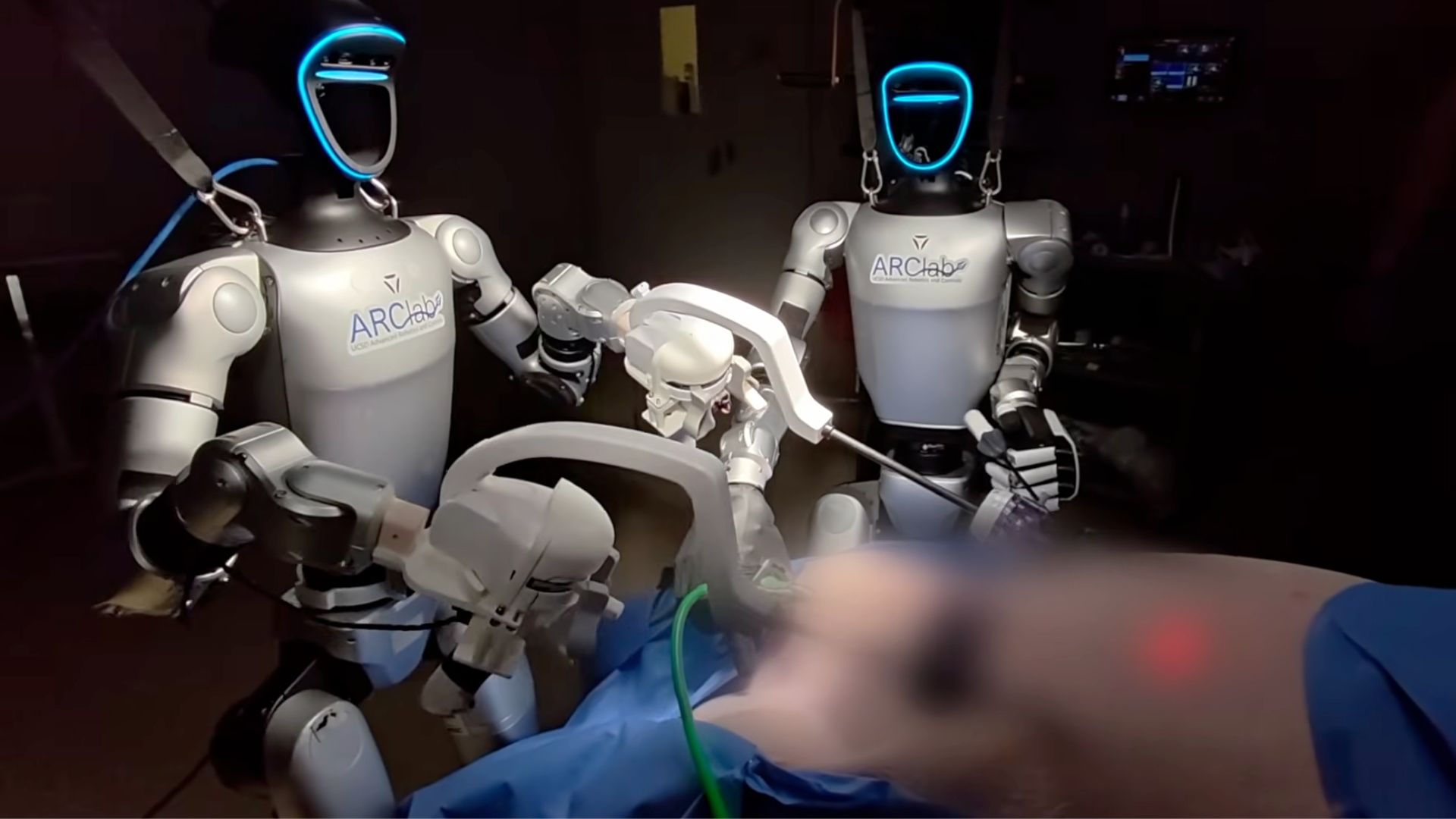
World’s first surgery using teleoperated humanoid robots conducted by US team
A team of researchers has made a groundbreaking advancement by successfully employing teleoperated humanoid robots to carry out two complex tasks. This achievement marks a significant milestone in robotics, showcasing the potential for remote-controlled machines to perform intricate functions that were previously thought to be the domain of human operators. The experiments took place in a controlled environment, allowing the researchers to meticulously assess the robots' capabilities and refine their performance. The motivation behind this innovative project stems from the desire to enhance efficiency and safety in various industries, particularly in situations where human presence may be risky or impractical. By leveraging advanced teleoperation technology, the researchers demonstrated that humanoid robots could effectively mimic human movements and decision-making processes, paving the way for future applications in fields such as disaster response, healthcare, and manufacturing. The successful execution of these tasks not only highlights the progress in robotic technology but also opens new avenues for research and development, potentially transforming how we approach complex operations in challenging environments. As the team continues to refine their methods, the implications of this work could lead to widespread adoption of teleoperated robots in various sectors, ultimately improving productivity and safety for human workers.
AI and Robotics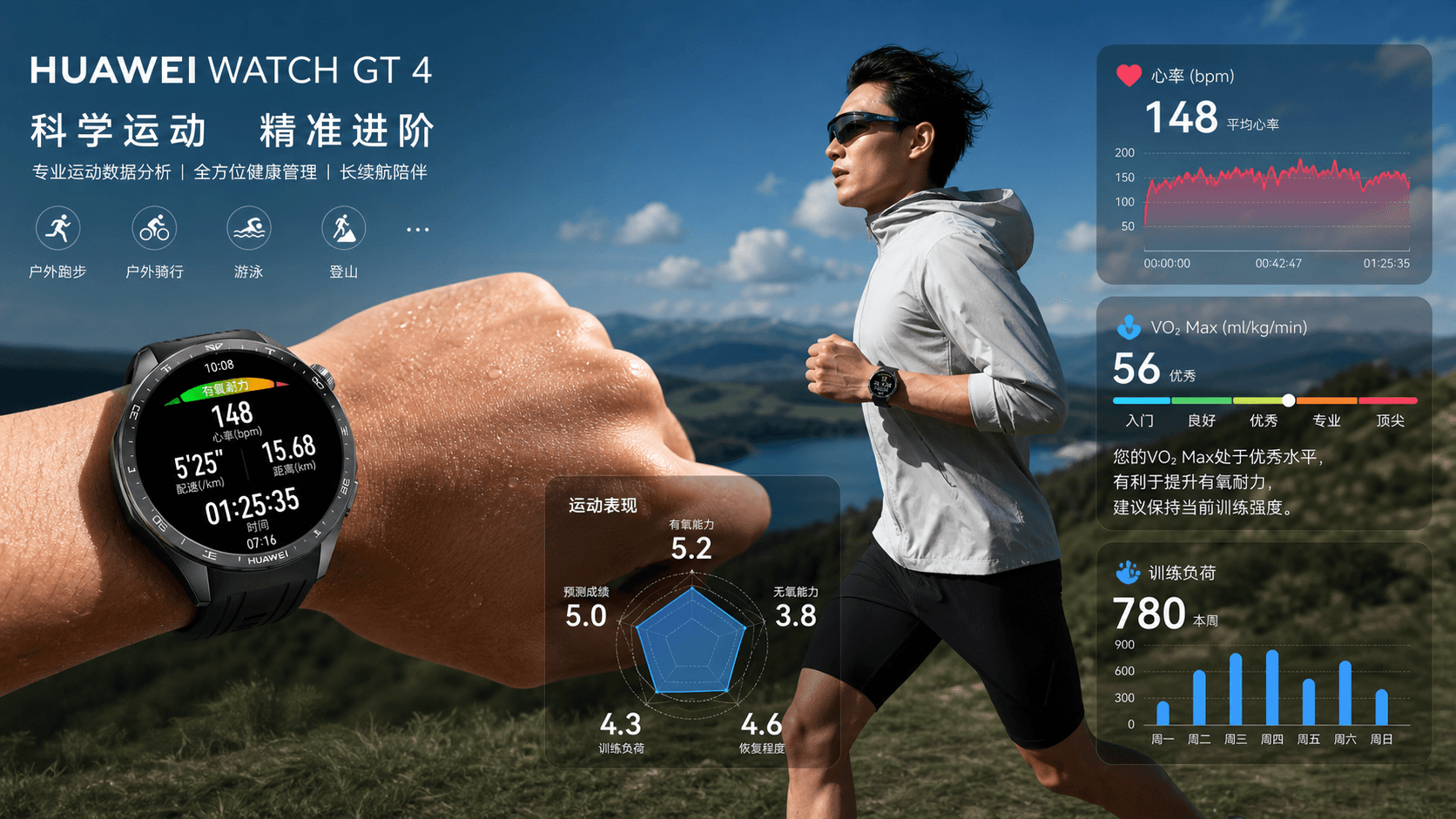
When Huawei's Sports Algorithm License Was Revoked: How a Five-Person Cross-Border Team Built a Replacement in 8 Months
In a significant technological advancement, Huawei has successfully rebuilt its wearable sports algorithm, which had been discontinued in 2020. A dedicated cross-border team of five engineers undertook the challenge, working diligently for eight months to develop the new TruSport system. This innovative platform is now integrated into millions of Huawei devices, enhancing their fitness tracking capabilities. The initiative was driven by the need to restore and improve Huawei's competitive edge in the wearable technology market, following the previous setback. The team's collaborative efforts and expertise have resulted in a robust system that promises to deliver superior performance for users seeking to monitor their athletic activities.
Industry Gadgets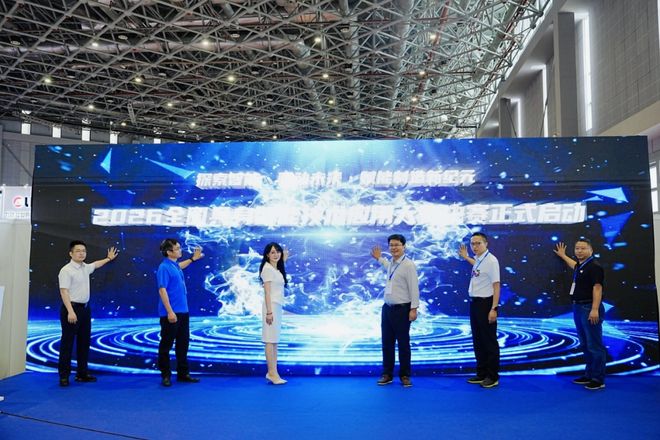
2026 National Embodied Intelligence Technology Application Competition Finals Opens in Shanghai
The finals of the 2026 National Embodied Intelligence Technology Application Competition kicked off at the National Exhibition and Convention Center in Shanghai. This inaugural event, part of the Shanghai International Embodied Intelligence Industry Expo, seeks to promote innovation in artificial intelligence and manufacturing. Over 117 teams from more than 60 universities have gathered to demonstrate their skills across various competition categories, highlighting the growing importance of embodied intelligence in technological advancement. The competition aims to inspire collaboration and creativity among participants, ultimately contributing to the development of cutting-edge solutions in the field.
Embodied Intelligence AI in Manufacturing Robotics Innovation Competition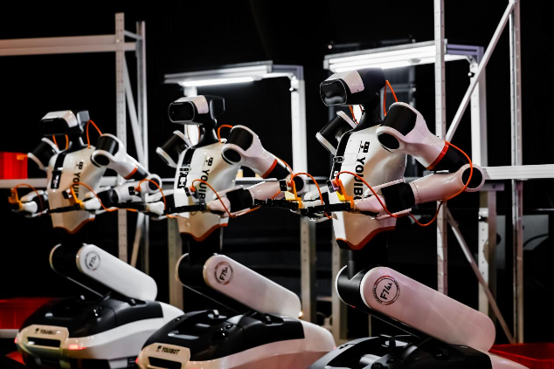
"Brand new humanoid robots starting at 299,000! Xi'an Jiaotong University PhD team establishes company and secures 4,000 intention orders!"
A team of PhD graduates from Xi'an Jiaotong University has launched a new company focused on developing humanoid robots, with prices starting at 299,000 yuan. The initiative has garnered significant interest, as the company has already received 4,000 intention orders for its innovative products. This development marks a significant step in the field of robotics, showcasing the team's commitment to advancing technology and meeting market demand. The robots are expected to cater to various applications, reflecting the growing trend of integrating robotics into everyday life.
Robotics Automation AI
New drone technology uses nature-inspired signals to predict failures before crashes
Researchers from Delft University of Technology and Wageningen University & Research have unveiled a groundbreaking method aimed at enhancing sustainable agriculture. This innovative approach, introduced on October 15, 2023, focuses on optimizing crop yields while minimizing environmental impact. The study, conducted in the Netherlands, seeks to address the pressing challenges of food security and climate change. By integrating advanced data analytics and machine learning techniques, the researchers have created a system that analyzes soil health, weather patterns, and crop performance. This method allows farmers to make informed decisions regarding planting schedules, irrigation, and fertilization, ultimately leading to more efficient resource use and reduced waste. The motivation behind this research stems from the urgent need to adapt agricultural practices to meet the demands of a growing global population while preserving natural ecosystems. The team believes that their findings could significantly contribute to the development of resilient farming systems that can withstand the effects of climate variability. As the agricultural sector faces increasing scrutiny over its environmental footprint, this innovative method represents a promising step toward achieving a balance between productivity and sustainability. The researchers are hopeful that their work will inspire further advancements in agricultural technology and practices, paving the way for a more sustainable future in food production.
Innovation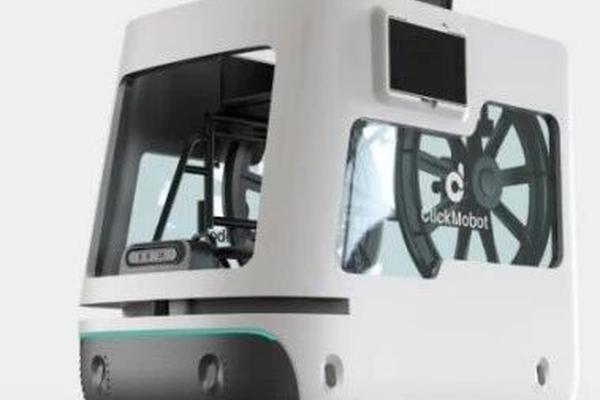
Tsinghua and CAS teams collaborate with West China Hospital to develop a home care transport robot.
Shenzhen-based Kolidian Technology Co., Ltd. has recently secured strategic financing led by Lihe Kechuang, with participation from the Jiangsu Zhongke Intelligent Science and Technology Application Research Institute. This funding will primarily support product development, team expansion, and commercialization efforts. Kolidian focuses on AI and robotics in the eldercare sector, offering products designed for home companionship and rehabilitation. The company has developed a proactive companionship robot for home use and a rehabilitation transport robot in collaboration with Sichuan University’s West China Hospital. Both products have completed prototype development and are moving towards small-scale production and commercialization. As China's population ages, the silver economy is emerging as a significant market, with projections suggesting it could exceed 30 trillion yuan by 2035. The national strategy to actively address aging demographics is driving growth in the eldercare robotics sector. The GR-150 rehabilitation transport robot, designed for medical and eldercare institutions, utilizes advanced navigation and sensor fusion technology to assist patients with mobility. Kolidian's second-generation home companionship robot integrates health monitoring, emotional support, cognitive assistance, and safety features. It can interact with users, detect falls, and provide alerts, while also offering multimedia capabilities. The company aims to finalize product design by the third quarter of 2026 and begin small-scale production by the fourth quarter, with plans for revenue generation by 2027. The founding team, led by Wang Yuheng, combines expertise from prestigious institutions, positioning the company to capitalize on the growing demand for intelligent eldercare solutions. Investors view Kolidian as a promising player in the intersection of the silver economy and embodied intelligence.
MIT student teams win top honors in NASA competition
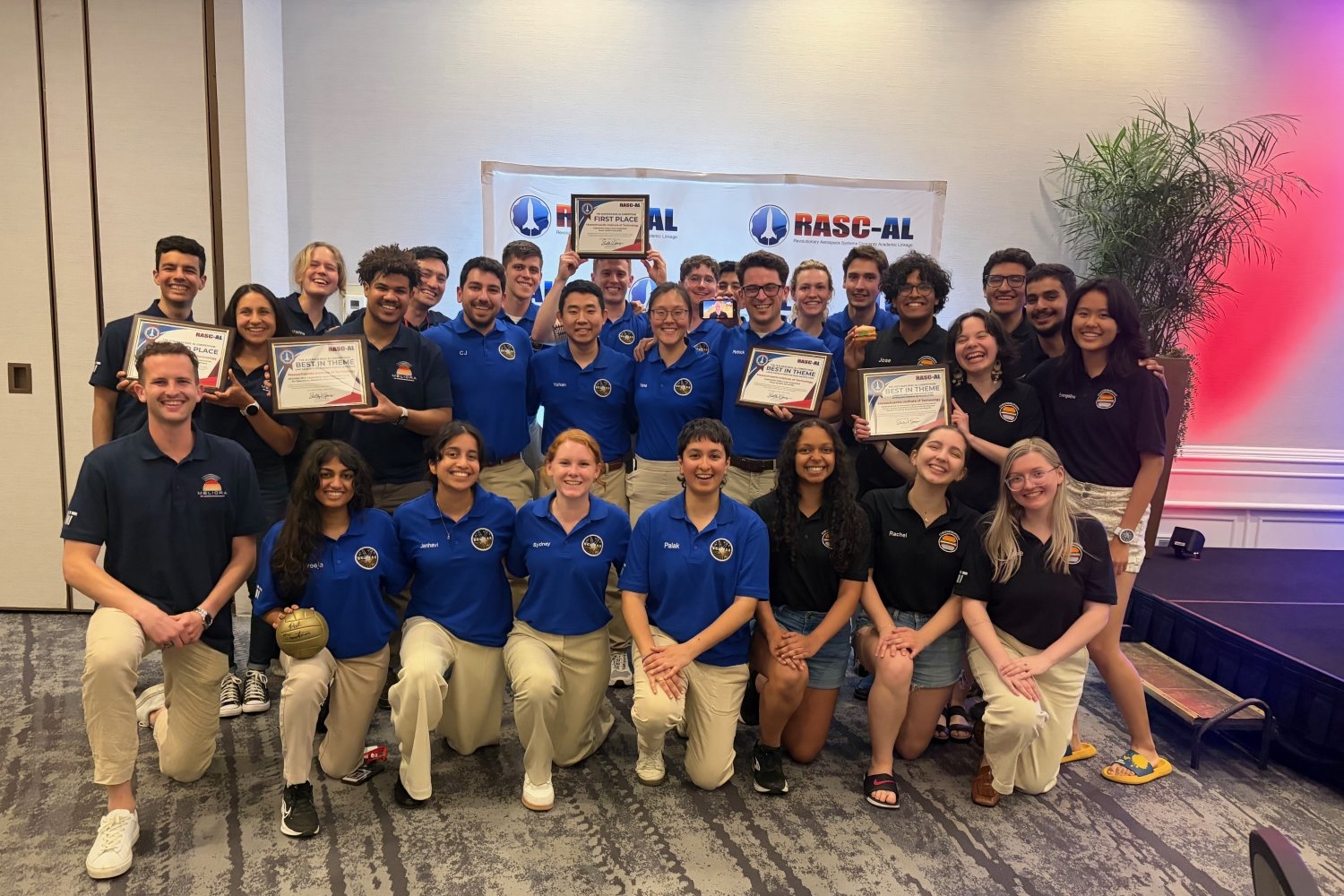
Three teams from the Massachusetts Institute of Technology (MIT) achieved remarkable success in the 2026 NASA RASC-AL Competition, securing five prestigious awards for their innovative designs aimed at supporting lunar bases and future Mars missions. This competition, which focuses on developing critical technologies for space exploration, highlights the importance of advanced engineering and creative problem-solving in addressing the challenges of extraterrestrial habitats. The event took place recently, showcasing the efforts of students and faculty who are dedicated to pushing the boundaries of space science and exploration. The recognition of these teams underscores MIT's commitment to fostering cutting-edge research and development in aerospace technology, paving the way for future missions that could expand human presence beyond Earth.
School of Engineering MIT Sloan School of Management Aeronautical and astronautical engineering EAPS Electrical engineering and computer science (EECS) Nuclear science and engineering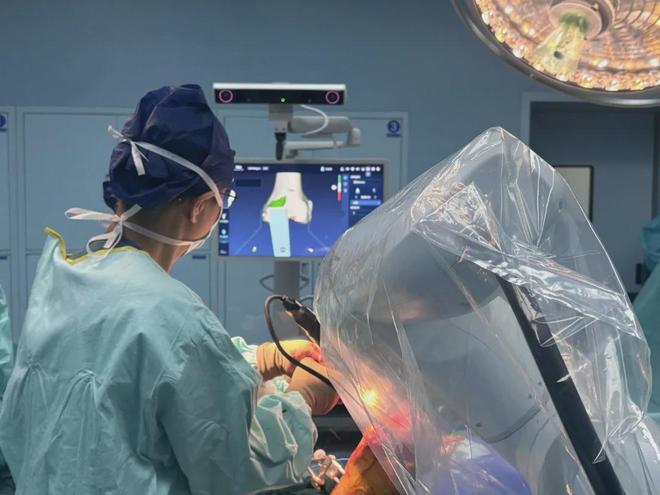
After landing applications in Western China, Hong Kong, and plateau regions, Shenzhen's self-developed HX orthopedic robot completed the first local precise knee joint replacement.
Shenzhen's self-developed HX orthopedic robot has successfully performed its first precise knee joint replacement in Western China, specifically targeting plateau regions and Hong Kong. This milestone event marks a significant advancement in orthopedic surgery technology, showcasing the robot's capabilities in delivering accurate and efficient surgical procedures. The operation was completed recently, highlighting the growing integration of robotics in healthcare and the potential for improved patient outcomes in regions that may have previously lacked access to such advanced medical technologies. The development of the HX robot is part of Shenzhen's broader initiative to enhance medical services and innovation in the region.
Robotics Automation AI
"Father of Reinforcement Learning Sutton Partners with Tianshan Technology for First Deep Sharing in China! Limited Rare Spots Open for a Short Time, Don't Miss Out!"
In a significant development for the field of artificial intelligence, Richard Sutton, a pioneer in reinforcement learning, has teamed up with Tianshan Technology to host a groundbreaking event in China. This collaboration marks the first deep sharing initiative in the country, aimed at advancing knowledge and application of reinforcement learning techniques. The event is set to take place soon, with limited spots available for participants eager to gain insights from one of the leading experts in the field. Attendees will have the unique opportunity to engage directly with Sutton and learn about the latest advancements and practical applications of reinforcement learning. This initiative reflects a growing interest in AI technologies in China and underscores the importance of collaboration between leading researchers and local tech companies to foster innovation and expertise. Interested individuals are encouraged to secure their spots promptly, as availability is limited.
Robotics Automation AI
US firm to deploy humanoid robot teaching assistant in New York schools
Schools across the United States are preparing to integrate humanoid robots into classrooms as part of an innovative educational initiative aimed at enhancing learning experiences. This initiative is set to roll out in early 2024, with various districts collaborating with technology companies to develop and implement these advanced teaching aids. The introduction of humanoid robots is motivated by the desire to engage students in new and interactive ways, fostering interest in subjects such as science, technology, engineering, and mathematics (STEM). Educators believe that these robots can provide personalized learning support, assist in teaching complex concepts, and promote collaboration among students. The deployment process will involve training teachers on how to effectively incorporate the robots into their lesson plans, ensuring that they complement traditional teaching methods rather than replace them. Pilot programs will be conducted in select schools to assess the impact of these robots on student engagement and learning outcomes before a wider rollout. As schools embrace this technological advancement, the initiative reflects a growing trend in education to leverage artificial intelligence and robotics to prepare students for a rapidly evolving workforce. The integration of humanoid robots is expected to not only enhance educational experiences but also spark discussions about the future of technology in society.
AI and Robotics
Peking University team develops new generation data acquisition device using EMG wristband, backed by Gong Hongjia, Lu Qi, and overseas
The SnowOrigin team, composed of researchers from Peking University, has secured investments from notable figures including Gong Hongjia and Lu Qi, as well as overseas institutions. This innovative team focuses on surface electromyography (sEMG) technology to develop a new generation of human control data collection solutions, utilizing wearable devices like neural wristbands and panoramic headsets, along with their proprietary Neural Math Hybrid (NMH) AI decoding model. As the fields of embodied intelligence and Physical AI rapidly evolve, there is an increasing demand for high-quality human control data. Current mainstream data collection methods, such as first-person video and motion capture, often fail to capture critical information about the intent and nuances of human actions. SnowOrigin's wearable devices aim to bridge this gap by integrating muscle and neural signal decoding technologies to create structured data that includes posture, force, and micro-control, thereby supporting the training of robots and world models. Founder Qin Xu emphasized that unlike traditional lab-based motion capture systems, their wearable solutions are cost-effective, lightweight, and suitable for long-term use without disrupting daily activities. The team is advancing two commercialization pathways: enhancing human-robot interaction for AI devices and building a foundational data infrastructure for Physical AI applications. With a strong academic background and a commitment to innovation, SnowOrigin is positioned to lead in the emerging market for embodied data collection, having already made significant strides in real-time decoding of sEMG signals into actionable insights. As the demand for comprehensive interaction data grows, the team is poised to capitalize on this shift in paradigm.

Student Teams from 16 Countries Compete in St. John’s at 2026 MATE World Championship
The 2026 MATE ROV Competition World Championship is set to take place in St. John’s, Newfoundland & Labrador, Canada, drawing top student teams from across the globe. Celebrating its 24th year, this prestigious event highlights the talents of young innovators in engineering, technology, teamwork, and problem-solving. The competition aims to inspire and challenge students, providing them with a platform to demonstrate their skills and creativity in designing remotely operated vehicles (ROVs). By fostering collaboration and innovation, the championship not only showcases the capabilities of future engineers but also emphasizes the importance of hands-on experience in STEM fields.
2026 mate rov world championship event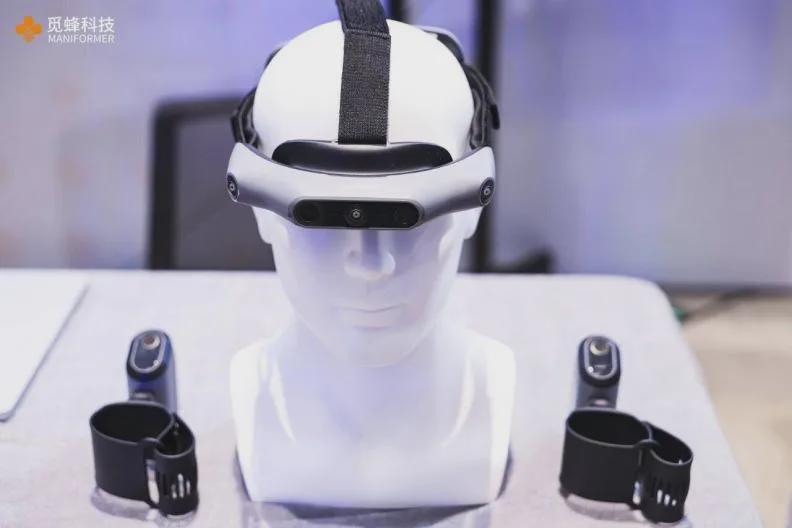
Bee Technology Aims to Solve Robotics Data Challenges Starting with a Cup
Bee Technology is making strides in the robotics sector by tackling the challenges of teaching robots to execute physical tasks, such as picking up objects. The company has recently obtained substantial funding to advance its MEgo series, which encompasses both hardware and data processing technologies. This initiative aims to establish a robust data supply chain essential for developing embodied intelligence in robots. By prioritizing high-quality physical AI data, Bee Technology is positioning itself as a key player in the industry, targeting businesses that depend on reliable data for training and optimizing their robotic models.
Embodied Intelligence Robotics Data Infrastructure AI Data Collection MEgo Hardware Data Processing Technology
Tsinghua-Harvard Team's Acorn Robot Develops 'Zero-Data' Robot That Learns Through Instinct, Not Training Data
A team of researchers educated at Tsinghua University and Harvard has developed an innovative robot capable of learning physical manipulation without any prior training data. This groundbreaking technology relies solely on tactile sensors and an instinct-driven trial and error approach to tackle complex tasks, such as picking up a flat credit card. The project highlights a significant advancement in robotics, showcasing the potential for machines to adapt and learn in real-time, which could revolutionize various applications in automation and artificial intelligence.
Robotics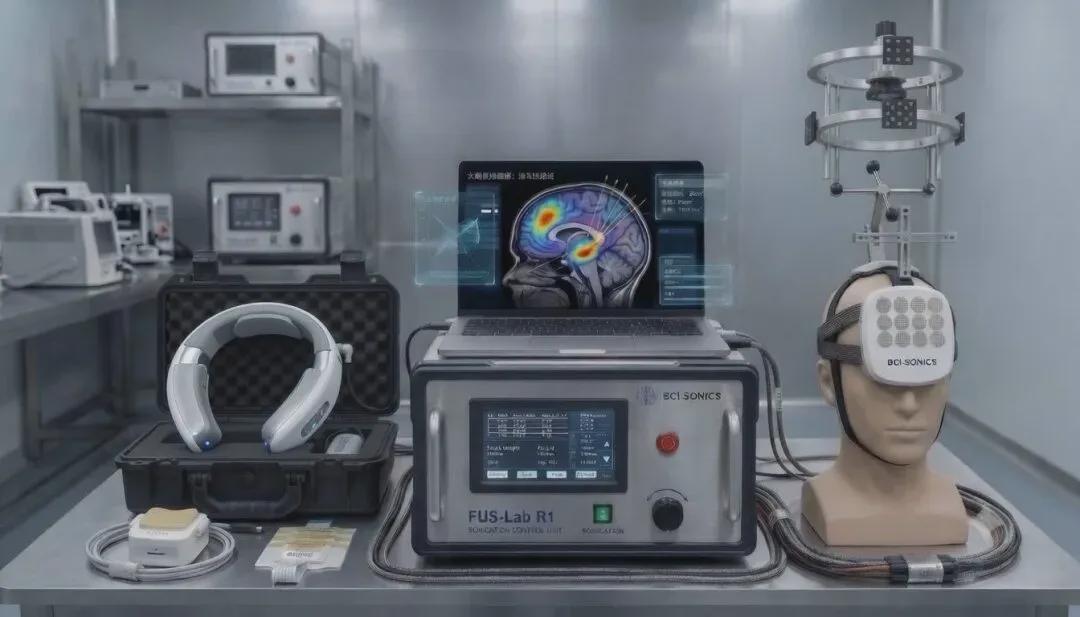
AI-Driven Ultrasound Technology Enables Non-Invasive Brain Access: BCI-Sonics Secures $14 Million in Seed Funding
BCI-Sonics, a startup focused on artificial intelligence and ultrasound brain-machine interfaces, has successfully secured around $14 million in seed funding to enhance its groundbreaking technology. The funding will support the development of a non-invasive technique that utilizes low-intensity focused ultrasound to access deep brain regions, potentially revolutionizing clinical applications in neurology. With a robust engineering team dedicated to precision and efficiency, BCI-Sonics is set to make significant strides in the field of brain stimulation therapies.
Brain-Machine Interfaces Ultrasound Technology Neuroscience Medical Devices AI
Former Foxconn Team Launches Startup, Secures Millions in Funding for AI-Driven Polishing Module
Liwei Intelligent Technology, a startup established by a team of former Foxconn employees, has successfully secured millions in angel funding. The company’s primary innovation, an AI-driven low-pressure electric polishing module, has garnered validation from prominent clients, including Foxconn and ABB. This technology is noted for its ability to enhance efficiency and reduce costs in high-end manufacturing processes. As part of its growth strategy, Liwei plans to broaden its market reach into Vietnam, India, and Mexico, while also focusing on the development of advanced AI collaborative robots.
AI Robotics Manufacturing Technology Polishing Solutions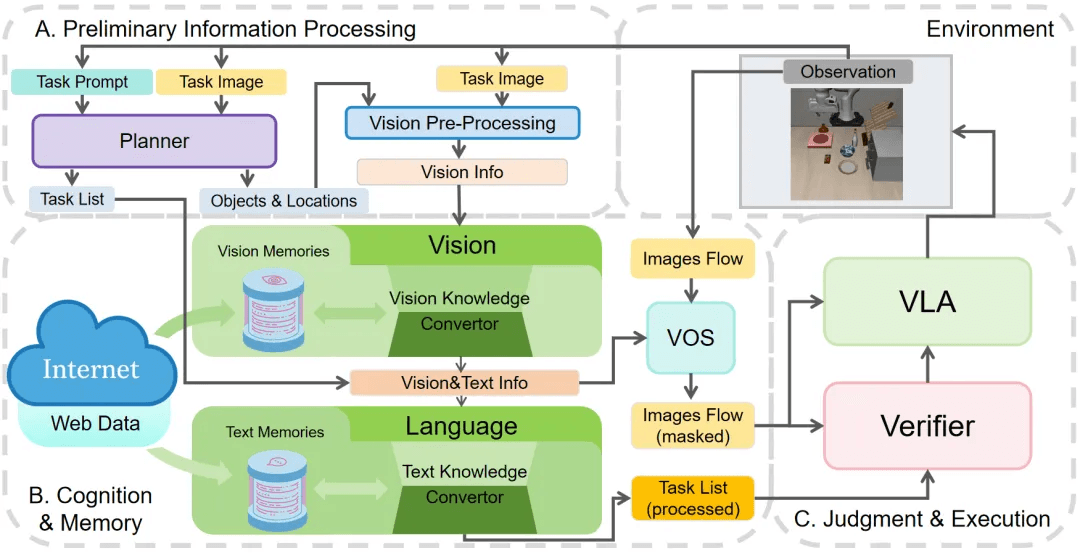
Zhejiang University Team Creates Visual Reasoning System That Lets Robots 'Think With Their Eyes' — 22x Faster Than Text
A team of researchers from Zhejiang University, in partnership with Cornell University, the National University of Singapore, and Xidian University, has unveiled an innovative visual reasoning system named VisualThink-VLA. This advanced technology allows robots to process visual information directly, enabling them to "think with their eyes" instead of relying on traditional language-based reasoning. The system boasts a remarkable speed enhancement, operating 22.8 times faster than conventional text-based methods, while also achieving greater accuracy. This development marks a significant advancement in the field of robotics and artificial intelligence, potentially transforming how machines interpret and interact with their environments.
Technology
US team combines digital twins, VR to boost lunar robot performance for future missions
Researchers at the University of Colorado Boulder are pioneering the use of digital twin technology to enhance environmental monitoring and management. This innovative approach involves creating virtual replicas of physical systems, allowing scientists to simulate and analyze real-world conditions in real time. The project, which commenced in late 2023, aims to address pressing environmental challenges by providing more accurate data and predictive insights. Located in Boulder, Colorado, the initiative seeks to improve understanding of climate change impacts and resource management by integrating advanced modeling techniques with real-time data collection. The motivation behind this research stems from the urgent need to develop effective strategies for sustainability and resilience in the face of environmental degradation. By employing sensors and data analytics, the researchers are able to create dynamic models that reflect current environmental conditions, enabling stakeholders to make informed decisions. This method not only enhances the accuracy of environmental assessments but also facilitates proactive responses to potential ecological threats. The team at CU Boulder is collaborating with various stakeholders, including government agencies and conservation organizations, to ensure that the findings are applicable and beneficial for real-world applications.

Boeing validates stealth capability of MQ-28 Ghost Bat
Boeing has confirmed the stealth capabilities of its MQ-28 collaborative combat aircraft (CCA) after conducting radar cross-section (RCS) tests aimed at assessing its survivability and detection risks. The tests, which are part of Boeing's ongoing efforts to enhance the aircraft's operational effectiveness, demonstrate the company's commitment to developing advanced military technology. The results indicate that the MQ-28 can effectively minimize its radar signature, thereby increasing its chances of evading enemy detection. This validation comes as military forces worldwide seek to integrate more advanced, stealthy unmanned systems into their operations, reflecting a growing emphasis on survivability in modern combat scenarios.
News
Peking University Team Develops Advanced Knee Exoskeleton for Enhanced Human Movement
A research team at Peking University has unveiled a groundbreaking multi-segment knee exoskeleton designed to enhance natural human movement while offering adjustable support. This innovative device overcomes the limitations of traditional exoskeletons by combining rigidity and flexibility, ensuring that it assists users without restricting their motion. The study, which highlights the potential of this technology, aims to advance rehabilitation and assistive devices for a range of applications, including industrial tasks and mobility support.
Exoskeleton Technology Robotics Biomechanics Assistive Devices
This DIY Bipedal Robot Used Pneumatic “Air-Muscles” Instead of Motors
In 1987, British photographer Richard Greenhill, driven by a passion for robotics, initiated a weekly gathering in his attic to develop a life-size humanoid robot, the Shadow Walker, capable of performing practical tasks like carrying luggage. Unable to secure support from his startup, Intergalactic Robots, Greenhill enlisted the help of a group of DIY enthusiasts, known as the Shadow Group, who met every Wednesday to work on the project, fueled by homemade spaghetti dinners. With contributions from robotics expert David Buckley, the team designed the robot using a simplified skeletal structure and pneumatic "air-muscles" for movement, aiming to achieve balance and mobility. Despite their efforts, the Shadow Walker struggled to walk, ultimately failing to compete effectively at the 1st International Robot Olympics held in Glasgow in September 1990, where it was outperformed by other entries. The Olympics showcased over 50 robots from various countries, highlighting both the advancements and limitations in robotics at the time. While the Shadow Walker did not succeed in its primary goal, it laid the groundwork for future developments in robotics. In 1997, the Shadow Group transitioned into a registered company, Shadow Robot, which now focuses on creating advanced robotic hands, reflecting a shift from walking robots to specialized dexterity in robotic technology. Despite significant progress in robotics, the journey toward creating truly functional humanoid robots continues.
Past-forward Type-departments Humanoid-robots Shadow-robot Walking-robots Pneumatic-robots
2026 Smart Elderly Care Robot Competition Concludes Successfully with 12 Teams Honored
The 2026 Smart Elderly Care Robot Application Competition took place in Langfang, bringing together 57 teams to showcase their innovations aimed at enhancing elderly care through technology. Themed 'Robots Empowering Elderly Care, Technology Warming the Sunset Years,' the event focused on health management and emotional support for seniors. After a series of tasks, 12 teams were recognized for their outstanding contributions, underscoring the growing importance of integrating advanced technology into real-world applications for elderly care. This competition not only highlighted the potential of rehabilitation and caregiving robots but also emphasized the role of innovation in improving the quality of life for the aging population.
Elderly Care Robots Rehabilitation Technology Healthcare Robotics Assistive Technology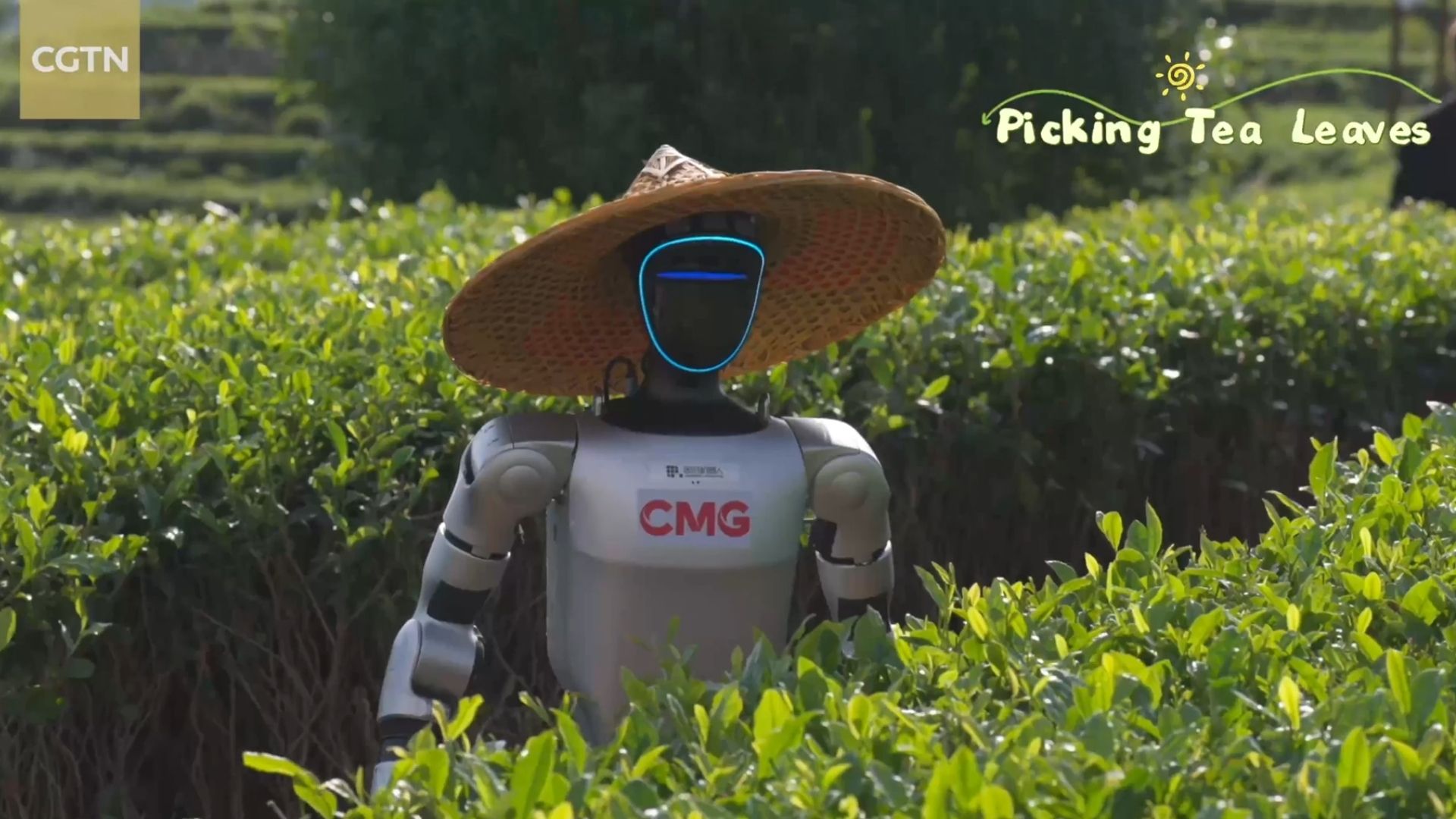
China tests humanoid robots in tea farms before the 2026 World Robot Games
Humanoid robots are making significant strides beyond laboratory demonstrations, now being deployed in tea fields. This advancement marks a notable shift in the application of robotics, showcasing their potential to assist in agricultural tasks. The development comes as part of ongoing efforts to enhance efficiency and productivity in farming, particularly in regions where labor shortages are prevalent. By integrating advanced robotics into everyday agricultural practices, researchers and engineers aim to address the challenges faced by the agricultural sector, including the need for sustainable farming solutions. The implementation of these robots in tea cultivation is expected to streamline operations, allowing for more precise and consistent harvesting methods. As this technology continues to evolve, it holds promise for transforming not only tea production but also other agricultural industries worldwide.
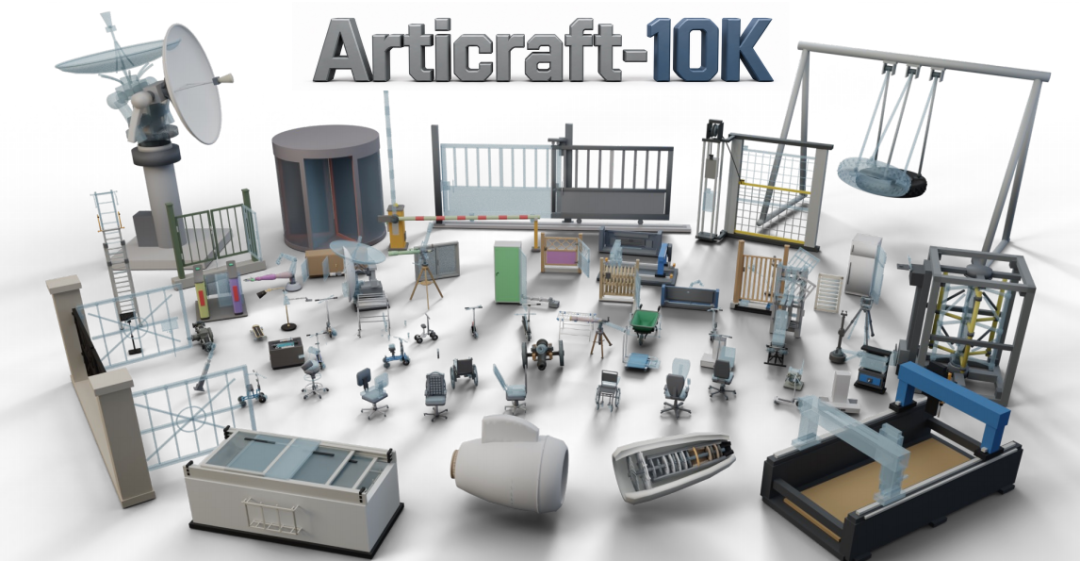
Cambridge Team Develops AI System to Generate 10,000 3D Models in One Day
A collaborative research team from Cambridge and Oxford has developed an innovative AI system named Articraft, which can produce more than 10,000 interactive 3D models within a 24-hour timeframe. This groundbreaking technology employs a specialized software development kit (SDK) that enables large language models to generate code for 3D object creation directly, eliminating the need for conventional modeling software. This advancement not only enhances efficiency but also significantly reduces costs associated with 3D modeling.
3D Modeling AI Technology Machine Learning Robotics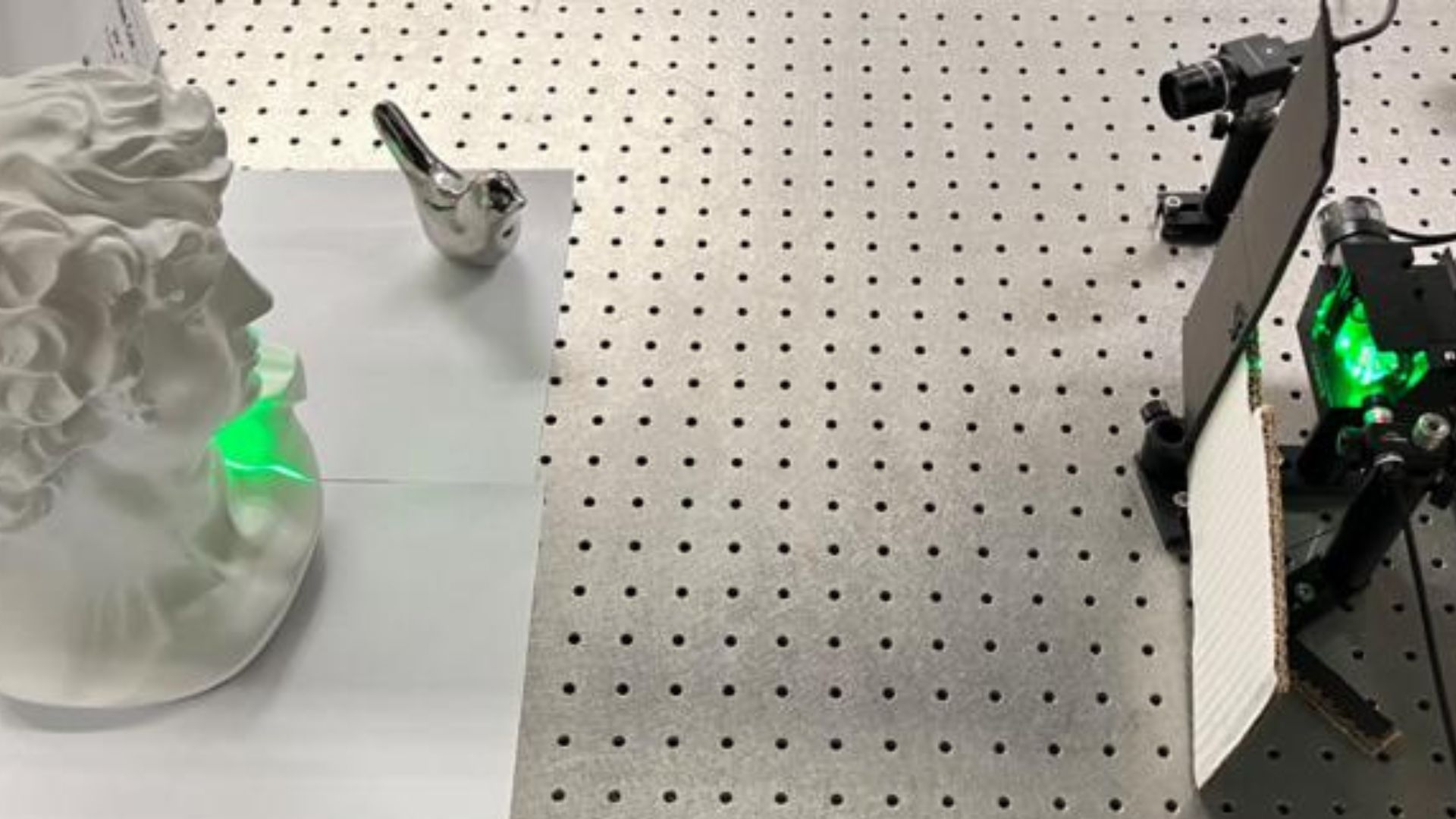
3D-sensing technology could improve self-driving cars and robotic surgery
Researchers at the University of Arizona have made significant strides in 3D-sensing technology, which could revolutionize how autonomous vehicles navigate complex urban environments. This breakthrough was announced recently, showcasing the potential to enhance safety and efficiency in city driving. The team developed an advanced system that utilizes sophisticated algorithms and sensors to interpret real-time data from the surrounding environment, enabling vehicles to better understand and respond to dynamic conditions on busy streets. By improving the accuracy of spatial awareness, this technology aims to reduce accidents and improve traffic flow, addressing the growing challenges of urban mobility. The research highlights the university's commitment to innovation in transportation technology, with implications that could extend beyond self-driving cars to various applications in robotics and smart city infrastructure.
Robotics needs a service framework.
RSF defines a common language for robot service capability, lifecycle operations, certification pathways, and service-provider networks.