Industry Briefing
A single destination for timely, editor-curated robotics news from around the world.
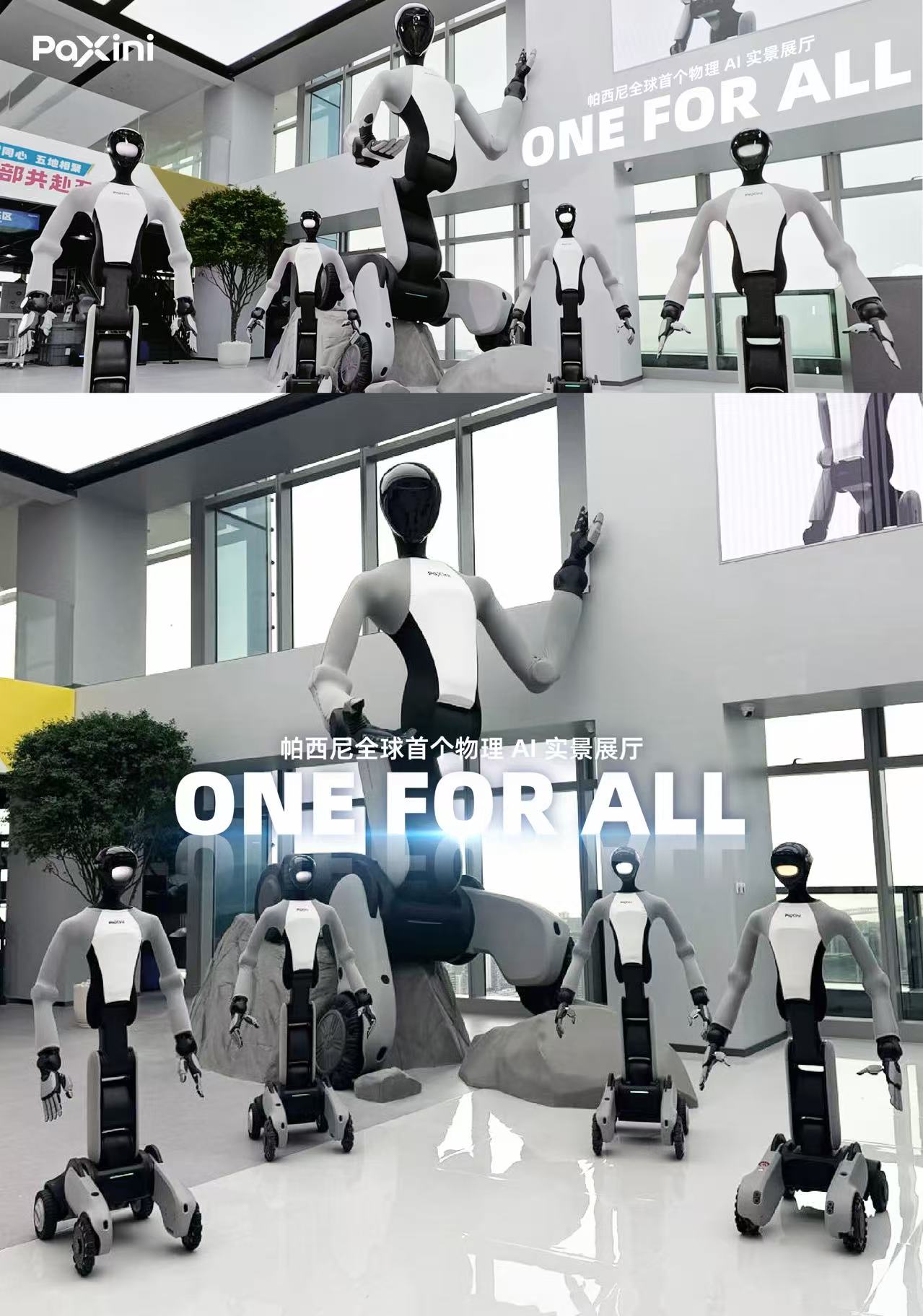
PaXini Unveils Its First Physical AI Experience Hall 'ONE FOR ALL' Globally
On July 15, PaXini launched its first physical AI experience hall, 'ONE FOR ALL', marking a significant milestone in robotics. This venue showcases the evolution of tactile sensing technology and features a nearly 3,000 square meter space dedicated to immersive human-robot interaction. The hall serves as a flagship platform for PaXini's full-stack embodied perception ecosystem, allowing visitors to engage with advanced technologies like the Feelix high-fidelity physical contact simulation platform and the TORA series humanoid robots. This initiative represents a transformative leap in the robotics industry, emphasizing the importance of tactile feedback in enhancing robotic capabilities. Looking ahead, the 'ONE FOR ALL' hall is positioned as a pioneering space for exploring the boundaries of embodied intelligence. As the physical AI landscape evolves, this venue will play a crucial role in demonstrating the practical applications of embodied perception and human-robot collaboration. No further timeline was disclosed at the time of publication.
Physical AI Tactile Sensing Technology Human-Robot Interaction Embodied Intelligence
Changingtek Robotics Launches High-Precision Tactile Sensing Data Collection Hand, Uhand
A new compact unit has been developed, featuring a highly sensitive tactile array that boasts a spatial resolution of 2.34 taxels per square centimeter. This advanced technology is capable of detecting forces ranging from 0 to 160 Newtons, with an impressive sensing precision of 0.1 Newtons. The innovation aims to enhance applications in robotics and automation, providing more accurate and responsive interaction with various surfaces and objects. With training data available up to October 2023, this breakthrough represents a significant step forward in tactile sensing technology, potentially transforming how machines perceive and interact with their environments.
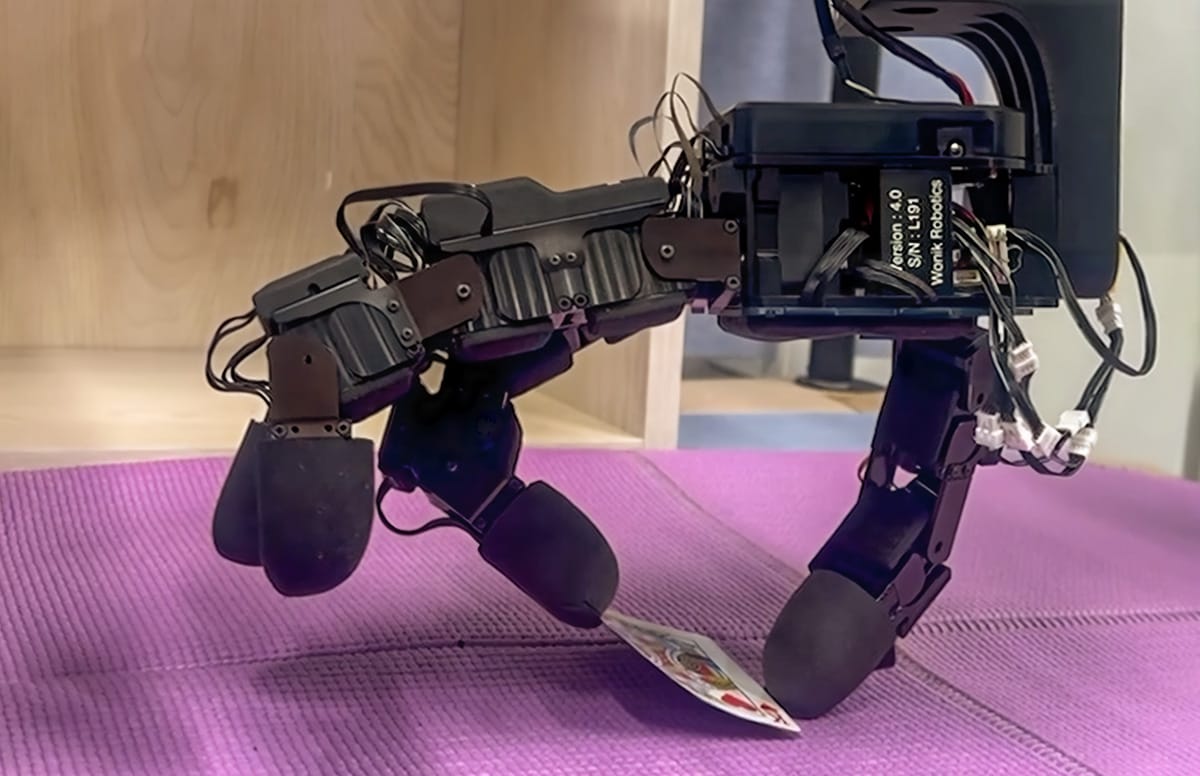
XELA Robotics to show tactile sensing at the 2026 Robotics Summit & Expo
XELA Robotics is set to showcase its advancements in tactile sensing technology at the upcoming Robotics Summit & Expo in 2026. The company will present its enhanced magnetic interference compensation system and the innovative uSkin integrated within the Universal Manipulation Interface. This demonstration aims to highlight the potential of these technologies in improving robotic interactions and functionality. The Robotics Summit & Expo serves as a key platform for industry leaders to share breakthroughs and foster collaboration in the field of robotics.
End Effectors / Grippers Events Grippers Human Robot Interaction / Haptics News Sensors / Sensing Systems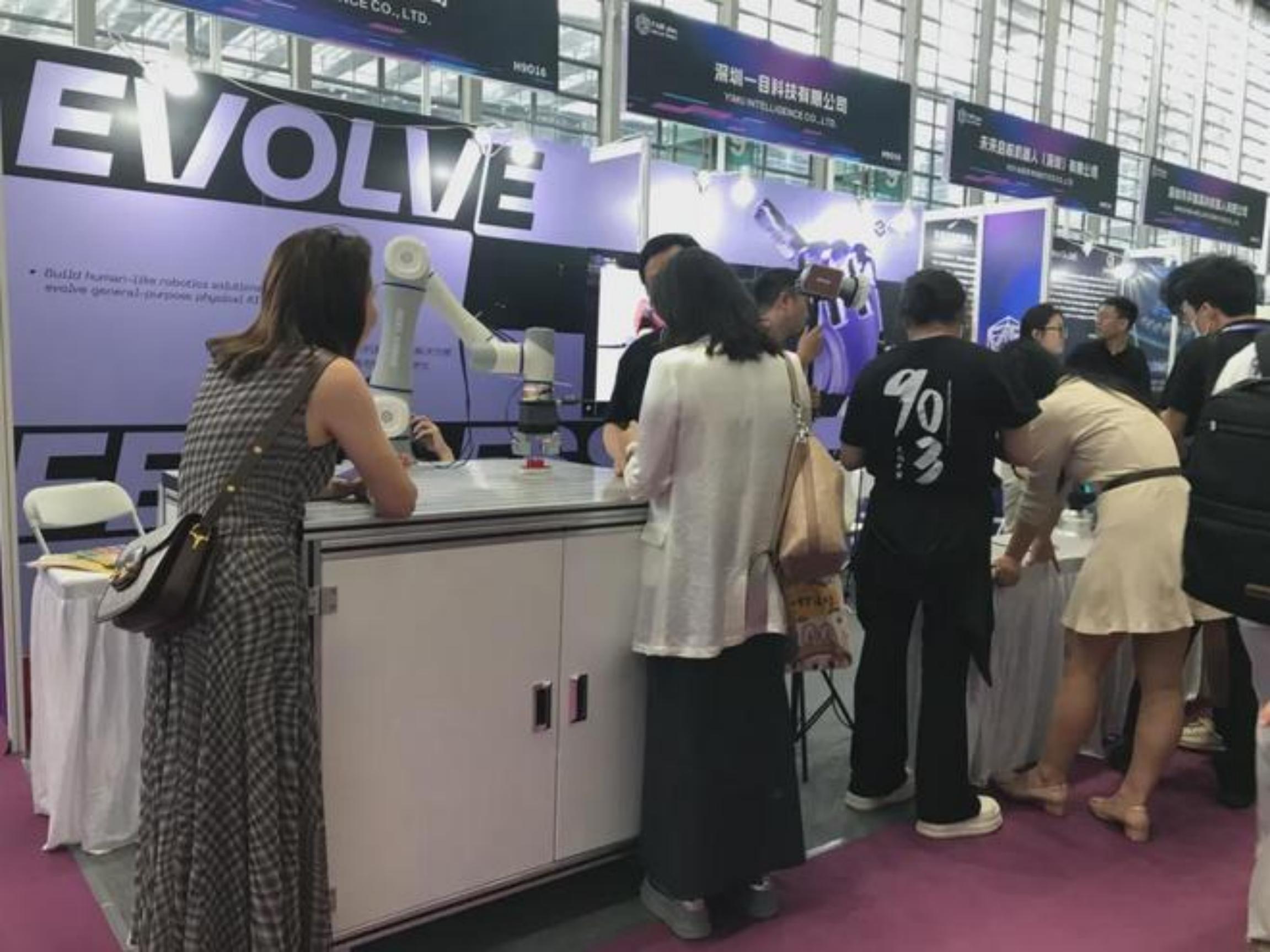
Redefining Flexible Assembly: Fairplus Reveals YIMU Technology's Tactile Innovations
YIMU Technology is revolutionizing the industrial automation sector with its groundbreaking visuotactile sensing technology, which empowers robots to handle flexible assembly tasks more effectively. This innovative approach mimics human tactile feedback, enabling robots to adapt to varying production needs rather than relying solely on absolute precision. By enhancing the adaptability and efficiency of manufacturing processes, YIMU Technology is paving the way for a new era in automation, where flexibility becomes as crucial as accuracy. The development is poised to significantly impact production lines, allowing for a more dynamic response to changing assembly requirements.
Tactile Sensors Flexible Manufacturing Robotics Industrial Automation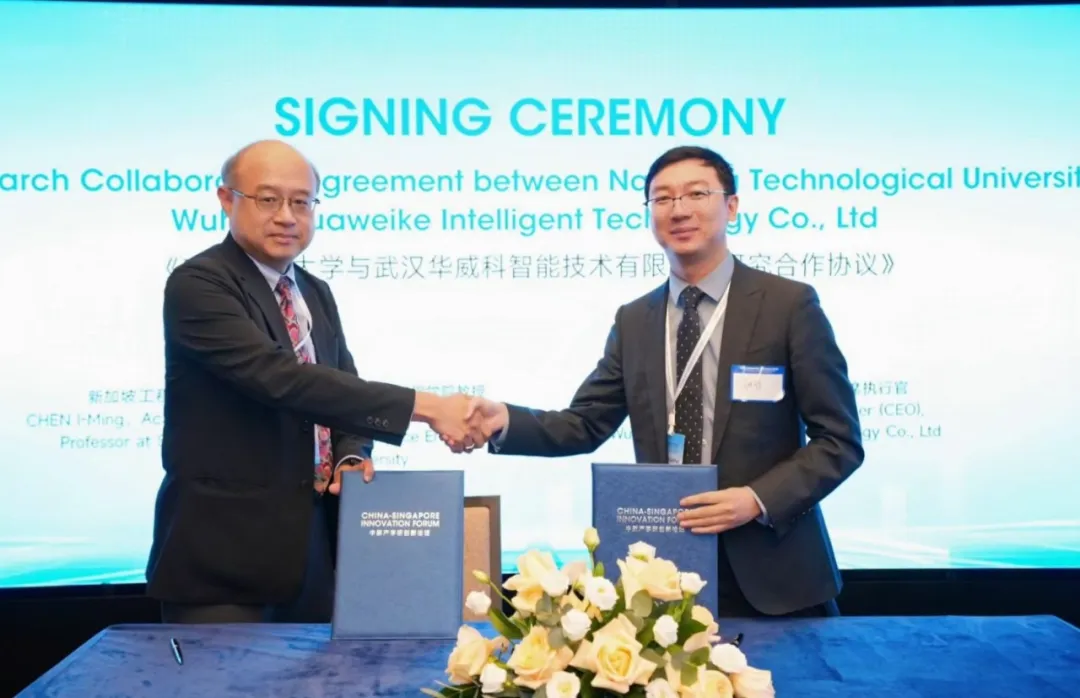
Huaweike Secures 70% Market Share and Signs Agreement in Singapore, Aiming for Global Leadership in Tactile Sensing Standards
Huaweike, a prominent player in tactile sensing technology, has entered into a research collaboration with Nanyang Technological University in Singapore. This partnership aims to leverage Huaweike's leading position, which includes a substantial 70% market share in humanoid robot tactile sensors, to drive innovation and establish global standards within the sensing industry. The collaboration is set to showcase significant advancements in flexible sensor technology, reflecting both organizations' commitment to enhancing the capabilities of tactile sensing in robotics and beyond.
Tactile Sensors Flexible Sensors Robotics AI Industrial Automation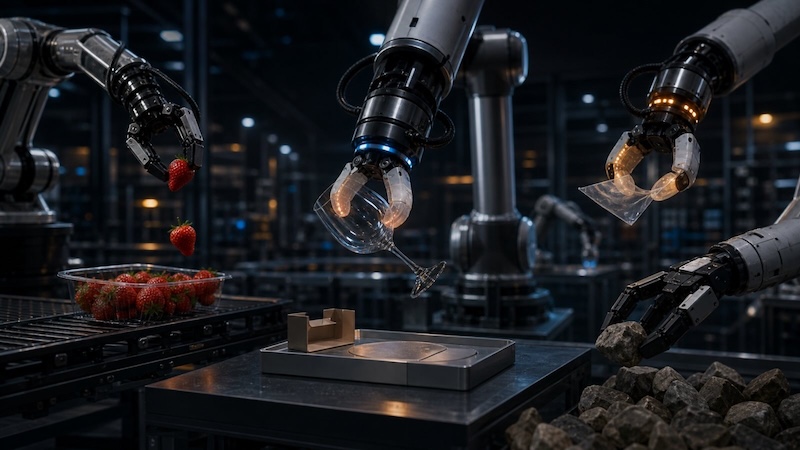
Kirisense wins funding to develop robotic fingertips that can sense touch and slip
Kirisense, a UK robotics startup, has received funding from the Henry Royce Institute to advance its development of tactile sensing technology aimed at enhancing robots' sense of touch to more closely resemble that of humans. This initiative, part of the Henry Royce Institute’s Industrial Collaboration Programme, is being executed in collaboration with the University of Sheffield. The project will concentrate on creating robotic fingertips that can provide a more nuanced and sensitive interaction with their environment, potentially revolutionizing the field of robotics by improving the dexterity and functionality of robotic systems.
News Sensors advanced automation advanced materials artificial intelligence automation news
Developing a Framework for Tactile-Based Proximity Sensing of Buried Objects in Granular Media
A new framework has been proposed for tactile-based proximity sensing of buried objects using granular media jamming. This method aims to enhance the detection capabilities of robotic systems in challenging environments where traditional sensing methods may fail. The significance of this framework lies in its potential applications in search and rescue operations, archaeological explorations, and environmental monitoring. By improving the ability to sense buried objects, it can lead to more efficient and effective operations in various fields. Future developments will focus on refining the technology and testing its effectiveness in real-world scenarios. No further timeline was disclosed at the time of publication.
RESEARCH ARTICLE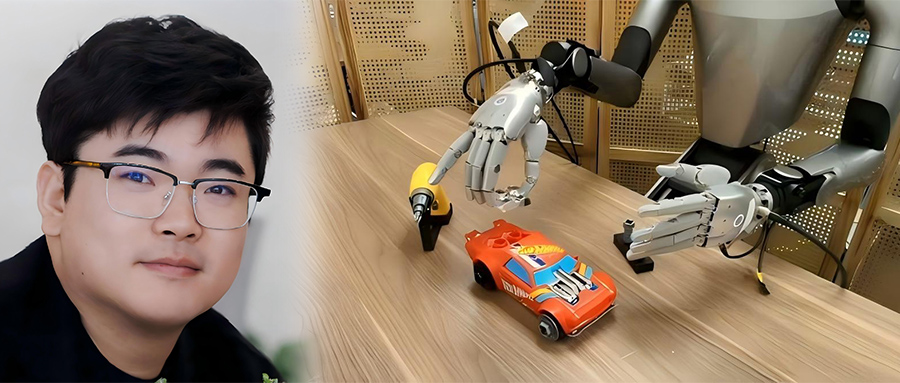
Harbin Institute of Technology Professor Establishes PHANES AI to Advance Tactile Robotics
Professor Yang Shuo from Harbin Institute of Technology (Shenzhen) has founded PHANES AI, focusing on human data, tactile perception, and world model research. The startup aims to enable humanoid robots to perform agile full-body movements. A key challenge identified is the gap in current training data, where visual cues do not capture the tactile feedback necessary for successful robotic operations. This initiative is significant as it addresses the limitations of existing robotic training methodologies, which rely heavily on visual data without incorporating tactile information. Recent studies, including NVIDIA's EgoScale, highlight the importance of first-person human operation data in training robots for complex tasks. By leveraging large amounts of human data combined with minimal real-world data, PHANES AI seeks to enhance the success rate of robots in intricate operations. Looking ahead, PHANES AI plans to develop innovative methods for collecting and scaling tactile data through its EgoTouch system, which integrates visual and tactile information. The startup's approach aims to bridge the gap between visual perception and physical interaction, ultimately improving the capabilities of humanoid robots in real-world applications. No further timeline was disclosed at the time of publication.
Humanoid Robots Tactile Perception Robotics AI Data-Centric AI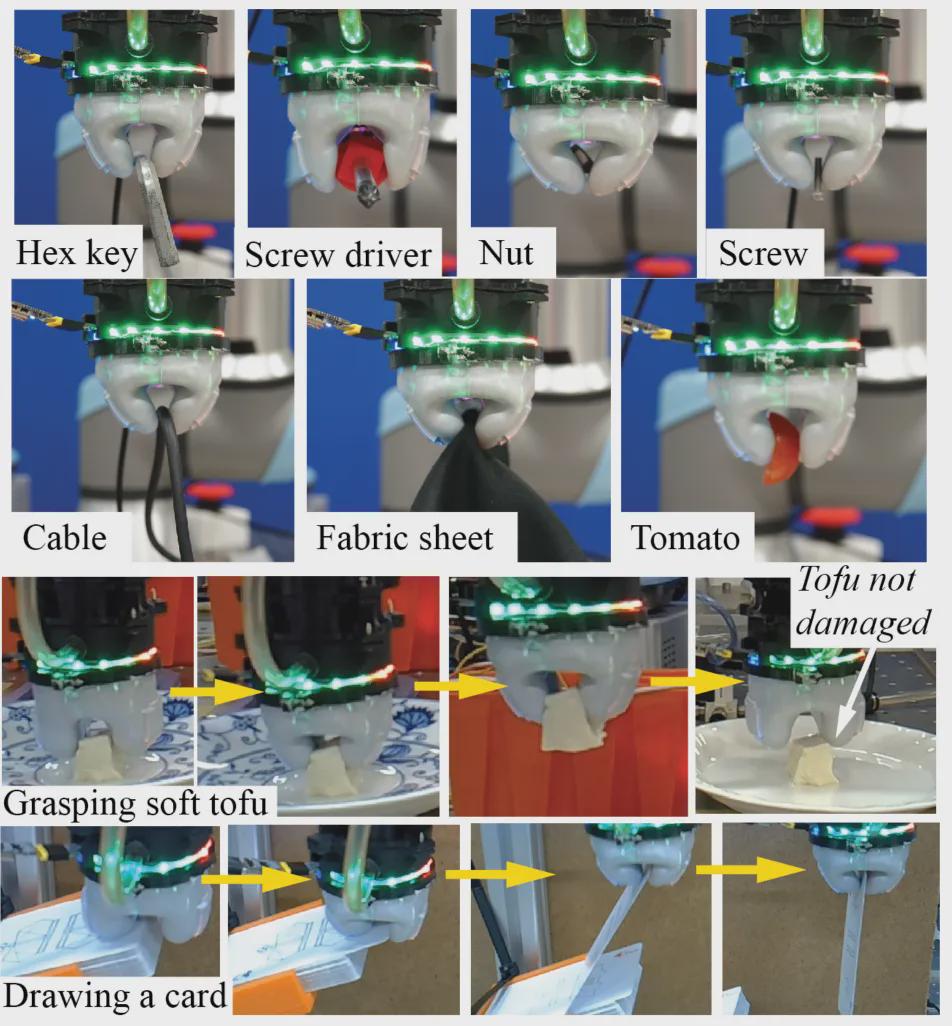
JAIST and King's College Develop EleTac Soft Gripper with Integrated Tactile Sensing
Researchers from Japan's JAIST and King's College London have developed EleTac, a soft robotic gripper inspired by the trunk of an elephant. This innovative design integrates grasping, external tactile perception, and proprioception within a single soft structure. The gripper can manipulate various objects, including tofu and fabric, while estimating contact position and force using a vacuum system operating at 30 kPa. The significance of EleTac lies in its ability to handle delicate and irregularly shaped items, addressing the challenges of soft robotics. Traditional rigid grippers utilize clear joints for sensing, while soft grippers often struggle with limited perception due to their material properties. EleTac's design allows for continuous tactile sensing across its surface, enhancing its ability to discern between self-induced deformations and external contacts. Future developments will focus on refining the visual-based tactile sensing capabilities of EleTac, which utilizes an internal optical system to monitor material deformation. This advancement could lead to improved performance in applications requiring precise manipulation of fragile objects. No further timeline was disclosed at the time of publication.
Soft Robotics Tactile Sensing Proprioception Robotic Grippers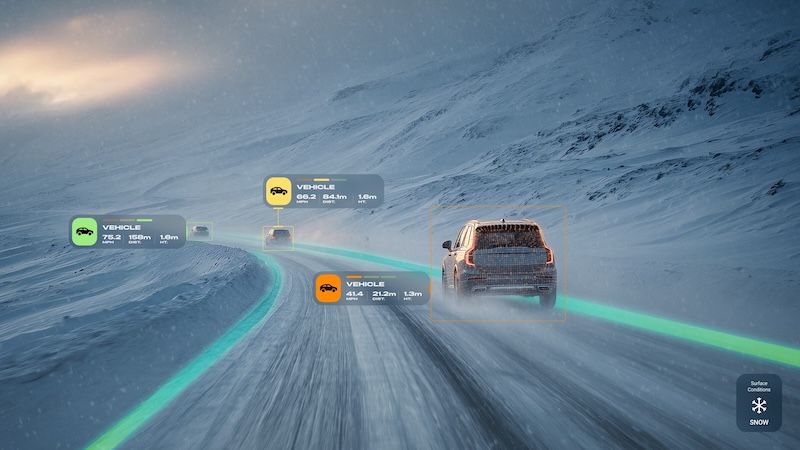
Teradar enters paid evaluation program with German automaker for terahertz vehicle sensing technology
Teradar, a company specializing in terahertz (THz) vision technology, has initiated a paid technical evaluation program with a leading German automotive manufacturer. This collaboration aims to assess Teradar's innovative sensing technology for potential integration into advanced driver assistance systems (ADAS) and autonomous driving platforms. The evaluation will specifically target challenging scenarios where traditional sensing technologies, including cameras, radar, and lidar, may face limitations. By exploring the capabilities of THz technology, both Teradar and the automotive manufacturer seek to enhance the safety and efficiency of future automotive systems.
Components Design Engineering adas advanced driver assistance systems automation news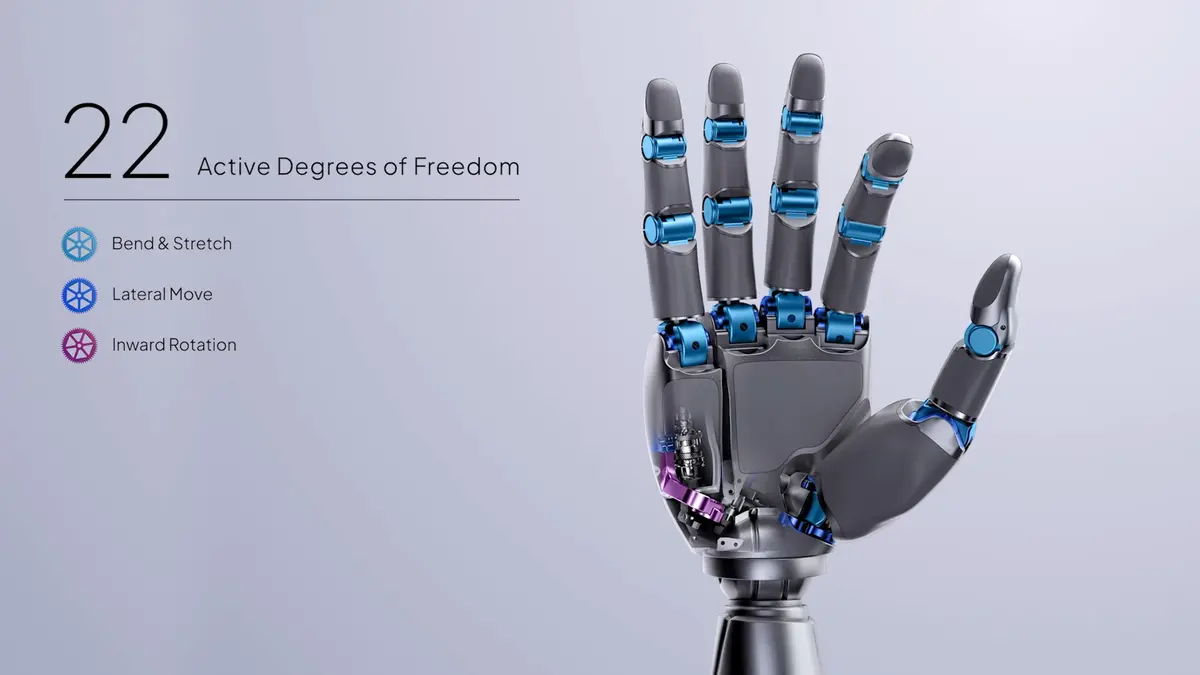
Sharpa Robotics Begins Shipping Its SharpaWave Hand, Targeting Human-Level Tactile Sensing
Sharpa Robotics has officially launched mass production of its innovative SharpaWave hand, which incorporates a proprietary Dynamic Tactile Array technology. This announcement follows a successful debut at various industry events, where the advanced capabilities of the hand garnered significant attention. The company is now shipping the product to customers, marking a significant milestone in the development of robotic technology aimed at enhancing tactile feedback. This move is expected to advance applications in various fields, including healthcare and manufacturing, where precise manipulation and sensory feedback are crucial.
SharpaWave tactile sensing hand Sharpa Robotics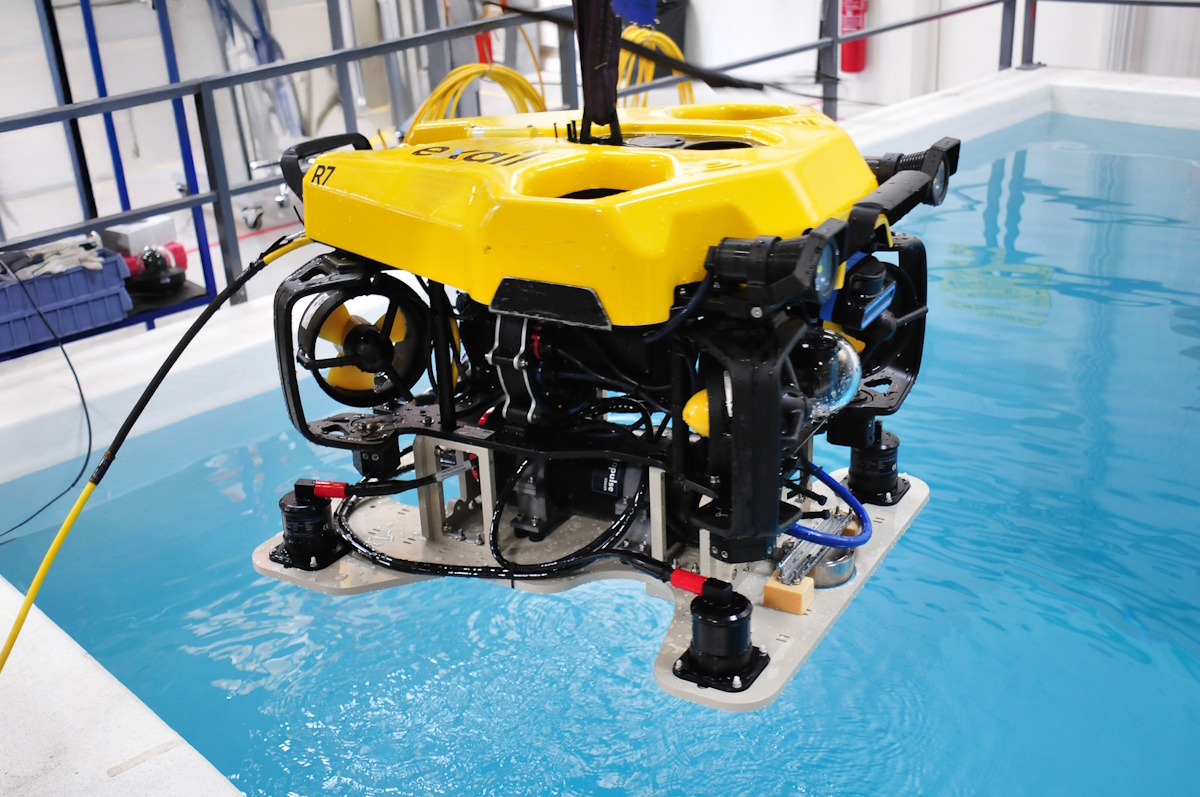
Exail Integrates Elwave’s Electromagnetic Sensing Technology Into R7 ROVs
Exail, a prominent player in maritime robotics, has partnered with Elwave to enhance its R7 Remotely Operated Vehicles (ROVs) with advanced electromagnetic sensing technology. This collaboration involves the integration of Elwave’s Tetrapulse sensors, which utilize the cutting-edge CEDAR (Controlled Electric Detection And Ranging) technology. The deployment of these sensors will occur across multiple R7 ROVs, although the identity of the client benefiting from this enhancement remains undisclosed. This strategic move aims to bolster the capabilities of Exail’s ROVs, ensuring they remain at the forefront of maritime exploration and operations.
exail elwave electromagnetic sensing technology r7 rov
Interview with Digid’s Nils Könne and Christian Kreil: Nanoscale sensors could help solve robotics’ tactile sensing challenge
The swift advancement of artificial intelligence and robotics is drawing significant attention to software and powerful processors, particularly large language models. However, experts emphasize that for robots to function effectively in real-world settings, they require a fundamental capability: advanced environmental sensing and understanding. This necessity is driving increased interest and investment in cutting-edge sensing technologies, as researchers and developers seek to enhance robots' interaction with their surroundings. The push for these innovations is becoming more pronounced as industries recognize the potential of robots to perform complex tasks in various environments, highlighting the importance of integrating sophisticated sensory systems into robotic designs.
Features Science Sensors Technology AI infrastructure automation news
Innovative Robot Tactile Sensing: A Team from USTC Uses Liquid Metal to Replace Dense Sensor Arrays
A research team at the University of Science and Technology of China has unveiled a revolutionary tactile sensing platform named CLiMETS. This innovative technology employs a single piece of liquid metal to effectively detect touch and pressure, streamlining the sensing process by removing the necessity for intricate sensor arrays. The development, announced recently, promises to significantly enhance sensitivity and durability in tactile sensing applications. This advancement is expected to facilitate the integration of more sophisticated robotic systems, marking a notable step forward in the field of robotics and sensory technology.
Tactile Sensing Liquid Metal Technology Robotics Soft Robotics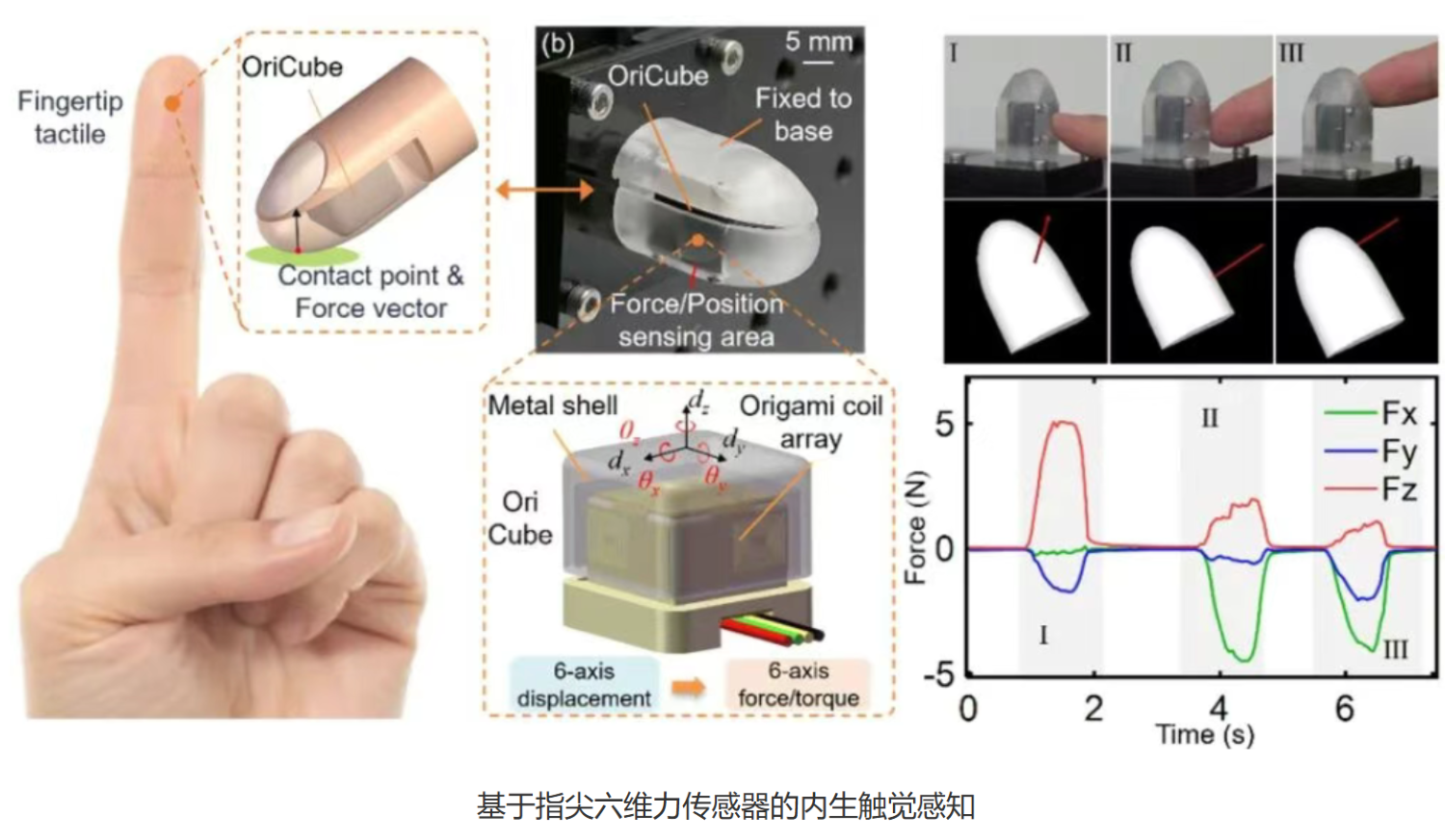
Chinese University Develops OriCube Sensor to Enhance Robot Tactile Sensitivity
Researchers from the University of Science and Technology of China have developed the OriCube, a compact six-dimensional force/moment sensor that mimics human fingertip sensitivity. Measuring just 14×14×12 mm and weighing 4 grams, it achieves a remarkable resolution of 3 millinewtons within a 23-newton range, allowing it to detect even the lightest touch, such as a feather. This innovation is significant as it addresses the limitations of current robotic tactile solutions, which often rely on electronic skin or array sensors that face challenges like complex wiring and data processing. By embedding the OriCube directly into the fingertips of robotic hands, the sensor captures minute force changes and calculates precise contact points and force vectors, offering a new approach to tactile perception in robotics. The OriCube has demonstrated low power consumption of 45 milliwatts, minimal crosstalk, and high measurement accuracy. Its ability to sense both delicate touches and withstand impacts positions it as a robust solution for enhancing robotic dexterity in uncertain environments. No further timeline was disclosed at the time of publication.
Robotics Tactile Sensors Force Sensing Artificial Intelligence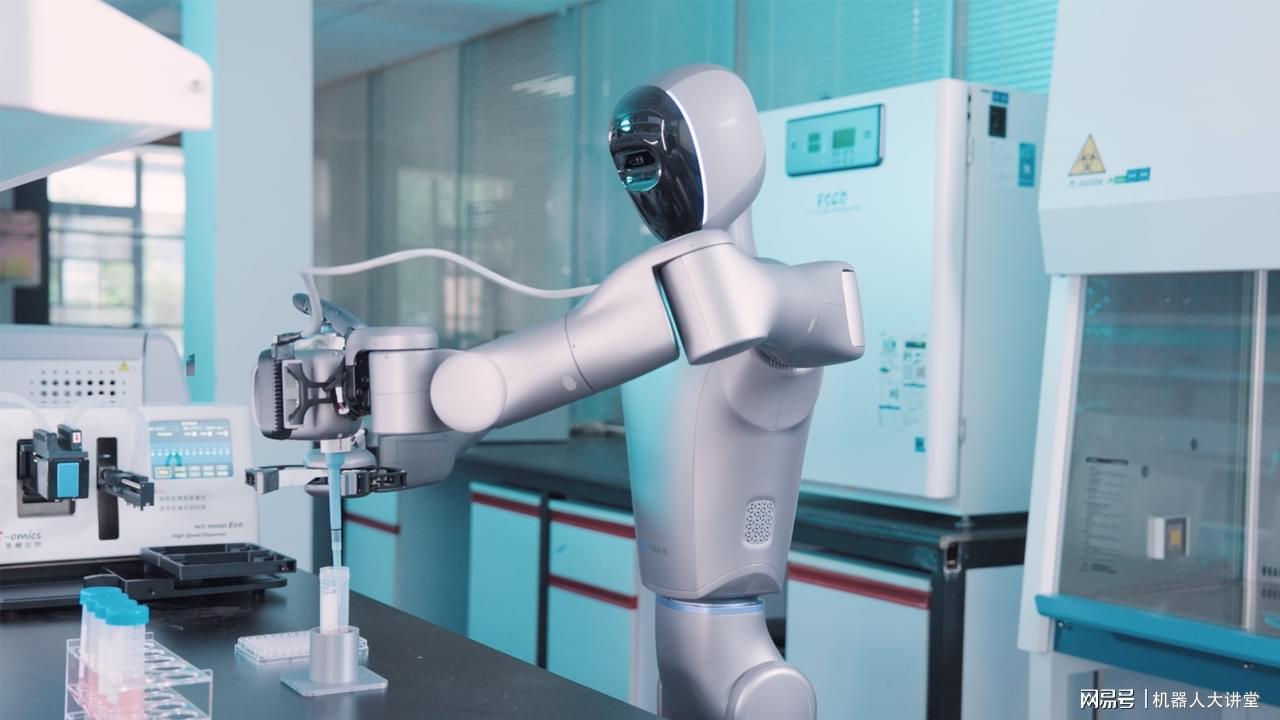
Yuanluo Technology Unveils First Autonomous Laboratory Utilizing Object-Centric Physics Model
Yuanluo Technology has successfully launched the world's first autonomous laboratory on a national research platform, marking a significant advancement in embodied intelligence. The laboratory's robotic system can autonomously perform over 40 operations, including nucleic acid extraction and cytotoxicity testing, with a precision of less than one millimeter. This achievement demonstrates the robot's capability to execute complex, multi-step tasks continuously for over three hours, addressing challenges in throughput and consistency in biochemical research. This development is crucial as it signifies a shift from demonstration to practical application of embodied intelligence in the biochemical and material science sectors. The Object-centric Physics Native Model (OPN), developed by Yuanluo, enables the robot to understand and adapt to the dynamic conditions of a real laboratory environment. By integrating visual, tactile, and force feedback, the robot can make real-time adjustments, ensuring stable execution of intricate experimental workflows across multiple devices. Looking ahead, the successful implementation of this autonomous laboratory sets the stage for further advancements in research and development processes across various industries, including public health and advanced manufacturing. The next milestones will involve expanding the capabilities of the OPN model and integrating it into more complex industrial systems. No further timeline was disclosed at the time of publication.
Autonomous Laboratories Embodied Intelligence Biochemical Research Robotics AI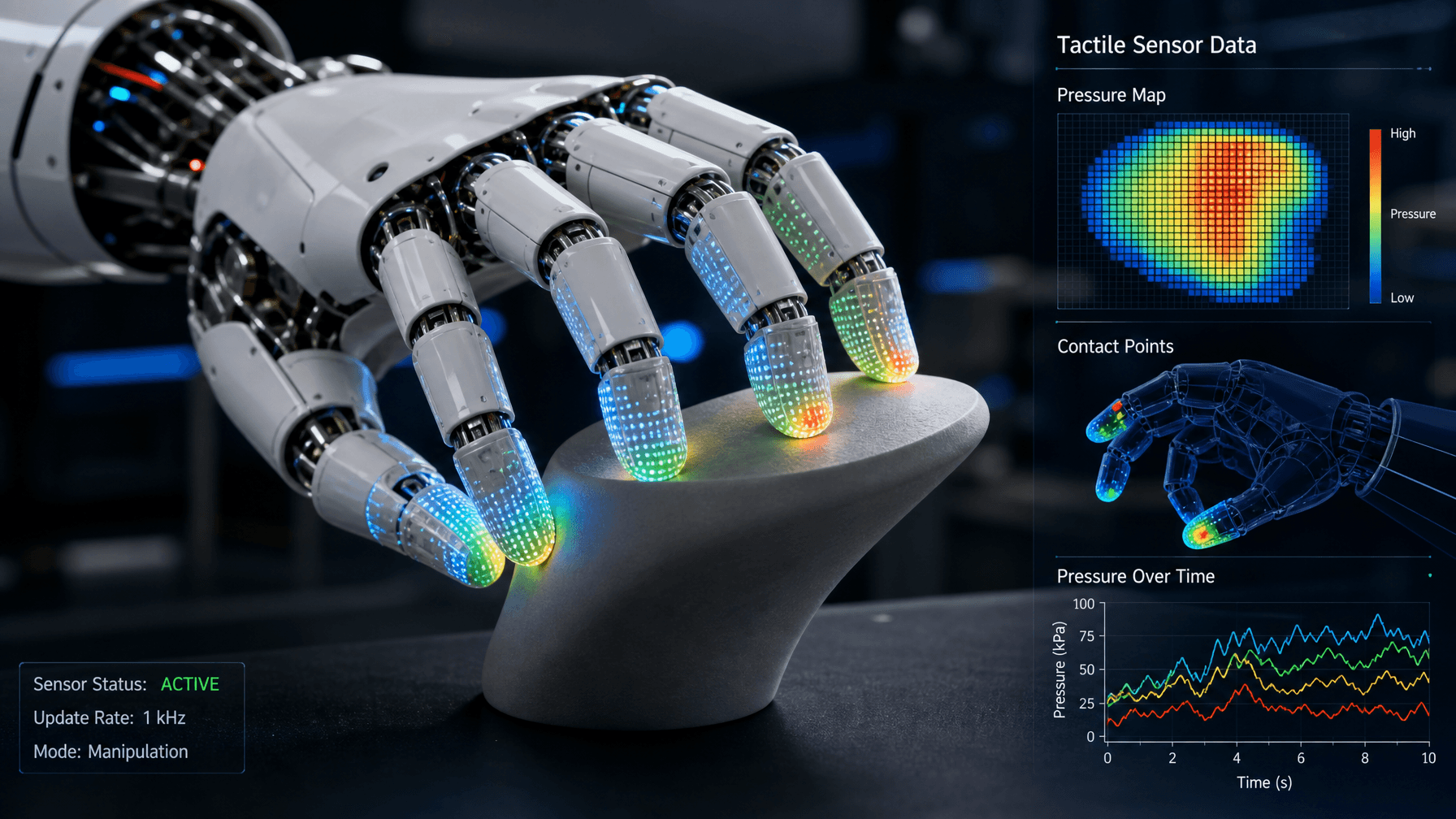
PHANES AI Launches TouchWorld Tactile Model for Enhanced Robot Dexterity
PHANES AI, established by 28-year-old Yang Shuo from HIT, has introduced TouchWorld, a tactile foundation model designed to enhance robotic manipulation capabilities. This model enables robots to perform precise physical tasks by incorporating a sense of touch, marking a significant advancement in robotic dexterity and interaction with their environment. The introduction of TouchWorld is significant as it allows robots to predict and react to tactile stimuli, which is crucial for applications requiring fine motor skills. This development could lead to improved performance in various sectors, including manufacturing and healthcare, where dexterous manipulation is essential for tasks such as assembly or surgical procedures. Looking ahead, the impact of TouchWorld on the robotics industry will be closely monitored, particularly regarding its adoption in real-world applications. No further timeline was disclosed at the time of publication, but the potential for this technology to transform robotic capabilities is substantial.
Technology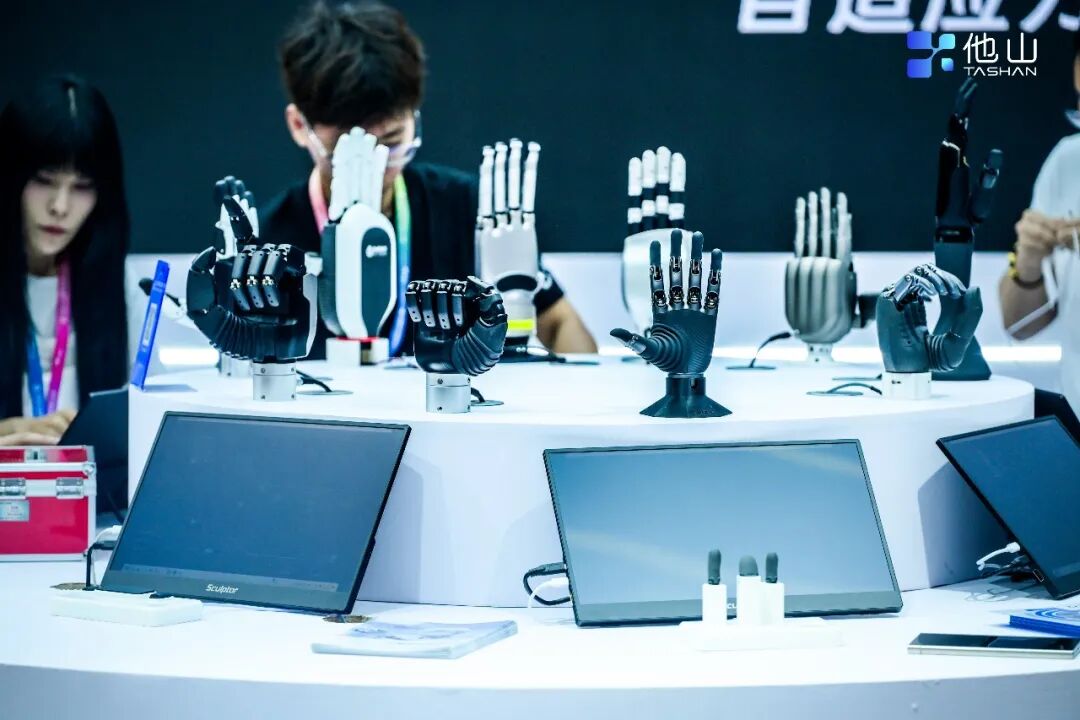
HeShan Technology Raises Hundreds of Millions in Series B Funding Amid Fourfold Order Growth
HeShan Technology, based in Beijing, has successfully completed a Series B funding round, raising hundreds of millions of yuan. The investment comes from a mix of industrial capital and specialized investment firms, including TaiPing Innovation and Junsheng Electronics. This funding marks the third financial boost for the company in six months, with plans for a Series C round already underway. HeShan reported that its total orders in the first half of the year reached four times that of the previous year, with monthly deliveries of tactile sensors stabilizing at tens of thousands. The significance of this funding round lies in the clear investment trends within the robotics sector. Investors like Junsheng Electronics and AUX are focusing on practical technologies that can integrate with existing production lines, moving away from speculative concepts. HeShan has established a comprehensive stack covering chips, sensors, and data simulation, addressing the growing demand for tactile perception in smart healthcare devices, especially as the aging population increases in China. Looking ahead, HeShan Technology's next milestone will be the advancement of its Series C funding efforts. The company is poised to leverage its tactile technology to enhance safety in elderly care scenarios, collaborating with industry partners. No further timeline was disclosed at the time of publication, but the strong order volume and delivery capabilities position HeShan as a leader in the tactile robotics market, addressing the industry's need for mature, scalable solutions.
Tactile Sensors Robotics Industrial Automation AI Technology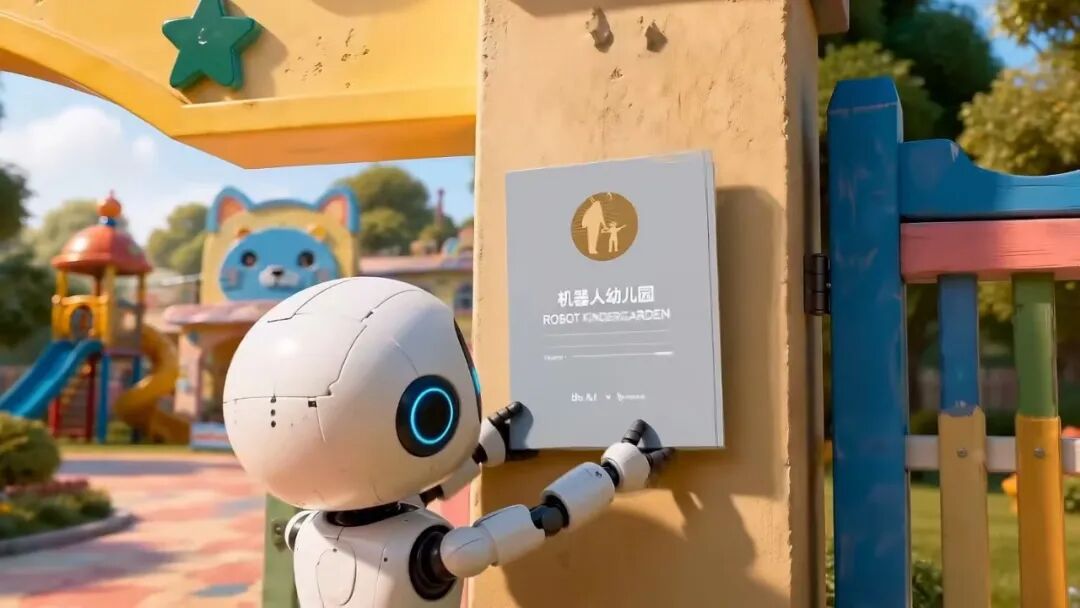
Sutton partners with Tianshan Technology to launch "Robot Kindergarten," using tactile perception to enable robots' self-learning abilities in the real world.
Sutton has announced a collaboration with Tianshan Technology to introduce "Robot Kindergarten," an innovative initiative aimed at enhancing robots' self-learning capabilities through tactile perception. This partnership seeks to bridge the gap between artificial intelligence and real-world applications by allowing robots to learn from their interactions with the environment. The launch of Robot Kindergarten is set to take place in the coming months, with the aim of revolutionizing how robots adapt and respond to various stimuli. By leveraging advanced sensory technology, the project aspires to create more autonomous and intelligent robotic systems, ultimately paving the way for broader applications in industries such as education, healthcare, and manufacturing.
Robotics Automation AI
Tactile Sensor Technology
Humanoid robots are poised to become a common presence in households, with advancements in technology emphasizing the importance of tactile sensation for their safe and effective operation. As homes present complex, unstructured, and dynamic environments, the development of robots equipped with a sense of touch is essential for their integration into daily life. This innovation is driven by the need to enhance the robots' ability to navigate and interact with various household tasks and obstacles, ensuring they can function effectively alongside humans. With ongoing research and development in this field, the arrival of these sophisticated humanoids is anticipated in the near future, marking a significant step forward in domestic robotics.
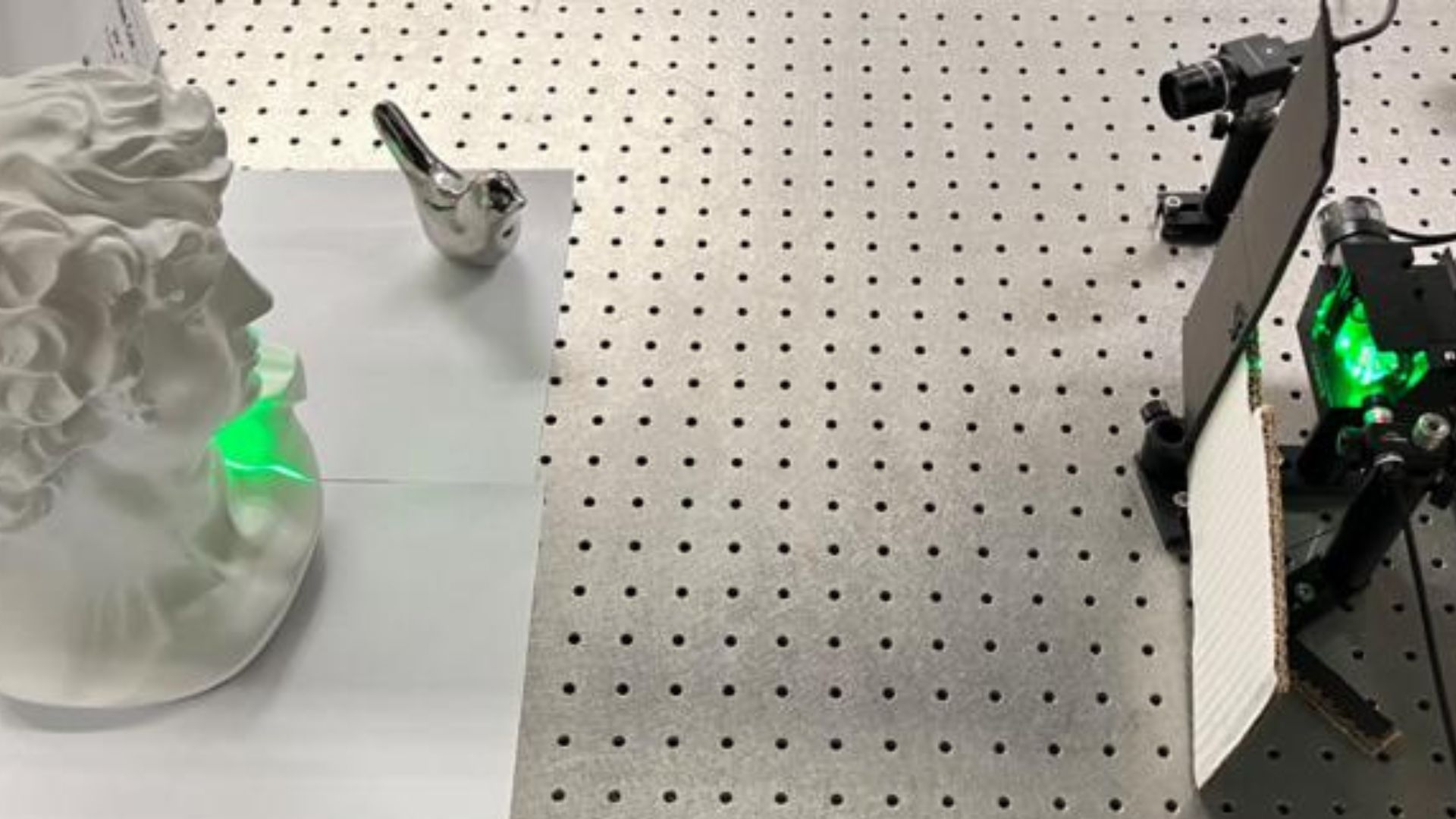
3D-sensing technology could improve self-driving cars and robotic surgery
Researchers at the University of Arizona have made significant strides in 3D-sensing technology, which could revolutionize how autonomous vehicles navigate complex urban environments. This breakthrough was announced recently, showcasing the potential to enhance safety and efficiency in city driving. The team developed an advanced system that utilizes sophisticated algorithms and sensors to interpret real-time data from the surrounding environment, enabling vehicles to better understand and respond to dynamic conditions on busy streets. By improving the accuracy of spatial awareness, this technology aims to reduce accidents and improve traffic flow, addressing the growing challenges of urban mobility. The research highlights the university's commitment to innovation in transportation technology, with implications that could extend beyond self-driving cars to various applications in robotics and smart city infrastructure.

Optical Tactile Sensing Approaches Human Recognition: Low-Cost, Reliable Solutions from Guangma Future
Guangma Future has introduced the TOUCH-X tactile sensor, a groundbreaking innovation that utilizes advanced optical technology to deliver high-frequency sampling and exceptional performance while eliminating electromagnetic interference. Launched recently, this sensor is designed to significantly improve the capabilities of robots in precision tasks and enhance their interactions with humans. The development comes in response to the increasing demand for advanced tactile sensors in various applications, reflecting the company's commitment to advancing robotics technology.
Tactile Sensors Robotics Optoelectronics Industrial Automation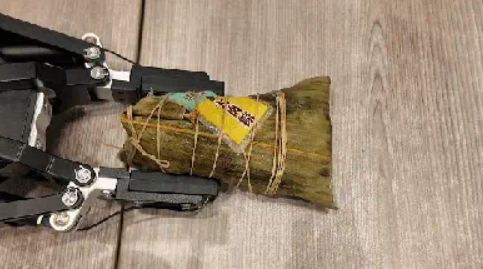
How HeShan Technology Became a Leader in Tactile Perception for Humanoid Robots
HeShan Technology, established in late 2017, has emerged as a leader in the development of tactile sensors and algorithms specifically designed for humanoid robots. The company has successfully addressed the essential requirement for sensory perception in robotics, resulting in a remarkable achievement of capturing 80% of the global market share for tactile sensors in this sector. Through a holistic strategy that encompasses everything from chip development to algorithm integration, HeShan Technology has positioned itself at the forefront of innovation in humanoid robotics.
Tactile Sensors Humanoid Robots AI Robotics Technology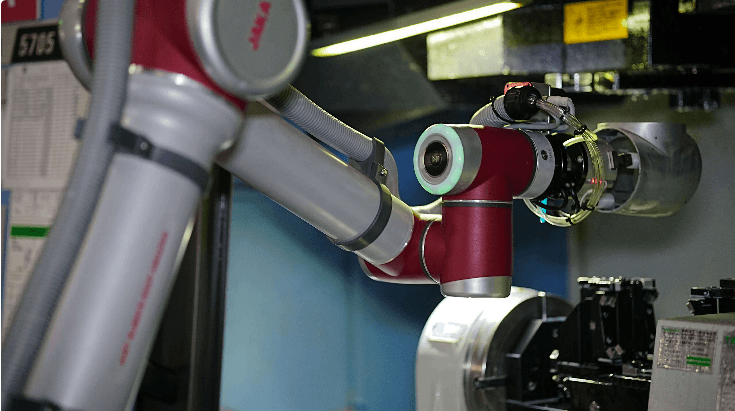
Advanced Robotics Technology in Collaborative Workspaces: Force Limiting and Sensing
In a significant advancement for manufacturing, JAKA is revolutionizing collaborative workspaces through the integration of advanced robotics technology. The company’s focus on industrial collaborative robots (cobots) allows for safe and efficient interaction between machines and human operators, essential in today’s fast-paced production environments. By employing force limiting and sensing capabilities, JAKA's robots can detect unexpected interactions and adjust their movements accordingly, enhancing workplace safety and productivity. The JAKA Pro5 model exemplifies this innovation, specifically designed for loading and unloading tasks. It minimizes reliance on manual labor while ensuring consistent quality through simple programming interfaces that enable rapid setup for various production line tasks. This flexibility allows teams to adapt the robots quickly, optimizing efficiency and precision in machine tending. JAKA recognizes that the successful adoption of robotics hinges on factors such as production complexity and workspace layout. Their cobots are engineered to address these challenges, providing scalable operations that accommodate delicate handling requirements and reduce product damage risks. By integrating these intelligent systems, JAKA not only improves operational standards but also frees up human resources for more strategic roles, fostering a collaborative environment that enhances overall productivity. As industries increasingly embrace advanced robotics, JAKA’s commitment to safety, adaptability, and efficiency positions it at the forefront of transforming manufacturing practices, ultimately driving sustainable productivity improvements.
Biomimetic Multifinger Tactile Sensing and Contact‐Regulated Palpation for Autonomous Breast Tumor Localization
A recent study published in the Journal of Field Robotics highlights advancements in autonomous robotic systems designed for agricultural applications. Researchers from a leading university conducted experiments to evaluate the effectiveness of these robots in optimizing crop management and enhancing productivity. The study took place over the summer of 2023 on various farms across the Midwest, where the robots were deployed to monitor crop health, assess soil conditions, and automate harvesting processes. The motivation behind this research stems from the increasing demand for sustainable farming practices and the need to address labor shortages in the agricultural sector. By integrating advanced robotics and artificial intelligence, the team aimed to demonstrate how these technologies can improve efficiency and reduce the environmental impact of farming. Through a series of field tests, the researchers collected data on the robots' performance, analyzing their ability to navigate complex terrains and make real-time decisions based on environmental inputs. The findings indicate that these autonomous systems not only enhance productivity but also contribute to more precise resource management, ultimately supporting the goal of sustainable agriculture. This study represents a significant step forward in the application of robotics in farming, showcasing the potential for technology to transform traditional agricultural practices and meet the challenges posed by a growing global population.
RESEARCH ARTICLE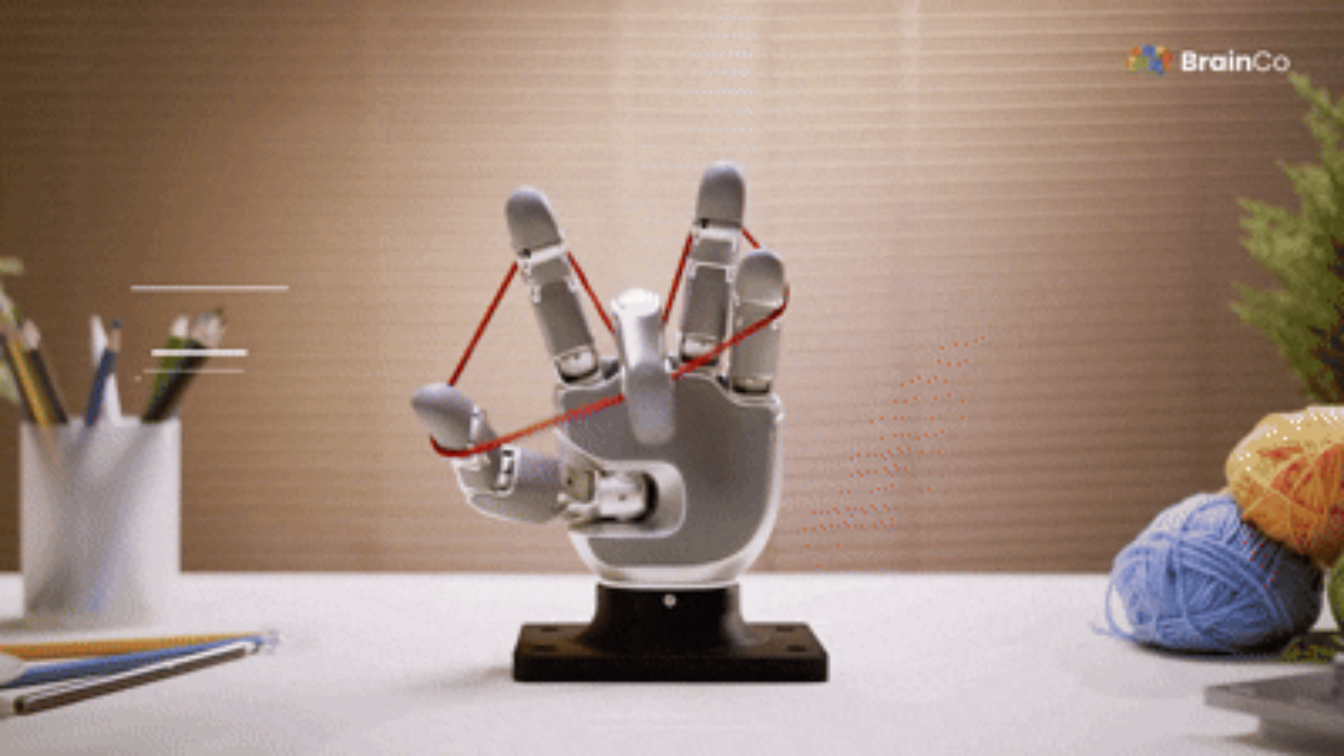
Qiang Brain Technology's Revo 3: A New Generation of Dexterous Hands Understanding Touch
Qiang Brain Technology has unveiled Revo 3, a groundbreaking open-source dexterous hand that boasts more than 20 degrees of freedom and integrated tactile sensing. This innovative device, launched recently, is designed to assist amputees in regaining hand functionality while also improving robotic capabilities through sophisticated neuro-signal interpretation. The development of Revo 3 represents a significant advancement in prosthetic technology, aiming to enhance the quality of life for users by providing them with a more natural and responsive hand experience.
Dexterous Hands Robotics Neurotechnology Tactile Sensing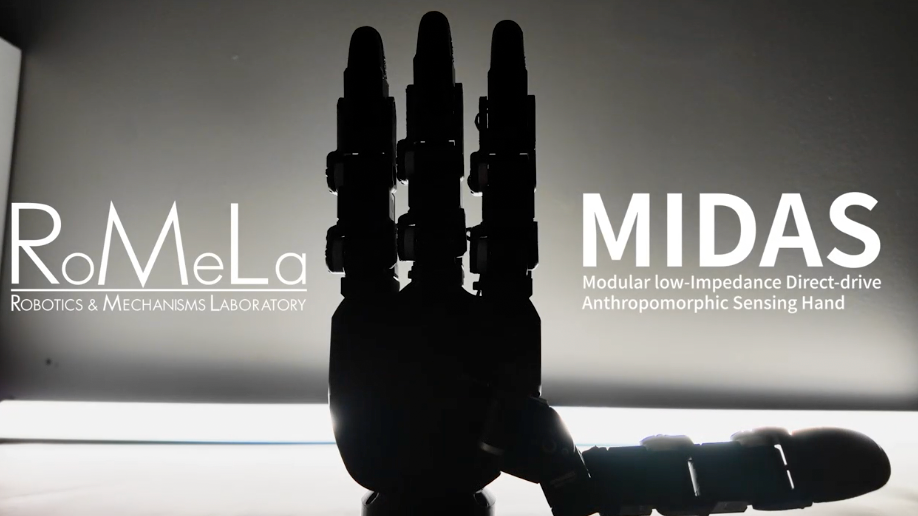
UCLA Develops Open-Source Tactile Robot Hand for $3000
Researchers at UCLA's RoMeLa lab have unveiled the MIDAS Hand, an innovative open-source robotic hand designed to enhance robotic manipulation capabilities. Weighing 700 grams and priced at approximately $3,000, the MIDAS Hand is equipped with tactile sensing and a low-impedance direct drive structure, allowing it to execute intricate tasks such as using scissors and repositioning objects. This development aims to reduce barriers for researchers and experimenters in the field of robotics, facilitating advancements in manipulation technology. The introduction of the MIDAS Hand represents a significant step forward in making sophisticated robotic tools more accessible for research and experimentation.
Robotic Hands Tactile Sensing Open-Source Robotics Robotics Research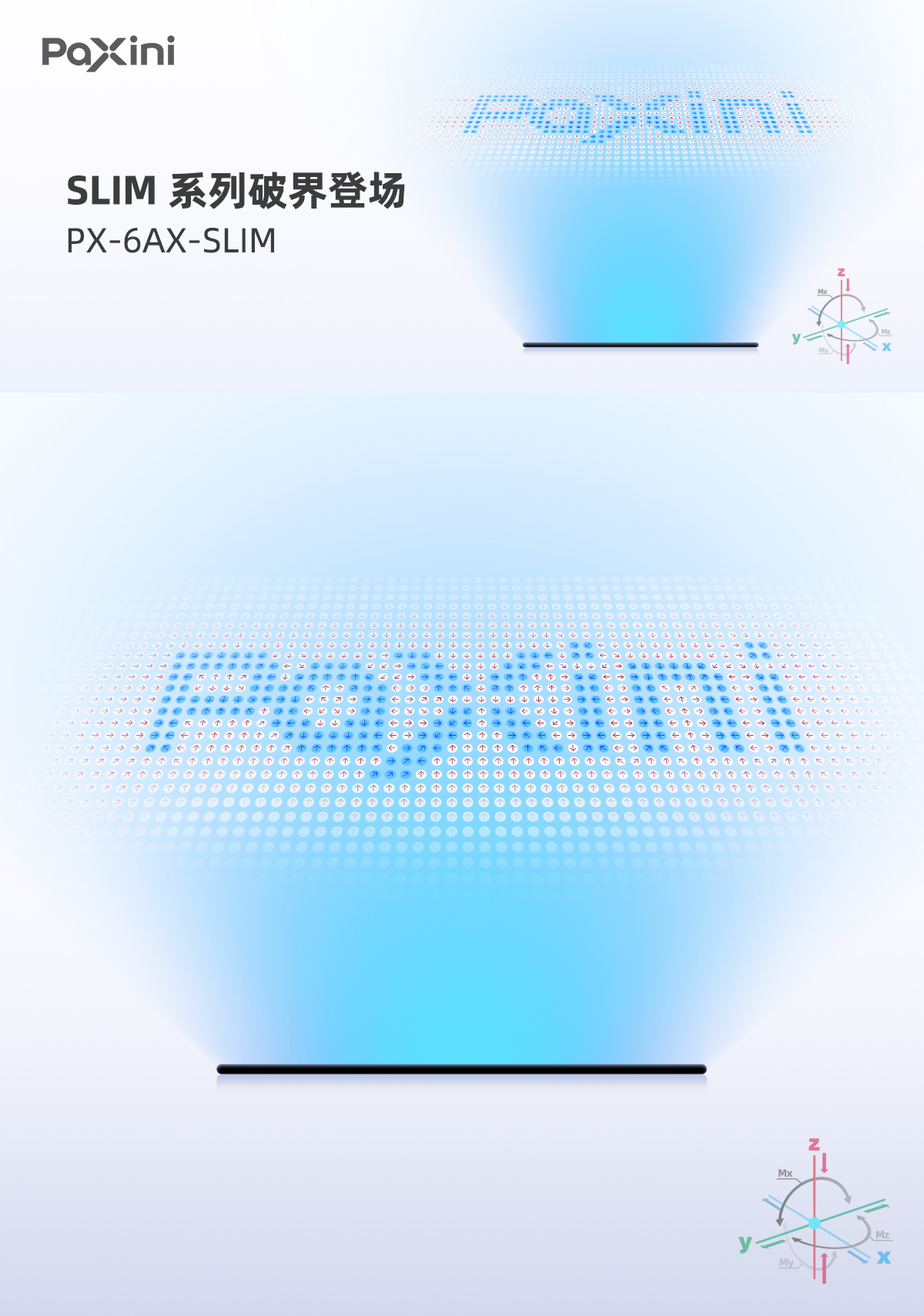
Paxini Unveils Three Tactile Sensors in One Month, Reinforcing Its Position as a Global Leader in Embodied Perception
In April, Paxini unveiled its upgraded SLIM series tactile sensor, featuring cutting-edge technology with a remarkable thickness of only 1mm and a density of 400 effective sensing points per square centimeter. This launch, which includes two additional sensors, underscores Paxini's dedication to rapid innovation and its mission to redefine standards in the field of embodied intelligence. The release demonstrates the company's commitment to advancing sensor technology, positioning itself as a leader in the industry.
Tactile Sensors Embodied Intelligence Robotics Technology Sensor Technology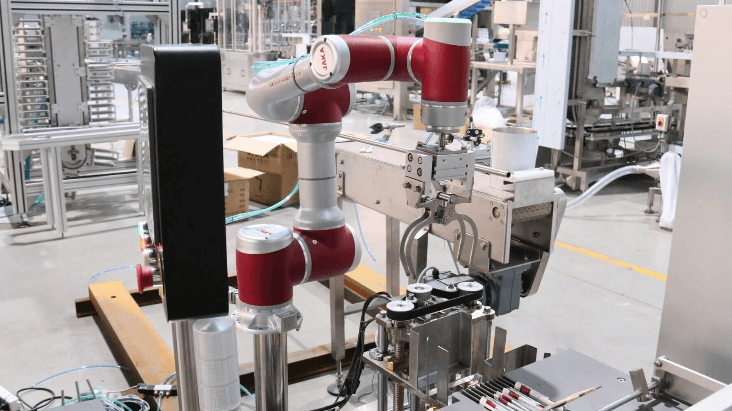
The Future of Industrial Cobots: Enhanced Sensing and True Autonomy
JAKA, a leader in advanced robotics technology, is revolutionizing the role of industrial collaborative robots (cobots) by enhancing their perceptual intelligence and autonomous decision-making capabilities. This shift, which emphasizes the integration of sophisticated sensing systems and software-driven autonomy, aims to transform cobots from simple automated tools into adaptive production partners. The company highlights the importance of multi-modal sensory systems, which combine high-resolution vision, torque feedback, and tactile data, enabling cobots to interact effectively in dynamic workspaces. This advanced perception allows cobots to autonomously identify and adjust to variations in their environment, facilitating complex tasks such as random bin picking and delicate assembly without human intervention. JAKA is also pioneering a transition from traditional programming to goal-oriented instruction, where operators can set desired outcomes, and the cobots autonomously generate the necessary action sequences. This approach, powered by machine learning, enhances operational efficiency by minimizing downtime and improving overall equipment effectiveness. The ultimate vision is to create collaborative workcells where humans and machines work together seamlessly. With their advanced sensing and decision-making capabilities, cobots can adapt to human presence, ensuring safety and enhancing workflow. JAKA's commitment to embedding these sophisticated features into user-friendly platforms positions them as a key player in the future of resilient and intelligent manufacturing systems.

Kongsberg Discovery Pushes Electromagnetic Sensing Envelope with Major Upgrade to Kongsberg Listen
Kongsberg Discovery has announced an upgrade to its Kongsberg Listen electromagnetic sensor system, enhancing its capabilities for inspections, surveys, and knowledge acquisition in challenging underwater environments. This advancement aims to set new industry standards, reflecting the company's commitment to innovation in marine technology. The upgraded system is expected to improve data accuracy and efficiency, making it a valuable tool for various applications in underwater exploration and research. The announcement comes as part of Kongsberg's ongoing efforts to lead in the field of underwater sensing technology, responding to the increasing demand for reliable and precise data in complex aquatic settings.
kongsberg discovery electromagnetic sensing kongsberg listen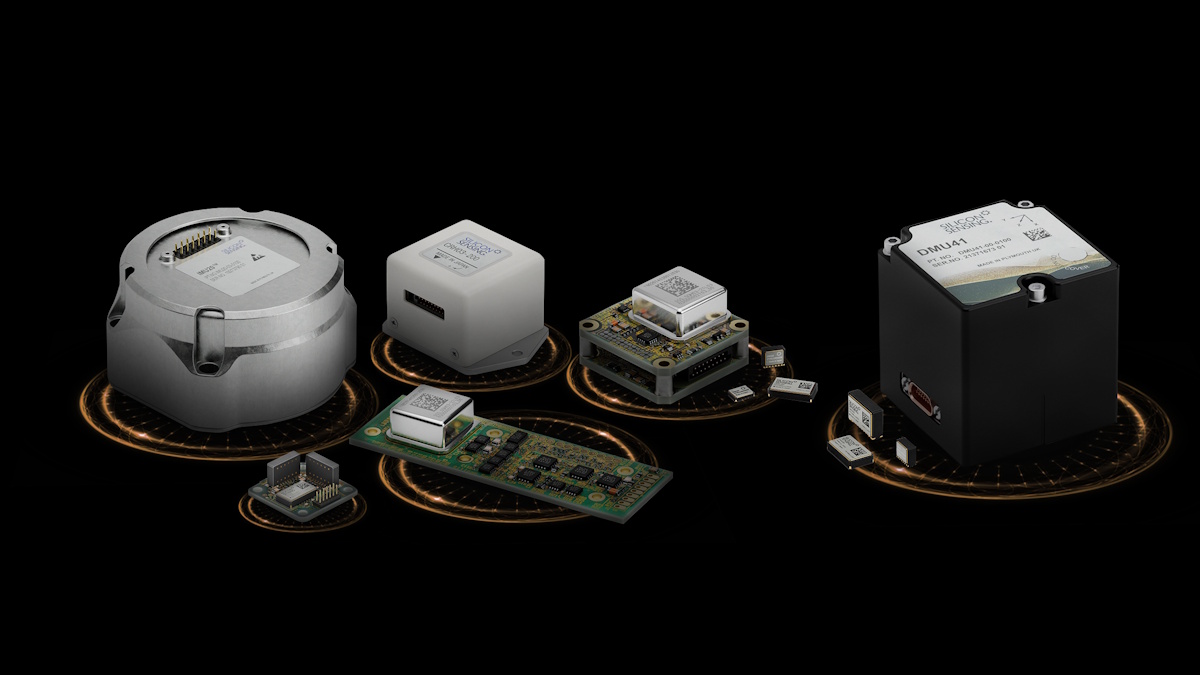
Silicon Sensing Produced its 30 Millionth Inertial Sensor
Silicon Sensing Systems Ltd has reached a significant milestone by producing its 30 millionth inertial sensor. Established in 1999, the company has become a key player in the global market, supplying advanced inertial sensors and systems across various sectors, including robotics, industrial production, marine, aerospace, defense, transport, and space. The company's innovative approach centers on high-performance gyroscopes, accelerometers, inertial measurement units (IMUs), and combi-sensors, all leveraging its proprietary micro electro-mechanical systems (MEMS) technology. These products are designed to outperform traditional systems, such as fiber optic gyros (FOG) and dynamically tuned gyros (DTG), by offering superior performance in a more compact and robust form. This achievement underscores Silicon Sensing's commitment to advancing sensor technology and meeting the evolving demands of diverse industries worldwide.
silicon sensing systems production milestone inertial sensor micro electro-mechanical systems (mems) gyros inertial nvigation
Silicon Sensing and Kongsberg Discovery Join Forces with Disruptive Ambitions
Silicon Sensing Systems Ltd and Kongsberg Discovery AS have announced a partnership aimed at advancing next-generation MEMS-based gyro technology. This collaboration, which seeks to innovate and potentially disrupt current market solutions, was formalized through a cooperation agreement. The initiative reflects both companies' commitment to enhancing precision and performance in gyroscopic applications, positioning them at the forefront of technological development in the field. The agreement highlights the growing importance of MEMS (Micro-Electro-Mechanical Systems) technology in various industries, including aerospace and automotive, where accurate motion sensing is critical.
silicon sensing kongsberg discovery ins
Why Optical Metrology is Replacing Tactile Measurement for Complex Component Validation Source
Manufacturers are experiencing a significant transformation in the validation of complex components as optical metrology increasingly complements and, in some cases, surpasses traditional tactile measurement methods. This shift is driven by practical advantages, including the elimination of surface deformation risks associated with contact measurements, significantly enhanced measurement speeds, and the ability to capture a greater volume of usable surface data. As industries seek more efficient and accurate validation processes, optical metrology is becoming an essential tool in manufacturing, marking a pivotal change in how quality assurance is approached.
Components Engineering 3d scanning additive manufacturing advanced manufacturing aerospace manufacturing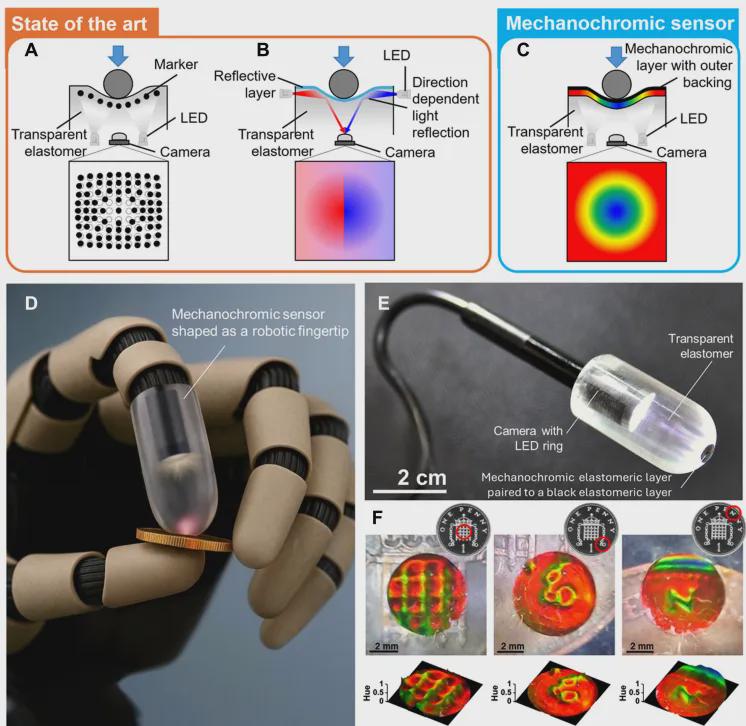
New Tactile Sensors Achieve High Resolution Without Deep Learning
Researchers from Queen Mary University of London and the University of Florence have unveiled a groundbreaking mechanochromic film measuring just 16 microns in thickness, designed to enhance tactile sensing capabilities in robots. This innovative sensor operates without the need for deep learning, directly translating mechanical strain into color changes. As a result, it generates real-time pressure maps with an impressive spatial resolution of around 100 microns. This advancement significantly boosts the dexterity of robotic systems, enabling them to interact more effectively with their environments. The development marks a notable step forward in robotics, potentially transforming how machines perceive and respond to tactile stimuli.
Tactile Sensors Robotics Mechanochromic Materials Pressure Mapping
New color-changing tactile sensor gives robots a real-time sense of touch
Researchers have developed an innovative color-changing tactile sensor that enables machines to perceive and respond to their surroundings in real-time. This groundbreaking technology was unveiled in October 2023 and represents a significant advancement in the field of robotics and artificial intelligence. The sensor mimics the way humans and animals sense touch and texture, providing machines with the ability to "see" and interpret the materials they come into contact with. The motivation behind this development lies in enhancing the interaction between machines and their environment, allowing for more sophisticated and responsive robotic systems. By integrating this tactile sensor, robots can better understand the properties of objects, leading to improved performance in various applications, such as manufacturing, healthcare, and service industries. The process involves a combination of advanced materials and engineering techniques that allow the sensor to change color based on the pressure and texture of the surfaces it touches. This visual feedback not only aids in object recognition but also enhances the machine's ability to make informed decisions based on tactile information. As this technology continues to evolve, it holds the potential to revolutionize how machines interact with the world, paving the way for smarter, more adaptable robotic systems that can operate effectively in diverse environments.
AI and Robotics
Robots can now 'see' touch thanks to a new color-changing tactile sensor
Engineers at Queen Mary University of London have developed an innovative color-changing tactile sensor that enables robots to perceive their environment through both sight and touch in real-time. The groundbreaking invention, led by postdoctoral researcher Giacomo Sasso from the School of Engineering and Materials Science, utilizes a unique mechanism that converts invisible forces into vibrant color patterns. This technology allows for the immediate generation of high-resolution maps detailing contact, strain, and pressure, significantly enhancing robotic interaction with their surroundings. The advancement promises to improve the capabilities of robots in various applications, from manufacturing to healthcare, by providing them with a more nuanced understanding of their physical interactions.
Robotics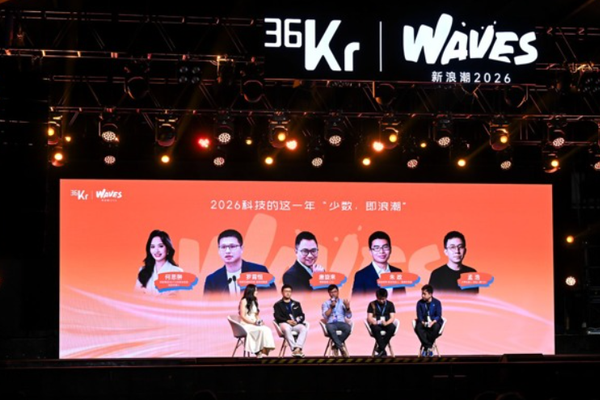
Roundtable Forum: 2026 - A Year of Technology "Minority, Yet a Wave" | 36Kr WAVES 2026 New Wave
In 2026, the Chinese venture capital landscape is witnessing a significant shift as artificial intelligence (AI) transitions from a conceptual technology to a mainstream industry force. The WAVES 2026 conference, organized by 36Kr and AnYun, took place in Guangzhou's Panyu District, bringing together top investors, industry leaders, and emerging entrepreneurs to explore the evolving landscape of AI, hard technology, and other key sectors. Over two days, the event featured 14 in-depth roundtable discussions and numerous independent speeches, focusing on the underlying logic of these core areas and highlighting how the persistence of a few innovators is shaping industry transformation. During a roundtable hosted by He Sichong from Ant Group's NEXTA Innovation Lab, four prominent entrepreneurs shared insights on the rapid advancements in their respective fields. They discussed the increasing acceptance of previously niche technologies, such as embodied intelligence and tactile perception, which are now beginning to redefine industrial processes and human-machine interactions. Despite the enthusiasm, the panelists acknowledged the challenges of integrating these technologies into real-world applications, emphasizing the need for continued innovation and adaptation to meet evolving market demands. As the conference concluded, participants expressed optimism about the future of embodied intelligence and its potential to revolutionize various sectors, while also recognizing the importance of addressing the complexities of deploying these technologies in dynamic environments.
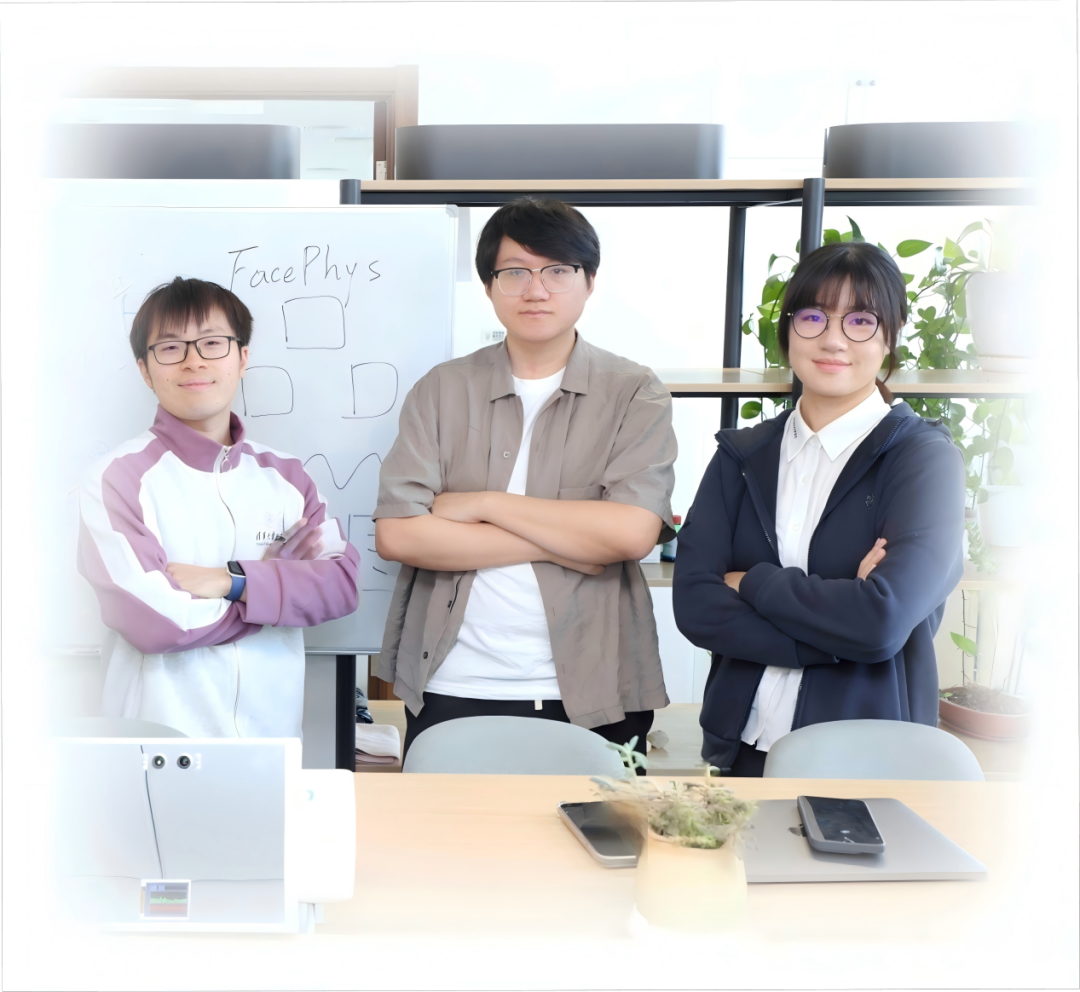
Tsinghua PhD Team Secures Exclusive Investment from Lei Jun for Innovative rPPG Technology
Microface Technology, a startup established by PhD graduates from Tsinghua University, has received exclusive investment from Shunwei Capital, led by prominent entrepreneur Lei Jun. The company has developed a groundbreaking remote photoplethysmography (rPPG) technology that allows for non-contact monitoring of physiological and emotional states using standard RGB cameras. This innovative approach has demonstrated high accuracy in detecting heart rates and emotional responses. After facing initial challenges, the team strategically shifted its focus to physiological emotion sensing, which has led to successful applications across various sectors, including healthcare and the automotive industry. This investment is expected to bolster Microface Technology's efforts in expanding its capabilities and market reach, further enhancing its contributions to the fields of health monitoring and emotional analytics.
Health Monitoring Emotion Recognition Wearable Technology AI Computer Vision
Robots move beyond mapped worlds with advanced lidar sensing
A lidar technology company has partnered with a robotics AI developer to enhance the capabilities of autonomous systems. This collaboration, announced recently, aims to integrate advanced lidar sensing with cutting-edge artificial intelligence to improve navigation and object recognition in various applications, including autonomous vehicles and drones. The partnership is expected to leverage the strengths of both companies, combining precise environmental mapping with intelligent decision-making algorithms. This initiative comes in response to the growing demand for more reliable and efficient autonomous solutions in industries such as transportation and logistics. The companies plan to begin testing their integrated systems in the coming months, with the goal of launching a prototype by early next year.
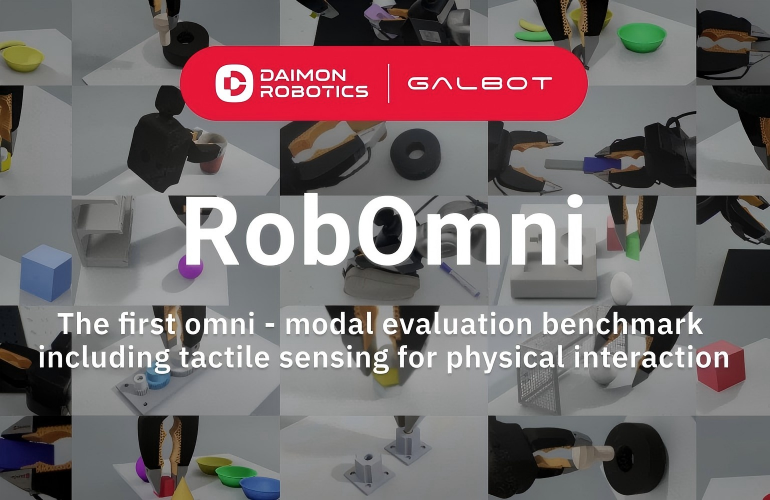
Daimon Robotics and Galbot jointly launches RobOmni for benchmarking tactile perception and dexterous manipulation
Daimon Robotics and Galbot have announced the launch of RobOmni, a new platform designed to benchmark tactile perception and dexterous manipulation in the field of embodied AI. This development marks a significant shift from traditional vision-centric approaches to a more comprehensive understanding of physical interactions. The collaboration aims to enhance the capabilities of robots in performing complex tasks that require fine motor skills and sensitivity to touch. The launch event took place recently, highlighting the growing importance of tactile feedback in robotics and its applications across various industries. By integrating advanced tactile sensing technologies, RobOmni is set to provide researchers and developers with the tools needed to push the boundaries of robotic dexterity and perception.
Sponsored Content
Beyond Sensors: Qianjue's Vision for Tactile Intelligence in Robotics
Qianjue Robotics is making significant strides in the field of tactile intelligence, highlighting the critical role of touch in enhancing robotic interactions. During the International Conference on Robotics and Automation (ICRA) 2026, the company unveiled its comprehensive tactile intelligence technology. A standout feature of their presentation was the VTLA model, which empowers robots to autonomously execute intricate tasks, such as forming flexible paper boxes. This technology demonstrated impressive capabilities, particularly in dynamic environments, showcasing the potential for more effective and nuanced physical interactions in robotics.
Tactile Intelligence Robotics Automation VTLA Model Physical Interaction
ICRA 2026: Beijing University Student Introduces TransTac Sensor for Enhanced Tactile and Visual Fusion
At the ICRA 2026 conference, a student from Beijing University of Posts and Telecommunications unveiled the TransTac sensor, a groundbreaking device that combines transparent visual observation with high-precision tactile reconstruction. This innovative technology effectively addresses the 'near-contact blind spot' in robotic perception, enabling robots to retain both visibility and tactile feedback when interacting with objects in close proximity. The development aims to significantly enhance the interaction capabilities of robots, potentially transforming their applications in various fields.
Tactile Sensors Robotics Visual Perception Human-Robot Interaction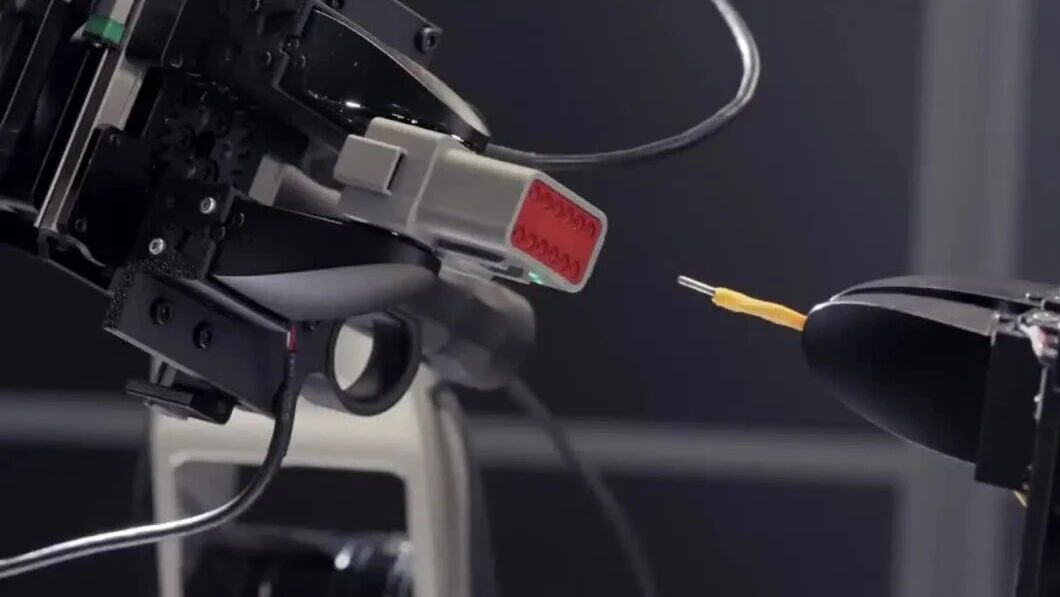
Nearly 100 Million Yuan Angel Round Funding for Robotics' Tactile Moment
NeoteAI, a company based in Shanghai, has successfully raised nearly 100 million yuan in angel funding to advance its development of tactile perception technology for robots. This cutting-edge initiative seeks to combine visual and tactile data, significantly improving the precision of robotic operations and tackling major challenges within the industry. With a robust academic background and strategic partnerships, NeoteAI is poised to transform how robots engage with their surroundings, paving the way for enhanced functionality and efficiency in various applications.
Tactile Sensors Robotics AI Machine Learning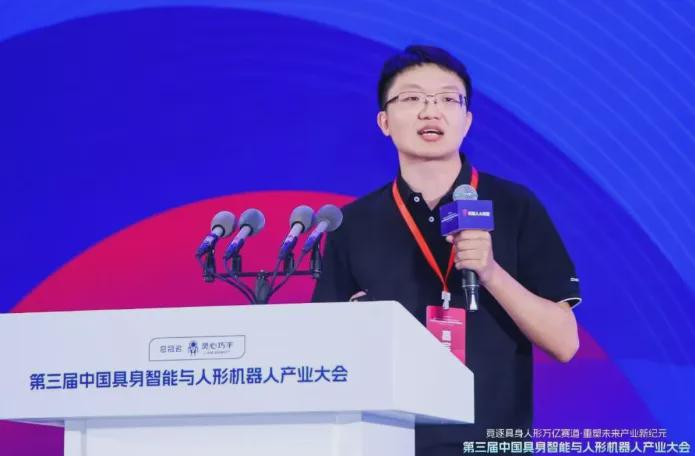
Innovative Breakthroughs in Robot Force Sensors by Xinghui Sensing
Xinghui Sensing, a new player in the six-dimensional force sensor market, is positioning itself to cater to the growing needs of humanoid robots by developing innovative, compact, and high-precision sensors. Co-founder Shen Xinxing emphasized the industry's increasing demand for advanced technology to enhance performance in robotic applications, addressing gaps that have yet to be filled. The company's efforts come at a time when the robotics sector is rapidly evolving, necessitating cutting-edge solutions to improve functionality and efficiency. By focusing on these unmet needs, Xinghui Sensing aims to establish itself as a key contributor to the future of robotics technology.
Force Sensors Humanoid Robots Robotics Technology Sensor Innovation
In Conversation with Yuan Minglun: Why 'Tactile Feedback' is the Next Challenge for Humanoid Robots
Yuan Minglun, the Vice General Manager of Kunwei Technology, emphasized the growing significance of tactile feedback in the development of humanoid robots during a recent discussion. As these robots are increasingly designed to function in varied environments, the ability to perceive force accurately is becoming essential for performing tasks that demand both precision and adaptability. This advancement is crucial for enhancing the robots' effectiveness in real-world applications, where they must navigate complex interactions and respond appropriately to their surroundings.
Humanoid Robots Tactile Feedback Force Sensors Robotics Technology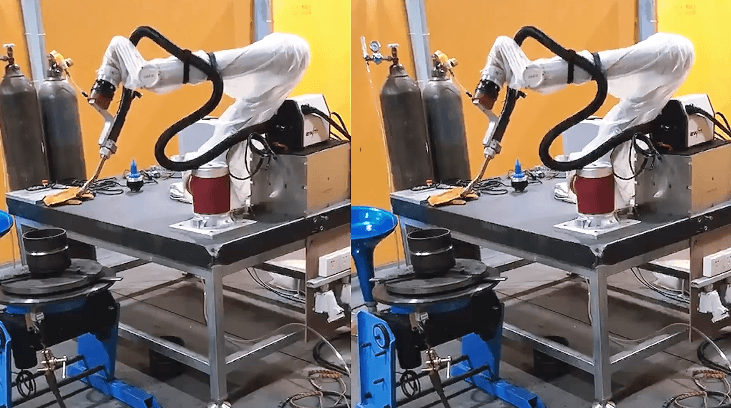
The Future of Welding Cobot Technology: AI Path Planning and Simulation
The welding industry is experiencing a significant digital transformation in response to a global shortage of skilled welders and an increasing demand for high-precision manufacturing. This shift is marked by the introduction of collaborative robots, or welding cobots, which are evolving from traditional automated tools into intelligent partners capable of executing complex welding tasks. These advancements allow small-to-medium enterprises to achieve high-quality welding standards with reduced setup times. Key innovations include AI-driven path planning and vision integration, which address the challenges posed by variability in workpieces. By employing technologies such as "Through-the-Arc" sensing and laser vision systems, these cobots can analyze seams in real-time and adjust their movements to compensate for any misalignments. Additionally, "Lead-through" programming enables human welders to guide the robotic arm, which the AI then refines into a precise trajectory. The use of simulation and digital twin technology further enhances the welding process. Engineers can create virtual models of welding cells to optimize operations without interrupting production. This capability allows for the prediction of thermal effects and minimizes heat distortion, significantly reducing the time required to deploy welding cobots from days to hours. At the forefront of this innovation is JAKA, which is integrating these intelligent features into its collaborative platforms. Their welding cobots, equipped with advanced sensors and motion control, are designed for various welding applications. JAKA also offers a user-friendly software package that simplifies complex path planning, enabling operators to monitor and adjust weld parameters remotely, thereby enhancing craftsmanship while ensuring precision.
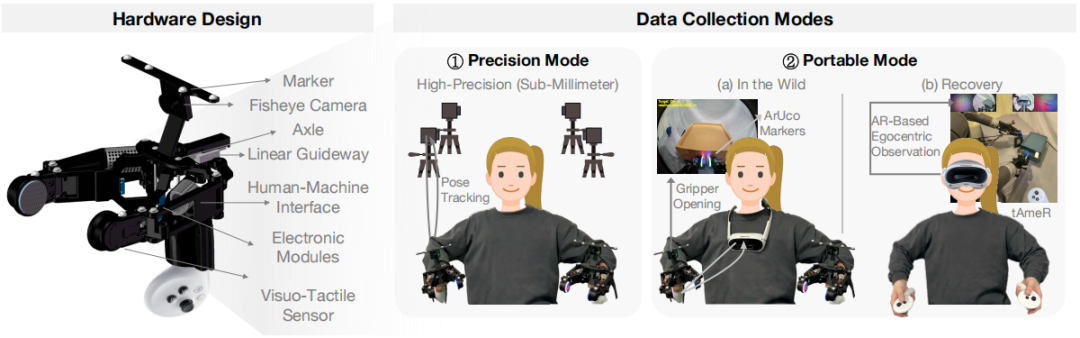
Sub-Millimeter Tactile Control and 100% Reproduction! HKU and Fudan University Launch TAMEn to Solve Data Collection Challenges for Dual-Handed Robots
Researchers from the University of Hong Kong (HKU), in collaboration with Fudan University and other institutions, have unveiled the TAMEn tactile perception manipulation engine. This innovative technology is designed to tackle significant challenges associated with dual-handed robotic tasks. By seamlessly integrating visual and tactile data collection, the TAMEn engine enhances the precision and adaptability of robots, enabling them to perform complex manipulation tasks more effectively. The development of this engine marks a significant advancement in robotics, potentially transforming how robots interact with their environment and improving their functionality in various applications.
Tactile Robotics Dual-Handed Manipulation Data Collection Technology Robotics Research
For Shadow Hand-Like Haptic Technology, Look to This Robotics Company in Suzhou
JunTuo Robotics has formed an exclusive scientific advisory partnership with Professor Gerald E. Loeb, the founder of SynTouch, to advance the development of a new generation of humanoid haptic sensors utilizing BioTac technology. This collaboration aims to facilitate mass production of these innovative sensors in Suzhou by late 2026. The partnership is driven by the goal of enhancing robotic tactile perception, which is crucial for improving human-robot interactions and expanding the applications of robotics in various fields.
Haptic Sensors Robotics BioTac Technology Artificial Intelligence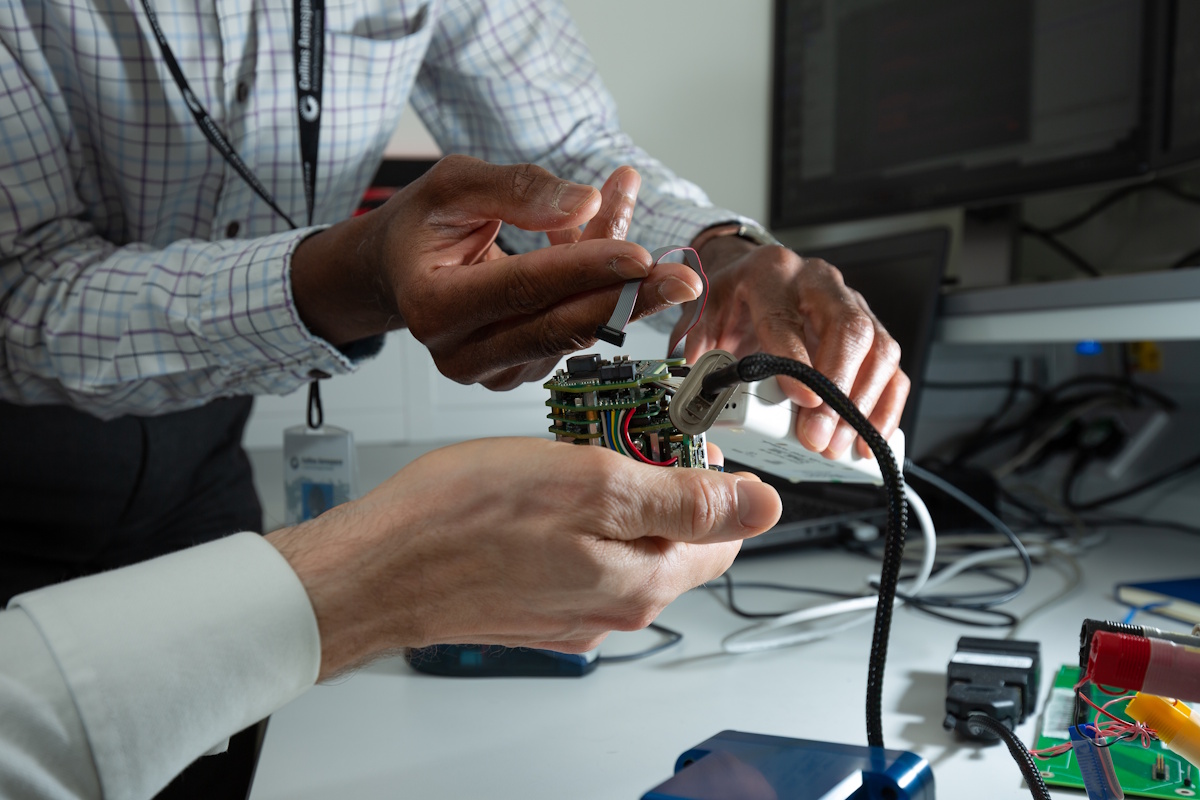
Silicon Sensing’s sensor at the core of Kongsberg Discovery’s navigation innovation
Kongsberg Discovery AS has introduced a groundbreaking north-finding navigation device that incorporates inertial sensor technology developed by Silicon Sensing Systems Ltd. This innovative device is designed to enhance navigation capabilities in various applications. The official demonstration of the technology is scheduled to take place at Oceanology International, an industry event occurring later this month. The collaboration between Kongsberg Discovery and Silicon Sensing Systems aims to address the growing demand for precise navigation solutions in marine and other sectors, showcasing advancements in sensor technology and its practical applications.
kongsberg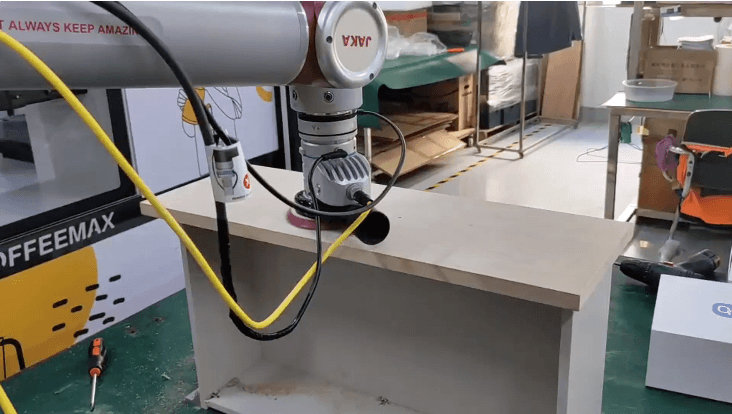
Understanding Automation Robotics Technology: From Sensors to Control Systems (JAKA CAB V3)
JAKA, a leader in automation robotics technology, has unveiled its advanced polishing robot, powered by the innovative CAB V3 controller, designed to enhance the precision and consistency of metal component finishing. This cutting-edge system, which integrates sophisticated sensing and control mechanisms, addresses the challenges faced by skilled artisans in achieving flawless surfaces. The CAB V3 controller serves as the brain of the robot, translating high-resolution sensor data into precise motion commands. Equipped with advanced proprioceptive sensors and force control technology, the polishing robot can adapt to subtle variations in part geometry, ensuring optimal tool orientation and pressure during operation. This real-time feedback loop allows the robot to maintain high standards of quality while compensating for any deviations. JAKA's design philosophy emphasizes the seamless integration of sensing, computation, and mechanical action, enabling the polishing robot to operate smoothly without vibrations that could damage surfaces. The CAB V3 also supports connectivity with external vision systems and factory networks, enhancing flexibility in mixed-production environments. By leveraging this advanced automation technology, manufacturers can achieve unprecedented levels of consistency and quality in their finishing tasks, transforming the traditional polishing process into a highly efficient and repeatable operation.
Robotics needs a service framework.
RSF defines a common language for robot service capability, lifecycle operations, certification pathways, and service-provider networks.