Industry Briefing
A single destination for timely, editor-curated robotics news from around the world.
Sony's Table Tennis Robot Ace Makes History by Defeating Elite Human Players
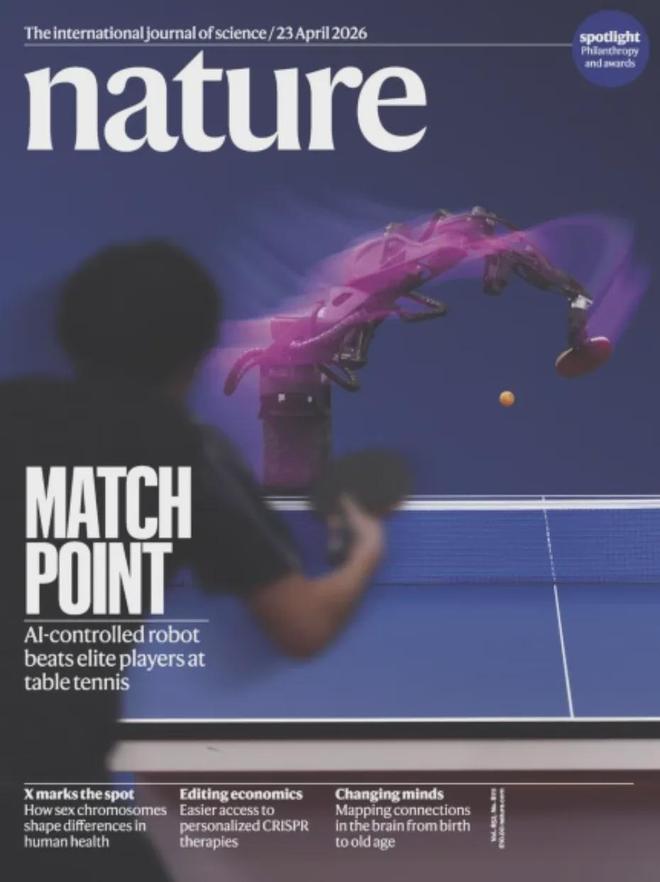
Sony's cutting-edge table tennis robot, Ace, has achieved a historic milestone by becoming the first autonomous robot to secure victories against top human players in official competitions. This groundbreaking event highlights Ace's exceptional capability to comprehend and react to various spins, demonstrating the significant advancements in physical artificial intelligence. The robot's performance not only showcases its technical prowess but also opens new avenues for the integration of AI in competitive sports, emphasizing the evolving relationship between technology and human athleticism.
Table Tennis Robots AI Technology Robotics Sports Technology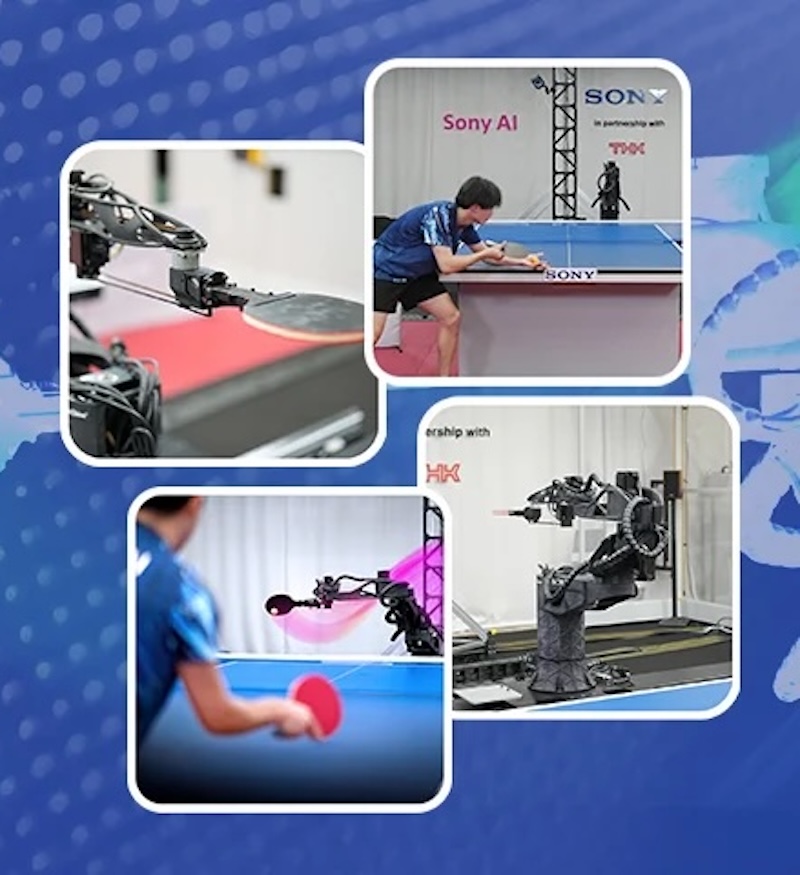
How Sony AI’s table tennis robot is advancing physical AI
Omron and Kuka have showcased their latest advancements in robotics with a table tennis-playing robot, highlighting the innovative potential of industrial robots beyond traditional manufacturing tasks. While these companies have previously demonstrated similar robotic systems, the introduction of a robot capable of playing table tennis captures attention due to its unique application of robotics and artificial intelligence. This development underscores the growing interest among researchers in exploring the capabilities of robots in dynamic environments, where agility and quick decision-making are crucial. The demonstration serves not only as a testament to technological progress but also as a playful reminder of the diverse possibilities that robotics can offer in various fields.
Computing Features Ace robot artificial intelligence automation news Autonomous robots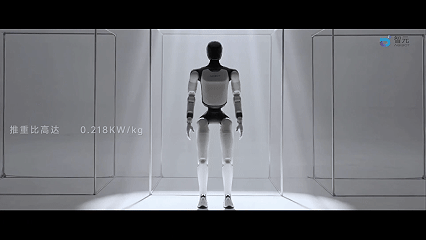
World's First Full-Size Humanoid Robot Achieves Autonomous Table Tennis Play
The Zhiyuan Expedition A3, a full-size humanoid robot, has achieved a significant milestone by successfully demonstrating autonomous table tennis play. This event highlights the robot's advanced capabilities in real-time decision-making and motion control, showcasing its potential for practical applications across various industries. The demonstration underscores Zhiyuan's commitment to advancing embodied intelligence, aiming to expedite the integration of humanoid robots into real-world scenarios.
Humanoid Robots AI Robotics Autonomous Systems
AI-powered table tennis robot now challenges human pros and hints at faster, more adaptive machines
A newly developed robot, equipped with a paddle, is demonstrating remarkable skill in table tennis, presenting significant challenges to elite human players and even securing victories against them. This development highlights the rapid advancements in artificial intelligence that are enhancing the agility and performance of robotic systems. The study, which showcases these findings, underscores the growing capabilities of AI in mastering complex physical tasks, suggesting a future where robots could increasingly compete with humans in various sports. As technology continues to evolve, the implications for both recreational and competitive play are profound, raising questions about the role of AI in sports and human performance.
Robotics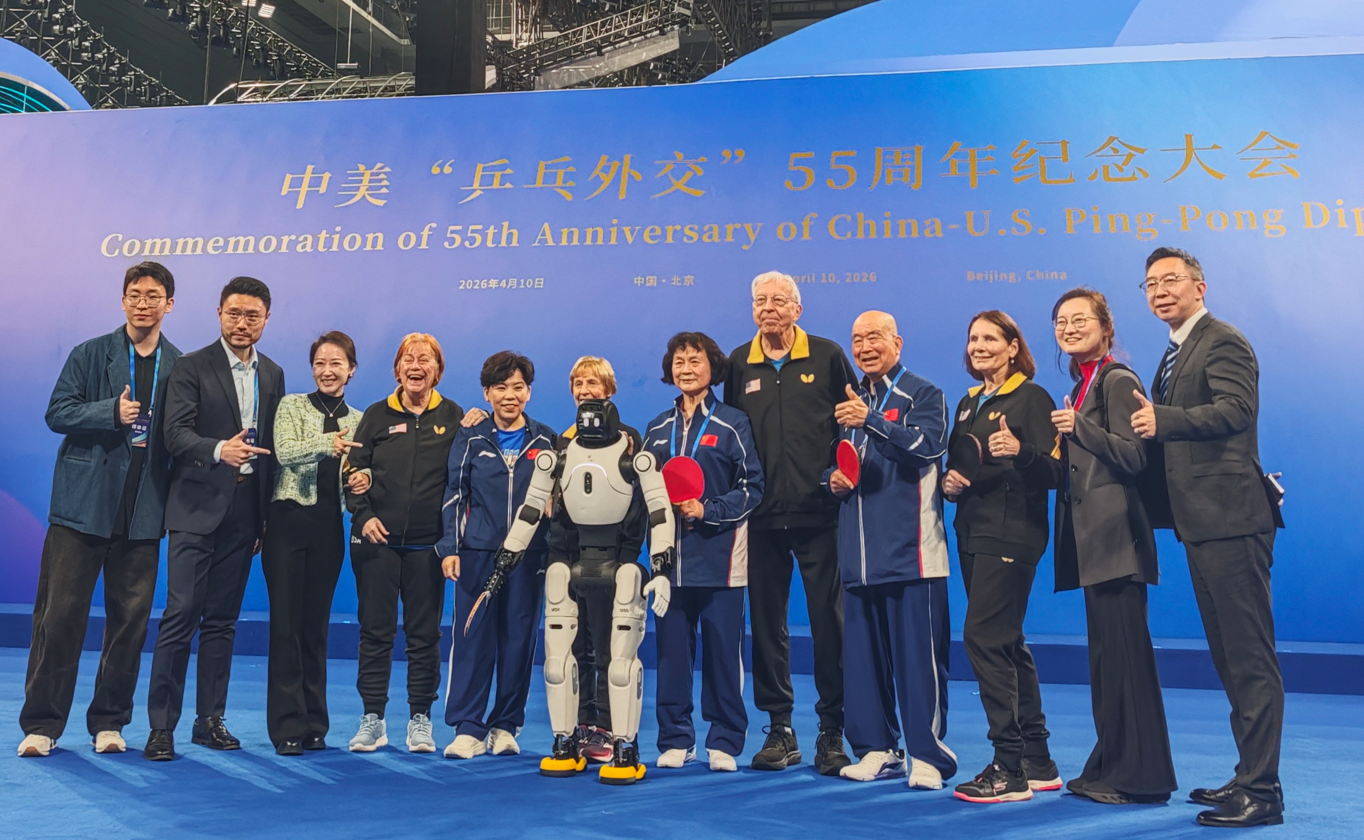
AGIBOT Demonstrates Fully Autonomous Humanoid Robot Playing Table Tennis in Live Rally
AGIBOT has introduced a groundbreaking fully autonomous humanoid robot designed to participate in continuous table tennis rallies with human players. This innovative demonstration occurred in Beijing and showcased the robot's advanced real-time perception and decision-making abilities. Unlike traditional robots that rely on pre-programmed sequences, this humanoid successfully tracked and returned shots, marking a significant advancement in robotics. The event underscores the progress made in dynamic interaction and coordination within the field, highlighting AGIBOT's commitment to pushing the boundaries of robotic technology.
Robotics Artificial Intelligence Humanoid Robots Autonomous Systems Sports Technology
Automakers Seek Reliable Robots for Long-Term Performance Over Flashy Demonstrations
At the 2026 Embodied Intelligence Industry Integration Conference, industry leaders emphasized the need for robots that can operate reliably for extended periods without errors. Executives from companies like Beijing Galaxy General Robotics and Changan Automobile highlighted that automakers prioritize robots capable of consistent performance over flashy capabilities. The discussion revealed that many applications in automotive manufacturing, such as material handling and quality inspection, still lack effective solutions. High labor intensity and safety concerns drive the demand for robots that can maintain precision and efficiency over long operational hours, as noted by industry experts. Looking ahead, the focus will shift towards developing adaptable robots that can quickly integrate into various factory layouts without extensive reprogramming. The concept of 'Design for Robot' was introduced, aiming to reshape factory processes around robotic capabilities. No further timeline was disclosed at the time of publication.
Industrial Robotics Manufacturing Automation Automotive Technology Robotic Process Automation
MIT Develops Innovative 'Fiber Muscles' for Robots to Imitate Natural Muscle Movement
Researchers from MIT Media Lab and Bari Polytechnic University have unveiled a groundbreaking technology in soft robotics, detailed in the journal Science Robotics. They have developed 'fiber muscles' that operate silently and efficiently, eliminating the need for external pumps and bulky components traditionally used in robotic joints. This innovation is significant as it addresses the limitations of current robotic systems, which rely on motors and gearboxes that generate noise and require heavy parts, impacting flexibility and energy efficiency. The new system integrates miniature pumps within the muscle fibers, allowing for a self-contained, lightweight, and quiet operation that mimics human muscle movement. Looking ahead, this technology could revolutionize the design of soft robots, enabling them to be embedded in robotic arms, wearable exoskeletons, or prosthetics. The potential for these fiber muscles to enhance human-robot interaction and create more adaptable robotic systems is promising, suggesting a future where the physical boundaries of human-robot coexistence may become more fluid.
Soft Robotics Robotic Actuators Bio-inspired Technology Wearable Robotics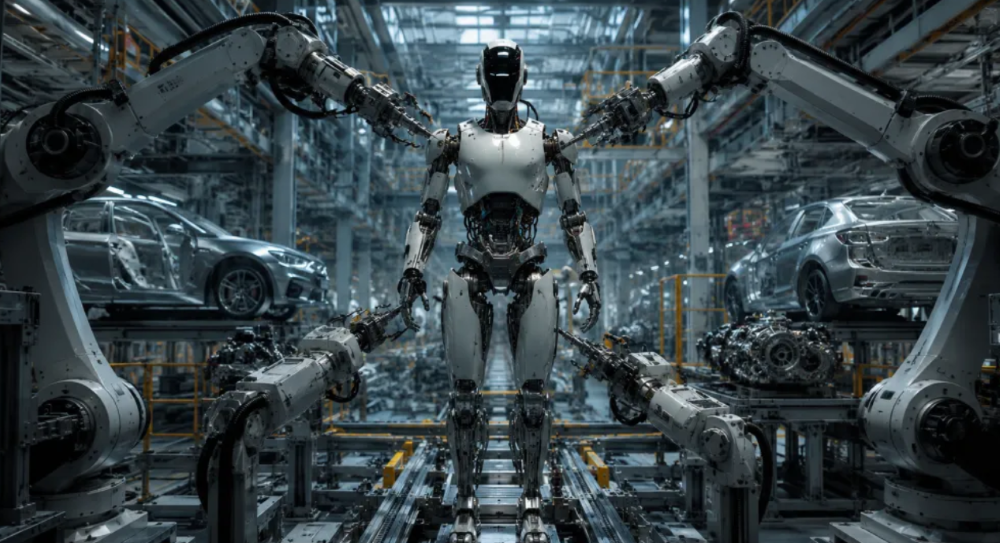
Mitsubishi Motors to Begin Mass Production of Humanoid Robots by 2027
Mitsubishi Motors has announced plans to start mass production of humanoid robots at its factory in Japan by 2027. In collaboration with the Tokyo University startup Highlanders, the company aims to produce 1,000 units per month initially, utilizing existing space in its Kyoto engine plant. The robots will first be deployed in Mitsubishi's own facilities for tasks such as parts handling and engine assembly. This initiative is a response to Japan's aging population and the resulting labor shortages in the manufacturing sector, prompting a shift towards automation. By developing these robots for internal use, Mitsubishi aims to address its own workforce challenges before considering external sales. The humanoid robots, standing approximately 175 cm tall, will feature stable walking and grasping capabilities, controlled by an AI system. As the global humanoid robot market is projected to reach $729 billion by 2050, Mitsubishi's production plans represent a significant step for a traditional automaker entering this space. The company's pragmatic approach of first utilizing the robots internally reflects its strategy to tackle labor shortages while exploring future market opportunities. No further timeline was disclosed at the time of publication.
Humanoid Robots Manufacturing Automation AI Technology Robotics
MIT Develops FloatForm Swarm of Modular Aquatic Robots for Dynamic Structures
MIT researchers have unveiled FloatForm, a swarm of small square robotic boats capable of self-assembly into larger structures on water. This innovative system allows the robots to break apart and reconfigure with minimal human intervention, showcasing a new approach to aquatic construction. The project emphasizes the potential for dynamic, adaptable structures in marine environments, with applications in environmental monitoring and infrastructure development. The significance of FloatForm lies in its ability to create modular and reconfigurable structures, which can respond to changing environmental conditions. This technology could revolutionize how we think about construction and deployment in aquatic settings, offering flexibility and efficiency in design. The robots' self-assembly capabilities could lead to advancements in marine architecture and environmental sustainability. Looking ahead, the next steps for the FloatForm project include further testing and potential applications in real-world scenarios. No further timeline was disclosed at the time of publication, but the implications of this technology could influence future developments in robotics and marine engineering.
Robotics
AGIRobots unveils new semi-humanoid robot "AGIRobots Worker" to enhance physical AI in manufacturing and logistics.
AGIRobots has unveiled its latest semi-humanoid robot, the "AGIRobots Worker," aimed at enhancing the use of physical AI in the manufacturing and logistics sectors. This announcement was made recently as part of the company's ongoing efforts to innovate and improve operational efficiency in these industries. The AGIRobots Worker is designed to assist in various tasks, streamlining processes and potentially reducing labor costs. By integrating advanced AI technology, the robot is expected to play a crucial role in transforming traditional workflows, making them more efficient and adaptable to modern demands. The launch reflects AGIRobots' commitment to driving technological advancements that support the evolving needs of the manufacturing and logistics landscapes.
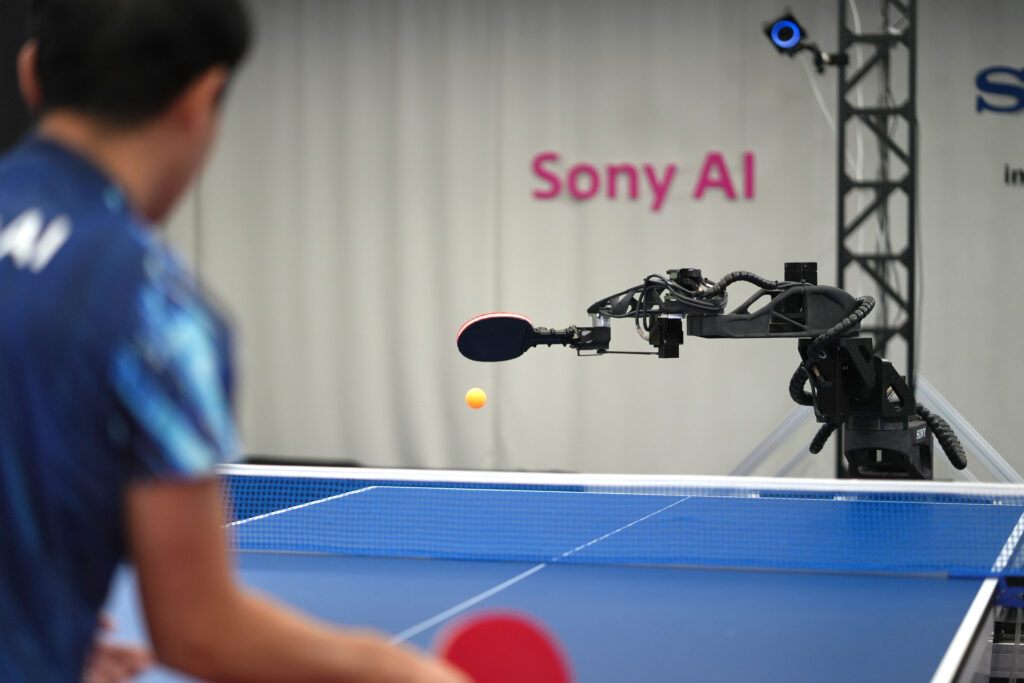
Table tennis robot defeats some of world’s best players – why this has major implications for robotics
In December 2025, a groundbreaking table tennis robot named Ace demonstrated its advanced capabilities by outperforming elite human players, including renowned competitor Yamato Kawamata, during a series of evaluations. Developed by Sony AI, Ace's performance signifies a notable advancement in artificial intelligence and robotics, showcasing the potential for machines to excel in complex sports environments. This achievement highlights the ongoing integration of AI technology in competitive settings, raising questions about the future of human versus machine competitions in sports.

Table tennis robot defeats some of world's best players. Why this has major implications for robotics
In a groundbreaking development for artificial intelligence, a table tennis robot named Ace has demonstrated superior performance against elite players in recent evaluations. This achievement highlights a significant advancement in AI technology, showcasing its ability to function effectively in fast-paced and unpredictable real-world scenarios. The evaluations took place in October 2023, marking a pivotal moment in the integration of AI into competitive sports. The success of Ace not only illustrates the potential for AI systems to excel in complex environments but also raises questions about the future of human competition in sports as technology continues to evolve.
Robotics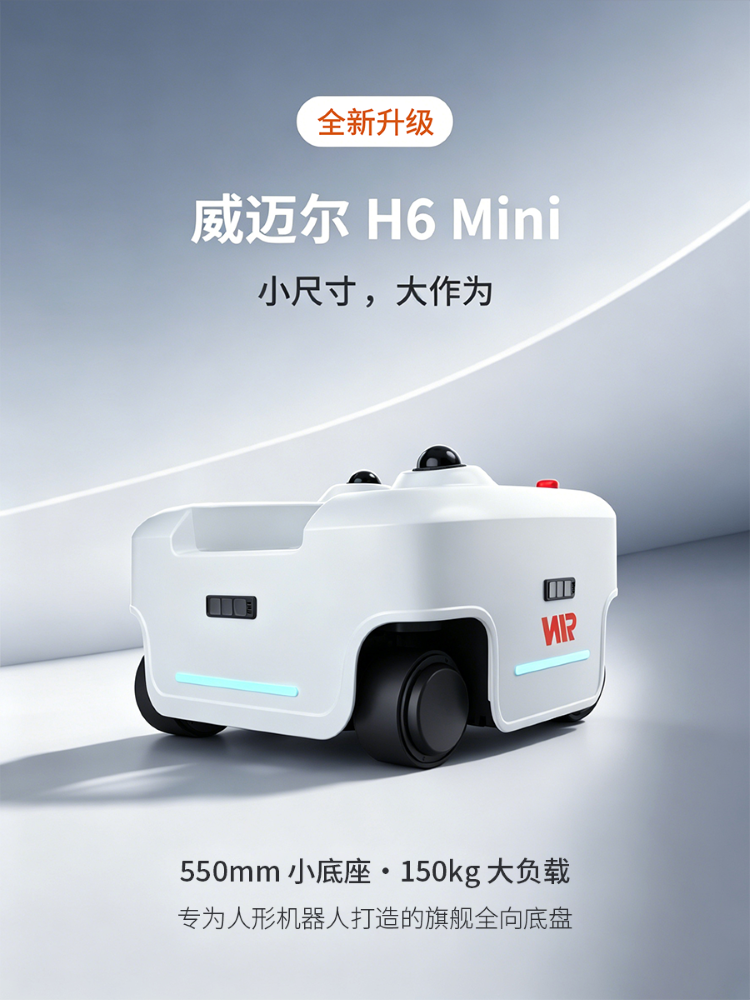
Introducing the H6 Mini: A Compact and Stable Base for Humanoid Robots
Weimar has introduced the H6 Mini, a new omnidirectional chassis designed for humanoid robots, measuring just 550mm in size while delivering flagship performance. This compact design significantly enhances the stability and maneuverability of robots, enabling them to operate effectively in confined spaces and intricate environments. The H6 Mini represents a shift in the functionality of humanoid robots, moving them beyond mere exhibition models to becoming valuable assets for industrial and commercial applications.
Humanoid Robots Omnidirectional Chassis Robotics Technology Industrial Automation
Roundtable: When Will Robots Enter Real Scenarios Amid Widespread Bubble Awareness?
In 2026, the investment landscape in China is witnessing a significant shift as artificial intelligence (AI) transitions from a conceptual technology to a driving force in various industries. The WAVES 2026 conference, hosted by 36Kr and AnYun, took place in Guangzhou's Panyu district, bringing together top investors, industry leaders, and emerging entrepreneurs to explore the evolving landscape of AI, hard technology, and healthcare through 14 in-depth roundtable discussions and numerous independent speeches. Prominent figures in the field, including CEOs and CTOs from leading tech companies, gathered to discuss the potential of embodied intelligence—a rapidly growing sector attracting substantial investment. The discussions highlighted the challenges and opportunities within this domain, particularly regarding the commercialization of robotics and AI technologies. Participants shared insights on the current state of the market, with some companies already generating revenue through innovative applications of AI in various sectors. However, concerns about market bubbles and the sustainability of investments were also raised, emphasizing the need for a deeper understanding of the underlying business models and real-world applications. As the conference concluded, the consensus among attendees was that while the industry is still in its infancy, the potential for growth and innovation remains vast, driven by a new generation of entrepreneurs eager to redefine the future of technology in China.
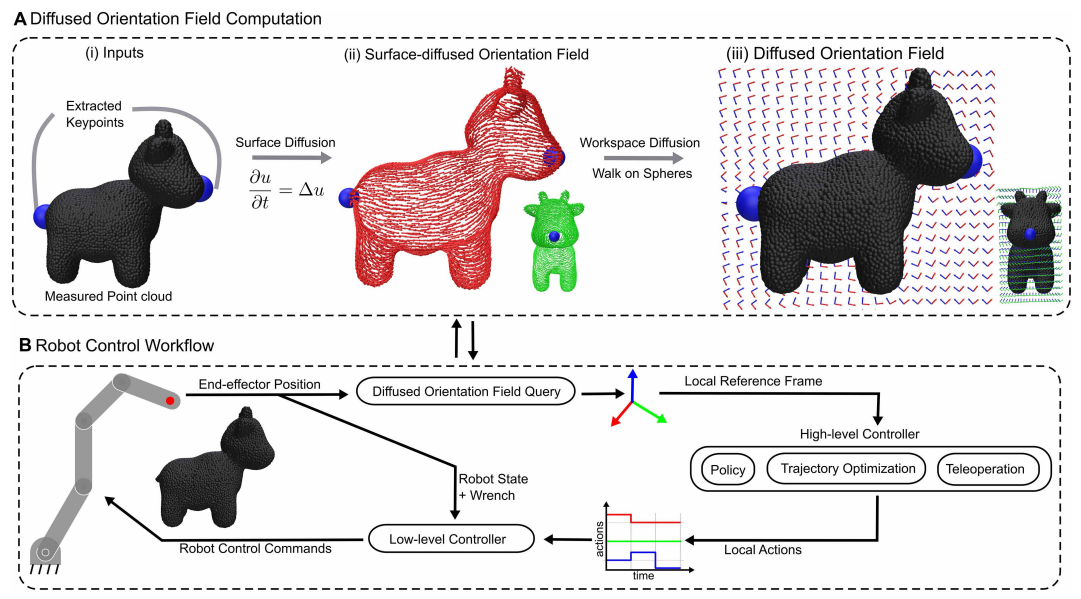
Breakthrough in Robotics: Scientists Enable Robots to Peel Fruits and Vegetables Using Universal Task Transfer
A team of researchers has introduced a groundbreaking technique known as 'Diffused Orientation Fields,' which empowers robots to adaptively execute tasks on intricate surfaces. This advancement marks a significant leap in robotic technology, allowing machines to transfer acquired skills across various shapes. As a result, robots can now handle everyday objects with greater versatility, enhancing their practical applications in real-world scenarios. The development was unveiled recently, showcasing the potential for improved robotic performance in diverse environments. This innovation could pave the way for more efficient automation in industries that require precise manipulation of complex items.
Robotics Task Automation Machine Learning AI
New understanding of insect flight points way to stable flapping-wing robots
Researchers at Cornell University have developed a groundbreaking computational model that analyzes how the physical characteristics of insects influence their flight stability. This innovative study sheds light on the intricate dynamics that allow both bugs and birds to soar gracefully through the air, a phenomenon that has long been challenging to quantify. Conducted recently, the research aims to deepen our understanding of the evolution of animal flight. Additionally, the findings could serve as a valuable framework for the design of advanced flapping-wing robots, potentially revolutionizing the field of robotics.
Robotics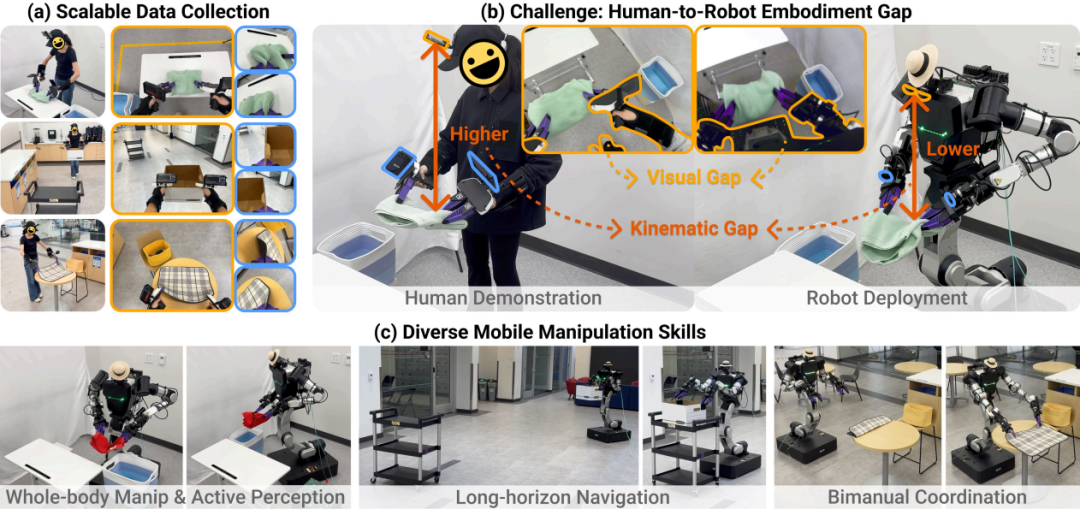
Stanford Teaches Robots to Wash Clothes, Deliver, and Set Tables Using Just Three iPhones
Stanford University, in collaboration with the Toyota Research Institute, has introduced the HoMMI framework, a groundbreaking system that allows robots to acquire complex movement skills through human demonstrations without direct robot participation. This innovative approach employs three iPhones to gather data, effectively tackling the physical disparities between humans and robots. The framework significantly improves robot coordination in various tasks, including navigation and manipulation, paving the way for more advanced robotic applications in real-world scenarios.
Robotics Machine Learning Human-Robot Interaction AI
Video Friday: Do Robots Even Need Legs?
In the latest edition of Video Friday, IEEE Spectrum robotics showcases a variety of innovative robotics videos and announces upcoming events in the field. Notable events include RSS 2026 scheduled for July 13-17 in Sydney, the Summer School on Multi-Robot Systems from July 29 to August 4 in Prague, Actuate 2026 on August 18-19 in San Francisco, and IROS 2026 from September 27 to October 1 in Pittsburgh. Among the featured projects, Eno, an advanced AI and general-purpose robot developed by Genesis, exemplifies a new generation of robots designed to enhance human capabilities. Meanwhile, NASA's Jet Propulsion Laboratory is testing the ERNEST rover in California's Colorado Desert, which is being developed for future lunar missions and can operate autonomously over challenging terrain. Sony AI's Ace project demonstrates a robotic system capable of adapting to unpredictable scenarios in table tennis, while ANYbotics highlights the economic benefits of their quadruped robots in industrial inspections, preventing significant production losses. GITAI is preparing for a robotic satellite servicing demo, and Bi-AQUA is exploring underwater photography challenges for robots. Sanctuary AI has achieved impressive results in wire plugging tasks for a major automotive supplier, showcasing a success rate exceeding 99.5%. Additionally, various other robotics projects are highlighted, including a bipedal robot named GrowBot, which operates on a low-cost Raspberry Pi and aims to make physical AI accessible to a broader audience.
Video-friday Robot-videos Lunar-rover Inspection-robots Robot-hands Robot-ai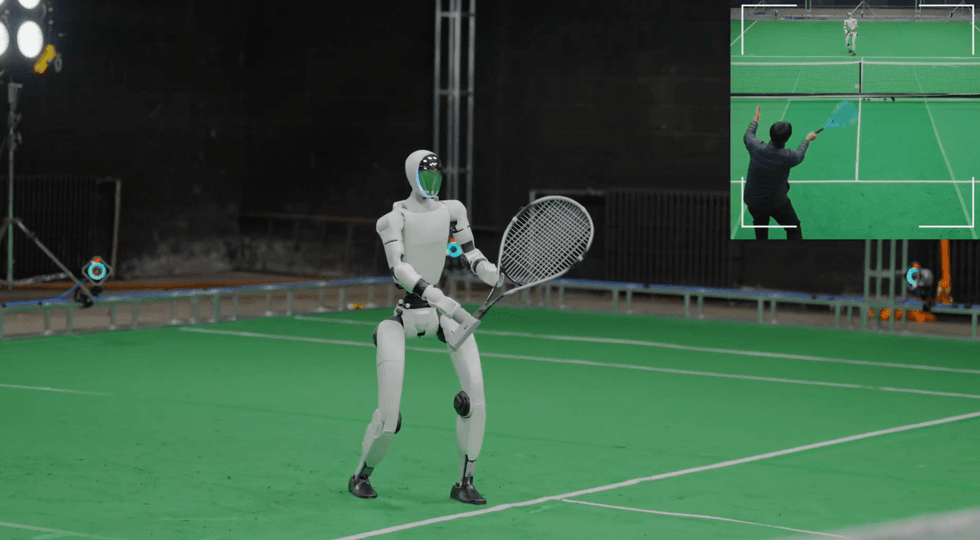
Video Friday: Humanoid Learns Tennis Skills Playing Humans
IEEE Spectrum robotics has released its latest edition of Video Friday, showcasing a variety of innovative robotics videos and announcing upcoming events in the field. Notable events include the International Conference on Robotics and Automation (ICRA) scheduled for June 1-5, 2026, in Vienna, and a Summer School on Multi-Robot Systems from July 29 to August 4, 2026, in Prague. Among the featured advancements, researchers have developed LATENT, a system designed to teach humanoid robots tennis skills by learning from imperfect human motion data. This innovation addresses the challenges of replicating human-like athleticism in robotics. Additionally, a breakthrough has been achieved in robotic manipulation, with a robot successfully peeling an apple using dual dexterous hands, showcasing significant progress in bimanual tasks. The development of MoDE-VLA, a control system that integrates vision, language, force, and touch data, further enhances the robot's ability to perform complex tasks with stability and precision. This shared-autonomy approach allows human operators to guide robots in executing intricate movements. In other highlights, collaborations between Tesollo and Hanyang University have led to advancements in robotic hand technology, while the Fluent Robotics Lab at the University of Michigan is set to present a paper on operational PR2 robots. The KAIST DRCD Lab has also demonstrated the capabilities of its humanoid robot, trained through deep reinforcement learning. As robotics continues to evolve, these innovations reflect the ongoing efforts to bridge the gap between human-like dexterity and robotic functionality.
Humanoid-robots Video-friday Robot-locomotion Nvidia Robot-manipulation Quadruped-robots
The myth of the reagent kit exits the stage, and the story of robots comes to the table.
The landscape of laboratory testing is undergoing a significant transformation as traditional reagent kits are being replaced by advanced robotics. This shift, which has been gaining momentum throughout 2023, is taking place in laboratories across various sectors, including healthcare and research institutions. The move towards automation is driven by the need for greater efficiency, accuracy, and speed in testing processes, which are critical in an era of rapid scientific advancement and increasing demand for reliable results. As laboratories adopt robotic systems, they are able to streamline workflows, reduce human error, and enhance productivity. These systems are designed to handle complex tasks, from sample preparation to analysis, allowing scientists and technicians to focus on more strategic aspects of their work. The integration of robotics not only improves operational efficiency but also supports the growing trend of high-throughput testing, which is essential for large-scale studies and diagnostics. This evolution in laboratory practices is indicative of a broader trend towards automation in various industries, reflecting a commitment to innovation and improved outcomes. As the reliance on reagent kits diminishes, the future of laboratory testing appears increasingly reliant on robotic technology, promising a new era of precision and efficiency in scientific research and healthcare diagnostics.
Robotics Automation AI
Pea-sized liquid-metal pump helps soft robots become lighter, portable, and more agile
Engineers at the University of Bristol have created a groundbreaking pea-sized liquid-metal pump that has the potential to revolutionize various industries. This innovative device, designed to be compact and efficient, could serve as a replacement for traditional pumps in applications ranging from medical devices to robotics. The development was announced recently, showcasing the university's commitment to advancing engineering technology. The motivation behind this invention stems from the need for more versatile and efficient pumping solutions that can operate in tight spaces and under varying conditions. By utilizing liquid metal, the pump offers enhanced performance and adaptability compared to conventional materials. The engineering team achieved this breakthrough through a combination of advanced materials science and innovative design techniques, allowing for the creation of a pump that is not only small but also highly effective. As industries seek to improve efficiency and reduce energy consumption, this new liquid-metal pump could play a crucial role in meeting those demands. With its potential applications still being explored, the University of Bristol's development marks a significant step forward in pump technology, promising to influence a wide range of fields in the near future.

New understanding of insect flight points way to stable flapping-wing robots
Cornell University researchers have developed a sophisticated computational model to analyze the intricate dynamics of insect flight. This groundbreaking study, led by David Nutt, reveals how the physical structure, or morphology, of insects influences their ability to stabilize during flight. The research aims to deepen the understanding of flight mechanics in both insects and birds, which, despite their seemingly effortless wing movements, operate under complex aerodynamic principles. The findings could pave the way for advancements in fields such as robotics and aerodynamics, enhancing the design of flying machines by mimicking the natural flight patterns observed in these creatures.
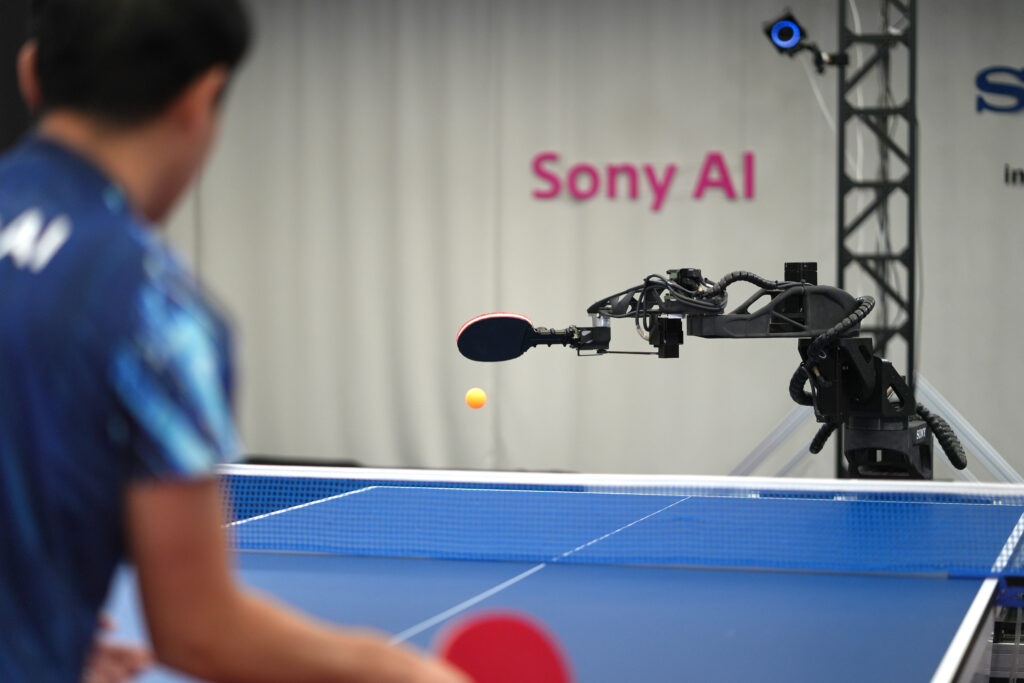
Sony AI table tennis robot outplays elite human players
In a groundbreaking development for artificial intelligence in sports, Sony AI has unveiled Ace, a robot that has successfully defeated elite human players in competitive physical sports. This achievement was highlighted in an article published today in the journal Nature. The match took place in December 2025, where Ace showcased its advanced capabilities by skillfully returning the ball to its human opponent, Yamato Kawamata. This milestone not only marks a significant advancement in AI technology but also raises questions about the future of robotics in competitive environments. The motivation behind creating Ace was to explore the potential of AI in mastering complex physical tasks and to push the boundaries of machine learning in real-world applications.
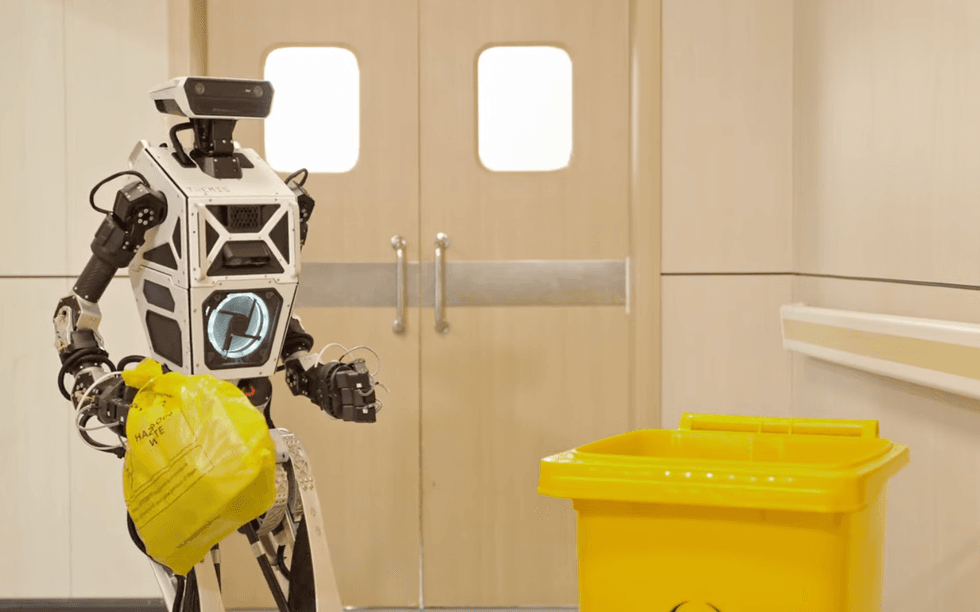
Video Friday: Multitasking Robots Smoothly Do the Things Together
IEEE Spectrum robotics has released its weekly roundup of notable robotics videos and upcoming events, including the ICRA 2026 conference scheduled for June 1-5, 2026, in Vienna. Among the highlights, Westwood Robotics unveiled THEMIS Gen2.5, the first commercial full-size humanoid robot capable of walking and manipulating objects simultaneously. This advancement builds on Helix's previous work, which demonstrated a single neural network controlling a humanoid's upper body, now expanded to encompass the entire robot's functions. In a demonstration of practical applications, Kimberly Elenberg from Carnegie Mellon University showcased how data from robotic responders can enhance life-saving efforts during mass casualty incidents. Meanwhile, Sphero continues to thrive in the competitive educational robotics market since its inception in 2011. Innovative flight testing methods were discussed by Zipline, emphasizing the importance of testing drones in extreme conditions. Additionally, researchers from the University of Tokyo introduced a concept of 3D-printing both skin and skeleton, while LimX presented small bipedal robots capable of skiing and resembling dinosaurs. The EPFL Reconfigurable Robotics Lab introduced a novel user-guided control system for modular robots, demonstrating its effectiveness through various tasks. Texas A&M University showcased its Quadrotor Biplane Tailsitter (QBiT) UAVs, which combine the agility of quadrotor drones with the efficiency of fixed-wing aircraft. Lastly, DARPA announced a new challenge aimed at developing drones capable of carrying payloads exceeding four times their weight, promising to transform drone usage across multiple sectors.
Humanoid-robots Video-friday Commercial-robots Drones Educational-robots Bipedal-robots
Japan Pioneered Humanoid Robots—Can It Now Catch China?
“In the future, the relationship between humans and robots will deepen, and the distinction between them will probably disappear.” This prediction, from one of the attendees at the recent Humanoids Summit in Tokyo, might have been unremarkable had it not come directly from an android that was first introduced to the world 20 years ago. Geminoid HI-6 is the sixth-generation of a robot originally designed in 2006. The mechanical twin of Osaka University professor Hiroshi Ishiguro, Geminoid HI-6 is now equipped with a large language model trained on Ishiguro’s own writings and interviews. It has advanced conversational skills and can even have a chat with its creator, an eerie spectacle. But at the Humanoids Summit, Geminoid was one of the few humanoid robots from Japan, the country that pioneered the form factor.While the event in Tokyo only had about 40 robots on display, Chinese systems outnumbered Japanese by roughly three to one. Some Japanese robotics firms were even using Chinese robots in their own technology demonstrations, something that would have been unthinkable in the recent past—one Japanese engineer described the situation as “sad.” The conference was a stark reminder of how Japan has ceded its early lead in humanoid robot development to overseas competitors, and the challenge it now faces to secure a place in an ecosystem increasingly dominated by general-purpose robots powered by AI. Twenty-five years ago, Japan was turning out groundbreaking humanoids that were showstopping in their abilities, but they were not commercialized as practical machines in any meaningful way. Heavily influenced by science fiction and lacking practical applications, they were mostly expensive technology demonstrations that were eventually mothballed. What Japan retains, however, is robotics design and know-how, which it must leverage to be a key player in the rapidly evolving humanoid ecosystem. Learning to Walk—Then Standing StillTo anyone who has seen recent videos of Chinese humanoids doing kung-fu and synchronized acrobatics, as well as half-marathon races, China’s remarkable progress in the field is nothing new. At the Humanoids Summit, Toyota showed a video of its latest basketball-playing robot, and Honda exhibited its latest robot hand, but the full-scale humanoids on the floor were mostly Chinese–the kid-size K1 machines from Booster Robotics of Beijing were dancing to Michael Jackson tunes. The full-scale G1 humanoid from Unitree Robotics of Hangzhou was also doing demos. “You cannot sell these bipedal systems in Japan for safety and compliance reasons,” says Shuichi Nagao, a frequent visitor to China as CTO of Omakase Robotics, a division of Zeals, a Japanese humanoid robot developer. Omakase was exhibiting a G1 modified with an external PC controller, a dextrous hand, a suction-cup manipulator and a sensor “hat” with an extra speaker, mic and camera. “In China, the government is pushing humanoid development. They didn’t have an industry 20 years ago. The people pushing it are young, in their 20s and 30s. It’s a really different mentality out there,” says Nagao. “Big players in Japan are still looking for use cases for humanoids. In China, they’re already doing mass production and reducing the cost, so other countries can’t compete with them anymore.”Another Japanese company showing off G1 bots was summit sponsor GMO AI & Robotics, a subsidiary of Japanese internet company GMO. It’s using the robots in partnership with Japan Airlines to load and unload cargo containers at Tokyo’s Haneda airport. The cargo project is a trial—like many other humanoid experiments—but the fact that Chinese machines have penetrated so far into Japan’s ecosystem upends a long history. In 1973, scientists at Waseda University in Tokyo built WABOT-1, considered the first full-scale humanoid robot and capable of slow bipedal locomotion, grasping objects and simple communication. It inspired Honda’s groundbreaking Asimo humanoid, but it was never commercialized. Asimo was eventually retired in 2022, the year ChatGPT was released. Two years later, Unitree’s G1 went on sale for US $16,000. China’s High Torque Technology Co. showed off its Mini Pi biped, customized with an anime-inspired head, at Humanoids Summit in Tokyo. The regular version is priced at $3,500. Tim HornyakSupply and DemandJapan’s development of humanoids happened before practical applications or widespread demand were in place, but bad timing is only part of the story—Japan also has a history of developing technologies that might appeal to domestic consumers but not necessarily those overseas. For example, decades after they first appeared, its highly engineered, multifunction toilets have only recently found a following abroad. Japan’s humanoid prowess was partly built on the back of its legendary industrial automation, yet even that stronghold has eroded. Ani Kelkar, a partner from McKinsey & Company in Boston who produces analytical reports about the robotics industry, told the summit audience that while Japan occupied the top spot in the world in manufacturing robot density (the number of multipurpose industrial robots in operation per 10,000 employees) from at least 1994 to 2009, it then slipped to second in 2014, third in 2019 and fifth in 2024. In that year, South Korea was at the top of the leaderboard with a robot density of 1,220 compared to Japan’s 446. The International Federation of Robotics estimates China now has the most operational industrial robots in the world, with around 2 million total units, approximately 4.5 times more than Japan. “The annual installation numbers are impressive too: 54 percent of all robots installed worldwide in 2024 were deployed in China,” the IFR said in a release in April 2026. “I think the loss of Japanese leadership is more to do with the rise of China as a manufacturing powerhouse including for sectors that Japan had high export levels,” Kelkar said in an email interview. “The recovery has not yet happened as Japan ‘missed’ the rapid acceleration in AI for robotics and is now playing catchup.”How Japan Can Adapt Kelkar believes Japan has a US $100 billion opportunity in general-purpose robotics, which are machines that can perform a wide variety of tasks, and it cannot rely on the slower-growing industrial robot market, which is centered on factory machines that do one simple and predictable task like welding car parts. He points to a McKinsey white paper suggesting that while Japan has much of the hardware and technology experience needed to support general purpose robot development, it must change its strategy to capture more share in AI, software, data collection and robotics platforms.Tetsuya Ogata is a professor of engineering and director of the Institute for AI and Robotics at Waseda University, the birthplace of humanoids in Japan. He briefed the summit on how a nonprofit he chairs, the AI Robot Association (AIRoA), is working with Toyota and other members to develop foundational technologies for collaborative use. For instance, AIRoA has collected some 80,000 hours of data on remote operation of mobile manipulators, and Ogata believes it’s the largest dataset of its kind. Using the data, it built and verified Vision-Language-Action (VLA) models, and it has also started data collection for dual-arm mobile manipulation. In an interview, Ogata acknowledged Japan’s struggle to find its place in the changing landscape. “The world of AI is inherently a game of scale,” says Ogata. “Therefore, Japan’s absolute prerequisite is to secure a competitive baseline of scale—in data, computing resources, and talent. Beyond that, what I consider most critical is a mindset shift: rather than trying to hoard scale within a single nation or company, we must grow stronger by collaborating with a diverse ecosystem of domestic and international players.” Specifically, this means creating a ‘collaborative domain’ to address data—the single biggest bottleneck—through industry-wide cooperation rather than data-siloing. By collectively nurturing a pre-competitive, shared data infrastructure and foundation model, individual companies can then compete on top of it with their own applications. “By offering this open ‘data ecosystem’ to the world, we can engage global players and establish a ‘third pole’ alongside the US and China,” says Ogata. “I believe this is how Japan can reclaim its global presence.”In 1999, Japan introduced the world’s first mobile internet services platform. But being first didn’t turn Japan into a smartphone manufacturing or design center—it’s now merely a supplier of parts to other countries who are leading the smartphone industry. If Japan can avoid a repeat of that experience and successfully deregulate, diversity, and commercialize its original humanoid dreams, it stands a better chance of influencing the direction of the industry and reaping billions in value. As automobiles and electronics were pillars of Japan’s industrial strategy in the last century, Japan could make humanoid robots one of its key value generators in the 21st century, an approach that would not only deliver economic benefits but give Japan greater clout in how the industry will evolve. Just like Japanese cars, electronics, and even toilets, Japanese humanoids could stand for craftsmanship and reliability. It’s a legacy that Japan can’t afford to give up.
Japan Robotics Humanoids Humanoid-robots
Flexiv launches new ‘adaptive robots’ for industrial automation
Flexiv has introduced two innovative adaptive robots aimed at enhancing tactile sensing and physical AI capabilities within the realm of industrial automation. The company unveiled its flagship Enlight robotic arm and the Mico dual-arm robotic platform, marking a notable advancement in force-controlled robotics and embodied intelligence. The Enlight arm features a seven-axis design, allowing for greater flexibility and precision in various applications. This launch, which took place recently, underscores Flexiv's commitment to pushing the boundaries of robotics technology to meet the evolving needs of the manufacturing sector. By integrating advanced sensing and control mechanisms, these robots are expected to improve operational efficiency and adaptability in complex industrial environments.
Industrial robots News adaptive robots cobots collaborative robots embodied ai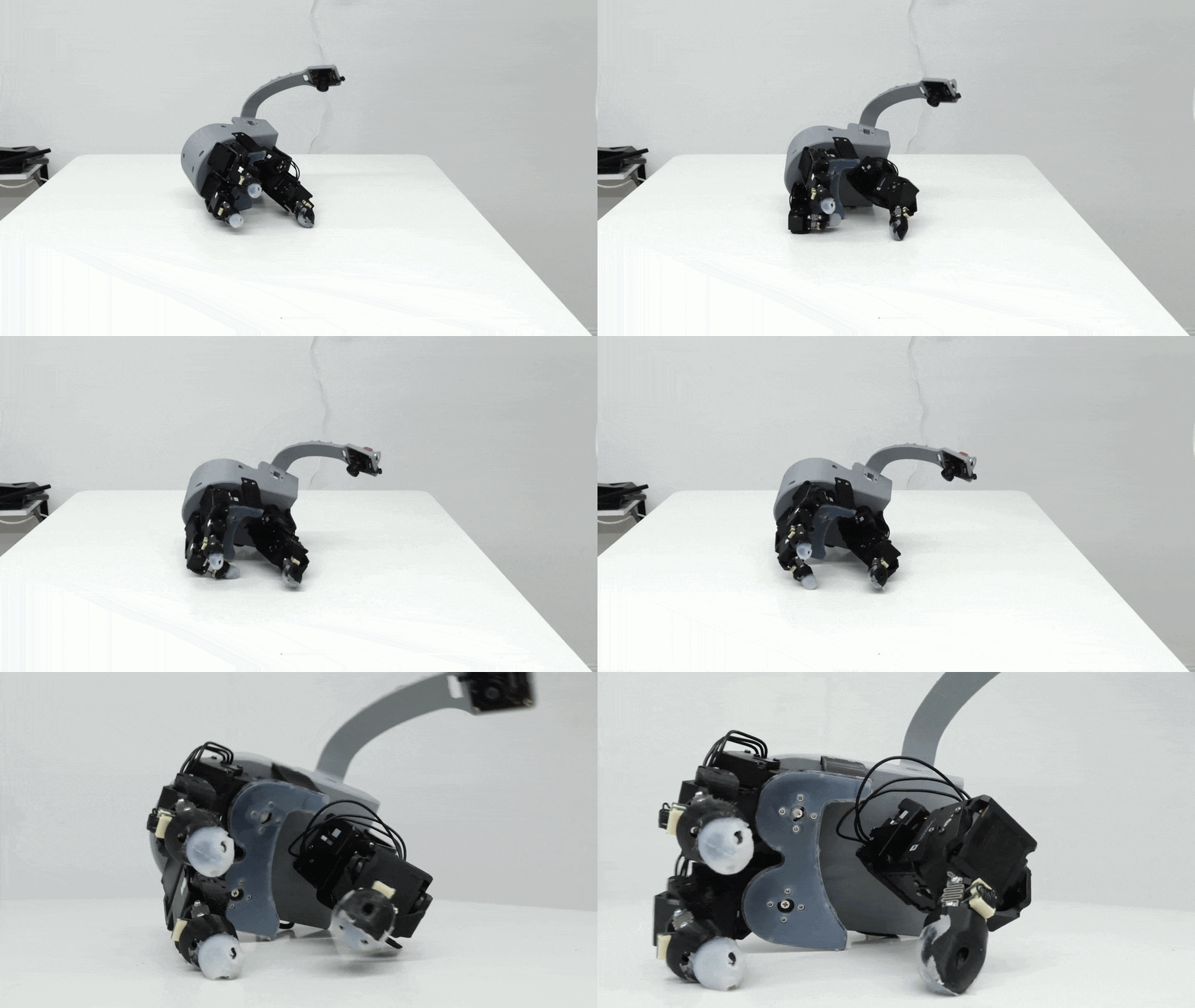
Video Friday: Give Robots a Hand
IEEE Spectrum robotics has released its latest edition of "Video Friday," showcasing a collection of innovative robotics videos along with a calendar of upcoming robotics events scheduled for 2026. The events include the RSS conference in Sydney from July 13-17, the Summer School on Multi-Robot Systems in Prague from July 29 to August 4, Actuate in San Francisco on August 18-19, and IROS in Pittsburgh from September 27 to October 1. Among the featured videos, Pulkit Agrawal from MIT CSAIL discusses his "SoftMimic" approach to enhancing robot safety around humans. The DARPA Lift Challenge, taking place from August 6-9 at the National Museum of the US Air Force, invites public participation. Notable demonstrations include Agility Robotics' Digit, which showcases advanced footstep planning to navigate obstacles, and DEEP Robotics' aggressive firefighting robot. Additionally, the potential for AI-driven robots to understand whale behavior and communication is explored by Harvard SEAS Professor Stephanie Gil. The edition also highlights discussions with Rodney Brooks, the creator of the Roomba, about the future of robotics. The content aims to engage the robotics community and stimulate interest in technological advancements and their applications.
Humanoid-robots Video-friday Robot-hands Quadruped-robots Robot-videos Firefighting-robots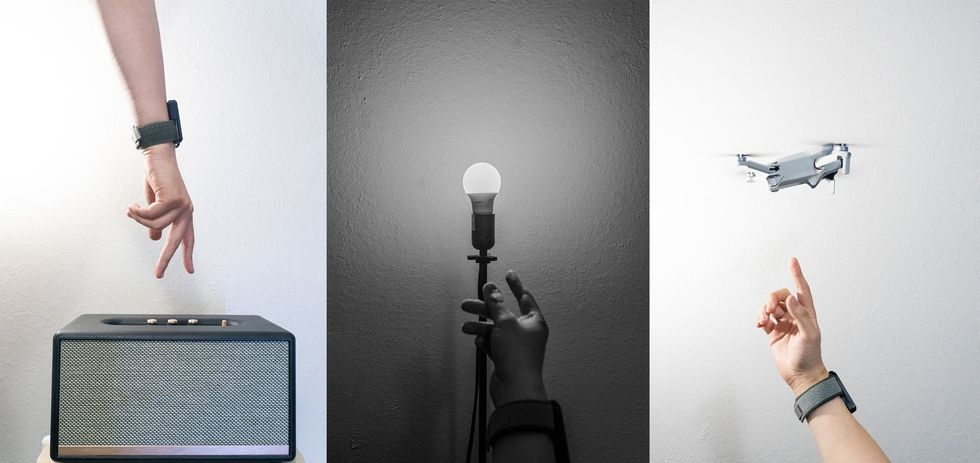
The Future of Physical AI Isn’t Smarter Robots, It’s Smarter Interfaces
Wetour Robotics is pioneering a new approach to human-machine interaction with its innovative concept of Spatial Intent Fusion, which aims to enhance how people communicate with connected devices. This initiative comes in response to the limitations of traditional input methods—screens, buttons, and voice commands—that often fail in dynamic environments where users' hands are occupied or speech is impractical. The company, which has made significant strides in the field of Physical AI over the past three years, emphasizes the need to integrate human intent into the computing loop as seamlessly as the robots already operate. By utilizing a portable intelligent hub called Orchestra, Wetour Robotics processes multiple streams of human-centered information—spatial position, visual context, and gestural intent—into real-time commands for various devices. Orchestra operates on the NVIDIA Jetson Orin Nano Super platform, ensuring low-latency performance without relying on cloud processing. The system includes advanced features such as pre-motion intent sensing, which allows it to anticipate user actions based on biosignal data. Wetour Robotics acknowledges ongoing challenges, such as maintaining signal stability during movement and integrating diverse device protocols. However, the company believes that treating the human body as an active participant in the computing network will not only improve individual user experiences but also provide valuable data for the development of future AI technologies. This initiative represents a significant step forward in bridging the gap between human and robotic capabilities, ultimately enhancing the broader Physical AI ecosystem.
Interfaces Physical-ai Robot-hardware Smarter-robots
Introducing the Expedition A3: A Portable Humanoid Robot for Rental
The Expedition A3 has been officially launched on the Qingtian Rental platform, representing a notable step forward in the development of humanoid robots tailored for rental use and diverse operational scenarios. This innovative robot boasts lightweight deployment capabilities and customizable appearances, positioning it to significantly improve event interactions and operational efficiency across a range of applications. The launch aims to meet the growing demand for versatile robotic solutions in various industries, enhancing user experience and functionality.
Humanoid Robots Robot as a Service Event Technology Rental Solutions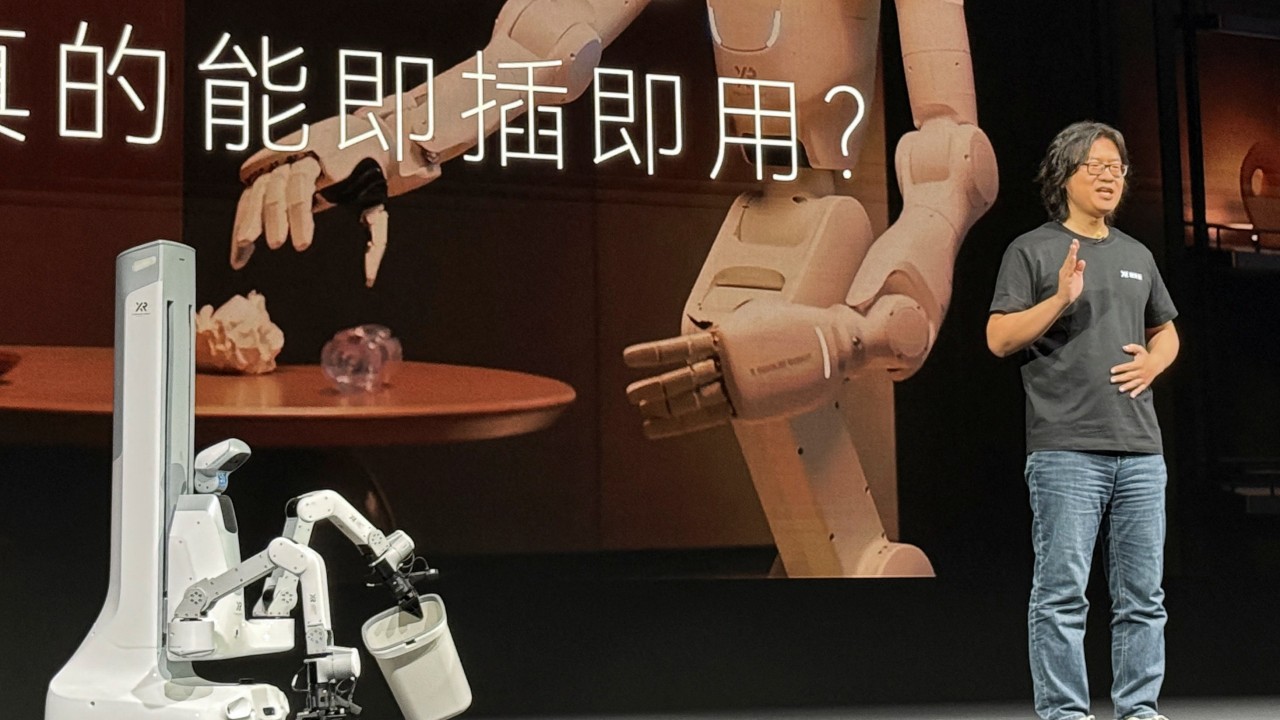
China’s robots step into real-world roles, from cleaning to directing traffic
In China, the integration of embodied artificial intelligence is transforming daily life as robots take on various roles, from household cleaning to traffic management and equipment repair in dangerous industrial environments. This shift is part of the country's broader initiative to enhance the use of AI in practical applications. A notable example is a cleaning service that debuted in March on 58.com, a popular Chinese classifieds platform, which combines human cleaners with robotic assistance to improve efficiency and effectiveness in domestic chores. As these technologies evolve, they are expected to play an increasingly significant role in both residential and industrial settings, reflecting China's commitment to advancing AI capabilities and enhancing productivity across multiple sectors.
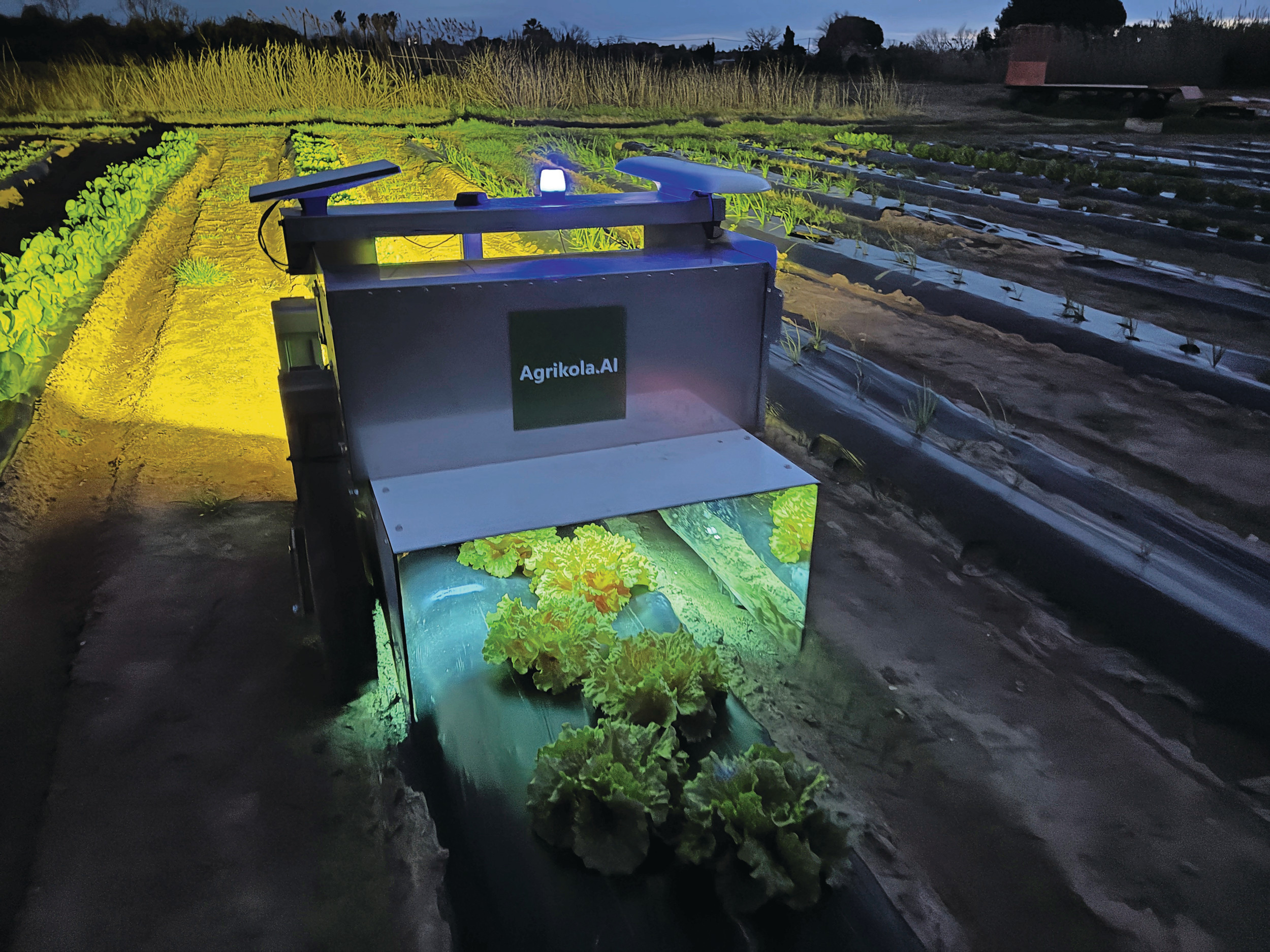
UVC robots show promise in the fight against fungi
In a significant advancement for greenhouse horticulture, autonomous robots utilizing UVC light for fungal control have shown promising results. This innovative technology has been successfully implemented in Norway, the United Kingdom, and the United States, particularly in the cultivation of open crops such as grapes and strawberries. Additionally, since 2025, the use of UVC robots has expanded to field vegetables in Spain. This development reflects a broader trend towards precision agriculture, aiming to enhance crop management and reduce reliance on chemical treatments. The integration of UVC technology in farming practices highlights the ongoing efforts to improve sustainability and efficiency in agricultural production.
Field robots autonomous technology crop protection greenhouses precision agriculture robotic harvesting
Video Friday: These Robots Were Born to Run
IEEE Spectrum's weekly feature, Video Friday, showcases a collection of innovative robotics videos and highlights upcoming robotics events, including the International Conference on Robotics and Automation (ICRA) scheduled for June 1-5, 2026, in Vienna. This week’s videos introduce advanced modular building blocks that allow for the automatic design and rapid assembly of agile robots capable of navigating unstructured outdoor environments, a significant advancement from traditional legged robots that rely on predefined designs. Additionally, the RIVR project presents a concept for an ideal urban delivery robot, while KIMLAB introduces TRIP-Bag, a portable teleoperation system designed for high-fidelity data collection in various settings. TUM has developed an open-vocabulary semantic exploration system that enhances robots' ability to map and locate objects in dynamic environments. In a practical demonstration, a reconfigurable robot assists a team responding to a simulated radiation leak at a nuclear facility, showcasing its adaptability in challenging conditions. Meanwhile, Carnegie Mellon University's Robomechanics Lab reflects on a devastating flood that destroyed many of its robots, honoring them with a tribute video. Lastly, the 2025 Silicon Valley Humanoids Summit features a keynote by Disney Research's Moritz Baecher, discussing insights into robotic character development.
Robotics Humanoid-robots Video-friday Modular-robots Robot-videos Quadruped-robots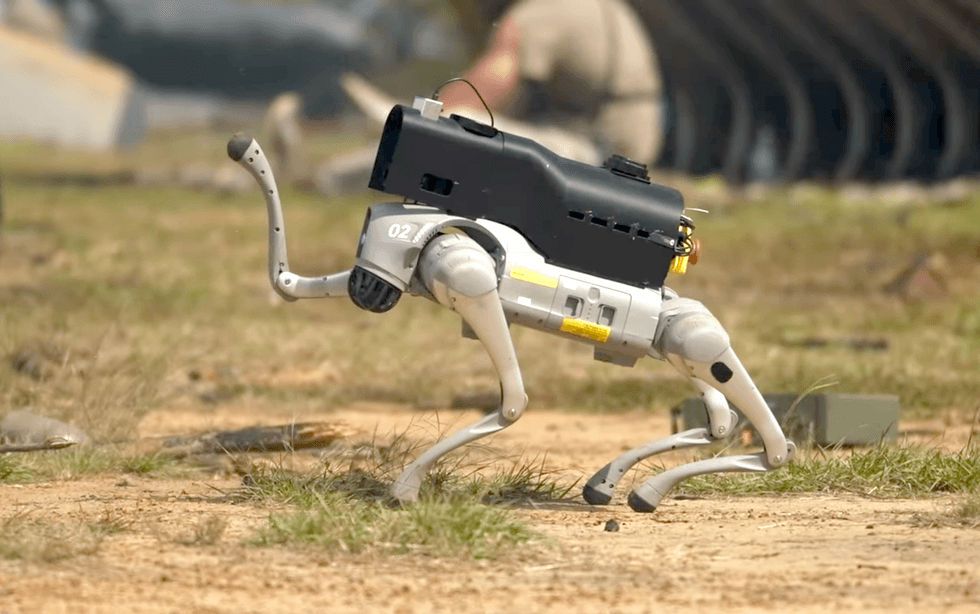
Video Friday: Humans and Robots Team Up in Battlefield Triage
IEEE Spectrum robotics has released its latest edition of "Video Friday," showcasing a collection of innovative robotics videos and a calendar of upcoming robotics events. Among the featured highlights is the Lynx M20 quadruped robot, which successfully completed a field test in extreme cold conditions in Yakeshi, Hulunbuir, demonstrating its reliability in temperatures as low as -30°C. Additionally, a teaser video from KIMLAB presents a new teleoperation robot, set against the backdrop of the University of Illinois at Urbana-Champaign's Main Quad, where students enjoy the serene environment. The publication also includes commentary on the practicalities of using humanoid robots for specific tasks, emphasizing that just because a humanoid can perform a task, it does not necessarily mean it should. Other notable mentions include an autonomous urban delivery robot and the development of CLIO, an embodied tour-guide robot created by an undergraduate team at the University of Hong Kong, which utilizes advanced technologies such as large language models and computer vision to enhance visitor experiences. This weekly roundup not only highlights the advancements in robotics but also encourages collaboration and engagement between researchers and the public, reflecting the ongoing evolution of the field.
Robotics Video-friday Darpa Human-robot-interaction Quadruped-robots Humanoid-robots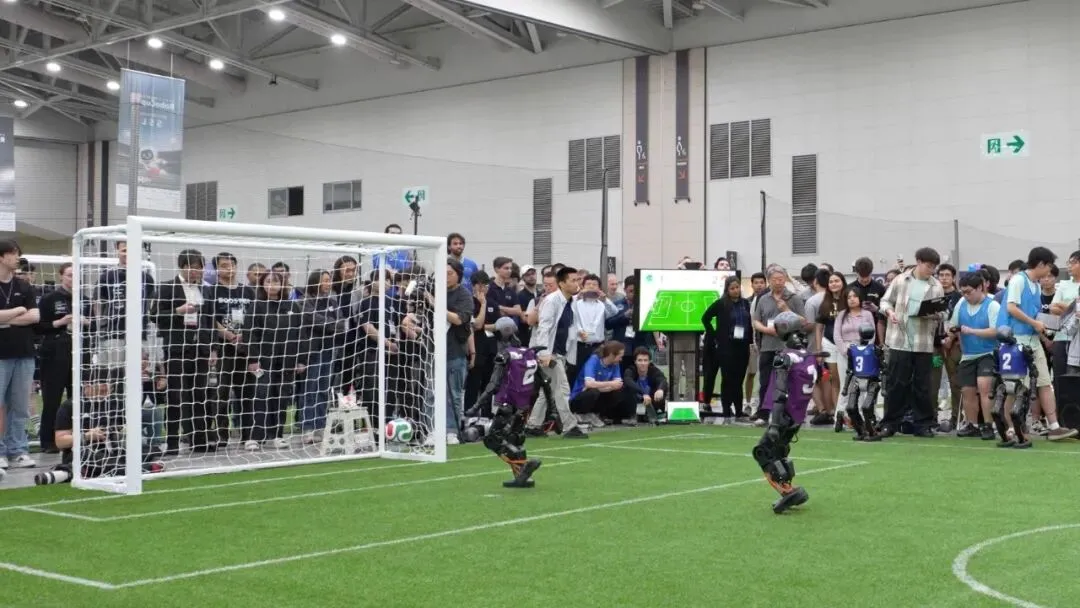
Chinese Team Wins RoboCup World Championship with Domestic Robots
The Fire God team from Tsinghua University in China secured the championship title at the 2026 RoboCup, held in Incheon, South Korea. This victory underscores a notable advancement in robot soccer, as the competition featured 38 teams utilizing the same Chinese robot platform, known as Booster. The event marked a pivotal shift in the field, emphasizing the enhancement of robots' intelligence and performance in dynamic environments rather than merely focusing on their construction.
Robot Soccer RoboCup Robot Technology Artificial Intelligence Robotics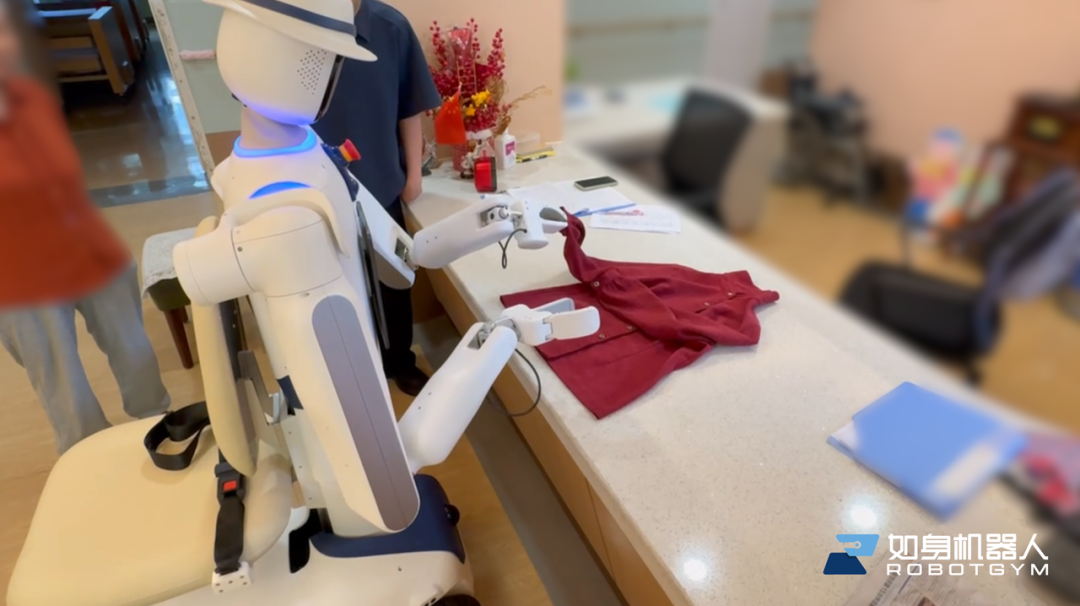
RuiShen Robotics Secures Nearly 200 Million in Funding for Elderly Care Robots
Shanghai RuiShen Robotics has successfully completed a Pre-A funding round, securing over 100 million yuan to enhance its efforts in deploying embodied AI technology in elderly care environments. The funding was supported by notable investors, reflecting growing confidence in the company's vision. Established three years ago, RuiShen Robotics has now raised nearly 200 million yuan across five funding rounds, emphasizing its commitment to developing innovative rehabilitation and elderly care robots. This latest financial boost is expected to significantly accelerate the company's initiatives in improving care for the aging population.
Elderly Care Robots Embodied AI Healthcare Technology Robotics Rehabilitation Robotics
Could humans someday explore Saturn's moon Titan, or will humanoid robots do it for us?
As humanity explores the possibility of reaching Titan, Saturn's largest moon, a debate has emerged regarding the potential for human presence versus the use of AI-powered humanoid robots for the journey. Experts in space exploration are considering the feasibility of sending humans to Titan, a location known for its intriguing atmosphere and surface lakes of methane. However, advancements in robotics and artificial intelligence have led to discussions about the advantages of deploying autonomous robots for such missions, which could mitigate risks associated with human travel in harsh extraterrestrial environments. The timeline for these missions remains uncertain, but ongoing research and technological developments are paving the way for future exploration. As scientists and engineers continue to evaluate the challenges of a Titan expedition, the conversation highlights the evolving role of AI in space exploration and the potential for robots to undertake complex tasks in environments that are inhospitable to humans.
Space Exploration
New color-changing tactile sensor gives robots a real-time sense of touch
Researchers have developed an innovative color-changing tactile sensor that enables machines to perceive and respond to their surroundings in real-time. This groundbreaking technology was unveiled in October 2023 and represents a significant advancement in the field of robotics and artificial intelligence. The sensor mimics the way humans and animals sense touch and texture, providing machines with the ability to "see" and interpret the materials they come into contact with. The motivation behind this development lies in enhancing the interaction between machines and their environment, allowing for more sophisticated and responsive robotic systems. By integrating this tactile sensor, robots can better understand the properties of objects, leading to improved performance in various applications, such as manufacturing, healthcare, and service industries. The process involves a combination of advanced materials and engineering techniques that allow the sensor to change color based on the pressure and texture of the surfaces it touches. This visual feedback not only aids in object recognition but also enhances the machine's ability to make informed decisions based on tactile information. As this technology continues to evolve, it holds the potential to revolutionize how machines interact with the world, paving the way for smarter, more adaptable robotic systems that can operate effectively in diverse environments.
AI and Robotics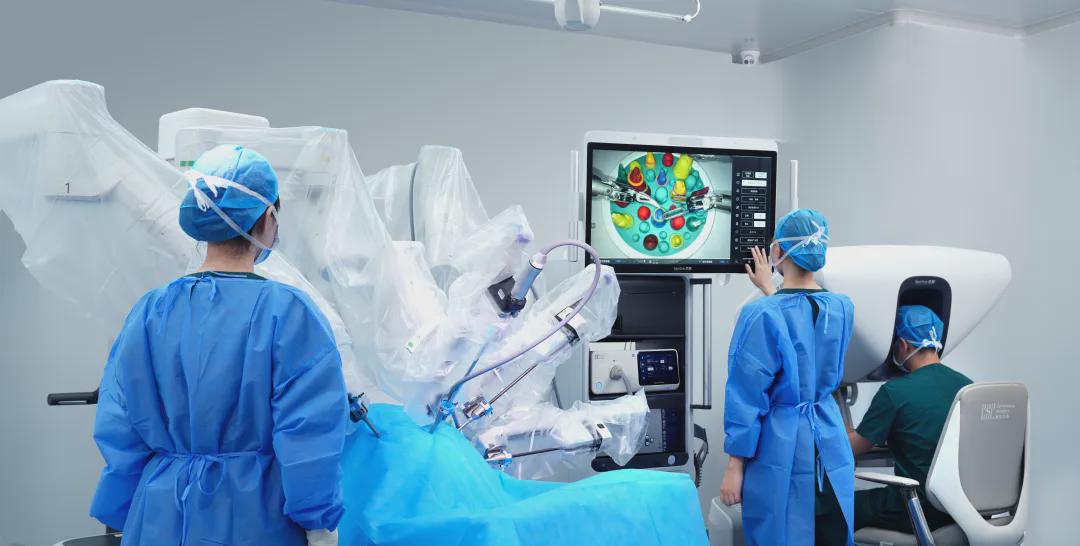
How Conostech is Pioneering Digital Surgery with Surgical Robots
At the Hamlyn Medical Robotics Conference, a significant international challenge demonstrated the integration of AI algorithms in surgical robots, marking a transformative moment in the medical field. The event showcased how surgical robots are evolving into advanced platforms capable of incorporating AI technologies. Among the participants, Conostech's Sentire system emerged as a notable contender, distinguished by its open architecture and strong performance. This positions Conostech as a leading force in the rapidly developing domain of digital surgery, reflecting the industry's shift towards more intelligent and adaptable surgical solutions.
Surgical Robots AI Integration Digital Surgery Medical Robotics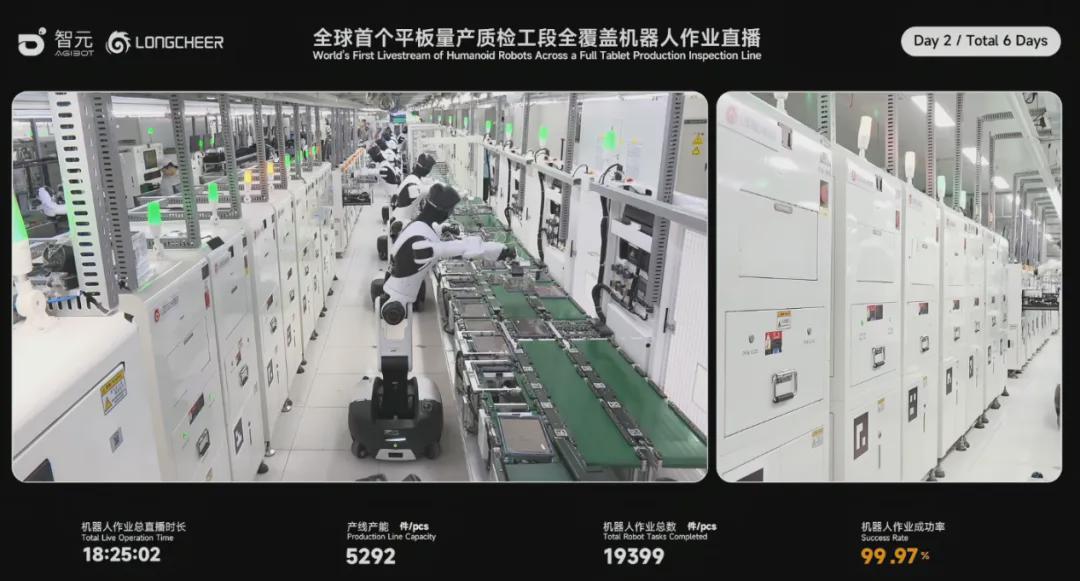
Robots Transition to 'Deployment Mode': Insights from Zhiyuan's 6-Day Live Stream
Longqi Technology's Nanchang factory hosted a six-day live stream event from June 23 to 28, showcasing the capabilities of its Zhiyuan G2 humanoid robot cluster as it conducted quality inspections on tablet computers. This demonstration represented a pivotal transition from traditional single-task operations to a more integrated approach to workflow management, underscoring the growing demand for flexible automation solutions within the 3C manufacturing industry. The event highlighted the G2 robots' effectiveness in real production settings, illustrating their potential to enhance efficiency and adaptability in manufacturing processes.
Humanoid Robots Quality Inspection Flexible Automation 3C Manufacturing Industrial Robotics
Roundtable Forum: The Real Landscape of AI Venture Capital Beyond Consensus
In a recent roundtable discussion on the evolving landscape of artificial intelligence (AI) investment, industry leaders emphasized the importance of acting ahead of consensus to seize opportunities. The forum featured prominent figures such as Zhu Tianyu, managing partner at BlueRun Ventures, and Qin Shentao, founder and CEO of OriginFlow, who shared insights on their early investment strategies. Zhu, who joined BlueRun in 2009, highlighted his early investments in successful companies like Li Auto and Genspark, noting that he made quick decisions based on a structured understanding of global challenges rather than just project details. He expressed confidence in OriginFlow’s potential, which focuses on non-invasive neural interfaces for embodied intelligent robots, aligning with key trends in artificial general intelligence (AGI), robotics, and 3D interaction. Qin, a Tsinghua University PhD, explained that OriginFlow aims to revolutionize how intelligent systems interact with the physical world, addressing a significant gap in data collection and processing. Within just five months of operation, the company secured over 500 million RMB in funding, demonstrating strong market interest. Both leaders acknowledged the challenges of navigating the current AI investment climate, characterized by rapid funding influxes and potential market bubbles. They stressed the need for investors to discern genuine innovation from fleeting trends, emphasizing that true value lies in solving fundamental problems rather than chasing hype. As the discussion concluded, they reiterated their commitment to fostering groundbreaking advancements in AI and embodied intelligence.

Star Dynasty Raises Over RMB 4 Billion, Tsinghua Professor's Humanoid Robots Head to SF Express Logistics
Star Dynasty, a humanoid robot company supported by Tsinghua University, has successfully raised over RMB 4 billion in funding. This significant financial boost will enable the company to enhance its operations and expand its technological capabilities. In a strategic move to integrate its innovations into the logistics sector, Star Dynasty has begun deploying its humanoid robots at SF Express logistics centers throughout China. This initiative aims to improve efficiency and streamline operations within the rapidly evolving logistics industry. The deployment of these advanced robots marks a notable step in the application of robotics in everyday business practices, reflecting the growing trend of automation in various sectors.
HumanoidRobotics Robotics
When will AI robots become part of everyday lives?
Neuroscientist and robotics researcher Elisa Donati has emphasized the limitations of artificial intelligence robots that seem intelligent only in controlled environments. In a recent discussion, she highlighted the need for these robots to possess real-world readiness, which demands more than just advanced software capabilities. Donati argues that to function effectively outside of laboratory settings, robots must integrate various sensory inputs and adapt to unpredictable situations. This insight sheds light on the challenges facing the robotics industry as it strives to develop machines that can operate autonomously in diverse and dynamic environments.
Robotics
People want robots in warehouses and factories, not hospitals or schools, Hexagon study finds
A recent global study by Hexagon reveals significant attitudes toward robots among adults, highlighting a clear preference for their use in specific tasks. While 68% of respondents favor robots for heavy lifting, only 12% are comfortable with robots taking on caregiving roles. The study, which surveyed adults worldwide, indicates that acceptance of robotic assistance is conditional; for instance, 52% of participants support robots for monitoring hazards, and half would welcome them for cleaning shared spaces or information retrieval. However, a substantial 86% emphasize the necessity of establishing clear guidelines regarding the capabilities and limitations of robots. Interestingly, the research also points to a generational shift in attitudes, with children showing a greater openness to robotic integration in various settings. They are 50% more likely than adults to view robots as "full colleagues" in the workplace, suggesting a growing acceptance of technology in everyday life. This evolving perspective on robotics underscores the importance of addressing concerns and establishing frameworks to facilitate their integration into society.

Coaching for Robots
Researchers emphasize that adaptable robots, capable of learning from their environments, require more than just data, artificial intelligence tools, and algorithms. Effective interaction with users is crucial for these robots to function optimally. This insight highlights the importance of direct communication between robots and their operators, suggesting that user engagement plays a vital role in enhancing robotic performance. The discussion around this topic was featured in a recent article on ROBOTIK UND PRODUKTION, underscoring the evolving relationship between humans and technology in the field of robotics.
Allgemein Cobots & MRK Newsarchiv
Robots Now Able to Access Elevators Directly in 'Project Supermarket'
The robotics industry is currently facing fierce price competition, leading to a notable decrease in the prices of humanoid robots. In response to this trend, Wanglong has launched 'Project Supermarket,' which features more than 3,000 existing projects that come equipped with smart elevators. This innovative initiative is designed to facilitate the rapid and cost-effective integration of robots into various sectors, eliminating the need for extensive installation or inspection processes. By streamlining robot deployment, Wanglong aims to enhance market access and operational efficiency, positioning itself advantageously in a rapidly evolving industry.
Humanoid Robots Smart Elevators Robotics Integration Automation Solutions
Did Tether Just Give Robots Their Own Bank Accounts?
Tether, a leading stablecoin issuer, announced on June 10, 2026, that it is spearheading a Series C funding round of up to $1.4 billion for NEURA Robotics, a German company specializing in cognitive humanoid robotics. This funding round, reported by Handelsblatt as the largest in German startup history, aims to integrate Tether’s Wallet Development Kit (WDK) into NEURA's robots. This open-source technology will enable these machines to possess self-custodial crypto wallets, allowing them to autonomously receive payments and execute transactions without human intervention. The initiative aligns with Tether's long-term goal of establishing itself as a financial infrastructure provider for the physical world. By equipping robots with their own private keys, Tether seeks to enhance their financial independence, contrasting traditional banking systems that can restrict access to funds. Major investors, including Amazon and Nvidia, have contributed to this funding round, which values NEURA Robotics at approximately $7 billion. The integration of WDK allows for seamless machine-to-machine payments, streamlining operations in logistics and manufacturing. NEURA Robotics CEO David Reger envisions a future where intelligent machines can autonomously coordinate and transact, creating value without human oversight. This partnership not only positions Tether to expand its transaction categories but also sets the stage for a new era in machine-economy infrastructure.
Scientists show predictable training can outperform complex robot learning data
Researchers are making significant strides in developing robots capable of manipulating objects with human-like dexterity, a challenge that has long posed difficulties in the field of robotics. This advancement is crucial as it could enhance the ability of robots to perform complex tasks in various settings, including homes, hospitals, and manufacturing plants. The ongoing work, which has gained momentum in recent months, is taking place in laboratories across the globe, where teams are experimenting with advanced algorithms and machine learning techniques. The motivation behind this research stems from the increasing demand for robots that can assist in everyday tasks, improve efficiency in industrial processes, and provide support in healthcare environments. By mimicking the intricate movements of the human hand, researchers aim to create robots that can handle delicate objects and perform tasks that require precision and adaptability. To achieve this, scientists are employing a combination of innovative hardware designs and sophisticated software programming. They are utilizing sensors and artificial intelligence to enable robots to learn from their interactions with various objects, refining their skills over time. This iterative learning process is essential for developing robots that can operate effectively in unpredictable environments. As the field progresses, the implications of these advancements could revolutionize how robots are integrated into daily life, making them more versatile and capable of performing a wider range of functions. The ongoing research highlights the potential for robots to not only assist but also enhance human capabilities in numerous domains.

New Applications of Magnetic Soft Robots: Random Number Generation and Reservoir Computing
Researchers from Helmholtz-Zentrum Dresden-Rossendorf and the University of Messina have unveiled a groundbreaking application of magnetic soft robots in the fields of random number generation and reservoir computing. This innovative study, conducted recently, highlights how these robots utilize chaotic dynamics to convert their unpredictable movements into effective computational resources. The findings suggest significant potential for enhancing secure communication systems and developing low-cost computing solutions, particularly in resource-limited settings. By harnessing the inherent randomness of the robots' movements, the research opens new avenues for technological advancements in various applications.
Soft Robotics Magnetic Actuators Random Number Generation Reservoir Computing
Knitting Designers Create Skin for Humanoid Robots
Humanoid robots are undergoing a transformation in their design, as a Shanghai-based knitting design company leads an innovative collaboration to enhance their social acceptance. By dressing these robots in soft, intricately knitted exteriors, the initiative addresses both aesthetic concerns and user comfort, significantly altering public perception of robots in everyday settings. This pioneering effort employs specialized techniques to create flexible and breathable materials that serve as a 'skin' for the robots, promoting more engaging interactions with users. As this trend gains momentum, it marks a notable shift in the integration of robotics into daily life, emphasizing the importance of both functionality and visual appeal.
Humanoid Robots Robotics Design Textile Technology User Interaction AI
SAP SE (SAP), Cyberwave Deploy Autonomous AI Robots in Logistics Warehouse
SAP SE and Cyberwave have successfully deployed fully autonomous, AI-powered robots in SAP's logistics warehouse located in St. Leon-Rot, Germany, as of May 11, 2026. This initiative represents a significant advancement for SAP, transitioning its Physical AI technology from research to practical application. The robots, powered by SAP’s cloud-native Logistics Management solution and the SAP Business Technology Platform, are now capable of performing various tasks including box folding, packaging, and shipping fulfillment. The deployment addresses common challenges in logistics robotics, such as unpredictable environments and diverse object shapes that often hinder traditional systems. Cyberwave's innovative platform utilizes Vision-Language-Action and Reinforcement Learning models, enabling non-expert operators to teach robots new tasks through simple demonstrations. This approach significantly reduces training time from weeks to hours and allows robots to adapt to dynamic conditions in real-time. As a result of this integration, SAP has reported increased warehouse throughput and a decrease in physically demanding tasks for human workers. The project serves as a successful reference implementation, showcasing how a robust digital infrastructure combined with adaptive AI can enhance logistics operations. Both SAP and Cyberwave are now focused on further developing these Embodied AI capabilities to support future large-scale deployments.
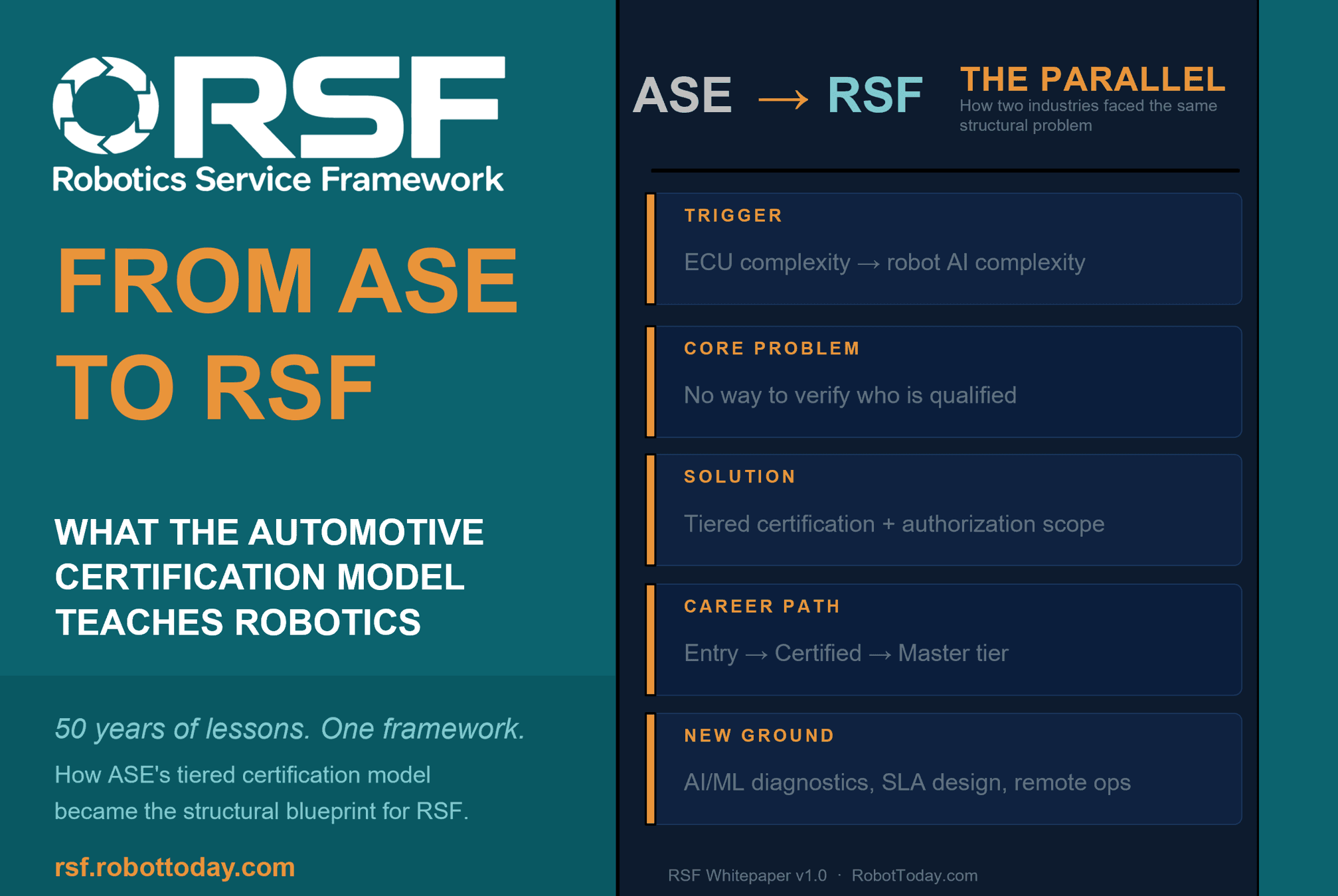
Robotics needs a service framework.
RSF defines a common language for robot service capability, lifecycle operations, certification pathways, and service-provider networks.