Industry Briefing
A single destination for timely, editor-curated robotics news from around the world.
How Your Virtual Twin Could One Day Save Your Life
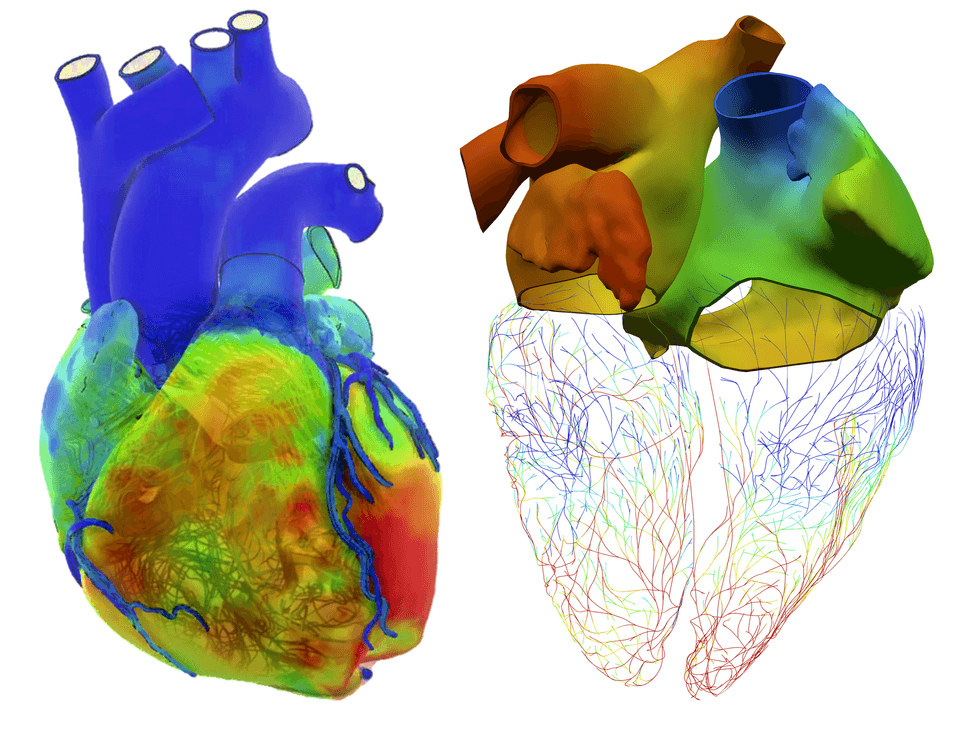
In May 2019, a cardiac surgeon at Boston Children’s Hospital successfully performed a complex heart surgery on a child with a severe congenital defect, utilizing advanced virtual twin technology. This innovative approach involved creating a detailed 3D model of the child's heart and vascular system from MRI and CT scans, allowing the surgical team to simulate various strategies and predict outcomes before the operation. The procedure was critical due to the unique nature of the child's heart condition, which had no established surgical manual. The Living Heart Project, initiated in 2014, has since guided nearly 2,000 surgeries by employing virtual twin modeling, which combines engineering principles with medical expertise to enhance surgical precision and patient outcomes. This project, now involving over 150 organizations globally, aims to revolutionize medical treatment by providing a dynamic, predictive tool that can simulate the human body's responses. The technology not only aids in surgical planning but also has the potential to streamline clinical trials. By creating virtual patient cohorts, researchers can test treatments more efficiently, reducing the time and costs associated with traditional trials. The FDA has recognized the significance of this approach, collaborating with the project to establish guidelines for in silico clinical trials, marking a significant shift in how medical innovations are developed and validated. As virtual twins expand beyond cardiac applications to other organs, they promise to transform healthcare by enabling personalized medicine and fostering a deeper understanding of patient physiology, ultimately improving treatment outcomes and patient engagement in their health management.
Cardiology Digital-twins Personalized-medicine Virtual-heart Generative-ai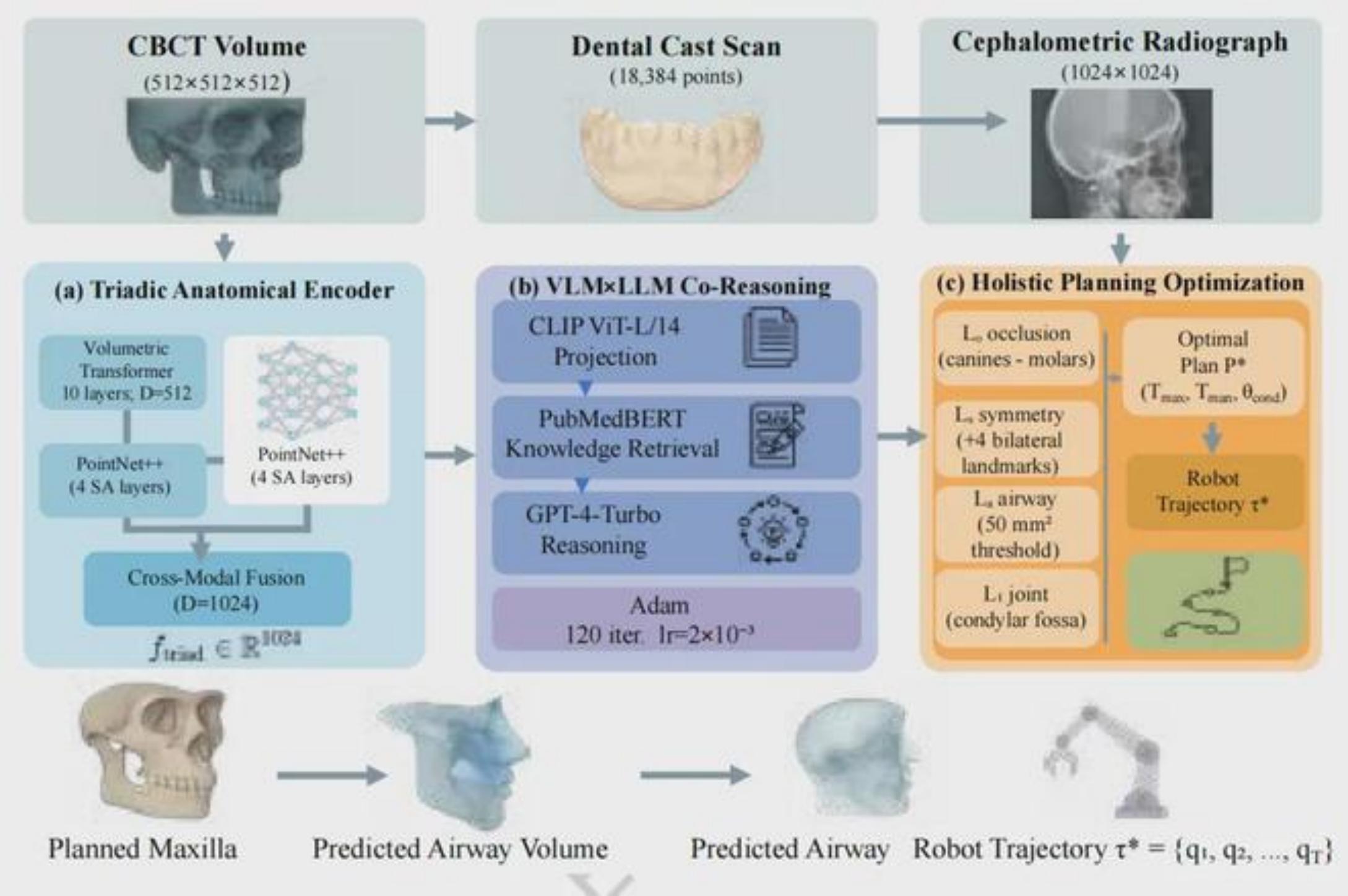
AI and Robotics Revolutionize Emergency Treatment for Maxillofacial Trauma, Reducing Surgery Time by 31% and Complications by 42.3% in Just 4 Minutes of Planning
A groundbreaking advancement in surgical technology has emerged with the introduction of the HoloTrauma 3X system, which integrates sophisticated visual and language models with robotic surgery. This innovative system is designed to streamline the planning process for complex maxillofacial trauma surgeries, cutting the average preparation time from 47 minutes to less than 4 minutes. The development, which aims to enhance patient outcomes and minimize complications, represents a significant leap forward in surgical efficiency. By leveraging cutting-edge technology, the HoloTrauma 3X system not only accelerates the surgical workflow but also holds the potential to improve the overall quality of care for patients undergoing these intricate procedures.
Robotic Surgery Emergency Medicine AI in Healthcare Maxillofacial Trauma Surgical PlanningRobotics needs a service framework.
RSF defines a common language for robot service capability, lifecycle operations, certification pathways, and service-provider networks.