Industry Briefing
A single destination for timely, editor-curated robotics news from around the world.
Graduate Student Develops NASA Robot Assembly Algorithm for Satellite Antennas
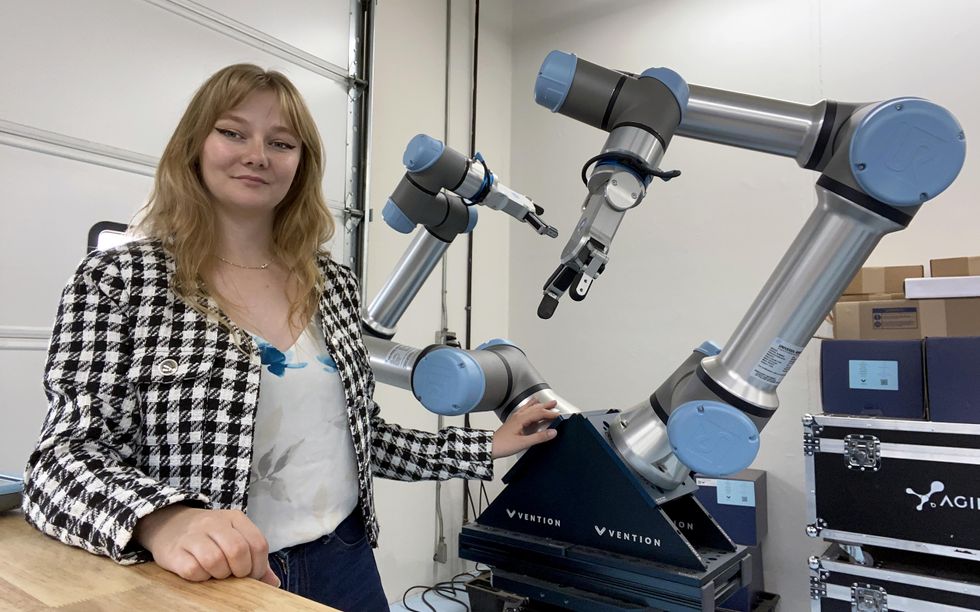
Sarah Downs, a graduate student at Texas A&M University, has developed an algorithm for NASA that enables robots to assemble satellites in space. This algorithm addresses the classic peg-in-hole problem by allowing robots to insert antennas accurately into designated spots. Downs's work is significant as it enhances the capabilities of robots operating in the challenging environment of outer space. The importance of Downs's research lies in its potential to improve satellite assembly processes, which are critical for space missions. By creating a robot that can perform tasks without relying on vision systems, Downs addresses the challenges posed by the harsh conditions of space where cameras may fail. This innovation could lead to more reliable and efficient satellite deployment in future missions. Looking ahead, Downs plans to continue her research on satellite assembly and manipulation at a larger scale. As she progresses in her Ph.D. studies, her work will likely contribute to advancements in robotics that could transform how satellites are constructed and maintained in orbit. No further timeline was disclosed at the time of publication.
Type-ti Ieee-member-news Robots Nasa Student-member Satellites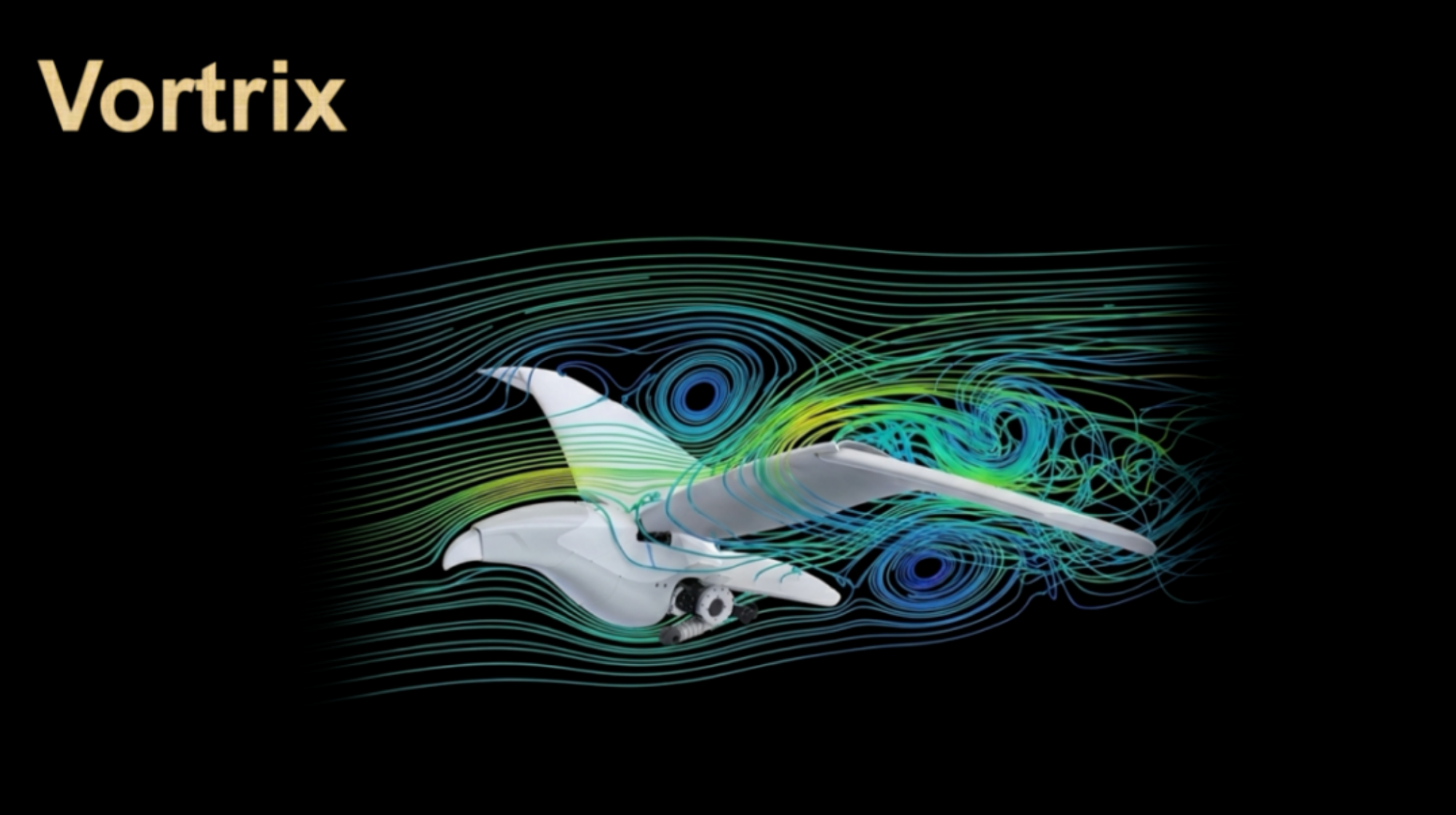
Post-00s PhD Team Secures Funding for Biomimetic Flapping Robot Development
A team of PhD students born after 2000 has developed a biomimetic flapping robot capable of fluid navigation, announced by Eagle Eye Intelligent Wings. The company recently completed a Series A funding round, raising tens of millions of yuan, led by Yuanhe Puhua with participation from Futen Capital and Houxue Capital. This marks the third funding round for the company within three months since its establishment 15 months ago. The funding will primarily support the mass production of their first consumer product, the 'Eagle X,' and the development of the next-generation flapping robot and fluid simulation engine. Founded in March 2025 in Shenzhen, Eagle Eye Intelligent Wings is among the early companies focusing on embodied intelligent flapping robots. The core team consists of over ten members from Shanghai Jiao Tong University, all born after 2000, with notable achievements in research. The 'Eagle X' has completed over 3,000 hours of flight testing and is set to launch on Kickstarter in Q3 of this year. The next-generation product will feature approximately 15 degrees of freedom, allowing for independent wing adjustments. The Vortrix fluid simulation engine is expected to be opened for external use, enhancing training for flying robots and optimizing aerodynamics for fixed-wing aircraft and wind turbine blades. No further timeline was disclosed at the time of publication.
Biomimetic Robots AI Fluid Dynamics Robotics Drone Technology
Underwater ribbon cutting ushers in new URI Ocean Robotics Laboratory
The Narragansett Bay Campus recently celebrated a significant milestone, marking a pivotal moment in its development and contributions to marine research and education. The event, which took place on October 15, 2023, brought together faculty, students, and community members to recognize the campus's achievements and future goals. This gathering highlighted the institution's commitment to advancing knowledge in marine sciences and fostering collaboration among researchers. Attendees participated in various activities, including presentations and discussions, aimed at showcasing the campus's innovative projects and its role in addressing environmental challenges. The celebration underscored the importance of the Narragansett Bay Campus as a hub for scientific inquiry and community engagement, reinforcing its mission to enhance understanding of marine ecosystems and promote sustainability efforts in the region.
Desirée Plata appointed associate dean of engineering
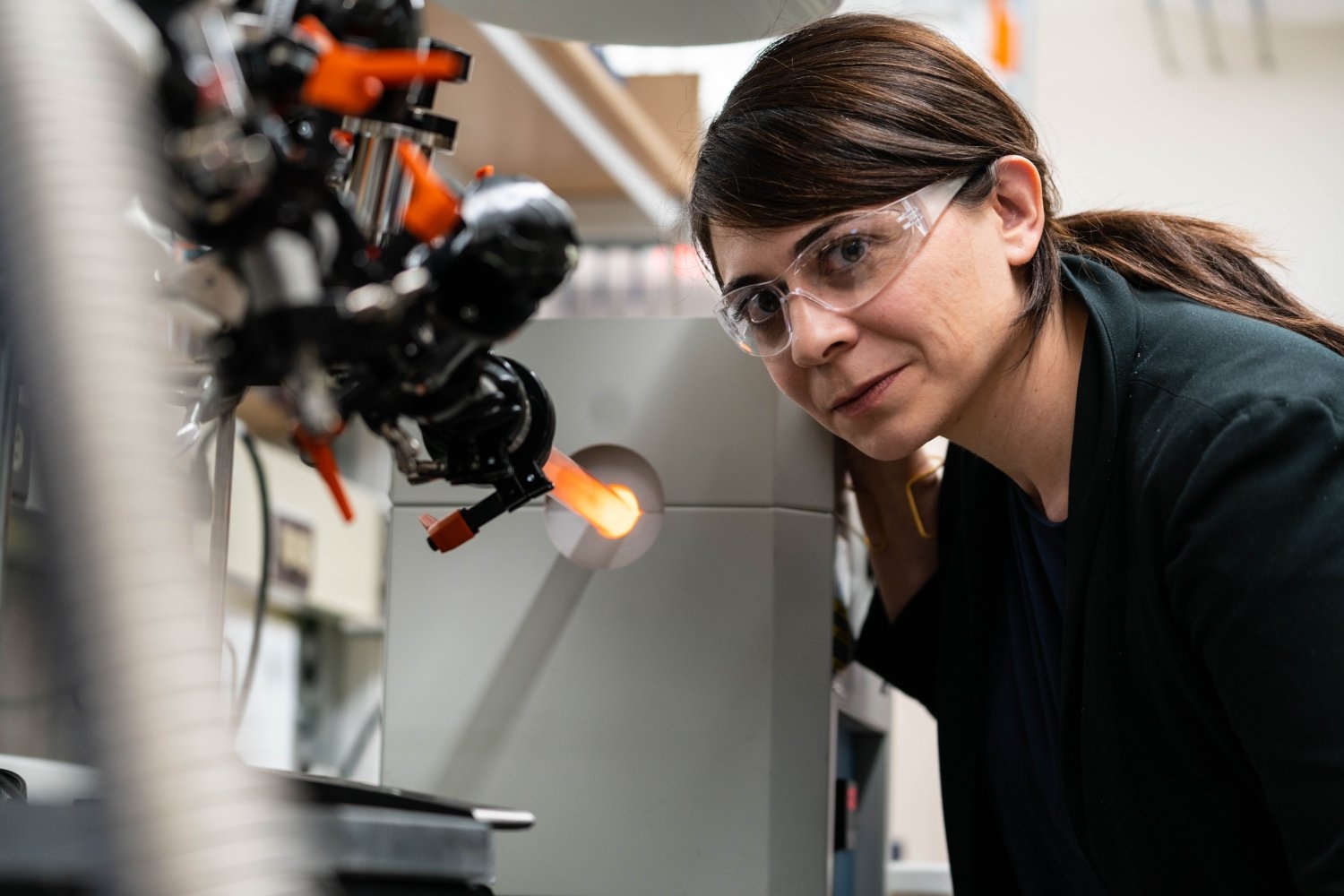
A faculty member from the Department of Civil and Environmental Engineering has been appointed to spearhead research and entrepreneurial initiatives within the School of Engineering. This new role aims to enhance innovation and collaboration among faculty and students, fostering a dynamic environment for cutting-edge research. The initiative is part of the school's broader strategy to strengthen its position in engineering education and research. By leveraging their expertise, the faculty member will work to integrate academic research with practical applications, encouraging entrepreneurial ventures that can lead to real-world solutions. This appointment is expected to take effect immediately, with plans for various projects and collaborations already in the pipeline.
Leadership Administration Faculty Woods Hole Cleaner industry Environment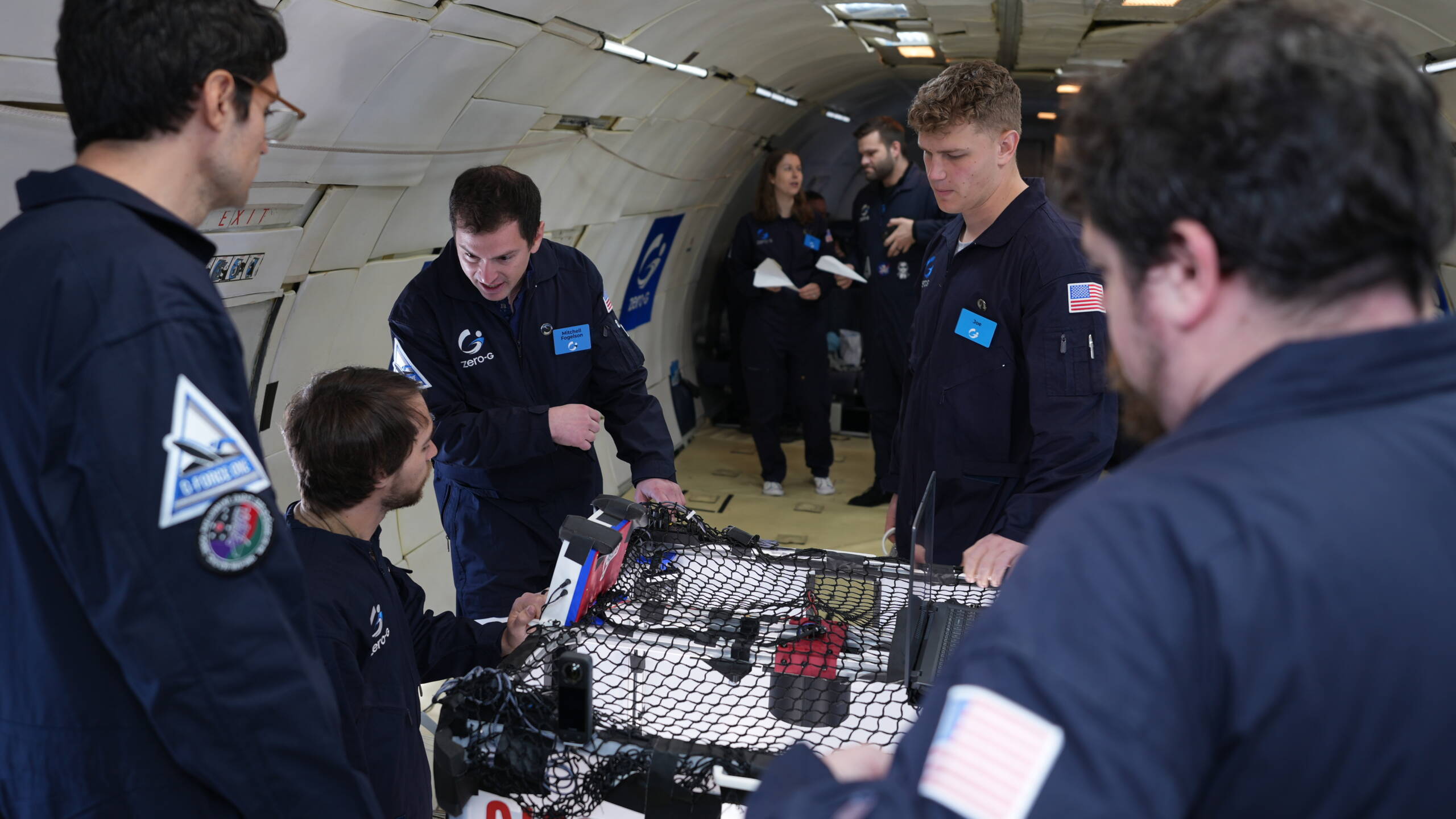
In Flight With NASA: CMU Tests Space Tech in Microgravity
Faculty and students from Carnegie Mellon University (CMU) recently had the rare opportunity to experience weightlessness while conducting critical research aboard a specially designed aircraft. This plane, which follows a unique flight path of steep climbs and dramatic dives, allowed members of the Robotics Exploration Lab within CMU's Robotics Institute to test their space technology in a microgravity environment. The tests were conducted during parabolic arcs, where the aircraft creates brief periods of weightlessness, simulating conditions that researchers might encounter in space. This initiative underscores CMU's commitment to advancing robotics and space exploration technologies.
Research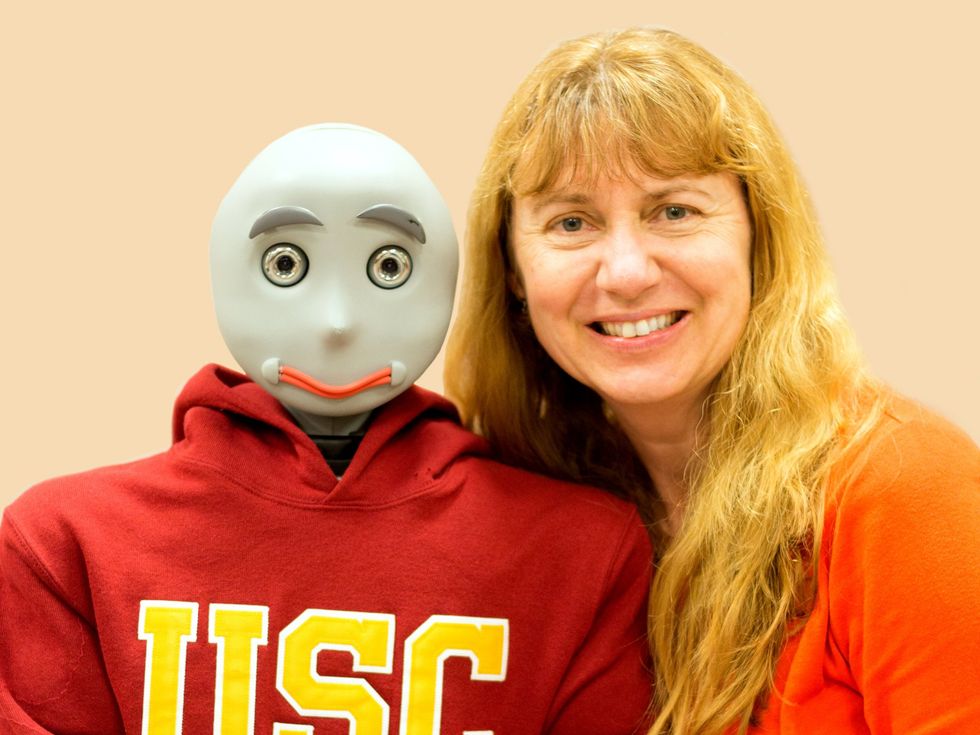
The USC Professor Who Pioneered Socially Assistive Robotics
Maja Matarić, a professor at the University of Southern California, has been a pioneering force in the field of socially assistive robotics since co-defining the area in 2005. Her work focuses on developing robots that provide personalized therapy and support through social interactions, particularly for individuals with anxiety, depression, and autism spectrum disorder. Matarić's research has led to the creation of robots like Bandit, which helps children with autism improve communication skills, and Blossom, designed to assist students in practicing cognitive behavioral therapy (CBT). Recently, Matarić was honored with the 2025 Robotics Medal from MassRobotics, recognizing her contributions to advancing robotics. The award ceremony took place in Boston, where she expressed her joy and gratitude for the support of her peers. Matarić's journey began in Belgrade, Serbia, and she credits her family for inspiring her interest in engineering and computer science. Her current research includes a clinical trial funded by the U.S. National Institute of Mental Health, exploring the effectiveness of Blossom in delivering CBT to students. The trial involves 120 participants and aims to assess the robot's ability to adapt to individual user preferences while measuring their mental health outcomes. Matarić emphasizes the importance of combining engineering with psychology in her work and encourages her students to engage with professional communities like IEEE, which she joined as a graduate student in 1992.
Ieee-member-news Robots Socially-assistive-robotics Mental-health Ieee-robotics-and-automation-soc Type-tiRobotics needs a service framework.
RSF defines a common language for robot service capability, lifecycle operations, certification pathways, and service-provider networks.