Industry Briefing
A single destination for timely, editor-curated robotics news from around the world.

12 Graphs That Explain the State of AI in 2026
As major AI companies like OpenAI and Anthropic prepare for initial public offerings later this year, the landscape of artificial intelligence continues to evolve rapidly. The 2026 AI Index report from Stanford University reveals that the U.S. remains the leader in AI model development, with 50 notable models released in 2025, although China's advancements in robotics are noteworthy, having installed 295,000 industrial robots in 2024. The report highlights a staggering growth in global AI compute capacity, which has tripled annually since 2022, largely driven by Nvidia's GPUs. However, the environmental impact of AI training is concerning, with estimates indicating that training large language models can generate over 72,000 tons of carbon emissions. Despite these challenges, AI investment surged to a record $581 billion in 2025, primarily in the U.S., reflecting a growing enthusiasm for AI technologies among software engineers and researchers. Public sentiment towards AI has slightly improved, with 59% of survey respondents believing the benefits outweigh the drawbacks. However, trust in government regulation of AI remains low in the U.S., with only 31% expressing confidence. This mixed perception underscores the ongoing debate about AI's societal impact, as advancements in technology continue to outpace regulatory frameworks.
Ai-index Artificial-intelligence Stanford-university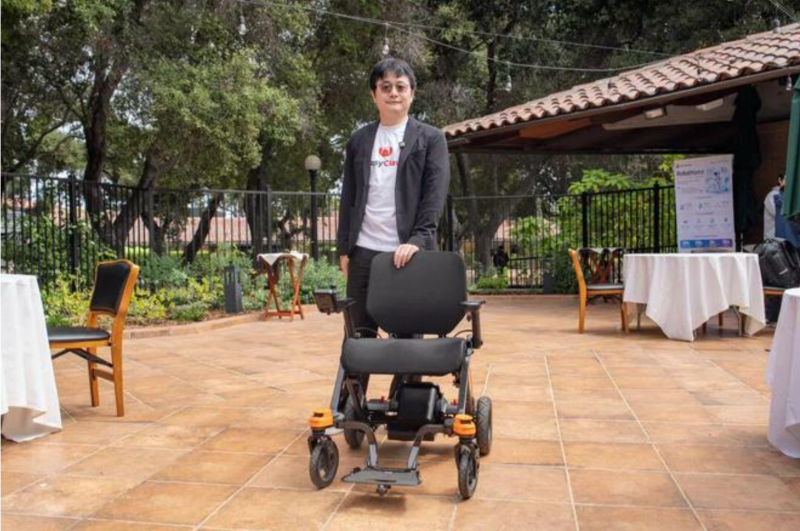
Smart Wheelchair Captivates Attention at Stanford AI Summit Over Humanoid Robots
At the Humanity & AGI Summit held at Stanford University, a smart wheelchair presented by Fu Sheng, Chairman of Cheetah Mobile, garnered significant attention, overshadowing humanoid robots. Attendees were drawn to the wheelchair's autonomous obstacle avoidance and user-friendly features, prompting many to experience it firsthand. The interest in the smart wheelchair highlights a critical shift in the robotics landscape, as Fu Sheng noted that humanoid robots are unlikely to achieve commercial scalability in the next five to ten years. He emphasized that the current limitations in software and hardware development hinder the practical application of humanoid robots, with most sales directed towards research institutions rather than commercial markets. Looking ahead, the focus on practical solutions like the smart wheelchair suggests a growing recognition that functionality is more important than form in robotics. As the industry continues to evolve, the demand for effective, user-centric products will likely shape future innovations, steering attention away from humanoid designs towards more practical applications.
Smart Wheelchairs Humanoid Robots AI Technology Robotics Assistive Devices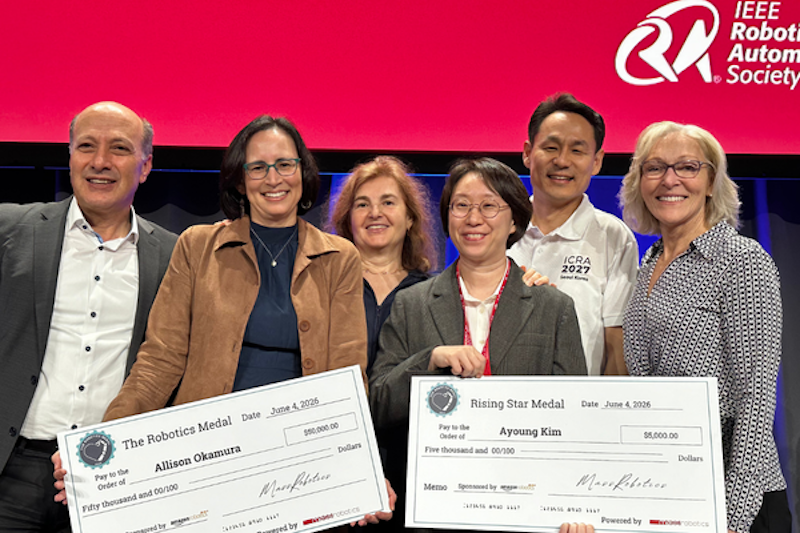
MassRobotics honors Stanford’s Allison Okamura and Seoul National University’s Ayoung Kim with 2026 robotics medals
At the recent IEEE ICRA conference held in Vienna, MassRobotics, a leading organization in robotics innovation, unveiled the recipients of its 2026 Robotics Medal and Rising Star awards. This prestigious Robotics Medal is notable for being the first major accolade dedicated to honoring the significant contributions of female researchers in the field of robotics worldwide. The awards aim to highlight and celebrate the achievements of women who are making impactful strides in robotics development, thereby promoting diversity and inclusion within the industry.
Features Industry Allison Okamura amazon robotics automation news autonomous systems
Stanford’s new iISM microscope images living cells at 120-nanometer resolution
Researchers at Stanford University have developed an innovative microscope that can image nanostructures within living cells, marking a significant advancement in cellular imaging technology. This breakthrough was announced in October 2023 and aims to enhance our understanding of cellular processes at the nanoscale. By enabling scientists to observe these structures in real-time, the new microscope offers insights into cellular functions and interactions that were previously difficult to study. The motivation behind this development is to provide a more detailed view of cellular mechanisms, which could lead to advancements in medical research and treatments. The microscope employs advanced imaging techniques that allow for high-resolution visualization of nanostructures, paving the way for new discoveries in biology and medicine.
Stanford's New Framework Enables Robots to Truly Learn from Mistakes
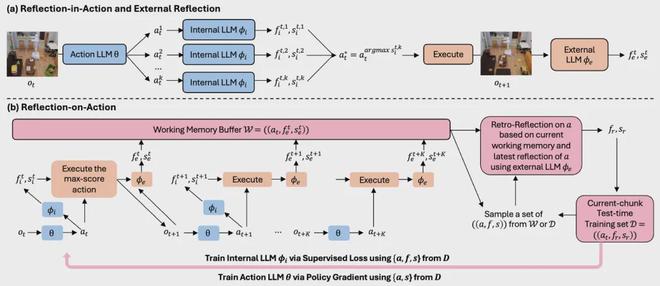
A team at Stanford University, under the leadership of Fei-Fei Li, has introduced a groundbreaking framework known as Reflective Test-Time Planning. This innovative system enables robots to learn from their mistakes by mimicking human reflective processes. The development, which was unveiled recently, demonstrates a significant enhancement in task performance, with success rates increasing by more than 20% in various practical applications. This advancement could lead to more efficient and adaptable robotic systems in real-world scenarios.
Robotics Artificial Intelligence Machine Learning Reflective Learning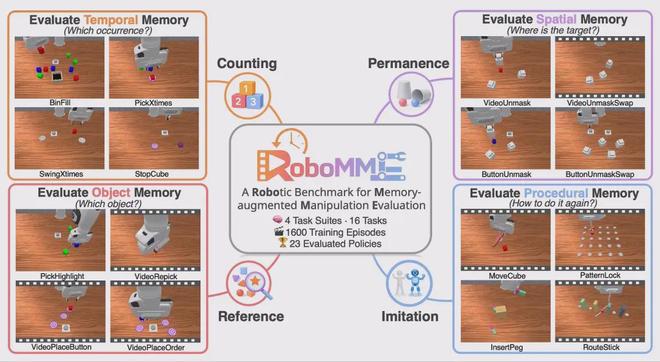
Michigan, Stanford, and Figure AI Collaborate to Launch the Groundbreaking RoboMME Robot Memory Benchmark!
A new standardized evaluation system for robot memory, known as the RoboMME benchmark, has been introduced by a collaborative effort involving Michigan University, Stanford University, and Figure AI. This innovative framework assesses robot memory across four key dimensions: temporal, spatial, object, and procedural. By addressing previous shortcomings in assessment methods, the RoboMME benchmark aims to improve robot performance in executing complex tasks. The initiative reflects ongoing advancements in robotics and artificial intelligence, highlighting the importance of effective memory evaluation in enhancing robotic capabilities.
Robot Memory Benchmarking Artificial Intelligence Robotics Machine Learning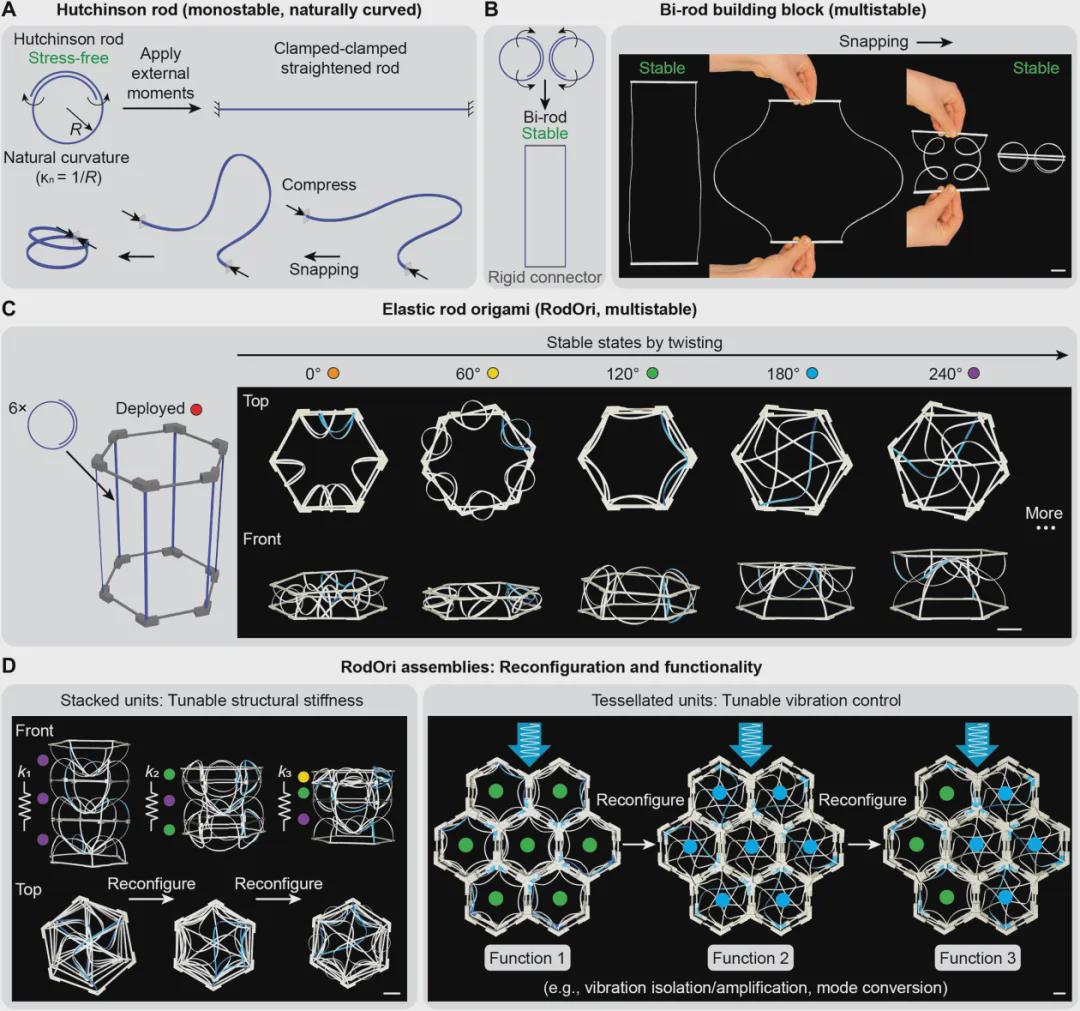
20 Million Transformations! Stanford Team Develops Thinking Robot Skeleton with Elastic Rods
Researchers at Stanford University have developed an innovative robot skeleton that utilizes six elastic rods and 3D-printed frames, enabling it to transform into 20 million distinct shapes without the need for motors or electronic components. This groundbreaking advancement in soft robotics and programmable materials was unveiled recently, showcasing the potential for more versatile and adaptive robotic systems. The team's work aims to enhance the functionality and application of soft robotics, paving the way for future developments in the field. By eliminating traditional mechanical parts, the robot skeleton demonstrates a novel approach to design and engineering, which could lead to significant improvements in how robots interact with their environments.
Soft Robotics Programmable Materials Elastic Structures Mechanical Engineering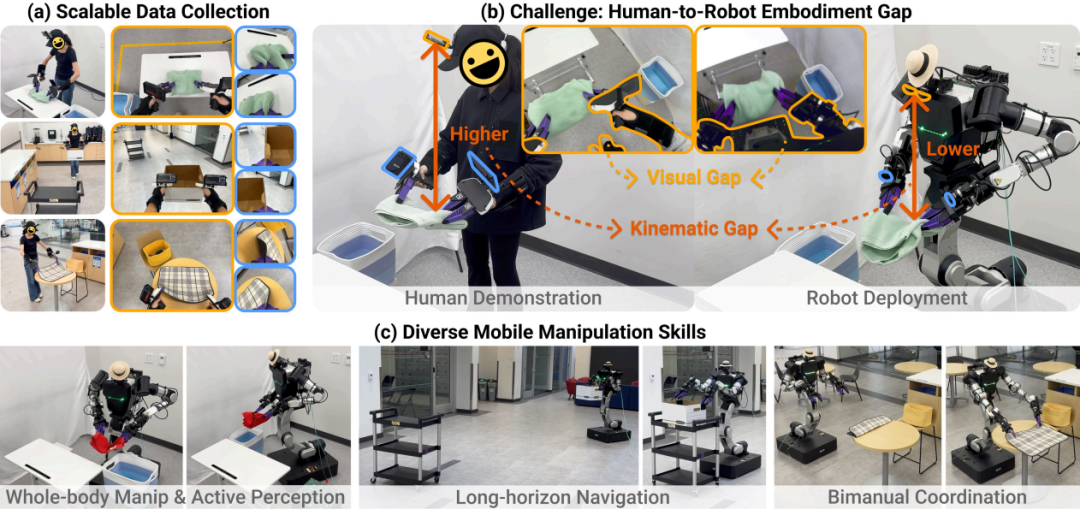
Stanford Teaches Robots to Wash Clothes, Deliver, and Set Tables Using Just Three iPhones
Stanford University, in collaboration with the Toyota Research Institute, has introduced the HoMMI framework, a groundbreaking system that allows robots to acquire complex movement skills through human demonstrations without direct robot participation. This innovative approach employs three iPhones to gather data, effectively tackling the physical disparities between humans and robots. The framework significantly improves robot coordination in various tasks, including navigation and manipulation, paving the way for more advanced robotic applications in real-world scenarios.
Robotics Machine Learning Human-Robot Interaction AI
Stanford’s AI spots hidden disease warnings that show up while you sleep
Researchers at Stanford University have created an innovative artificial intelligence system capable of predicting future disease risks based on data collected from a single night of sleep. This advanced technology analyzes intricate physiological signals, identifying hidden patterns in brain activity, heart function, and breathing. The AI has demonstrated success in forecasting potential risks for serious health conditions, including cancer, dementia, and heart disease. The findings indicate that sleep may hold crucial early health warnings that have been largely ignored by the medical community.
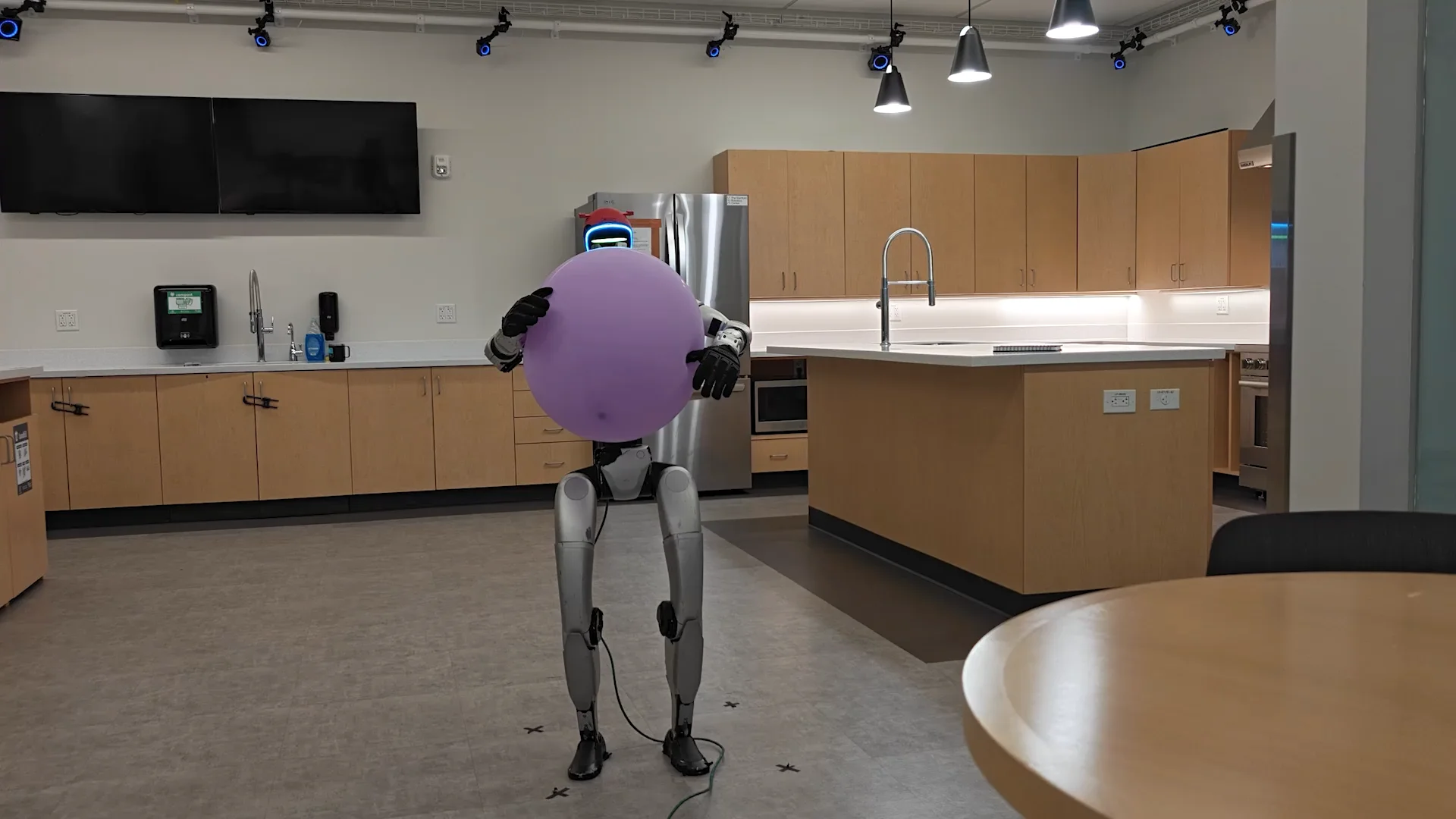
Stanford’s ‘GentleHumanoid’ Teaches Robots to Hug, Shake Hands, and Handle Balloons
Researchers at Stanford University have developed a groundbreaking reinforcement learning framework that enhances the upper-body compliance of humanoid robots. This innovative approach builds on the recent advancements made by MIT's SoftMimic project. The new technology allows robots to perform delicate tasks such as safely hugging, providing support, and handling fragile objects. The research aims to improve human-robot interaction and expand the practical applications of robotics in everyday life. By enabling robots to exhibit more human-like movements and responses, this development could significantly enhance their functionality in various settings, from caregiving to manufacturing. The findings underscore the potential for robots to integrate more seamlessly into human environments, promoting safety and efficiency in their interactions.
G1 Unitree Robotics Stanford
Robot Talk Episode 161 – Collaborative haptic systems, with Allison Okamura
Claire recently engaged in a conversation with Allison Okamura, a prominent figure in the field of engineering at Stanford University, where she holds the position of Richard W. Weiland Professor. The discussion centered on the development of advanced robotic systems designed for haptic interaction, which allows users to experience touch sensations through technology. Okamura's research encompasses a wide range of interests, including haptics, teleoperation, virtual reality, medical robotics, soft robotics, rehabilitation, and education. As the Director of Graduate Studies for Mechanical Engineering at Stanford, she is at the forefront of integrating these innovative technologies into various applications, aiming to enhance user experience and interaction in both medical and educational settings. The dialogue highlights the significance of haptic technology in creating more immersive and effective robotic systems, reflecting ongoing advancements in the field.

NVIDIA Launches Open Humanoid Robot Reference Platform for Academic Research
NVIDIA has introduced the Isaac GR00T humanoid robot reference design, a sophisticated platform aimed at enhancing research in humanoid robotics. This innovative design combines cutting-edge hardware and software, facilitating a more efficient development process for academic institutions such as Stanford University and ETH Zurich. By concentrating on physical AI, the Isaac GR00T provides a holistic solution for data collection, simulation, and deployment, thereby supporting the advancement of robotics research. The unveiling of this platform marks a significant step in the evolution of humanoid robotics, offering researchers the tools necessary to push the boundaries of technology in this field.
Humanoid Robots AI Robotics Research Robot Development
Two from MIT named 2026 Knight-Hennessy Scholars
A prestigious fellowship has been established to support graduate studies at Stanford University, aiming to provide financial assistance to talented students pursuing advanced degrees. This initiative, announced recently, seeks to enhance educational opportunities for individuals from diverse backgrounds. By alleviating the financial burden associated with graduate education, the fellowship encourages a broader range of applicants to consider Stanford as their academic destination. The program is designed to foster innovation and research by attracting top-tier candidates who can contribute significantly to their fields of study. As the fellowship opens for applications in the upcoming academic year, it is expected to draw interest from prospective students worldwide, further solidifying Stanford's reputation as a leading institution for higher education.
Awards, honors and fellowships Students Graduate, postdoctoral Alumni/ae Economics Electrical engineering and computer science (EECS)
Better Hardware Could Turn Zeros into AI Heroes
Researchers at Stanford University have developed a groundbreaking hardware accelerator named Onyx, designed to enhance the efficiency of artificial intelligence (AI) computations by leveraging the concept of sparsity. This innovation comes in response to the growing energy demands and carbon footprint associated with increasingly large language models (LLMs), such as Meta's recent Llama release, which boasts 2 trillion parameters. Onyx aims to address the limitations of current hardware, which often fails to fully utilize the sparse nature of AI models, where many parameters are effectively zero. By re-engineering the architecture to support both sparse and dense computations, Onyx achieves significant energy savings—consuming up to one-seventieth the energy of traditional CPUs and performing computations eight times faster on average. The development of Onyx reflects a broader trend in AI research, where experts are exploring new algorithms and hardware solutions to mitigate the environmental impact of AI technologies. The team at Stanford plans to expand Onyx's capabilities to support a wider range of AI operations, potentially revolutionizing the field and paving the way for more sustainable AI practices. As the demand for efficient AI solutions grows, Onyx represents a promising step toward balancing performance and energy consumption in machine learning.
Ai-models Gpus Energy-efficiency Data-compression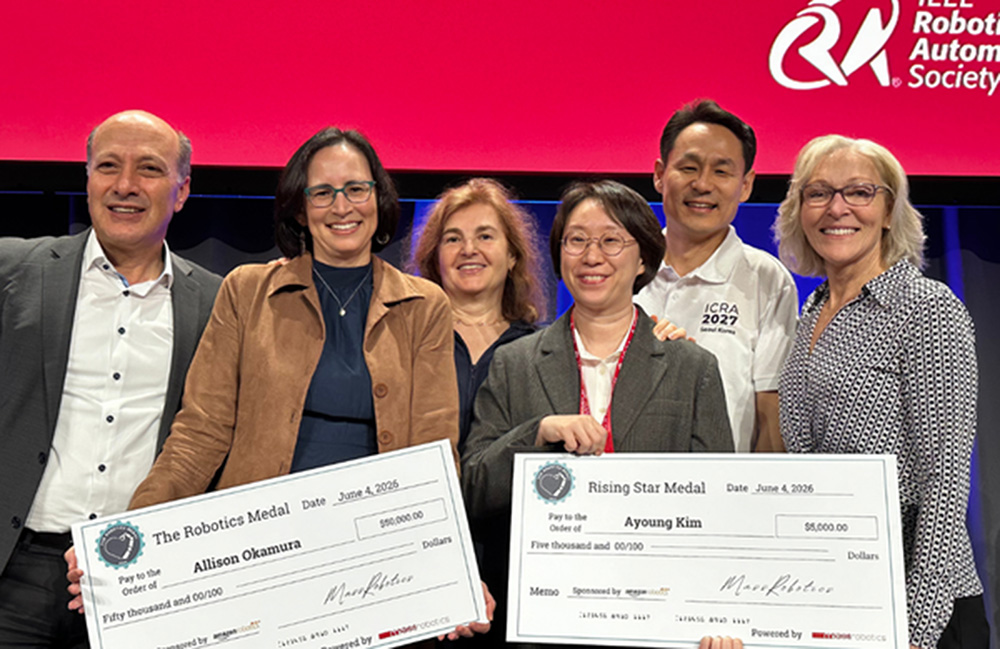
MassRobotics announces the winners of 2026 Robotics Medal and Rising Star awards
Allison Okamura and Ayoung Kim have been recognized with prestigious awards from MassRobotics, receiving the 2026 Robotics Medal and the Rising Star Medal, respectively. These accolades celebrate the achievements of women in the field of robotics, highlighting their significant contributions and inspiring future generations. The announcement was made recently, underscoring the growing recognition of female innovators in a traditionally male-dominated industry. The awards aim to promote diversity and encourage more women to pursue careers in robotics, reflecting a broader commitment to inclusivity within the technology sector.
Academia / Research Artificial Intelligence Artificial Intelligence / Cognition Design / Development Events Healthcare RoboticsRobotics needs a service framework.
RSF defines a common language for robot service capability, lifecycle operations, certification pathways, and service-provider networks.