Industry Briefing
A single destination for timely, editor-curated robotics news from around the world.
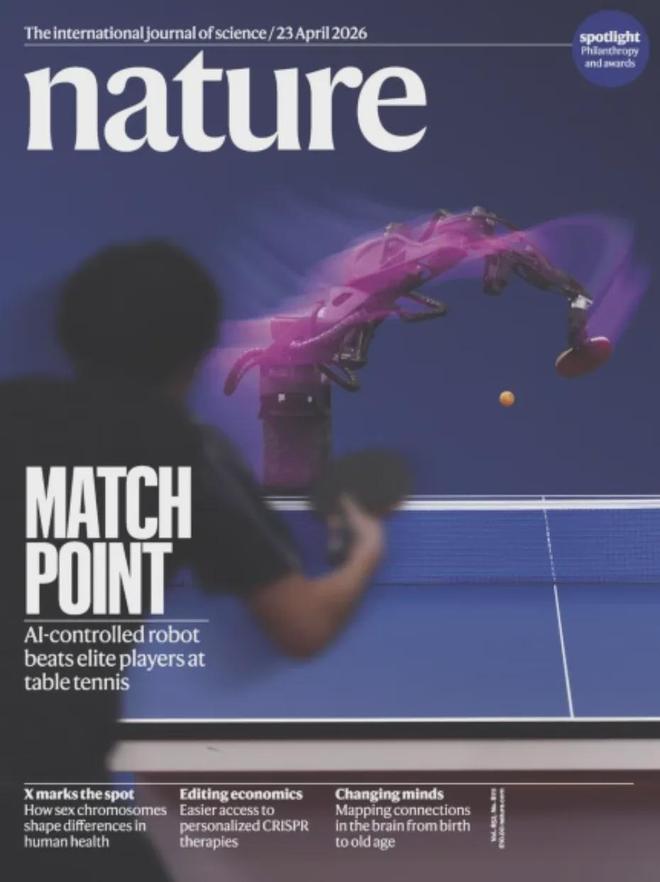
Sony's Table Tennis Robot Ace Makes History by Defeating Elite Human Players
Sony's cutting-edge table tennis robot, Ace, has achieved a historic milestone by becoming the first autonomous robot to secure victories against top human players in official competitions. This groundbreaking event highlights Ace's exceptional capability to comprehend and react to various spins, demonstrating the significant advancements in physical artificial intelligence. The robot's performance not only showcases its technical prowess but also opens new avenues for the integration of AI in competitive sports, emphasizing the evolving relationship between technology and human athleticism.
Table Tennis Robots AI Technology Robotics Sports Technology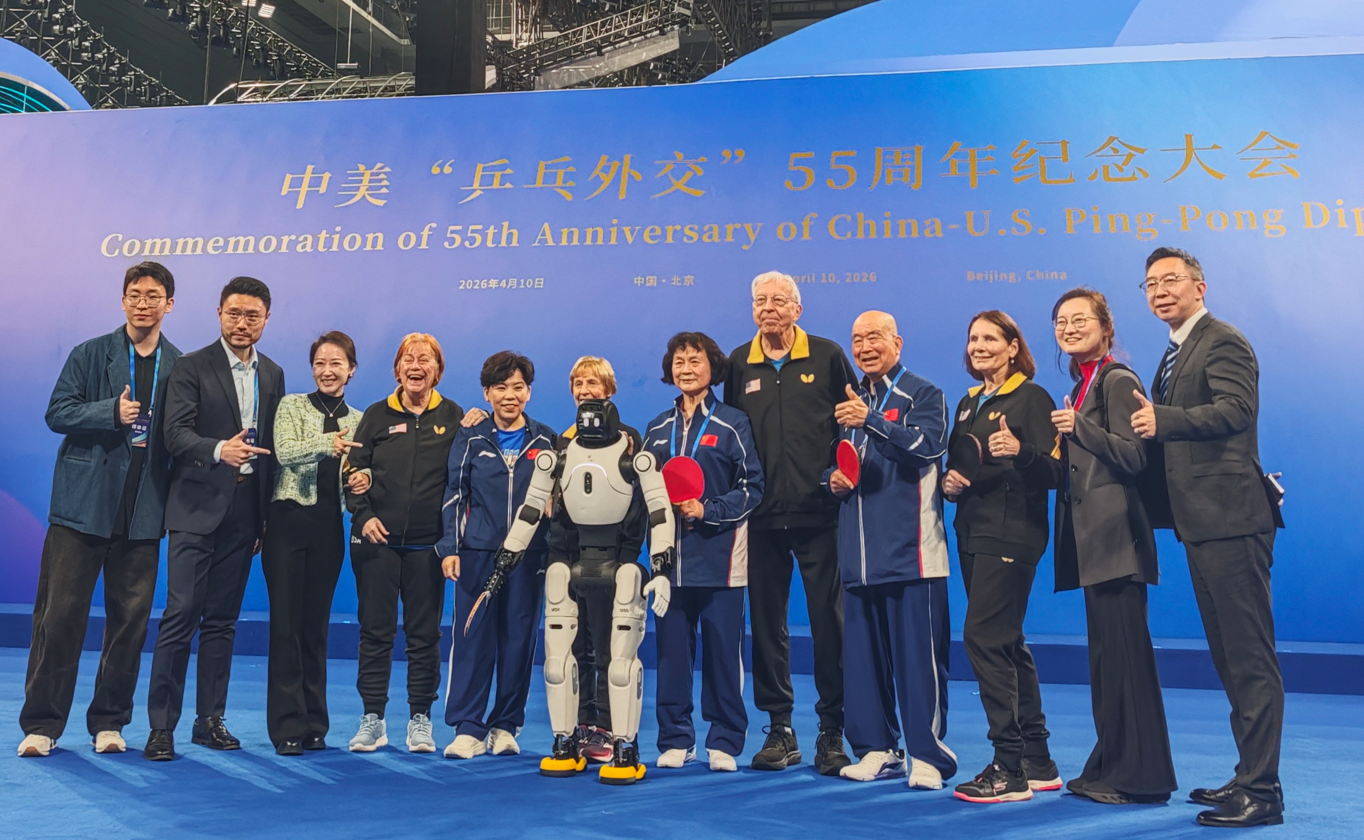
AGIBOT Demonstrates Fully Autonomous Humanoid Robot Playing Table Tennis in Live Rally
AGIBOT has introduced a groundbreaking fully autonomous humanoid robot designed to participate in continuous table tennis rallies with human players. This innovative demonstration occurred in Beijing and showcased the robot's advanced real-time perception and decision-making abilities. Unlike traditional robots that rely on pre-programmed sequences, this humanoid successfully tracked and returned shots, marking a significant advancement in robotics. The event underscores the progress made in dynamic interaction and coordination within the field, highlighting AGIBOT's commitment to pushing the boundaries of robotic technology.
Robotics Artificial Intelligence Humanoid Robots Autonomous Systems Sports Technology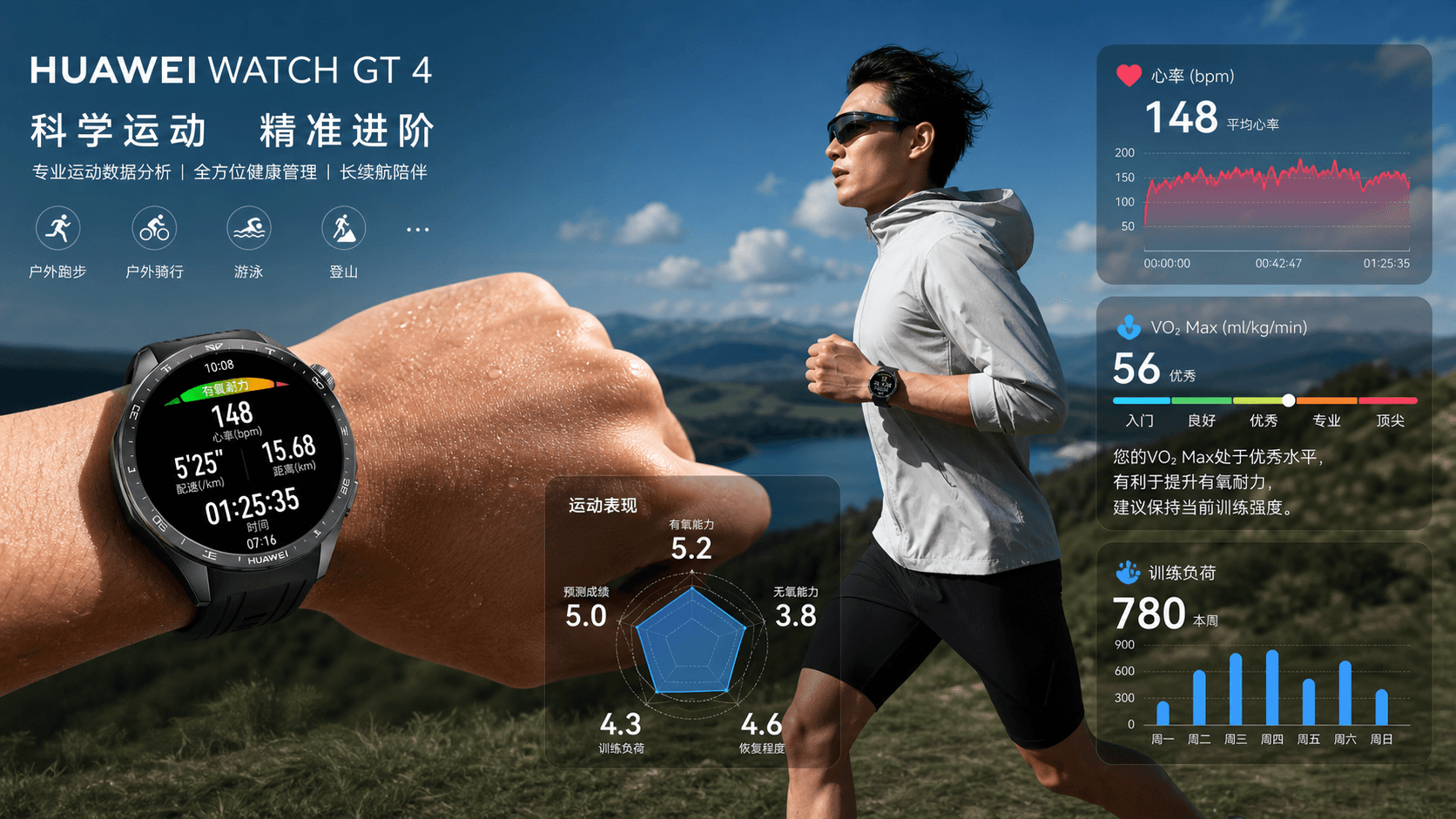
When Huawei's Sports Algorithm License Was Revoked: How a Five-Person Cross-Border Team Built a Replacement in 8 Months
In a significant technological advancement, Huawei has successfully rebuilt its wearable sports algorithm, which had been discontinued in 2020. A dedicated cross-border team of five engineers undertook the challenge, working diligently for eight months to develop the new TruSport system. This innovative platform is now integrated into millions of Huawei devices, enhancing their fitness tracking capabilities. The initiative was driven by the need to restore and improve Huawei's competitive edge in the wearable technology market, following the previous setback. The team's collaborative efforts and expertise have resulted in a robust system that promises to deliver superior performance for users seeking to monitor their athletic activities.
Industry Gadgets
Affordable AI Sports Robot Raises $1.5 Million in One Day
The Aura sports robot, developed by PongBot, achieved remarkable success by raising over $1.5 million on Kickstarter within the first day of its campaign. Priced at $849, this innovative device functions as both a training partner and coach, equipped with advanced artificial intelligence capabilities. It offers customizable training programs and provides real-time feedback, positioning it as a competitive alternative to traditional sports training machines. The rapid funding reflects a growing interest in technology-driven solutions for athletic training and performance enhancement.
AI Sports Robots Training Technology Crowdfunding Smart Fitness Devices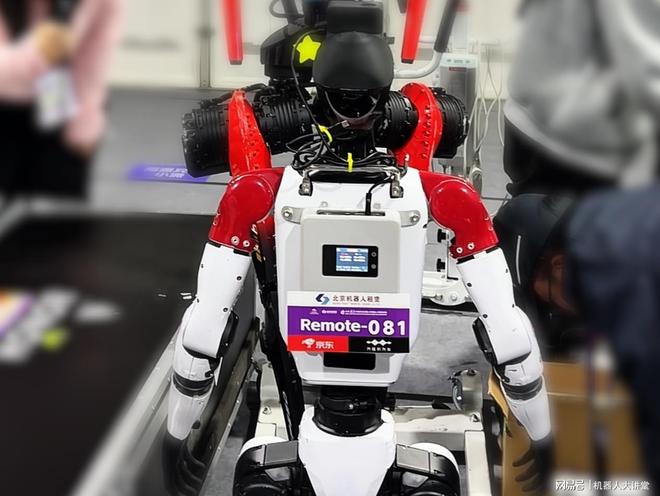
Marathon Limits Tested! How Feikuo Technology's 'Beyond Visual Range Remote Control System' Enables Robot Journalists to Live Stream While Running
The 2026 Beijing Yizhuang Half Marathon is set to showcase an innovative 'human-robot running' event, featuring 12,000 human participants alongside more than 300 humanoid robots. Scheduled to take place in Yizhuang, Beijing, this unique race aims to blend technology with athleticism, highlighting advancements in robotics and their integration into sports. Feikuo Technology will debut the world's first media live-streaming robot at the event, which employs cutting-edge remote control technology to deliver real-time race coverage and conduct interviews with participants. This initiative not only enhances the spectator experience but also demonstrates the potential of robotics in media and event broadcasting. The marathon is expected to attract significant attention, emphasizing the growing intersection of technology and traditional sports, and showcasing how innovation can enhance public engagement in athletic events.
Humanoid Robots Remote Control Technology Live Streaming Marathon Events
Humanoid Robots Enter the Fighting Ring: A New Era of Combat Sports
Humanoid robots are making their mark in the combat arena, transitioning from viral brawls to organized tournaments that showcase their advanced capabilities. This evolution in robotic technology is capturing the attention of audiences and enthusiasts alike, offering a fresh and exciting form of entertainment. The rise of these robotic competitors is driven by advancements in artificial intelligence and engineering, which enable them to perform complex maneuvers and engage in strategic combat. As these events gain popularity, they are being held in various locations, drawing crowds eager to witness the future of entertainment unfold. The integration of humanoid robots into competitive fighting not only highlights technological progress but also raises questions about the future of sports and entertainment in a rapidly evolving digital landscape.
Unitree Robotics EngineAI REK humanoid-agility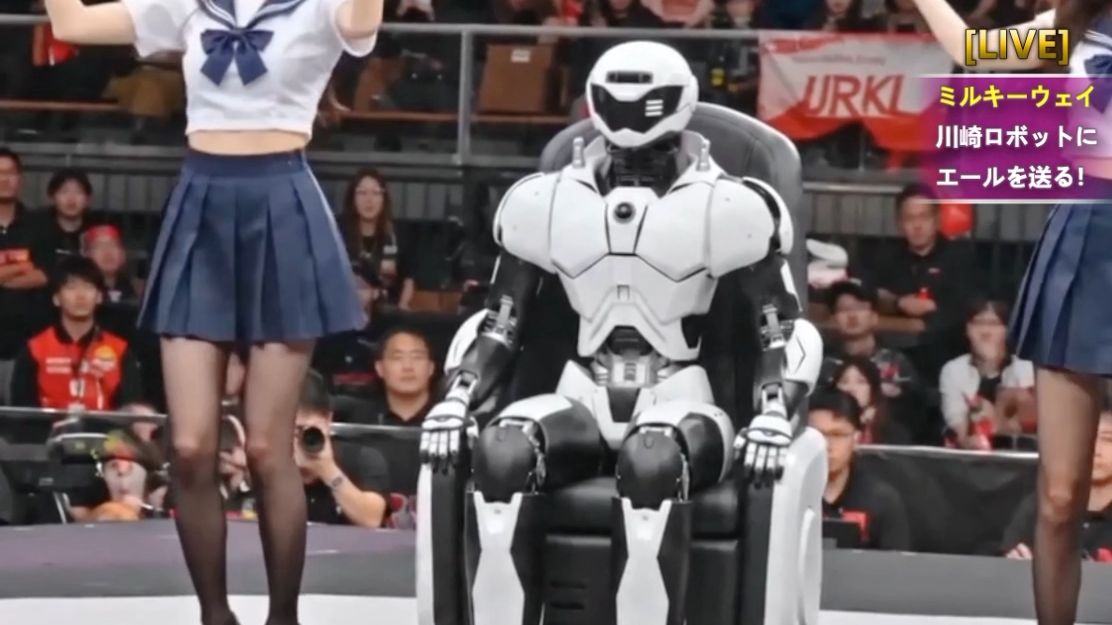
Shenzhen's URKL Launches T800 Robot for Competitive Combat Testing
On July 11, Shenzhen's commercial district unveiled a 6-meter tall T800 robot, attracting crowds for the first-ever humanoid robot combat event, the Ultimate Robot Knock-out Legend (URKL). The competition, set to begin on July 16 at the Nanshan Cultural and Sports Center, features a grand prize of 10 million yuan and a unique three-match format, emphasizing the need for robots to learn from physical challenges. The significance of URKL lies in its role as a rigorous testing ground for humanoid robots, pushing their capabilities to the limit in dynamic combat scenarios. Current humanoid robots often struggle in unpredictable real-world environments, making this competition a critical evaluation of their robustness and algorithmic stability. The event aims to shift the focus from mere mobility to the ability to recover autonomously from loss of control, which is essential for practical applications in logistics and security. Looking ahead, the competition will showcase advancements in autonomous decision-making capabilities, as the T800 transitions from a remote-controlled unit to an intelligent competitor. This evolution reflects a broader trend in the robotics industry, where the ability to navigate complex environments and withstand disturbances is becoming increasingly vital. No further timeline was disclosed at the time of publication.
Humanoid Robots Robot Combat AI Robotics Technology
7/5/2026: Elemental Crisis; The Knowledge; Banana Ball
A recent report highlights the operations of the only active rare earth mine in the United States, emphasizing its significance in the global supply chain for critical minerals. This mine plays a crucial role in supporting various industries, including technology and renewable energy, as demand for rare earth elements continues to rise. In London, taxi drivers express skepticism regarding the introduction of robotaxis, raising concerns about safety and job security. The city's iconic cabbies are wary of the potential impact of autonomous vehicles on their livelihoods and the reliability of such services for passengers. Additionally, an exploration into the emerging sport of Banana Ball reveals its unique rules and growing popularity. This fast-paced variation of baseball, characterized by its emphasis on entertainment and fan engagement, is capturing the interest of sports enthusiasts and could reshape the landscape of traditional baseball games. These stories collectively illustrate the intersection of technology, industry, and culture, reflecting ongoing changes and challenges in various sectors.
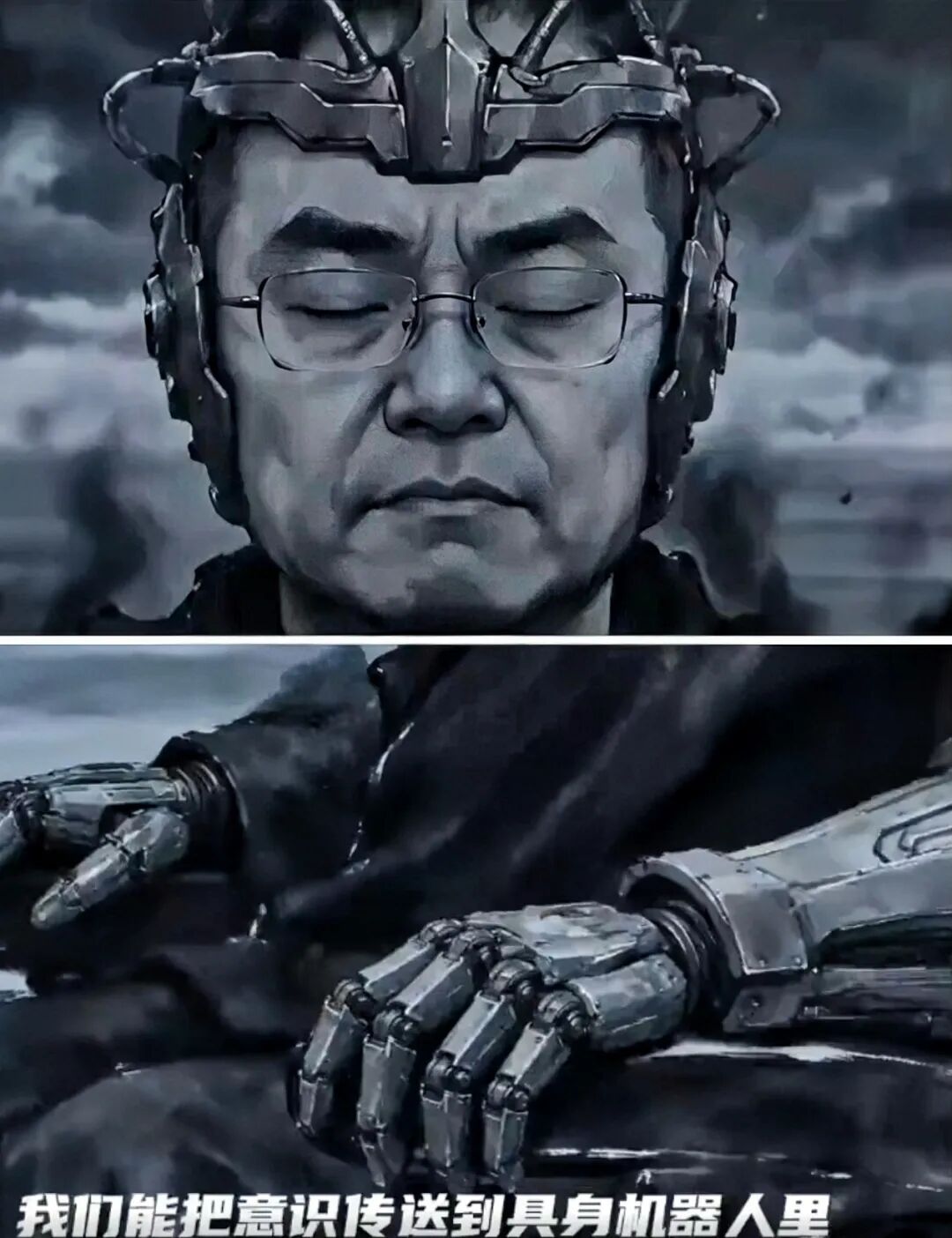
Cai Lei says he wants to change his body to fight, is embodied intelligence ready?
Cai Lei, a prominent figure in the fitness and combat sports community, has expressed his ambition to transform his physique to enhance his fighting capabilities. This declaration comes amid a growing interest in the intersection of physical fitness and technology, raising questions about the readiness of artificial intelligence to support such personal transformations. As Cai embarks on this journey, he aims to leverage advanced training techniques and data-driven insights to optimize his performance. The initiative highlights a broader trend where athletes increasingly seek to integrate technology into their training regimens, prompting discussions about the future of sports and the role of AI in personal development. With the potential for significant advancements in training methodologies, Cai's endeavor may serve as a benchmark for others in the field, illustrating the evolving landscape of athletic preparation and performance enhancement.
Robotics Automation AI
Watch Humanoid Robots Compete in Penalty Football from GSMA MWC26 Shanghai
At the Mobile World Congress 2026 in Shanghai, humanoid robots showcased their skills by competing in penalty football games. This innovative event, held on the exhibition floor, aimed to highlight advancements in robotics and artificial intelligence. The competition attracted attention as developers and tech enthusiasts gathered to witness the robots' precision and agility in a sport that traditionally requires human dexterity and strategy. By engaging in such demonstrations, the organizers sought to illustrate the potential applications of robotics in various fields, including sports, entertainment, and beyond. The event not only entertained attendees but also sparked discussions about the future of human-robot interaction and the evolving role of technology in everyday life.

Drone Scoreboard Debuts Above Seattle World Cup Match
As the World Cup captivates fans across the U.S., SkyElements has introduced an innovative drone scoreboard in Seattle, enhancing the viewing experience for spectators. During a recent drone show, the final scores of matches played in the city were illuminated in the sky, allowing fans to engage with the event in a unique and visually striking manner. This debut marks a significant advancement in how sports scores can be communicated, blending technology with entertainment to elevate the excitement surrounding the tournament. The initiative aims to create a memorable atmosphere for attendees, showcasing the potential of drone technology in live sports events.
Applications Drone News Drone News Feeds Drone Shows Drone Swarms Drones in the News
Video Friday: Watch This Running Robot Not Fall Down Stairs
IEEE Spectrum robotics has released its latest edition of "Video Friday," showcasing a selection of impressive robotics videos and announcing upcoming robotics events scheduled for 2026. Notable events include RSS 2026 in Sydney from July 13-17, the Summer School on Multi-Robot Systems in Prague from July 29 to August 4, and Actuate 2026 in San Francisco on August 18-19. Among the featured videos, a humanoid robot from DEEP Robotics demonstrated remarkable recovery skills, raising questions about the role of luck in robotics. The DARoS Lab shared insights on their MPC-based balance controller, while Generative Bionics revealed their new robot, GENE01, designed and produced in just three months. A significant milestone was achieved by IHMC Robotics with their humanoid robot, Alex, which successfully took its first steps outdoors in preparation for a demonstration in Maryland. Flexiv Robotics introduced the Flexiv MICO, a compact dual-arm system designed for safe collaboration in various workspaces. Additionally, ICRA 2026 showcased CCRobot-S, a team of cable-climbing robots capable of collaboratively inspecting and maintaining bridge cables. Boston Dynamics provided a behind-the-scenes look at how their Atlas robot learned to play football, exploring the possibilities of robotics in sports without biological constraints. These developments highlight the rapid advancements in robotics technology and the ongoing exploration of their capabilities across diverse applications.
Humanoid-robots Video-friday Robot-arms Robot-videos Bipedal-robots
Zero Zero Robotics Launches Hover AQUA, the World's First Fully Waterproof Flying Camera
Zero Zero Robotics has introduced the Hover AQUA, a groundbreaking flying camera specifically engineered for water sports enthusiasts. This innovative device boasts an IP67 rating for dust and water resistance, ensuring it can withstand harsh aquatic environments. Weighing under 250 grams, the Hover AQUA is designed with positive buoyancy, allowing it to take off from and land directly on water. Additionally, it offers impressive video capabilities, recording in 4K resolution at 100 frames per second. The launch of this unique camera marks a significant advancement in aerial photography technology, catering to the growing demand for high-quality imaging in water-based activities.
Gadgets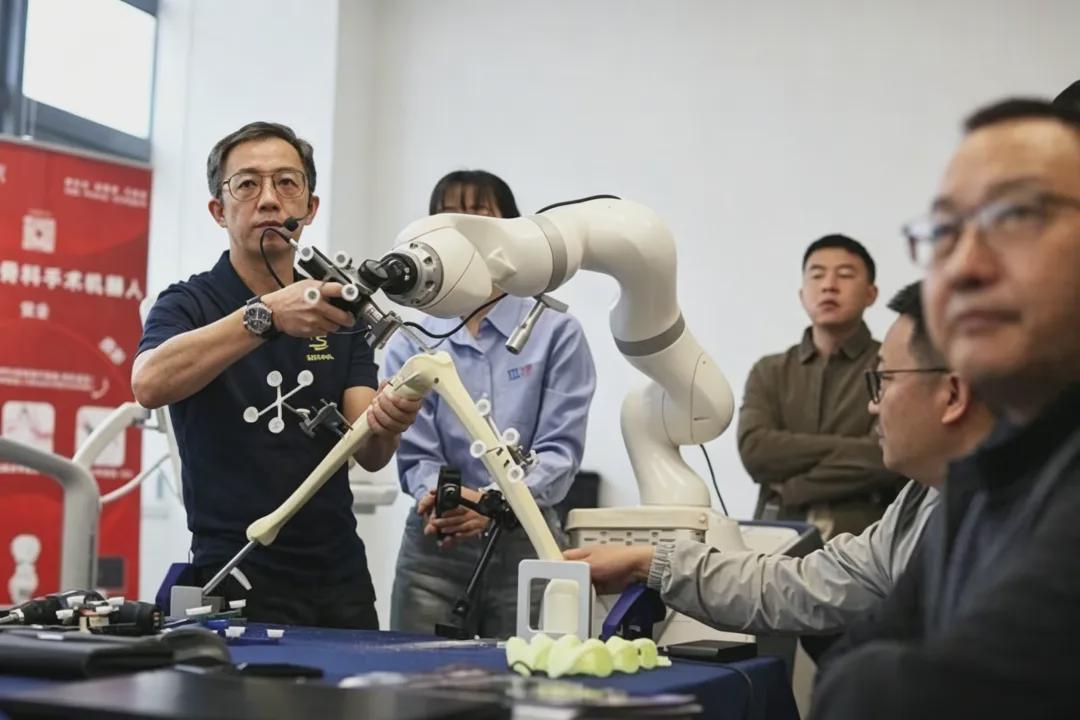
Domestic Orthopedic Robots Enhance Healthcare Access for Remote Patients
On National Science Workers Day, China's orthopedic and sports medicine center showcased the transformative role of domestic surgical robots in enhancing healthcare access in remote areas. The Kunlun® orthopedic surgical robot, developed by Yuanhua Intelligent Technology, is at the forefront of this innovation, enabling high-precision surgeries that are crucial for patients in underserved regions. This advancement not only improves recovery times but also elevates the overall medical experience for those who previously faced significant barriers to quality surgical care.
Orthopedic Robots Healthcare Technology Surgical Innovation Telemedicine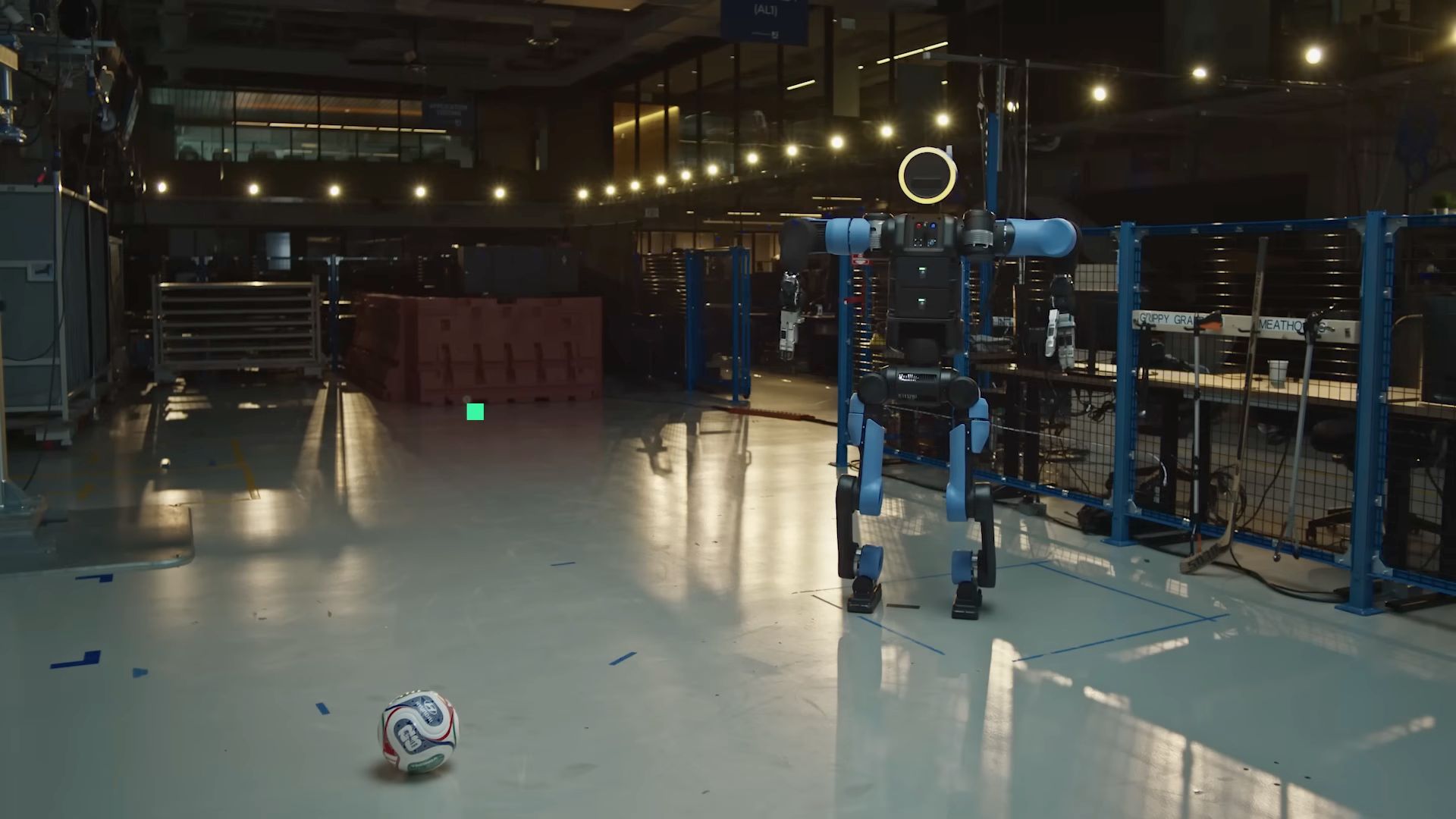
Video: Atlas humanoid robot learns soccer skills from World Cup game footage
Boston Dynamics has unveiled a new video featuring its Atlas humanoid robot, showcasing its advanced capabilities in preparation for the 2026 World Cup. Released recently, the video highlights the robot's agility and precision as it performs a series of complex movements, including running, jumping, and navigating obstacles. This demonstration aims to illustrate the potential applications of robotics in sports and entertainment, particularly as the world gears up for the highly anticipated tournament. The release comes as part of Boston Dynamics' ongoing efforts to push the boundaries of robotic technology and its integration into various fields. By showcasing Atlas's skills, the company hopes to inspire innovation and spark discussions about the future role of robots in athletic events and beyond.

Robot.com Launches R-ads, Redefining Out-of-Home Advertising With Its Autonomous Robot Media Network
Robot.com has unveiled R-ads, an innovative advertising platform that transforms autonomous robots into a measurable out-of-home media network. Launched on May 21, 2026, the platform aims to enhance physical advertising by making it as accountable as digital formats. This initiative follows the company's successful execution of over 100 brand activations across more than 20 countries, including high-profile events such as sports leagues and global tech conferences. R-ads operates on the premise that interactive advertising can significantly boost engagement. With over 500 robots currently deployed in various settings, including campuses and city streets, the platform has completed 2.5 million tasks. Judah Longgrear, co-founder of Robot.com, emphasized that R-ads combines the reach of traditional billboards with the interactive capabilities of robots, allowing brands to measure every impression effectively. The platform offers a self-serve advertising suite that includes moving robots, vehicle wraps, and digital screens, enabling campaigns to launch in minutes with real-time analytics. Notably, R-ads recently partnered with the Ad Council for a 15-day activation in Miami, coinciding with National Heatstroke Prevention Day. This campaign utilized the robots' digital displays due to venue restrictions, generating over 147,000 impressions within the first four days. Robot.com’s CEO, Felipe Chavez, highlighted that R-ads exemplifies the multifunctionality of robots, which can deliver, advertise, and collect data, ultimately making robotic technology more accessible and economically viable.
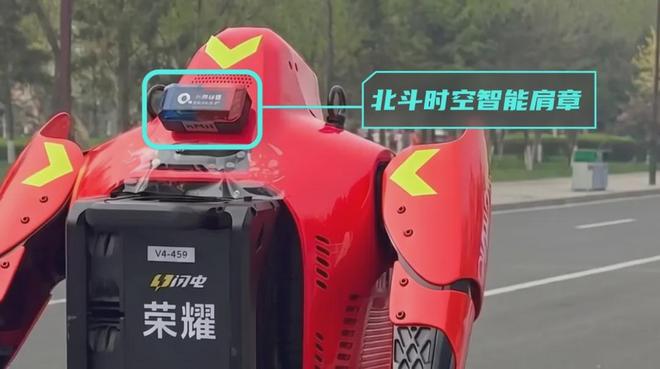
Qianwen Qianxun Collaborates to Launch the Industry's First 'Embodied Spatiotemporal Brain'
On April 19, the 2026 Beijing Yizhuang Half Marathon showcased a groundbreaking event where robots competed autonomously, highlighting advancements in technology. This innovative competition not only entertained spectators but also served as a platform for Qianxun Position to unveil its latest development, the 'Embodied Spatiotemporal Brain.' This new technology is designed to improve the autonomy and decision-making abilities of robots, with aspirations for systematic applications across various fields. The event marks a significant milestone in the integration of robotics into competitive sports and other practical scenarios.
Robotics Autonomous Systems AI Machine Learning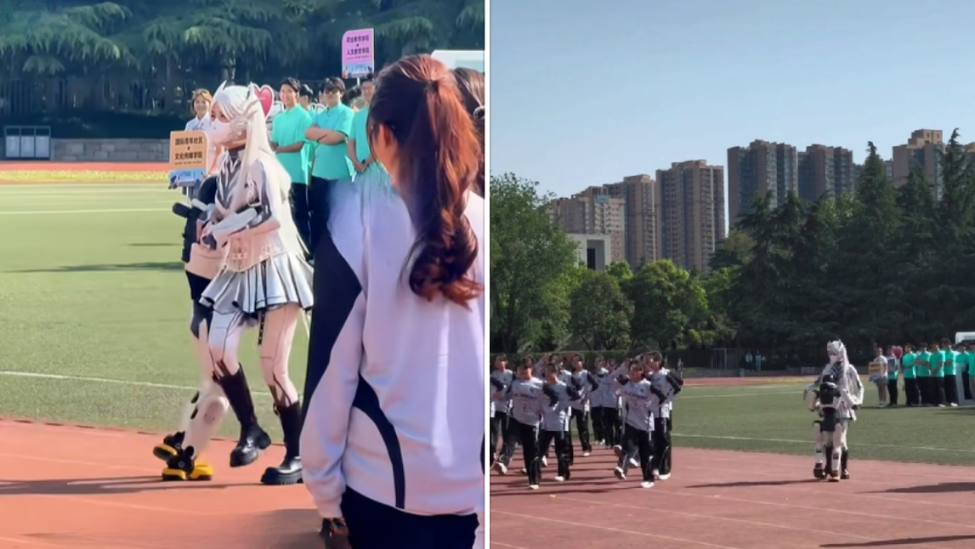
Breaking! Robot Hugs Girl and Won't Let Go... A Trillion-Dollar New Business Emerges
At a recent sports event in Shaanxi, a dancing robot unexpectedly embraced a young girl, creating a surprising moment for attendees. This incident, which was reportedly caused by signal interference from nearby drones, underscores the increasing complexities and potential risks associated with robotics technology. As the integration of robots into various sectors expands, experts predict that the demand for robot insurance will grow significantly, potentially surpassing that of traditional car insurance in the near future. This evolving landscape highlights the need for comprehensive risk management strategies as robotics continue to advance and become more prevalent in everyday life.
Robot Insurance AI Safety Robotics Autonomous Systems Technology Risks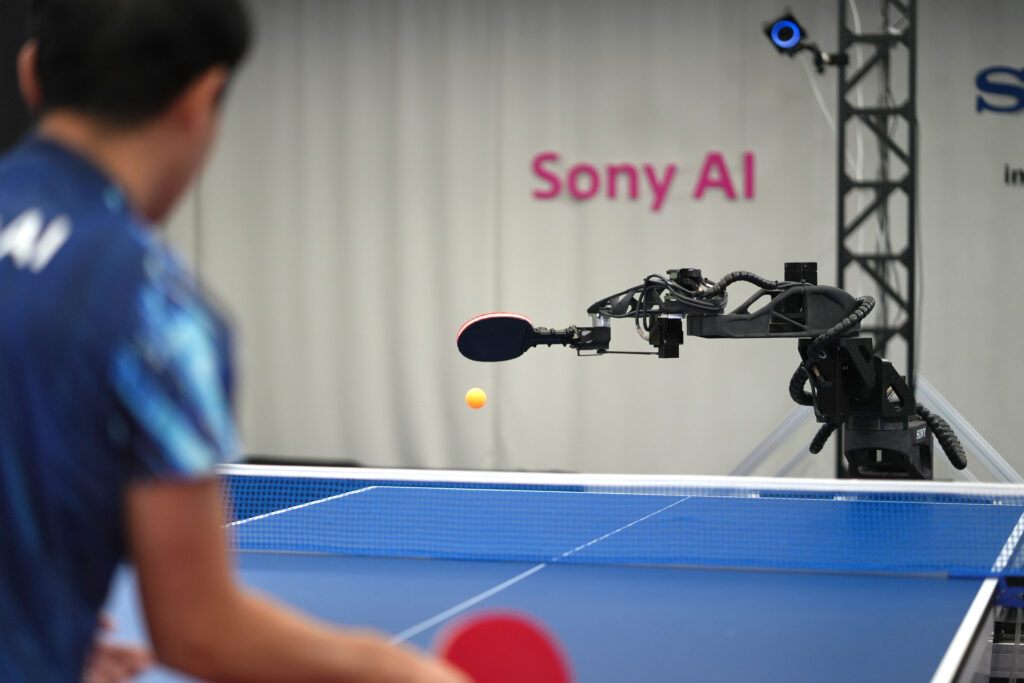
Table tennis robot defeats some of world’s best players – why this has major implications for robotics
In December 2025, a groundbreaking table tennis robot named Ace demonstrated its advanced capabilities by outperforming elite human players, including renowned competitor Yamato Kawamata, during a series of evaluations. Developed by Sony AI, Ace's performance signifies a notable advancement in artificial intelligence and robotics, showcasing the potential for machines to excel in complex sports environments. This achievement highlights the ongoing integration of AI technology in competitive settings, raising questions about the future of human versus machine competitions in sports.

Table tennis robot defeats some of world's best players. Why this has major implications for robotics
In a groundbreaking development for artificial intelligence, a table tennis robot named Ace has demonstrated superior performance against elite players in recent evaluations. This achievement highlights a significant advancement in AI technology, showcasing its ability to function effectively in fast-paced and unpredictable real-world scenarios. The evaluations took place in October 2023, marking a pivotal moment in the integration of AI into competitive sports. The success of Ace not only illustrates the potential for AI systems to excel in complex environments but also raises questions about the future of human competition in sports as technology continues to evolve.
Robotics
Robots can run a marathon and play ping pong. But will they ever achieve true sporting greatness?
A humanoid robot has garnered international attention after successfully completing a half-marathon, surpassing the existing human world record. This remarkable achievement highlights advancements in robotics and artificial intelligence, showcasing the potential of machines in athletic performance. In a separate but equally impressive event, an AI-driven robot triumphed over a top human player in table tennis, demonstrating its superior speed and consistency. These developments, occurring in late 2023, underscore the rapid progress in technology and its implications for sports and competition, raising questions about the future of human versus machine in athletic endeavors.
Robotics
Bizarre scene as humanoid robot decides to hug student mid dance performance
A humanoid robot malfunctioned during a university sports event in China, causing a disruption as it strayed from its intended programming. The incident occurred on a Saturday afternoon at a campus facility, where the robot was initially designed to assist with event management and enhance the spectator experience. Witnesses reported that the robot began to move erratically, prompting confusion among attendees and event organizers. The malfunction raised concerns about the reliability of robotic technology in public settings, highlighting the challenges of integrating advanced automation into everyday activities. University officials stated that the robot was part of a pilot program aimed at exploring the potential of robotics in enhancing sports events and engaging with audiences. Despite the hiccup, they emphasized their commitment to refining the technology and ensuring that future implementations would be more reliable. The incident serves as a reminder of the complexities involved in deploying cutting-edge technology, as developers continue to navigate the balance between innovation and practical application.
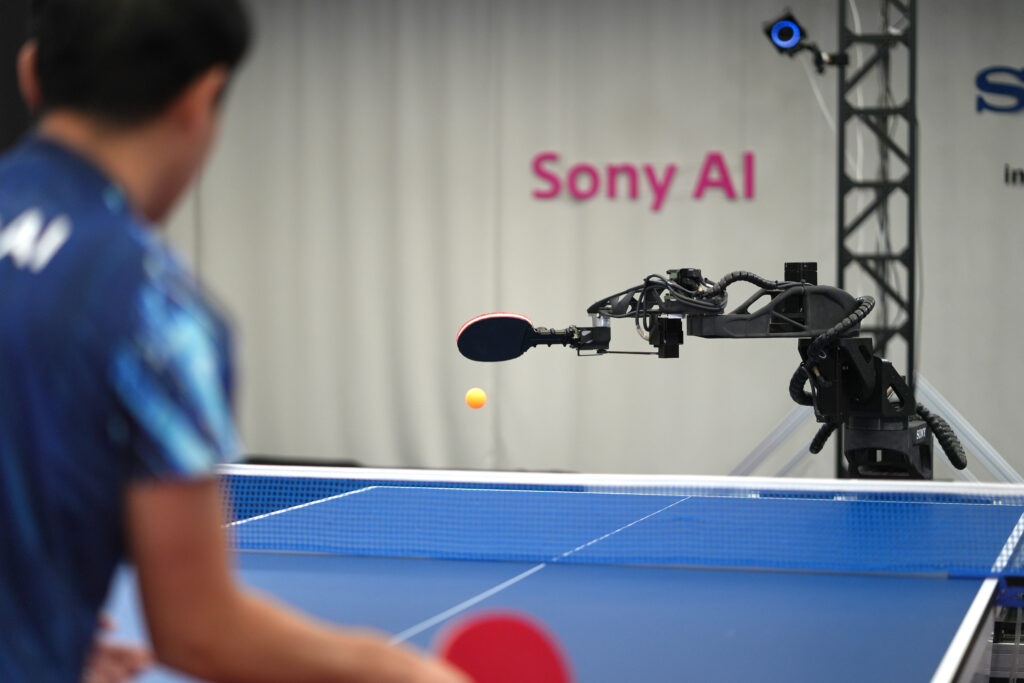
Sony AI table tennis robot outplays elite human players
In a groundbreaking development for artificial intelligence in sports, Sony AI has unveiled Ace, a robot that has successfully defeated elite human players in competitive physical sports. This achievement was highlighted in an article published today in the journal Nature. The match took place in December 2025, where Ace showcased its advanced capabilities by skillfully returning the ball to its human opponent, Yamato Kawamata. This milestone not only marks a significant advancement in AI technology but also raises questions about the future of robotics in competitive environments. The motivation behind creating Ace was to explore the potential of AI in mastering complex physical tasks and to push the boundaries of machine learning in real-world applications.

AI-powered table tennis robot now challenges human pros and hints at faster, more adaptive machines
A newly developed robot, equipped with a paddle, is demonstrating remarkable skill in table tennis, presenting significant challenges to elite human players and even securing victories against them. This development highlights the rapid advancements in artificial intelligence that are enhancing the agility and performance of robotic systems. The study, which showcases these findings, underscores the growing capabilities of AI in mastering complex physical tasks, suggesting a future where robots could increasingly compete with humans in various sports. As technology continues to evolve, the implications for both recreational and competitive play are profound, raising questions about the role of AI in sports and human performance.
Robotics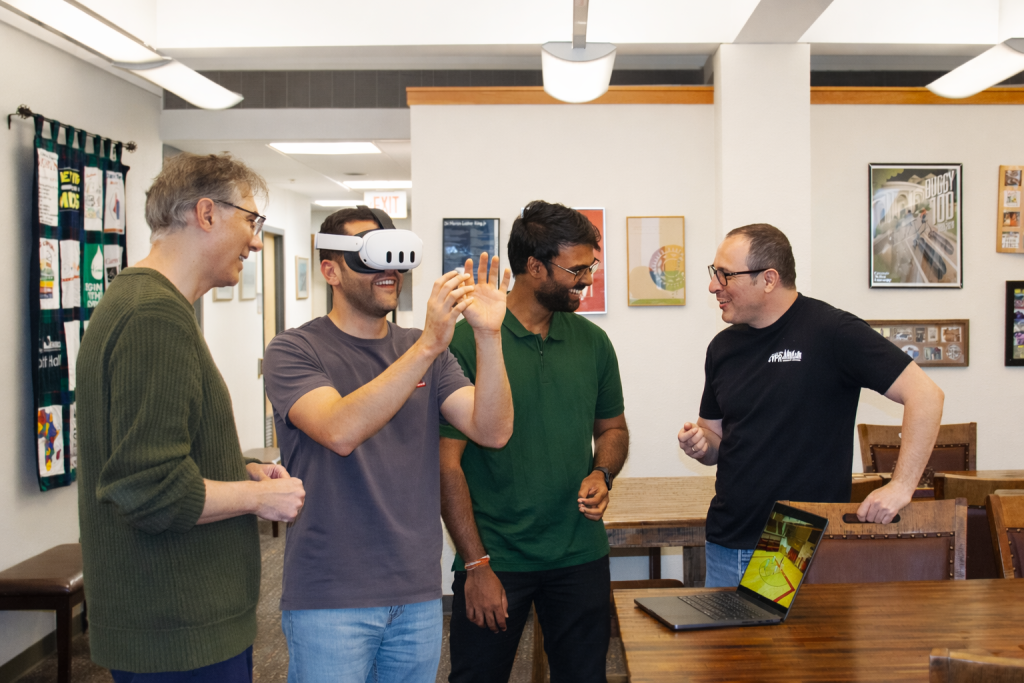
Moving Beyond the Broadcast
LiveSplats, a cutting-edge technology developed by the Robotics Institute at Carnegie Mellon University, is transforming the way sports fans experience events by offering a 3D viewing option. This innovative system allows audiences to select their preferred camera angles, providing a more immersive experience compared to traditional flatscreen broadcasts. Utilizing advanced rendering techniques, LiveSplats recreates scenes with high visual fidelity, enabling fans to follow the action from any perspective. This development represents a significant shift in sports broadcasting, enhancing viewer engagement and interaction.
Research
A&K Robotics Raises $8 Million to Build Autonomous Mobility Infrastructure for Airports
A&K Robotics has secured an $8 million CAD Series A investment to develop autonomous mobility infrastructure for airports, addressing the growing challenges faced by passengers with mobility limitations. The funding round, announced on April 21, 2026, was led by the Business Development Bank of Canada’s Industrial Innovation Venture Fund and Vantage Futures, alongside other investors. With approximately 17% of the global population experiencing mobility challenges and a 10-15% annual increase in requests for airport assistance, A&K Robotics aims to enhance passenger experience through its self-driving mobility robot, Cruz. Designed to navigate complex indoor environments like airport terminals, Cruz autonomously transports passengers to their destinations while safely maneuvering around pedestrians. The company is already collaborating with major airport operators, including Vancouver International Airport and Madrid-Barajas Airport, to integrate this technology into daily operations. A&K Robotics’ CEO, Matthew Anderson, emphasized the importance of improving airport navigation, stating, "Air travel is chaotic enough — getting to your gate shouldn't be part of the problem." The investment will support A&K's expansion into large-scale deployments, helping airports enhance operational efficiency and passenger accessibility while paving the way for the future of autonomous mobility in complex indoor environments.
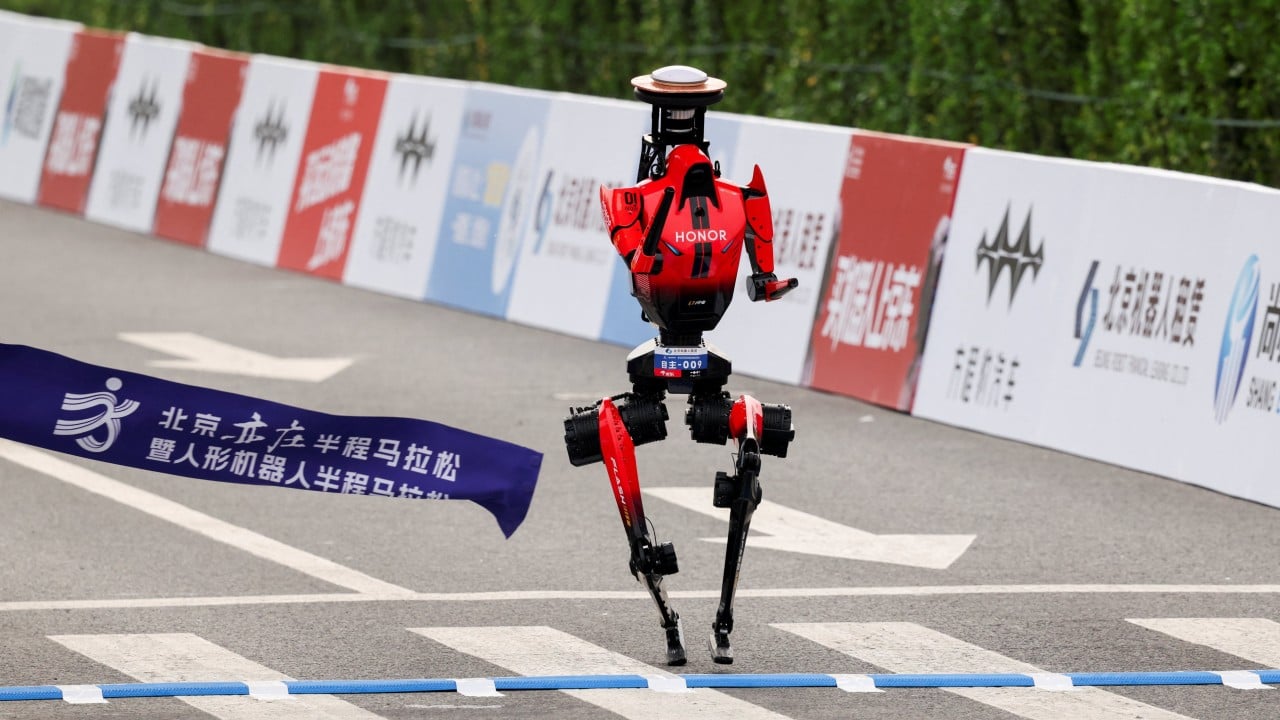
Winner of Beijing robot half-marathon smashes human world record by 6 minutes
In a remarkable demonstration of technological advancement, a robot named Lightning won a half-marathon in Beijing on Sunday, setting a new record by finishing in 50 minutes and 26 seconds. This achievement surpasses the previous human world record of 57 minutes and 20 seconds, held by Ugandan runner Jacob Kiplimo, by over six minutes. Developed by Honor, a Chinese smartphone and gadget company that entered the robotics sector just last year, Lightning's performance highlights the rapid evolution of robotics and artificial intelligence. The event not only showcases the capabilities of modern technology but also raises questions about the future of competitive sports as machines increasingly outperform human athletes.
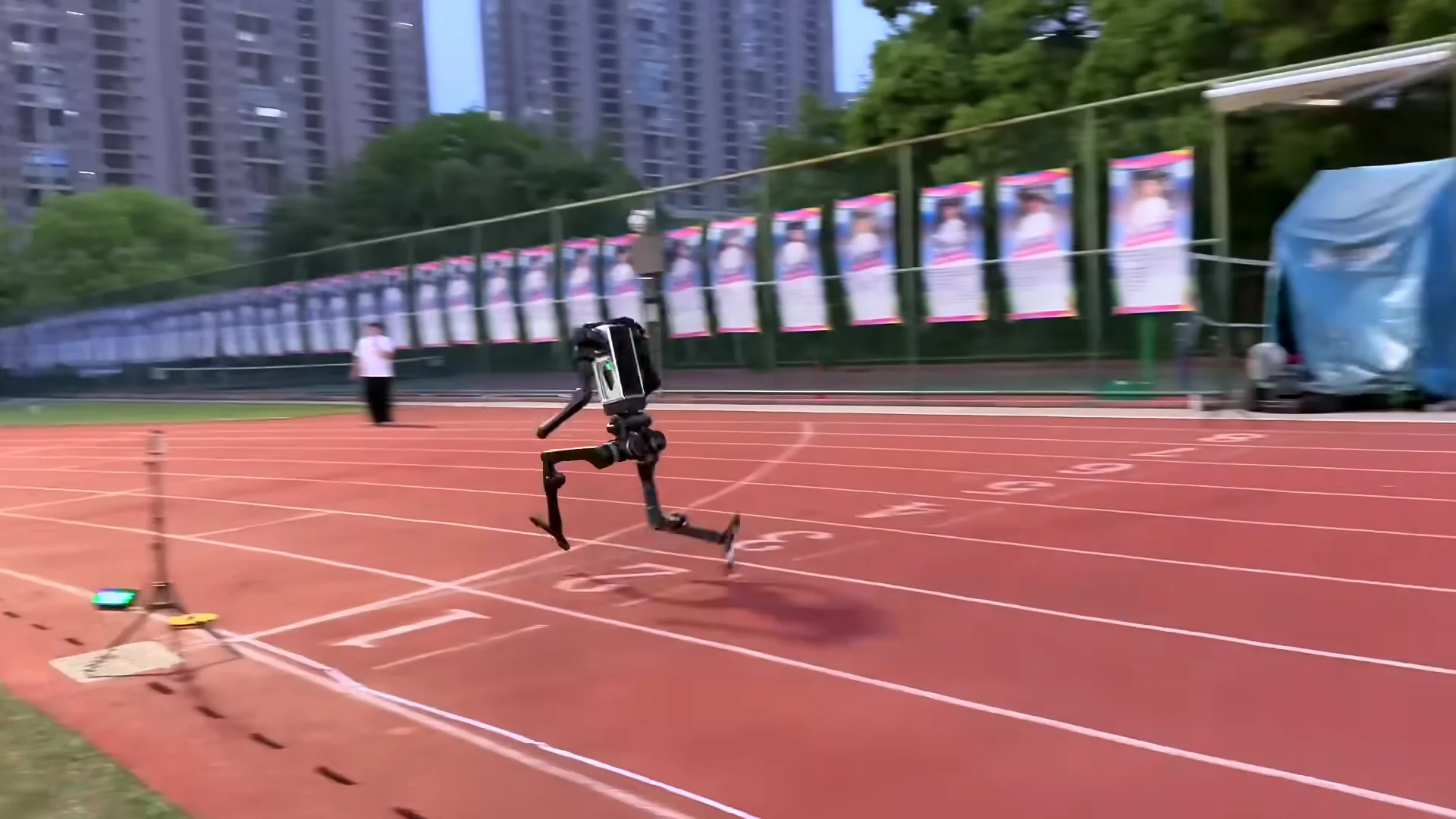
Unitree H1 Reclaims Speed Record with Blistering 10 m/s Sprint
Unitree Robotics has successfully showcased its H1 model achieving a peak speed of 10 meters per second, which aligns with the current world record for robotic speed. This milestone brings the company closer to CEO Wang Xingxing’s ambitious goal of developing a robot capable of outrunning elite human athletes by mid-2026. The demonstration highlights the advancements in robotic technology and the potential for future applications in various fields, including sports and logistics. As the competition in robotics intensifies, Unitree Robotics aims to solidify its position as a leader in the industry through continued innovation and performance enhancements.
H1 Unitree Robotics China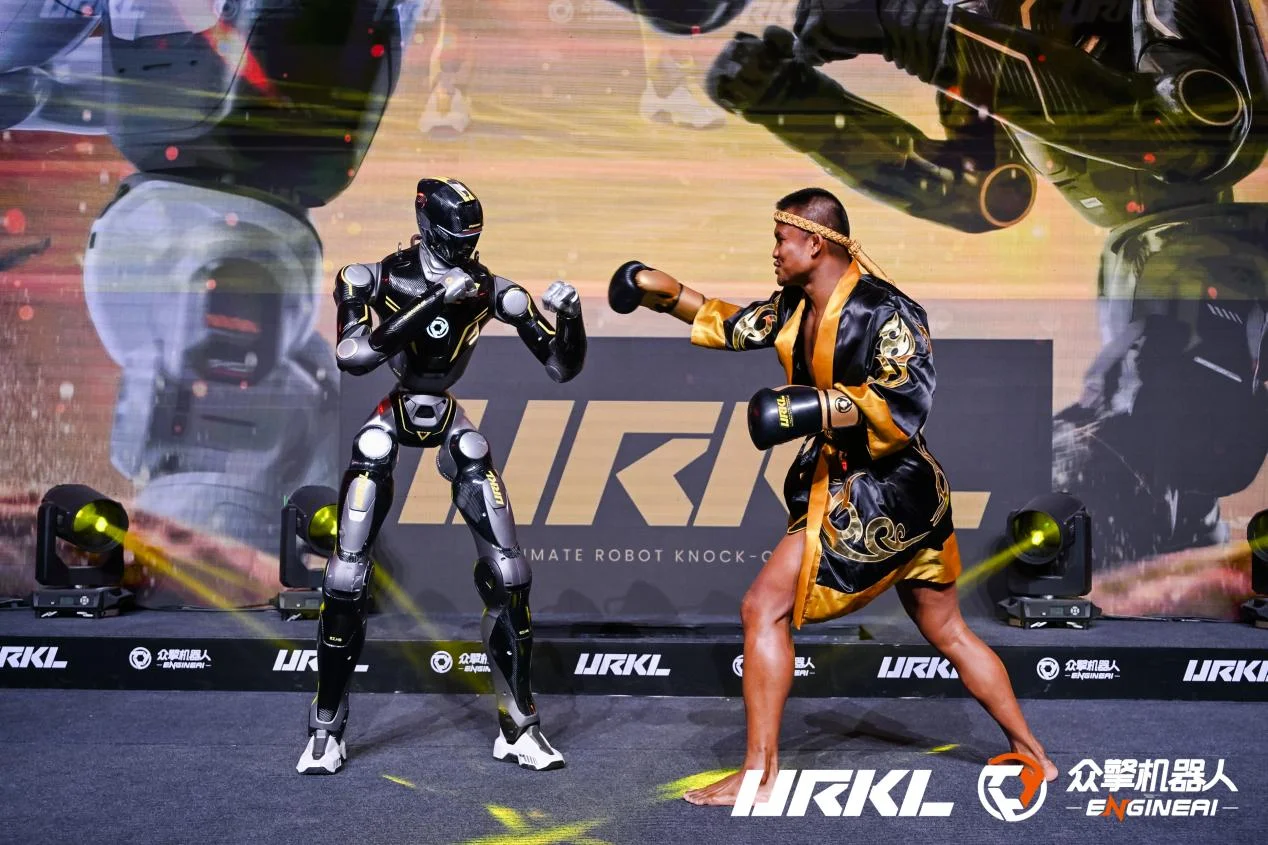
EngineAI Opens Global Registration for URKL: The $1.4 Million Race for Humanoid Supremacy
EngineAI has announced the global registration for its innovative Ultimate Robot Knock-out Legend (URKL), a unique humanoid combat league that emphasizes algorithmic precision over traditional brute strength. This groundbreaking competition, which aims to redefine the landscape of robotic combat, features a substantial championship prize of $1.4 million. The registration process is now open, inviting participants from around the world to showcase their advanced robotic creations. By leveraging cutting-edge technology and artificial intelligence, EngineAI seeks to elevate the excitement and strategy involved in robotic combat, attracting both competitors and spectators alike. The URKL promises to be a significant event in the realm of robotics, highlighting the potential of AI-driven innovations in competitive sports.
EngineAI URKL China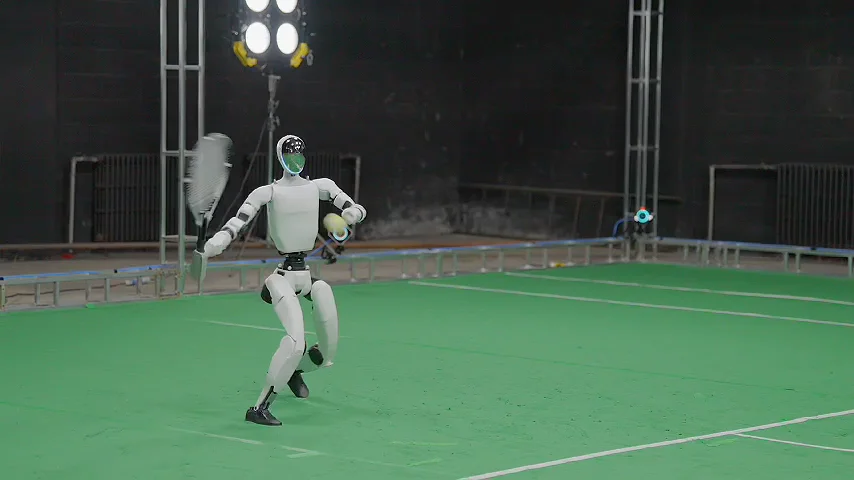
Serving an Ace: LATENT Framework Teaches Unitree G1 Athletic Tennis Skills
A collaborative team of researchers from Tsinghua University and Peking University has developed a groundbreaking system named LATENT, which allows the Unitree G1 humanoid robot to engage in high-speed tennis rallies. This innovative technology leverages "imperfect" human motion data to enhance the robot's performance, employing corrective residual actions to improve its agility and precision on the court. The project showcases advancements in robotics and artificial intelligence, aiming to bridge the gap between human-like movement and robotic capabilities. The research highlights the potential for robots to learn from human behavior, even when that behavior is not perfect, thereby expanding the applications of robotics in sports and beyond.
China embodied-ai physical-ai embodied intelligence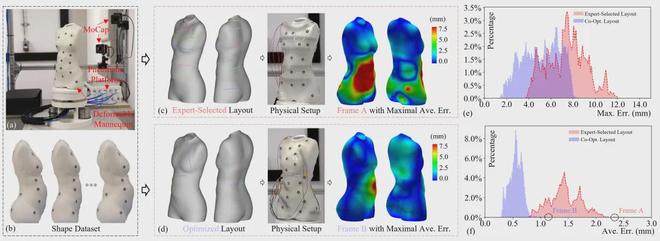
How to Optimize the Arrangement of Robot Sensor Arrays? T-RO's New Research Shows Fewer Sensors Can Lead to Higher Accuracy
Researchers at the University of Manchester have discovered that a strategic arrangement of sensors on flexible and wearable robots can significantly enhance their accuracy. This finding, published recently, suggests that rather than simply increasing the number of sensors, optimizing their layout can lead to improved performance. The study addresses existing manufacturing constraints, providing a practical solution for the development of more efficient robotic systems. By focusing on the arrangement rather than quantity, the research opens new avenues for innovation in wearable technology, potentially benefiting various applications in healthcare, sports, and beyond.
Flexible Robots Wearable Robotics Sensor Optimization Manufacturing Constraints
Tech Is Taking Over Olympic Curling
At the Winter Olympics in Italy, a controversy erupted in curling over a disputed double-touch incident, igniting debates about sportsmanship and trust within the sport. As the competition unfolds, the rise of AI and robotics in curling has raised questions about the integrity of the game. Robots like "Curly," which can analyze ice conditions and execute precise shots, have already defeated top human curlers, showcasing the potential of technology to transform the sport. This shift has sparked concern among athletes and ethicists about the erosion of traditional skills and the "Spirit of Curling," which emphasizes integrity and respect. The World Curling Federation faces challenges in regulating these advancements, as the integration of AI could shift decision-making from players to algorithms. While some technologies, such as rock launchers and virtual reality systems, aim to enhance training and accessibility, the overarching trend indicates a growing reliance on data-driven strategies. As nations invest heavily in these innovations to gain competitive advantages, the future of curling may be redefined by technology, prompting a critical examination of what it means to compete fairly in a sport long governed by human intuition and experience.
Robotics Artificial-intelligence Virtual-reality Sports Canada Olympic-games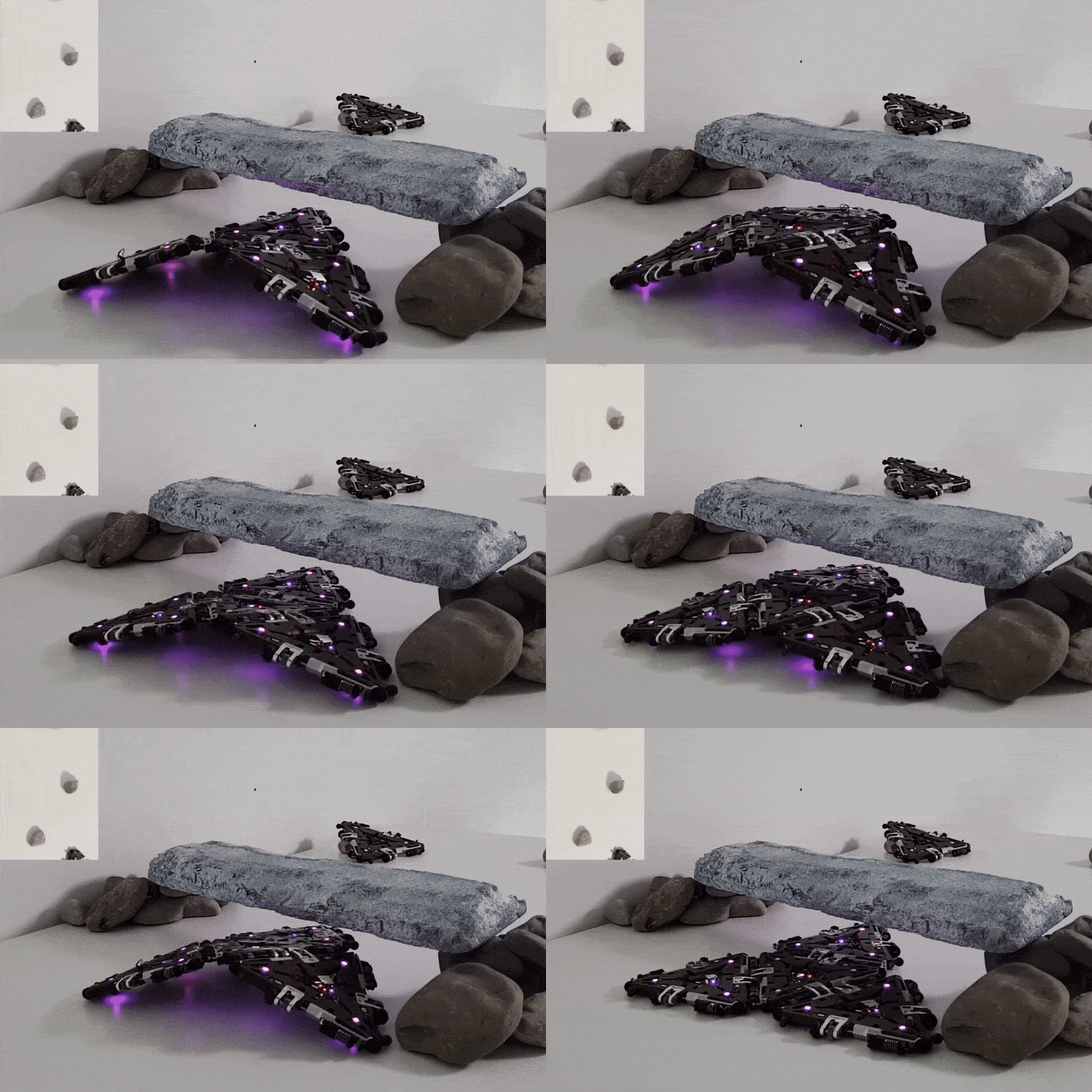
Video Friday: Robot Collective Stays Alive Even When Parts Die
IEEE Spectrum robotics has released its weekly roundup of notable robotics videos, along with a calendar of upcoming events, including the International Conference on Robotics and Automation (ICRA) scheduled for June 1-5, 2026, in Vienna. Among the highlights, researchers from the Max Planck Institute and other institutions have published a study revealing that elephants' unique whiskers contribute to their exceptional sense of touch, potentially inspiring advancements in robotic sensing technologies. In product news, Weave Robotics announced the launch of Isaac 0, a laundry-folding robot set to begin shipping to homes in the Bay Area in February 2026. Meanwhile, engineers at Boston Dynamics continue to test the Atlas platform's full-body control capabilities. Additionally, a team from the University of Waterloo has developed a system enabling collaborative art creation with robots, while Harvard scientists have introduced a new 3D-printing method for soft robotics that could enhance medical technology. Texas A&M University has unveiled a quiet all-electric unmanned rotorcraft, and Deep Robotics has showcased the Lynx M20 robot, designed for winter sports challenges. These developments reflect ongoing innovations in robotics, addressing both practical applications and advanced research, as the field continues to evolve.
Modular-robots Video-friday Autonomous-robots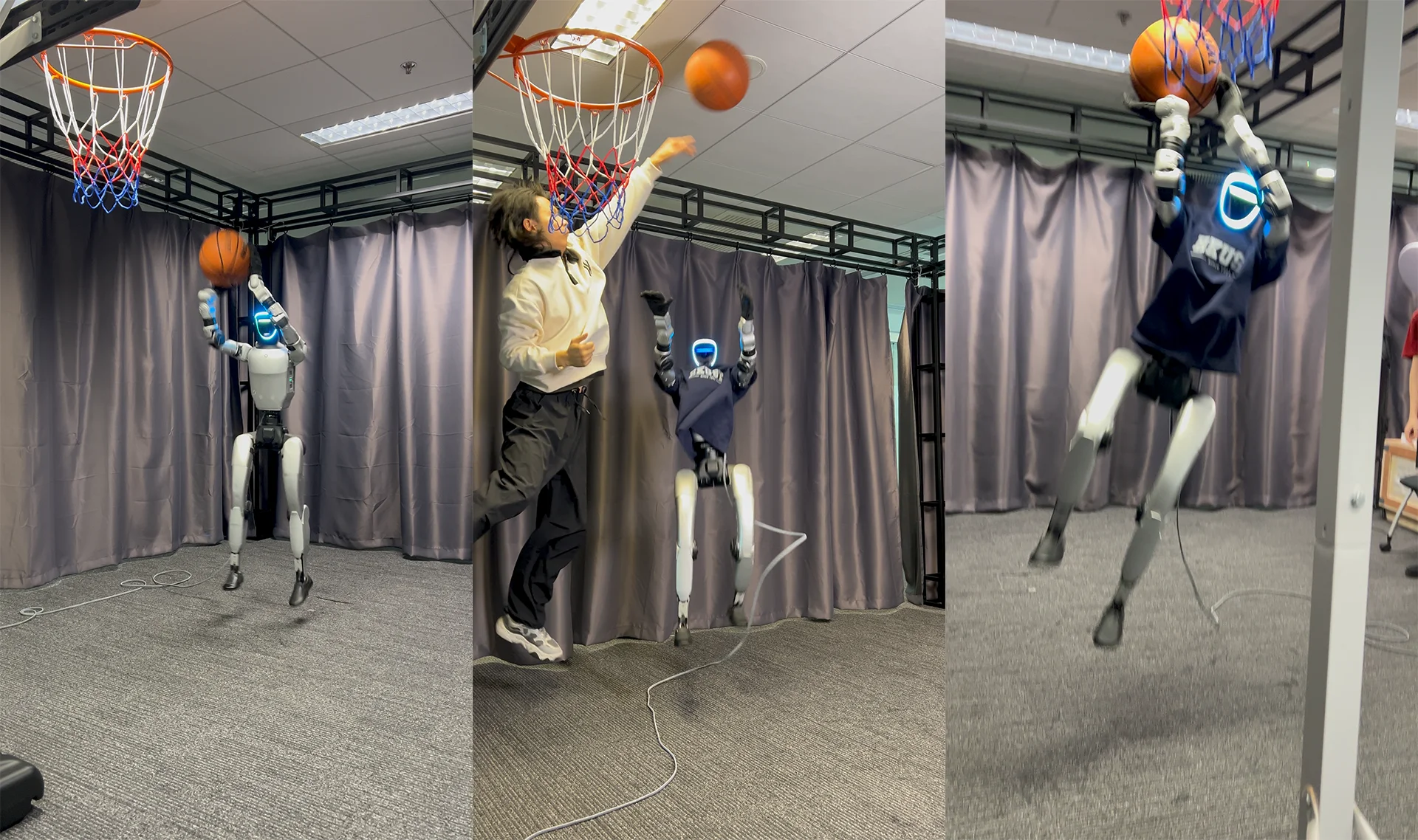
HumanX: The AI Framework Turning Unitree’s G1 into a Basketball Pro
Researchers from the Hong Kong University of Science and Technology (HKUST) and the Shanghai AI Lab have developed an innovative full-stack framework that enables humanoid robots to learn complex athletic skills, such as basketball and reactive fighting, by directly analyzing human videos. This groundbreaking technology eliminates the need for traditional manual reward engineering, streamlining the learning process for robots. The framework represents a significant advancement in the field of robotics and artificial intelligence, showcasing the potential for machines to acquire skills through observation and imitation. The development is part of ongoing efforts to enhance robot capabilities and improve their interaction with human activities, with implications for various applications in sports, entertainment, and training environments.
G1 Unitree Robotics Research embodied-ai
Unitree G1 Conquers -47°C in Snowy Winter Olympics Marketing Stunt
In a remarkable demonstration of technological endurance, Unitree’s G1 humanoid robot successfully completed a 130,000-step autonomous challenge in the frigid conditions of Altay. This event, which took place recently, was organized to promote China Media Group’s upcoming coverage of the Winter Olympics. The challenge showcased the robot's capabilities in extreme weather, highlighting advancements in robotics and their potential applications in various fields. The initiative aims to generate excitement and interest in the Winter Olympics, emphasizing the intersection of technology and sports.
G1 Unitree Robotics China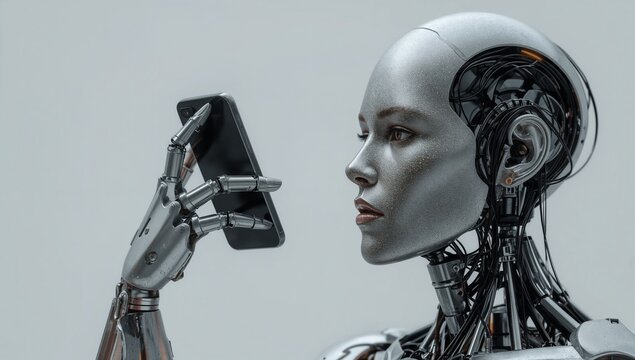
China to host first embodied intelligence robot games following robot marathon: report
Following a recent robot race in Beijing, Wuxi, located in eastern China, will host the Embodied Intelligence Robot Games from April 24 to 26. This event marks China’s inaugural major entry into the realm of robotic sports competitions. The games aim to showcase the latest advancements in embodied intelligence robotics and will feature various competitive segments, themed discussions, and a carnival atmosphere. This initiative highlights the growing interest and investment in robotics, reflecting the nation's commitment to innovation in technology and its potential applications in sports and entertainment.
Heavy Hitters Content and entertainment E-commerce and New Retail Highlight News
Beijing hosts world’s first half-marathon for humanoid robots, Tiangong Ultra wins in two hours 40 minutes
On Saturday, Beijing hosted the inaugural half-marathon exclusively for humanoid robots, marking a significant intersection of technology and athletics. The event featured 20 teams from various Chinese universities, enterprises, and research institutions, showcasing their robotic innovations. Alongside the robots, approximately 12,000 human runners participated, creating a unique atmosphere of competition and collaboration. The Tiangong Robot Ultra, one of the standout competitors, maintained a steady pace of seven to eight kilometers per hour, demonstrating the advancements in robotic mobility and endurance. This pioneering event not only highlighted the capabilities of humanoid robots but also aimed to inspire further research and development in robotics and artificial intelligence. The successful execution of the race reflects the growing interest in integrating technology into sports, paving the way for future competitions that blend human and robotic participation.
Heavy Hitters Content and entertainment E-commerce and New Retail Highlight News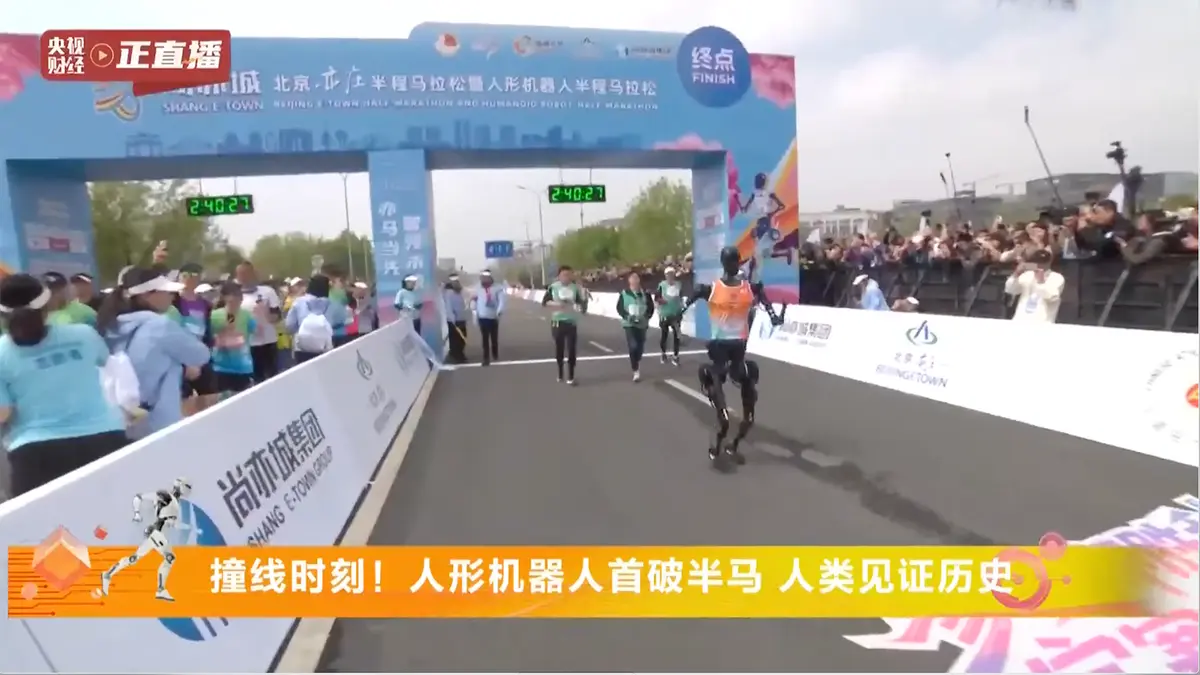
Humanoids Hit the Pavement: Robots Compete in Beijing Half-Marathon
In a groundbreaking event, humanoid robots participated alongside human runners in the Beijing half-marathon for the first time. The competition took place recently, showcasing the advancements in robotics and artificial intelligence. Tiangong Ultra emerged victorious in the robot category, completing the race in an impressive time of 2 hours and 40 minutes. However, the event also revealed the challenges that still confront robotic technology, as several other robots encountered difficulties, including falls and technical malfunctions. This inaugural participation underscores both the progress made in robotic capabilities and the obstacles that remain in achieving seamless integration of robots in competitive sports.
G1 Unitree Robotics xiaomi UBTECH Robotics humanoid-agility
BYD launches new Denza N9 flagship SUV in China
On March 21, BYD's luxury brand Denza unveiled its flagship sports utility vehicle, the N9, which boasts innovative technology features including the world's first integrated vehicle-mounted drone system and an advanced driver assistance software suite powered by NVIDIA's processor. This full-size crossover, designed as a plug-in hybrid, offers a spacious interior and measures approximately 5.3 meters in length. The introduction of the N9 highlights Denza's commitment to blending luxury with cutting-edge technology in the automotive market.
News Feed
Geely-owned luxury carmaker Lotus apologizes following price cuts in China
A senior executive at Lotus Technology, the electric vehicle division of the British sports car manufacturer Lotus, issued an apology on Tuesday regarding the company's inadequate communication to customers about a substantial price reduction across its vehicle lineup. This incident highlights Lotus's response to the increasingly competitive automotive market in China, where several manufacturers are implementing aggressive pricing strategies. The company recently launched new models featuring a broader price spectrum, aiming to attract a wider customer base. The apology reflects Lotus's commitment to transparency and customer satisfaction as it navigates the challenges of the evolving electric vehicle landscape.
News Feed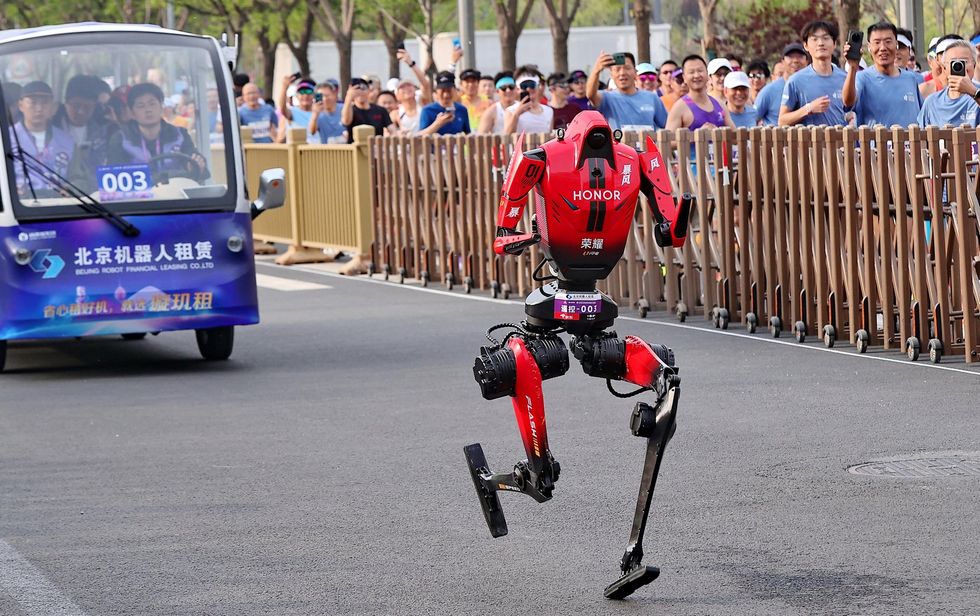
The Secret to Marathon-Winning Humanoid Robots
On April 19, 2026, the Honor Lightning humanoid robot set a remarkable record by completing a half-marathon in just 50 minutes and 26 seconds, surpassing the previous human world record by seven minutes and outperforming the best robot time from 2025 by nearly two hours. This achievement has sparked interest in the technology behind its performance, particularly in comparison to competitors like Unitree, which struggled with overheating issues during the race. The Lightning's success can be attributed to its innovative design, particularly its advanced liquid cooling system that prevents overheating during prolonged exertion. Unlike traditional air cooling methods, the robot utilizes capillary-like liquid cooling pipes that circulate over four liters of coolant per minute through its motors, allowing it to maintain optimal performance without succumbing to heat-related limitations. While the robot's motor specifications remain undisclosed, its engineering emphasizes an optimal gear ratio of 45:1, which balances torque and speed effectively for running. This design contrasts with other humanoid robots, which may be optimized for walking but struggle with the demands of running, resulting in higher power consumption and inefficiencies. Honor's achievement highlights not only the potential of humanoid robots in athletic endeavors but also the engineering trade-offs necessary for different tasks. While the Lightning excels in speed, it may not be as versatile for other applications, underscoring the importance of targeted engineering in robotics. The event has reignited discussions about the capabilities of machines versus humans, emphasizing that comparisons between the two should be approached with caution, as their strengths and limitations differ significantly.
Robotics Running-robots Robot-sports Humanoid-robotsRobotics needs a service framework.
RSF defines a common language for robot service capability, lifecycle operations, certification pathways, and service-provider networks.