

Industry Briefing
A single destination for timely, editor-curated robotics news from around the world.
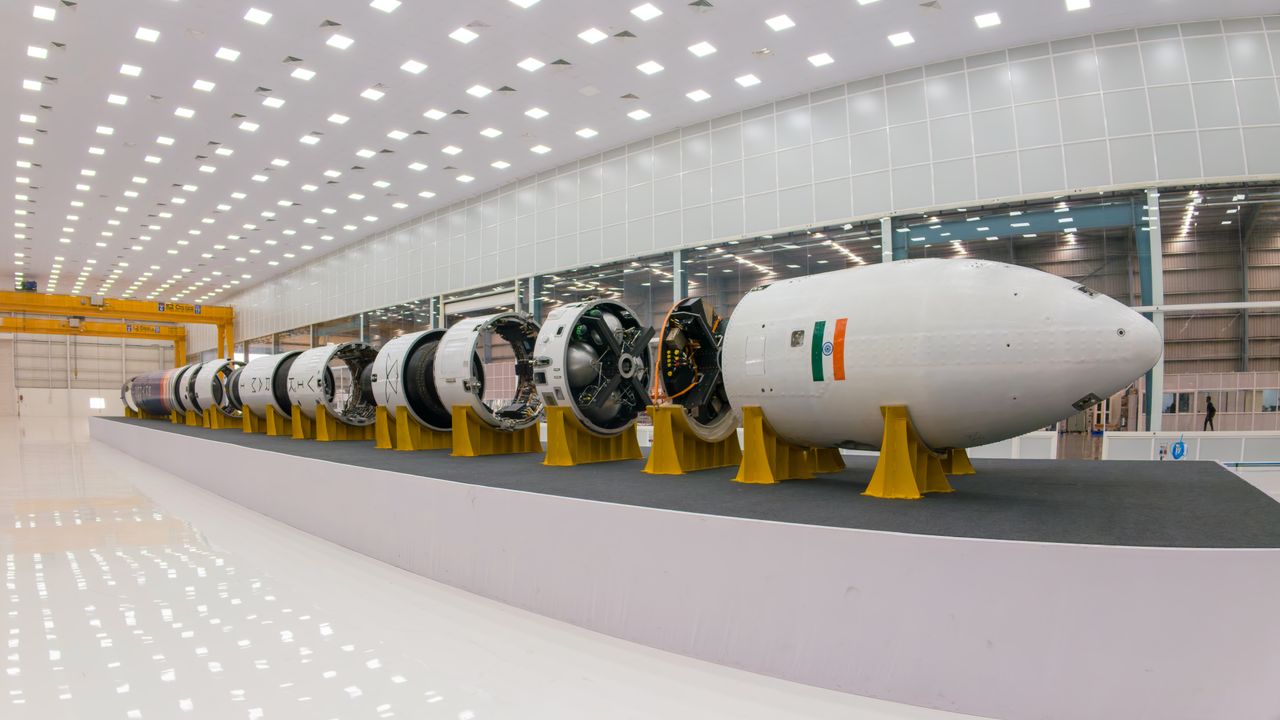
Skyroot Aerospace Prepares for Historic Vikram-1 Launch to Orbit Multiple Satellites
Skyroot Aerospace is on the verge of launching its first orbital rocket, Vikram-1, from the Satish Dhawan Space Centre, with a launch window from July 12 to August 4. The rocket features a unique liquid-fueled upper stage that allows for multiple satellite deployments during a single mission, marking a significant milestone for private spaceflight in India. The successful launch of Vikram-1, named Aagaman, would be a historic achievement as it would make Skyroot the first private Indian company to place satellites into orbit. The mission includes various payloads, such as Skyroot's SCOPE satellite and technology demonstrations from international partners, showcasing the company's capability to cater to specific orbital requirements for small satellites. Looking ahead, Skyroot aims to validate Vikram-1 through three development flights before commencing commercial operations. The company plans to scale production to one rocket per month, positioning itself in the market for dedicated satellite launches, akin to a 'cab' service for orbital missions, as stated by co-founder and CEO Pawan Kumar Chandana.
Launches & Spacecraft Space Exploration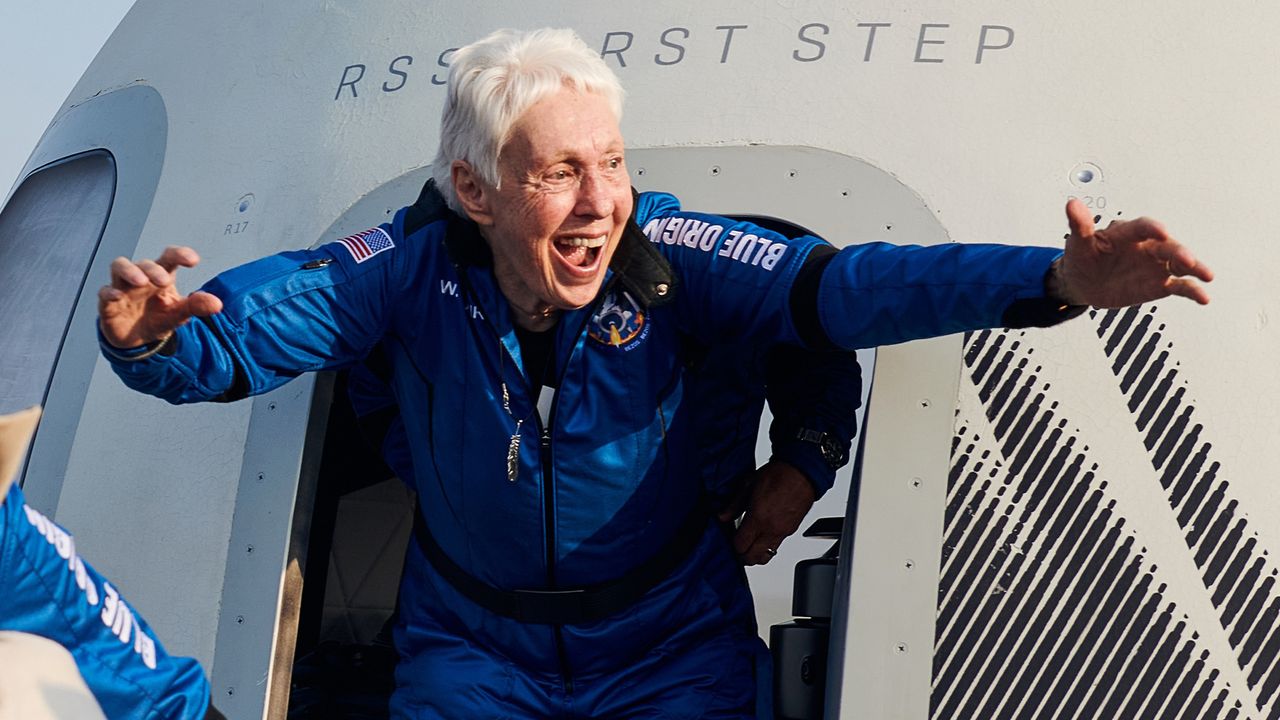
Wally Funk, pioneering astronaut, dies at 87 after historic spaceflight
Wally Funk, a trailblazing aviator and astronaut, passed away at the age of 87. Born in Texas in 1939, she became a professional pilot at 20 and was a member of the Mercury 13, a group of women who underwent astronaut training in the early 1960s. Funk made history in July 2021 when she flew to suborbital space aboard Blue Origin's New Shepard at the age of 82, becoming the oldest astronaut and the only Mercury 13 member to achieve this milestone. Funk's journey is significant as it highlights the long struggle for women in aviation and space exploration. Despite being denied entry into NASA's astronaut program multiple times, her participation in the Mercury 13 program demonstrated women's capabilities in rigorous astronaut training. Funk's record-breaking spaceflight not only fulfilled her lifelong dream but also served as an inspiration for future generations of female aviators and astronauts. Looking ahead, the legacy of Wally Funk may influence ongoing discussions about gender equality in aerospace. Her achievements could encourage more inclusive practices in space exploration and aviation. No further timeline was disclosed at the time of publication regarding any tributes or memorials planned in her honor.
Human Spaceflight Space ExplorationRobotics needs a service framework.
RSF defines a common language for robot service capability, lifecycle operations, certification pathways, and service-provider networks.
Join the RobotToday community on LinkedIn
Daily robotics news, in-depth analysis, conference highlights, and discussions with professionals worldwide.







