Top News

Industry Briefing

A single destination for timely, editor-curated robotics news from around the world.

Implementing a Sorting Robot for Quality Inspection in Recycling Processes

Implementing a Sorting Robot for Quality Inspection in Recycling Processes

Recycling facilities face ongoing challenges in maintaining material purity due to the variability of recyclables, which complicates manual sorting processes. To address this issue, JAKA is proposing the implementation of automated sorting robots designed to integrate seamlessly into existing workflows. These collaborative robots, or cobots, are equipped with advanced vision-guided systems that can identify and separate diverse materials based on visual or spectroscopic signals. The robots are engineered to operate effectively in the dynamic environments of recycling plants, where safety is paramount. JAKA's cobots feature multiple safety mechanisms, including force sensing and collision detection, allowing them to work alongside human operators without the need for extensive safety barriers. Their compact design enables installation in tight spaces, making them suitable for retrofitting in current facilities. Successful deployment of these sorting robots relies on a well-coordinated system that includes high-resolution cameras or near-infrared sensors for accurate material identification, as well as adaptive grippers or vacuum cups for handling various materials. JAKA emphasizes intuitive programming, allowing technicians to quickly adjust the robots for different material streams, thus minimizing downtime. By incorporating JAKA's sorting robots into recycling quality inspection processes, facilities can significantly enhance material purity and throughput. This strategic move not only improves operational consistency but also supports the essential work of modern recycling, ensuring a more efficient and effective waste management system.

Ruilman Unveils 'Sorting Robot' at 2026 Shenzhen Industrial Exhibition, Showcasing Industrial Application Strength

Ruilman Unveils 'Sorting Robot' at 2026 Shenzhen Industrial Exhibition, Showcasing Industrial Application Strength

At the 2026 Shenzhen Industrial Exhibition, Ruilman showcased its innovative Remote Operation Network (GLN), highlighting a live demonstration of a robot performing sorting tasks. This event took place in Shenzhen, with the robot being controlled remotely from Beijing, illustrating the advancements in remote operational capabilities in industrial environments. The demonstration underscores Ruilman's commitment to enhancing robotic productivity through cutting-edge technology, paving the way for more efficient industrial processes.

Sorting Robots Remote Operation Technology Industrial Automation Robotics Smart Manufacturing
Industry First! Embodied Intelligent Robots Officially Enter the Era of Scalable Commercial Use in Logistics Sorting

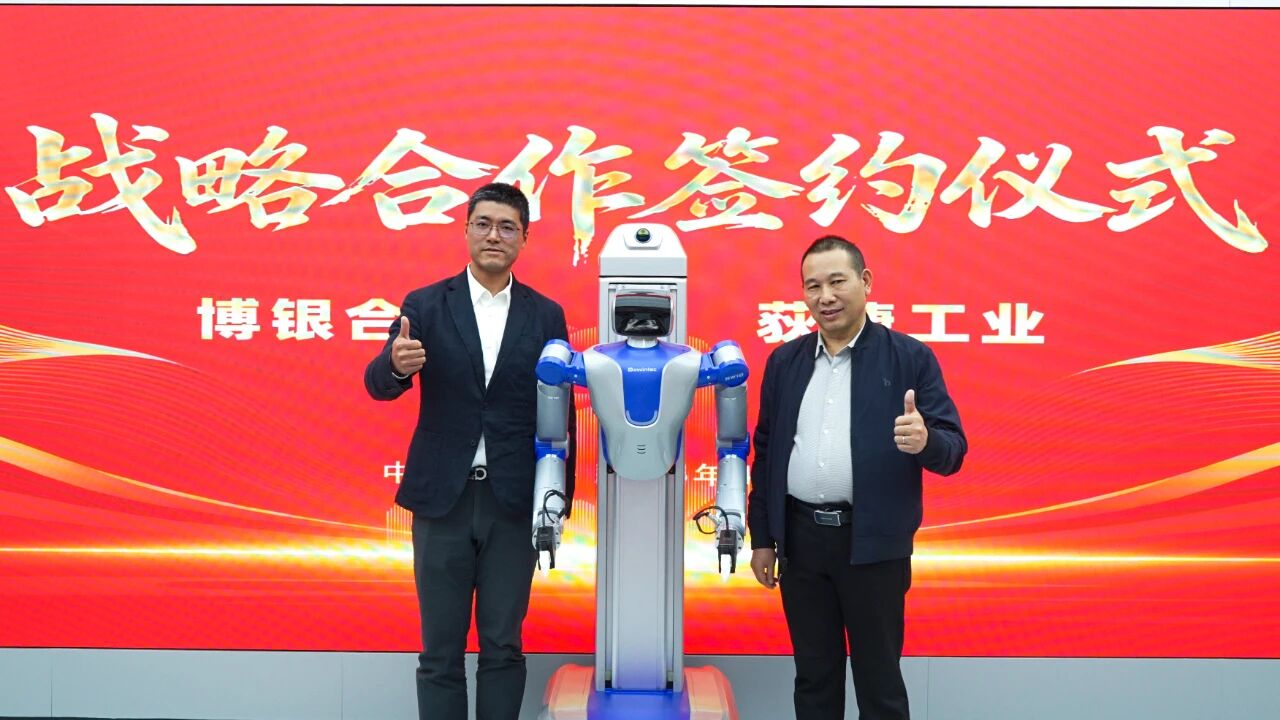
Industry First! Embodied Intelligent Robots Officially Enter the Era of Scalable Commercial Use in Logistics Sorting

On April 29, 2026, Boyin Hechuang and Dige Industrial formalized a strategic cooperation agreement in Shanghai, signaling a pivotal advancement in the integration of artificial intelligence with embodied intelligent robots within the logistics sector. This partnership is designed to tackle ongoing labor shortages and improve operational efficiency in the logistics sorting industry. By leveraging cutting-edge technology, the collaboration seeks to streamline processes and enhance productivity, responding to the growing demand for innovative solutions in logistics.

Embodied Intelligence Logistics Automation AI Robotics Smart Manufacturing
AI Robots Achieve 3,500 Garment Sorts Per Hour in South Korean Warehouse

AI Robots Achieve 3,500 Garment Sorts Per Hour in South Korean Warehouse

In a warehouse located in Icheon, South Korea, a fleet of AI-guided robots is sorting garments at a remarkable rate of 3,500 items per hour, approximately four times the output of human workers. Since their deployment, the women's clothing company has reported 'zero losses'—no picking errors and no stockouts due to logistics mistakes. Despite this advancement, the sewing automation challenge remains unsolved, often referred to as the 'last mile' of textile automation. The system, developed by Baba Fashion in collaboration with South Korean automation firm Cotek Electronics, utilizes autonomous mobile robots equipped with SLAM navigation technology, eliminating the need for ground magnetic strips or embedded wires. The logistics deployment by Baba Fashion serves as a successful commercial case, while other companies, such as the leading fashion platform MUSINSA, are also investing in automated logistics solutions. The ongoing challenge of sewing automation, likened to the complexities of autonomous driving, continues to impact the future of millions of garment workers as the industry transitions into a more automated era.

AI Robotics Warehouse Automation Sewing Automation Fashion Technology
Xiaomi Reports 98% Success Rate for Humanoid Robots in Automotive Factory Tasks

Xiaomi Reports 98% Success Rate for Humanoid Robots in Automotive Factory Tasks

Xiaomi has announced significant advancements in its humanoid robot utilized in an automotive factory. After four months of development, the robot's success rate at a self-tapping nut loading station improved from 90.2% to 98%, now just one percentage point below human workers' qualification rates. This progress is crucial as it demonstrates the increasing capability of humanoid robots to perform complex tasks in industrial settings. The introduction of two additional tasks—center console side panel sorting and parts bin folding and recycling—both achieving a 90% success rate, highlights the robot's versatility and potential for broader applications. Looking ahead, the center console side panel sorting task is particularly noteworthy as it represents the first instance of a humanoid robot executing long-duration continuous operations on flexible workpieces in an automotive factory. No further timeline was disclosed at the time of publication.

News Feed
Seed potato grower cuts labour with optical sorting

Seed potato grower cuts labour with optical sorting

Jensma Agro, a Dutch seed potato grower, has expanded its use of camera-based sorting technology by installing two optical quality sorters in its storage facility. This innovative move aims to automate the grading process and reduce labor requirements. The implementation reflects a growing trend in the agricultural sector, where the adoption of robots equipped with camera recognition is increasingly moving beyond field operations to storage and processing environments. The shift is attributed to the simpler conditions and higher throughput found in these facilities, which offer a clear and short return on investment.

Smart farming field robots optical sorters
Pick and Place Robots vs. Manual Operations: A Detailed Throughput Analysis

Pick and Place Robots vs. Manual Operations: A Detailed Throughput Analysis

In response to the increasing volatility of global supply chains and labor shortages, companies are increasingly turning to collaborative robots for the essential "pick and place" cycle in logistics and manufacturing. This shift, driven by the need for enhanced operational efficiency, allows businesses to automate sorting and assembly tasks in shared workspaces without extensive safety measures, thereby maintaining consistent throughput. While manual labor offers flexibility, it is hampered by the "fatigue curve," leading to a 15-20% decline in picking rates over an eight-hour shift due to exhaustion. Human error can also create bottlenecks and waste. In contrast, collaborative robots deliver consistent performance with sub-millimeter accuracy, ensuring precise placement of items throughout their operational hours. JAKA, a leader in automation solutions, focuses on "Freeing Your Hands" by replacing repetitive manual tasks with intelligent automation. Their JAKA A series robots excel in high-speed sorting, combining industrial-grade durability with essential safety features for collaborative environments. For heavier payloads, the JAKA Zu series, including the Zu 20 model, can automate heavy-duty tasks while minimizing injury risks to human workers. Equipped with wireless teaching technology, these robots can quickly adapt to different product lines, ensuring high throughput in diverse production settings. Safety is paramount, as JAKA robots are designed to respond instantly to human presence, maintaining a secure workspace. By integrating JAKA collaborative robots, businesses can enhance accuracy and reliability, achieving their production goals around the clock.

Automation Robotics Technology for Warehouse Logistics and Sorting

Automation Robotics Technology for Warehouse Logistics and Sorting

JAKA, a leader in automation robotics technology, is revolutionizing warehouse operations by integrating intelligent robotic systems to enhance efficiency and accuracy. As e-commerce volumes rise and supply chains become more complex, the company emphasizes that adopting automation is essential for maintaining competitiveness. Recently, JAKA implemented polishing robots designed for high-precision sorting tasks, capable of adapting to various item sizes and surface requirements. These robots utilize advanced control systems to ensure consistent results while minimizing operational downtime. By combining these solutions with data-driven tracking systems, JAKA can monitor throughput and continuously improve efficiency across multiple sorting lines. A crucial aspect of JAKA's automated operations is the JAKA S Screwdriving system, which offers high efficiency and stability for assembling transport equipment. This system allows for customizable torque adjustments and can be seamlessly integrated with conveyor systems, enhancing overall workflow connectivity. The quick and responsive nature of JAKA robots enables human workers to focus on complex decision-making while robots manage repetitive tasks. Safety protocols are embedded within the system to ensure a secure working environment, allowing for smooth coexistence between human workers and robots. By leveraging automation robotics technology, JAKA aims to enhance operational flexibility, scalability, and safety, ultimately achieving higher productivity without compromising quality. The company's commitment to refining its automation solutions positions it to meet the evolving demands of logistics and support sustainable growth for both itself and its clients.

Optimizing Cycle Time with High-Speed Pick and Place Robots for Packaging

Optimizing Cycle Time with High-Speed Pick and Place Robots for Packaging

JAKA, a supplier of collaborative robots for packaging manufacturers, is enhancing cycle time optimization in packaging operations through advanced automation systems. By focusing on the reliable management of motion, speed, and coordination, JAKA aims to balance throughput with stability in repetitive handling tasks. The company’s high-speed pick and place robots are designed to address constraints such as acceleration limits and positioning accuracy, ultimately improving efficiency in carton loading, tray packing, and sorting. The deployment of JAKA's Zu5 robot, which supports a 5 kg payload and has a reach of 954 mm, is particularly beneficial for compact packaging cells where space is limited. Its integrated joint design allows for quick assembly and disassembly, reducing downtime during line reconfigurations. This collaborative robot system operates safely alongside human workers without the need for isolation fences, facilitating rapid deployment and adaptability to changing production conditions. By integrating these high-speed robots into existing workflows, JAKA is helping packaging lines achieve shorter idle times and stable throughput, ultimately optimizing cycle times. The company emphasizes that successful cycle time reduction is not solely about increasing speed but also about how well automation adapts to real-world operational challenges. Through their innovative solutions, JAKA is enabling packaging manufacturers to enhance operational efficiency while fostering effective collaboration between humans and robots.

The science of human touch – and why it’s so hard to replicate in robots

The science of human touch – and why it’s so hard to replicate in robots

Researchers at the University of Oxford are exploring the advancements in robotic technology, highlighting the significant progress robots have made in visual recognition and navigation. These machines can now identify objects and maneuver through complex environments, sorting thousands of parcels each hour. However, challenges remain when it comes to delicate interactions; robots struggle to perform tasks that require gentle, safe, or meaningful touch. This research aims to bridge the gap between current capabilities and the nuanced skills necessary for robots to interact more effectively with their surroundings and human counterparts. As the field evolves, understanding and overcoming these limitations will be crucial for the future integration of robots in everyday tasks.

Figure AI had one of its robots race a human to sort packages. It lost.

Figure AI had one of its robots race a human to sort packages. It lost.

In a recent package sorting contest, an intern from Figure AI demonstrated superior performance compared to a humanoid robot, underscoring the ongoing challenges faced in the field of robotics automation. The competition, held to evaluate advancements in robotic efficiency and accuracy, took place in October 2023. This event not only showcased the capabilities of human workers but also highlighted the limitations of current robotic technology in handling complex sorting tasks. The outcome raises important questions about the future of automation and the role of human intelligence in environments traditionally dominated by machines. As industries increasingly turn to automation to enhance productivity, this contest serves as a reminder of the intricate skills that humans still bring to the table, suggesting that a collaborative approach may be necessary to fully realize the potential of robotics in various sectors.

Tech AI Startups robotics limited-synd figure-ai
Flikweert expands capacity of optical sorting robot QualityGrader

Flikweert expands capacity of optical sorting robot QualityGrader

Flikweert Vision is set to launch its innovative QualityGrader in July, offering two working widths of 1 and 1.5 meters. This advanced optical sorting robot features a second ejection unit, enabling it to efficiently separate rejected potatoes or onions into two distinct streams. The introduction of this technology aims to enhance sorting accuracy and streamline the processing of agricultural products, addressing the growing demand for quality control in the food industry.

Smart farming automation field robots onions optical sorters potatoes
Menacing "monster wolf" robots in high demand to scare off bears

Menacing "monster wolf" robots in high demand to scare off bears

A new animatronic scarecrow named "Monster Wolf" has been introduced to help farmers protect their crops from wild animals. This innovative device features flashing red eyes and emits howls and growls designed to intimidate potential intruders. The scarecrow aims to provide an effective and humane solution to the ongoing challenge of wildlife interference in agricultural areas. By utilizing advanced technology, the Monster Wolf offers farmers a modern approach to safeguarding their fields while minimizing harm to animals. The device is set to be deployed in various farming regions starting this fall, as farmers seek reliable methods to deter wildlife without resorting to lethal measures.

From supply chain to record growth: Shenzhen dominates China’s robotics landscape

From supply chain to record growth: Shenzhen dominates China’s robotics landscape

At the Fair Plus robotics trade show held this week in Shenzhen, the focus shifted from flashy demonstrations to practical applications of robotics technology. Exhibitors showcased robots performing essential tasks such as sorting supermarket inventory, serving popcorn, and transporting large packages. Notably, Shenzhen-based X Square Robot demonstrated the capabilities of its wheel-based humanoid robots, which utilize the company’s proprietary Wall-A embodied foundation model. These robots effectively picked up litter from the floor and disposed of it in bins, highlighting their real-world functionality. The event underscores the growing trend of deploying robots in everyday tasks, reflecting advancements in robotics aimed at enhancing efficiency in various sectors.

China’s humanoid robot sales to exceed 10,000 units in 2025, up 125% year-on-year

China’s humanoid robot sales to exceed 10,000 units in 2025, up 125% year-on-year

Sales of humanoid robots in China are projected to exceed 10,000 units by 2025, representing a significant 125% increase from the previous year. This surge indicates that the industry is entering a phase of large-scale commercial adoption. Humanoid robots, which have traditionally been confined to laboratory settings, are now being deployed in various real-world applications, including parcel sorting, handling, and educational environments. This shift marks a pivotal moment for the robotics sector in China as it moves towards integrating advanced technology into everyday operations.

News Feed
Helix Accelerating Real-World Logistics

Helix Accelerating Real-World Logistics

Figure has unveiled Helix, an advanced Vision-Language-Action model specifically developed for humanoid robots to improve the manipulation of logistics packages. This innovative technology incorporates enhanced 3D understanding, refined visual representation, and self-calibration capabilities. By optimizing package handling and sorting processes, Helix is set to significantly increase both speed and precision in real-world logistics operations. The introduction of this model marks a notable advancement in the field of robotics, aiming to address the growing demands of efficient package management in various industries.

humanoid robots logistics automation machine learning robotics
JD Logistics opens first self-operated overseas warehouse in Japan

JD Logistics opens first self-operated overseas warehouse in Japan

JD Logistics has inaugurated its first self-operated overseas warehouse in Japan, situated in Chiba Prefecture, Tokyo, on December 25. The Tokyo No.1 Warehouse boasts the capacity to store millions of items and is outfitted with advanced automation technologies, including robots for storage and sorting, along with automated production lines. This state-of-the-art facility aims to enhance operational efficiency and streamline logistics processes, reflecting JD Logistics' commitment to expanding its global footprint and improving service delivery in the region.

News Feed
Should You Lease or Finance Warehouse Automation Equipment?

Should You Lease or Finance Warehouse Automation Equipment?

In response to escalating pressures on supply chains, warehouse operators are increasingly turning to advanced automation technologies to meet rising consumer demands for rapid delivery and precise order fulfillment. As expectations for efficiency and accuracy grow, traditional manual processes for picking, packing, and sorting are proving inadequate. The shift towards automation includes the implementation of automated guided vehicles and smart conveyor systems, which are designed to enhance operational efficiency and streamline logistics. This transition is crucial for businesses aiming to remain competitive in a fast-evolving market landscape.

Automation Business Infrastructure Warehouse robots agvs automated guided vehicles
NVIDIA and DeepMind Lead Robotics Simulation Debate with New Industrial Applications

NVIDIA and DeepMind Lead Robotics Simulation Debate with New Industrial Applications

The field of embodied intelligence is witnessing a fierce debate over the best approach to training robots for industrial applications. One faction advocates for simulation-based training, leveraging structured environments to generate synthetic data, while the opposing view emphasizes the necessity of real-world data to handle complex physical interactions and unpredictable scenarios. Key players include NVIDIA, DeepMind, and Intrinsic, each with unique strategies and technologies. NVIDIA's Omniverse platform and Isaac Sim engine exemplify the simulation approach, enabling comprehensive digital twins of factories for training and optimization. Their collaboration with BMW on a digital twin project in Hungary showcases the potential of synthetic data in logistics and robotic movements. However, challenges remain in achieving the necessary fidelity for force control and physical interactions, prompting NVIDIA to seek partnerships with companies like Hexagon Robotics. Conversely, DeepMind's use of the MuJoCo physics engine has demonstrated that pure simulation can achieve industrial-grade precision in specific tasks, such as sorting with known rigid models. Yet, this method's effectiveness is limited to scenarios with minimal contact and force control. Intrinsic aims to transform simulation into a comprehensive development tool for industrial robots, focusing on lowering barriers for small manufacturers. The ongoing challenge of the SIM2REAL gap remains a critical factor in the success of these approaches.

Robotics Industrial Automation Simulation Technology AI
Investing In The Exponential Humanoid Wave

Investing In The Exponential Humanoid Wave

The humanoid robotics industry is transitioning from demonstrations to practical applications, marking a significant milestone in technological advancement. Figure AI, an American robotics firm, showcased its Figure 03 humanoid robot by livestreaming its autonomous package sorting for an impressive 200 hours. Meanwhile, Hyundai Motor Group, the parent company of Boston Dynamics, announced plans to deploy over 25,000 Atlas humanoid robots across its manufacturing plants for Hyundai and Kia by 2028. Despite these advancements, companies like Boston Dynamics, Figure AI, and Tesla still face competition from Unitree, which led the market by shipping approximately 5,500 humanoid units in 2025. This shift towards real-world deployment underscores the rapid scaling of physical AI technologies in various industries.

TSLA ROBO VettaFi Research
Expert Tips on Getting the Most Out of Your Collaborative Robot Arm

Expert Tips on Getting the Most Out of Your Collaborative Robot Arm

As automation transforms the manufacturing sector, JAKA Robotics is at the forefront with its innovative collaborative robots, particularly the JAKA A12L, which combines intelligent visual perception with collaborative capabilities. This technology is designed to enhance productivity and efficiency in various manufacturing tasks such as loading, unloading, inspection, and sorting. To effectively integrate the JAKA A12L into production, users are advised to familiarize themselves with the robot's features through user manuals and training resources. Understanding its capabilities is essential for maximizing its potential, especially in quality inspection and sorting, which can lead to reduced defect rates and improved processing precision. Effective programming is crucial for optimizing the robot's performance. The JAKA A12L offers user-friendly programming interfaces, allowing users to start with simple tasks and gradually increase complexity. Its reprogrammable nature enables adaptability to changing production needs, while compatibility with vision systems enhances its ability to perform precise measurements and non-destructive testing. Regular performance monitoring is vital for sustained success. By tracking key performance indicators, conducting routine maintenance, and gathering feedback from operators, manufacturers can identify areas for improvement and ensure the robot operates efficiently. By embracing collaborative robots like the JAKA A12L and implementing best practices in programming and monitoring, manufacturers can significantly boost production efficiency and product quality, ultimately driving operational excellence and maintaining a competitive edge in the industry.

How to Use Industrial Cobots Effectively to Maximize Production Throughput?

How to Use Industrial Cobots Effectively to Maximize Production Throughput?

In a bid to enhance production efficiency, JAKA has introduced the JAKA Pro series, an advanced industrial cobot designed to optimize throughput in demanding manufacturing environments. This innovative robot, capable of operating continuously in harsh conditions, aims to eliminate production bottlenecks by automating time-sensitive tasks that typically slow down human workers. The JAKA Pro12, the flagship model, boasts IP68 protection, making it resistant to dust, oil, and water, ensuring consistent performance even in extreme environments. With a payload capacity of 12kg and a reach of 1327mm, it can handle heavy industrial parts and perform secondary operations simultaneously, such as deburring or pre-sorting, while primary machines are in operation. By aligning the robot's speed with the overall production line tempo, manufacturers can maintain a steady workflow and prevent local bottlenecks. The cobot's ability to function around the clock supports "lights-out" manufacturing, allowing for continuous production without the need for human oversight during breaks or overnight shifts. With features like sub-millimeter precision and rapid deployment capabilities through a user-friendly app, the JAKA Pro series is positioned as a transformative solution for high-volume production lines, promising to double or triple daily output without increasing workforce size. JAKA emphasizes that their robots embody intelligence, becoming integral to the operational heartbeat of modern manufacturing facilities.

Understanding the Different Robot Arm Types (6-Axis, SCARA, Delta): A Comparison Guide

Understanding the Different Robot Arm Types (6-Axis, SCARA, Delta): A Comparison Guide

In the evolving field of automation, selecting the right type of robotic arm is crucial for optimizing production strategies. Different robotic configurations, including 6-axis, SCARA, and Delta robots, offer unique mechanical strengths and capabilities tailored to specific manufacturing tasks. The 6-axis articulated robot, commonly found in factories, mimics human arm movements and excels in complex processes like welding and assembly due to its six degrees of freedom and flexible work envelope. In contrast, SCARA robots, known for their rigidity in the vertical axis and compliance in horizontal movements, are ideal for high-speed tasks such as pick-and-place and electronics assembly, achieving remarkable precision and faster cycle times. Delta robots, characterized by their lightweight, spider-like design, are engineered for high-speed sorting and packaging in industries like food and pharmaceuticals, making them suitable for handling lightweight items quickly. JAKA Robotics has focused on enhancing 6-axis collaborative industrial robots, offering models like the JAKA Zu and Pro series that combine power and agility for various applications, from precision assembly to heavy-duty palletizing. JAKA emphasizes "Embodied Intelligence," ensuring their robots provide precise repeatability and user-friendly operation through wireless control and intuitive programming, catering to the needs of modern smart factories.

Chef Robotics Expands into Component Assembly for CPG Manufacturing

Chef Robotics Expands into Component Assembly for CPG Manufacturing

Chef Robotics has announced an expansion into component assembly for consumer packaged goods (CPG) manufacturing, enabling automation of secondary packaging and kitting processes. This development, revealed on May 11, 2026, allows Chef robots to efficiently handle a variety of items, including sauce sachets, seasoning packets, and even non-food inserts like cutlery kits and instruction cards. Historically, CPG assembly lines have relied heavily on manual labor due to the challenges posed by lightweight and deformable items. Chef Robotics aims to address this issue by utilizing AI-powered computer vision, which enables robots to assess and manipulate items in real time, ensuring precise placement without damage. The technology adapts to the variability of items in unstructured bins, eliminating the need for pre-sorting. The new assembly application features three key capabilities: detecting and reorienting items mid-pick for accurate placement, picking and placing multiple components simultaneously, and ensuring correct item allocation in multi-compartment products. This innovation promises higher throughput, reduced labor dependency, and consistent item placement across production shifts. Chef's CPG assembly application is available in the US, Canada, the UK, and Germany, and operates on existing robotic hardware and software, allowing for seamless integration into current manufacturing setups. The service is offered under Chef's robotics-as-a-service (RaaS) pricing model, further solidifying the company's position as a leader in AI-driven food robotics solutions.

Robotic Packaging Solutions for Perishables: Meeting Strict Hygiene Standards

Robotic Packaging Solutions for Perishables: Meeting Strict Hygiene Standards

JAKA has introduced advanced industrial welding robots and robotic packaging solutions aimed at enhancing the safety and quality of perishable goods. As manufacturers grapple with the challenges of maintaining hygiene standards during high-volume production, JAKA's automation technology offers a solution. The JAKA Zu30 palletizing robot, designed for compact spaces, can operate across multiple production lines, significantly reducing operational costs while minimizing human contact to lower contamination risks. These robotic systems automate repetitive tasks such as palletizing and product sorting, thereby eliminating potential human errors and ensuring sanitary packaging operations. They are easy to clean and maintain, aligning with the strict hygiene requirements of the food, pharmaceutical, and sensitive product industries. By providing flexible integration capabilities, the JAKA Zu30 can adapt to various packaging formats and load sizes, making it suitable for a wide range of perishable goods. JAKA's commitment to automation not only improves production efficiency but also creates a cleaner and safer workspace for operators. By leveraging these innovative solutions, companies can achieve reliable packaging performance while adhering to stringent industry standards, ultimately safeguarding product quality and worker safety.

Benioff Stress-Tests Figure 03: Faster Throughput and Reactive Autonomy

Benioff Stress-Tests Figure 03: Faster Throughput and Reactive Autonomy

Salesforce CEO Marc Benioff showcased the capabilities of the new Figure 03 humanoid robot during a recent demonstration. The event highlighted the robot's proficiency in managing real-time disruptions and its enhanced sorting speeds, underscoring advancements in robotics technology. This demonstration took place as part of Salesforce's ongoing commitment to innovation in automation and artificial intelligence. By illustrating the Figure 03's practical applications, Benioff aimed to emphasize the potential impact of such technology on various industries, particularly in improving efficiency and productivity. The presentation marks a significant step in the integration of humanoid robots into everyday operations, reflecting the growing trend of utilizing advanced robotics in the workforce.

US Figure Figure-03
Dogs, drones and AI: Australian agriculture is going high-tech

Dogs, drones and AI: Australian agriculture is going high-tech

In Wagga Wagga, Australia, SkyKelpie is revolutionizing traditional sheep and cattle herding by integrating drones into agricultural practices. On a chilly morning, stock agents utilized rattles and whistles to guide sheep through sorting gates, while a three-year-old kelpie named Sky adeptly corralled the flock on command. This innovative approach reflects a broader trend among a new generation of farmers who are eager to enhance productivity through technology. By combining the agility of trained dogs with the precision of drones, SkyKelpie aims to streamline the herding process, making it more efficient and effective. This shift towards high-tech agriculture is driven by the need for improved operational efficiency in a competitive farming landscape.

Interview with Christina Gomez-Terry of Plus One Robotics: Why warehouse robotics succeeds or fails at scale

Interview with Christina Gomez-Terry of Plus One Robotics: Why warehouse robotics succeeds or fails at scale

Warehouse automation is evolving as logistics operators increasingly focus on scaling robotic systems. While the effectiveness of robotics in tasks like parcel picking, depalletizing, sorting, and palletizing has been demonstrated through various pilot projects and controlled deployments, the industry now faces the challenge of implementing these technologies on a larger scale. This shift comes as companies seek to enhance efficiency and productivity in their operations, responding to growing demands for faster and more reliable logistics solutions. As the sector moves forward, the emphasis will be on integrating robotics into existing workflows and expanding their capabilities across multiple facilities.

Computing Features Material handling Software automation news depalletizing
Silicon Valley's latest binge-watch is a humanoid warehouse worker

Silicon Valley's latest binge-watch is a humanoid warehouse worker

Figure AI recently showcased a humanoid robot capable of sorting packages during a livestream event that attracted millions of viewers. This demonstration highlighted both the potential and the limitations of automation in warehouse operations. The event, which took place in October 2023, aimed to illustrate advancements in robotics technology and its application in logistics. By presenting the robot's capabilities in a real-time setting, Figure AI sought to engage the public and industry stakeholders in a conversation about the future of automated solutions in supply chain management. The livestream not only captivated audiences but also sparked discussions on the implications of such technology for the workforce and operational efficiency in warehouses.

Tech AI robotics figure-ai robots humanoid-robots
RobotToday Initiative

Robotics needs a service framework.

RSF defines a common language for robot service capability, lifecycle operations, certification pathways, and service-provider networks.