Industry Briefing
A single destination for timely, editor-curated robotics news from around the world.

Magic Atom Collaborates with Shanghai to Propel Embodied Intelligence Initiatives
During the 2026 World Artificial Intelligence Conference, Shanghai Beigao High-tech Group Co., Ltd. partnered with Magic Atom to advance embodied intelligence development. Founded in January 2024, Magic Atom has rapidly become a leading domestic company in embodied intelligence, achieving a 90% autonomy rate in core algorithms and hardware. Their product lineup includes the MagicBot Gen1, MagicBot Z1, and the MagicDog series. This collaboration emphasizes platform building and ecosystem cultivation rather than traditional investment attraction. The Shanghai Embodied Intelligence Modular Innovation Center will focus on data collection and model evaluation, with plans for the MagicBot series to be implemented in various commercial scenarios. The center aims to produce high-quality multimodal data and facilitate continuous model iteration. As Magic Atom's R&D team joins the initiative, the partnership is expected to attract additional companies in the embodied intelligence sector, fostering an industrial cluster effect. This strategic collaboration positions Shanghai's embodied intelligence industry for significant technological advancements and commercial scalability.
Embodied Intelligence Robotics Data Collection Model Evaluation Industrial Automation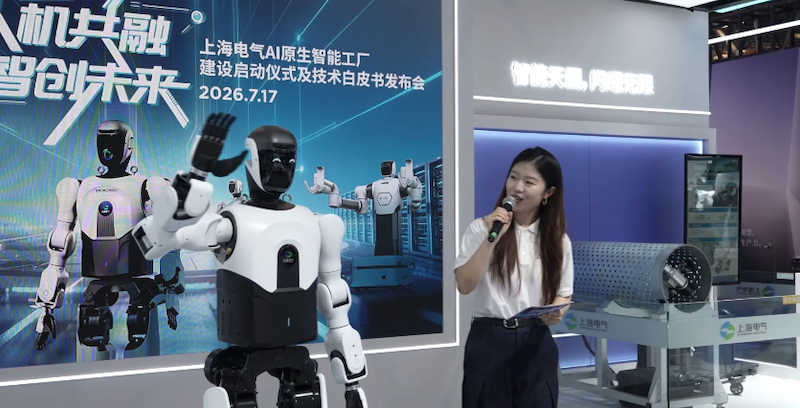
Shanghai Electric Showcases Humanoids, Industrial Robots, and AI Smart Factory Innovations
At the 2026 World Artificial Intelligence Conference, Shanghai Electric presented its advanced embodied intelligence solutions for industrial applications. The company emphasized its capabilities in embodied AI robots, core components, and AI-native smart factory technologies, showcasing a comprehensive portfolio designed for various industrial scenarios. This development is significant as it highlights the integration of machine precision with human expertise, aiming to enhance collaboration in manufacturing processes. Shanghai Electric's robotics solutions address critical tasks such as connector insertion, intelligent assembly, and flexible sorting, showcasing innovations like the planetary roller screw and DexHand dexterous hand. Looking ahead, Shanghai Electric's launch of 51 AI models under the “StarCloud Intelligent Manufacturing” series marks a shift towards data-driven operations in manufacturing. The release of the “AI-Native Smart Factory Technology White Paper” outlines a new architecture for real-time production optimization, indicating a transformative approach to industrial automation. No further timeline was disclosed at the time of publication.
Artificial Intelligence Robotics AI-native smart factory embodied ai humanoid robots industrial ai
WAIC and GDPS Launch Initiative for Embodied Intelligence Competitions in Shanghai
The WAIC (World Artificial Intelligence Conference) in Shanghai annually showcases cutting-edge AI advancements. This year, the Ministry of Industry and Information Technology, in collaboration with the State-owned Assets Supervision and Administration Commission, initiated the '2026 Action Plan for Humanoid Robots and Embodied Intelligence Practical Training.' This plan identifies nine key scenarios for application, including manufacturing, logistics, healthcare, and emergency response. The initiative aims to bridge the gap between technology and real-world applications, prompting participants to address specific operational challenges. Competitors will be tasked with providing solutions to practical issues such as component assembly, sorting, and inspection. The competition will focus on measurable, comparable, and replicable tasks, allowing various enterprises to open specific scenarios for testing. As the competition unfolds, the emphasis will be on identifying which repetitive tasks can be automated and which hazardous environments should be prioritized for robotic intervention. The goal is to streamline the process from problem identification to solution implementation, ultimately enhancing service experiences and operational efficiency. No further timeline was disclosed at the time of publication.
Embodied Intelligence AI Competitions Robotics Automation Industrial Applications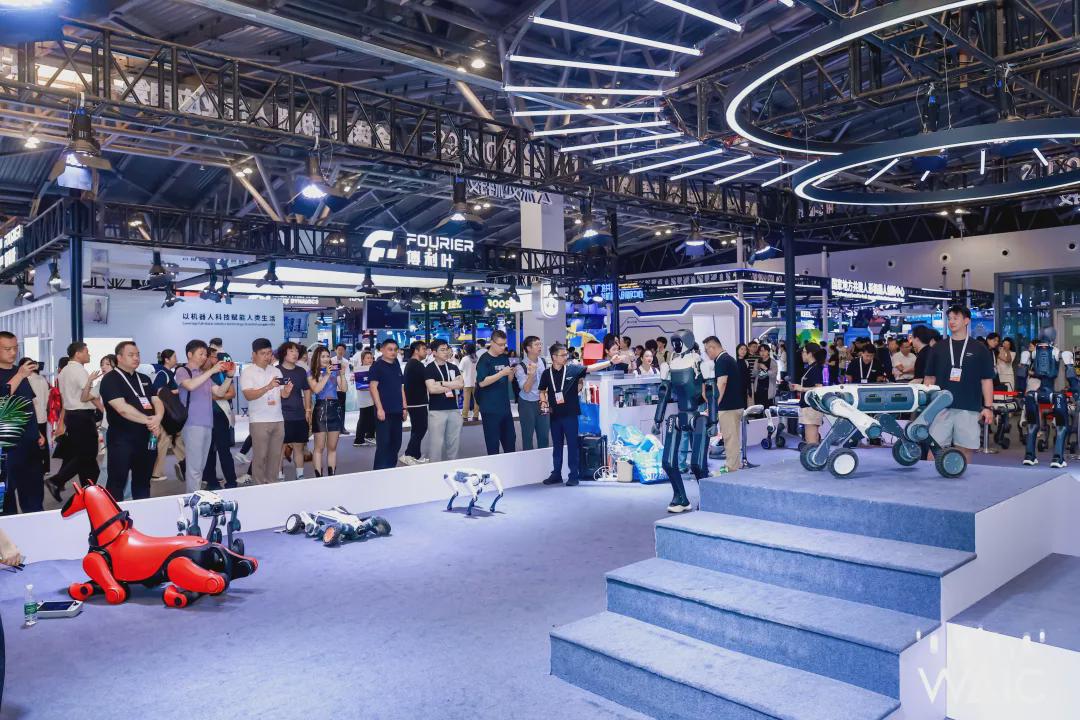
WAIC 2026 Showcases Advanced Embodied Intelligence Systems in Shanghai
In July 2026, the World Artificial Intelligence Conference (WAIC 2026) was held in Shanghai, featuring the theme 'Intelligent Partners, Co-Creating the Future.' The event highlighted embodied intelligence, attracting over 200 companies, with a focus on practical applications in high-risk environments. Among the exhibitors, Yunshen Technology stood out by presenting a diverse lineup of robots, including the humanoid DR02, quadrupedal robots from the Jueying series, and wheeled robots from the Shancat series. These robots, designed for challenging scenarios like power stations and emergency situations, emphasize real-world applications rather than just aesthetics. Yunshen Technology's approach contrasts with the industry norm of developing robots in controlled environments. By deploying robots in extreme conditions, the company aims to expose and improve their capabilities, creating a unique competitive advantage. The showcased products demonstrate a clear connection between their design and the demanding operational requirements they are built to meet.
Embodied Intelligence Robotics AI Technology Automation High-Risk Environments
Joyx and Hitch Interactive Collaborate on Embodied AI System Development
Joyx and Hitch Interactive have established a strategic partnership aimed at developing and deploying embodied AI systems for commercial applications. Joyx will focus on capturing, reconstructing, and verifying human and robot demonstration data, while Hitch Interactive will provide its Hitch Open robotics platform and necessary control interfaces. This collaboration is significant as it seeks to address the limitations of traditional robot training methods, such as teleoperation and simulation, by utilizing real-world video and sensor data. Joyx's approach aims to create a metric 3D representation of this data, which is then tailored to the physical constraints of specific robots, enhancing their training process. Looking ahead, the partnership intends to build complete systems tailored for specific commercial scenarios, leveraging the strengths of both companies. No further timeline was disclosed at the time of publication.
AI AI Funding & Investment Capital Markets Robotics California embodied AI
PHYMI Secures Nearly $100 Million in Seed Funding for Embodied AI Development
PHYMI, an embodied AI startup established by Liu Nianqiu, has successfully raised nearly $100 million in seed funding. The funding round was led by IDG Capital, with contributions from several investors including Yunqi Capital, DiDi, Fosun RZ Capital, Glory Ventures, and Hesai Technology. This funding is significant as it will support PHYMI's development of 'Physical Agents' that can understand goals, manipulate objects, and perform tasks in dynamic environments. The investment will also facilitate core technology research, enhance real-world data infrastructure, and aid in product engineering and team growth. Looking ahead, PHYMI aims to leverage this funding to advance its technology and expand its capabilities in the field of embodied AI. No further timeline was disclosed at the time of publication.
News Feed
Shanghai Tourism Festival Introduces Humanoid Robot as Innovative Tour Guide
The Shanghai Tourism Festival, set to commence on September 12, 2026, will feature a unique humanoid robot as a tour guide. This robot will be showcased on a themed float, providing real-time intelligent guidance and making smoothies for visitors along the iconic Bund. This marks the first time a humanoid robot has been integrated into a float parade at the festival. The inclusion of the humanoid robot highlights its dual applications in tourism: guiding visitors and providing consumer services. As the float travels approximately 2.2 kilometers through a bustling area, the robot will face challenges such as GPS signal interference and noise from crowds, testing its movement control and task planning capabilities. This event represents a significant step in the commercialization of humanoid robots, moving beyond traditional industrial and educational applications. Following the parade, the float will tour various districts in Shanghai, culminating at the Songjiang Guangfulin Cultural Site. This initiative not only showcases technological advancements but also serves as a public demonstration of the robot's readiness for broader deployment in real-world scenarios.
Humanoid Robots Tourism Technology Event Automation Cultural Innovation
AGIBOT Unveils Embodied AI Robotics at IFA 2026 with New Models and Certifications
AGIBOT presented its newest embodied AI robotics innovations at IFA 2026, including the AGIBOT A3 humanoid and AGIBOT X2 Ultra. These robots are designed for various applications, such as retail, industrial operations, and commercial cleaning. The significance of this showcase lies in AGIBOT's commitment to enhancing robotic capabilities in practical environments. The announcement of TÜV Rheinland certifications for its robots further underscores the company's dedication to safety and quality standards in robotics. Looking ahead, AGIBOT's partnership with Tekpoint aims to strengthen its foothold in the European market. No further timeline was disclosed at the time of publication.
AI Robotics Humanoid Robots Commercial Cleaning Retail Technology European Market Expansion
Direct Drive Proposes Wheel-Legged Robots to Overcome Physical Access Challenges in Embodied AI
Chinese startup Direct Drive claims that the primary challenge for embodied robots is not the intelligence of their systems but rather their ability to physically access various environments. By integrating direct-drive actuators with innovative wheel-legged designs, these robots are engineered to navigate obstacles such as curbs, slopes, and mixed indoor-outdoor spaces. This approach is significant as it addresses a critical limitation in the deployment of embodied AI technologies. The ability to traverse diverse terrains enhances the functionality and applicability of robots in real-world scenarios, potentially expanding their use in sectors such as logistics, healthcare, and home assistance. Looking ahead, the focus will be on the practical implementation of these wheel-legged robots in various environments. No further timeline was disclosed at the time of publication.

TARS Secures $455 Million in Record Pre-A Funding for Embodied AI in China
TARS has successfully raised $455 million in a Pre-A funding round, marking a significant milestone as it sets a record for the largest single-round financing in China's embodied AI sector. This funding, which is approximately RMB 3.3 billion, highlights the growing interest and investment in advanced AI technologies within the region. The significance of this funding round lies in its potential to accelerate TARS's development and deployment of embodied AI solutions, which are increasingly becoming vital in various applications. As the demand for intelligent automation and robotics continues to rise, TARS's record-setting financing positions the company to lead in this competitive landscape. Looking ahead, industry observers will be keen to see how TARS utilizes this substantial investment to innovate and expand its offerings in the embodied AI market. No further timeline was disclosed at the time of publication.
Industry
Understanding the Edge AI Wall: New Mathematical Approaches for Embodied AI Stability
Recent advancements in artificial intelligence have highlighted a critical issue known as the 'edge AI wall' in autonomous mobile robots (AMRs). This phenomenon arises from computational overload, where decision-making quality deteriorates due to an excessive number of alternatives that the planner must evaluate in real time. This challenge, initially perceived as a localized problem, is now recognized as a systemic barrier affecting the entire spectrum of physical AI systems. The implications of this barrier are significant as the industry shifts towards integrating large language models and multimodal foundation models into physical applications. The assumption that scaling computational resources will yield similar breakthroughs in physical AI as seen in cloud AI fails to consider the rigid constraints of hardware in real-world environments. Unlike cloud systems, physical AI must operate within strict limits regarding power consumption, weight, and response times, making computational stability crucial for safe and effective operation. As the complexity of tasks in the physical world increases, the exponential growth of solution spaces will likely exacerbate the computational instability observed in AMRs. Future research and development will need to focus on innovative mathematical solutions to navigate these challenges and enhance the reliability of embodied AI systems. No further timeline was disclosed at the time of publication.
Artificial Intelligence Artificial Intelligence / Cognition Batteries / Power Supplies Microprocessors / SoC Mobility / Navigation Networking / Connectivity
WorkBuddy Transitions to Production at Shanghai Jahwa, Boosting Efficiency by 4.5 Times
Tencent's office agent WorkBuddy has successfully moved from pilot phase to full production at Shanghai Jahwa, a historic cosmetics manufacturer. This transition has resulted in a remarkable increase in operational efficiency, achieving more than a fourfold improvement across nine different departments. The significance of this development lies in the enhanced productivity that WorkBuddy brings to Shanghai Jahwa, a company with a century-long legacy in the cosmetics industry. The ability to streamline processes and improve efficiency is crucial for maintaining competitiveness in a rapidly evolving market. Looking ahead, it will be important to monitor how WorkBuddy continues to perform in its production role and whether further enhancements can be achieved. No further timeline was disclosed at the time of publication.
AI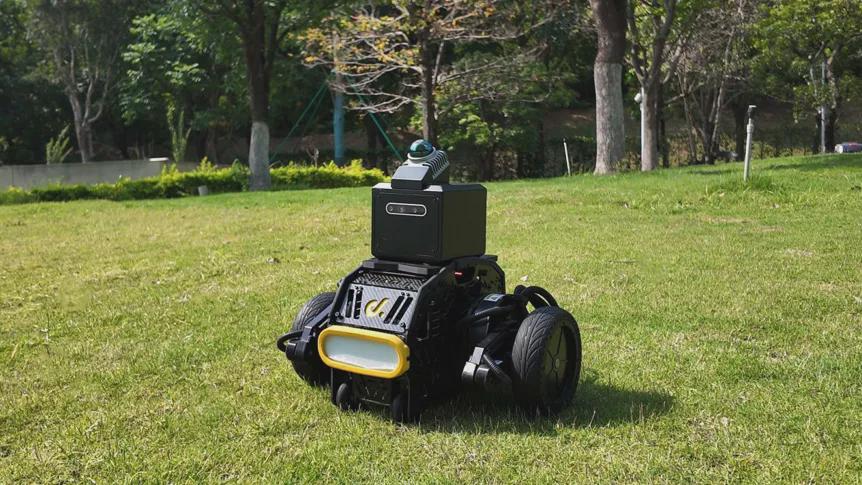
Is the Major Challenge in Embodied Intelligence Beyond Just the Brain?
The surge in embodied intelligence has led to a focus on large models, seen as the 'brain' of robots, expected to understand and plan tasks. However, many projects shortcut by combining purchased chassis with self-developed models, resulting in impressive demos that struggle in real-world scenarios. This highlights a critical gap: the disconnect between cognitive understanding and physical execution, as robots often fail to translate commands into actions. The industry has developed a tendency to prioritize the cognitive aspects of robotics while underestimating the importance of the physical components. This 'heavy brain, light body' approach allows for rapid demo completion but creates significant limitations. Real-world environments present challenges that simulations do not, and even minor obstacles can render advanced cognitive systems ineffective. The disparity between the cognitive and physical capabilities of robots raises questions about the future of embodied intelligence. While large models enhance cognitive limits, motion control and hardware define the operational baseline. The essence of embodied intelligence lies in the integration of cognition, motion control, and physical embodiment, emphasizing that neglecting physical capabilities can lead to a disconnect between thought and action.
Embodied Intelligence Robotics AI Models Motion Control Modular Robotics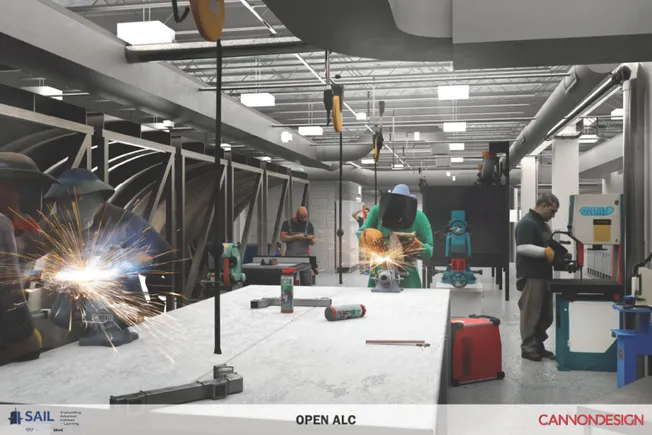
Electric Boat and NEIT to Launch Submarine Workforce Training Center in Rhode Island
Electric Boat (EB) and the New England Institute of Technology (NEIT) are collaborating to establish a submarine workforce training center in Rhode Island, supported by a $20 million investment from the U.S. Navy’s Submarine Industrial Base program. This initiative aims to enhance workforce skills in areas such as welding and machining, aligning with EB's goal to hire 8,000 employees by 2026. The training center will feature 20 classrooms designed for hands-on skill development, expanding NEIT's existing partnership with EB, which has trained over 4,500 new workers since 2013. This expansion comes as EB prepares to fulfill two significant contracts with the Navy, totaling $76.6 billion, which include the production of Columbia-class and Virginia-class submarines. Looking ahead, the establishment of the training center is crucial for meeting the increasing demand for skilled labor in submarine production. No further timeline was disclosed at the time of publication.

Shanghai Startup LeapTech Develops Brain-Computer Interface for Stress Relief, Secures Funding
LeapTech, a startup from Shanghai, has developed a brain-computer interface (BCI) aimed at stress relief and has recently completed a seed funding round of nearly 10 million yuan. The funding, provided by angel investors with expertise in hard technology, consumer electronics, and manufacturing, will support the iteration of a non-invasive wearable BCI, the refinement of neural feedback algorithms, and the establishment of a production supply chain. Founded in October 2025 by Sun Huihua, a PhD from Shanghai Jiao Tong University, LeapTech focuses on consumer-grade BCI products that manage mental order, brain stability, and emotional energy. The non-invasive device collects EEG signals in real-time and intervenes acoustically when it detects stress or anxiety, guiding users into states of relaxation, meditation, focus, or sleep. Looking ahead, LeapTech plans to launch several wearable BCI products targeting relaxation, menstrual comfort, and energy maintenance. The company also aims to provide EEG collection hardware and acoustic solutions for smart headphones and wellness brands. As BCIs transition from medical devices to everyday consumer electronics, LeapTech seeks to address the challenge of maintaining mental well-being in an information-saturated world. No further timeline was disclosed at the time of publication.
Brain-Computer Interfaces Mental Health Technology Wearable Devices AI Solutions
China Establishes Over 70 Operational Embodied-AI Training Grounds by June 2023
By the end of June 2023, China had established more than 70 operational embodied-AI training grounds, as reported by the China Academy of Information and Communications Technology. These facilities are crucial for collecting real-world data, training AI models, and testing robotic systems, with industrial manufacturing being the predominant application in 86% of the grounds. The significance of these training grounds lies in their ability to enhance the development of embodied AI technologies across various sectors. With 46 additional facilities either under construction or in planning, the initiative reflects China's commitment to advancing its AI capabilities and fostering innovation in robotics and automation. Key regions such as the Yangtze River Delta, Beijing-Tianjin-Hebei, and Pearl River Delta have become primary clusters for these training grounds. As the landscape evolves, stakeholders should monitor the expansion of these facilities and their impact on the robotics and AI sectors. No further timeline was disclosed at the time of publication.
News Feed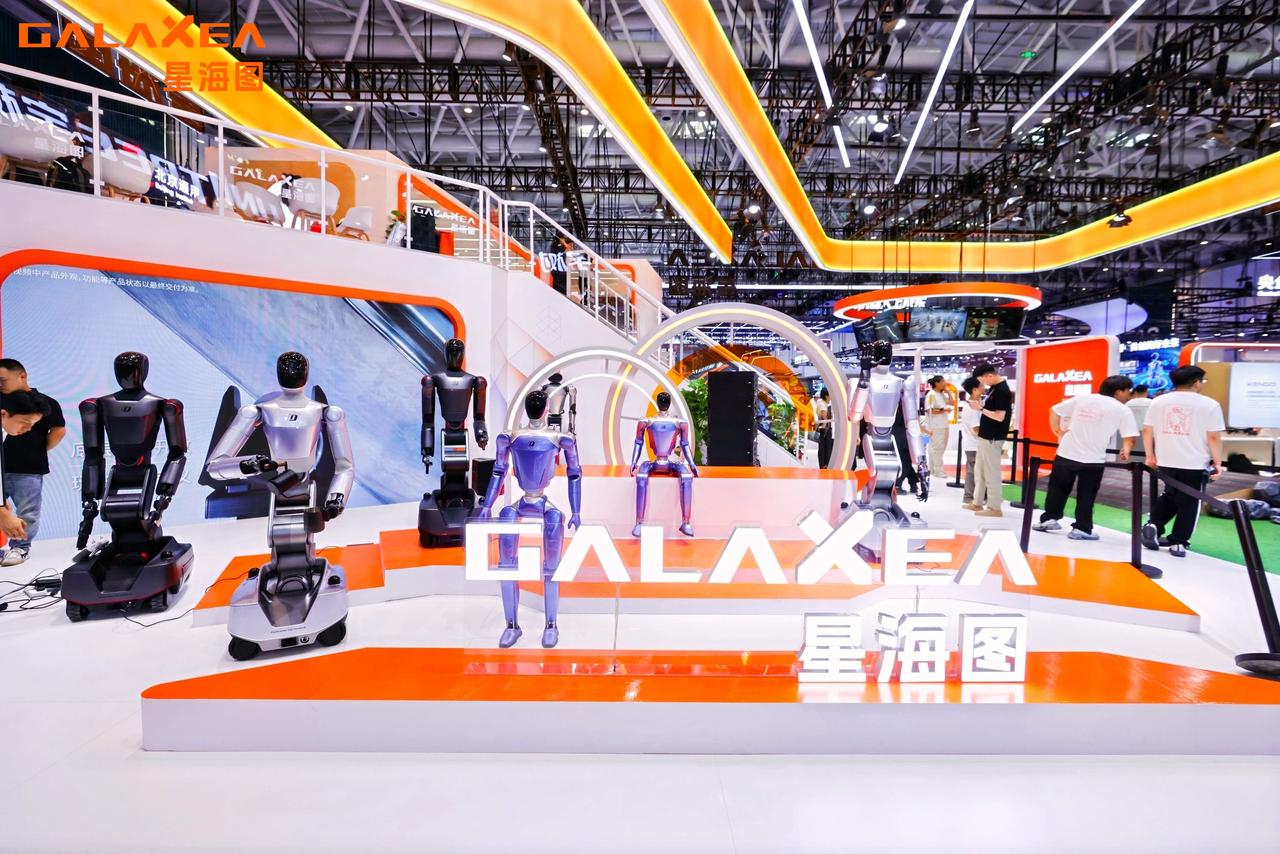
Xinghaitu Showcases Embodied Intelligence Advancements at 2026 World Robot Conference
At the 2026 World Robot Conference in Beijing, Xinghaitu presented over ten technology demonstrations under the theme of 'Awakening Productivity.' Unlike many exhibitors focusing on motion displays, Xinghaitu's demonstrations centered on 'real work,' showcasing the company's foundational technological advancements in both hardware and software. These presentations indicate a significant shift in embodied intelligence from laboratory settings to industrial applications, evolving from 'capable of performing tasks' to 'reliably executing tasks.' A highlight of the exhibition was Xinghaitu's introduction of the world's first fully automated pre-warehouse system, capable of online ordering and closed-loop fulfillment. Users can place random orders through a mini-program, allowing robots to autonomously identify products, plan routes, pick, pack, and complete the entire order-to-delivery process. This system demonstrates breakthroughs in handling a vast array of products without the need for individual programming, showcasing the potential of embodied intelligence in real-world scenarios. Additionally, Xinghaitu unveiled the next-generation humanoid robot, Nexo, featuring 30 degrees of freedom and designed for high-precision tasks. The robot's capabilities, including a 20kg load capacity and adaptability across various production scenarios, signify a move towards a universal productivity platform. As the industry watches these developments, the focus will be on how effectively embodied intelligence can adapt to unpredictable environments and maintain operational stability in real-world applications.
Embodied Intelligence Robot Automation Industrial Robotics Warehouse Solutions
Unitree Robotics Experiences Significant Growth in Shanghai IPO Launch
Unitree Robotics saw its shares rise sharply during its trading debut in Shanghai, following a successful initial public offering that raised 6.1 billion yuan. This milestone marks Unitree as the first humanoid robot manufacturer to be publicly listed in mainland China. The significance of this event lies in Unitree Robotics becoming a pioneer in the humanoid robotics sector within the Chinese market. The successful IPO not only highlights investor confidence in the company's potential but also underscores the growing interest in robotics and automation technologies in the region. Looking ahead, it will be important to monitor how Unitree Robotics leverages this capital to expand its operations and product offerings. No further timeline was disclosed at the time of publication.

X Square Robot Displays Comprehensive Embodied AI Technologies at WRC 2026
X Square Robot is showcasing its complete portfolio of embodied AI technologies at the World Robot Conference 2026 in Beijing. The Shenzhen-based company is presenting applications that include logistics automation, dexterous manipulation, and household robotics, with a focus on its WALL-B embodied AI foundation model and advanced robotic hardware. This exhibition is significant as it follows a successful livestream demonstration where X Square Robot processed 1,816 parcels with over 98 percent accuracy. At WRC, the company is broadening its scope beyond logistics to illustrate how embodied intelligence can be applied across various physical systems and environments, emphasizing versatility in robotic applications. Attendees can expect to see demonstrations that challenge the robots with complex tasks, such as flower arranging and fan handling, which require advanced manipulation and understanding of natural language instructions. These showcases will highlight the adaptability and precision of X Square Robot's technologies in dynamic environments. No further timeline was disclosed at the time of publication.
Events News Robotics Warehouse robots artificial intelligence dexterous robotics
Unitree Launches on Shanghai STAR Market with Market Value of Approximately RMB445 Billion
Unitree commenced trading on Shanghai’s STAR Market on August 19, with shares opening at RMB1,100, a remarkable increase of 629.44% from the IPO price of RMB150.80. This surge in share price results in a market valuation of approximately RMB444.9 billion for Unitree. The transition from a privately funded robotics company to a publicly traded entity is significant for Unitree, as it highlights the growing interest and investment in the robotics sector in China. The company’s product lineup includes both quadruped and humanoid robots, indicating its diverse technological capabilities. Investors and industry observers should monitor Unitree's performance in the public market, as this listing could influence future investments in robotics and automation. No further timeline was disclosed at the time of publication.
News Feed
Unitree's Shares Surge 629% in Shanghai Trading Debut for Humanoid Robots
Unitree, a leading Chinese humanoid robot manufacturer, experienced a remarkable 629% surge in its stock price during its initial public offering in Shanghai on Wednesday. This significant increase reflects growing investor confidence in China's advancements in technology, particularly in the robotics sector. The impressive debut of Unitree's shares underscores the rising interest and optimism surrounding the robotics industry in China. As one of the largest players in the humanoid robot market, Unitree's performance may signal a broader trend of investment in innovative technologies within the country. Looking ahead, market observers will be keen to see how Unitree's stock performs in the coming weeks and whether this initial enthusiasm translates into sustained growth. No further timeline was disclosed at the time of publication.
Robotics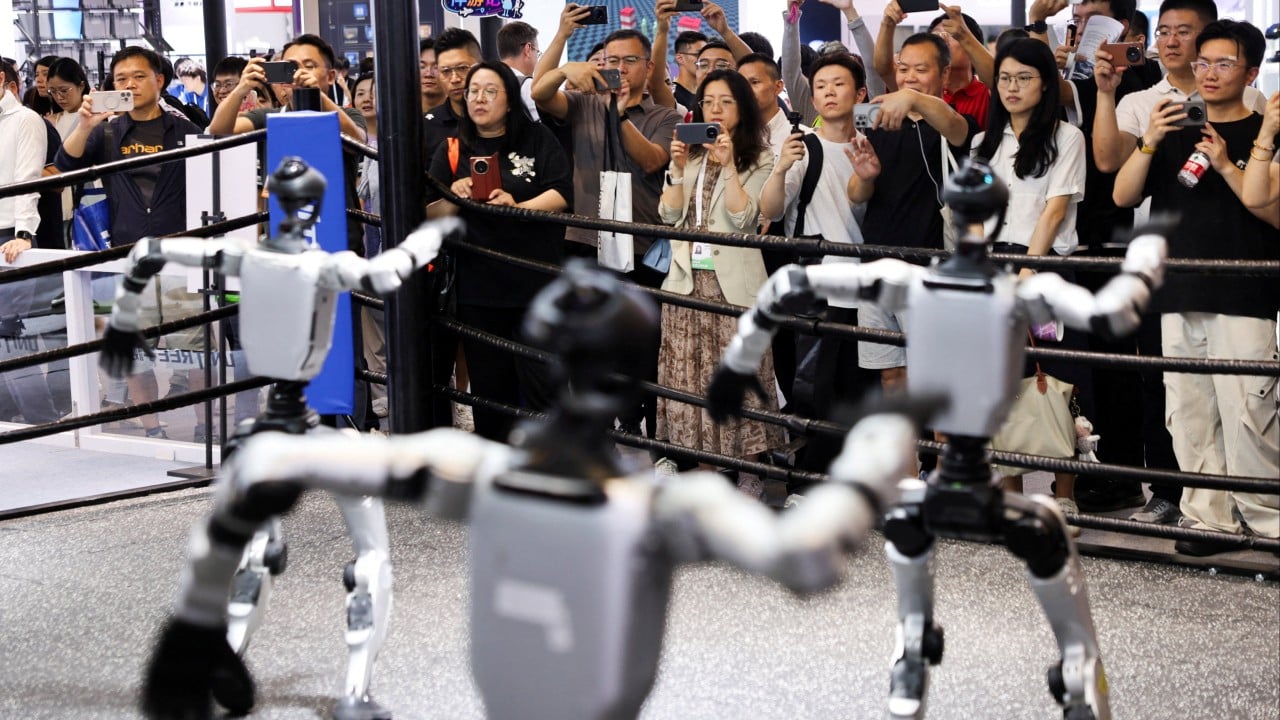
Unitree Robotics Achieves $66 Billion Valuation with 629% Surge in Shanghai IPO
Unitree Robotics experienced a remarkable 629% surge in its valuation, reaching $66 billion during its debut on the Shanghai stock exchange. The IPO attracted significant attention, with 9.8 million retail investment accounts vying for just 9.7 million shares, leading to a final allocation rate of only 0.018%. This listing marks a significant milestone as it is the first IPO of a humanoid robot manufacturer on a mainland exchange, coinciding with the World Robot Conference in Beijing. The event showcases the growing interest and investment in robotics, highlighting the potential for innovation and development in this sector. Investors and industry watchers should keep an eye on Unitree's stock performance following its initial surge, as the stock experienced a pullback, dropping below 900 yuan per share in early trading. No further timeline was disclosed at the time of publication.
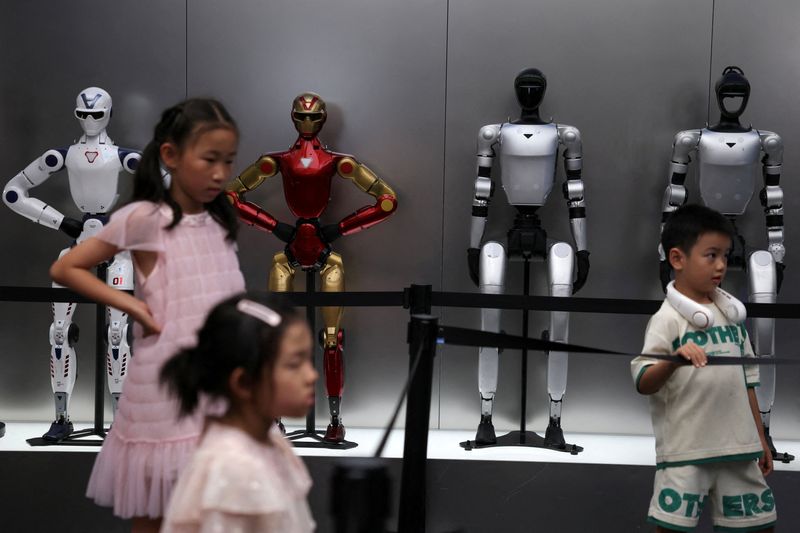
Unitree's Shares Surge Over Five-Fold in Landmark Shanghai Trading Debut
On August 19, Unitree, a leading Chinese humanoid robot manufacturer, saw its shares soar more than five-fold during its trading debut in Shanghai, marking a significant milestone for China's robotics sector amidst the ongoing Sino-U.S. tech rivalry. This remarkable debut not only highlights Unitree's position as a top-tier player in the humanoid robotics market but also reflects the growing importance of robotics in addressing labor shortages in China, as emphasized by the concurrent World Robot Conference in Beijing. Looking ahead, Unitree's successful listing is expected to influence other domestic robotics firms, such as Chery Automobile's robotics division, which are preparing for their own market entries. No further timeline was disclosed at the time of publication.
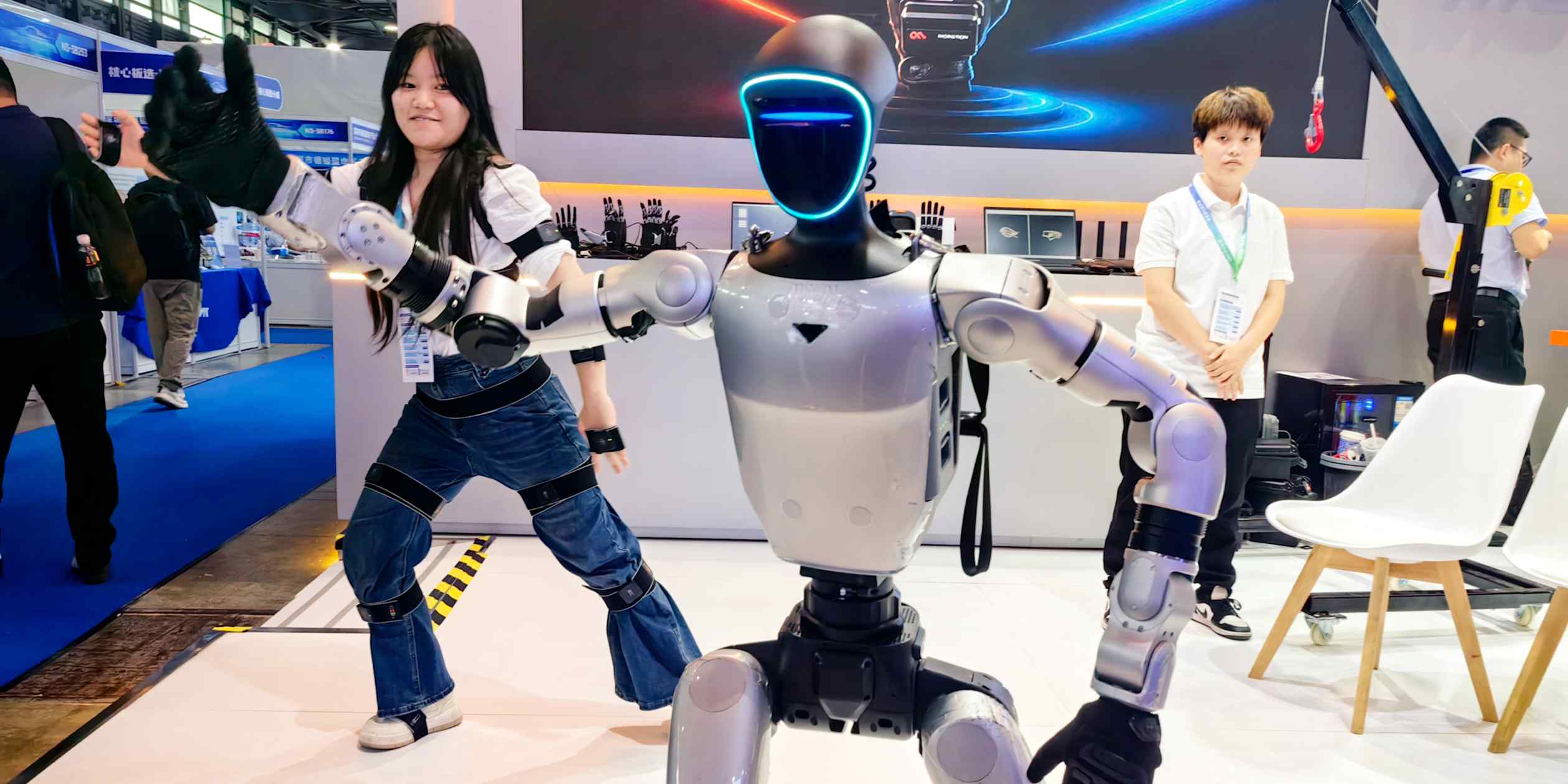
Unitree Robotics Shares Surge 629% Following $905 Million IPO in Shanghai
Unitree Robotics, a prominent Chinese humanoid robot manufacturer, experienced a remarkable 629% increase in share price, reaching 1,100 yuan each during its Shanghai IPO. The company successfully raised 6.1 billion yuan (approximately $905 million) on its debut, marking a significant milestone in the competitive robotics sector. This surge in share price highlights the growing investor interest in robotics and AI technologies, particularly in China, where the market for humanoid robots is rapidly expanding. Unitree's innovative designs and capabilities have positioned it as a leader in this field, attracting attention from both domestic and international investors. Looking ahead, industry observers will be keen to see how Unitree Robotics plans to scale its operations to meet the increasing demand for humanoid robots. No further timeline was disclosed at the time of publication.
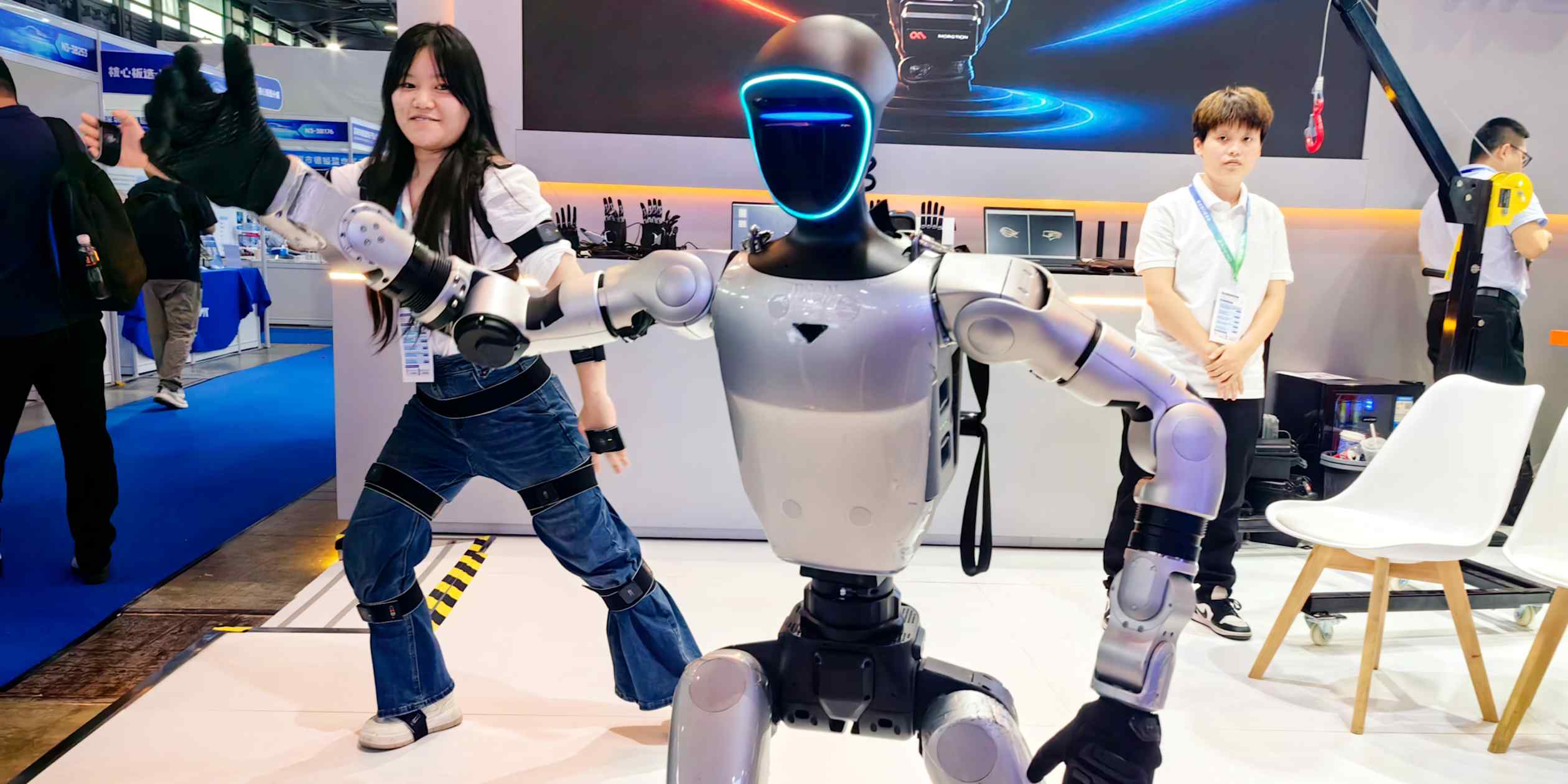
Unitree Robotics Achieves Over 629% Surge in Shanghai IPO, Raising $905 Million
Unitree Robotics, a prominent Chinese humanoid robot manufacturer, saw its shares increase by more than 629% to 1,100 yuan each during its IPO in Shanghai. The company successfully raised 6.1 billion yuan (approximately $905 million) on its debut, marking a significant milestone in the competitive robotics sector. This IPO is crucial as it underscores the growing demand for humanoid robots in China, positioning Unitree as a leader in an increasingly competitive market. The substantial capital raised will likely enhance Unitree's capacity to meet the rising demand for its innovative robotic solutions, which are known for their fluid athletic movements. Looking ahead, industry observers will be keen to see how Unitree leverages this funding to expand its production capabilities and innovate further in humanoid robotics. No further timeline was disclosed at the time of publication.
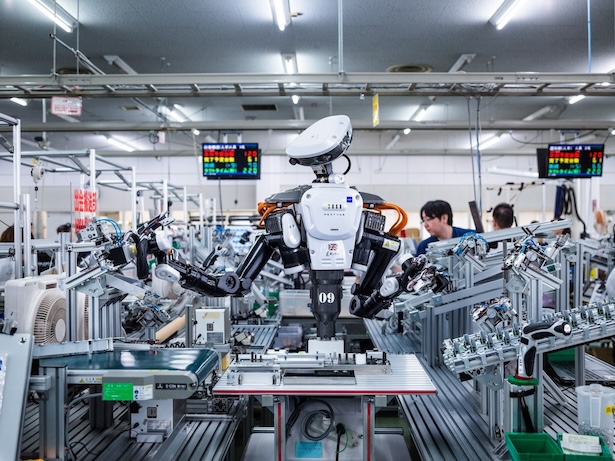
Unitree Robotics to Begin Trading Following $904 Million IPO in Shanghai
Unitree Robotics is poised to start trading in Shanghai on Wednesday after successfully raising 6.1 billion yuan ($904 million) through its initial public offering. This significant financial milestone positions Unitree as the first publicly traded humanoid robot manufacturer in mainland China. The successful IPO is a landmark event for the robotics industry in China, highlighting the growing interest and investment in humanoid robotics. By becoming a publicly traded entity, Unitree Robotics aims to leverage this capital to enhance its research and development efforts, furthering innovation in humanoid robotics technology. Investors and industry observers will be keen to monitor Unitree's performance in the stock market and its subsequent impact on the robotics sector. No further timeline was disclosed at the time of publication.

INFIFORCE Secures Nearly 1 Billion Yuan in Funding for Embodied AI Development
On August 14, INFIFORCE announced the completion of its Series A and A+ funding rounds, raising nearly 1 billion yuan. The funding was led by Dunhong Asset and major state-owned platforms, with participation from various industrial capital investors. The capital will primarily support the development of the AtomBrain and causal world model, as well as the scalable delivery and validation of multi-modal robotic bodies in real industrial scenarios. This funding is significant as it positions INFIFORCE to address the prevalent industry challenge of 'embodiment without intelligence.' Founder and CEO Dr. Bai Huiyuan, a former Alibaba VP, aims to enable robots to truly understand the world through a combination of embodied brains and full-stack AI infrastructure. The company’s core technology team includes experts from top universities, enhancing its capability in the field of embodied intelligence. Looking ahead, INFIFORCE plans to focus on Ego-Centric data collection starting in 2025, which differs from traditional third-person data approaches. The company has developed the Atom series of embodied models, achieving impressive benchmark results. No further timeline was disclosed at the time of publication.
Embodied AI Robotics Funding Artificial Intelligence
MIT Engineers Develop High-Speed Microscope to Image Electrical Activity in Zebrafish Brain
MIT engineers have created a groundbreaking microscope capable of imaging electrical activity across the entire brain of zebrafish, a model organism. This advancement allows for tracking neural activity at millisecond intervals, revealing how neurons respond to stimuli such as ultraviolet light. The ability to observe electrical impulses in real-time is significant for neuroscientists aiming to map neural networks and understand the underlying mechanisms of behavior and brain functions. Traditional calcium imaging methods are too slow to capture rapid neural activities, making this new technology a vital tool for studying brain dynamics. Looking ahead, the implications of this technology could extend beyond zebrafish, potentially aiding in the understanding of complex brain functions in other organisms. No further timeline was disclosed at the time of publication.
Research Imaging Microscopy Brain and cognitive sciences Biological engineering McGovern Institute
WAIC 2026 Competition to Advance Embodied Intelligence in Real-World Applications
The World Artificial Intelligence Conference (WAIC) in Shanghai has launched a global initiative for the 2026 International Embodied Intelligence Skills Competition. This initiative, in collaboration with the Ministry of Industry and Information Technology and the State-owned Assets Supervision and Administration Commission, aims to address nine key scenarios including manufacturing, logistics, and emergency response. This competition seeks to bridge the gap between advanced AI technologies and practical applications in various industries. By inviting global teams to propose solutions for real-world challenges, the initiative emphasizes measurable and replicable tasks that can be tested in actual business environments. The focus is on identifying high-repetition tasks suitable for automation and enhancing service experiences in critical scenarios. Participants will engage in a competitive format where they can present solutions to real problems, effectively streamlining the traditional bidding process. The competition aims to foster innovation and collaboration, with the potential for significant advancements in embodied intelligence applications across multiple sectors. No further timeline was disclosed at the time of publication.
Embodied Intelligence AI Competitions Robotics Industrial Automation
Daimon Launches First Tactile-Grounded World Model, Transforming Embodied Intelligence
On August 10, 2026, Daimon Robotics unveiled the world's first Tactile-grounded World Model (Daimon-TWM), showcasing a robot's ability to adapt to unexpected disturbances without stopping or colliding. This demonstration challenges the conventional belief that robots can only execute standardized processes and fail when disrupted. The significance of Daimon-TWM lies in its innovative integration of physical cognition, predictive decision-making, and instantaneous control within a unified framework. This model allows robots to understand physical states through tactile feedback, anticipate risks before they occur, and make real-time adjustments, enhancing their operational capabilities in dynamic environments. In testing, Daimon-TWM achieved an average success rate of 64.0% under undisturbed conditions and 53.5% under disturbances, outperforming traditional models significantly. This breakthrough emphasizes the importance of tactile input as a core element throughout the operational process, marking a pivotal advancement in embodied intelligence technology.
Robotics Embodied Intelligence Tactile Feedback AI Automation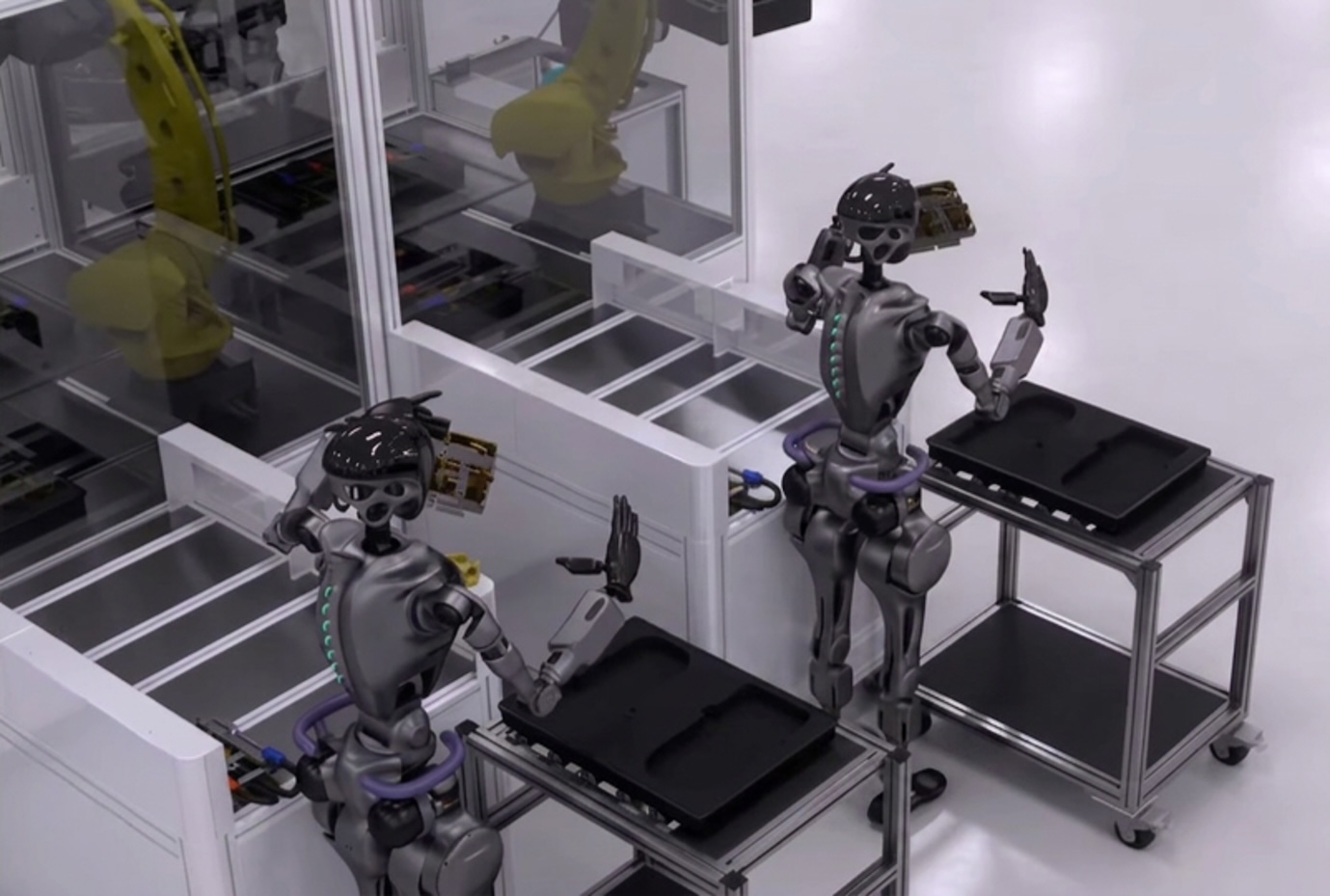
Unitree Robotics Sees 5,526 Times Subscription in Shanghai IPO by Retail Investors
Unitree Robotics, officially known as Yushu Technology Co., launched its initial public offering in Shanghai, attracting significant interest from retail investors. The IPO was met with overwhelming demand, being subscribed 5,526 times, highlighting the strong market appetite for innovative robotics solutions. This remarkable subscription rate underscores the growing enthusiasm for robotics and automation technologies in China, particularly as Unitree Robotics is recognized as a leading humanoid robot manufacturer. The high level of retail participation reflects confidence in the company's future prospects and the broader potential of the robotics sector in the region. Looking ahead, it will be important to monitor how Unitree Robotics utilizes the capital raised from this IPO and the impact it may have on its product development and market expansion. No further timeline was disclosed at the time of publication.

Unitree's Shanghai IPO Sees Over 8,000 Times Retail Investor Oversubscription
Chinese robotics manufacturer Unitree announced that its $900 million initial public offering (IPO) in Shanghai was oversubscribed by more than 8,000 times by retail investors. This overwhelming demand reflects significant investor interest, although the winning rate for retail investors was approximately 0.018% after reallocating shares from the institutional tranche. The importance of Unitree in the robotics sector is underscored by its competitive positioning against major players like Tesla and Boston Dynamics. Investors are optimistic about the company's potential, with expectations that its stock could significantly increase upon debut. Analysts suggest that the high valuation of the IPO, set at 150.80 yuan ($22.36), may shift market focus toward the commercial viability of the robotics industry. Looking ahead, some investors express caution due to the recent downturn in tech stocks and the perceived high investment risks associated with Unitree's business model, which relies heavily on research and demonstrations. The IPO values Unitree at 219 times its projected 2025 earnings, indicating a need for careful consideration of its future performance in the market.

GOAI Launches 'Embodied Future' Competition with 5 Million Yuan Prize Pool
The GOAI 'Embodied Future' competition, organized by the Hangzhou Open Source AI Foundation, features a total prize pool of 5 million yuan. This global event aims to encourage participants to present algorithms, models, and system solutions within an open framework, focusing on the real-world interaction of embodied intelligence. The competition includes two main challenges: general dual-arm collaborative operation and all-terrain patrol in industrial parks. These tasks require participants to demonstrate not only algorithmic innovation but also the ability to operate reliably and safely in real environments, addressing issues such as perception noise and execution errors. Open to global universities, research institutions, corporate tech teams, and independent AI builders, the competition encourages individual and team participation. The submission deadline for preliminary entries is August 20, 2023, at 23:59, marking a significant opportunity for teams to showcase their capabilities in embodied intelligence applications.
Embodied Intelligence Robotics Competition AI Development Open Source Technology
WUWENAI's Liu Shengxiang Addresses Data Bottleneck in Embodied AI Development
WUWENAI founder Liu Shengxiang has identified data as the primary bottleneck in the development of embodied AI. To tackle this challenge, the startup has developed a closed-loop Real-to-Sim-to-Real pipeline, which Liu claims is ahead of World Labs' SceniX initiative by several months. This advancement is significant as it highlights the critical role of data in enhancing the capabilities of embodied AI systems. By creating a more efficient data pipeline, WUWENAI aims to accelerate the development and deployment of AI technologies that can interact with the real world more effectively. Looking ahead, industry observers should monitor how WUWENAI's innovations influence the broader landscape of embodied AI and whether their pipeline can set new standards in data utilization. No further timeline was disclosed at the time of publication.
Xiaomi Open-Sources Its Embodied-AI Foundation Model Xiaomi-Robotics-1 for Developers
Xiaomi has announced the open-source release of its embodied-AI foundation model, Xiaomi-Robotics-1, on August 5. This release encompasses the entire process from real-robot post-training to model deployment, along with code for benchmark evaluations. The model was pretrained on over 100,000 hours of UMI data and underwent post-training on more than 10,000 hours of cross-embodiment data. The significance of this release lies in its potential to enhance the development of embodied AI applications. By providing access to the full training and deployment process, Xiaomi aims to foster innovation and collaboration within the AI community. The model, first introduced in July as an “out-of-the-box” solution, is designed to streamline the integration of AI into robotic systems. Looking ahead, developers and researchers will likely explore the capabilities of Xiaomi-Robotics-1 in various applications. The open-source nature of the project, which includes links to the project website, GitHub repository, and Hugging Face page, is expected to encourage widespread adoption and experimentation. No further timeline was disclosed at the time of publication.
News Feed
Kaiwang Data Secures Over RMB100 Million for Embodied AI Data Infrastructure Development
Kaiwang Data, a Chinese provider of data infrastructure for embodied AI, has successfully raised over RMB100 million in a strategic funding round. This funding round was co-led by the Beijing E-Town Industrial Upgrade Fund, Huafang Capital, and Skyline Capital, with participation from several robotics companies including Lumai Robotics and Mifeng Technology. This funding is significant as it will enable Kaiwang Data to enhance its capabilities in managing multimodal data essential for applications in autonomous driving and humanoid robots. The company currently produces approximately 100,000 hours of usable data monthly and has established bulk data-purchasing agreements with major firms, indicating strong demand for its services. Looking ahead, Kaiwang Data plans to utilize the new funding to develop its data-trading platform and advance world-model technology. The expansion will target commercial, industrial, and household applications, positioning the company for growth in the rapidly evolving AI landscape. No further timeline was disclosed at the time of publication.
News Feed
Richard Sutton Emphasizes Importance of Ideas at WAIC Tsinghua Community Event in Shanghai
At the WAIC Tsinghua Community Event in Shanghai, Richard Sutton, the 2024 Turing Award winner and a pioneer in modern reinforcement learning, emphasized that 'ideas matter.' He highlighted that while the industry focuses on computational power and large models, the true driving force behind AI advancements lies in original academic thought. This message serves as a reminder for the industry to return to its research roots. The event, guided by Tsinghua University's iCenter and hosted by the Tsinghua Student Maker Space Association, featured project presentations, exhibitions, and discussions. It aimed to connect young innovators with industry resources and venture capital, fostering collaboration in AI research and commercialization. Sutton's insights on the importance of foundational research and the potential for young researchers to make significant contributions resonated throughout the event. Looking ahead, the WAIC will continue to strengthen its role as a platform for AI technology exchange and collaboration. No further timeline was disclosed at the time of publication. The focus on integrating education, technology, and industry will be crucial for developing innovative AI talent and ensuring the successful commercialization of AI technologies.
Artificial Intelligence Academic Research Innovation Technology Commercialization
WAIC 2026 Highlights: Computing Chips and Supernode Architecture Transform Embodied Intelligence
At the 2026 World Artificial Intelligence Conference (WAIC), the concept of embodied intelligence emerged as a focal point. As attendees engaged with advancements in multimodal large models, a roadmap concerning computing chips, supernode architecture, and AI application deployment began to reshape industry perceptions. A clear consensus is forming that the next phase of competition in embodied intelligence will center on systematic challenges involving computational foundations, infrastructure, and application scenarios rather than merely algorithmic metrics. According to a recent report by CITIC Securities, dedicated computing chips for embodied intelligence are becoming a critical battleground. Unlike general-purpose GPUs, these chips must provide extreme optimization for specific tasks such as low-latency inference, high parallel computing, and multi-sensor fusion. The introduction of supernode architecture indicates a pathway for the large-scale deployment of embodied intelligence, seamlessly connecting cloud, edge, and terminal computing resources to support a comprehensive agent framework that spans perception, decision-making, and execution. The pace of AI application deployment is exceeding expectations, with embodied intelligence technologies rapidly transitioning from laboratories to real-world scenarios, including logistics sorting and home companionship services. Companies like Jieyue Xingchen have achieved initial commercial validation across various verticals, lowering development barriers and accelerating product iteration cycles. As the integration of large language model inference capabilities with robotic motion control deepens, a new 'agent economy' is gradually taking shape. No further timeline was disclosed at the time of publication.
Embodied Intelligence Computing Chips Supernode Architecture AI Applications Industry Innovation
Unitree Robotics Advances Towards IPO on Shanghai STAR Market Following Approval
Unitree Robotics is progressing towards an initial public offering (IPO) on Shanghai’s STAR Market after receiving approval from China’s securities regulator on July 1. This regulatory approval is a significant milestone, although it does not establish the offering price, subscription date, or trading date for the IPO. The company aims to raise approximately RMB4.2 billion, with funds allocated for research into robot AI models, development of robot bodies, creation of new robot products, and the establishment of a smart-robot manufacturing base. Based in Hangzhou, Unitree Robotics specializes in the development of quadruped and humanoid robots, positioning itself as a prominent player in China's embodied-AI sector. While the approval marks a crucial step in Unitree's IPO journey, the timeline for the public offering remains unconfirmed. Stakeholders will be watching closely for updates regarding the offering details and market entry, as the company continues to innovate in the robotics field.
News Feed
Shanghai Concludes Spring Training for Robotics Teams with Real-World Testing
Thirty-two maker teams showcased their robots in a real-world environment, tackling tasks such as CityWalk, coffee delivery, and urban inspections. Despite their capabilities, the robots faced challenges, including reliance on remote control and limitations in long-distance tasks. This testing highlighted the need for standardized data systems among teams to facilitate collaboration between carbon-based and silicon-based entities. The training culminated in a short film depicting a robotic dog navigating various tasks, revealing both its limitations and the technological advancements made by participating teams. The film emphasized the importance of human oversight and decision-making in enhancing robotic functionality, such as modifying elevator access for robots. Shanghai has introduced the 'Dual-Base Friendly Agreement' to ensure that silicon-based entities do not compromise human safety or privacy. The team is drafting guidelines for creating friendly communities that integrate these technologies. As robots transition into everyday life, it is crucial to align technological advancements with urban planning, social norms, and human psychology.
Robotics Urban Navigation Human-Robot Interaction AI Technology
Shanghai DQ Store Introduces Humanoid Robot Employee North for Ice Cream Preparation
In August, a DQ store in Shanghai will employ the humanoid robot North from Sharpa to perform ice cream preparation tasks. This marks the first instance of a humanoid robot completing a full shift in a real restaurant environment without modifying existing equipment or processes. The significance lies not in the robot's ability to make ice cream, but in demonstrating that robots can adapt to human environments rather than requiring adjustments to accommodate them. This development is crucial as it addresses common challenges in the food service industry, such as labor shortages and the need for consistent quality. The DQ store's Blizzard preparation process, which involves precise actions like cup handling and ingredient mixing, is designed for human operators. By integrating the North robot into this workflow, Sharpa aims to validate its technology in a high-demand, standardized setting, enhancing operational efficiency and consistency. Looking ahead, the collaboration between Sharpa and DQ could pave the way for broader adoption of robotics in the food service sector. The successful implementation of North in a non-modified store environment could lead to further innovations in automation, particularly in high-volume, low-margin settings. No further timeline was disclosed at the time of publication.
Humanoid Robots Restaurant Automation AI Robotics Food Service Technology
Vertical Aerospace Secures $4.6M for Electric Aircraft Charging and Cooling Project
Vertical Aerospace is spearheading a UK-supported initiative to enhance electric aircraft charging and liquid-cooling systems, addressing critical infrastructure challenges that could accelerate the commercial viability of electric aviation. The ECLiPSE project, which includes collaboration with the University of Bath and InnCat Ltd., aims to develop high-power charging and thermal management solutions to lower costs and improve operational efficiency for electric aircraft. This project is significant as it aligns with the growing demand for electric vertical take-off and landing (eVTOL) aircraft, which necessitate rapid recharging capabilities at airports and vertiports. With a total investment of approximately $4.5 million, including $2.3 million in government funding, ECLiPSE is set to enhance charging performance and reduce infrastructure size, ultimately facilitating more frequent flights from existing facilities. Looking ahead, the technologies developed through ECLiPSE may extend beyond aviation, potentially benefiting other electrified transport sectors. Vertical Aerospace is also in discussions with the UK Government for additional funding to support its global production sites, emphasizing the need for robust charging infrastructure to support the transition to zero-emission flight.
Transportation
Shanghai Startup Secures Angel Funding to Develop Magnesium Alloy Robot Joints
Shanghai Yimei Huaxin Materials Co., Ltd. has completed angel funding of tens of millions of yuan, backed by Xinghe Venture Capital and Huazhong Industrial Group. Founded in November 2024, the company has formed partnerships with over ten robot manufacturers and developed more than 15 magnesium alloy alternatives to aluminum, targeting the automotive sector. This funding will be allocated for capacity expansion, research and development, and team growth. The rapid progress made by Yimei Huaxin is notable in the materials industry, where new materials typically require two to three years for validation. However, the robotics sector's urgent need for solutions to overheating and weight reduction challenges has accelerated this timeline. Looking ahead, Yimei Huaxin aims to address the industry's demand for lightweight materials without needing to outperform aluminum in every aspect. The company's strategy focuses on magnesium alloys' unique properties, such as lower density and excellent damping characteristics, to meet the critical needs of the robotics market. No further timeline was disclosed at the time of publication.
Magnesium Alloys Robot Joints Material Science Lightweight Materials Startup Funding
WAIC 2026 Highlights Practical Applications of Embodied Intelligence with Increased Participation
At this year's WAIC, embodied intelligence made its debut as a standalone exhibition, with participating companies increasing from over 80 last year to more than 200. Unlike previous years, where robots showcased performances, this year's focus shifted to real operational scenarios, reflecting a consensus in the industry to move from mere demonstrations to practical applications. The transition to practical applications is significant as it highlights the industry's evolution towards functionality. While some companies are still refining their gait algorithms, others have successfully achieved mass production and delivery. Notably, Xuanji Power showcased its Hypertron series quadruped robots, emphasizing operational tasks such as inspection, maintenance, firefighting, reconnaissance, and transportation, distinguishing itself from competitors focused on flashy demos. Xuanji Power's approach to fully self-developed technology creates three competitive barriers: a comprehensive technical loop, mass production capabilities, and an open ecosystem for collaboration. Their successful delivery of quadruped robots positions them favorably in the market, where cost control and delivery capabilities will be crucial in future industry price wars. No further timeline was disclosed at the time of publication.
Quadruped Robots Embodied Intelligence Industrial Automation Robotics Technology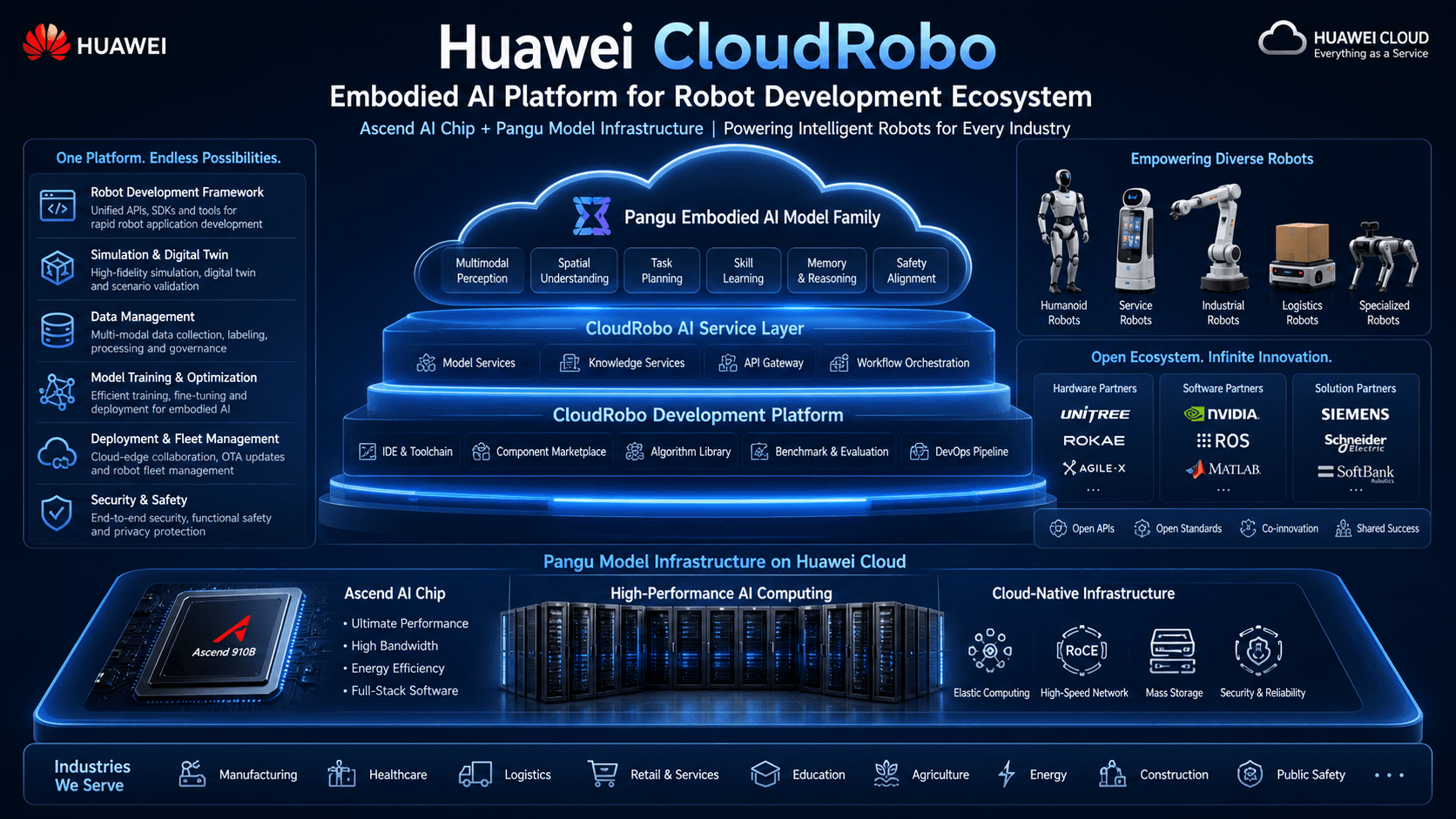
Huawei Launches CloudRobo, a Comprehensive Embodied AI Development Platform
Huawei Cloud has introduced CloudRobo, a comprehensive platform for embodied AI development that encompasses data production, model development, simulation, and robot deployment. This initiative is supported by partnerships with over 20 companies, including Youibot. The launch of CloudRobo is significant as it marks Huawei's entry into the embodied AI sector, potentially replicating the success seen with its SERES smart car initiative. By providing a full-stack solution, Huawei aims to streamline the development process for companies venturing into AI-driven robotics. Looking ahead, industry observers will be keen to see how CloudRobo evolves and whether it can achieve similar milestones as Huawei's previous ventures. No further timeline was disclosed at the time of publication.
Technology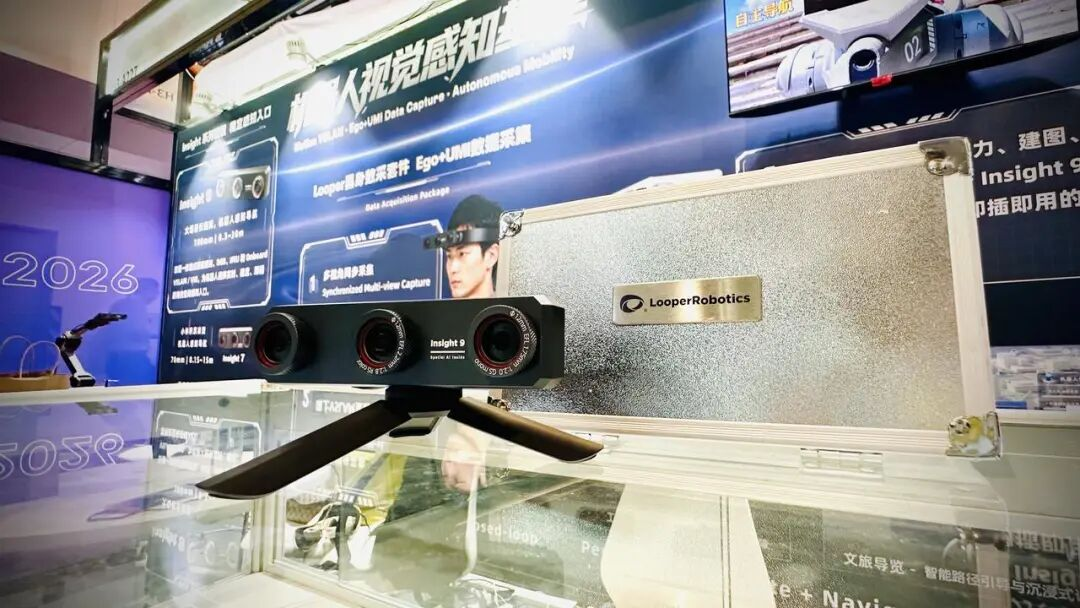
WAIC Highlights Embodied Intelligence with Data-Driven Innovations and New Players
Embodied intelligence emerged as a leading focus at this year's WAIC, attracting significant attention at the Expo Center. Numerous familiar companies showcased their production lines and scenarios, while new entrants like Guanglun Intelligent and Wuwen Zhike displayed data streams and algorithm demonstrations, drawing industry professionals eager to address data challenges. The shift in competition from 'building bodies' to 'establishing foundations' emphasizes the critical role of data in embodied intelligence. However, the industry faces a substantial bottleneck due to a lack of high-quality data. Chen Yilun, founder of Shizhi Hang, highlighted that at least 10 million hours of qualified data is needed for embodied operations, ten times that required for autonomous driving, with only about 500,000 hours available globally by early 2026. Looking ahead, the demand for data is projected to increase dramatically, with companies like Guanglun Intelligent leading the charge. The company, founded in 2023, aims to scale data collection and has already achieved a valuation exceeding 15 billion yuan. As the industry evolves, the need for effective data solutions will continue to create opportunities for innovation and growth.
Data Collection Embodied Intelligence AI Technology Robotics Data Analytics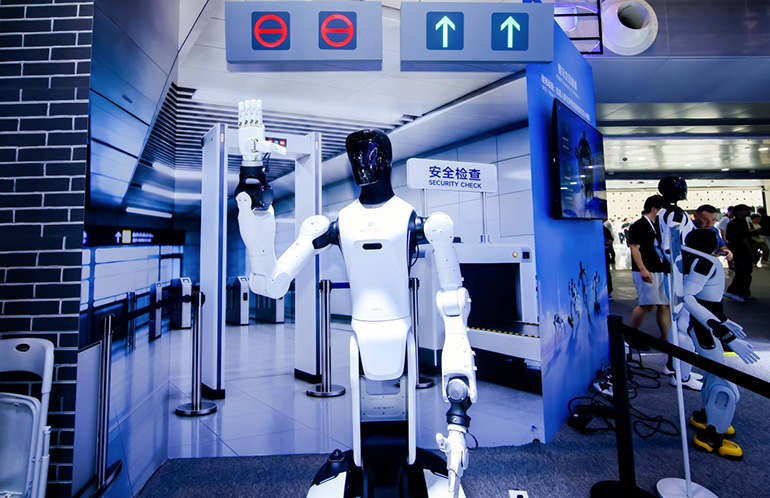
AGIBOT Launches Four New Embodied AI Products at WAIC 2026
AGIBOT unveiled four new embodied AI products at the World Artificial Intelligence Conference (WAIC) 2026, expanding its portfolio with humanoid platforms, industrial robots, and dexterous manipulation systems. The new offerings include the AGIBOT A3 Ultra, G2 Max, and OmniHand 3 Ultra-M, designed to address the challenges of reliable manufacturing and integration in real-world environments. The significance of these launches lies in AGIBOT's commitment to moving beyond mere demonstrations of robotic capabilities. Co-founder Peng Zhihui emphasized the importance of consistent performance in operational settings, highlighting the company's focus on delivering practical value at scale. AGIBOT's recent production milestone of 15,000 robots underscores its rapid growth and ambition in the robotics sector. Looking ahead, AGIBOT aims to further develop its “Three Intelligences in One” architecture, which integrates locomotion, interaction, and manipulation. The company is also set to showcase its products and capabilities at its exhibition space in Shanghai, with a focus on commercial, service, and educational applications. No further timeline was disclosed at the time of publication.
Arms / Manipulators Artificial Intelligence Artificial Intelligence / Cognition Autonomous Mobile Robots (AMRs) Cameras / Imaging / Vision China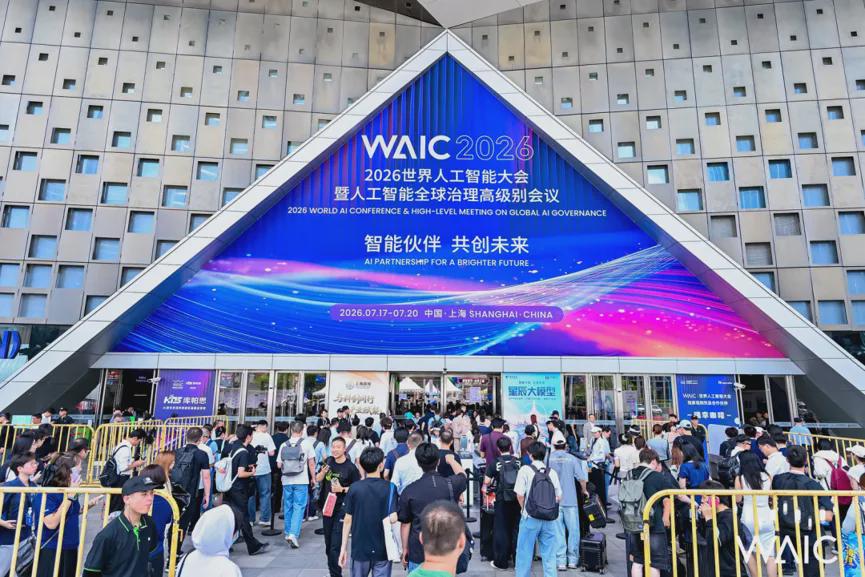
WAIC 2026 Concludes with Key Trends in Embodied Intelligence Development
The 2026 World Artificial Intelligence Conference (WAIC) concluded on July 20, showcasing over 1,100 companies and more than 300 global product launches. Embodied intelligence emerged as a core focus alongside intelligent computing, with over 200 companies presenting 208 embodied intelligence terminals and over 300 real machines. This year's event marked a significant shift from previous years, where robots were primarily showcased for their dexterity to now addressing real industrial needs and continuous operation requirements. The transformation in the exhibition atmosphere reflects a broader industry acceleration, as robots are now expected to perform complex tasks and maintain stability in multi-machine collaborations. The metrics for evaluation have evolved from basic capabilities to more practical measures such as operational duration and recovery rates. This shift indicates a move from a technology narrative to an industry narrative, highlighting the importance of a complete industry chain from perception hardware to deployment. Looking ahead, the advancements in embodied intelligence, particularly in sensor technology and production capabilities, will be crucial for the industry's growth. The introduction of high-precision sensors and the establishment of automated production lines signal a readiness for mass production. No further timeline was disclosed at the time of publication.
Embodied Intelligence Tactile Sensing Robotics AI Technology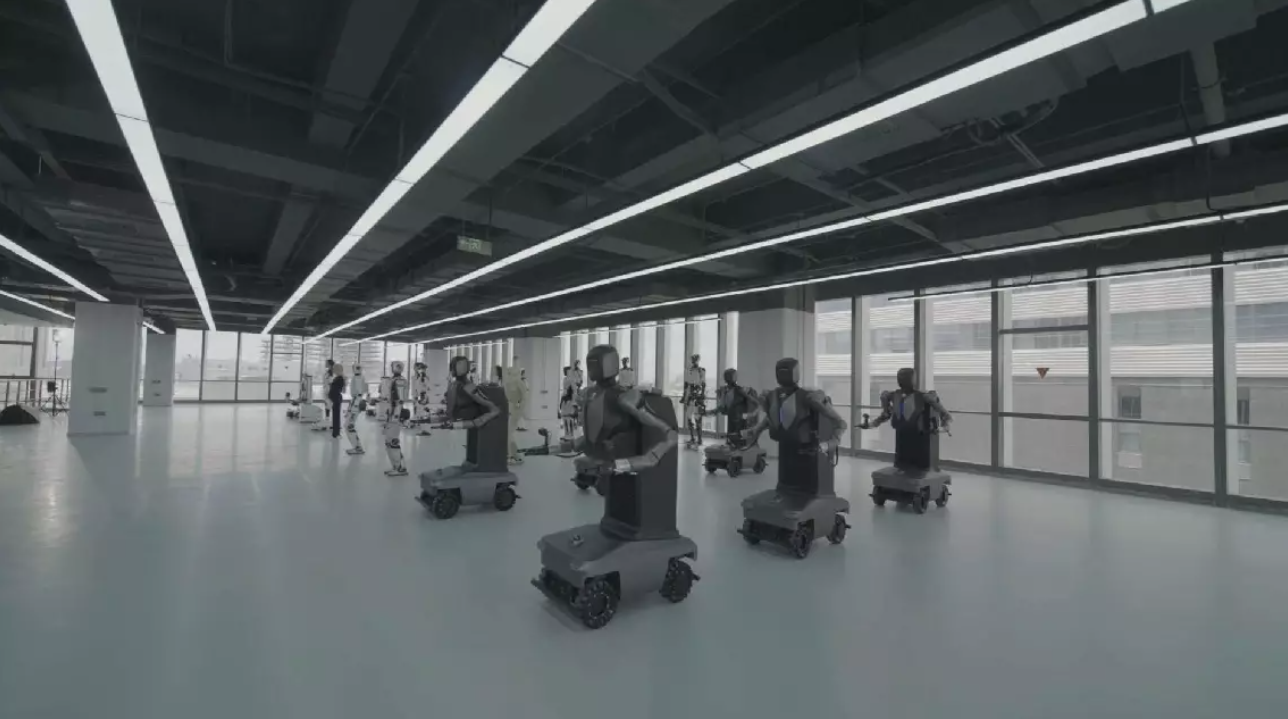
Shanghai Unveils Testing Platform for Humanoid Robot Mass Production
On July 18, during the 2026 World Artificial Intelligence Conference (WAIC), Shanghai launched a humanoid robot testing platform in the Zhangjiang Robot Valley of Pudong. This 6,800 square meter facility aims to bridge the gap between research and mass production, addressing the challenges faced by humanoid robots transitioning from lab to market. The platform features two modular flexible production lines capable of accommodating various robot configurations, with an annual production capacity of 2,000 units. Additionally, it includes a precision component assembly line and a dedicated testing area equipped with advanced testing equipment, enabling comprehensive performance validation of over 400 components and complete robots. Operated by a collaborative humanoid robot innovation center, the platform supports small and medium-sized enterprises with process transformation and production line optimization. It also offers financial incentives and collaborates with over 480 suppliers to develop industry standards, facilitating the rapid integration of humanoid robots into various sectors, including homes and supermarkets.
Humanoid Robots Mass Production Robotics Testing AI Development
Ace Robotics Secures Hundreds of Millions in Financing for Embodied AI Development
Chinese robotics company Ace has announced the debut of its embodied AI technology. This development marks a significant step forward in the integration of artificial intelligence within robotics, showcasing Ace's commitment to innovation in this field. The introduction of embodied AI is crucial as it enhances the capabilities of robots, allowing them to interact more effectively with their environments. This advancement could lead to broader applications across various sectors, positioning Ace as a key player in the robotics industry. Looking ahead, Ace has secured several hundred million US dollars in financing in the first half of 2026, which will likely support further research and development in embodied AI. No further timeline was disclosed at the time of publication.
Artificial Intelligence News Robotics Ace Robotics China embodied AIRobotics needs a service framework.
RSF defines a common language for robot service capability, lifecycle operations, certification pathways, and service-provider networks.
Join the RobotToday community on LinkedIn
Daily robotics news, in-depth analysis, conference highlights, and discussions with professionals worldwide.