Industry Briefing
A single destination for timely, editor-curated robotics news from around the world.
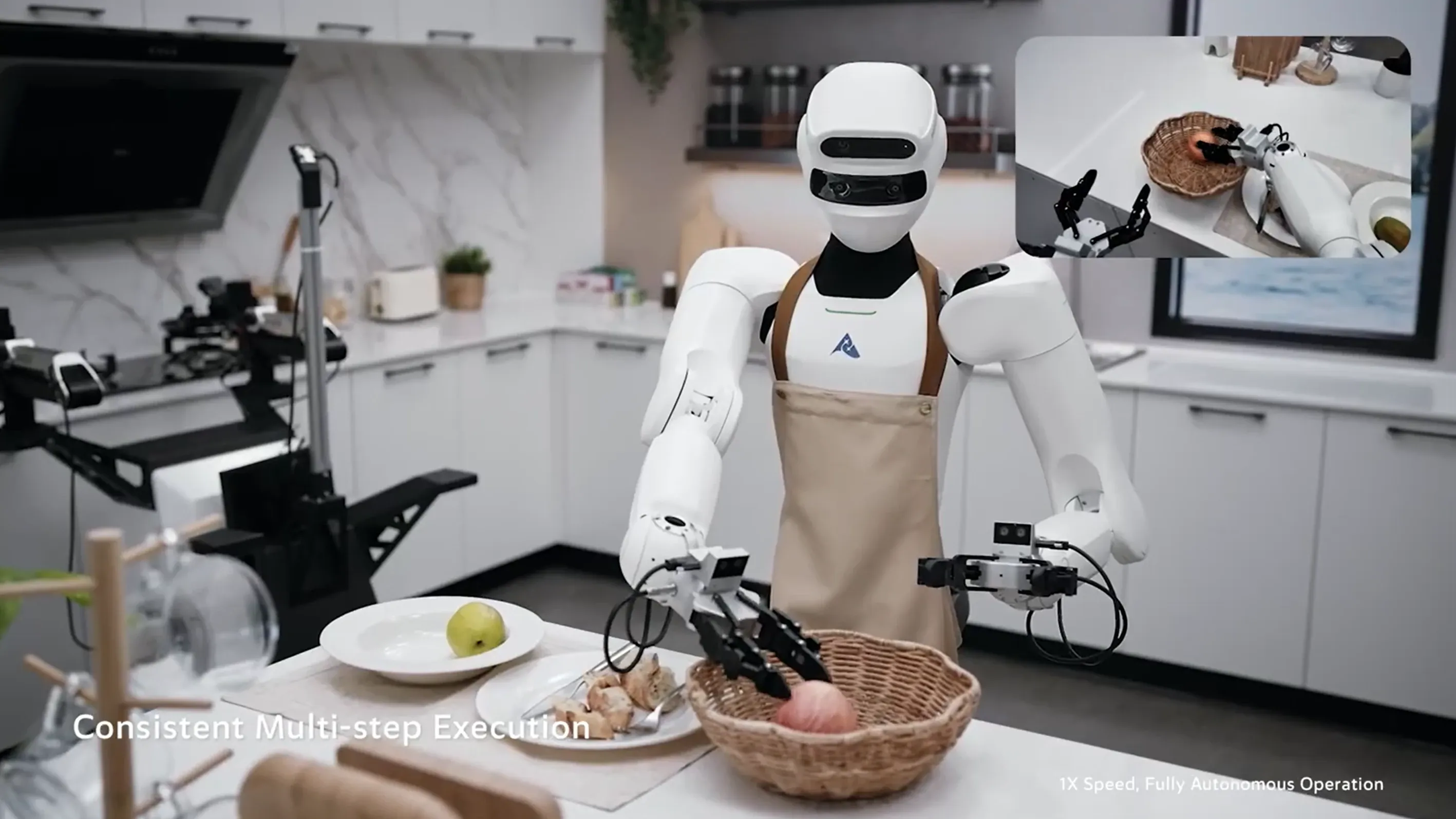
Lingxin Qiaoshou Completes B+ Round Financing, Initiates New Paradigm for Self-Evolving Intelligent Agents
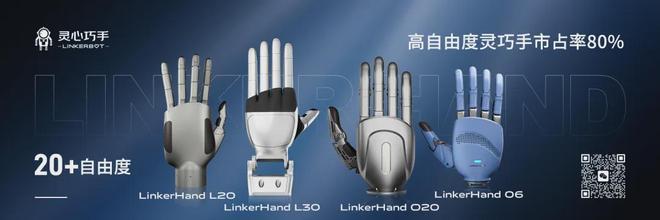
Lingxin Qiaoshou has announced the successful completion of its B+ round of financing, attracting substantial investments from several prestigious institutions. This influx of capital will enable the company to boost its production capacity and further develop its self-evolving intelligent agents. The funding is expected to reinforce Lingxin Qiaoshou's position as a leader in the dexterous robotic hand market, allowing for advancements in technology and innovation in this rapidly evolving field.
Dexterous Robotics Self-Evolving Agents AI Technology Industrial Automation
NVIDIA Ignites the Next Industrial Revolution in Knowledge Work With Open Agent Development Platform
NVIDIA has launched the Agent Toolkit, a new resource designed to assist enterprises in developing and deploying AI agents. This toolkit features the NVIDIA OpenShell, an open-source runtime that enables the creation of self-evolving agents capable of adapting to various tasks and environments. The introduction of this toolkit comes as businesses increasingly seek to leverage artificial intelligence for enhanced operational efficiency and innovation. By providing a robust framework for AI development, NVIDIA aims to empower organizations to harness the potential of autonomous agents, ultimately driving advancements in automation and intelligent systems. The toolkit is expected to facilitate the integration of AI solutions across different sectors, fostering a new era of intelligent enterprise applications.

RevOps for Robotics OEMs Integrates AI Agents as New GTM Operating System
RevOps for robotics OEMs is evolving to unify sales, marketing, and customer success teams under a strategic framework. This integration aims to enhance customer attraction and retention, increase average order value (AOV), and maximize customer lifetime value (CLV), all while optimizing costs. Efficiency is paramount, making tech stack management a critical function of RevOps. The introduction of Go-to-Market (GTM) AI agents is transforming the tech stack, enabling improved predictive forecasting, market data analysis, and buyer intent tracking. These AI agents streamline lead routing, scheduling, and personalized outreach, allowing RevOps teams to focus on innovative strategies to drive revenue growth. The use of GTM AI APIs facilitates the development of core tech stack layers, enhancing the ability to analyze prospect interactions and identify effective sales tactics. As AI agents are integrated into intent layers, they monitor high buying intent signals and enrich prospect profiles by gathering data from various sources. This data is visualized as contact graphs, enabling targeted outreach. A practical example in the robotics OEM sector illustrates how these AI agents enhance operational efficiency and strategic decision-making, ultimately contributing to revenue preservation and growth.
AI agents Technology agentic ai ai agents artificial intelligence automation
Xiaohongshu's Evolving-RL: A New Paradigm for Self-Evolving AI Agent Skills
Researchers at Xiaohongshu (RED), a prominent Chinese lifestyle and social commerce platform, have introduced Evolving-RL, an innovative reinforcement learning framework. This groundbreaking development allows artificial intelligence agents to autonomously enhance their skills through experiential learning, eliminating the need for separate modules dedicated to skill extraction. The announcement was made recently, highlighting the platform's commitment to advancing AI technology. The Evolving-RL framework represents a significant step forward in the field of machine learning, as it enables AI systems to adapt and improve based on their interactions and experiences. This advancement is expected to have wide-ranging implications for various applications in social commerce and beyond, as it streamlines the learning process for AI agents, making them more efficient and capable of handling complex tasks.
AI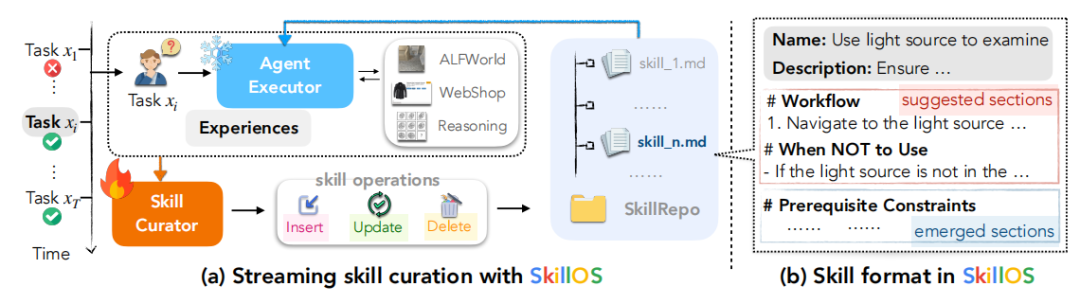
Google's SkillOS Framework: Enabling AI Agents to Self-Evolve Without Parameter Overload
Google has introduced a groundbreaking framework called SkillOS, aimed at improving the learning capabilities of AI agents. This development addresses a significant challenge in the field of artificial intelligence by enabling agents to manage their skill libraries through reinforcement learning. By allowing these agents to retain and refine skills acquired from previous tasks, SkillOS enhances their ability to effectively tackle new challenges. The announcement comes as part of Google's ongoing efforts to advance AI technology and improve its practical applications. This innovative approach is expected to lead to more adaptable and efficient AI systems, ultimately benefiting various industries reliant on artificial intelligence solutions.
AI Reinforcement Learning Skill Management Machine Learning
Hermes Unlocks Self-Improving AI Agents, Powered by NVIDIA RTX PCs and DGX Spark
The rise of agentic AI is transforming user productivity, with the community increasingly adopting innovative open-source frameworks. The latest development, Hermes Agent, has garnered significant attention, achieving over 140,000 stars on GitHub within just three months of its release. This rapid growth reflects a strong interest in tools that enhance work efficiency and collaboration, following the successful launch of OpenClaw. As organizations and individuals seek to streamline their workflows, the embrace of such technologies underscores a shift towards more autonomous and intelligent systems in the workplace.
Transforming Smart Models into Productive Robots: The Journey of Self-Variables
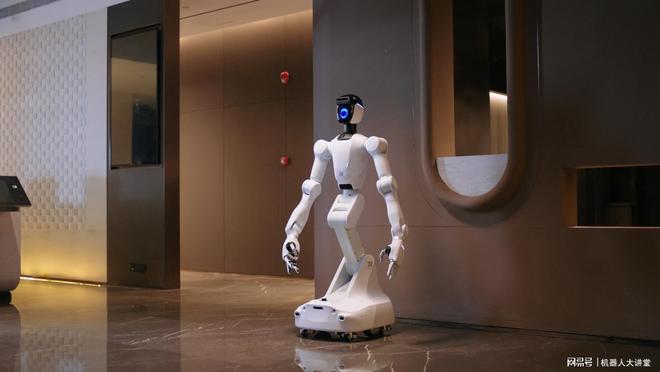
Self-Variables has made significant strides in robotics by evolving from advanced models to practical applications, showcasing their self-developed technologies and engineering expertise. This transition, achieved through overcoming challenges in training, hardware development, and real-world implementation, has enabled the company to demonstrate its capabilities across various sectors, including home cleaning and logistics. The successful application of their robots has garnered substantial investment from industry leaders, highlighting the growing interest in their innovative solutions.
Robotics AI Automation Machine Learning
"Building a Brain for Robots: How Chip Bridge Semiconductor Positions Itself in the Foundation of Embodied Intelligent Computing Power"
Chip Bridge Semiconductor is making significant strides in the development of advanced computing technology aimed at enhancing robotic intelligence. The company is focused on creating a new generation of chips designed to serve as the foundational brain for robots, enabling them to process information and respond to their environments more effectively. This initiative comes at a time when the demand for embodied intelligent computing is rapidly increasing, driven by advancements in artificial intelligence and automation. Located in Silicon Valley, Chip Bridge Semiconductor is leveraging cutting-edge research and development to innovate in this competitive field. The company aims to address the growing need for robots that can operate autonomously in various settings, from manufacturing to healthcare. By integrating sophisticated algorithms with powerful semiconductor technology, Chip Bridge is positioning itself as a leader in the robotics sector. The motivation behind this initiative is to create robots that not only perform tasks but also learn and adapt to new challenges, thereby improving efficiency and productivity across industries. Through strategic partnerships and investments in research, Chip Bridge Semiconductor is working to refine its chip designs and enhance their capabilities, ensuring that they meet the evolving needs of the market. As the landscape of robotics continues to evolve, Chip Bridge Semiconductor’s efforts could play a crucial role in shaping the future of intelligent machines, making them more capable and versatile in their applications.
Robotics Automation AI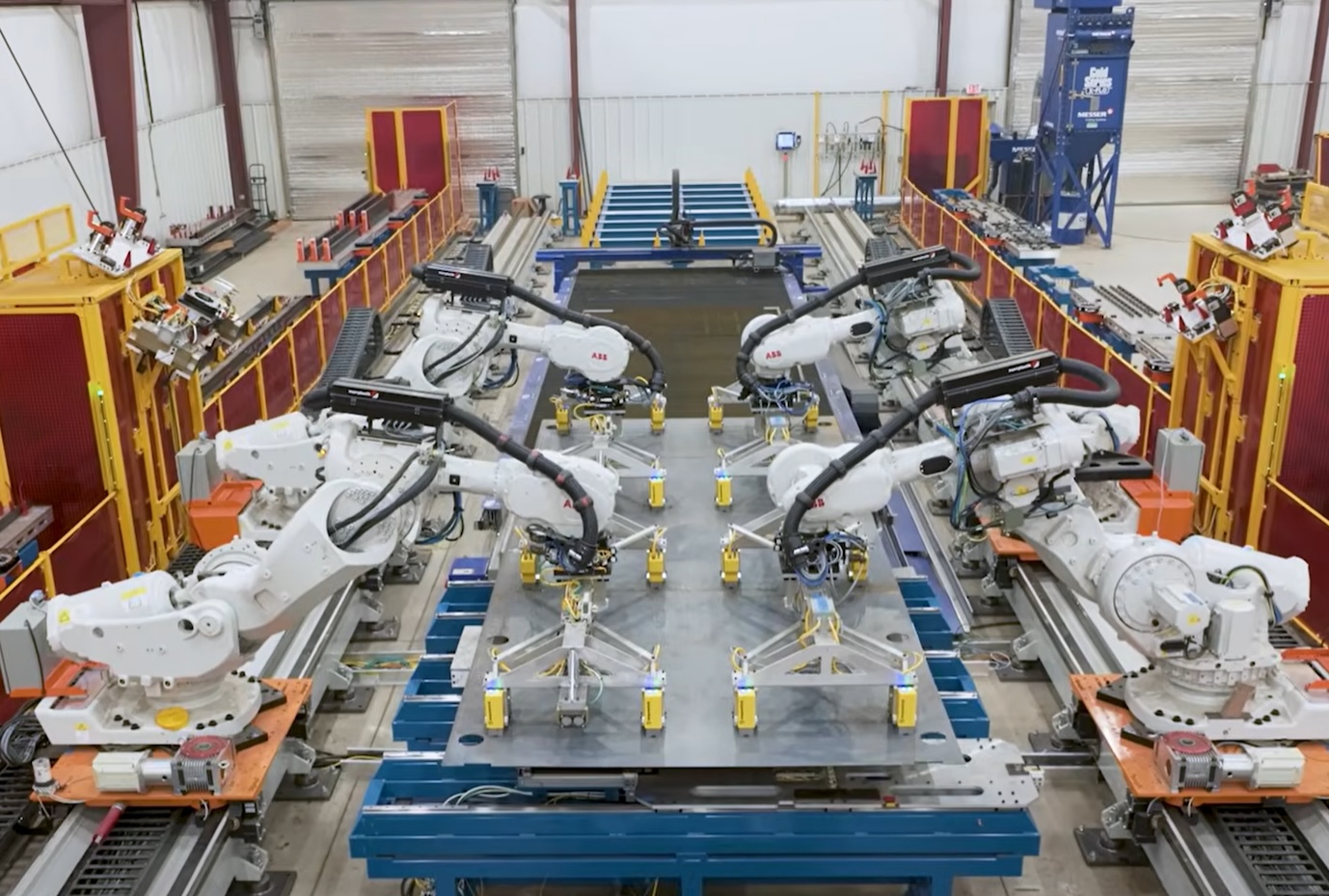
Malaysia to buy 18 Caesar self-propelled howitzers, KNDS announces at Eurosatory
In a significant development for Malaysia's military capabilities, the government has finalized a contract for the procurement of a self-propelled howitzer. This agreement comes after a lengthy and complex negotiation process aimed at enhancing the nation's defense arsenal. The signing took place recently, marking a pivotal moment in Malaysia's efforts to modernize its armed forces. The decision to pursue this advanced artillery system is driven by the need to strengthen national security and improve operational readiness in response to evolving regional threats. The acquisition process involved extensive discussions with various defense contractors to ensure the selection of the most suitable technology for the Malaysian Armed Forces.
Global Land Warfare Army Asia caesar EUROSATORY 2026
Hands Free, AIs Forward: NVIDIA XR AI Brings Agents to AR Glasses
NVIDIA has launched the public beta of its XR AI, providing developers with a new framework designed for creating multimodal AI agents tailored for augmented reality (AR) glasses and extended reality (XR) devices. This initiative, which became available in October 2023, aims to enhance the capabilities of AR and XR technologies by enabling more sophisticated interactions and functionalities within these platforms. By offering this framework, NVIDIA seeks to empower developers to innovate and expand the potential applications of AI in immersive environments, ultimately transforming user experiences in the rapidly evolving tech landscape.
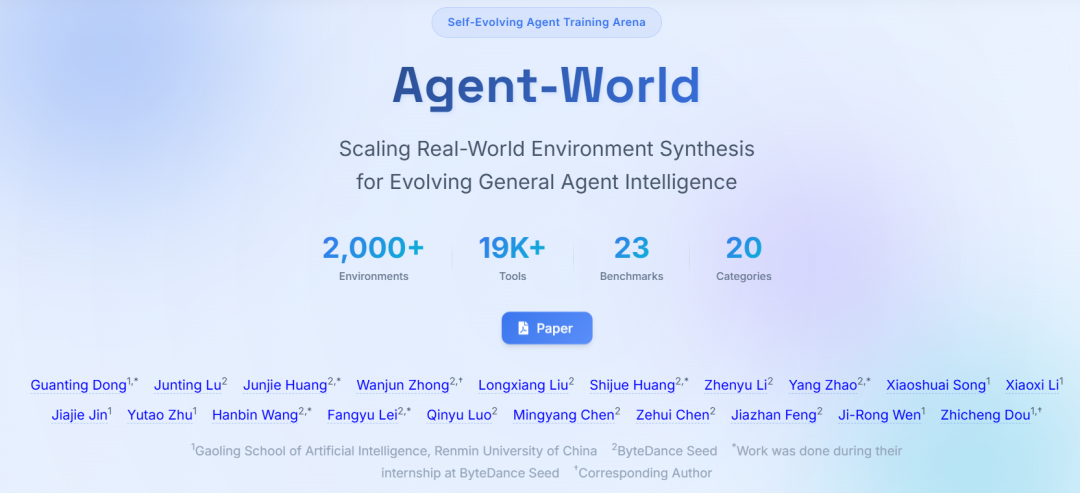
Goodbye to 'Training Fabrication'! Agent-World Uncovers 1,978 Real Scenarios, Enabling Agents to Operate Effectively
Agent-World, a groundbreaking initiative developed through a partnership between ByteDance's Seed team and Renmin University of China, is transforming the landscape of agent training by employing 1,978 real-world scenarios rather than traditional simulated environments. Launched recently, this innovative program aims to improve agents' performance across multiple industries by enabling them to engage with authentic situations, fostering self-diagnosis and ongoing enhancement of their skills. This shift towards real-world applications is designed to better prepare agents for the complexities of their respective fields, ultimately leading to more effective and adaptable professionals.
AI Agent Training Real-World Scenarios Machine Learning Automation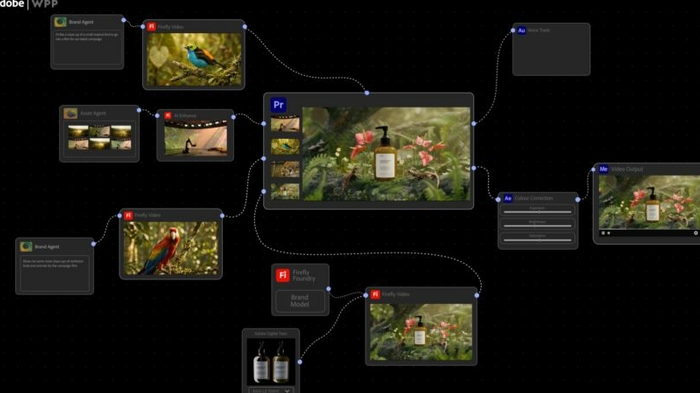
Autonomous AI at Scale: Adobe Agents Unlock Breakthrough Creative Intelligence With NVIDIA and WPP
NVIDIA is at the forefront of a significant shift in the workplace, as AI agents increasingly revolutionize operations across various industries. The company has announced expanded strategic collaborations with Adobe and WPP, aiming to integrate agentic AI into enterprise solutions. This initiative is designed to enhance efficiency in tasks ranging from content creation to decision-making processes. By leveraging advanced AI technologies, NVIDIA seeks to streamline workflows and improve productivity for businesses. These developments come amid a growing demand for innovative tools that can adapt to the evolving landscape of work, highlighting the critical role of AI in shaping the future of industry practices.
China’s Waymo rival Pony.ai slashes self-driving stack cost by 70%
Pony.ai, a leading autonomous vehicle company, has announced that its latest generation of robotaxis will be priced 20% to 30% lower than those offered by its US competitor, Waymo, a self-driving unit of Alphabet. This pricing strategy, revealed by CEO James Peng, aims to enhance the company's competitive edge in the rapidly evolving autonomous transportation market. The announcement comes as Pony.ai continues to expand its operations and refine its technology, positioning itself as a cost-effective alternative in an industry dominated by major players. By leveraging advancements in artificial intelligence and vehicle design, Pony.ai seeks to attract a broader customer base and accelerate the adoption of self-driving services.
News Up and Comers Highlight Mobility Unmanned vehicles
Chinese self-driving truck startup Inceptio eyeing US IPO: report
Inceptio, a Chinese developer of self-driving trucks, is considering an initial public offering (IPO) in the United States, aiming to raise between $100 million and $200 million this year, according to sources familiar with the situation. This potential move comes amid a resurgence of investor interest in technology listings, particularly following the positive market reception of companies like Pony.ai and WeRide, both of which focus on autonomous vehicle technology. The decision reflects a broader trend of renewed optimism in the robotics and autonomous driving sectors, as investors look to capitalize on advancements and growth opportunities in this rapidly evolving industry.
News Feed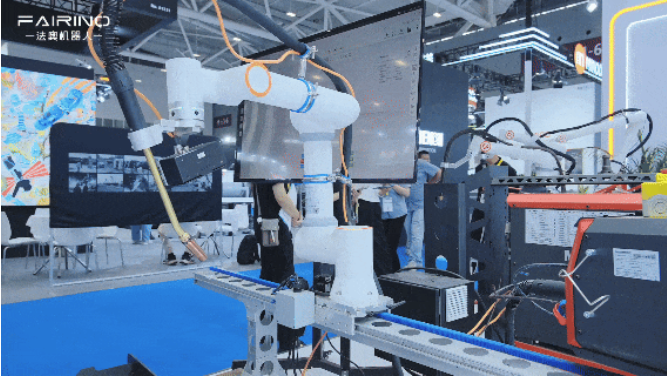
Welding Robots: Evolving Beyond Just Mechanical Arms
At the Shenzhen Essen Welding Exhibition, industry leaders addressed the ongoing challenges of integrating robotics into flexible production systems. Despite advancements in welding automation, the reliance on skilled workers remains crucial, as conventional robots often falter with complex tasks. The introduction of 'welding intelligent agents,' which utilize artificial intelligence for enhanced decision-making and adaptability, signifies a transformative development in the sector. This innovation aims to bridge the workforce gap created by the retirement of experienced welders and the increasing demand for customized production solutions.
Welding Robots AI in Manufacturing Industrial Automation Smart Manufacturing
General Intuition’s $2.3B bet that video games can train AI agents for the real world
General Intuition has successfully secured $320 million in funding to enhance its artificial intelligence capabilities, leveraging extensive data derived from millions of hours of gameplay and betting action. This significant investment aims to advance the development of AI that mimics human intuition more closely. The funding round, which took place recently, underscores the growing interest in AI technologies that can interpret complex patterns and make decisions similar to human behavior. By utilizing this vast dataset, General Intuition seeks to refine its algorithms and improve the performance of its AI systems, positioning itself at the forefront of innovation in the gaming and betting industries.
AI Fundraising Robotics Startups AI training data general intuition
KNDS unveils 58-caliber self-propelled LORAS howitzer for 37-mile baseline range
At the Eurosatory 2026 defense exposition, the Franco-German defense consortium KNDS unveiled its latest innovation, the Long-Range Artillery system. This event, held in Paris, showcased advanced military technology aimed at enhancing the capabilities of European armed forces. The introduction of this artillery system is part of a broader strategy to strengthen defense collaboration between France and Germany, reflecting a commitment to modernize and improve military readiness in response to evolving security challenges. The Long-Range Artillery is designed to provide enhanced precision and extended reach, addressing the growing demand for advanced weaponry on the battlefield.
Military
Microsoft announces seven self-developed AI models for image editing and voice recognition.
Microsoft has unveiled a suite of seven AI models, collectively known as "Microsoft AI Models." This announcement was made recently as the tech giant continues to expand its capabilities in artificial intelligence. The launch aims to enhance various applications across industries, reflecting Microsoft's commitment to innovation and leadership in AI technology. By leveraging these models, businesses and developers can integrate advanced AI functionalities into their products and services, thereby improving efficiency and user experience. The introduction of these models underscores Microsoft's strategy to provide robust AI solutions that cater to the evolving needs of the market.

The Most Terrifying Robot Unveils New Version: Evolving from 'Twitching Corpse' to Standing Upright, Next Step is Entering Your Home
Clone Robotics has unveiled its newest humanoid robots, the Clone: Torso 3 and a full-sized standing Clone Robot, showcasing significant advancements in robotics technology. The introduction of these models, announced recently, highlights improvements in joint feedback and the incorporation of internal valves, which are crucial for achieving more anatomically accurate movements that closely resemble human motion. This development aims to enhance the functionality and realism of humanoid robots, potentially expanding their applications in various fields, including healthcare, entertainment, and research. By pushing the boundaries of robotic capabilities, Clone Robotics is positioning itself at the forefront of innovation in the robotics industry.
Humanoid Robots Robotics Technology Artificial Muscles Robot Development
GTC Spotlights NVIDIA RTX PCs and DGX Sparks Running Latest Open Models and AI Agents Locally
The landscape of consumer computing is evolving with the introduction of agent computers, a new category driven by generative AI technologies such as OpenClaw. Traditionally, personal devices like PCs, smartphones, and tablets have dominated the market, but this shift marks a significant transformation in how users interact with technology. The emergence of agent computers aims to enhance user experience by providing more intuitive and responsive interactions. As of October 2023, this innovation is set to redefine the role of computing devices, making them not just tools but intelligent companions that can assist users in various tasks. The development of these devices reflects a growing demand for more sophisticated and personalized technology solutions in everyday life.

Chinese Internet Association Launches AI Agent Data Protection Pact with Major Firms
The China Internet Association has introduced a self-regulatory agreement focused on personal information protection for AI agents during a forum in Beijing. Major companies including Baidu, Tencent, Alibaba, and Volcengine are among the initial signatories of this pact, which aims to establish standards for the collection, processing, and usage of personal data by AI agents as their services proliferate across various internet platforms. This initiative is significant as it seeks to address growing concerns regarding data privacy and security in the rapidly evolving landscape of AI technologies. By standardizing practices, the pact aims to enhance consumer trust and ensure responsible handling of personal information, which is crucial as AI agents become increasingly integrated into daily online interactions. Looking ahead, the China Internet Association also unveiled a separate self-regulatory pact for mini-program ecosystems, signed by Tencent, Ant Group, and Baidu, among others. This indicates a broader commitment to data protection across different digital services. No further timeline was disclosed at the time of publication.
News Feed
NVIDIA, KRAFTON, NC and Reigning ‘League of Legends’ Champions T1 Celebrate RTX Spark at Korea’s PC Bangs
During COMPUTEX last week in Taipei, NVIDIA introduced its latest innovation, the RTX Spark superchip, designed to transform Windows PCs for the emerging era of personal AI agents. Following this significant announcement, NVIDIA's founder and CEO, Jensen Huang, traveled to South Korea to further discuss the implications and applications of this groundbreaking technology. The RTX Spark aims to enhance computing capabilities, enabling more advanced AI functionalities and improving user experiences in personal computing. This development reflects NVIDIA's commitment to leading the charge in AI integration within everyday technology, positioning itself at the forefront of the evolving digital landscape.

Ati Motors Becomes Ati Robotics
Ati Motors has officially announced its rebranding to Ati Robotics, a move that signifies the company's transition towards a more comprehensive focus on automation technology. This rebranding reflects its commitment to providing a full-stack material orchestration platform that integrates autonomous robotics, real-time tracking, and artificial intelligence agents. The aim is to enhance structured automation that aligns with the workflows of modern factories. This strategic shift underscores Ati Robotics' dedication to meeting the evolving needs of the manufacturing sector, positioning itself as a leader in innovative automation solutions.
Understanding Technological Singularity and Its Impact on Robotics and AI
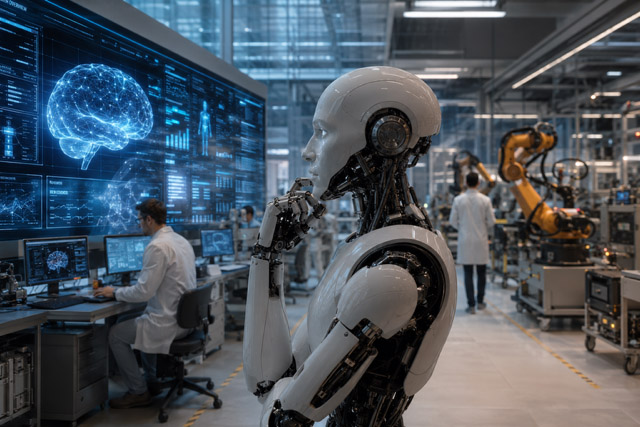
For decades, technological singularity was more a concept of science fiction than engineering reality. Today, it is a topic of discussion among AI laboratories, industrial giants, investment funds, and robotics companies worldwide. The rapid advancement of generative AI, autonomous robots, foundation models, and AI agents raises a fundamental question: what will happen when machines can enhance their own intelligence faster than humans? The origins of the technological singularity date back to 1965 when British mathematician I.J. Good proposed that an 'ultra-intelligent machine' could trigger an intelligence explosion. In the 1990s, mathematician Vernor Vinge expanded on this idea, suggesting that once a certain level of AI is reached, technological evolution would become unpredictable for humans. Ray Kurzweil later popularized the concept, predicting that artificial general intelligence (AGI) could emerge in the coming decades, leading to continuous self-improvement of systems. Currently, the landscape is shifting rapidly, with large language models, vision-language-action models, and autonomous agents enabling robots to understand natural language instructions, interpret their environment, and learn new tasks without specific programming. Companies like NVIDIA, Google DeepMind, and Tesla are investing billions in developing this new generation of intelligent robots.
À la une IA Industrie Robotique agents autonomes agents IA
Microsoft offers devs a better way to control AI agent behavior
A new specification has been introduced that empowers developer, compliance, and security teams to create customized policies for agents through portable policy files. This initiative aims to enhance flexibility and control over policy implementation, allowing organizations to tailor their approaches to meet specific needs and regulatory requirements. By enabling teams to define their own guidelines, the specification seeks to streamline processes and improve overall security measures. The rollout of this specification is expected to take place in the coming months, providing teams with the tools necessary to adapt to evolving challenges in the technology landscape.
AI Agent Control Specification AI agents AI governance Microsoft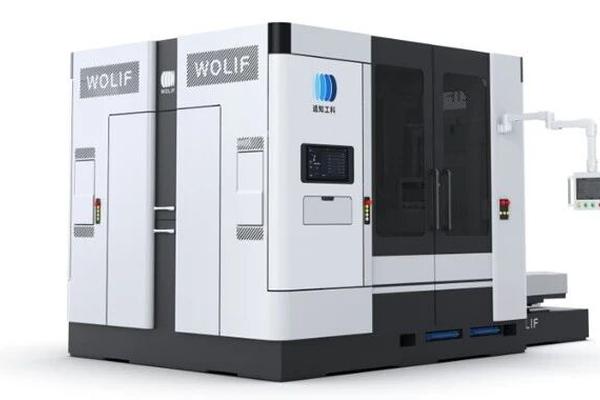
Zhuizhi Engineering Technology Secures Seed Funding for Industrial AI Development
Zhuizhi Engineering Technology Co., Ltd. has successfully completed a seed funding round, raising several million yuan from investors including L2F Light Source Entrepreneur Fund, Shangrong Capital, and Yicun Capital. The funding will primarily support core product development, team building, and market expansion. Founded in February 2024, Zhuizhi focuses on industrial intelligent agents, aiming to enhance automation and intelligence in complex manufacturing processes. The company, which is affiliated with Shanghai Jiao Tong University and the Shanghai Artificial Intelligence Research Institute, seeks to address challenges such as flexible production and skilled labor shortages in the manufacturing sector. The company has introduced the WOLIF Industrial Agentic Robot, which utilizes a proprietary industrial brain for real-time closed-loop control, distinguishing itself from traditional automation methods. Zhuizhi has already secured its first commercial contract with a publicly listed company and received significant orders in the aerospace manufacturing sector, indicating a promising trajectory for its innovative AI solutions.
Tencent Emerges as a Leading Agent Production Hub with WorkBuddy and New AI Offerings
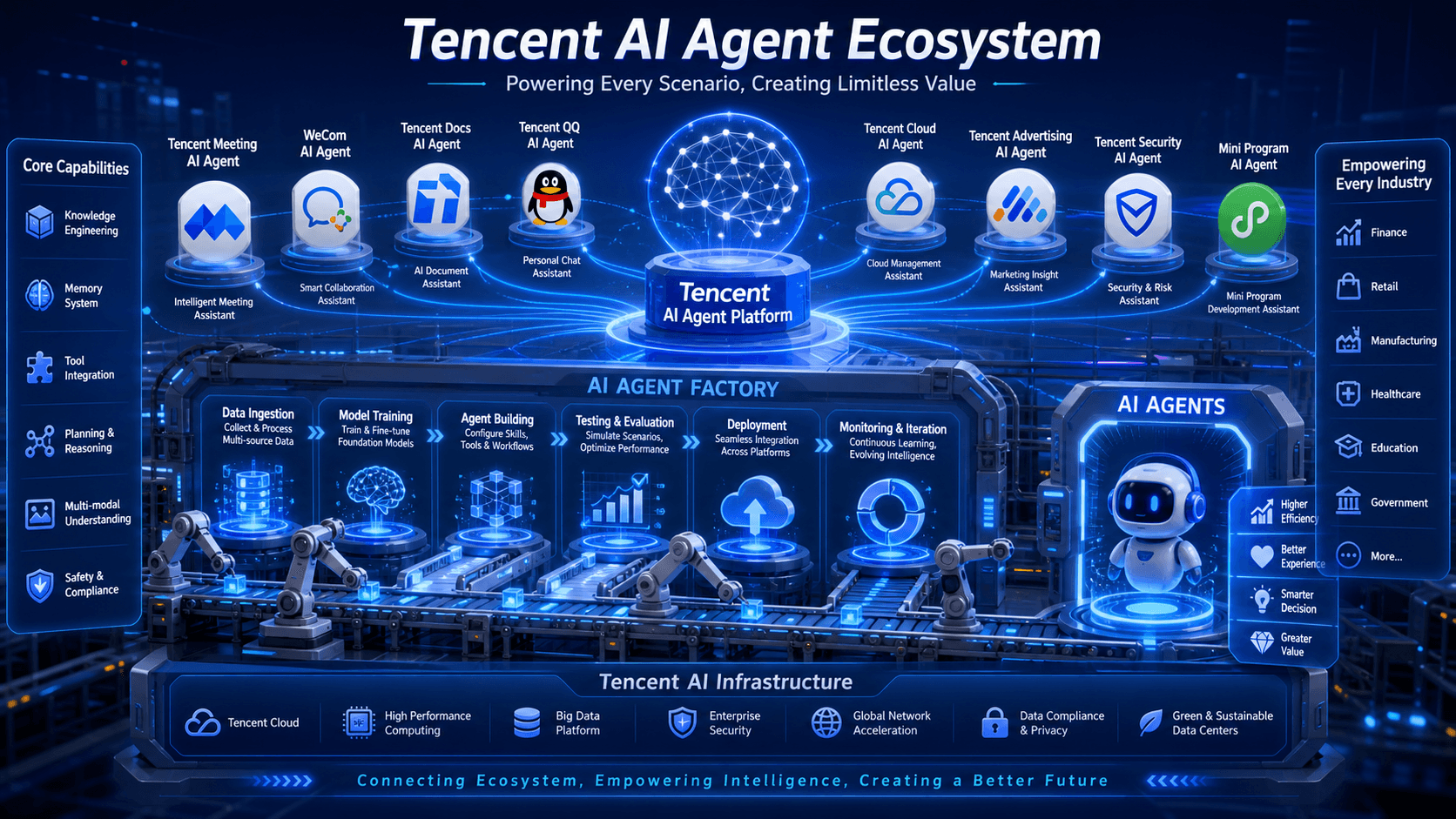
Tencent has established itself as a significant player in the agent production sector, launching WorkBuddy, which has garnered 8.85 million monthly visits. This initiative is part of a broader strategy that includes the introduction of several AI agents such as Zaohua Gongfang, Ardot, Miora, WorkRally, DataBuddy, and LearnBuddy. The rise of Tencent as an agent factory is noteworthy as it reflects the growing demand for AI-driven solutions across various industries. With WorkBuddy's impressive user engagement, Tencent is positioning itself to capitalize on the increasing reliance on intelligent agents in both personal and professional environments. Looking ahead, industry observers should monitor Tencent's continued expansion in the AI agent space and its impact on the competitive landscape. No further timeline was disclosed at the time of publication.
Industry
GeForce NOW Launches New Toronto Server Powered by GeForce RTX 5080
GeForce NOW has announced the launch of a new server powered by the GeForce RTX 5080 in Toronto, enhancing its cloud gaming capabilities. This upgrade aims to provide users with improved performance and a wider selection of games, reflecting the growing demand for high-quality cloud gaming solutions. The new server is part of GeForce NOW's ongoing expansion strategy to enhance user experience and accessibility in various regions. The introduction of the RTX 5080 server is significant as it represents a step forward in cloud gaming technology, offering dedicated high performance that can accommodate more demanding gaming titles. This move aligns with the increasing trend of gamers seeking seamless and high-quality experiences without the need for expensive hardware. By enhancing its infrastructure, GeForce NOW is positioning itself to compete more effectively in the rapidly evolving cloud gaming market. Looking ahead, GeForce NOW may continue to expand its server network to other regions, although no further timeline was disclosed at the time of publication. The company is likely to monitor user feedback and performance metrics to inform future upgrades and expansions, ensuring they meet the needs of their growing user base.
Robot Sales Surge 510% in H1 2026, Speeding Up AI Perception Technology Development
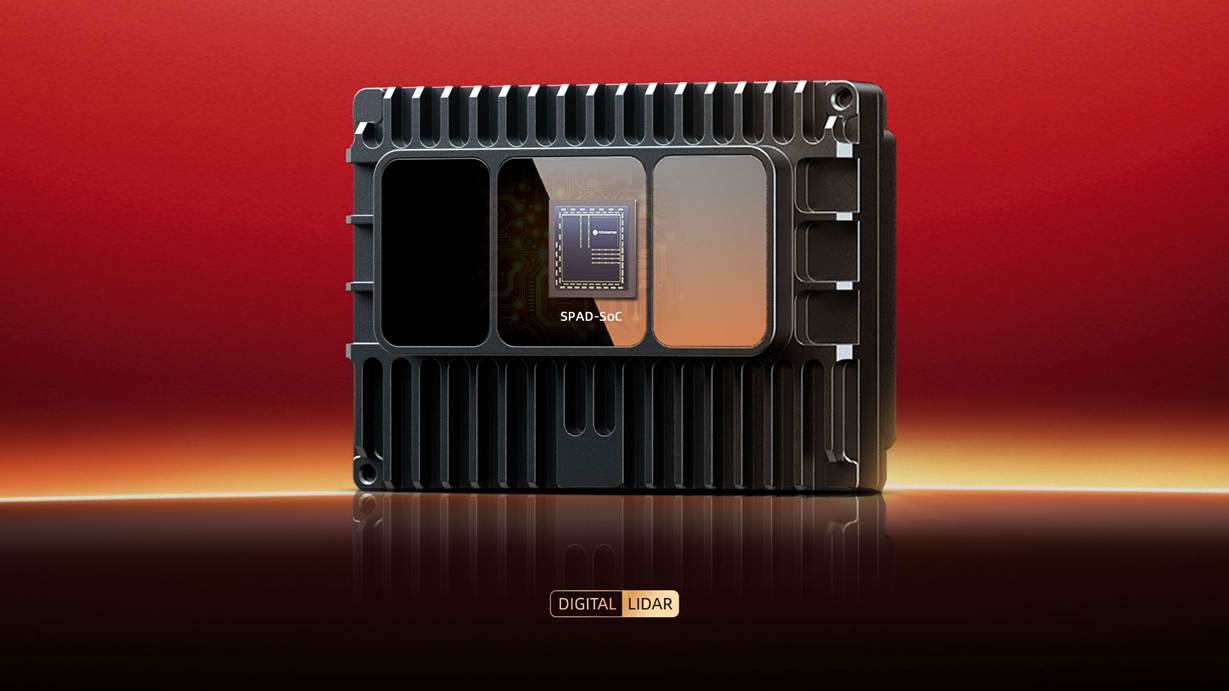
In the first half of 2026, Speeding Up Technology experienced a staggering 510% surge in robot sales, reaching a total of 282,600 units sold. The company's lidar product sales also saw substantial growth, with 719,200 units sold during the same period. This remarkable increase is attributed to advancements in digital chip technology and Speeding Up's strong foothold in both the robotics and automotive industries. The company is strategically positioning itself to become a leading perception technology platform in the evolving landscape of physical AI.
Robotics Lidar Technology AI Perception Digital Chips Automotive Technology
Waymo to start driverless rides in 4 more U.S. markets as expansion accelerates
Waymo is expanding its presence in the emerging U.S. robotaxi market by launching services in additional cities. The company, which has established a significant lead in this sector, aims to enhance accessibility and convenience for urban commuters. This expansion comes as part of Waymo's strategy to capitalize on the growing demand for autonomous transportation solutions. By deploying its fleet of self-driving vehicles in new locations, Waymo seeks to solidify its position as a leader in the industry and meet the needs of a rapidly evolving market. The initiative reflects the company's commitment to innovation and its vision for the future of urban mobility.
Xingdong Era Secures 1 Billion Yuan Funding: Why is the National Team Betting on This Tsinghua Robotics Company?
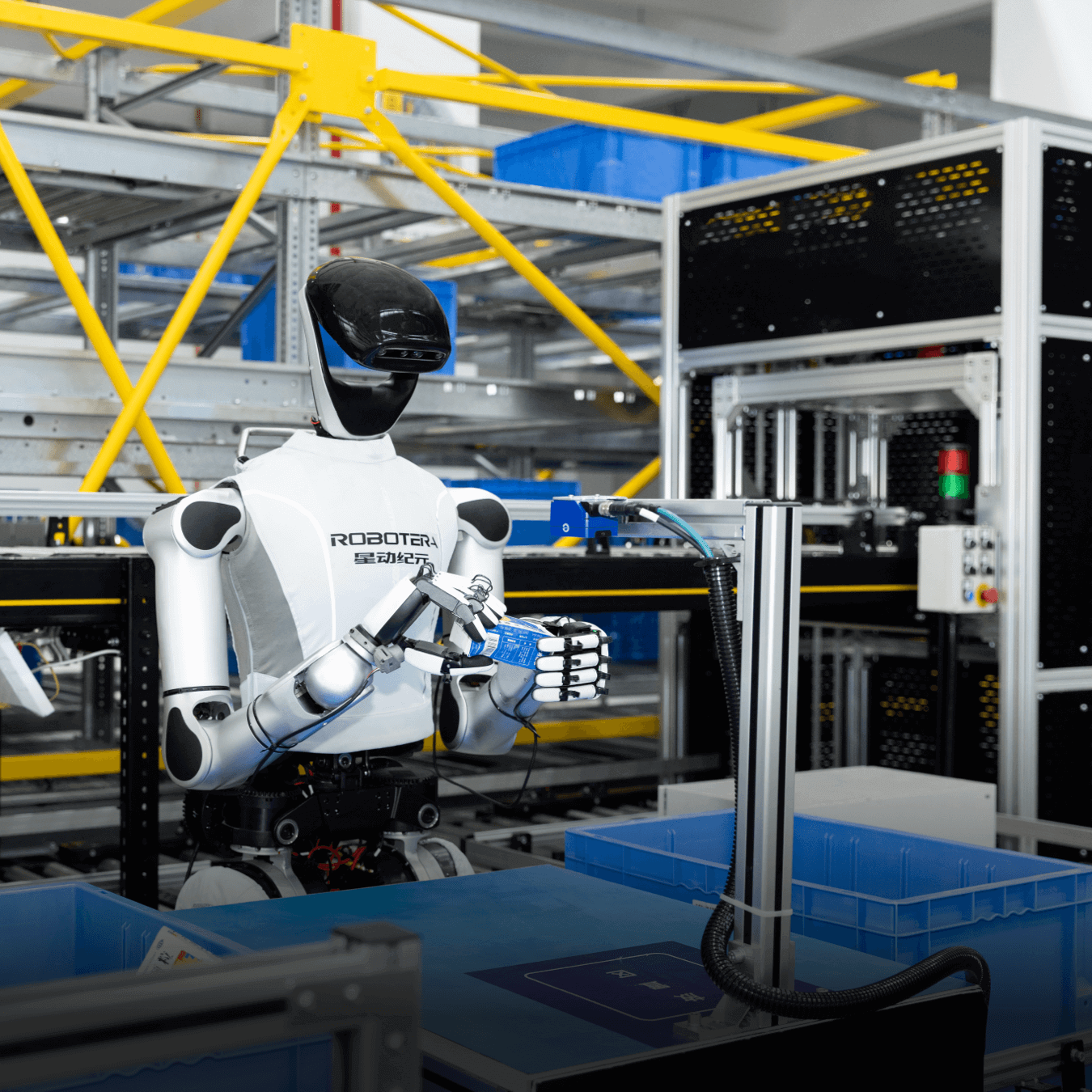
Xingdong Era Robotics has successfully secured 1 billion yuan in its latest financing round, led by state-owned enterprises such as Chengtong Fund. This funding marks the third major investment for the company in 2023, bringing its total capital raised this year to over 3.5 billion yuan. The influx of capital underscores a strategic shift towards industry collaboration and a commitment to advancing embodied intelligence, particularly in logistics applications. The company aims to enhance practical delivery and ensure operational stability, positioning itself for long-term growth in the evolving robotics sector.
Robotics Embodied Intelligence Logistics Automation Funding Tsinghua University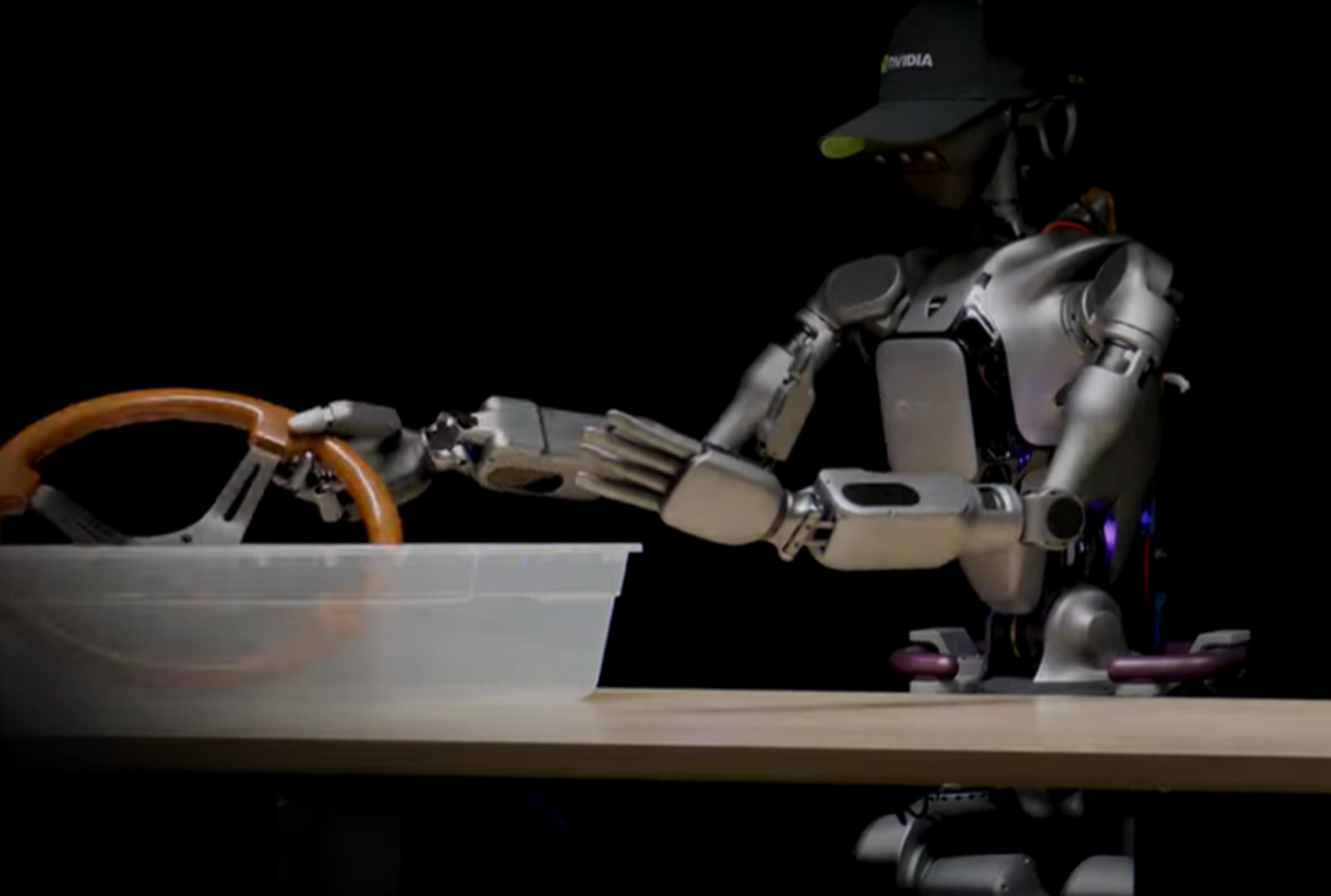
"ZhiShen Technology's Steel Coin L2 Launches with Great Impact! Redefining Delivery Rules in the Quadruped Robot Industry"
ZhiShen Technology has made a significant advancement in the quadruped robot industry with the launch of its Steel Coin L2, which aims to redefine delivery protocols. This innovative product was unveiled recently, showcasing the company's commitment to enhancing robotic capabilities for logistics and delivery services. The Steel Coin L2 is designed to improve efficiency and reliability in transporting goods, addressing the growing demand for advanced delivery solutions in various sectors. By integrating cutting-edge technology and robust design, ZhiShen Technology seeks to set new standards in the market, positioning itself as a leader in the evolving landscape of robotic delivery systems.
Robotics Automation AI
1 Incredible Autonomous Vehicle Stock to Buy Instead of Tesla
Investors are increasingly interested in the autonomous vehicle market as cities worldwide approve driverless technology. While Tesla has been a prominent player in this field, Alphabet's Waymo is emerging as a leading contender, recently reporting over 500,000 fully autonomous rides per week—a figure that has doubled in less than a year. As of the first quarter of 2026, Waymo operates in 11 major cities, having expanded to six new locations this year. In contrast, Tesla's Full Self-Driving feature still requires human oversight, with CEO Elon Musk projecting a rollout of full autonomy by late 2026. In addition to its advancements in autonomous driving, Alphabet is also at the forefront of artificial intelligence with its large language model, Gemini. This positions the company as a key player in the rapidly evolving AI landscape, alongside competitors like OpenAI and Anthropic. Despite its focus on emerging technologies, Alphabet's core revenue still heavily relies on advertising and cloud services, which accounted for 70% and 18% of its revenue, respectively, in Q1 2026. Currently, Alphabet's stock trades at a trailing P/E ratio of 30, aligning with its historical averages and presenting a potentially attractive investment opportunity. However, analysts from The Motley Fool's Stock Advisor have identified other stocks as top picks, suggesting that investors should carefully evaluate their options before making any decisions.

Indian tech tycoon bets $30M of his own money to build AI alternative to Microsoft Office
Bhavin Turakhia has launched Neo, his fifth entrepreneurial venture, which aims to compete with established giants like Microsoft Office and Google Apps in the enterprise software market. This new platform leverages artificial intelligence to enhance productivity and streamline workflows for businesses. The announcement comes as companies increasingly seek innovative solutions to improve efficiency and collaboration in a rapidly evolving digital landscape. With Neo, Turakhia is positioning himself to disrupt the status quo and offer a compelling alternative to existing office software solutions.
AI Enterprise Startups Bhavin Turakhia microsoft office neo
YPF Sociedad Anónima (YPF) to Collaborate With Tesla on Energy Storage Infrastructure and Fast-Charging Networks
YPF Sociedad Anónima, the Argentine national energy provider, has entered into a letter of intent with Tesla Inc. to collaborate on developing energy storage infrastructure and fast-charging networks. This partnership was announced on June 16, 2026, following a visit by YPF CEO Horacio Marin to Tesla's Gigafactory in Texas, where discussions focused on technological advancements and electric mobility. The collaboration aims to enhance YPF's capabilities in energy infrastructure development, aligning with the growing demand for electric vehicle support. In related news, YPF's stock has garnered positive attention from analysts, with UBS analyst Tasso Vasconcellos recently raising the target price from $45 to $48, while maintaining a Neutral rating. The overall market sentiment remains bullish, with three out of four analysts recommending a Buy, contributing to a median one-year target price of $57.38, indicating a potential upside of nearly 27%. YPF is recognized for its extensive operations in oil and gas, including exploration, production, and power generation, positioning itself as a significant player in the evolving energy landscape.

As AI Reshapes Global Energy Systems, Melbourne Leads Through Engineering Collaboration
As artificial intelligence (AI) rapidly expands, it is driving a significant increase in global electricity demand, presenting urgent challenges for energy systems. Melbourne, Australia, is positioning itself as a leader in addressing these issues, with a focus on the infrastructure necessary to support AI's growth. By 2035, data centers in Australia are expected to consume up to 11 percent of the nation's electricity, raising concerns about generation and system reliability. The University of Melbourne is at the forefront of this initiative, with interdisciplinary research aimed at developing energy systems that can meet the demands of AI. The Melbourne Energy Institute is exploring how various energy technologies interact, while facilities like the Smart Grid Lab allow for real-time simulations of power systems. This integrated approach is essential for designing resilient and efficient energy systems that can adapt to new patterns of demand. Victoria's advanced energy ecosystem, which includes renewable generation and battery storage, is crucial for balancing digital growth with sustainability. The collaboration between researchers, industry, and policymakers is vital for creating future energy systems that are affordable and resilient. Looking ahead, Melbourne will host the IEEE PES Generation Transmission and Distribution Asia 2027 Conference, bringing together global experts to address the evolving challenges in power systems. This event underscores Melbourne's commitment to fostering international collaboration and innovation in energy solutions, reinforcing its role as a key player in the global energy transition.
Artificial-intelligence Australia Energy-systems University-of-melbourne Ai-data-centers Power-grid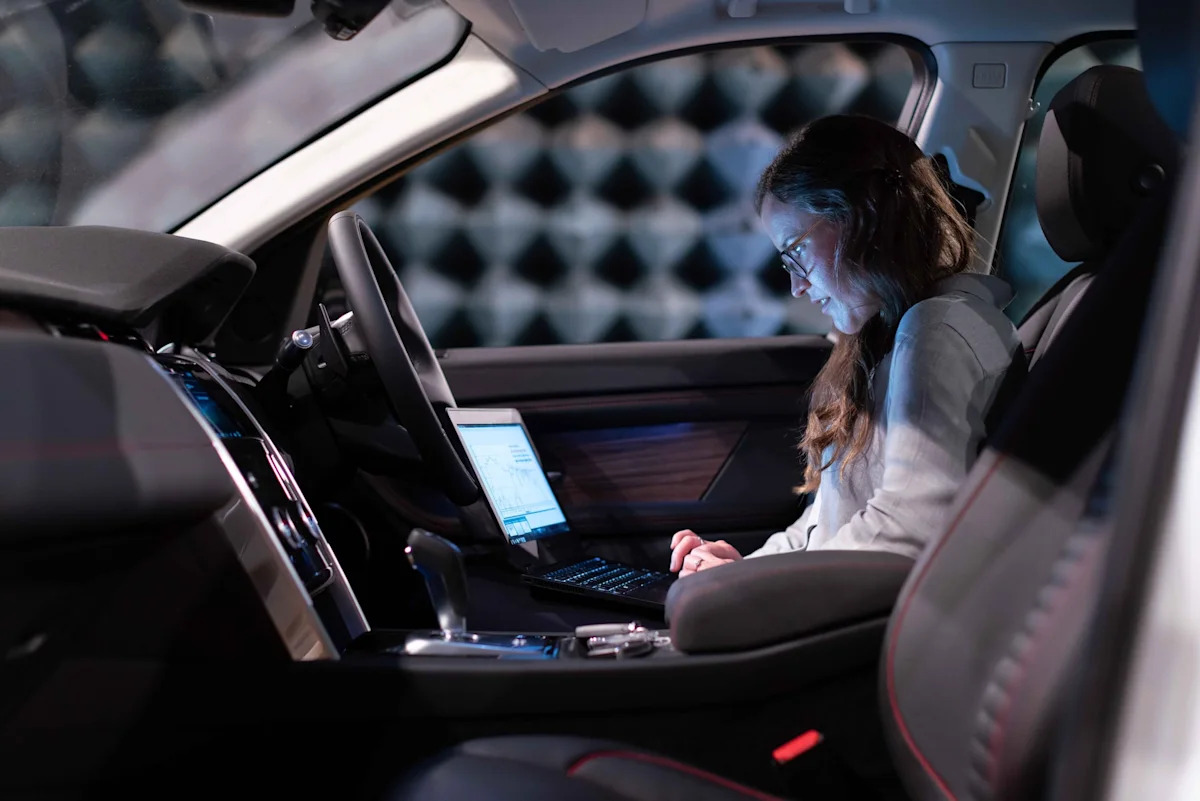
BofA Highlights Pony AI (PONY) Robotaxi Expansion
Pony AI Inc. (NASDAQ:PONY), a key player in the autonomous mobility sector, is poised for significant growth as highlighted by BofA Securities, which reaffirmed its Buy rating and set a target price of $19 for the company. The announcement came on July 1, 2026, as Pony AI expands its robotaxi operations into challenging urban environments, including Tianhe, Huangpu, and Panyu Chimelong, where dense office buildings and heavy traffic present unique operational hurdles. Analyst Ming Hsun Lee noted that these new zones introduce complex challenges, but Pony AI is leveraging its proprietary PonyWorld and Virtual Driver systems to navigate these conditions. The company aims to enhance profitability through economies of scale and plans to increase its fleet to over 3,500 robotaxis across more than 20 cities by the end of 2026, with Singapore's Punggol district serving as a central hub following the recent public launch of its autonomous mobility service via the Zig app. While BofA acknowledges the potential of Pony AI as an investment, it suggests that other AI stocks may offer greater upside with less risk. The company continues to diversify its offerings, including software deployment, vehicle engineering, and logistics services, positioning itself as a significant player in the evolving autonomous vehicle landscape.
Nvidia (NVDA) Remains a Key Humanoid Robotics Play, Bernstein Says
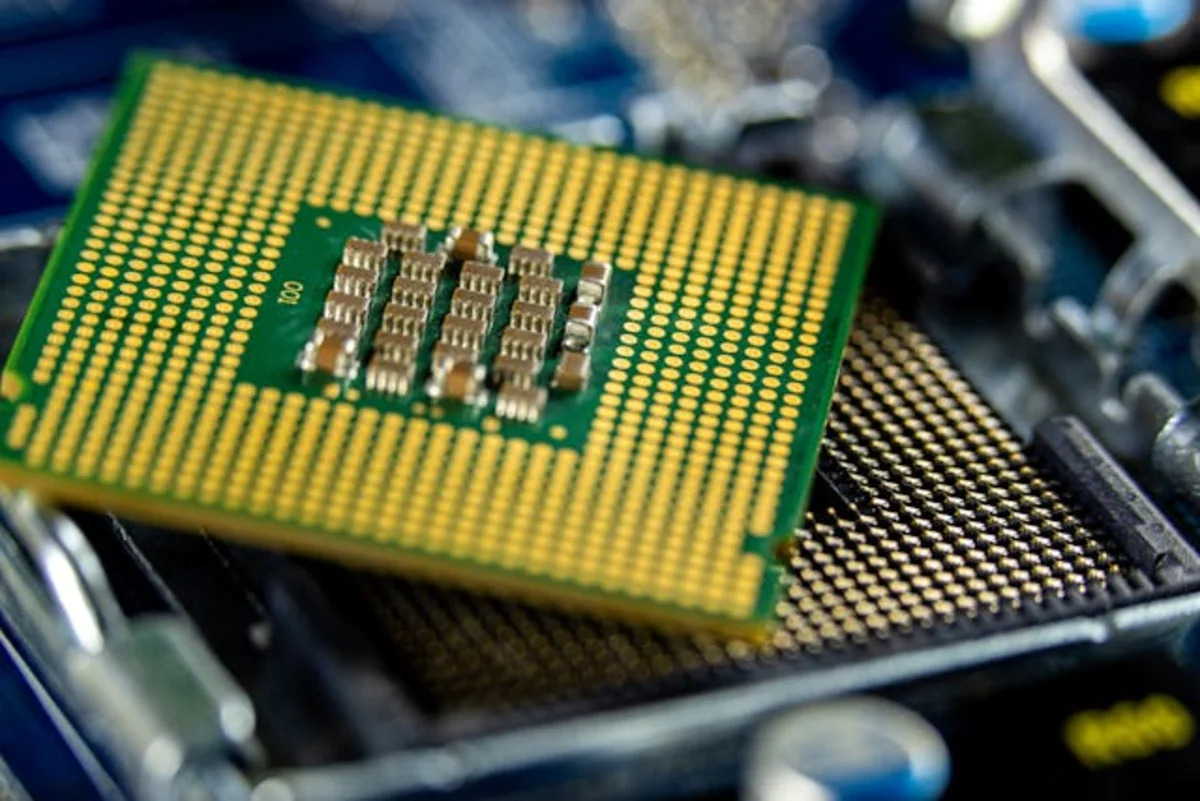
On June 29, 2026, Bernstein reaffirmed its "Outperform" rating for Nvidia Corporation (NASDAQ: NVDA), emphasizing the company's pivotal role in the humanoid robotics sector. The investment firm noted that Nvidia, alongside Qualcomm, is leading the development of advanced processors that serve as the central processing units for robotics. These processors enable robots to efficiently process sensor data, reason, plan, and execute actions. While Bernstein recognizes Nvidia's potential as an investment, it suggests that other AI stocks may present greater upside with less risk. The analysis comes amid a broader discussion on the evolving landscape of AI-driven solutions, with Nvidia's offerings spanning data centers, self-driving vehicles, and cloud services.

Into the Omniverse: Three Workflows for Improving Vision AI Agent Accuracy With Synthetic Data and Fine-Tuning
In a recent installment of the "Into the Omniverse" series, developers, 3D practitioners, and enterprises are exploring innovative ways to enhance their workflows through the latest advancements in OpenUSD and NVIDIA Omniverse. This initiative highlights the growing significance of Vision AI agents, which are increasingly being integrated into various industries to streamline processes and improve efficiency. The series aims to educate participants on how these technologies can be leveraged to transform traditional practices, ultimately fostering a more collaborative and productive environment. As organizations seek to adapt to the rapidly evolving digital landscape, the insights shared in this series are crucial for staying competitive and maximizing the potential of emerging technologies.

China's UBTech launches lifelike humanoid robots for consumers
UBTech Robotics, a Chinese manufacturer, unveiled its new series of lifelike humanoid robots on July 1, 2026, in Shenzhen. The launch features two entry-level models designed to resemble humans more closely than the company's previous industrial robots. This strategic move aims to tap into the growing consumer demand for companionship and counseling services. By expanding its offerings to more consumer-oriented applications, UBTech is positioning itself to meet the evolving needs of the market, where realistic humanoid robots are increasingly sought after for personal use.

Uber and Waymo Have Ended Their Robotaxi Tie-Up in Phoenix; Uber to Announce New Partner
Uber Technologies Inc. has officially ended its robotaxi partnership with Alphabet Inc.’s Waymo in Phoenix. This decision marks a significant shift in the evolving relationship between the two companies, which have been both collaborators and rivals in the autonomous vehicle sector. The termination of the robotaxi service reflects the challenges and complexities faced in the competitive landscape of self-driving technology. As both firms continue to navigate their dual roles in the market, the future of their collaboration remains uncertain.
NYS:UBER
Baidu's CFO on How It Became a Full-Stack AI Player | Odd Lots
Baidu, once recognized as China's leader in search, has transformed into a comprehensive player in the artificial intelligence sector. The company now develops its own chips, utilizes proprietary AI models such as Ernie, and operates its own cloud system, while also integrating AI technology into its self-driving car initiative, Apollo Go. In a recent discussion, Baidu's CFO, Henry He, elaborated on the company's ambitious AI strategies, addressing topics such as optimizing token expenditure, the safety and alignment considerations among Chinese tech firms, and the competitive landscape of global robotaxi services. He also reflected on the evolving role of Baidu's core search business within this broader technological framework. This evolution highlights Baidu's commitment to advancing its AI capabilities and adapting to the rapidly changing tech environment since its inception in the late 1990s.
NMS:GOOGL NMS:BIDU
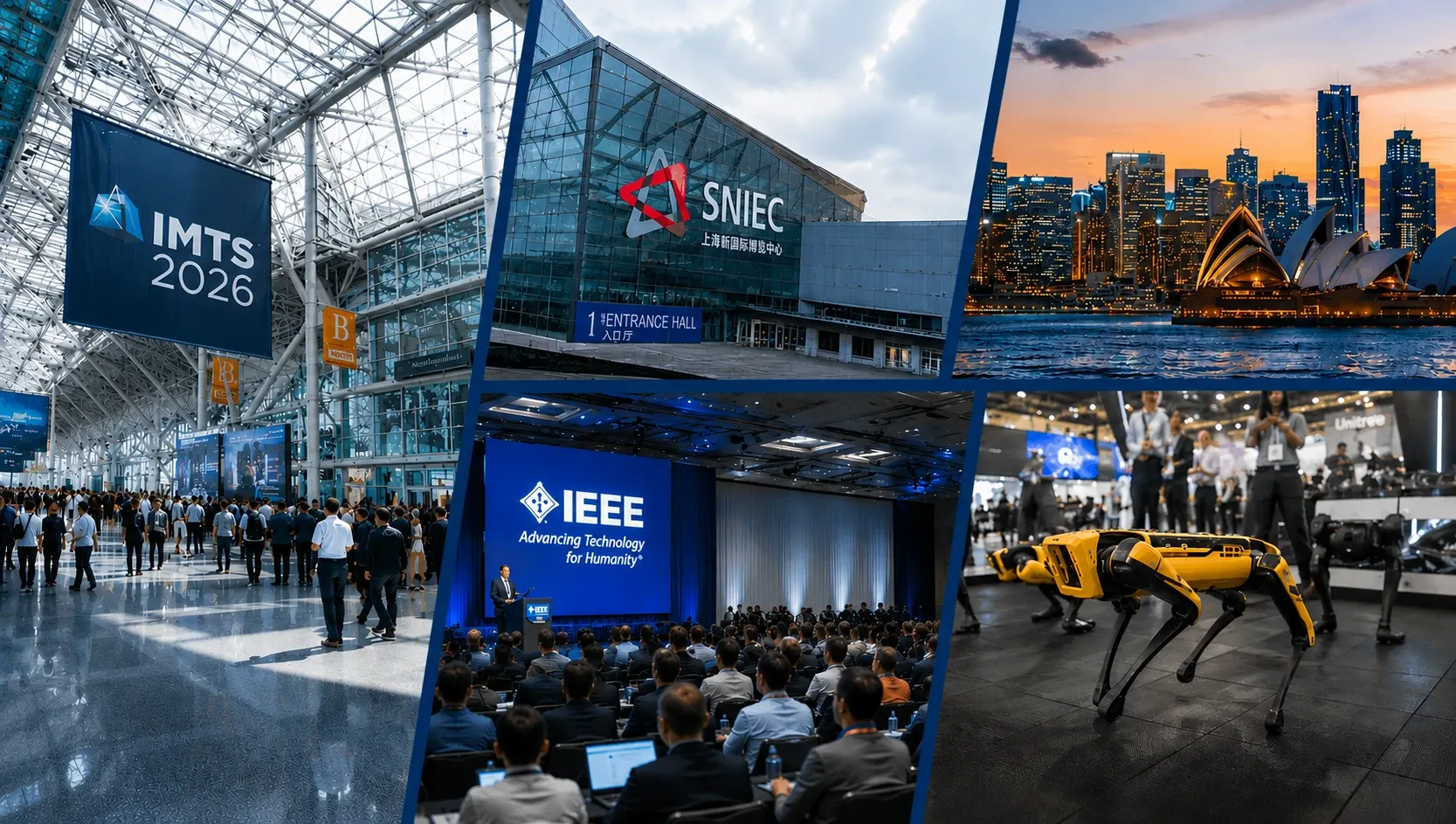
Guide to CIEI 2026: Exhibitor Brands, Events, Transportation, and Accommodation
The Shanghai International Embodied Intelligence Industry Expo is set to debut from July 2 to July 4, 2026, at the National Exhibition and Convention Center. This inaugural event aims to bridge the gap between global supply and demand in the field of embodied intelligence technology. Attendees can expect to engage with leading exhibitors, participate in industry discussions, and witness competitions that highlight the latest advancements in this rapidly evolving sector. The expo seeks to foster collaboration and innovation, positioning itself as a pivotal platform for professionals and enthusiasts alike in the embodied intelligence industry.
Embodied Intelligence Industry Expo Robotics Supply Chain Technology Events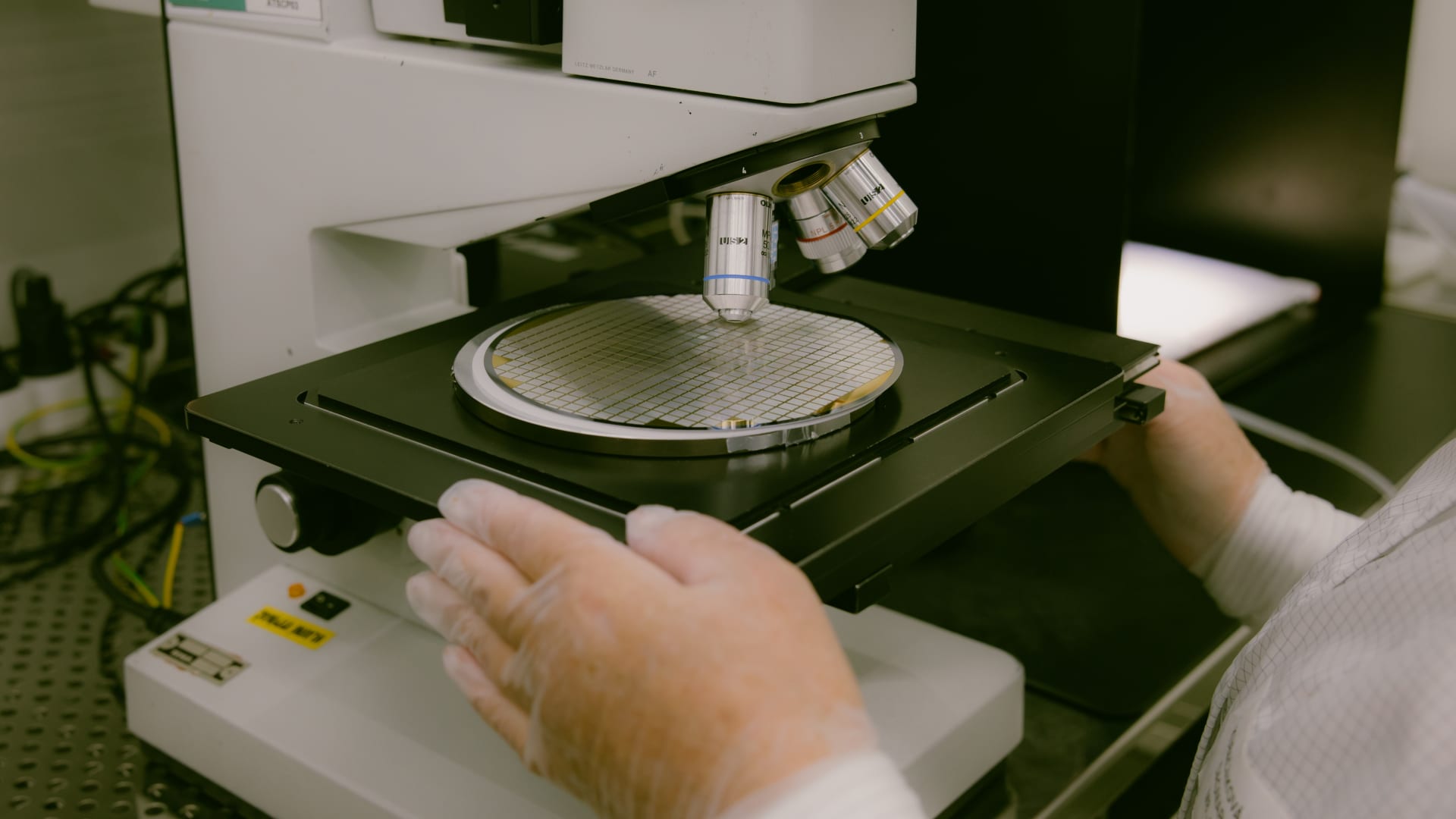
ON Semi tanks 20% following Synaptics deal as CEO defends core business
On Semiconductor has announced a significant expansion of its addressable market, projecting an increase of $30 billion through its pivot into physical artificial intelligence (AI). This strategic move aims to enhance the company's offerings and capitalize on the growing demand for AI technologies. The announcement comes as the company seeks to position itself at the forefront of innovation in the semiconductor industry. By integrating physical AI into its product lineup, On Semi is responding to evolving market needs and the increasing reliance on advanced technologies across various sectors. This expansion reflects the company's commitment to driving growth and maintaining competitiveness in a rapidly changing technological landscape.

How Skyways Quietly Built a Global Heavy-Lift Drone Business
Skyways Aviation, an Austin-based company, is expanding its offshore cargo operations in response to evolving U.S. regulations regarding Beyond Visual Line of Sight (BVLOS) drone operations. The company has focused on building a global heavy-lift drone business, distinguishing itself from competitors that often emphasize their technological innovations. This strategic expansion comes as Skyways prepares for the next phase of BVLOS regulations, which are expected to enhance operational capabilities and open new markets for drone services. By leveraging its expertise in heavy-lift capabilities, Skyways aims to position itself as a leader in the drone logistics sector, addressing the growing demand for efficient cargo transport solutions.
Applications Cargo Defense Delivery Drone News Drone News Feeds
"Stealing the Spotlight from the Smartphone Launch! Behind CyberOne's One-Handed Photography, Xiaomi's Robot Claims 'Dual Champion'"
Xiaomi has made headlines with its latest innovation, CyberOne, a robot that boasts advanced one-handed photography capabilities. This announcement coincided with the launch of the company's new smartphone, showcasing the tech giant's commitment to pushing the boundaries of robotics and mobile technology. The event took place recently in Beijing, where Xiaomi unveiled its dual champion, highlighting the robot's unique features that set it apart in the competitive landscape of artificial intelligence and consumer electronics. The introduction of CyberOne aims to enhance user experience by integrating sophisticated photography functions into a robotic platform, catering to the growing demand for innovative tech solutions. By leveraging cutting-edge technology, Xiaomi seeks to capture the attention of both consumers and industry experts, positioning itself as a leader in the rapidly evolving market. The launch event not only emphasized CyberOne's capabilities but also served as a strategic move to shift focus from the smartphone launch, demonstrating Xiaomi's ambition to diversify its product offerings and engage with a broader audience. As the company continues to explore the intersection of robotics and everyday technology, the implications of CyberOne's introduction could reshape consumer expectations and inspire future developments in the field.
Robotics Automation AI
Tesla and Waymo duel in the robotaxi race — but the company spending the most builds no cars at all
Tesla and Waymo are competing in the rapidly evolving robotaxi market, with Tesla focusing on its own fleet of autonomous vehicles while Waymo continues to expand its ride-hailing services. As of spring 2026, Tesla has deployed approximately 20 driverless Model Y vehicles in Texas cities like Austin, Dallas, and Houston, but its ambitious Cybercab project is still in the early stages of production, with significant revenue not expected until 2027. Meanwhile, Waymo has achieved a notable milestone with half a million weekly rides, highlighting the disparity in progress between the two companies. Investors are increasingly scrutinizing the financial viability of these ventures, as both Tesla and Uber, which is pursuing a different strategy by investing in autonomous technology rather than owning the vehicles, have made substantial commitments to self-driving initiatives. Uber recently invested nearly $500 million in the startup Nuro, aiming to integrate autonomous taxis into its network. This investment is part of a broader strategy that includes partnerships with various companies to deploy thousands of autonomous vehicles in the coming years. As the market evolves, the competition between Tesla's vertically integrated approach and Uber's model of leveraging partnerships raises questions about the future of robotaxis and the potential for profitability in this emerging sector. With both companies facing challenges and delays, the race for dominance in the robotaxi space is far from over.

UBTECH's Busy Month: Advancements in Humanoid Robotics Across Three Sectors
UBTECH, a prominent player in humanoid robotics, has unveiled its latest innovations, the Walker C1 and Walker U1 models. The Walker C1, designed for commercial services, was showcased at the China International Supply Chain Expo, highlighting its advanced capabilities. Meanwhile, the consumer-oriented Walker U1 has already received over 5,000 pre-orders, indicating strong market interest. The company is strategically focusing on integrating its robots across industrial, commercial, and home environments, emphasizing customization and adaptability to meet diverse user needs. With these developments, UBTECH is positioning itself as a leader in the rapidly evolving robotics sector.
Humanoid Robots Commercial Robotics Consumer Robotics Industrial Automation
Qingyan Precision Secures Funding to Drive Physical AI Infrastructure Development
Qingyan Precision, a spin-off from Tsinghua University, has successfully secured hundreds of millions in its latest funding round to bolster its advancements in physical artificial intelligence. The company is dedicated to revolutionizing automotive testing by developing a comprehensive engineering system that gathers and analyzes real-world data. With more than 2,000 data collection nodes already in operation, Qingyan Precision is positioning itself as a significant contributor to the industrial AI sector. This funding will enable the firm to enhance data-driven decision-making processes within the manufacturing industry, further establishing its role in the evolving landscape of technology and engineering.
Physical AI Industrial Automation Data Infrastructure Engineering Systems
BABA Stock: The Physical AI Race Heats Up as Alibaba Releases New AI Models for Robots
Alibaba Group Holding Limited has intensified its efforts in the rapidly evolving artificial intelligence (AI) sector by launching the Qwen Robot Suite, a new collection of AI models designed for robotic applications. Announced on June 21, 2026, the suite aims to enhance robots' capabilities in understanding their environments, navigating complex spaces, and executing tasks based on natural language commands. Developed by Alibaba’s Tongyi Lab, these models are currently being tested with select customers of Alibaba Cloud, marking the company's strategic move into the burgeoning Physical AI market. This initiative comes as Alibaba seeks to establish itself as a significant player in the multi-trillion-dollar robotics industry amid increasing competition. Despite facing challenges in its stock performance, with shares down 44.8% from a 52-week high, Alibaba reported a 3% year-over-year revenue growth for the fiscal fourth quarter, driven by a 38% surge in Cloud Intelligence revenue. However, the company also experienced a sharp decline in profitability, with non-GAAP net income plummeting to $12 million from nearly $30 billion in the previous year. As Alibaba continues to invest heavily in AI infrastructure and cloud capabilities, the launch of the Qwen Robot Suite reflects its commitment to innovation in the face of market pressures and evolving consumer demands.
Robotics needs a service framework.
RSF defines a common language for robot service capability, lifecycle operations, certification pathways, and service-provider networks.