Industry Briefing
A single destination for timely, editor-curated robotics news from around the world.
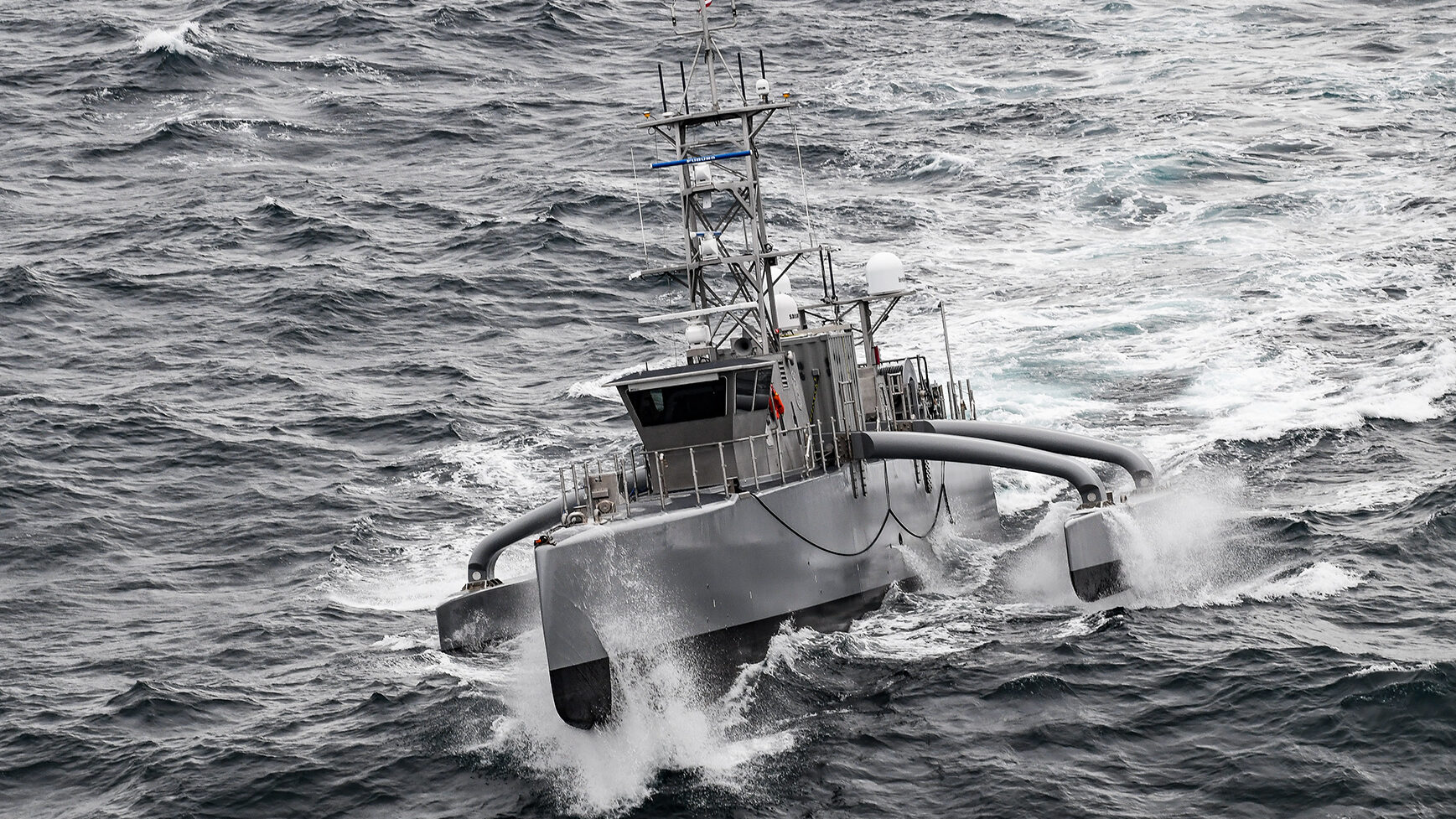
A Navy carrier is about to deploy with a robot ship. Could it change the service forever?
Experts have indicated that the recent deployment of unmanned systems by the Navy could significantly influence the future development of its operational strategies. This initiative, aimed at enhancing naval capabilities, is seen as a pivotal step in integrating advanced technologies into military operations. The deployment is expected to take place in the coming months, with strategic locations being evaluated for optimal effectiveness. By leveraging unmanned systems, the Navy aims to improve efficiency, reduce risks to personnel, and adapt to evolving threats in maritime environments. The insights gained from this deployment will likely shape the Navy's approach to unmanned operations and inform future investments in technology.
Naval Warfare Adm. Daryl Caudle Drones featured Leidos MUSV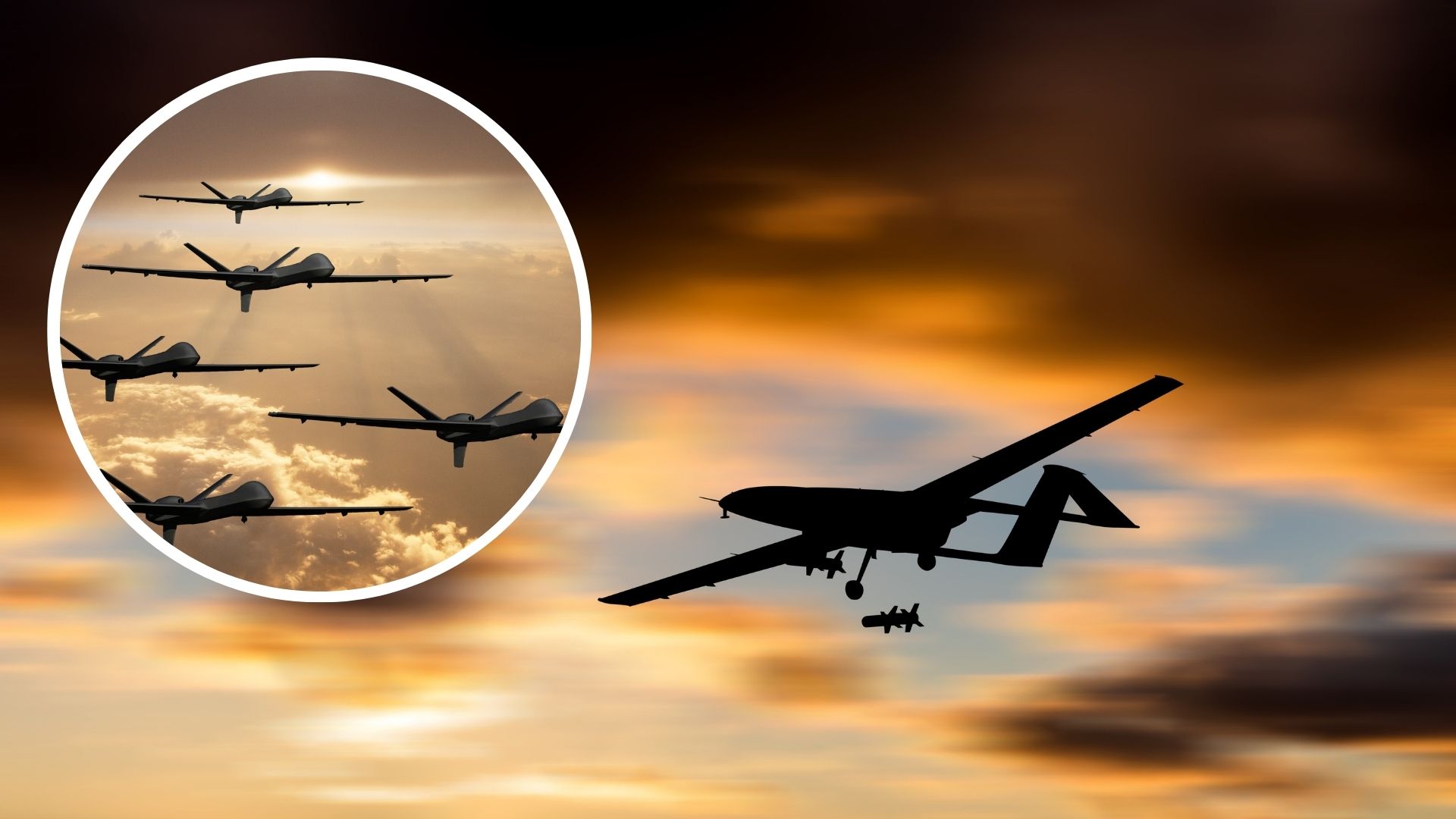
Quantum Systems Group's Apex Recordhunter Drone Achieves 434 mph Speed Milestone
Quantum Systems Group, a German aerospace firm, has announced that its Apex Recordhunter experimental drone reached a remarkable speed of 434 miles per hour. This achievement, pending formal certification, could set a new world record for battery-powered unmanned aerial vehicles. The project emphasizes advancements in electric propulsion and aerodynamics, aiming to enhance military applications for future interceptor drones. The significance of this milestone lies in its potential to reshape aerial defense systems. As military conflicts increasingly utilize high-speed drones, the demand for agile interceptor systems has surged. Traditional surface-to-air missiles are often too expensive for engaging low-cost drones, prompting the development of dedicated UAVs that can effectively counter these threats. The technologies validated through the Apex Recordhunter program are expected to play a crucial role in the next generation of interceptor drones. Looking ahead, Quantum Systems Group plans to conduct further speed trials focused on operational military roles, including FPV platforms and specialized anti-aircraft interceptors. The rapid evolution of drone warfare necessitates breakthroughs in speed and maneuverability, making the Apex Recordhunter a pivotal testbed for future technologies. No further timeline was disclosed at the time of publication.
Military
Microsoft criticizes disclosure of zero-day vulnerability without prior sharing, clashes with bug hunters.
On May 27, Microsoft publicly criticized the practice of disclosing zero-day vulnerabilities—security flaws that have not yet been patched—without prior notice. In a statement on its official blog, the company emphasized its ongoing commitment to protecting customers through round-the-clock monitoring and response efforts. Microsoft reiterated the importance of Collaborative Vulnerability Disclosure (CVD) as a more responsible approach to handling such vulnerabilities, highlighting the need for cooperation between security researchers and software developers to ensure user safety.

LR Awards Atlas Elektronik UK the First UMS Certificate Issued to a Naval Minehunter
Lloyd’s Register has granted Unmanned Marine Systems Certification to ATLAS ELEKTRONIK UK for its RNMB Hydra vessel, an innovative uncrewed surface craft developed for the UK Royal Navy. This certification marks a significant milestone in the advancement of maritime technology, particularly in the areas of mine sweeping and mine hunting. The RNMB Hydra is designed to enhance operational efficiency and safety in naval operations, reflecting the growing trend towards automation in military applications. The certification was awarded in October 2023, underscoring the vessel's compliance with rigorous safety and operational standards set by Lloyd’s Register. This development is expected to bolster the capabilities of the Royal Navy, allowing for more effective and safer maritime missions.
atlas elektronik uk ums certificate naval minehunter lloyd’s register (lr) unmanned marine systems (ums) rnmb hydra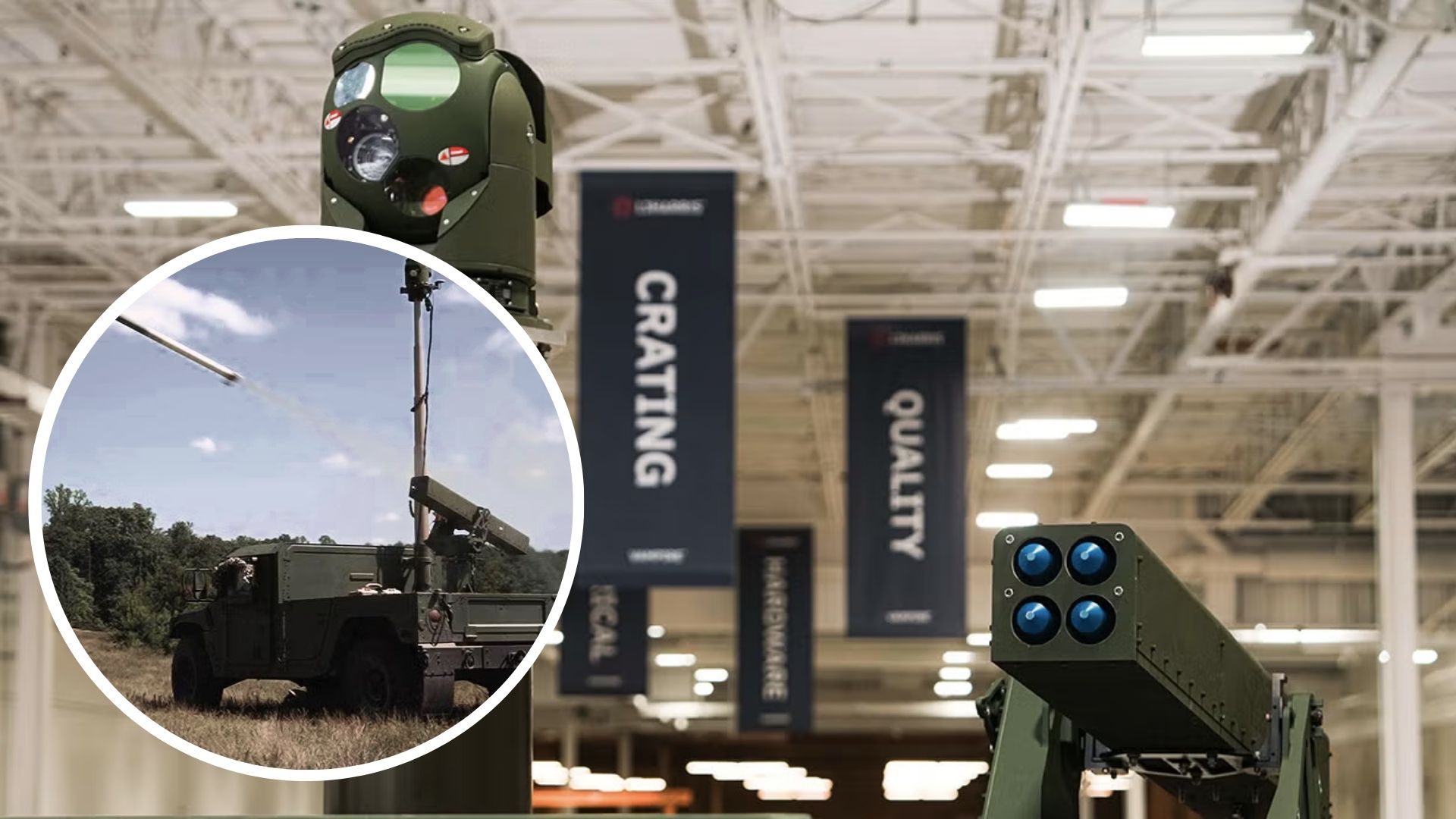
US Army to deploy VAMPIRE drone hunter with proven 350,000 hours of battlefield use
A new counter-drone system is being developed to bolster the defense capabilities of the United States against increasing drone threats. This initiative comes in response to the growing concerns over the use of unmanned aerial vehicles by adversaries, which have been employed in various conflicts and security breaches. The system is expected to be deployed in military bases and critical infrastructure locations across the country, enhancing the protection of both personnel and assets. The U.S. Department of Defense is spearheading this project, collaborating with leading technology firms to integrate advanced detection and neutralization technologies. The system aims to identify and intercept hostile drones before they can cause harm. Testing of the new technology is scheduled to begin in early 2024, with full operational capability anticipated by the end of the year. This proactive measure reflects the U.S. military's commitment to adapting to modern warfare challenges and ensuring national security. As drone technology continues to evolve, the implementation of this counter-drone system is seen as a crucial step in maintaining strategic advantages and safeguarding against potential threats.
Military
Indiana Scores First Drone Deer Hunting Conviction in Landmark UAV Poaching Case
Indiana has made headlines with its first conviction related to drone-assisted deer hunting, marking a significant legal precedent in the regulation of unmanned aerial vehicles (UAVs) in hunting practices. The case arose as hunters increasingly turned to drones to enhance their chances of capturing trophy animals, prompting state lawmakers and regulators to take action. The conviction underscores the growing need for clear rules governing the use of drones in hunting, aimed at preserving ethical standards and wildlife conservation. As this legal framework develops, it reflects a broader trend of integrating technology into traditional hunting methods while addressing the associated ethical and regulatory challenges.
Drone News Drone News Feeds Drones in the News hunting News commercial drone newsRobotics needs a service framework.
RSF defines a common language for robot service capability, lifecycle operations, certification pathways, and service-provider networks.