Industry Briefing
A single destination for timely, editor-curated robotics news from around the world.

Scott Walter: Why Humanoid Robots Just Need to Be "Good Enough"
Dr. Scott Walter, a leading figure in robotic technology, has dedicated the past 40 years to exploring the convergence of virtual design and physical reality. In a recent interview, he shared insights on the current state of robotics, particularly focusing on Tesla’s Optimus humanoid robot. Walter discussed the challenges surrounding robotic hands, referencing the "Fermi paradox" to illustrate the complexities of creating effective robotic manipulation. He also addressed prevalent misconceptions regarding the safety of home robots, emphasizing that the industry is now poised to tackle issues that have persisted since 1985. This evolution in robotics is attributed to advancements in technology and a growing understanding of human-robot interaction, suggesting a promising future for the field.
Scott Walter Interview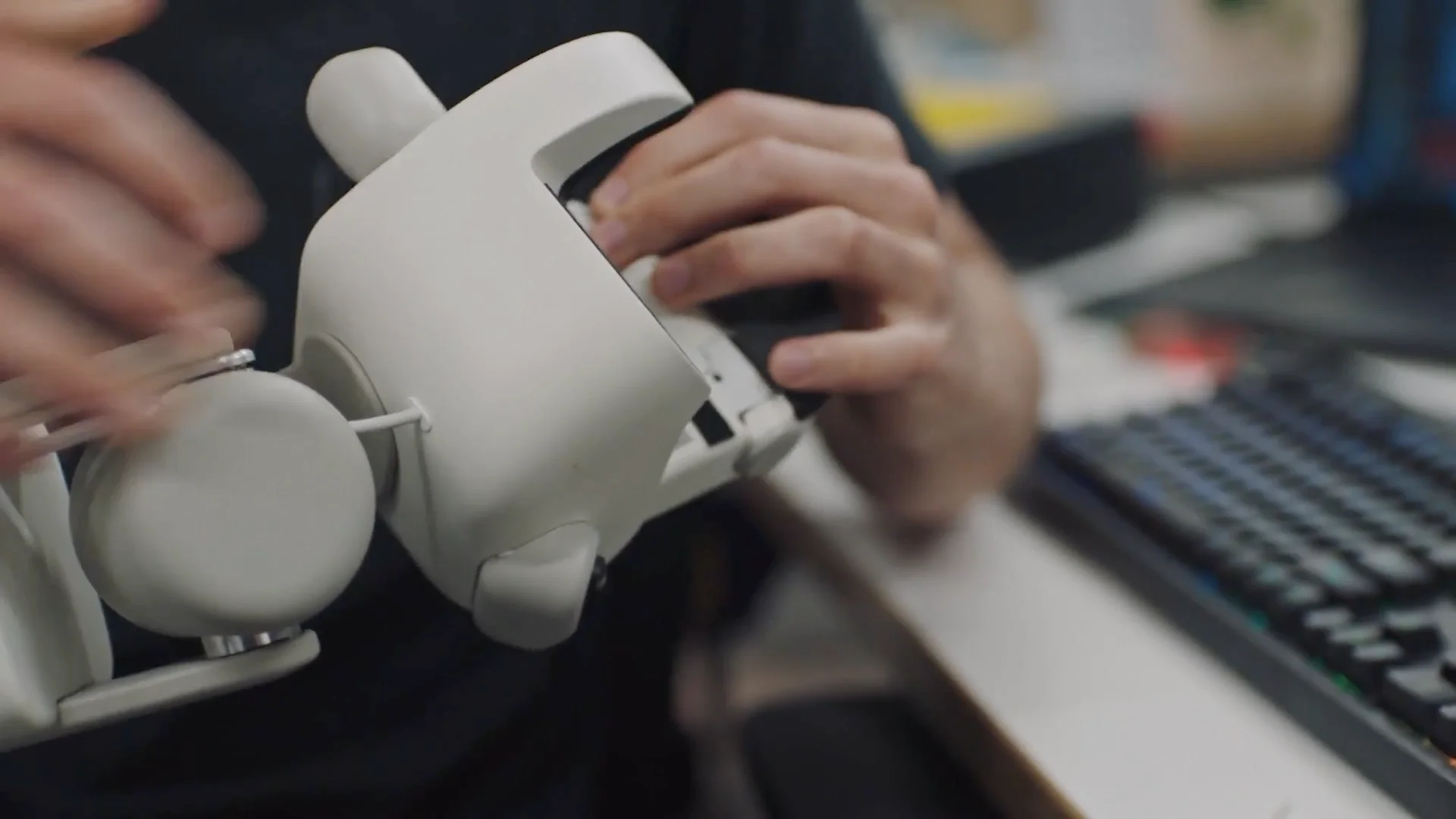
Design Around the Data: Sunday Robotics Reveals Why They Built 100 Gloves Before One Robot
In an exclusive interview, Scott Walter, a leader at Sunday Robotics, discussed the company's innovative approach to robotics engineering, emphasizing their "data-first" philosophy that guided the development of their latest robot, Memo. This design strategy prioritizes the training pipeline, ensuring that the robot's capabilities are built around the data it processes rather than adapting the data to fit a pre-existing framework. The insights shared during the interview highlight Sunday Robotics' commitment to leveraging data effectively to enhance robotic functionality and performance. This approach marks a significant shift in how robotics can be developed, aiming to create more efficient and intelligent machines.
Scott Walter Sunday Robotics Memo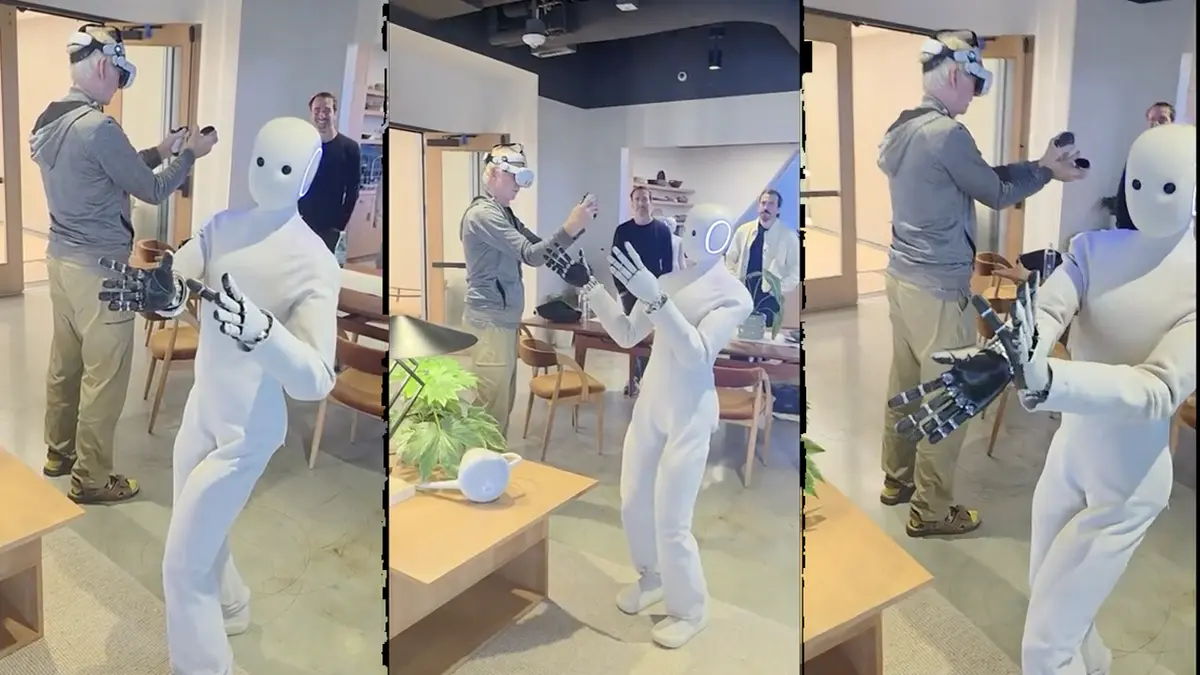
Investor Chris Camillo Shifts from Skeptic to Believer After 1X Visit
Investor Chris Camillo's perspective on 1X's tendon-driven robots shifted dramatically following a visit to the company's headquarters. During the visit, which took place recently, Camillo recognized the potential of these robots as frontrunners for in-home deployment. Accompanying him was robotics expert Scott Walter, who also expressed significant admiration for the technology. This newfound enthusiasm highlights the growing interest in robotics solutions for everyday use, as industry leaders begin to see the practical applications of such innovations in domestic settings.
1X-technologies Scott Walter Chris Camillo NEO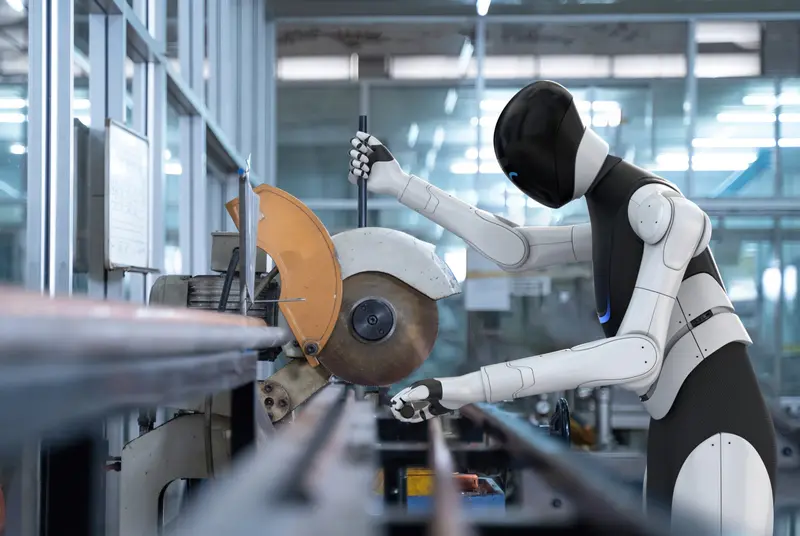
Neura Robotics CEO David Reger on Cognitive Platforms, Humanoid Design, and the Path to Physical AI
In a recent podcast episode hosted by Scott Walter, David Reger, CEO of Neura Robotics, elaborated on the company's vision for cognitive robotics and the significance of their Neuraverse platform. During the discussion, Reger provided insights into the engineering processes that underpin their humanoid robots, particularly focusing on the 4NE-1 model. He emphasized the company's commitment to in-house development as a strategy to enhance human-robot interaction in a rapidly evolving technological landscape. The conversation sheds light on Neura Robotics' innovative approach and its implications for the future of robotics.
David Reger Scott Walter 4NE-1 Neura Robotics Europe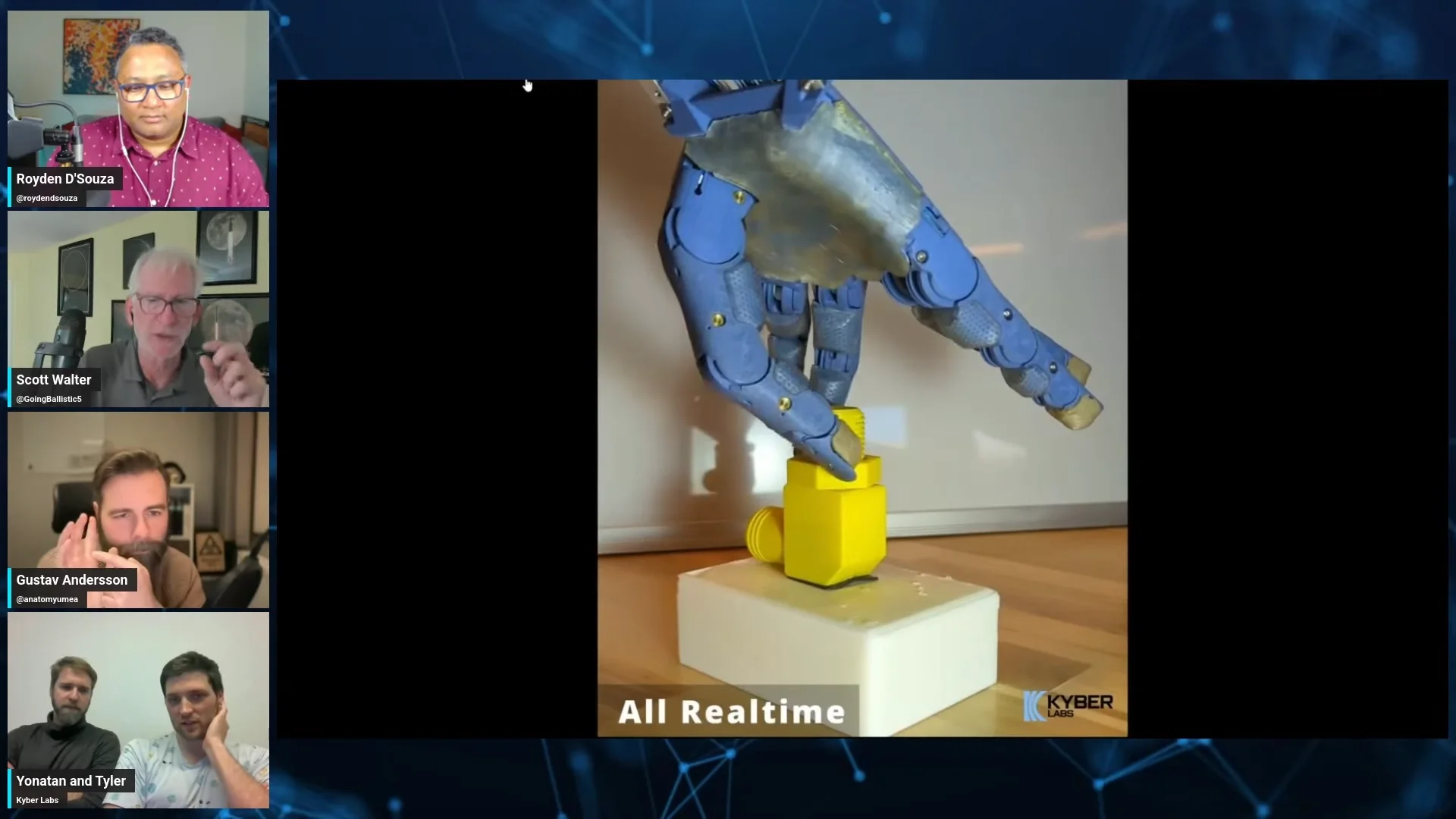
Kyber Labs Founders Crash the "Over the Horizon" Podcast for a Technical Deep Dive
The founders of Kyber Labs, Scott Walter and Gustav Andersson, recently made a surprise appearance on Royden D’Souza’s podcast, where they engaged in an in-depth discussion about their innovative approaches to tendon actuation and heat management. The podcast, which gained significant attention following the viral reveal of Kyber Labs' latest technologies, provided a platform for the founders to elaborate on their unique "anti-humanoid" strategy. This strategy aims to differentiate their products in a competitive market by focusing on functionality and efficiency rather than mimicking human form. The conversation highlighted the challenges and breakthroughs in their research and development process, offering insights into the future of robotics and artificial intelligence.
hand Kyber Labs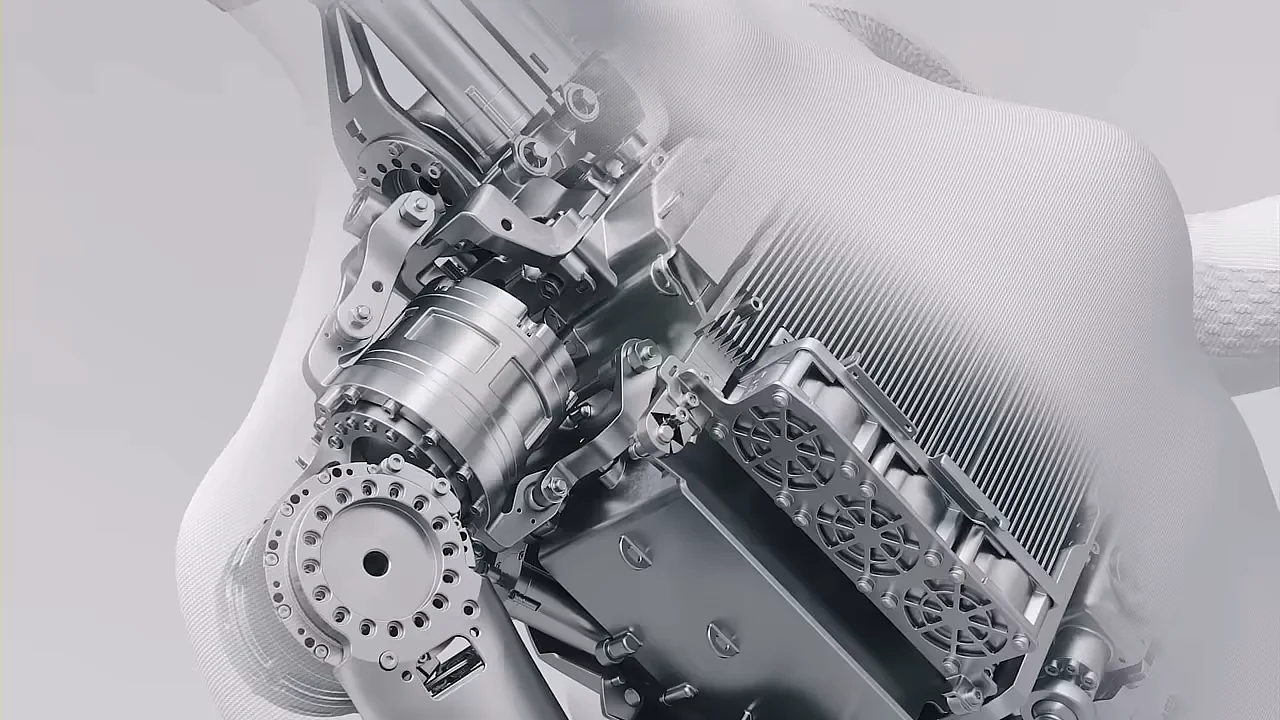
Inside Iron: Analyst Breaks Down Xpeng's Ambitious 5-DoF Spine and New Scapula
Robotics analyst Scott Walter has released a detailed analysis of Xpeng's latest humanoid robot, highlighting its innovative hardware features. The report describes the robot's advanced design, which includes a five-degree-of-freedom (5-DoF) waist and a two-degree-of-freedom (2-DoF) scapula, enhancing its range of motion. Additionally, the analysis notes that the knee actuator has been repositioned for improved functionality. Walter's findings also indicate that the humanoid showcased during a recent presentation was a hybrid model, incorporating older-generation hands. This examination sheds light on Xpeng's ambitious approach to robotics and its commitment to pushing the boundaries of humanoid technology.
XPeng IRON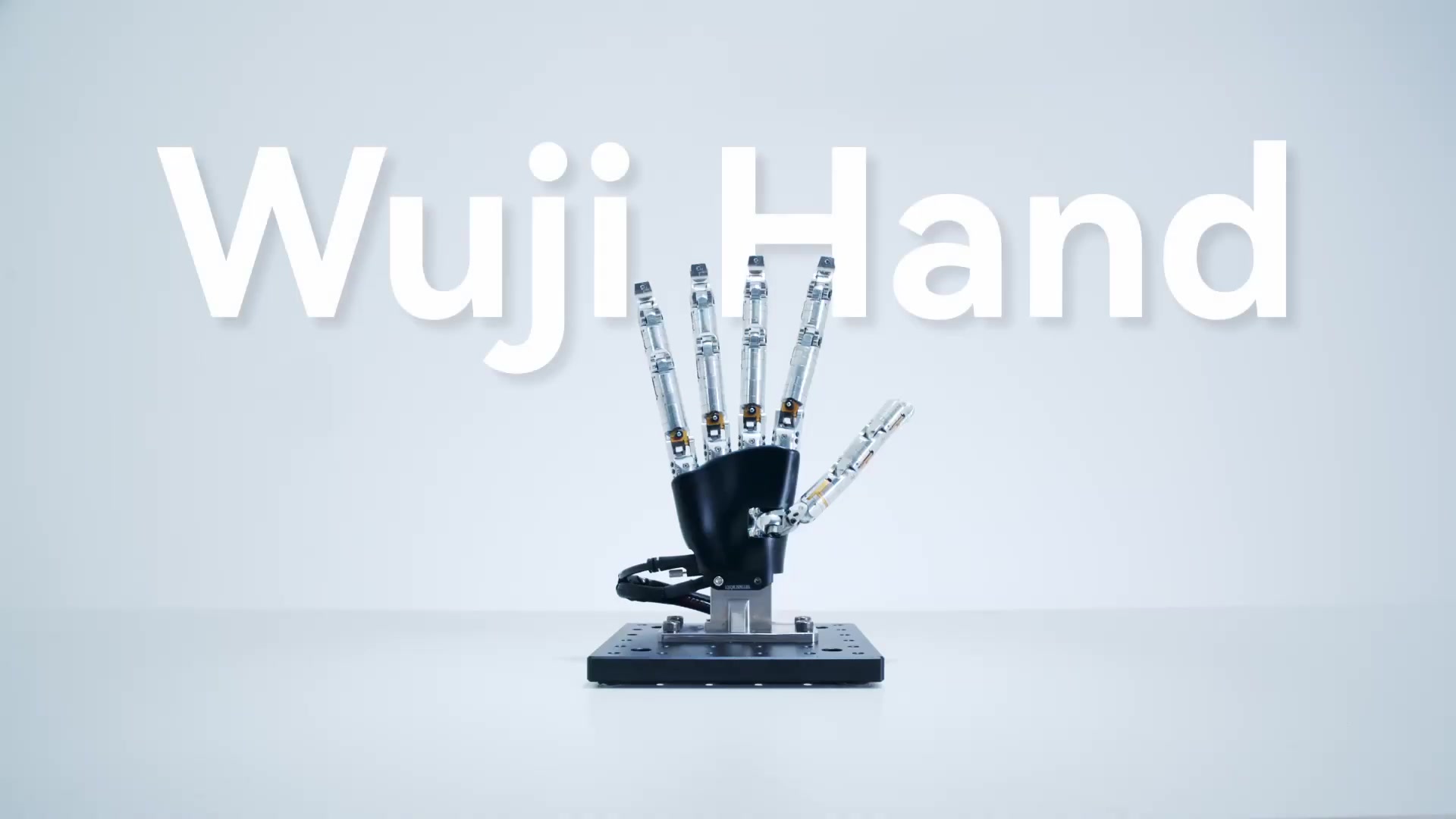
Experts Weigh In on Wuji Tech’s Robotic Hand: A “Remarkably Robust” Direct-Drive Contender
Humanoid robotics expert Scott Walter and hand surgeon Gustav Andersson have commended the innovative 20-degree-of-freedom (20-DOF) robotic hand developed by China's Wuji Tech. Their analysis highlights the device's direct-drive actuation, which represents a significant advancement over traditional tendon-based systems. This breakthrough is seen as a critical step in bridging the gap between simulated environments and real-world applications in robotics. The evaluation underscores the potential of this technology to enhance the functionality and dexterity of robotic hands, paving the way for more effective integration into various fields, including medical applications and rehabilitation.
actuation Dexterity humanoid robotics robotic hand Wuji Tech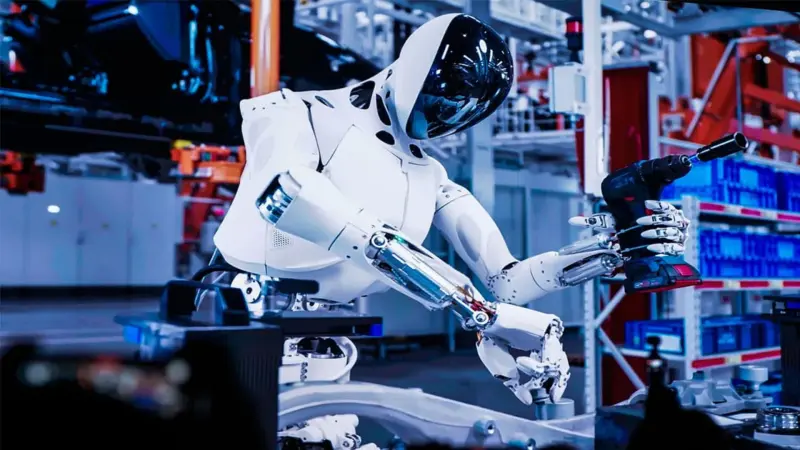
Podcast Recap: Inside the Rotary-vs-Linear Actuator Showdown Shaping Humanoid Robots
In a recent episode of the Soft Robotics Podcast, host Marwa ElDiwiny and engineer Scott Walter explored the ongoing debate between rotary and linear actuators in the development of humanoid robots. The discussion highlighted the reasons behind the preference for compact rotary joints among most builders, while also examining the advantages of planetary-roller-screw cylinders favored by some engineers. This analysis reflects the evolving landscape of robotics, where design choices are critical to enhancing functionality and efficiency in humanoid systems. The podcast aims to inform listeners about the technical considerations and implications of these actuator types in the field of robotics.
Optimus Tesla 4NE-1 Figure Apollo Neura Robotics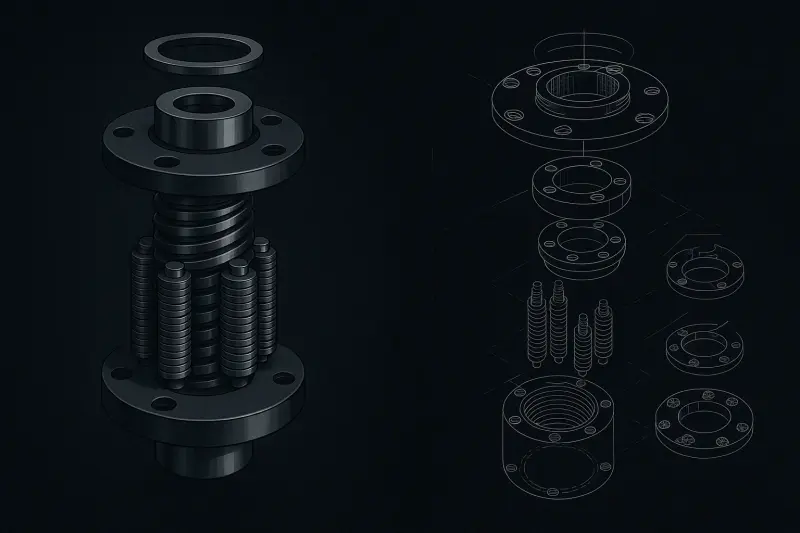
Actuator Architecture Sparks Debate: Figure CEO Refutes Claim of Using Planetary Roller Screws
Brett Adcock, CEO of Figure, has publicly countered a claim made by Fast Company regarding the technology used in his company's humanoid robots. The article suggested that Figure employs planetary roller screws, a type of linear actuator, in its designs. Adcock clarified that Figure actually utilizes rotary actuators, sparking a significant discussion within the field of humanoid robotics about the merits of direct rotary drive versus linear actuators that incorporate screws and linkages. This debate has been further elaborated on by robotics expert Scott Walter, emphasizing the ongoing exploration of design choices that could impact the future of robotic functionality and performance.
Tesla Figure Neura Robotics Agility Robotics XPeng Apptronik
The Gearbox Trap: Origami Robotics and 1X Clash Over the Future of Manipulation
Origami Robotics has released a technical critique highlighting that high-ratio gearboxes are a significant barrier to achieving greater dexterity in robotics. This assertion has led to an unusual hardware disclosure from Bernt Børnich, the CEO of 1X, who responded to the critique. The discussion surrounding this issue is particularly timely, as advancements in robotics are increasingly sought after in various industries. The critique emphasizes the need for innovation in gearbox technology to enhance robotic performance and functionality, suggesting that overcoming this bottleneck could lead to substantial improvements in robotic applications. Børnich's hardware reveal aims to address these concerns and showcase potential solutions to the challenges identified by Origami Robotics.
Origami Robotics 1X-technologies Scott Walter hand hands Bernt BørnichRobotics needs a service framework.
RSF defines a common language for robot service capability, lifecycle operations, certification pathways, and service-provider networks.