Top News

Industry Briefing

A single destination for timely, editor-curated robotics news from around the world.
Interview with Pony.ai's Peng Jun: A "Dissenting Consensus" Autonomous Driving Company

Interview with Pony.ai's Peng Jun: A "Dissenting Consensus" Autonomous Driving Company

In 2016, Peng Jun founded Pony.ai with the foresight that the widespread implementation of Robotaxi services would require at least a decade of effort, considering technological advancements, legal frameworks, and societal acceptance. Today, companies like Waymo in San Francisco and Pony.ai in Shenzhen have successfully integrated autonomous vehicles into commercial operations. However, Peng noted that the absence of human drivers has created challenges in operational logistics, such as vehicle maintenance and customer assistance, which were previously managed by drivers. In a recent interview, Peng discussed Pony.ai's strategies for supporting its autonomous fleet, including the establishment of an operations team to create logistics standards that encompass remote safety personnel and ground support staff. He emphasized that even as the fleet expands, the ratio of personnel to vehicles will not significantly increase, a factor often overlooked by traditional ride-hailing companies entering the Robotaxi market. Despite the challenges, Pony.ai's seventh-generation vehicles have achieved profitability in cities like Guangzhou and Shenzhen, with plans to scale the fleet to 3,500 vehicles this year. Peng expressed skepticism about the ability of traditional automakers and ride-hailing platforms to transition into the Robotaxi space, highlighting the complexities involved in achieving Level 4 autonomy. While competitors are rapidly announcing their own Robotaxi initiatives, Peng cautioned that execution is far more challenging than mere declarations. He believes that operational efficiency, rather than manufacturing capability, will be the key determinant of success in the Robotaxi sector. As the industry evolves, Pony.ai remains focused on refining its business model while navigating the complexities of autonomous vehicle operations.

Trump drops restrictions on Anthropic’s Mythos and Fable models

Trump drops restrictions on Anthropic’s Mythos and Fable models

The Trump administration's inconsistent strategy regarding artificial intelligence (AI) policy has created uncertainty for companies within the industry concerning the regulations that will dictate future model releases. As businesses navigate this unclear landscape, they are left grappling with the implications of potential guidelines and standards that may emerge. This lack of clarity has raised concerns about the ability of companies to innovate and compete effectively in a rapidly evolving technological environment. The situation underscores the need for a more cohesive and predictable framework for AI governance, which many stakeholders believe is essential for fostering growth and ensuring responsible development in the sector.

AI Government & Policy Anthropic fable Mythos Trump Administration
Don’t Miss AirWise Solutions on the Public Safety Drone Review, July 7!

Don’t Miss AirWise Solutions on the Public Safety Drone Review, July 7!

On July 7 at 3 PM EST, DRONELIFE and DRONERESPONDERS will host the latest installment of the Public Safety Drone Review, a free webcast aimed at showcasing advancements in drone technology for public safety applications. The event will be led by DRONELIFE Editor in Chief Miriam McNabb, DRONERESPONDERS Director Charles Werner, and public safety aviation expert Mike O’Shea. This monthly series aims to educate and inform stakeholders about the evolving role of drones in enhancing public safety measures. Interested participants can register for the webcast through the provided link.

Applications Drone News Drone News Feeds emergency response Fire and Police News
North Carolina Turnpike Authority Uses Drone LiDAR to Improve Oversight on Complete 540 Project

North Carolina Turnpike Authority Uses Drone LiDAR to Improve Oversight on Complete 540 Project

The North Carolina Turnpike Authority (NCTA) is implementing a pilot program that utilizes drone-based LiDAR technology to enhance oversight of the final phase of the Complete 540 project. This initiative aims to provide more accurate tracking of construction progress and improve safety measures on major transportation infrastructure. As construction advances, the use of aerial LiDAR will allow for a detailed assessment of the project, ultimately facilitating better scheduling and oversight. The integration of this technology marks a significant step in modernizing construction management practices in North Carolina.

Applications Construction Drone News Drone News Feeds LiDAR Mapping
ANRA Technologies Surpasses 55,000 Commercial Drone Operations Per Month, Demonstrating Growing Demand for Digital Airspace Infrastructure

ANRA Technologies Surpasses 55,000 Commercial Drone Operations Per Month, Demonstrating Growing Demand for Digital Airspace Infrastructure

A leading drone platform has announced that it now facilitates over 1,800 commercial drone operations beyond visual line of sight each day. This significant milestone encompasses a variety of applications, including delivery services, critical infrastructure monitoring, utility management, and public sector missions. The increase in operational capacity reflects the growing demand for advanced drone technology in various industries, driven by the need for efficient and effective solutions. The platform's capabilities enable businesses and government agencies to leverage drones for tasks that require extended range and precision, ultimately enhancing operational efficiency and safety. The announcement comes as the drone industry continues to evolve, with advancements in technology and regulatory frameworks supporting the expansion of drone usage in everyday operations.

Sonair ADAR One 3D ultrasonic sensor is now safety-certified

Sonair ADAR One 3D ultrasonic sensor is now safety-certified

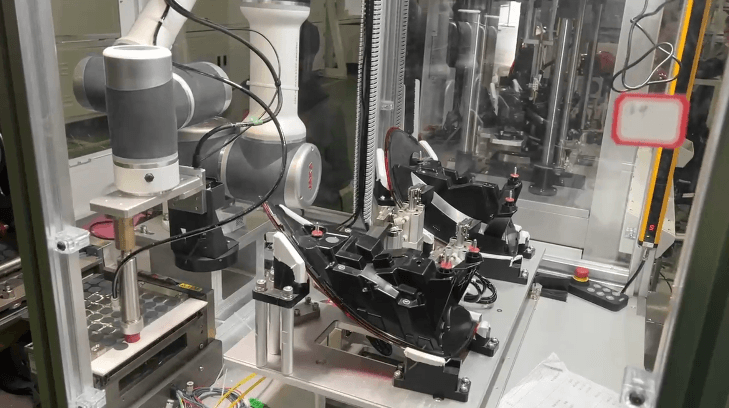
Sonair has announced that its ADAR One 3D ultrasonic sensor has received safety certification as a human detection sensor, meeting the IEC 61496 standard for electrosensitive protection devices. This certification underscores the sensor's reliability and effectiveness in ensuring safety in various applications. The assessment reflects Sonair's commitment to adhering to international safety standards, enhancing the credibility of its technology in the market. The announcement marks a significant milestone for the company, as it aims to expand the use of its advanced sensor technology in diverse sectors.

Artificial Intelligence Artificial Intelligence / Cognition Design / Development Logistics Manufacturing Mobility / Navigation
Hirebotics launches ‘no-code explosion-proof’ collaborative robot for industrial painting

Hirebotics launches ‘no-code explosion-proof’ collaborative robot for industrial painting

Hirebotics has unveiled the Cobot Painter, the first explosion-proof collaborative robot solution designed specifically for metal fabrication. This innovative product, developed using Hirebotics' no-code Beacon platform in conjunction with Fanuc's CRX-10iA/L Paint hardware, is now available for purchase. The Cobot Painter provides metal fabricators and manufacturers with a practical alternative to traditional manual spraying methods and complex automated production lines, catering to high-mix, low-volume production needs. This launch marks a significant advancement in the automation of metal finishing processes, aiming to enhance efficiency and safety in the industry.

Industrial robots News Beacon platform Cobot Painter cobots collaborative robots
LandSpace's Zhuque-3 Static Fire Test Succeeds as Commercial Aerospace Scales Up

LandSpace's Zhuque-3 Static Fire Test Succeeds as Commercial Aerospace Scales Up

LandSpace's Zhuque-3 reusable rocket successfully completed a static fire test on October 15, 2023, at the Dongfeng Commercial Aerospace Innovation Zone. This milestone is significant for the company as it advances its efforts in developing reliable and cost-effective space launch solutions. The static fire test, which involves igniting the rocket's engines while it remains secured to the ground, is a crucial part of the testing process to ensure the vehicle's performance and safety before its first flight. This achievement underscores LandSpace's commitment to innovation in the aerospace sector and positions the company to contribute to the growing demand for satellite launches and space exploration initiatives.

Industry News
Ambi Robotics and Pickle Robot Deliver Integrated Physical AI Solution to Fully Automate Inbound Logistics

Ambi Robotics and Pickle Robot Deliver Integrated Physical AI Solution to Fully Automate Inbound Logistics

A groundbreaking commercial integration has been achieved in the field of Physical AI, marking a significant advancement in automation technology. This innovative system showcases how specialized robotic units can collaborate effectively to automate the processes of truck unloading and palletizing. The integration, which is the first of its kind, demonstrates the potential for enhanced efficiency and productivity in logistics operations. By utilizing advanced robotics, companies can streamline their supply chain processes, reducing labor costs and minimizing human error. This development is set to redefine industry standards and pave the way for further advancements in automated systems.

Robot safety is now 3D: Sonair unveils world's first safety-certified 3D ultrasonic sensor for human-robot collaboration

Robot safety is now 3D: Sonair unveils world's first safety-certified 3D ultrasonic sensor for human-robot collaboration

The ADAR One sensor has achieved certification for SIL2 and PL d applications, confirming its compliance with the European machine directive. This certification enables the sensor to be utilized for the safe detection of humans and objects in various industrial settings. The development reflects a growing emphasis on safety standards in machinery, ensuring that operators can work in environments where the risk of accidents is minimized. The certification process involved rigorous testing to meet the stringent requirements set forth by European regulations, marking a significant advancement in sensor technology for safety applications.

DJI’s latest guide could help agencies deploy drones faster

DJI’s latest guide could help agencies deploy drones faster

In response to the limitations of traditional drone deployment during emergencies, DJI Enterprise is introducing solutions aimed at enhancing the efficiency of public safety operations. Historically, the process of launching a drone required a pilot to arrive on-site, unpack equipment, and manually initiate flight, which often delayed critical response times. To address this issue, many agencies are now adopting “drone-in-a-box” systems that allow for automatic launches, significantly improving speed and accessibility during emergencies. DJI Enterprise is stepping in to assist these agencies in scaling their operations effectively, ensuring that they can maximize the benefits of this innovative technology. This shift towards automated drone systems is expected to revolutionize emergency response protocols, providing quicker aerial support when it is needed most.

News
Conroe Police Launch DFR Program Funded by Criminal Asset Seizures

Conroe Police Launch DFR Program Funded by Criminal Asset Seizures

The city of Conroe, Texas, has launched a Drones as First Responders (DFR) program, utilizing funds obtained through asset forfeiture from criminal activities. This innovative initiative was developed as a cost-effective solution to enhance public safety without burdening taxpayers. City leaders recognized the potential of drone technology to assist in emergency response and decided to finance the program through the financial resources seized from criminal enterprises. The DFR program aims to improve the efficiency and effectiveness of local law enforcement and emergency services, marking a significant step forward in the integration of technology in public safety efforts.

Applications Drone News Drone News Feeds Featured – Safety and Security Fire and Police Law Enforcement
IACLEA Launches National Campus Drone Program with Draganfly

IACLEA Launches National Campus Drone Program with Draganfly

The International Association of Campus Law Enforcement Administrators (IACLEA) has introduced a national initiative aimed at assisting colleges and universities in developing compliant drone programs that prioritize public safety, training, and governance. This program, launched recently, seeks to provide a structured framework for educational institutions to effectively integrate drone technology into their safety protocols. To enhance this initiative, IACLEA has partnered with Draganfly, a leading drone manufacturer, to ensure that the programs align with best practices and regulatory standards. The collaboration aims to equip campus law enforcement with the necessary tools and knowledge to utilize drones effectively, thereby improving safety measures on campuses across the nation.

Applications Defense defense Drone News Drone News Feeds drone security
Beyond the Numbers: What 300 World Cup Drone Seizures Really Tell Us

Beyond the Numbers: What 300 World Cup Drone Seizures Really Tell Us

Since the FIFA World Cup commenced on June 11, authorities have confiscated over 300 drones near tournament venues, raising concerns about drone-related security issues. However, experts suggest that this figure may not indicate a surge in security threats but rather reflects improved enforcement and monitoring measures implemented by security agencies. The heightened vigilance has led to a more proactive approach in identifying and seizing unauthorized drone activity around the high-profile event. As the tournament progresses, officials continue to prioritize safety and security, ensuring that regulations are enforced to prevent potential disruptions.

Anti-drone technology C-UAS Drone News Drone News Feeds Drones in the News News
Karst Exploration With Robots: Fontaine de Nîmes Data Set

Karst Exploration With Robots: Fontaine de Nîmes Data Set

The Journal of Field Robotics has published a new study that explores advancements in autonomous robotic systems. This research, released in early October 2023, highlights innovative techniques that enhance the navigation and operational capabilities of robots in various environments. Conducted by a team of researchers from leading universities, the study aims to address the growing demand for efficient robotic solutions in industries such as agriculture, manufacturing, and disaster response. The motivation behind this research stems from the increasing complexity of tasks that robots are expected to perform, necessitating improved algorithms and sensor technologies. By employing advanced machine learning methods and real-time data processing, the researchers demonstrated significant improvements in the robots' ability to adapt to dynamic surroundings and make autonomous decisions. The findings from this study are expected to have a substantial impact on the future development of robotic systems, paving the way for more reliable and versatile applications. As industries continue to seek automation solutions, this research provides valuable insights into the potential of robotics to enhance productivity and safety across various sectors.

FIELD REPORT
Air Cargo Under Strain: The Consequences of FAA Flight Reductions on Global Supply Chains

Air Cargo Under Strain: The Consequences of FAA Flight Reductions on Global Supply Chains

The Federal Aviation Administration (FAA) issued an emergency order on November 6, 2023, mandating that the nation’s forty busiest airports implement a reduction in morning flight schedules by 2026. This decision has highlighted the vulnerability of high-value air cargo operations, revealing underlying issues that extend beyond the limitations of cargo holds. The disruption has raised concerns within the trade press, as stakeholders grapple with the potential impacts on logistics and supply chains. The FAA's move aims to enhance safety and efficiency in air traffic management, but it also underscores the fragility of the air cargo sector, which relies heavily on timely flights to meet market demands. As the industry prepares for these changes, the implications for cargo transport and overall economic activity remain a focal point for discussion among aviation experts and business leaders.

Business Logistics Supply chain air cargo aviation belly cargo
Baidu's CFO on How It Became a Full-Stack AI Player | Odd Lots

Baidu's CFO on How It Became a Full-Stack AI Player | Odd Lots

Baidu, once recognized as China's leader in search, has transformed into a comprehensive player in the artificial intelligence sector. The company now develops its own chips, utilizes proprietary AI models such as Ernie, and operates its own cloud system, while also integrating AI technology into its self-driving car initiative, Apollo Go. In a recent discussion, Baidu's CFO, Henry He, elaborated on the company's ambitious AI strategies, addressing topics such as optimizing token expenditure, the safety and alignment considerations among Chinese tech firms, and the competitive landscape of global robotaxi services. He also reflected on the evolving role of Baidu's core search business within this broader technological framework. This evolution highlights Baidu's commitment to advancing its AI capabilities and adapting to the rapidly changing tech environment since its inception in the late 1990s.

NMS:GOOGL NMS:BIDU
US Army develops advanced counter-drone system capable of engaging UAVs on the move

US Army develops advanced counter-drone system capable of engaging UAVs on the move

The U.S. Army has reached a pivotal advancement in counter-unmanned aerial systems (C-UAS) technology, marking a significant step in enhancing national security. This breakthrough was announced on October 15, 2023, during a demonstration at a military facility in Fort Bragg, North Carolina. The development aims to address the increasing threat posed by drones in both military and civilian contexts, driven by the need for effective defense mechanisms against potential aerial attacks. The Army's new C-UAS technology employs advanced radar systems and artificial intelligence to detect, track, and neutralize unauthorized drones swiftly and accurately. This innovative approach not only improves response times but also minimizes collateral damage, ensuring the safety of personnel and infrastructure. The successful demonstration showcased the system's capabilities in real-time scenarios, highlighting its potential for deployment in various operational environments. As drone usage continues to rise, the U.S. Army's commitment to advancing C-UAS technology underscores its proactive stance in safeguarding airspace and maintaining operational superiority. This milestone reflects ongoing efforts to adapt to evolving threats and reinforces the Army's role in national defense.

Military
US Army trials LP-CROWS integration on Paladin artillery for drone defense 

US Army trials LP-CROWS integration on Paladin artillery for drone defense 

Engineers at the US Army Yuma Proving Ground are conducting developmental testing of advanced military technologies. This initiative, which began recently, aims to evaluate and enhance the performance of various systems crucial for operational readiness. The testing is part of the Army's ongoing efforts to improve its capabilities and ensure that troops are equipped with the most effective tools for modern warfare. By rigorously assessing these technologies in a controlled environment, the Army seeks to identify potential improvements and address any issues before deployment. The Yuma Proving Ground, known for its vast testing facilities, provides an ideal location for these critical evaluations, allowing engineers to simulate real-world conditions effectively. This testing phase is essential for maintaining the Army's competitive edge and ensuring the safety and effectiveness of its personnel in future missions.

Military
NASA prepares to launch rescue to save telescope from falling to Earth

NASA prepares to launch rescue to save telescope from falling to Earth

A $30 million salvage operation is set to commence this week, featuring the launch of a robotic lifesaver designed to assist in recovery efforts. The initiative aims to address the challenges posed by recent maritime incidents, reflecting a growing commitment to enhancing safety and efficiency in salvage operations. The deployment of advanced technology underscores the urgency of the situation and the need for innovative solutions in maritime recovery. As the operation unfolds, stakeholders are hopeful that the robotic system will significantly improve the chances of successful salvage and recovery.

We know how to build smarter robots. Now, we need to learn smarter ways to test them

We know how to build smarter robots. Now, we need to learn smarter ways to test them

Atharv Kolhar, a staff test automation engineer at Figure AI, emphasizes the urgent need for the robotics industry to adopt a scalable testing philosophy that evolves in tandem with advancements in autonomy. As the industry continues to innovate and develop smarter robots, Kolhar argues that it is equally important to establish more effective testing methodologies to ensure reliability and performance. His insights highlight a critical aspect of robotics development, suggesting that without a robust testing framework, the potential of autonomous systems may not be fully realized. This call for a shift in testing approaches comes at a time when the demand for advanced robotics solutions is rapidly increasing, underscoring the importance of integrating smarter testing strategies into the development process.

Artificial Intelligence Artificial Intelligence / Cognition Design / Development Humanoids News Robots / Platforms
How compact cobot integration enhances autonomous mobile robot applications

How compact cobot integration enhances autonomous mobile robot applications

The integration of collaborative robots, or cobots, is significantly transforming the warehousing industry, with projections indicating a tenfold increase in their usage from 2018 to 2025, according to industry expert Kassow. This surge in adoption highlights the growing reliance on automation to enhance efficiency and productivity in logistics operations. As businesses seek to streamline processes and reduce labor costs, cobots are becoming essential tools for complementing autonomous mobile robots in various applications. The advancements in technology and the increasing demand for flexible automation solutions are driving this trend, positioning cobots as a key component in the future of warehousing.

Autonomous Mobile Robots (AMRs) Cobot Arms Collaborative Robots Controllers Logistics News
What lessons is Ideal learning to catch up with FSD V14?

What lessons is Ideal learning to catch up with FSD V14?

The competitive landscape of the intelligent driving industry has undergone significant changes in recent years, shifting from hardware specifications to advanced model development. Companies are increasingly recognizing that merely having larger models is insufficient for achieving generational advantages; instead, the integration of models, data, computing power, and chips into a continuous iterative loop is becoming crucial. This realization has prompted many automakers to invest in in-house research and development. Tesla has established a comprehensive ecosystem that spans data collection, training infrastructure, and self-developed chips, while Chinese companies like Li Auto, Xpeng, and NIO are also deepening their technological foundations. Li Auto has introduced its self-developed Mach M100 chip in its L8 and L9 models, which it views as a significant advancement in AI technology. In a recent discussion with Li Auto's autonomous driving and chip leaders, they emphasized that the industry should focus on the practical problems these investments aim to solve rather than merely the existence of in-house development. They outlined their strategies to achieve performance comparable to Tesla's Full Self-Driving (FSD) system, highlighting the importance of safety, efficiency, and comfort in user experience. As the industry moves towards higher levels of autonomy, the integration of vision and language models is seen as essential for developing systems that can handle complex, unforeseen scenarios. The executives noted that achieving higher levels of autonomy (L3 and L4) requires models that can reason and think like humans, underscoring the growing significance of language in AI systems. Overall, the conversation revealed the industry's focus on enhancing AI capabilities through innovative chip design and data utilization, aiming for a future where autonomous driving technology can meet the challenges of real-world driving conditions.

Video: Robot dog delivers pulse-powered firefighting for safer emergency operations

Video: Robot dog delivers pulse-powered firefighting for safer emergency operations

DEEP Robotics, a prominent Chinese robotics company, has unveiled a groundbreaking fire-extinguishing robot dog that aims to enhance firefighting efforts. This innovative technology was showcased during a recent demonstration in Hangzhou, China. The robot dog is equipped with advanced sensors and firefighting capabilities, allowing it to navigate hazardous environments and effectively combat fires in areas that may be too dangerous for human firefighters. The motivation behind this development stems from the increasing need for efficient firefighting solutions, especially in urban areas where traditional methods can be limited by accessibility and safety concerns. By integrating robotics into emergency response, DEEP Robotics seeks to improve safety for firefighters and increase the effectiveness of fire control measures. The demonstration highlighted the robot dog's agility and precision, showcasing its ability to operate autonomously while also being remotely controlled by operators. This dual functionality ensures that the robot can adapt to various situations, providing crucial support during emergencies. As urbanization continues to rise, the introduction of such technology could significantly transform firefighting strategies, making them safer and more efficient.

AI and Robotics
Zhang Yaqin: AI is not a bubble, but AI companies are.

Zhang Yaqin: AI is not a bubble, but AI companies are.

In June, during an interview at the Tsinghua Wuxi Research Institute's Intelligent Industry Innovation Center, Academician Zhang Yaqin discussed the current state of AI investment and entrepreneurship, suggesting a more cautious approach to the rapidly growing sector. Zhang, who founded the Tsinghua University Intelligent Industry Research Institute (AIR) five years ago, noted that while AIR has successfully incubated ten companies with a combined valuation of 150 billion yuan, its primary focus remains on research rather than commercialization. Zhang, a prominent figure in AI and a fellow of the IEEE, likened the current AI investment climate to the internet boom of 1998-1999, emphasizing the importance of sustainable growth and cautioning against the potential for market bubbles. He highlighted the need for new AI algorithms to enhance efficiency and pointed out that while the AI sector holds significant long-term potential, many early-stage companies may face challenges in proving their viability. Every June, AIR hosts the "Taihu Dialogue" in Wuxi, fostering discussions on AI advancements. Zhang expressed concerns about the risks associated with high valuations and the necessity for a focused approach in startups. He emphasized that while funding is crucial, it should not overshadow the importance of developing robust products and technologies. Looking ahead, Zhang identified "physical AI" as a key area for development by 2026 and outlined the challenges of creating robots capable of performing complex tasks in real-world environments. He underscored the importance of collaboration between academia and industry to cultivate talent and drive innovation in AI, while also addressing the ethical and safety risks associated with advanced AI systems.

Video Friday: Give Robots a Hand

Video Friday: Give Robots a Hand

IEEE Spectrum robotics has released its latest edition of "Video Friday," showcasing a collection of innovative robotics videos along with a calendar of upcoming robotics events scheduled for 2026. The events include the RSS conference in Sydney from July 13-17, the Summer School on Multi-Robot Systems in Prague from July 29 to August 4, Actuate in San Francisco on August 18-19, and IROS in Pittsburgh from September 27 to October 1. Among the featured videos, Pulkit Agrawal from MIT CSAIL discusses his "SoftMimic" approach to enhancing robot safety around humans. The DARPA Lift Challenge, taking place from August 6-9 at the National Museum of the US Air Force, invites public participation. Notable demonstrations include Agility Robotics' Digit, which showcases advanced footstep planning to navigate obstacles, and DEEP Robotics' aggressive firefighting robot. Additionally, the potential for AI-driven robots to understand whale behavior and communication is explored by Harvard SEAS Professor Stephanie Gil. The edition also highlights discussions with Rodney Brooks, the creator of the Roomba, about the future of robotics. The content aims to engage the robotics community and stimulate interest in technological advancements and their applications.

Humanoid-robots Video-friday Robot-hands Quadruped-robots Robot-videos Firefighting-robots
Teradar enters paid evaluation program with German automaker for terahertz vehicle sensing technology

Teradar enters paid evaluation program with German automaker for terahertz vehicle sensing technology

Teradar, a company specializing in terahertz (THz) vision technology, has initiated a paid technical evaluation program with a leading German automotive manufacturer. This collaboration aims to assess Teradar's innovative sensing technology for potential integration into advanced driver assistance systems (ADAS) and autonomous driving platforms. The evaluation will specifically target challenging scenarios where traditional sensing technologies, including cameras, radar, and lidar, may face limitations. By exploring the capabilities of THz technology, both Teradar and the automotive manufacturer seek to enhance the safety and efficiency of future automotive systems.

Components Design Engineering adas advanced driver assistance systems automation news
NIST launches MEP pilot program to strengthen industrial base

NIST launches MEP pilot program to strengthen industrial base

The National Institute of Standards and Technology (NIST) is launching a new initiative aimed at enhancing the adoption of additive manufacturing technologies for aerospace components while simultaneously developing a domestic supply chain for critical minerals. This program, which is set to invest approximately $20 million in each pilot project, underscores the government's commitment to bolstering the aerospace sector and ensuring a reliable source of essential materials. By focusing on these two key areas, NIST aims to support innovation and competitiveness within the industry, addressing both technological advancements and supply chain vulnerabilities. The initiative reflects a strategic response to the growing demand for advanced manufacturing solutions and the need for secure access to critical resources.

Order Picking Network for Optimisation

Order Picking Network for Optimisation

WITRON is set to transform intralogistics with the introduction of its Order Picking Network (OPN), which emphasizes the integration of warehouse, transport, store, and enterprise operations rather than focusing solely on automation performance. This initiative represents a significant shift in strategy for the company, as highlighted by managing directors Helmut Prieschenk and Karl Högen. By prioritizing overall value creation through enhanced interaction across various logistics levels, WITRON aims to optimize processes and improve efficiency in supply chain management. The OPN initiative reflects the company's commitment to evolving industry standards and meeting the dynamic needs of modern logistics.

Automation Systems and Shuttles Conveying and Sortation eFulfilment Materials Handling Robotic Picking WMS & SCM Software
Hirebotics offers no-code, explosion-proof cobot for painting

Hirebotics offers no-code, explosion-proof cobot for painting

Hirebotics has introduced a new no-code, explosion-proof collaborative robot (cobot) designed specifically for stationary painting applications. This innovative technology allows parts to be placed in a designated paint booth, where the cobot autonomously handles all spraying operations. The development aims to enhance safety and efficiency in industrial painting processes, providing manufacturers with a reliable solution that minimizes the risk of explosions while simplifying the operation through its no-code interface. This advancement reflects Hirebotics' commitment to improving automation in the manufacturing sector, making it easier for companies to adopt robotic solutions without extensive programming knowledge.

Arms / Manipulators Artificial Intelligence / Cognition Automotive Cobot Arms Collaborative Robots Design / Development
Robust.AI chooses Aptiv PULSE sensor for Gen 3 Carter mobile robot

Robust.AI chooses Aptiv PULSE sensor for Gen 3 Carter mobile robot

Robust.AI has selected Aptiv's PULSE sensor for its third-generation Carter mobile robot, enhancing the robot's ability to navigate safely around people. This collaboration leverages Aptiv's advanced sensor fusion technology, which integrates radar and vision systems powered by artificial intelligence. The integration aims to improve the operational safety and efficiency of the Carter robot in various environments. This development marks a significant step forward in the robotics industry, as it addresses the growing need for autonomous systems to operate safely in human-populated spaces.

Autonomous Mobile Robots (AMRs) Collaborative Robots Logistics Manufacturing Mobility / Navigation News
Waymo Registers German Entity for Future European Expansion

Waymo Registers German Entity for Future European Expansion

Waymo, the autonomous vehicle subsidiary of Alphabet Inc., is set to launch its driverless robotaxi service in Germany, marking a significant step in the company's international expansion efforts. This initiative aims to broaden Waymo's operational footprint beyond the United States, where it has already established a presence in several cities. The decision to enter the German market reflects the growing demand for innovative transportation solutions in Europe and the company's commitment to advancing autonomous technology. Waymo plans to implement its service through a carefully structured rollout, ensuring compliance with local regulations and addressing safety concerns associated with driverless vehicles. This expansion highlights the increasing competition in the autonomous driving sector as companies seek to capture a share of the emerging global market for self-driving transportation.

Tesla Bulls Push Wild Robotaxi Theory, But Gary Black Says The SpaceX Merger Talk Makes No Sense At All

Tesla Bulls Push Wild Robotaxi Theory, But Gary Black Says The SpaceX Merger Talk Makes No Sense At All

Investor Gary Black of The Future Fund LLC has dismissed claims from Tesla supporters suggesting that CEO Elon Musk is intentionally delaying the rollout of the company's Robotaxi service to facilitate a merger with Space Exploration Technologies Corp (SpaceX). In a post on X on June 25, 2026, Black labeled these theories as "absurd," highlighting the significant dilution that would arise from a stock-for-stock merger given the differing valuations of both companies. He also raised concerns about potential governance issues stemming from such a transaction. Black expressed caution regarding Tesla's future, citing declining earnings estimates and the impending commoditization of autonomous driving technology. His comments come amid heightened scrutiny of Tesla following a recent fatal crash in Texas, which resulted in the death of a 76-year-old woman. The incident has led to a $1 million lawsuit against Tesla, with claims that the vehicle was operating on Autopilot, a notion Musk has denied. The National Highway Traffic Safety Administration and the National Transportation Safety Board are currently investigating the matter.

Frank Kendall on the trouble with banning autonomous weapons [Book excerpt]

Frank Kendall on the trouble with banning autonomous weapons [Book excerpt]

In a recent book excerpt, former Air Force Secretary Frank Kendall explores the potential for effective arms control measures to be implemented for autonomous systems. This discussion comes amid growing concerns about the rapid development and deployment of such technologies in military applications. Kendall's insights aim to address the challenges and implications of regulating autonomous weapons, emphasizing the need for a robust framework to ensure safety and accountability. As nations increasingly invest in advanced military capabilities, the conversation around arms control for these systems becomes increasingly urgent. The excerpt highlights the complexities involved in establishing regulations that can keep pace with technological advancements while promoting international stability.

Opinion AI & Autonomy autonomy darpa Drones Frank Kendall
Nvidia Wants to Make Humanoid AI Robots Safer Around Humans

Nvidia Wants to Make Humanoid AI Robots Safer Around Humans

Nvidia is advancing the development of humanoid robots, emphasizing the critical need for these machines to recognize and respond to danger swiftly before they can effectively collaborate with humans. In an interview with Bloomberg's Ed Ludlow, Deepu Talla, Vice President of Robotics and Edge AI at Nvidia, discussed the innovative technologies being designed to enhance robots' situational awareness. This initiative is part of Nvidia's broader efforts to integrate artificial intelligence into robotics, aiming to create safer and more responsive machines for various applications. The conversation highlights the importance of safety in robotics as the industry moves towards more sophisticated and capable humanoid systems.

NMS:NVDA
Danish Investigation Finds No Proof Drones Caused Copenhagen Airport Shutdown

Danish Investigation Finds No Proof Drones Caused Copenhagen Airport Shutdown

A comprehensive nine-month investigation into the temporary closure of Copenhagen Airport last September has revealed no evidence linking the disruption to drone activity. Danish police announced that their inquiry, which focused on the events surrounding the airport's shutdown on September 22, failed to substantiate claims that drones were involved. The findings highlight the necessity for improved airspace awareness rather than further speculation about drone-related incidents. This conclusion raises questions about the reliability of initial reports and emphasizes the importance of thorough investigations in aviation safety.

Anti-drone technology C-UAS Drone News Drone News Feeds Drones in the News Europe Drone Industry
Trump admin proposes axing brake-pedal requirement for AVs in a boost for Tesla

Trump admin proposes axing brake-pedal requirement for AVs in a boost for Tesla

The Department of Transportation has proposed a significant regulatory change that would eliminate the requirement for brake pedals in vehicles intended solely for operation by automated driving systems. This initiative aims to streamline the design of autonomous vehicles, potentially accelerating their development and deployment. The announcement comes as part of ongoing efforts to adapt existing transportation regulations to better accommodate advancements in technology. By removing the brake-pedal requirement, the Department seeks to encourage innovation in the automotive industry and enhance the safety and efficiency of future transportation solutions. The proposal is currently under review, with stakeholders from various sectors invited to provide feedback on the implications of this change.

Government & Policy Transportation autonomous vehicles robotaxis Tesla zoox
UN enforces global safety rules for fully autonomous vehicles, effective January 2027

UN enforces global safety rules for fully autonomous vehicles, effective January 2027

Major automotive markets worldwide have united to establish a unified set of regulations aimed at enhancing safety and environmental standards in the industry. This collaborative effort, announced recently, involves key players from regions including North America, Europe, and Asia, who recognize the need for a cohesive framework to address the challenges posed by climate change and technological advancements in vehicle manufacturing. The initiative was unveiled during an international automotive summit held in Tokyo, where industry leaders and policymakers gathered to discuss the future of transportation. The decision to create a standardized set of rules stems from the increasing complexity of regulations across different markets, which has led to confusion and inefficiencies for manufacturers and consumers alike. By harmonizing these regulations, stakeholders aim to streamline compliance processes, reduce costs, and promote innovation in electric and autonomous vehicles. The new framework is expected to facilitate smoother trade and enhance consumer confidence in vehicle safety and environmental impact. The collaborative approach signifies a shift towards greater cooperation among nations, reflecting a shared commitment to sustainable development and the advancement of the automotive sector. As the industry evolves, this initiative is seen as a crucial step in ensuring that all markets can adapt to future challenges while maintaining high standards for safety and environmental protection.

AI and Robotics Transportation
Flytrex and Wing Report Zero Airspace Conflicts for Multi-Operator Drone Delivery

Flytrex and Wing Report Zero Airspace Conflicts for Multi-Operator Drone Delivery

Flytrex has reported a significant milestone in drone delivery operations, revealing that its automated Unmanned Traffic Management (UTM) coordination with Wing has successfully eliminated airspace conflicts in the Dallas–Fort Worth area. This achievement comes less than a year after the two companies initiated the first commercial drone delivery service in the U.S. The partnership has enabled thousands of flights per month, all of which have been automatically deconflicted, ensuring a safe and efficient operation in shared airspace. The collaboration aims to enhance the scalability of drone delivery services while maintaining safety standards, demonstrating the effectiveness of advanced UTM systems in managing multiple operators in busy urban environments.

Advanced Air Mobility Delivery Drone News Drone News Feeds fleet management News
New ceramic solid-state battery for military, aerospace tech survives 302°F heat

New ceramic solid-state battery for military, aerospace tech survives 302°F heat

A research team from Tsinghua University in China has successfully developed a compact, all-ceramic solid-state lithium-ion battery. This innovative battery design aims to enhance safety and efficiency in energy storage solutions. The announcement was made recently, highlighting the potential of this technology to address common issues associated with traditional lithium-ion batteries, such as flammability and limited lifespan. By utilizing an all-ceramic structure, the researchers believe they can significantly improve the performance and stability of batteries, making them more suitable for various applications, including electric vehicles and portable electronics. The team's work represents a significant advancement in battery technology, driven by the growing demand for safer and more efficient energy storage options in an increasingly electrified world.

Energy
Robots that can identify materials and map unknown environments could aid nuclear and defense sectors

Robots that can identify materials and map unknown environments could aid nuclear and defense sectors

Researchers at the University of Surrey are developing advanced robots capable of surpassing human vision, creating live 3D maps of unfamiliar environments, and determining the composition of various objects. This innovative technology, which is currently in development, has the potential to revolutionize several fields, including nuclear inspection, rail and building safety, and search and rescue operations in combat zones. By enhancing robotic capabilities, the team aims to improve safety and efficiency in critical situations where human intervention may be risky or impractical. The project highlights the university's commitment to pioneering research that addresses real-world challenges through cutting-edge technology.

Robotics
Swarm Robots Inspired by Bees and Ants Could Transform the Future of Mining

Swarm Robots Inspired by Bees and Ants Could Transform the Future of Mining

Researchers at Adelaide University have unveiled an innovative robotic system modeled after the behaviors of bees and ants, aiming to enhance safety, efficiency, and sustainability in the mining industry. This development comes as part of ongoing efforts to address the challenges faced in mining operations, where traditional methods often pose risks to workers and the environment. By mimicking the collective intelligence and collaborative strategies of these insects, the new robotic system is designed to optimize resource extraction processes while minimizing ecological impact. The research team believes that this approach could revolutionize mining practices, making them more adaptable and less hazardous. The project highlights the potential of biomimicry in engineering solutions that align with environmental sustainability goals.

Swarm robots inspired by bees and ants could transform the future of mining

Swarm robots inspired by bees and ants could transform the future of mining

A team of researchers at Adelaide University has unveiled an innovative robotic system designed to enhance safety, efficiency, and sustainability in the mining industry. Drawing inspiration from the collaborative behaviors of bees and ants, this new technology aims to transform traditional mining practices. The development comes at a crucial time when the industry faces increasing pressure to adopt more environmentally friendly methods and improve worker safety. By mimicking the social structures and collective decision-making processes of these insects, the robotic system is expected to optimize resource extraction while minimizing environmental impact. This advancement not only highlights the potential for robotics in industrial applications but also underscores the importance of interdisciplinary research in addressing contemporary challenges in mining.

Robotics
Underwater robots that are always on call pave the way for pipeline and cable security

Underwater robots that are always on call pave the way for pipeline and cable security

As economic activity in ocean spaces continues to rise, there is an increasing demand for regular monitoring and inspection of underwater infrastructure, including pipelines, cables, and installations. This need is driven by the growing complexity of global security concerns, which necessitate enhanced surveillance capabilities. Autonomous underwater vehicles (AUVs) are emerging as vital tools in this effort, offering advanced monitoring solutions that can operate in challenging environments. Furthermore, there is a pressing requirement for greater understanding of the seabed and oceanic regions to support sustainable development and security measures. As stakeholders seek to address these challenges, the integration of AUV technology is expected to play a pivotal role in ensuring the safety and integrity of underwater assets.

Robotics
NVIDIA's Halos for Robotics: A New Era for Industrial Robot Safety

NVIDIA's Halos for Robotics: A New Era for Industrial Robot Safety

Recent advancements in industrial robotics have marked a significant milestone in the integration of physical artificial intelligence. Over the past few years, the field has experienced unprecedented growth, with AI evolving beyond mere data analysis and text generation. Now, machines equipped with this technology can perceive their surroundings, make real-time decisions, and interact directly with their environment. This transformation is highlighted in a recent article discussing NVIDIA's Halos for Robotics, which emphasizes the new era of safety in industrial robots. The developments signal a shift in how robots operate, enhancing their capabilities and effectiveness in various industrial applications.

À la une IA Industrie Robotique automatisation industrielle. cobot industriel
NVIDIA Halos for Robotics: A New Era for Industrial Robot Safety

NVIDIA Halos for Robotics: A New Era for Industrial Robot Safety

Recent advancements in industrial robotics have marked a significant milestone in the integration of physical artificial intelligence. Over the past few years, the field has experienced unprecedented growth, evolving beyond mere data analysis and text generation. Now, AI technology is enabling machines to perceive their surroundings, make real-time decisions, and interact directly with their environment. This evolution is exemplified by NVIDIA's latest innovations, which are set to enhance the safety and functionality of industrial robots. As these developments unfold, the landscape of robotics is transforming, paving the way for smarter and more autonomous machines in various industries.

À la une IA Industrie Robotique automatisation industrielle. cobot industriel
Hear a gunshot? Uruguay’s drones respond before police

Hear a gunshot? Uruguay’s drones respond before police

In a bid to enhance emergency response efficiency, authorities in Montevideo, Uruguay, are deploying autonomous drones to assist in critical incidents. This innovative approach aims to reduce response times for police and emergency services, allowing them to gather vital information about unfolding situations before arriving on the scene. By utilizing drone technology, officials hope to improve situational awareness and ensure a more effective response to emergencies. The initiative reflects a growing trend in urban areas to integrate advanced technology into public safety measures, ultimately prioritizing the safety and well-being of the community.

News
BRINC Partnership Gives Public Safety Agencies an “Immediate Upgrade” in Incident Intelligence

BRINC Partnership Gives Public Safety Agencies an “Immediate Upgrade” in Incident Intelligence

BRINC, a manufacturer of drones for public safety, has formed a partnership with Nova Software Company to enhance aerial mapping and data analysis for first responders. This collaboration aims to provide public safety agencies with advanced capabilities, enabling them to utilize BRINC drones for improved incident intelligence. The integration of Nova's software will allow these agencies to transform aerial data into actionable insights, significantly upgrading their operational efficiency. This initiative underscores the growing importance of technology in emergency response, as agencies seek innovative solutions to enhance their effectiveness in critical situations. The partnership represents a strategic move to equip first responders with the tools necessary for better decision-making and situational awareness in the field.

Applications Drone News Drone News Feeds emergency response Featured – Safety and Security Fire and Police
First educational event in Japan featuring humanoid demonstrations and physical AI experiences at elementary schools on June 26.

First educational event in Japan featuring humanoid demonstrations and physical AI experiences at elementary schools on June 26.

Play Robotics, a company specializing in safety evaluation and support for the integration of humanoid robots, is set to host a Physical AI Experience event on June 26, 2026. The event will take place at Shiroyama Elementary School in Inagi City. This initiative aims to provide participants with hands-on experiences to explore the capabilities and safety of humanoid robots, promoting awareness and understanding of AI technologies in educational environments. Through interactive demonstrations and activities, attendees will gain insights into the practical applications of robotics and artificial intelligence in everyday life.

Uruguayan Government Announces New Drone Dispatch Program

Uruguayan Government Announces New Drone Dispatch Program

The Uruguayan government has launched an innovative autonomous drone program in collaboration with Timerix S.A., a local technology firm. This initiative, which was announced by FlytBase, a company based in San Jose, California, aims to enhance public safety by integrating gunshot-detection alerts with automated drone dispatch and live aerial feeds for law enforcement. The deployment is set to take place in Montevideo, where the drones will assist police in responding to incidents more effectively. This program is part of a broader effort to leverage technology in improving security measures across the country.

Advanced Air Mobility dispatch Drone News Drone News Feeds Drones in the News News
RobotToday Initiative

Robotics needs a service framework.

RSF defines a common language for robot service capability, lifecycle operations, certification pathways, and service-provider networks.