Top News

Industry Briefing

A single destination for timely, editor-curated robotics news from around the world.

Epson Robots to Showcase SafeSense Technology, High-Performance, Compact SCARA and 6-Axis Solutions and First Look at Epson Collaborative Robot at Automate 2026

Epson Robots to Showcase SafeSense Technology, High-Performance, Compact SCARA and 6-Axis Solutions and First Look at Epson Collaborative Robot at Automate 2026

Epson Robots, recognized as the leading manufacturer of SCARA robots globally, is set to unveil its latest automation innovations on June 18, 2026, in Los Alamitos, California. The showcase will feature the company's advanced automation portfolio, highlighting its SafeSense™ technology alongside high-performance SCARA and 6-Axis robotic solutions. This event aims to demonstrate Epson's commitment to enhancing automation capabilities in various industries, providing attendees with a preview of the upcoming advancements in robotic technology.

SCARA Industrial Robots Robotics Automation Collaborative Robots
Are 6 Axis Cobot Arms Better Than Dedicated Pick & Place Machines?

Are 6 Axis Cobot Arms Better Than Dedicated Pick & Place Machines?

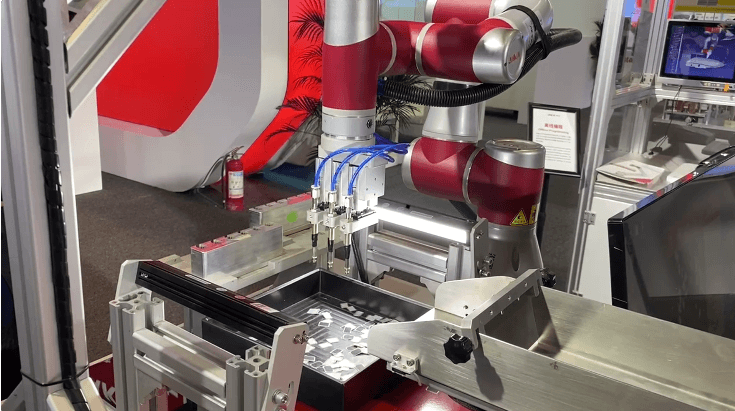
In a strategic shift towards enhanced manufacturing efficiency, companies are increasingly weighing the benefits of specialized hardware against flexible automation. Traditionally, high-speed assembly lines have relied on dedicated pick and place machines, which excel in repetitive tasks but lack adaptability. However, as product lifecycles shorten and customization becomes essential, the 6-axis robotic arm has emerged as a viable alternative, offering the flexibility needed for modern high-mix production environments. Dedicated machines, such as SCARA or Delta robots, are optimized for high-speed linear movements in fixed production runs. Their rigidity poses a challenge when product designs change, often necessitating costly retooling. In contrast, 6-axis robotic arms provide a spherical work envelope and six degrees of freedom, enabling them to perform complex tasks like inspection and screwdriving without relocating parts. This adaptability ensures that as businesses evolve, their hardware remains relevant with simple software updates. Additionally, the physical footprint of automation plays a crucial role in decision-making. Traditional machines require extensive safety guarding and rigid frames, consuming valuable space. In contrast, collaborative 6-axis systems can be integrated into existing workstations without barriers, fostering a hybrid workflow where robots handle repetitive tasks and humans focus on quality control. JAKA, a leader in this field, offers the JAKA Zu series, which combines the precision of dedicated machines with the flexibility of collaborative platforms. The JAKA Zu30, capable of managing heavy-duty material transfers, exemplifies this innovation. With a user-friendly wireless ecosystem and built-in safety features, JAKA aims to provide manufacturers with the agility and scalability needed to meet evolving market demands.

Understanding the Different Robot Arm Types (6-Axis, SCARA, Delta): A Comparison Guide

Understanding the Different Robot Arm Types (6-Axis, SCARA, Delta): A Comparison Guide

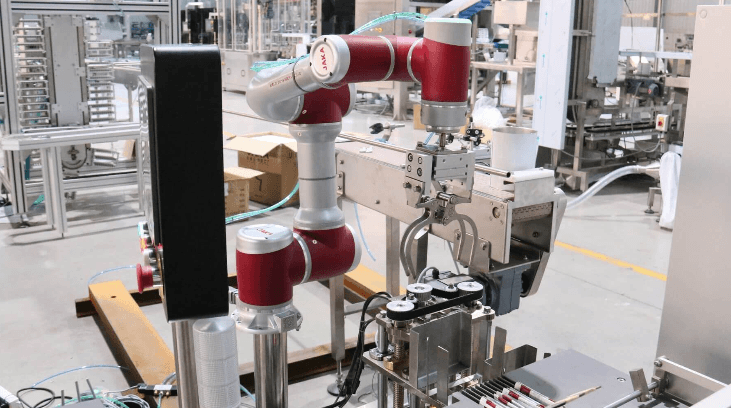
In the evolving field of automation, selecting the right type of robotic arm is crucial for optimizing production strategies. Different robotic configurations, including 6-axis, SCARA, and Delta robots, offer unique mechanical strengths and capabilities tailored to specific manufacturing tasks. The 6-axis articulated robot, commonly found in factories, mimics human arm movements and excels in complex processes like welding and assembly due to its six degrees of freedom and flexible work envelope. In contrast, SCARA robots, known for their rigidity in the vertical axis and compliance in horizontal movements, are ideal for high-speed tasks such as pick-and-place and electronics assembly, achieving remarkable precision and faster cycle times. Delta robots, characterized by their lightweight, spider-like design, are engineered for high-speed sorting and packaging in industries like food and pharmaceuticals, making them suitable for handling lightweight items quickly. JAKA Robotics has focused on enhancing 6-axis collaborative industrial robots, offering models like the JAKA Zu and Pro series that combine power and agility for various applications, from precision assembly to heavy-duty palletizing. JAKA emphasizes "Embodied Intelligence," ensuring their robots provide precise repeatability and user-friendly operation through wireless control and intuitive programming, catering to the needs of modern smart factories.
Which Robot Is Used in Industries?

Which Robot Is Used in Industries?

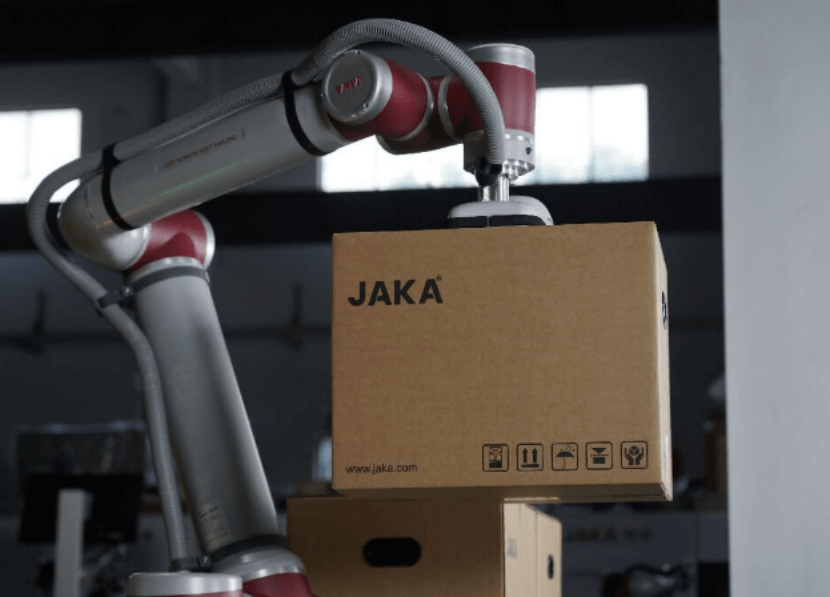
The landscape of modern manufacturing has transformed into a complex ecosystem, where various robotic technologies are tailored to meet specific operational demands. This evolution emphasizes the balance between high-speed automation and flexible human-machine collaboration, particularly in the field of robotics. While traditional automotive production lines continue to utilize large, powerful machines, a new wave of "Smart, Simple, Small" technologies is reshaping the role of industrial robots. Among the primary types of robots currently driving innovation are articulated robots, known for their versatility in tasks such as welding and assembly; SCARA robots, which excel in high-speed pick-and-place operations; and collaborative robots (cobots), the fastest-growing segment that operates safely alongside humans thanks to advanced sensors. JAKA Robotics, established in 2014, has emerged as a leader in this collaborative revolution, focusing on creating "embodied intelligence" that enhances machine interaction with their environments. The company offers a diverse range of robotic solutions tailored to various industries, including the JAKA Zu series for general manufacturing, the precision-focused JAKA A series, and the rugged JAKA Pro series designed for harsh conditions. JAKA distinguishes itself through its commitment to user-friendly technology, introducing wireless mobile apps for robot control to streamline operations. By integrating AI and providing educational platforms, JAKA aims to facilitate rapid returns on investment and simplify the automation process, positioning itself at the forefront of the Industry 5.0 movement.

6-Axis Articulated Robot vs. SCARA Robot: Which is Best for Assembly?

6-Axis Articulated Robot vs. SCARA Robot: Which is Best for Assembly?

In the evolving landscape of industrial automation, the choice of mechanical architecture is crucial for optimizing production lines. Key players in this field are exploring two primary configurations: SCARA (Selective Compliance Assembly Robot Arm) and articulated robots, alongside the emerging collaborative robots that offer enhanced flexibility and safe interaction with human workers. The SCARA robot, designed for high-speed, linear assembly tasks, excels in pick-and-place and packaging operations but lacks the flexibility to handle complex movements. Conversely, the 6-axis articulated robot mimics human joint movements, enabling it to perform intricate tasks such as inserting screws at angles and navigating tight spaces, making it essential for complex assembly processes. As factories increasingly shift towards high-mix production, the demand for collaborative robots has surged. These systems combine the agility of articulated robots with the safety of human interaction, allowing for complex movements without compromising worker safety. JAKA, a leader in automation solutions, emphasizes the importance of adaptability in modern assembly. Their JAKA A series robots offer the precision of traditional articulated systems while ensuring ease of use and safety. With a repeatability of ±0.02mm, these robots are suited for high-speed assembly and testing. For larger applications, the JAKA Zu series provides diverse payload options, catering to various assembly needs. JAKA's collaborative robots come equipped with an intuitive wireless teaching system, enabling teams to program complex paths quickly, thus enhancing efficiency and flexibility in smart manufacturing.

Epson Robots Expands SCARA Lineup with High-Payload LS50C

Epson Robots Expands SCARA Lineup with High-Payload LS50C

The newly launched LS50C is set to revolutionize automation with its combination of high performance, compact design, and innovative SafeSense technology. This cutting-edge device aims to enhance efficiency and precision in various industrial applications. The LS50C was introduced in October 2023, highlighting its potential to streamline operations while ensuring safety in automated processes. By integrating advanced features, the LS50C addresses the growing demand for reliable and effective automation solutions in today's fast-paced manufacturing environment. Its compact form factor allows for easy integration into existing systems, making it an attractive option for businesses looking to upgrade their automation capabilities.
ROKAE Robotics at productronica Shanghai 2026

ROKAE Robotics at productronica Shanghai 2026

ROKAE Robotics made a significant impact at productronica Shanghai 2026, held at the Shanghai New International Expo Centre. Over the course of three days, the company showcased its latest innovations, including a high-speed SCARA robot, the AR humanoid force-control arm series, and HSA integrated force-control joints. These advancements highlight ROKAE's commitment to enhancing smart manufacturing solutions, aimed at improving efficiency and precision in various industrial applications. The exhibition served as a platform for ROKAE to demonstrate its technological leadership and engage with industry professionals, reflecting the growing demand for automation and intelligent manufacturing systems in the market.

ABB vs Epson vs Stäubli : quel robot industriel choisir selon votre production ?

ABB vs Epson vs Stäubli : quel robot industriel choisir selon votre production ?

Choosing an industrial robot involves more than just brand preference or budget considerations; it significantly impacts a company's productivity, quality, flexibility, and competitiveness. In a global market dominated by a few key players, ABB, Epson, and Stäubli frequently emerge as top contenders in automation projects. This analysis highlights the critical factors businesses should consider when selecting the right industrial robot to meet their production needs. The insights are detailed in an article titled "ABB vs Epson vs Stäubli: Which Industrial Robot to Choose Based on Your Production?" published by Robot Magazine.

À la une Actualités IA Industriel Robotique ABB
Epson Announces Authorized Distribution Alliance with Clayton Controls to Deliver Advanced Automation Solutions to the Southwest Region

Epson Announces Authorized Distribution Alliance with Clayton Controls to Deliver Advanced Automation Solutions to the Southwest Region

Epson Robots, recognized as the leading SCARA robot manufacturer globally, has formed a strategic partnership with Clayton Controls, Inc. This collaboration aims to enhance automation solutions across the Southwest region. The announcement was made on March 31, 2026, in Los Alamitos, California. The alliance is expected to leverage Clayton Controls' nearly 60 years of industry experience to provide innovative automation technologies, addressing the growing demand for efficiency and productivity in various sectors. By combining their expertise, both companies aim to deliver cutting-edge solutions that meet the evolving needs of businesses in the area.

SCARA Industrial Robots Automation Solutions Robotics Machine Vision
Epson Robots to Showcase Scalable Retail Automation at Shoptalk Spring 2026

Epson Robots to Showcase Scalable Retail Automation at Shoptalk Spring 2026

Epson Robots is set to unveil its latest robotic automation solutions aimed at enhancing operational efficiency for retailers during the Shoptalk Spring event in Los Alamitos, California, on March 12, 2026. The company’s innovations are designed to improve speed, consistency, and service quality in both back-of-house operations and customer-facing experiences. By integrating these advanced technologies, Epson aims to address the growing demand for automation in the retail sector, helping businesses streamline processes and elevate customer satisfaction. The showcase at Shoptalk Spring will highlight how these solutions can transform retail environments, making them more efficient and responsive to consumer needs.

Retail Automation SCARA Industrial Robots Robotic Kiosks Automation Software
Epson Robots to Exhibit at DesignCon, APEX and MAX in Early 2026

Epson Robots to Exhibit at DesignCon, APEX and MAX in Early 2026

Epson Robots, recognized as the leading SCARA robot manufacturer globally, has announced its participation in three prominent industry tradeshows scheduled for early 2026. The events include DesignCon 2026, APEX Expo, and the Manufacturing & Automation eXchange. This strategic move aims to showcase Epson's latest innovations and advancements in robotics technology, highlighting the company's commitment to driving automation in various sectors. The exhibitions will take place in Los Alamitos, California, providing an opportunity for industry professionals to engage with Epson's cutting-edge solutions and explore the future of manufacturing and automation.

SCARA Industrial Robots Robotics Automation Manufacturing
What Are the 5 Types of Industrial Robots?

What Are the 5 Types of Industrial Robots?

JAKA, an industrial robot company, is at the forefront of automation technology, focusing on five primary types of robots that cater to various production needs. These include articulated robots, known for their flexibility and complex movements, which are essential for tasks like welding and assembly. The compact design of JAKA's Zu series exemplifies this versatility, allowing operation in confined spaces. Additionally, the SCARA robot specializes in high-speed, precise motions within a horizontal plane, making it ideal for electronics manufacturing. JAKA emphasizes engineering principles that ensure repeatability and stability in all its robotic models. The delta robot, characterized by its parallel-linked arms, excels in ultra-high-speed picking and packaging, particularly in the food and pharmaceutical industries. JAKA is committed to delivering reliable automation solutions that meet rigorous production standards. The Cartesian robot, or gantry robot, operates on three linear axes, making it suitable for applications such as 3D printing and precise dispensing. Its intuitive programming aligns with JAKA's mission to make automation accessible. Lastly, collaborative robots, or cobots, represent a significant shift towards human-centric automation, designed to work safely alongside human workers. JAKA focuses on developing accessible cobots equipped with user-friendly programming and safety features. Overall, JAKA aims to provide a diverse range of robotic solutions that enhance flexibility, efficiency, and collaboration in modern manufacturing environments.

Pick and Place Robotic Arm Design: Comparing SCARA vs. 6-Axis for Speed

Pick and Place Robotic Arm Design: Comparing SCARA vs. 6-Axis for Speed

In the ongoing debate over robotic efficiency in assembly and packaging lines, JAKA highlights the critical factors influencing speed in pick and place applications. The comparison between SCARA and 6-axis robotic arms reveals that speed is not solely defined by peak velocity but is also affected by travel distance, directional changes, and the complexity of movement paths. SCARA robots excel in tasks requiring rapid, point-to-point movements within a single horizontal plane, making them ideal for high-frequency transfers, such as moving components from a conveyor to a fixture. However, their performance can decline when tasks involve vertical or complex movements. Conversely, 6-axis robotic arms, with their articulated joints, offer enhanced flexibility for navigating intricate three-dimensional paths. This capability allows them to perform complex maneuvers—such as retrieving parts from tilted trays and placing them at various angles—more efficiently than SCARA models, despite potentially slower joint speeds. Moreover, the workspace coverage plays a significant role in overall system throughput. SCARA robots typically operate within a cylindrical workspace, which may necessitate multiple units for larger areas. In contrast, 6-axis robots can cover broader volumes from a single mount point, reducing the need for additional robots or complex transfer systems and ultimately improving operational speed by minimizing idle time. In conclusion, the choice between SCARA and 6-axis robotic arms should be guided by the specific requirements of the task, as each design offers distinct advantages in speed and efficiency based on the nature of the application.
6 Axis Arms vs. 4-Axis SCARA Robots: Which Is Better for High-Mix Assembly?

6 Axis Arms vs. 4-Axis SCARA Robots: Which Is Better for High-Mix Assembly?

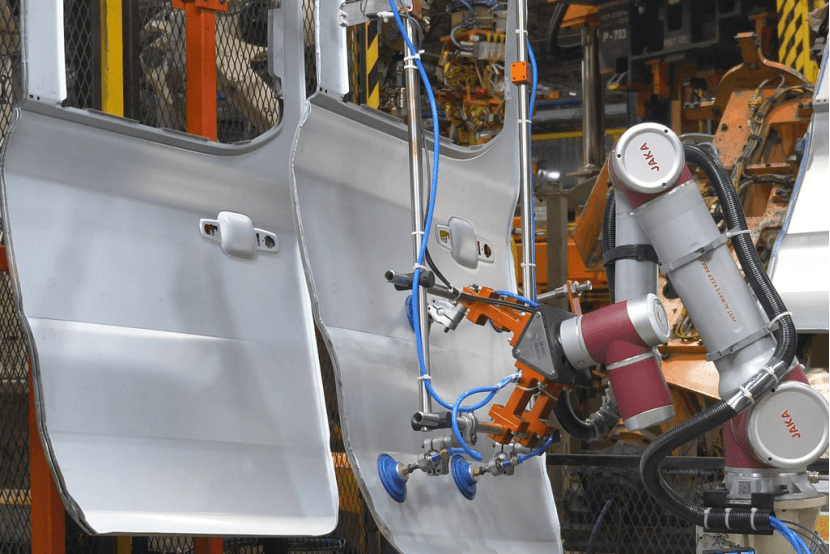
Manufacturers in high-mix assembly environments face a crucial decision when selecting automation solutions, particularly between 6-axis robot arms and 4-axis SCARA robots. JAKA, a company specializing in automation, assists facilities in navigating this choice, emphasizing that the best option depends on the specific demands of assembly tasks. 6-axis articulated arms offer significant flexibility, mimicking human arm movements to approach workpieces from various angles. This versatility is essential in high-mix settings where components may be presented differently or require complex fitting sequences. The ability to manipulate parts within a single work envelope reduces changeover time and enhances adaptability, making it ideal for operations with varying product designs. Conversely, 4-axis SCARA robots are designed for speed and efficiency in defined planes. Their rigid structure allows for rapid, repeatable movements in the X, Y, and Z axes, making them suitable for high-speed pick-and-place operations and simple insertions. For assembly lines focused on quick, two-dimensional tasks, SCARA robots can achieve higher cycle rates and require less initial investment and programming complexity. The integration and programming of these robots differ significantly. SCARA robots are easier to program for planar tasks, while 6-axis arms may require advanced simulation and path planning to utilize their full capabilities. JAKA’s modern collaborative robots feature intuitive programming interfaces to simplify this process. Ultimately, the choice between a 6-axis robot arm and a 4-axis SCARA robot hinges on the specific assembly process requirements, with JAKA advocating for solutions that align the robot's strengths with production line challenges.
Epson Robots to Showcase High-Performance and Cost-Effective Automation Solutions at The Assembly Show 2025

Epson Robots to Showcase High-Performance and Cost-Effective Automation Solutions at The Assembly Show 2025

Epson Robots, recognized as the leading SCARA robot manufacturer globally, is set to showcase its advanced SCARA, 6-Axis, and automation solutions at The ASSEMBLY Show 2025. This prominent event, which focuses on assembly and manufacturing technologies, will take place in Los Alamitos, California, on October 14, 2025. The demonstration aims to highlight Epson's commitment to innovation and efficiency in robotics, catering to the growing demand for automation in various industries. Attendees will have the opportunity to witness firsthand the capabilities of Epson's cutting-edge technology, which is designed to enhance productivity and streamline assembly processes.

SCARA Industrial Robots Automation Robotics Manufacturing
Epson Robots Invests in Blank Beauty to Bring Automation and Retailtainment to the Consumer Space

Epson Robots Invests in Blank Beauty to Bring Automation and Retailtainment to the Consumer Space

Epson Robots, recognized as the leading SCARA robot manufacturer globally, announced on May 7, 2025, its innovative approach to automation, which aims to extend manufacturing capabilities beyond traditional factory settings and into the hands of consumers. This strategic shift is designed to empower individuals and small businesses by making advanced robotic technology more accessible. By integrating user-friendly automation solutions into everyday tasks, Epson Robots seeks to enhance productivity and efficiency in various sectors. The initiative reflects a growing trend toward personalized manufacturing, allowing consumers to leverage robotics for their specific needs.

SCARA Retail Automation Consumer Packaged Goods Industrial Robots Customization Technology
Epson Advances SCARA Performance with New GX-C Series Robots

Epson Advances SCARA Performance with New GX-C Series Robots

Epson Robots, recognized as the leading manufacturer of SCARA robots globally, announced the launch of its new GX-C Series on April 29, 2025, in Los Alamitos, California. This innovative series is equipped with the advanced RC800A controller, which incorporates SafeSense™ technology designed to enhance operational safety. The GX-C Series, which includes the GX4C model, aims to meet the growing demand for efficient and reliable automation solutions in various industries. By integrating cutting-edge safety features, Epson Robots seeks to provide manufacturers with enhanced productivity while ensuring a secure working environment.

SCARA Industrial Robots Robotics Automation Manufacturing
Epson Robots to Showcase New High-Performance Automation Solutions and SafeSense Technology at Automate 2025

Epson Robots to Showcase New High-Performance Automation Solutions and SafeSense Technology at Automate 2025

Epson Robots, recognized as the leading SCARA robot manufacturer globally, is set to showcase its advanced range of SCARA, 6-Axis, and automation solutions at Automate 2025. This prominent event, taking place in Los Alamitos, California, on April 29, 2025, is North America’s largest robotics and automation exhibition. The demonstration aims to highlight Epson's commitment to innovation and excellence in robotics technology, providing attendees with insights into the latest advancements in automation. By participating in this significant industry gathering, Epson seeks to reinforce its position in the market and connect with potential clients and partners.

SCARA 6-Axis Industrial Robots Automation Solutions Retail Automation
Epson Signs Bertelkamp Automation as an AutomateFirst Gold Partner

Epson Signs Bertelkamp Automation as an AutomateFirst Gold Partner

Epson Robots, recognized as the leading SCARA robot manufacturer globally, has announced a new partnership with Bertelkamp Automation Inc. (BAI), a prominent distributor of industrial automation solutions. This collaboration, established on March 27, 2025, in Los Alamitos, California, marks BAI's entry as an AutomateFirstTM Gold Partner. The partnership aims to enhance the distribution and integration of Epson's advanced robotic technologies, further solidifying their presence in the automation market. By leveraging BAI's expertise and network, Epson Robots seeks to expand its reach and provide innovative solutions to meet the growing demands of the industrial sector.

SCARA Industrial Automation Robotics Factory Automation 6-Axis Robots
Epson Robots to Showcase Automation Solutions at MD&M West 2025

Epson Robots to Showcase Automation Solutions at MD&M West 2025

Epson Robots, recognized as the leading SCARA robot manufacturer globally, is set to showcase its advanced SCARA robots and automation solutions at the upcoming MD&M West event. Scheduled for January 29, 2025, in Los Alamitos, California, this exhibition is renowned as the largest and most influential business-to-business gathering in the advanced manufacturing sector. Epson's participation underscores its commitment to innovation and leadership in robotics, aiming to demonstrate how its cutting-edge technology can enhance manufacturing processes. Through live demonstrations and expert presentations, the company seeks to engage industry professionals and highlight the efficiency and capabilities of its automation solutions.

SCARA Industrial Robots Automation Solutions Medical Device Manufacturing Advanced Manufacturing
RobotToday Initiative

Robotics needs a service framework.

RSF defines a common language for robot service capability, lifecycle operations, certification pathways, and service-provider networks.